

Multiple Sclerosis Related Skin Conditions
Multiple sclerosis (MS) is a neurological disorder that can affect all of your body systems. People suffering from MS often report neurological, muscular, and skin problems as the disease progresses. If you have MS, you may develop puzzling skin symptoms and conditions that need to be addressed.
Your skin is the largest organ in your body, and it may need extra support if you have multiple sclerosis. Learn how MS symptoms and medications can affect your skin in your daily life.
Why MS Causes Skin Problems
Multiple sclerosis is a neurodegenerative condition that leads to increasing nerve damage over time. As a result, the ways your body experiences pain and physical sensations will change.
Nerve Degeneration
Some of this is purely neurological. As your nerves experience damage from this condition, they may misfire pain or sensitivity signals within your skin. You could have odd sensations, sensitivity to cold and light touch, and other skin problems.
Medication Side Effects
Additionally, Multiple sclerosis medications can lead to negative effects on your skin. Some of these prescriptions may irritate or inflame soft tissues in your body. As a result, you may experience infections, lesions, and rashes.
Common Neurological Skin Symptoms and Problems
When your nerves aren’t working properly, the way your body senses and responds to external stimuli (like touch) changes. These symptoms are what’s known as neurological skin problems. They don’t directly affect the appearance or texture of your skin, but these issues do impair your daily life.
Paresthesia
One of the earliest symptoms of Multiple sclerosis is paresthesia. This broad skin sensation can manifest in many different ways. Not everyone who experiences paresthesia has MS, but most MS patients deal with paresthesia at some point.
Some symptoms of paresthesia include:
- Numbness
- Tingling
- Prickling sensations
- Burning
- “Pins and needles”
- Tickling sensations
- Feeling like your skin is “crawling”
These symptoms show up even when nothing is physically touching your skin. Paresthesia is most common in your extremities — fingers, toes, hands, feet, legs, and arms. However, you may experience paresthesia in different spots on your body over time.
Neuropathic Itch
This skin problem is slightly different from paresthesia. When you develop neuropathic itch, it may feel like nothing will relieve the deep burning itch. Many MS patients struggle with this, and it doesn’t always involve external touches or stimuli.
Another name for neuropathic itch is pruritus. Even if there’s nothing physical causing the itch, it’s still a real sensation. It can be frustrating when the itch won’t resolve, even if you’ve scratched your skin excessively.
Skin Sensitivity: Cold, Touch, and More
MS patients experience extreme sensitivity to heat, cold, and touch due to nerve damage. This means even the lightest touch or slightest change in temperature can trigger a strong reaction in your body.
This makes everyday life difficult for obvious reasons. When you feel extreme pain and aversion to light touch or mild temperatures, it can be difficult to complete tasks and participate in society.
MS Medication and Skin Problems
Many MS patients have medications prescribed from their physician. However, the side effects aren’t always pleasant, particularly when it comes to your skin.
There are a wide variety of prescription drugs used to treat MS, so your specific symptoms will depend on what you’re taking. For example, monoclonal antibodies target certain immune cells to reduce the neurodegenerative and inflammatory effects of MS. However, this can irritate your skin and cause other unwanted side effects.
Here are some of the skin symptoms you may notice after taking MS medications.
Hives and Rashes
Patchy, itchy spots and raised hives can both stem from MS medications. This is because MS prescriptions deal with your immune system, inflammatory responses, and other bodily processes. These systems can and do interact with your skin, and sometimes, it responds by breaking out in hives or rashes.
Redness and Flushing
Some oral MS medications cause hot flashes, which make your skin look red and flushed. This is similar to the temporary skin sensations caused by exercise or anxiety. Most flushing sensations go away within 30 minutes of taking your medication, but they can still be a nuisance.
Skin Lesions
Some injections and infusions that treat MS can lead to skin lesions, which can affect your confidence and comfort. You may notice large or small skin lesions, with some being discolored or bruised.
Secondary Infections
When you have MS, your immune system constantly works overtime. This can weaken your defenses against secondary infections, like skin infections.
Scratching weakens your skin barrier, which can allow bacteria to enter your skin matrix and cause infections. If you’re dealing with neuropathic itch, you’re especially at risk.
Certain MS medications also make you more susceptible to skin infections. Injectable prescriptions carry the risk of exposing bacteria to different layers of your skin. Improper needle use and poor needle hygiene can both result in skin infections.
You’ll need antibiotic treatments for secondary skin infections, as these are bacterial and won’t go away on their own. Always consult your doctor for help with skin infections.
Care for Your Body to Reduce Your Skin’s Risk
Having MS is exhausting and can be debilitating. However, practicing physical and emotional self-care whenever possible can be beneficial. Caring for your overall health can reduce the impact MS has on your skin, making it less susceptible to infections and unpleasant symptoms.
Some forms of self-care for MS patients include:
- Getting plenty of rest
- Exercising regularly
- Journaling
- Meditating
- Eating a nutritious diet
- Doing yoga
- Spending time in MS support groups
- Talk therapy
These are all wonderful strategies for supporting your psychological and physical health when you have MS.
Be Prepared: Know the Most Common MS-Related Skin Symptoms
You can prepare yourself by learning about what you can expect after an MS diagnosis. MS has many detrimental effects on the body, but you can reduce some of these effects through stress relief and self-care. As you improve your overall well-being, you may notice skin improvements as well.
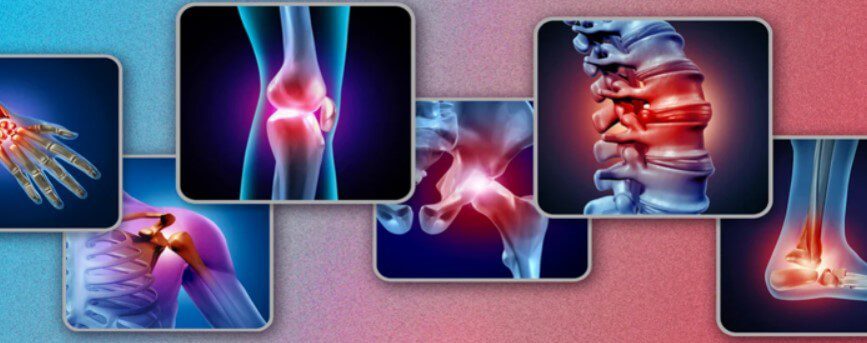
Best Pain Management Treatments for Osteoarthritis
Living with any type of arthritis is painful, debilitating, and frustrating. You miss out on a lot of the physical activities you used to love. This condition can even make it harder to keep up with children and grandchildren.
Your long-term health is worth fighting for. When it comes to osteoarthritis pain management treatments, it’s important to know your options. Here are some pain relief methods to try when managing your osteoarthritis over time.
How Osteoarthritis Develops and Becomes So Painful
The joint pain and inflammation alone can keep you off your feet for days. Along with severe pain, osteoarthritis also causes damage to your cartilage and joints, affecting your mobility and activity levels.
Cartilage Breakdown Leads to Joint Pain
If you’ve dealt with osteoarthritis pain, you might wonder what led you to develop this condition. The root cause of osteoarthritis is cartilage degradation. This means that the rubbery cushion between your bones starts to thin and eventually wear away entirely.
When your joints no longer have adequate cushioning or support between them, they start to rub together. This leads to inflammation, irritation, and intense pain. As the bones rub together, they also break down and lose some of their function.
Risk Factors for Developing Osteoarthritis
There is no single universal cause of osteoarthritis. Certain risk factors can increase your chances of developing this condition. If you have multiple risk factors at once, your chances are even higher.
Some risk factors for developing osteoarthritis include:
- Being overweight or obese
- Family history of osteoarthritis (genetics)
- Sedentary lifestyle
- Sports injuries
- Sex (women are more at risk)
- Hormone changes
- Joint and cartilage overuse
- Autoimmune inflammatory conditions
These risk factors don’t guarantee you will develop osteoarthritis, but they do play large roles in this condition.
Continuous Inflammation and Discomfort
Osteoarthritis can feel like a never-ending cycle. Once your joints start grinding against one another, you develop inflammation, which leads to even more pain and discomfort.
Over-the-counter anti-inflammatory medications may not resolve your pain, and they certainly don’t treat the root cause of it. In order to experience osteoarthritis relief, you need to prevent the inflammation from occurring in the first place.
At-Home Remedies and Lifestyle Changes
You may be able to control your osteoarthritis pain with lifestyle modifications. This means changing how you move, eat, sleep, and respond to stress in your daily life. Try these at-home therapies and improvements if you want to take the natural pain treatments for osteoarthritis.
Flexibility and Mobility Exercises
You must be careful when exercising with osteoarthritis. Some high-impact activities can make your pain worse. However, strength training, conditioning, and mobility exercises can improve your condition.
Certain stretches and gentle movements can help support your joints and reduce the burden on your bones. This ultimately leads to reduced pain and more mobility over time.
Cold Therapy
Cold temperatures can help reduce inflammation and swelling near your joints. This is because cold conditions trigger a restrictive mechanism in your blood vessels, reducing the blood and fluid supply to the affected areas. If you struggle with inflamed cartilage and joints, cold therapy might be just what you need.
Try applying an ice pack or sitting in an ice bath (with a doctor’s approval) for up to 20 minutes. It’s best to alternate cold and hot applications for the best results.
Heat Therapy
Similar to cold therapy, heat therapy works by changing the blood flow around your inflamed joints and cartilage. Heat opens up your blood vessels, allowing more blood and fluid to reach the affected area. This can supply oxygen, nutrients, and regenerative compounds to your joints.
Alternate applications of hot and cold compresses, using each for up to 20 minutes. You should experience a temporary reduction in swelling and discomfort.
Rest and Sleep
Getting plenty of rest is essential for restoring your joint and cartilage health. Your body needs sleep to rebuild damaged tissues and relieve pain effectively. If your pain is debilitating, try resting the affected area for a few days and catching up on some much-needed shut-eye.
Natural Joint Pain Treatments
From acupuncture to massage, many patients benefit from alternative pain relief therapies. If you want to avoid over-the-counter drugs, these natural pain treatments might be right for you.
Therapeutic Massage
You can perform self-massages at home or go to a licensed professional for these services. Either way, massage has been shown to improve blood circulation to injured areas and relieve some pain and discomfort. You may even notice improvements in your mobility after a restorative massage.
Acupuncture
Acupuncture uses tiny needles to activate trigger points in your body and release tension and pain. Some patients have experienced noticeable improvements in their osteoarthritis pain after regular acupuncture treatments. Contact an acupuncturist to see if this therapy is right for you.
Regenerative Medicine: Stem Cell Therapy for Osteoarthritis Pain
Stem cell therapy is a drug-free alternative you can use to treat your osteoarthritis pain. The potential healing properties of your body’s “blank cells” may lead your joints and cartilage to strength and health again.
How Stem Cells May Relieve Your Pain
Stem cells can be programmed to develop into almost any kind of cell your body needs. In osteoarthritis patients, this means turning them into cartilage tissue.
Stem cells may be able to regenerate damaged soft tissues around your joints, leading to more comfortable movements. This can help you regain some mobility and experience lower pain levels over time.
Low Risk of Side Effects
When you’re dealing with debilitating joint pain, the last thing you want is painful side effects from the treatment you’ve chosen. Stem cell therapy is known for its high safety profile since it uses human cells to regenerate damaged tissues. This means there’s little to no risk of adverse reactions.
Stem cell treatments are fast, generally safe, and potentially very effective at treating osteoarthritis pain. If you want to try a new avenue for joint pain relief, consider regenerative medicine.
Tackle Your Arthritis Pain Your Way
You have the final say in how you treat your osteoarthritis pain. Whether you opt for natural at-home remedies or test out regenerative medicine, what’s important is that you have choices. Take control of your health and mobility again with these pain management treatments for osteoarthritis.

Pain Management for Fibromyalgia
According to the Centers for Disease Control and Prevention, four million adults in the United States have fibromyalgia. It’s an often-misunderstood condition that leads to systemic joint and muscle pain, along with fatigue, making daily life very difficult. To deal with the pain the condition causes, it’s important to understand why it occurs. Learn more about fibromyalgia and your pain management options.
What Is Fibromyalgia? Symptoms and Causes
Fibromyalgia is a condition that leads to pain and tenderness all over the body. It’s a chronic condition, though symptoms tend to come and go. During flare-ups, the pain can be significant enough to interfere with daily life while also affecting sleep, leading to mental and physical distress.
During a flare-up, you can experience:
- Fatigue
- Pain
- Headaches
- Face and jaw pain
- Bladder control issues
- Digestive problems
- Insomnia
It’s not clear what causes fibromyalgia, but scientists have found that certain conditions, as well as stress, can trigger it. You are also more likely to have this condition if you have a relative who suffers from it. Women are twice as likely as men to develop it.
People living with conditions like arthritis, depression, anxiety disorders, and irritable bowel syndrome are more likely to develop fibromyalgia.
Fibromyalgia can affect people of all ages, including children, but it’s more common in those who are middle-aged.
Diagnosing Fibromyalgia
If you’re experiencing symptoms, your doctor will likely perform a physical exam and discuss your medical history. There’s no test that can officially diagnose fibromyalgia, so your doctor will do what’s called a differential diagnosis — a kind of investigation that functions via a process of elimination.
Your doctor may order blood work to check hormone levels and look for signs of inflammation to help eliminate other diseases.
During the physical examination, your doctor will likely check for the presence or absence of tender spots by using light pressure.
Most of the time, if you have generalized pain that lasts for three months or more without any other underlying conditions, you’ll receive a diagnosis of fibromyalgia. The pain has to be spread throughout your body to get this diagnosis.
Treating Fibromyalgia: What You Can Expect
There isn’t one treatment that works for everyone. Usually, your doctor will try a number of different options, combining them to offer the most effective results.
Your provider will likely treat the condition depending on the symptoms you’re currently experiencing. There are stages of treatment, though these aren’t treatment plans that can be followed in order because the condition can affect you differently during every flare-up.
Exercise to Loosen Muscles
In some cases, turning to physical exercises, including stretching, can help loosen your muscles and ease some of the discomfort.
Low-impact exercises like walking and swimming help build flexibility that can improve your movement during flare-ups while simultaneously helping manage pain with the release of endorphins they stimulate. Exercise may also help you get better sleep.
Medications for Symptom Management
Over-the-counter medications can help manage pain, as can narcotics, though your doctor will prescribe these with care since they can lead to dependence.
Antidepressants can often also help the process, easing some of the fatigue and pain. For those who have trouble sleeping because of fibromyalgia, sleeping aids are often a good choice.
Heat and Cold Therapy for Milder Pain
In some cases, heat and cold therapy is also effective in managing some symptoms, especially if they’re mild. Alternating hot and cold packs helps the muscles release some of the tension that could be causing pain.
Occupational Therapy for Everyday Tasks
Turning to an occupational therapist is a great way of finding out how to restructure your life when you experience flare-ups. This type of therapist can help make adjustments to your work areas while also helping you find better ways of performing certain tasks so that you experience fewer symptoms.
Massage and Acupuncture to Improve Range of Motion
Massage therapy is a trusted technique. It relies on the manipulation of your muscles and soft tissues, increasing blood flow and improving range of motion while helping reduce pain. For many, it helps relieve stress, too, which can impact the severity of the symptoms.
Acupuncture is also helpful, with the needles affecting blood flow levels and even how certain neurotransmitters in the brain work.
Lifestyle Changes for Flare-Up Reduction
Making changes to your everyday life is an important way of helping minimize the symptoms of flare-ups, so try to incorporate some into your daily life. The right options can depend on your preferences. Some people turn to meditation, while others prefer to do breathing and mindfulness exercises.
Regenerative Medicine to Handle Inflammation
One option people choose to try because of its promise is regenerative medicine.
The variety of treatments available include platelet-rich plasma therapy and stem cell therapy, which uses mesechymal stem cells to reduce inflammation and help calm the immune system. This makes it possible to better handle symptoms when you do have a flare-up.
Stem cell therapy is easy to combine with other treatment options and doesn’t require a long recovery period or the stress of dealing with side effects. Stem cell therapy and other regenerative medicine options help treat the underlying triggers like inflammation, so you’re not just covering symptoms with medications.
Living With Fibromyalgia
It can seem daunting to live with a chronic condition like fibromyalgia, but with some lifestyle changes and an understanding of what triggers your flare-ups, as well as a combination of treatments, you can better manage the condition.
If you’re dealing with fibromyalgia, ask your doctor whether an option like stem cell therapy and other regenerative medicine treatments can help.
Choosing options that target inflammation and trying to get to the underlying cause of the problem instead of only masking the symptoms can make it possible to live a happy and healthy life with fibromyalgia. To learn more about pain management for Fibromyalgia visit our website or contact us now!
Reviewing The Effectiveness of Stem Cell Therapies in Managing Neuropathic Pain
The International Association for the Study of Pain defines neuropathic pain as “pain arising as a direct consequence of a lesion or disease affecting the somatosensory system”. While general neuropathy is diverse by nature, neuropathic lesions generally fall into four categories: focal or multifocal lesions of the peripheral system, general lesions of the peripheral nervous systems, lesions of the central nervous system, and complex neuropathic disorders.
Although neuropathic pain is typically characterized as chronic pain, it is also considered more severe than other types of chronic pain; this is in large part due to the increased disruption to overall quality of life when compared with other chronic pain syndromes.
As part of this review, Fortino, Pelaez, and Cheung review specific types of neuropathic pain and summarize current research being done to replace pharmacological treatments with cellular therapies, including stem cells, designed to have a longer-lasting effect on the treatment of neuropathic pain.
Neuropathic pain presents itself in many different forms, including spontaneous sensations and superficial pain. These forms of neuropathic pain differ from nociceptive pain in that nociceptive pain occurs as a result of tissue damage while neuropathic pain is the product of damage to the peripheral or central nervous system. Neuropathic pain also differs from nociceptive pain in its proportion to the intensity of the stimuli; in other words, while nociceptive pain is proportional to the intensity of the stimuli, neuropathic pain is not.
Considering that uninjured fibers that intermingle with degenerating nerve fibers participate in pain signaling, it is important for the environment surrounding these uninjured nerve fibers to be able to protect them from degeneration and exacerbation associated with neuropathic pain. Since growth factors have proven critical in promoting neuron development and survival and since neurotrophic factors are secreted by stem cells, researchers hypothesize that stem cells present a potential therapy for longer lasting treatment of neuropathic pain.
Clinical studies have demonstrated that neurotrophic factors offered by stem cells when in direct or indirect contact with the lesioned nerve, appear to provide neuroprotection and neuroregenerative effects.
Despite the potential for stem cell therapies to provide protection from neurodegeneration and to promote neuroregeneration, the authors raise several issues that need to be addressed, including determining an optimal dose for stem cell transplantation and obtaining a better understanding of the homing capabilities of stem cells.
In addition to exploring the benefits of neurotrophic factors of stem cells in treating neuropathic pain, transplantation of human mesenchymal stem cells (hMSCs) to explore potential benefits in treating diabetic peripheral neuropathy and spinal cord injuries are also currently being evaluated.
While the role of stem cells in the treatment of neuropathic pain is not yet fully understood, the authors find their ability to modify cellular processes to provide protective and restorative environments that can reverse the causes of neuropathic pain a promising therapy for the long-term treatment of this condition.
Source: “Concise Review: Stem Cell Therapies for Neuropathic Pain – PMC.” https://www.ncbi.nlm.nih.gov/pmc/articles/PMC3667564/.
 St. Petersburg, Florida