by Stemedix | Nov 13, 2023 | Stem Cell Research, Alzheimer’s Disease, COPD, Parkinson's Disease, Regenerative Medicine, Stem Cell Therapy
Regenerative medicine using stem cell therapy has grown in popularity in the past years because of the promising results it has shown for the management of conditions, injuries, and other issues.
By understanding the power of stem cells, the options available, and the reasons why some people are hesitant while others urge research forward, you can decide for yourself whether they are the appropriate treatment option for you.
What Are Stem Cells, and How Do They Help?
Stem cells are undifferentiated cells with the potential to become and create specialized cells. They function as a repair system for the body, contributing to the process of tissue regeneration while also supporting normal growth and development.
Stem cells have two crucial and unique abilities: pluripotency and self-renewal. Pluripotency is the ability to become any kind of cell needed, and self-renewal refers to the way they can replicate themselves indefinitely, providing a never-ending supply of undifferentiated cells.
Different Types of Stem Cells
There are three broad categories of stem cells: embryonic stem cells, adult stem cells, and induced pluripotent stem cells. Each option has diverse applications and unique characteristics.
Embryonic cells come from blastocyst-stage embryos, which are embryos that are from three to five days old. They usually derive from in vitro fertilization clinics. At this stage, the embryo contains an inner cell mass capable of creating all of the tissues that make up the human body. Embryonic cells are fertilized in a lab and donated with full consent. But due to ethical controversy, it is widely used in research only.
Adult stem cells are found in various tissues and organs throughout the adult human body. These stem cells are multipotent, so they can transform into a limited number of stem cells. Adult stem cells help maintain tissue homeostasis and repair and replace damaged cells.
Adult stem cells include:
- Mesenchymal stem cells
- Blood stem cells
- Skin stem cells
- Neural stem cells
- Epithelial stem cells
Induced pluripotent stem cells are made by reprogramming certain adult stem cells into a pluripotent state with the use of genetic factors. These cells are similar to embryonic stem cells in the way they function.
Stem Cell Research: Why There’s Controversy
Using stem cells and performing stem cell research still poses challenges in ethics for some people, especially when turning to embryonic stem cells.
Concerns over when personhood begins make the use of embryonic stem cells more complex because there’s a worry about the moral status of embryos and whether they can be used or discarded.
It’s crucial to understand that the embryos that are used have never been in a woman’s body. They are embryos that fertility clinics would otherwise discard. Although the discarding of the embryos is not usually a controversy, the use of those same embryos for research creates controversy for some.
In this regard, induced pluripotent stem cells are more readily accepted because they don’t rely on embryos. Other issues can arise, however, when it comes to the actual process of researching stem cells. This includes oversight concerns as well as consent issues.
Arguments for Stem Cell Research
Because of the benefits that stem cell therapy offers, many scientists encourage research to improve treatments and learn more about how human bodies function.
Scientific Advancements
Stem cell research contributes to the understanding of cellular processes. This allows for the development of better treatment options, as well as a better comprehension of how some conditions form. Stem cells hold promise for the treatment of degenerative conditions like Parkinson’s disease, COPD, and Alzheimer’s.
Additionally, stem cell research offers the chance for scientists to understand how stem cells replace or repair damaged cells. This information would make it easier to provide targeted treatments that are more efficient and longer lasting.
Economic Boost
Using stem cells to create new therapies and medical technologies opens the door to the creation of new jobs and specializations. These advanced treatments can also help decrease medical costs, helping the economy in the long run.
Ethical Use of Discarded Embryos
Embryos that have been made via in vitro fertilization processes and have gone unused can serve a purpose instead of being discarded. Many argue that this is a better option than treating the embryos like medical waste.
Arguments Against Stem Cell Research
Those against stem cell research generally cite safety and ethical concerns centering on consent and exploitation problems.
Safety and Efficacy
Because stem cell therapies are still relatively new, there are worries about how effective they can be. The issue with this argument against stem cell research is that it fights against the very thing that would provide a definite answer as to whether stem cells are effective and safe: ongoing research.
Ethical Concerns
The ethical concerns mainly focus on the use of embryonic stem cells, including the worry about obtaining consent. In many instances, detractors suggest turning to induced pluripotent stem cells for research and avoiding embryonic cell use because of the ethical barriers that would slow the research down.
In other instances, the worry of consent focuses on the risk of the potential exploitation of vulnerable populations. Those against the research note concern about the possibility of future coercion and other similar activities.
However, as with any other form of research, the scientific community imposes strict guidelines designed to protect against these concerns.
Focusing on the Potential of Regenerative Medicine
Living with chronic conditions that affect quality of life usually means relying on medications, invasive procedures, and therapies that might manage some symptoms but don’t get to the root of the problem.
On the other hand, stem cell research offers the potential to not only understand the causes of some of the most debilitating conditions and injuries, but also to provide therapy solutions to help manage symptoms.
The path to learning more about conditions like COPD or Parkinson’s is not easy, but embracing new and promising treatment options can open a way forward. By tackling some of the ethical concerns people have about stem cells head-on, lives may be able to improve for many people around the world.
by Stemedix | Nov 6, 2023 | Multiple Sclerosis, Autoimmune, Chronic Pain, Musculoskeletal, Stem Cell Research, Stem Cell Therapy, Studies
Around the world, an estimated 1.8 million people live with multiple sclerosis. This autoimmune condition is chronic and can affect your life expectancy. The right treatment options, however, may impact the outcome you can expect. Learn about multiple sclerosis life expectancy and how the latest treatments help.
Understanding Multiple Sclerosis
Multiple sclerosis is a chronic autoimmune condition in which your immune system mistakenly attacks the sheaths that surround and protect the nerves in the spinal cord and brain, called the myelin. A damaged myelin interferes with the signals your brain sends to other parts of your body.
Symptoms of multiple sclerosis include:
- Fatigue
- Muscle weakness
- Muscle spasms
- Changes in gait
- Loss of coordination or balance
- Numbness or tingling in arms or legs
The causes of multiple sclerosis vary and are not always clear. They include being exposed to certain viruses or bacteria. People who had particular infections, like Epstein-Barr exposure, are more likely to develop MS. Other causes may be your environment, genetic mutations, and even how your immune system functions.
Diagnosing Multiple Sclerosis
Getting an accurate diagnosis is one of the most crucial steps if you have multiple sclerosis. A definite test has not been developed for MS, but the symptoms you experience will lead your doctor to perform a physical exam, take blood, and get imaging tests like MRIs.
MRIs can catch any lesions in your spinal cord or brain. These lesions develop as the disease damages the myelin. Your doctor may also perform a spinal tap.
If these tests don’t offer a definite diagnosis, you may have to undergo an evoked potentials test. This test checks for nerve damage by measuring electrical activity in the spinal cord and brain.
Multiple Sclerosis Life Expectancy: Factors to Consider
Newly diagnosed patients with MS who don’t have severe disabilities have a life expectancy of 30 years or more, but lots of factors play a role in determining this number. Your unique circumstances impact life expectancy.
Disability Status
The Expanded Disability Status Scale (EDSS) is an important factor for healthcare providers attempting to provide an estimated life expectancy. The EDSS measures the level of disability in patients with MS. Everything from loss of independent ambulation to cognitive function is measured to provide the EDSS score.
Mental Health
People with MS who experience mental health concerns like depression and anxiety may have a lower life expectancy. This is because mental health significantly impacts physical health and can even worsen the symptoms of MS.
Compliance With Therapeutic Regimen
Following treatments as required impacts how the disease progresses, which then impacts your life expectancy. The type of treatment you receive is a factor.
Lifestyle Changes to Improve Life Expectancy
For many people with MS, making some lifestyle changes helps impact their life expectancy. Diet is one of the changes.
Following a healthy diet helps you manage symptoms while also improving your overall health. For MS patients, decreasing the intake of saturated fats and instead consuming omega-3 polyunsaturated fatty acids helps prevent myelin loss in the central nervous system.
Adding stress management techniques to your life is another change you can make. Stress makes MS symptoms worse. Trying breathing exercises, meditation, or turning to a therapist. These strategies can all improve your stress levels and impact your overall health.
You also want to add physical exercise to your routine. Physical exercise may help slow down disease progression. Aerobic exercise may be able to decrease inflammation. It can also aid in decreasing depression and other mental health concerns that are a result of MS.
Staying at a healthy weight is also vital for increasing life expectancy. People with MS have a higher risk of malnutrition, and they are more prone to being both underweight and overweight. Adding exercise to your day and improving your food choices will help you correct any nutritional issues you have, leading to better overall health.
Getting better sleep is another important change you can make, as well as quitting any form of nicotine you may use. Smoking increases inflammation, which can make MS symptoms worse.
How Regenerative Medicine Can Help
For people with MS, one promising treatment option is regenerative treatments like stem cell therapy. More people are turning to stem cell therapy because it may be able to decrease inflammation and improve symptoms with minimally invasive measures.
Stem cell therapy uses stem cells, which are the cells that differentiate into the many types of cells in the body. For multiple sclerosis, mesenchymal stem cells are particularly useful because of their ability to repair myelin. They may also have a positive impact on the immune system.
For this type of treatment, your healthcare provider removes stem cells from your bone marrow or fat, preparing them for an injection to reintroduce them into the body. Stem cell therapy is a great option for those searching for minimally invasive treatments that don’t require a long recovery process.
Stem cell therapy gets right to the cause of MS symptoms: the damage of myelin. Unlike other treatment options, studies have shown that regenerative medicine has the potential to help with symptom management, slowing down progression, and provide a better quality of life.
It is also a treatment option that may be less likely to cause side effects because the stem cells usually come from your body.
Living With Multiple Sclerosis
Getting a diagnosis of multiple sclerosis can be stressful, but it’s crucial to know that many people with the condition live full and happy lives. Advances in medicine have made it easier than ever to extend your life expectancy with conditions like multiple sclerosis, especially if you receive an early diagnosis.
Stem cell therapy and other forms of regenerative medicine work to offer you the help you need while targeting the cause of the disease. By combining stem cell therapy with lifestyle changes like exercising and eating better, you may be giving your body the ability to slow down the disease’s progression while improving your overall health.
by Stemedix | Oct 30, 2023 | COPD, Regenerative Medicine, Stem Cell Research, Stem Cell Therapy
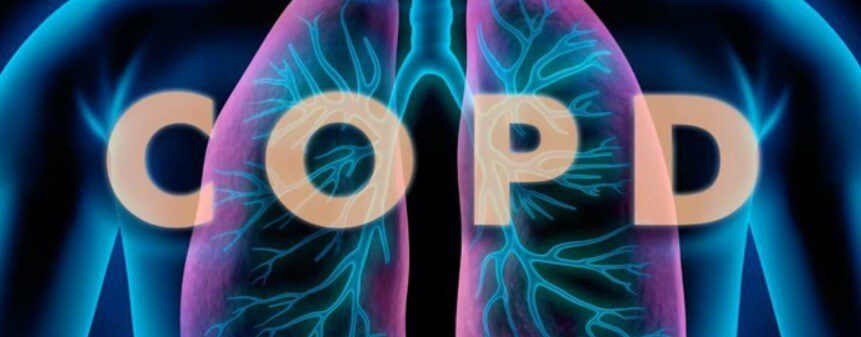
Chronic obstructive pulmonary disease (COPD) is a condition that affects about 12.5 million people in the United States. COPD can become progressively worse over time and affect your breathing.
Although lifestyle changes, oxygen therapy, and medications have traditionally served as the standard treatment choices, there is now another promising option for treating COPD, regenerative medicine, also known as stem cell therapy.
Understanding COPD: Symptoms and Causes
COPD is the umbrella term for several conditions that cause airflow blockages and other breathing-related issues. Chronic bronchitis and emphysema can both lead to COPD. Chronic bronchitis is the inflammation of your bronchial tubes’ lining, while emphysema destroys the air sacs at the ends of the smallest air passages.
Key Symptoms of COPD
Common symptoms of COPD are:
- Chest tightness
- Wheezing
- Fatigue
- Unintended weight loss
- Shortness of breath
- Chronic cough that produces clear, white, yellow, or green mucus
- Swelling in feet and ankles
It’s common to experience exacerbations, which is when symptoms get significantly worse for days at a time. Many factors cause exacerbations, including exposure to air pollution, respiratory infections, and anything else that triggers inflammation.
Causes and Risk Factors
Those most likely to develop COPD are women and people who:
- Are over 65.
- Have experienced air pollution.
- Had many respiratory infections during childhood.
One of the most prevalent causes of COPD is smoking. Smoking irritates your airways, triggering inflammation that narrows those airways. Because smoke also damages the cilia, they’re not able to effectively get rid of mucus or particles from the airways.
Another cause of COPD is alpha-1 antitrypsin (AAT) deficiency. This is an uncommon disorder that can cause emphysema. When you have AAT deficiency, you don’t have an enzyme that protects your lungs from inflammation. The deficiency makes it easier for your lungs to experience damage from irritating substances like dust and smoke.
The Current Treatments and Their Limitations
Current COPD treatments include the use of bronchodilators and steroids — as well as oxygen therapy — to minimize the symptoms of the condition.
Bronchodilators are medications that relax the muscles around the airways, helping you get better airflow. Some bronchodilators offer quick relief for acute episodes, while others are more appropriate for maintenance.
Steroids work together with bronchodilators to reduce airway inflammation. The problem with steroids is that they have significant side effects when used as a long-term treatment. Some of these side effects include weight gain, an increased risk of developing infections, and even bone loss.
Oxygen therapy is appropriate for people who have severe hypoxemia because it helps improve oxygen levels and relieve symptoms. Pulmonary rehabilitation programs are other options that combine exercise training with education to help patients understand the condition better.
Surgery is the last recourse for people with severe COPD who don’t find any relief from medications or other options. For some people, a lung transplant is a viable choice. For others, the removal of damaged lung tissue can offer some relief from symptoms.
Limitations of Traditional Treatments
Although doctors have been providing these options for a long time, they have limitations. For instance, they may offer relief from symptoms, but they typically don’t address the underlying cause of the problem. Even after treatment, the damage to your airway passages and lungs remains.
The side effects of long-term use of these treatments can also be serious. Corticosteroids put a strain on your heart, cause muscle weakness, and can even impact wound healing, which can make them a challenging choice for long-term management of COPD.
More invasive procedures, like surgery, have significant risks. Additionally, there are limits to who can receive surgery for COPD because of the use of anesthesia.
Recent Advances in the Treatment of COPD
To help improve the quality of life of a patient with COPD, new treatment options are available. By working closely with your doctor, you can find the right choice for your unique needs.
Drug Therapy Innovations
The latest medications for those with COPD are new bronchodilators and anti-inflammatory medications that don’t cause the same side effects that may make you hesitate to try long-term drug treatments. The goal of these new medications is to offer longer-lasting support and reduce the flares you experience with COPD.
Inhaler Technologies
Your inhaler is an important part of a COPD treatment program, and the latest technologies allow for better drug delivery while also ensuring that the inhaling techniques are correct. All of this makes it easier to stick to using your inhaler regularly.
Stem Cell Therapy for COPD
A new potential treatment option for COPD is regenerative medicine, also known as stem cell therapy. This type of regenerative medicine uses stem cells to help your body heal itself so that it can regenerate damaged tissue for better lung function.
Mesenchymal stem cells (MSCs) can be isolated from various sources, such as bone marrow, adipose tissue, or umbilical cord blood. These cells have the ability to differentiate into different cell types and possess immunomodulatory and regenerative properties.
MSCs have shown promise as a potential therapeutic approach for chronic obstructive pulmonary disease (COPD). While there is currently no cure for COPD, MSC-based therapies have the potential to modulate the immune response, reduce inflammation, and promote tissue repair in the lungs.
When administered into the lungs, MSCs can release anti-inflammatory molecules, promote tissue regeneration, and interact with the immune system to suppress excessive inflammation.
Getting Treatment for COPD
If you have COPD, ensuring that you have the right treatment plan on your side is vital for your long-term recovery. If you have COPD and it is progressively worsening, and there are limited treatment options available, you may want to explore stem cell therapy as a potential avenue for slowing disease progression or improving lung function.
Regenerative medicine aims to enhance what your body already does naturally, helping it heal so that you improve your quality of life. Speak to a regenerative specialist on the options you may have with this new alternative therapy option.
by Stemedix | Oct 16, 2023 | Parkinson's Disease
Parkinson’s disease is a complex neurological disorder. It can affect many aspects of your life and wear down your mental health. Fortunately, there are now modern treatment options that help you manage your Parkinson’s symptoms.
If you’ve just received a Parkinson’s diagnosis, don’t give up hope. Learn more about your treatment options so you can live your life to the fullest, regardless of your diagnosis.
How Parkinson’s Symptoms Affect Daily Living
You’ve probably heard of the most common symptoms of Parkinson’s. They can make daily tasks feel more challenging and inaccessible. As Parkinson’s disease progresses, if there is no medical intervention, symptoms tend to worsen.
Motor Symptoms: Trouble with Normal Movements
Parkinson’s disease is related to the amount of dopamine in your brain. When your brain cells stop producing the correct amount of dopamine, your movements change. You no longer have smooth, controlled movements. You may experience shaking, tremors, and slowed motor skills.
Someone with Parkinson’s may have trouble lifting, bending, twisting, or even walking. In the later stages of this disease, Parkinson’s can cause complete immobility, necessitating wheelchair assistance.
If you can’t move around properly, you can’t carry out many normal daily tasks. Cooking, cleaning, and self-care have become nearly impossible.
Digestive Health and Gastrointestinal Problems
Changes in your brain from Parkinson’s disease can lead to problems with digestion. You may experience constipation, bloating and indigestion, and urinary incontinence. Gastrointestinal changes can make eating a less positive experience for Parkinson’s patients.
Mood and Personality Changes
As with any neurodegenerative disorder, Parkinson’s disease can cause mood changes. You may not recognize what’s happening to your mental state. Unfortunately, this is an expected symptom of this neurodegenerative disease.
Parkinson’s patients may experience increased irritability, suspicion, confusion, and depression. These mood changes make it harder to get along with other people. You may start to feel like a different person altogether.
Personality changes can impact your social relationships, which are essential for human health and connection. With the rise in stem cell therapy treatments for Parkinson’s, however, there is hope for getting back to your former self.
Why Early Treatment Is So Important
Getting Parkinson’s disease treated early is essential to slowing the progression of this disorder. The earlier you catch Parkinson’s, the better your outcome will be. Since this is a neurodegenerative disorder, time spent untreated can worsen your symptoms.
If you have just received a diagnosis, now is the time to start looking into your treatment options. What’s out there for you? Is there hope? The answer is yes.
What Are Your Treatment Options?
Modern science and research have allowed medical providers to help slow the progression of Parkinson’s disease. Treatment options include various therapies to help you regain your speech and motor skills. Other innovative treatments, like regenerative medicine, help manage the condition by repairing tissues to improve your health.
Changing Your Lifestyle
Lifestyle changes can have surprising effects on your overall health. Certain parts of your lifestyle may be contributing to worsening health. These can include smoking, under exercising, and overeating.
When you receive a Parkinson’s diagnosis, it’s important to take your health seriously. Getting plenty of sleep and nutrition will help you feel your best each day. You should also quit smoking and give up other harmful habits, like excessive snacking on junk food.
You can protect your health by including healthier habits in your daily routine. Lifestyle changes alone may not cure Parkinson’s, but they can improve your quality of life.
Occupational, Speech, and Motor Therapy
You can opt for speech, motor, or occupational therapy to improve your skills in daily life. These therapies are designed to restore daily functioning in ways that promote independence. If you struggle with your current tasks, this may be a good option for you.
Certified therapists will help you gain new skills that assist with movement, speech, and performing tasks. A Parkinson’s diagnosis doesn’t mean you’re doomed. With the right types of therapy in your life, you can achieve a higher level of function.
Regenerative Medicine with Regenerative Properties
Regenerative medicine, also known as stem cell therapy, utilizes mesenchymal stem cells (MSCs). MSCs are multipotent stem cells that can be isolated from various tissues, such as bone marrow, adipose tissue, and umbilical cord, and they possess several beneficial properties.
MSCs hold promise as a potential therapeutic approach for Parkinson’s disease. This condition is characterized by the loss of dopaminergic neurons in the brain. MSCs have been studied for their ability to modulate inflammation, promote neuroprotection, and stimulate endogenous repair mechanisms in the brain.
MSCs have shown the potential to improve motor function, reduce neuroinflammation, and promote the survival and differentiation of existing neurons. Additionally, MSCs can secrete neurotrophic factors and anti-inflammatory molecules, which may contribute to their therapeutic effects.
When it comes to Parkinson’s disease treatment options, stem cell therapy may be one to explore as a potential therapy in conjunction to others. Some patients experience improvements in their speech, cognition, and motor skills after stem cell treatments.
What to Expect from Stem Cell Therapy for Parkinson’s
Scientists have not yet found a cure for Parkinson’s disease. However, with appropriate stem cell therapy, we may be able to slow the progression of this disorder. Here are some results you can expect from consistent stem cell treatments for Parkinson’s.
More Energy
Stem cell treatments have given our patients more energy and less fatigue. You want to enjoy your life to the fullest. Why not enjoy an extra energy boost from the regenerative powers of stem cell therapy?
Reduced Tremors and Shaking
Tremors are an inconvenient symptom of Parkinson’s disease. Certain stem cell treatments may reduce the frequency of your tremors and shaking. Arm and leg movements would then be easier and less stressful. You may find that your coordination also improves.
Better Cognition and Memory
Parkinson’s unfortunately affects the way you think and how much you can remember. Some patients have seen marked cognitive improvement after stem cell treatments. This is likely because stem cells have the power to regenerate damaged brain cells and improve overall mental functioning.
More Fluid Movements
Stiffness and inflexibility come with Parkinson’s disease. Through stem cell therapy, you may be able to achieve more fluid movements.
Managing Your Parkinson’s Diagnosis with Hope
With a Parkinson’s diagnosis, you do have options to explore. Through traditional and innovative treatments like stem cell therapy, science may be able to help you reverse or slow the progression of this disease. Patients can have the potential to manage their condition and possibly help improve their daily life and activities.
by Stemedix | Oct 9, 2023 | Stroke
The Centers for Disease Control and Prevention states that more than 795,000 people in the United States suffer a stroke every year. A stroke happens when something blocks the supply of blood to a part of the brain or when a blood vessel in the brain bursts.
If you’ve had a stroke, knowing what to expect from the recovery process is vital. Learn about the potential recovery timeline.
Day 1: Beginning Your Recovery
The first step is always to confirm that you did have a stroke. This should happen as soon as possible because the treatment process is most effective when it begins right after the stroke.
When you arrive at the hospital, you’ll be taken to an imaging room for a CT scan, which will help identify the stroke. The type of stroke you had will determine the treatment you receive. Your team will go through the entire process with you and your loved ones to ensure you understand what it involves.
Week 1: The Next Steps
Most stroke patients can go home after about four to seven days. This will vary depending on your overall health, the severity of the stroke, and how the recovery is progressing.
This first week is when you and your team will put your recovery plan into action. You may need a number of therapies.
Physical therapy involves mobility training, motor-skill exercises, range-of-motion activities, and anything else that helps you regain motor skills.
Speech therapy focuses on helping you regain any lost speaking abilities, as well as helping you with swallowing.
Another type of therapy is occupational therapy, where an occupational therapist will help you with any issues with vision and cognitive skills.
Because stroke rehabilitation needs to focus on treating the whole patient and not just the symptoms, the treatment plan has to include cognitive and emotional activities with a mental health specialist. This type of therapy helps you express what you’ve been feeling after the stroke.
The Three Months After the Stroke
You will continue your rehabilitation either as home-based care, which involves the therapists coming to you at your home, or as outpatient therapy at a stroke rehabilitation center.
Some people can also benefit from specialized short-term or long-term care. One of these options is skilled nursing care. Many nursing facilities have experience helping people who have had strokes and need more intensive care. The average stay at these nursing facilities is about a month.
Inpatient stroke rehabilitation is another option. It usually involves spending two or three weeks at an inpatient facility for people who’ve had strokes. You will likely have therapy five days a week for at least three hours a day. This can be a good option if you need 24/7 medical care but can still handle intensive therapies.
Nursing home care is a long-term option. It is a good choice if you need non-medical care and help with things like bathing, eating, and mobility. You can still receive certain therapies, but for the most part, nursing home care focuses on helping you manage everyday life.
You can also combine these options, with some people moving from one option to the next as they start improving.
Some people experience a spontaneous recovery during the first three months after a stroke. This is when a skill or ability that you thought you had lost returns completely. Spontaneous recovery occurs because the brain finds new ways of performing a particular task.
Six Months After the Stroke
Within six months, most people who have had strokes have completed at least one rehabilitation program and may be continuing care at home.
Just because you’ve returned home doesn’t mean you don’t still need therapy, however. It’s crucial to focus on preventing another stroke as well, so you should establish relationships with specialty and primary doctors who will be there to provide ongoing care.
You should have a mental health professional helping you through this stage of recovery. Having a stroke is a major event in your life, and you may not have yet processed it emotionally. A mental health professional helps you find ways of dealing with depression, anxiety, or any other mental health concerns you’re struggling with.
Another important member of your team is the vascular neurologist. They specialize in strokes as well as other brain diseases. They’re the ones who can identify a stroke when you go to the hospital, and they also provide post-stroke care.
Your primary care doctor is another crucial team member. They help monitor your health and are even able to gauge your risks of having another stroke.
One Year After a Stroke
After a year, you will likely have completed one or more rehabilitation programs. You may still be struggling with limitations or may have experienced a full recovery. However, it’s important to know that stroke recovery is an ongoing process.
You also want to continue dealing with the emotional toll a stroke can take, so reaching out to support groups for people who’ve had strokes is a good option. This will allow you to speak with others who have gone through a similar process.
Understanding Setbacks
Setbacks can happen in the months after a stroke. Setbacks can include a second stroke, pneumonia, and other health issues. Although these events take a significant toll on your body, they often take a heavier one on your mental state. That’s why having a mental health professional helping you is vital.
Your care team will have to adjust your recovery timeline if these setbacks occur and prepare new therapies that can address any issues that may have arisen.
Outlook After a Stroke
A full recovery after a stroke is often possible. It’s also possible to experience lasting issues that affect your daily life and require long-term adjustments. Perhaps the most important thing, however, is to prevent another stroke.
By working closely with your recovery team and having medical professionals you trust helping you, you can pursue the various therapy options available.
One such option is regenerative medicine, also known as stem cell therapy, which uses your body’s natural healing abilities to work where you need them most. Stem cell therapy is a promising treatment to help people manage their condition and help the healing process after a stroke. Speak with your doctor about these options.




 St. Petersburg, Florida