by Stemedix | Jun 15, 2023 | Crohn's Disease
Crohn’s, or regional enteritis (or ileitis), is a chronic form of IBD. The disease is named after Dr. Burrill Crohn, an American gastroenterologist (1884-1983). In 1932, he was the first physician to describe this illness. Another IBD that is commonly diagnosed is ulcerative colitis.
Crohn’s causes inflammation and irritation of the digestive system, specifically the large and small intestines. Crohn’s can cause stomach cramps and diarrhea. Periodic flare-ups of the disease are common. This is a chronic condition that can’t be cured. Treatments can help you manage your symptoms, allowing you to lead an active lifestyle.
A half million Americans are estimated to have Crohn’s. Men, women, and children can all be affected.
Crohn’s usually affects younger people, often in their 20s, 30s, or late teens. This condition can occur at any age. Both men and women are affected equally. Children can also develop Crohn’s. Smokers may be at a higher risk for Crohn’s than non-smokers.
What Are the Different Types of Crohn’s Disease?
Different sections of the digestive system can be affected by Crohn’s. The following are some of the types of Crohn’s Disease:
- Ileocolitis: Inflammation of the small intestine or colon. Ileocolitis, the most common form of Crohn’s Disease, is inflammation.
- Ileitis: Ileitis is a swelling and inflammation of the small intestine.
- Gastroduodenal: Inflammation or irritation of the stomach and upper part of the small intestine, the duodenum.
- Jejunoileitis: Jejunoileitis is a condition in which patches of inflammation appear on the small intestine’s upper half (called jejunum).
What Causes Crohn’s Disease?
No cause has been identified for Crohn’s. Some factors can increase your risk of developing Crohn’s disease, including:
- Autoimmune diseases: Bacteria in the digestive system can cause your immune system to attack healthy cells.
- Genes: IBD is often inherited. You may have an increased risk if you are related to someone with Crohn’s disease. There are specific gene mutations that can increase the risk of developing Crohn’s.
- Smoking: Smoking cigarettes can double your risk for Crohn’s.
What Are the Symptoms Associated With Crohn’s Disease?
Crohn’s patients can experience flare-ups (severe symptoms) and remissions (no or mild symptoms). Remission can last for weeks or even years. It’s impossible to predict when a flare-up will occur.
Symptoms of Crohn’s include:
- Pain in the abdomen
- Chronic diarrhea
- Feeling full
- Fever.
- Loss of appetite
- Weight loss.
- Skin tags that are not normal (usually found on the buttocks)
- Anal fissures.
- Anal fistulas.
- Blood clots in the rectum.
How Is Crohn’s Disease Diagnosed?
People with Crohn’s disease are often first diagnosed when they experience diarrhea, abdominal cramping, or unexplained weight loss. Contact your pediatrician if you suspect your child has Crohn’s.
Your healthcare provider might order these tests to determine the cause of symptoms:
- Blood test: The test looks for high levels of white blood cells, which may indicate infection or inflammation. Tests also check for anemia, which is a low red cell count. Anemia affects one-third of people with Crohn’s disease.
- Stool test: A stool sample is examined to determine if it contains bacteria or parasites. This test can be used to rule out infections that cause chronic diarrhea.
- Colonoscopy: A colonoscopy is a procedure in which your doctor examines the interior of your colon using an endoscope. This thin tube has a camera and light attached. Your doctor will take a tissue sample (biopsy) taken from the colon to check for signs of inflammation.
- CT scan: CT scans create images of the digestive system. This tells your doctor how severe the inflammation of the intestines is.
- Upper GI endoscopy (GI): Your doctor inserts a thin, long tube called an Endoscope into your mouth. A camera attached to the endoscope allows your doctor to see inside. Your doctor may take tissue samples during an upper endoscopy.
- Upper gastrointestinal (GI) exam: X-rays during the upper GI examination allow your doctor to watch a barium liquid move through your digestive system.
What Are the Complications of Crohn’s Disease?
Crohn’s can cause serious complications, including:
- Abscesses: Abscesses are pus-filled pockets that form in the abdomen or digestive tract.
- Anal fissures: Anal fissures can cause itching, pain, and bleeding.
- Bowel obstructions: Scar tissue, fistulas, or narrowed intestines can cause bowel obstructions. Gases and waste matter build up. Surgery is required if there is a large or small bowel blockage.
- Colon cancer: Colon cancer is increased by Crohn’s in the large intestine.
- Fistulas: IBD may cause abnormal, tunnel-like openings in the intestinal wall called fistulas. Sometimes, these fistulas become infected.
- Malnutrition: Chronic diarrhea may make it difficult for the body to absorb nutrients. Lack of iron is a common problem among people with Crohn’s disease. A lack of iron can cause anemia (low red cell count). This occurs when organs are not getting enough oxygen.
- Ulcers: Ulcers are open sores that can appear in the mouth, stomach, or rectum.
How Can I Prevent Crohn’s Disease?
Crohn’s is not preventable. Healthy lifestyle changes can reduce symptoms and flare-ups.
- Stop smoking.
- Eat a healthy, low-fat diet.
- Exercise regularly.
- Manage stress.
When Should I Consult a Doctor?
You should call your healthcare provider if you have the following:
- Blood in the stool
- Constipation.
- Extreme weight loss.
- Fever.
- Inability to pass gas.
- Nausea and vomiting.
- Severe abdominal discomfort.
- Signs that a flare-up is about to occur.
- Uncontrollable diarrhea.
- Anemia can cause weakness or fatigue.
Crohn’s disease can cause unpredictable flare-ups that disrupt your life. Speak to your doctor about what you can do to control the disease. You can live a healthy life by managing symptoms and making lifestyle changes.
How Is Crohn’s Disease Treated or Managed?
The treatment for Crohn’s Disease varies depending on your symptoms’ cause and severity. The goal of treatment for children is to maintain remission, induce remission, and manage any Crohn’s complications over time.
You may be prescribed one or more of the following treatments to treat Crohn’s Disease by your healthcare provider:
- Antibiotics: Antibiotics are used to treat or prevent infections. Abscesses can form from severe conditions. Severe infections can also cause fistulas.
- Antidiarrheal medication: Antidiarrheal medications such as loperamide (Imodium A(r)) can stop severe diarrhea.
- Biologics: Biologics contain monoclonal antigens to suppress the immune system.
- Bowel rest: Your provider may suggest you go without food and drink for a few days or longer. You may need to receive intravenous nutrition (parenteral nutrition) to get the required nutrition. You can only drink the prescribed liquids or use a feeding tube.
- Corticosteroids: Corticosteroids such as prednisone, cortisone, and others can reduce inflammation caused by autoimmune diseases.
- Immunomodulators: These medications calm inflammation by suppressing a hyperactive immune system. These include azathioprine, cyclosporine, and other drugs.
- Surgery: Surgery can be used to treat the complications of Crohn’s. Surgery may be required to treat intestinal perforations, blockages, or bleeding.
Stem Cell Research for Crohn’s Disease
Scientists are delving into stem cell research to explore its potential as a treatment option for the complications associated with Crohn’s disease. Exciting developments in this field have demonstrated the effectiveness of stem cell therapy in promoting disease remission and significantly improving symptoms of Crohn’s disease.
Promoting Remission with Stem Cells
For individuals with Crohn’s disease, periods of remission with few symptoms are possible. While maintaining long-term remission can be challenging, appropriate treatment and care can help achieve this goal. Collaborating with healthcare providers to develop personalized treatment plans that address individual needs is crucial. The aim is to enhance the quality of life for patients rather than providing a complete cure.
Addressing Inflammation with Stem Cells
Inflammation is significant in various disorders, including heart disease, diabetes, and inflammatory bowel disease (IBD), such as Crohn’s disease. Treatment approaches for these conditions often revolve around reducing inflammation within the body. Whether through medications, dietary and lifestyle adjustments, or natural methods, the objective is to minimize inflammation and its detrimental effects. Stem cell research offers a promising avenue for using these remarkable cells to combat inflammation and improve the overall well-being of individuals with Crohn’s disease. To learn more about Crohn’s Disease and what Stemedix has to offer, contact a care coordinator today!
by admin | Jun 14, 2023 | Stem Cell Therapy, COPD, Regenerative Medicine
Chronic obstructive pulmonary disease (COPD) is a chronic inflammatory lung disease that causes obstructed airflow from the lungs. Affecting an estimated 15 million people in the United States alone, COPD is characterized by progressively worsening symptoms, including breathing difficulty, cough, mucus (sputum) production, and wheezing, and is most often the result of prolonged exposure to cigarette smoke.
Not just an issue for those in the U.S., COPD has been demonstrated to be a preventable and treatable global health challenge. With an estimated 3.5 million worldwide deaths attributed to COPD each year, the disease is currently the third leading cause of death.
While there have been medical advances in the treatment of COPD, these therapies focus primarily on symptomatic relief and not the reversal of lung function deterioration or improvement in patients’ quality of life.
Since stem cells are known to differentiate into a wide variety of cell types and have been previously used to regenerate lung parenchyma and airway structure, they are believed to be an evolving and promising therapeutic treatment option for those with COPD.
Supported by extensive studies exploring the mechanism of stem cells in the regulation of COPD, experts have demonstrated that stem cells possess multidirectional differentiation potential and are able to differentiate into specific forms of alveolar epithelial cells (type I and/or type II) and participate into the repair of lung tissue structure.
In this review, Chen et al. summarize the most relevant findings of eight clinical trials that explore the treatment of COPD with mesenchymal stem cells (MSCs).
These clinical trials, conducted between the years of 2009 – 2020, examined using different modes and doses of a variety of autologous or allogeneic MSCs, including bone marrow-derived stem cells (BM-MSCs), adipose tissue-derived stem cells (AD-MSCs), and umbilical cord-derived stem cells (UC-MSCs), in the treatment of COPD.
Examining the different types of MSCs used for these clinical trials, the authors conclude that while all types of MSCs have benefits in this application, AD-MSCs and UC-MSCs are very promising, primarily because the source is easily available; additionally, the process of collecting UC-MSCs is non-invasive. Looking at trends in recent clinical trials, the authors find a general increase in the shift toward using AD-MSCS and UC-MSCs and away from BM-MSCs, primarily for the reasons mentioned previously.
Analyzing results of these clinical trials related to mode, schedule, and dosage of administration, the authors found that stem cells administered intravenously into the body concentrated in the lungs for thirty minutes before gradually migrating to the liver; the inability of stem cells to keep stem cells in the lungs for a longer period of time was noted as a potential barrier that could limit the effectiveness of stem cell therapy for this condition.
To address this concern, the authors recommend adjusting the schedule and/or mode of administration, indicating that prior research suggests multiple doses and administration via airway injection using a bronchoscope is a good way to deliver stem cells directly to the lungs.
Chen et al. found that regardless of what type of MSCs and what mode of administration was used, stem cell therapy for the management of COPD has been proven to be safe and without evidence of any adverse events. However, only 2 of the eight clinical trials evaluated for this review demonstrated that MSCs could improve pulmonary function. The results of the other six indicated that MSCs had no effect on pulmonary function.
Considering these findings, and in view of the small number of patients in the two clinical trials demonstrating therapeutic improvement on pulmonary function, the authors call for further research to better understand the effects of MSCs on improvements of pulmonary function.
In closing, Chen et al. indicate that stem cell therapy may have a significant role in the future treatment of COPD and other respiratory diseases and offer a number of suggestions for future clinical trials. The recommendations provided by the authors for future clinical trials examining the therapeutic effects of MSCs when treating COPD include expanding the sample size, extending the follow-up time to a minimum of 2 years, selecting patients with different grades of COPD, considering using AD-MSCs and UC-MSCs (rather than BM-MSCs); and further exploring the effects of MSC on change in other inflammatory, immune, and metabolic indicators.
Source: “Stem cell therapy for chronic obstructive pulmonary disease – PMC.” 15 Jun. 2021, https://www.ncbi.nlm.nih.gov/pmc/articles/PMC8280064/.
by Stemedix | Jun 12, 2023 | Back Pain
Arthritis of the lower back and hips refers to the inflammation and degeneration of the joints in these areas. The most common forms of arthritis that affect the lower back and hips are osteoarthritis and rheumatoid arthritis.
Osteoarthritis: This is the most common form of arthritis. It occurs when the cartilage that cushions the joints gradually wears away, leading to bone-on-bone contact. Osteoarthritis in the lower back and hips can cause pain, stiffness, and reduced range of motion. It is often associated with aging, previous injuries, or repetitive stress on the joints.
Rheumatoid arthritis: This is an autoimmune disease in which the body’s immune system mistakenly attacks the lining of the joints, resulting in inflammation. Rheumatoid arthritis can affect multiple joints, including those in the lower back and hips. Symptoms may include pain, stiffness, swelling, fatigue, and joint deformities.
Arthritis in the lower back and hips can cause chronic pain, difficulty with movement, and reduced quality of life. It can be exacerbated by factors such as obesity, sedentary lifestyle, or improper posture. Treatment focuses on managing pain, reducing inflammation, and improving joint function to enhance mobility and overall well-being.
The diagnosis of arthritis of the lower back and hips typically involves a combination of medical history assessment, physical examination, imaging studies, and sometimes laboratory tests.
Based on the findings from these evaluations, your healthcare professional can determine if you have arthritis in the lower back and hips and, if so, which type of arthritis. This will help guide the appropriate treatment plan for managing your symptoms and improving your joint health.
What Are Treatment Options for Arthritis of Lower Back and Hips?
The treatment options for arthritis of the lower back and hips aim to alleviate pain, reduce inflammation, improve joint function, and enhance overall quality of life. The specific treatment approach will depend on factors such as the type and severity of arthritis, individual needs, and preferences. Here are some common treatment options:
- Medications:
- Nonsteroidal anti-inflammatory drugs (NSAIDs): Over the counter NSAIDs like ibuprofen or naproxen sodium can help reduce pain and inflammation.
- Analgesics: Pain relievers such as acetaminophen may be used to manage pain.
- Topical medications: Creams, gels, or patches containing NSAIDs, or capsaicin can provide localized pain relief.
- Corticosteroids: In some cases, corticosteroid injections into the affected joints may be recommended for short-term pain relief and reduced inflammation.
- Physical therapy:
- A physical therapist can develop an exercise program to improve joint flexibility, strengthen supporting muscles, and enhance overall function.
- Manual therapy techniques, such as joint mobilization or manipulation, may be used to reduce pain and improve joint mobility.
- Heat or cold therapy, ultrasound, or electrical stimulation may be incorporated to relieve pain and inflammation.
- Assistive devices:
- Using assistive devices like canes, crutches, or walkers can help reduce stress on the joints and improve mobility.
- Orthotic devices, such as shoe inserts or supportive braces, can provide stability and alleviate joint pressure.
- Lifestyle modifications:
- Maintaining a healthy weight can reduce stress on the joints.
- Regular exercise, such as low-impact activities like swimming or cycling, can improve joint flexibility and strength.
- Good posture and body mechanics can help minimize strain on the lower back and hips.
- Heat and cold therapy:
- Applying heat or cold packs to the affected areas can help alleviate pain and reduce inflammation.
- Complementary therapies:
- Techniques like acupuncture, yoga, tai chi, or massage therapy may provide pain relief and improve joint function for some individuals.
- Surgical interventions:
- In severe cases of arthritis that don’t respond to conservative treatments, surgical options like joint replacement or joint fusion may be considered. These are typically considered when conservative measures have been exhausted and arthritis significantly impacts daily life.
It’s important to consult with a healthcare professional, such as a rheumatologist or orthopedic specialist, to discuss your symptoms, receive an accurate diagnosis, and develop a personalized treatment plan that suits your specific needs. Some patients are exploring non traditional options such as regenerative medicine.
Regenerative Medicine for Arthritis of Lower Back and Hips
Regenerative Medicine, also known as stem cell therapy, utilizes the properties of mesenchymal stem cells (MSCs). These cells have gained attention as a potential treatment for arthritis, including arthritis of the lower back and hips. MSCs are a type of stem cell that can differentiate into various cell types, including bone, cartilage, and fat cells. They also possess anti-inflammatory and immunomodulatory properties, which are beneficial for managing arthritis.
While research on the use of MSCs for arthritis is still ongoing and evolving, several studies have explored their potential benefits. Here are some important points to consider:
- Mechanism of action: MSCs have the ability to differentiate into chondrocytes (cartilage cells) and promote the production of cartilage tissue. They can also modulate the immune response and reduce inflammation in the joints.
- Administration: MSCs can be administered in various ways, such as through injections directly into the affected joints or through intravenous infusion. The specific method of administration may vary depending on the study protocol and the expertise of the healthcare provider.
- Research findings: Preliminary research and clinical trials have shown promising results regarding the use of MSCs for arthritis. Some studies have reported improvements in pain, joint function, and quality of life in patients with arthritis, including those with lower back and hip involvement. However, it’s important to note that more extensive research is needed to establish the long-term safety and efficacy of MSC therapy for arthritis.
If you are considering MSC therapy for arthritis, it’s important to research and determine if this is a good option for you. Finding a quality provider can help you make an informed decision about the potential risks and benefits. To learn more about treatment options for arthritis in lower back and hips call us today at Stemedix!
by admin | Jun 7, 2023 | Stem Cell Therapy, Mesenchymal Stem Cells, Osteoarthritis, Regenerative Medicine
Osteoarthritis (OA) is the most common form of arthritis and is estimated to affect over 500 million people worldwide. A result of the progressive deterioration of the protective cartilage that cushions the ends of the bones, OA most commonly affects the hands, knees, hips, and spine and is characterized by pain, stiffness, and loss of mobility in and around the affected areas.
Without a known way to treat and/or prevent OA from occurring, current conventional treatment of the condition typically involves a combination of prescription and OTC drugs, physical therapy, and lifestyle adjustments in an effort to treat and slow the progression of the symptoms associated with OA.
As the beneficial applications of stem cells continue to emerge, and considering their ability to replace and repair cells and tissues throughout the body, researchers believe that they can be used to treat joint disorders, including OA. The majority of the current stem cell therapies being investigated for use in treating OA use mesenchymal stem cells (MSCs), primarily due to their multilineage differentiation towards cell types in the joints and for their immunoregulatory functions.
In this review, Kong et al. provide detailed information on OA and MSCs, share updated information on pre-clinical and clinical trials and related applications of MSCs, and discuss additional efforts on cell-based therapy for treating OA and other joint and bone diseases.
Several preclinical models have investigated MSCs in treating OA and have demonstrated success in generating cartilage from MSCs. In addition, several animal models have demonstrated the beneficial effect of MSCs on cartilage, including protecting existing cartilage, repairing defects of joint cartilage, regenerating and enhancing cartilage, and even preventing OA.
Additionally, there have been several animal models evaluating the effects of intra-articular injection of MSCs for treating OA with researchers noting marked regeneration of tissue and decreased degeneration of articular cartilage.
Clinical trials using MSCs to treat human joint cartilage defects have found that MSCs could be used to repair cartilage defects, improve joint function, reduce pain, and have demonstrated the potential to use MSC therapy for cartilage repair and regeneration as a way to reduce signs and symptom commonly associated with OA.
Although these studies have demonstrated the tremendous potential associated with the use of MSCs for treating OA, they have also highlighted some potential concerns associated with MSC-based therapy. These concerns include determining the specific number and type of MSCs best suited for treating OA, a better understanding of the timing and delivery strategies for the administration of MSCs, and identifying the stages of disease best suited for MSC therapy.
Further concerns highlighted by the authors include the potential of genetic influences when using autologous MSC cells for treatment, the potential for the overall quality of MSC cells used in older patients to be too low, and the overall safety of stem cell therapy as a therapeutic treatment option for OA.
Despite the concerns identified above, Kong et al. conclude that the advancement of regenerative medicine and innovative stem cell technology offers a unique and exciting opportunity to treat OA.
Source: “Role of mesenchymal stem cells in osteoarthritis treatment – NCBI.” https://www.ncbi.nlm.nih.gov/pmc/articles/PMC5822967/.
by Stemedix | Jun 5, 2023 | Traumatic Brain Injury
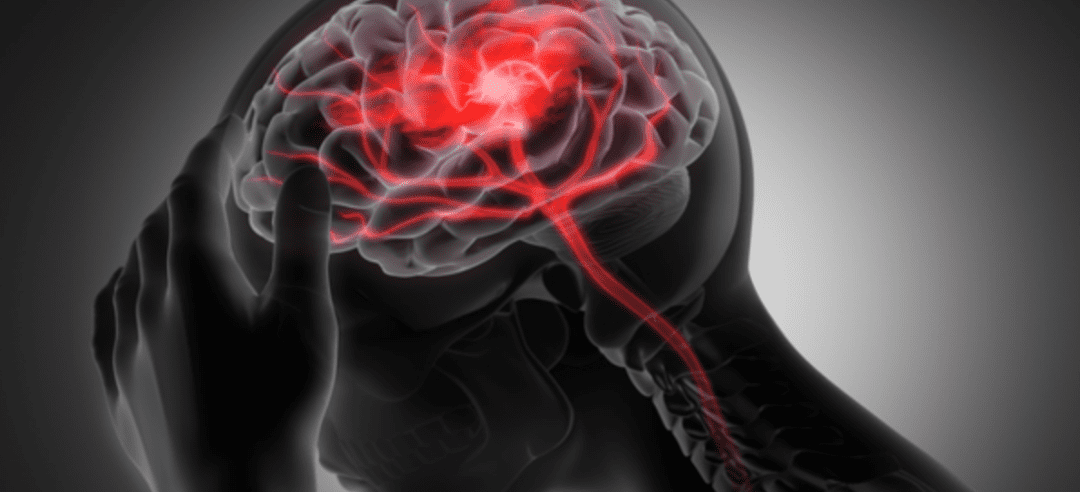
TBI stands for Traumatic Brain Injury. It refers to an injury to the brain caused by a sudden and forceful impact to the head or by an object penetrating the skull and entering the brain tissue. TBI can result from various incidents, such as falls, motor vehicle accidents, sports injuries, assaults, or explosive blasts. So how does TBI affect the brain?
TBI can range in severity from mild to severe, depending on the extent of damage to the brain. Common causes of TBI include the brain hitting the inside of the skull (coup-contrecoup injury), the brain twisting or rotating within the skull (shear injury), or objects penetrating the skull and directly damaging brain tissue.
The effects of TBI can vary widely depending on the severity and location of the injury, as well as individual factors. Some individuals may recover fully or experience mild impairments, while others may face long-term disabilities or even permanent damage.
General Ways TBI Can Affect the Brain:
So exactly how does TBI affect the brain?
Physical damage: TBI can cause physical damage to brain tissue. The impact can result in bruising, bleeding, and swelling in the brain. These physical changes can disrupt the normal functioning of brain cells and neural connections.
Cognitive effects: TBI can lead to various cognitive impairments. These can include difficulties with memory (both short-term and long-term), attention, concentration, problem-solving, and decision-making. TBI may also affect a person’s ability to process and understand information, learn new things, and think abstractly.
Motor and sensory problems: Depending on the location and extent of the injury, TBI can cause motor problems such as weakness, paralysis, poor coordination, and balance issues. Sensory changes may occur, including alterations in vision, hearing, taste, or smell.
Emotional and behavioral changes: TBI can have a significant impact on a person’s emotional well-being and behavior. Some individuals may experience mood swings, irritability, anxiety, depression, or increased agitation. Personality changes, impulsivity, difficulty with self-regulation, and social inappropriateness are also possible.
Communication difficulties: TBI can affect a person’s ability to communicate effectively. Language impairments, such as difficulties with speaking, understanding, or expressing oneself, may arise. It can also affect the comprehension and production of written language.
Sensitivity to stimuli: Some individuals with TBI may become more sensitive to light, noise, or other environmental stimuli. They may experience discomfort or increased agitation in situations that were previously tolerable.
What Are Treatment Options for TBI?
The treatment options for Traumatic Brain Injury (TBI) depend on the severity and specific symptoms of the injury. It’s important to note that treatment should be individualized and tailored to the needs of the person with TBI. Here are some common treatment options:
- Medical management: In the acute phase, medical interventions focus on stabilizing the individual, ensuring proper oxygenation and blood flow to the brain, and addressing any life-threatening conditions. This may involve surgery to remove hematomas or repair skull fractures, medications to control seizures or reduce brain swelling, and monitoring of vital signs and intracranial pressure.
- Rehabilitation therapies: Rehabilitation plays a crucial role in the recovery process for individuals with TBI. Different types of therapy may be used, including:
- Physical therapy: To improve strength, coordination, balance, and mobility.
- Occupational therapy: To help individuals relearn daily activities and regain independence.
- Speech and language therapy: To address communication difficulties, swallowing problems, and cognitive-communication impairments.
- Cognitive rehabilitation: To improve cognitive functions such as memory, attention, problem-solving, and executive functioning.
- Vocational rehabilitation: To assist with returning to work or finding new employment options.
- Medications: Medications may be prescribed to manage specific symptoms and complications associated with TBI. These can include:
- Analgesics: To alleviate pain.
- Anti-seizure medications: To prevent or control seizures.
- Muscle relaxants: To reduce muscle spasticity or stiffness.
- Antidepressants or anti-anxiety medications: To manage mood disorders and emotional symptoms.
- Stimulants: To improve attention and concentration in cases of attention deficits.
- Psychological and behavioral interventions: TBI can have significant psychological and behavioral effects. Psychotherapy, counseling, and behavioral interventions may be recommended to help individuals cope with emotional challenges, address behavioral changes, manage stress, and improve overall psychological well-being.
- Assistive devices and technology: Depending on the specific impairments resulting from TBI, assistive devices and technology can be beneficial. These can include mobility aids, communication devices, memory aids, and other assistive technologies that support independence and quality of life.
- Supportive care and education: Providing a supportive environment and educating both the person with TBI and their family members about the condition, treatment options, and strategies for managing symptoms is crucial. Support groups, educational resources, and counseling services can offer emotional support and practical guidance throughout the recovery process.
Regenerative Medicine for TBI
Regenerative Medicine, also known as stem cell therapy, is another option patients are exploring for the management and potential healing of their TBI. Mesenchymal stem cell (MSC) therapy is a promising area of research for the treatment of Traumatic Brain Injury (TBI). MSCs are a type of adult stem cell that can be obtained from various sources, such as bone marrow or umbilical cord tissue.
MSCs have the potential to promote tissue repair and regeneration through multiple mechanisms. They can differentiate into various cell types, including neural cells, and contribute to the replacement of damaged cells in the brain. MSCs also secrete factors that have anti-inflammatory, neuroprotective, and regenerative effects. These factors can modulate the immune response, reduce inflammation, promote angiogenesis (formation of new blood vessels), and enhance neuronal survival and repair.
Preclinical studies have demonstrated that MSC transplantation can improve cognitive function, reduce brain inflammation, enhance tissue repair, and promote functional recovery.
It’s important to work closely with a healthcare team specialized in TBI to determine the most appropriate treatment plan based on individual needs and goals. The effects of TBI can vary widely between individuals and depend on factors such as the severity of the injury, the specific brain regions affected, and the individual’s overall health. Rehabilitation, therapy, and support from healthcare professionals can play a crucial role in managing the effects of TBI and maximizing recovery. To learn more about TBI and other health conditions contact Stemedix today!





 St. Petersburg, Florida