by admin | Nov 2, 2023 | Lupus, Mesenchymal Stem Cells, Regenerative Medicine, Stem Cell Research, Stem Cell Therapy
Systemic Lupus Erythematosus (SLE) is an autoimmune disease that causes inflammation to affect many different body systems including the joints, skin, kidneys, blood cells, brain, heart, and lungs.
Affecting over 5 million people worldwide, and associated with a wide range of symptoms, SLE is difficult to diagnose. Currently, there is no treatment to prevent or cure lupus and current therapeutic treatment options are only designed to treat and minimize the symptoms of the disease.
Considering their strong protective and immunomodulatory abilities, mesenchymal stem cells (MSCs) have been recognized as a potential treatment for various autoimmune diseases and inflammatory disorders, including SLE.
In this research article, Zhou et al. conducted a meta-analysis with the goal of assessing if MSCs are able to become a new treatment for SLE with good efficacy and safety.
Specifically, using predetermined criteria, the authors conducted a bibliographical search and statistical analysis to assess the efficacy and safety of MSCs for SLE. This search and analysis resulted in 10 studies comprising of 8 prospective or retrospective case series, including 231 SLE patients, and four randomized control trials (RCTs) with 47 patients with SLE in the case group and 37 patients with SLE in the control group, that fulfilled the inclusion criteria for this meta-analysis.
The authors found that all of the studies included as part of the meta-analysis of RCT and self-controlled studies with the exception of one indicated that MSC treatment of SLE can achieve better efficacy. Specific results of the RCT meta-analysis supporting this conclusion included lower proteinuria, increased serum albumin, and increased serum C3 at 3 months, lower SLEDAI values at 3 months and 6 months, and a lower rate of adverse events in the MSC group when compared to the control group.
Similar results were observed and reported from the meta-analysis of self-controlled studies. These results included MSC treatment significantly reducing proteinuria and the value of SLEDAI at 1 month, 2 months, 3 months, 4 months, 6 months, and 12 months. Further supporting evidence reported included improved values of SCR, BUN, C3, and C4.
While the results of this meta-analysis were overwhelmingly supportive of MSCs as a potential treatment option for SLE, the authors also noticed several limitations associated with their findings. These limitations included the small sample sizes of the included studies and the inconsistency of the severity of the patient’s disease.
Although more studies with larger sample sizes should be conducted to confirm these findings, Zhou et at. concluded that MSCs might be a good treatment agent for SLE in the clinic.
Source: “Immunomodulatory Effect of MSCs and MSCs-Derived Extracellular ….” 16 Sep. 2021, https://www.ncbi.nlm.nih.gov/pmc/articles/PMC8481702/.
by Stemedix | Oct 30, 2023 | COPD, Regenerative Medicine, Stem Cell Research, Stem Cell Therapy
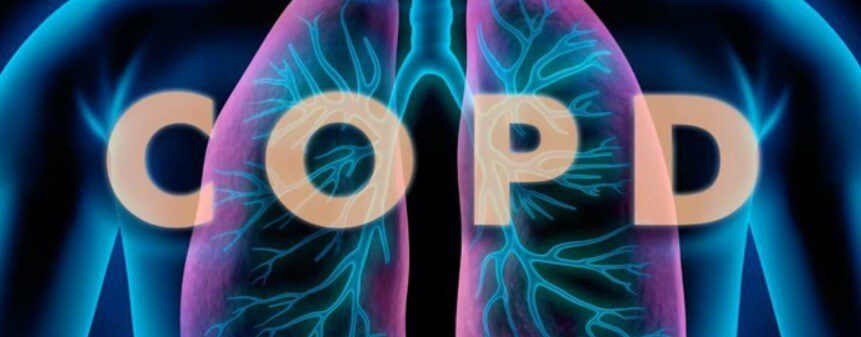
Chronic obstructive pulmonary disease (COPD) is a condition that affects about 12.5 million people in the United States. COPD can become progressively worse over time and affect your breathing.
Although lifestyle changes, oxygen therapy, and medications have traditionally served as the standard treatment choices, there is now another promising option for treating COPD, regenerative medicine, also known as stem cell therapy.
Understanding COPD: Symptoms and Causes
COPD is the umbrella term for several conditions that cause airflow blockages and other breathing-related issues. Chronic bronchitis and emphysema can both lead to COPD. Chronic bronchitis is the inflammation of your bronchial tubes’ lining, while emphysema destroys the air sacs at the ends of the smallest air passages.
Key Symptoms of COPD
Common symptoms of COPD are:
- Chest tightness
- Wheezing
- Fatigue
- Unintended weight loss
- Shortness of breath
- Chronic cough that produces clear, white, yellow, or green mucus
- Swelling in feet and ankles
It’s common to experience exacerbations, which is when symptoms get significantly worse for days at a time. Many factors cause exacerbations, including exposure to air pollution, respiratory infections, and anything else that triggers inflammation.
Causes and Risk Factors
Those most likely to develop COPD are women and people who:
- Are over 65.
- Have experienced air pollution.
- Had many respiratory infections during childhood.
One of the most prevalent causes of COPD is smoking. Smoking irritates your airways, triggering inflammation that narrows those airways. Because smoke also damages the cilia, they’re not able to effectively get rid of mucus or particles from the airways.
Another cause of COPD is alpha-1 antitrypsin (AAT) deficiency. This is an uncommon disorder that can cause emphysema. When you have AAT deficiency, you don’t have an enzyme that protects your lungs from inflammation. The deficiency makes it easier for your lungs to experience damage from irritating substances like dust and smoke.
The Current Treatments and Their Limitations
Current COPD treatments include the use of bronchodilators and steroids — as well as oxygen therapy — to minimize the symptoms of the condition.
Bronchodilators are medications that relax the muscles around the airways, helping you get better airflow. Some bronchodilators offer quick relief for acute episodes, while others are more appropriate for maintenance.
Steroids work together with bronchodilators to reduce airway inflammation. The problem with steroids is that they have significant side effects when used as a long-term treatment. Some of these side effects include weight gain, an increased risk of developing infections, and even bone loss.
Oxygen therapy is appropriate for people who have severe hypoxemia because it helps improve oxygen levels and relieve symptoms. Pulmonary rehabilitation programs are other options that combine exercise training with education to help patients understand the condition better.
Surgery is the last recourse for people with severe COPD who don’t find any relief from medications or other options. For some people, a lung transplant is a viable choice. For others, the removal of damaged lung tissue can offer some relief from symptoms.
Limitations of Traditional Treatments
Although doctors have been providing these options for a long time, they have limitations. For instance, they may offer relief from symptoms, but they typically don’t address the underlying cause of the problem. Even after treatment, the damage to your airway passages and lungs remains.
The side effects of long-term use of these treatments can also be serious. Corticosteroids put a strain on your heart, cause muscle weakness, and can even impact wound healing, which can make them a challenging choice for long-term management of COPD.
More invasive procedures, like surgery, have significant risks. Additionally, there are limits to who can receive surgery for COPD because of the use of anesthesia.
Recent Advances in the Treatment of COPD
To help improve the quality of life of a patient with COPD, new treatment options are available. By working closely with your doctor, you can find the right choice for your unique needs.
Drug Therapy Innovations
The latest medications for those with COPD are new bronchodilators and anti-inflammatory medications that don’t cause the same side effects that may make you hesitate to try long-term drug treatments. The goal of these new medications is to offer longer-lasting support and reduce the flares you experience with COPD.
Inhaler Technologies
Your inhaler is an important part of a COPD treatment program, and the latest technologies allow for better drug delivery while also ensuring that the inhaling techniques are correct. All of this makes it easier to stick to using your inhaler regularly.
Stem Cell Therapy for COPD
A new potential treatment option for COPD is regenerative medicine, also known as stem cell therapy. This type of regenerative medicine uses stem cells to help your body heal itself so that it can regenerate damaged tissue for better lung function.
Mesenchymal stem cells (MSCs) can be isolated from various sources, such as bone marrow, adipose tissue, or umbilical cord blood. These cells have the ability to differentiate into different cell types and possess immunomodulatory and regenerative properties.
MSCs have shown promise as a potential therapeutic approach for chronic obstructive pulmonary disease (COPD). While there is currently no cure for COPD, MSC-based therapies have the potential to modulate the immune response, reduce inflammation, and promote tissue repair in the lungs.
When administered into the lungs, MSCs can release anti-inflammatory molecules, promote tissue regeneration, and interact with the immune system to suppress excessive inflammation.
Getting Treatment for COPD
If you have COPD, ensuring that you have the right treatment plan on your side is vital for your long-term recovery. If you have COPD and it is progressively worsening, and there are limited treatment options available, you may want to explore stem cell therapy as a potential avenue for slowing disease progression or improving lung function.
Regenerative medicine aims to enhance what your body already does naturally, helping it heal so that you improve your quality of life. Speak to a regenerative specialist on the options you may have with this new alternative therapy option.
by admin | Oct 25, 2023 | Mesenchymal Stem Cells, Regenerative Medicine, Stem Cell Research, Stem Cell Therapy
Biomedical applications of mesenchymal stem cells (MSCs) in the field of regenerative medicine continue to evolve. Coupled with the rapid development of molecular biology and transplantation techniques, MSC applications have become a central focus of research surrounding regenerative medicine.
Since being discovered nearly 50 years ago, the understanding of various techniques for MSC extractions and the subsequent potential for differentiation has continued to advance.
This review, presented by Han et al., provides a brief overview of MSC extraction methods and their subsequent potential for differentiation and summarizes the future applications and challenges of various MSCs in the field of regenerative medicine.
It has now been well established that MSCs can be isolated from various tissues, including bone marrow, adipose, synovium, and human umbilical cord blood. The general process for MSC extraction involves the isolation of various tissues, digestion to obtain cells, culturing for three to five days, and continuous culturing of adherent cells to the desired passage.
Interestingly, the authors point out that rabbits are the most frequently used animal models for experiments involving cartilage or bone tissue regeneration. Considering this, the authors call for the surface markers of rabbit tissue-derived MSC to receive increased focus and further verification.
Han et al. also discuss the differentiation potentials of MSC types, highlighting that bone marrow-derived MSCs display superior capabilities for differentiation into osteogenesis and chondrogenesis under standard differentiation protocols. They also point out that umbilical cord blood-derived MSCs (UCB-MSCs) demonstrate biological advantages relative to other adult sources, including their capability for longer culture times, larger-scale expansion, and higher anti-inflammatory effects. Considering that differentiation conditions vary based on the type of MSC, the authors highlight that it is becoming increasingly necessary to choose the desired MSC type according to the specific purpose being sought.
MSC-based regenerative medicine has been widely studied and applied to many aspects of the field. This review summarizes several reports concerning the latest preclinical and clinical trials of various MSC types for tissue engineering, most notably the reconstruction of fragile tissue associated with the musculoskeletal system, nervous system, myocardium, liver, cornea, trachea, and skin.
In order to improve the therapeutic effectiveness of MSCs, while also reducing the potential identified risks, the authors suggest reducing excessive cytokines, further exploring the immunomodulatory effects of MSCs, and establishing strict preclinical biosafety testing rules. Additionally, longer and larger controlled clinical trials are required to further determine the safety of MSCs.
While there have been tremendous advances in the field of regenerative medicine, especially as they relate to MSCs, Han et al. share a number of challenges that have to be overcome before the clinical application of MSC therapy, with the primary challenge being the implementation of a standardized method of isolation and culturing for MSCs.
The authors conclude this review by summarizing three distinct properties of MSCs that make them an optimal source of tissue regeneration: their immunoregulatory capacity, paracrine or autocrine functions that generate growth factors, and their ability to differentiate into target cells.
Source: “Mesenchymal Stem Cells for Regenerative Medicine – PMC – NCBI.” 13 Aug. 2019, https://www.ncbi.nlm.nih.gov/pmc/articles/PMC6721852/.
by Stemedix | Oct 23, 2023 | Multiple Sclerosis
Almost one million people in the United States live with multiple sclerosis (MS). MS is a chronic neurological condition affecting the nerve fibers in the central nervous system.
Receiving a diagnosis of multiple sclerosis is difficult, and it can be even tougher to really understand what that prognosis means in terms of your quality of life. Read more about what a prognosis of MS means for your life expectancy and more.
What Is Multiple Sclerosis? Symptoms and Causes
MS is an autoimmune condition, which is a type of condition that leads your immune system to attack healthy cells by mistake. With MS, your immune system attacks the cells in myelin, which you can think of as protective covers over the nerves in your brain and spinal cord. The most common symptoms of MS are:
- Fatigue
- Changes in gait
- Tingling or numbness in arms or legs
- Muscle spasms
- Muscle weakness
- Loss of balance
- Loss of coordination
Although the exact causes of multiple sclerosis are not fully understood, scientists believe that certain factors trigger the condition. One of these factors is the exposure to certain bacteria or viruses, including the Epstein-Barr virus.
Another factor that might trigger MS is your environment. Areas farther from the equator tend to have higher numbers of MS cases, which may mean that those who receive less sun are more at risk because having lower levels of vitamin D seems to be a risk factor.
Having a family member with MS also increases your chances of developing the condition. It’s not yet clear, however, what gene mutations are responsible for the condition.
Types of Multiple Sclerosis
Most people assume that there is only one type of MS, but there are four. The most common type is relapsing-remitting MS. With this version of MS, you experience flare-ups with new symptoms or existing symptoms that get worse. You then experience a period of remission.
Clinically isolated syndrome (CIS) is another type. People who have the first episode of MS symptoms usually get this diagnosis until they have another episode. Not everyone who has an episode of CIS goes on to develop MS.
Another version of MS is primary progressive MS. People with this type experience symptoms that gradually get worse without any periods of remission.
Secondary progressive MS is when you continue to accumulate nerve damage. Symptoms get worse, though you may also experience some flare-ups. Most people with this type of MS do not experience remission.
Stages of MS and Their Effect on Prognosis
Because MS is a condition that gradually gets worse, the stage in which you receive your diagnosis is an important factor in your prognosis. There are early, middle, and late stages.
MS, in its early stages, presents with a series of relapses and remissions. You may experience mild to moderate mobility issues, as well as sensory function and cognition problems. When caught at this stage, most people have a better prognosis.
The middle stage of MS is when the milder symptoms get worse, seriously impacting coordination, mobility, and cognitive function. This is when rehabilitation interventions are crucial.
The late MS stage is when there’s severe disability, including cognitive decline, mobility impairments, and other complications. To manage daily life, you’ll need substantial assistance at this stage.
By catching the diagnosis as early as possible, you may have a better prognosis because all manner of interventions is available to help you minimize the progression of the conditon.
Multiple Sclerosis and Life Expectancy
Although MS is a chronic condition, it doesn’t mean you will have a shorter life. Most people with MS have a life expectancy similar to those in the general population.
One of the concerns of MS is that it can increase your risk of developing other conditions, including:
- Cardiovascular disease
- Urinary tract infections
- Depression
- Osteoporosis
Some of the factors that can make your prognosis better, however, are if you are under 40 when diagnosed and female.
Your Prognosis: How Doctors Determine It
To give you as accurate a prognosis as possible, doctors consider a variety of clinical facts, including those they obtain from evaluations, image testing, and neurological examinations. To measure the progression of the condtion, most physicians turn to a number of scoring systems, including the Expanded Disability Status Scale.
This scale assesses the rate of disability throughout many categories. Using the scale to see the progression of the condition over time, your doctor is able to give you a more accurate prognosis.
Your lifestyle is another factor doctors consider when making your prognosis. If you smoke or drink a significant amount of alcohol, you may have a more negative prognosis.
This effect is because smoking can accelerate the progression of the illness while also affecting the efficacy of some treatments. By moderating alcohol and stopping the use of nicotine, you can help yourself.
To improve your prognosis, adding exercise to your daily life is also vital. Regular physical exercise helps improve muscle strength, coordination, balance, and more while also improving your overall mood.
Your dietary choices also play a role in your prognosis. It is essential to stick to a well-balanced diet that promotes immune function and overall health. This means you want to eat primarily vegetables, fruits, lean proteins, and whole grains.
Aside from the physical impact of MS in your life, your doctors also consider how the condition affects your psyche. Having a support system is one of the most important things you can do. This support can help you see that you are not alone and boost your mood and hope.
Living With Multiple Sclerosis
Because multiple sclerosis affects your daily activities, finding ways to live with the condition can be essential. Maintaining an active life and having support are both crucial but so is knowing what treatment options are out there.
Regenerative medicine, also known as stem cell therapy, is a common explored option for the management of MS. By turning to stem cell therapy, you may be able to help slow down progression and help improve symptoms. Consider asking your doctor about stem cell therapy for MS.
by admin | Oct 18, 2023 | Osteoarthritis, Peptides
Osteoarthritis (OA) is a progressive joint disease that occurs as a result of the cartilage that cushions the bones wearing down over time. Currently, it is estimated that over 500 million people worldwide are affected by OA.
Clinical OA studies have shown that when the condition is linked to metabolic syndrome, OA often results in more significant joint damage and overall disability. Additionally, these studies have also demonstrated a link between metabolic syndrome and OA, including a higher likelihood of dyslipidemia – an imbalance of lipids including cholesterol, low-density lipoprotein cholesterol, (LDL-C), triglycerides, and high-density lipoprotein (HDL).
In this single-arm, open-label, prospective, non-randomized pilot study, Liu et al. evaluated the efficacy and safety of pentosan polysulfate sodium (PPS) for dyslipidemia and knee OA-related symptoms.
PPS has exhibited potential treatment benefits for OA in previous studies. Specifically, animal models have shown PPS to reduce cholesterol and triglyceride levels while also exhibiting anti-inflammatory properties. These studies have also demonstrated that PPS demonstrates properties that might be related to the treatment benefit for OA and dyslipidemia and could potentially improve plasma lipid levels, clinical assessments, and cartilage metabolism.
At the conclusion of this study, the authors observed a statistically significant decrease in LDL and a significant reduction in knee OA-related symptoms, including joint-related pain and stiffness.
The findings of this study showed promising treatment effects of PPS for improving dyslipidemia and clinically observed symptoms related to knee OA (including knee pain, stiffness, and disability). Although this study found that PPS significantly reduced blood levels of total and LDL cholesterol in humans (a finding previously confirmed in animal models), the authors also pointed out that no significant change was found in the primary outcome of triglyceride levels.
While PPS, when administered in a dose of 10 mg/kg, was demonstrated to be safe and well tolerated, the authors point out that this was the first known study investigating the efficacy and safety of oral PPS in people with dyslipidemia and knee OA.
Liu et al. also highlighted a few limitations of this study, including the small sample size of 38 participants which limited the interpretation of any treatment effect in the context of such variations. Other confounding factors identified in this study included various lifestyle changes that occurred over the course of the 26-week study.
The authors also pointed out that, while significant reductions in pain subscales were observed, the changes were similar in magnitude to changes observed over similar periods on the placebo arm of recent placebo-controlled knee OA pharmacological randomized clinical trials (RCTs).
To further validate the findings of this study, Liu et al. call for a larger RCT with an appropriate control group.
The authors conclude that oral treatment with PPS demonstrated treatment effects to improve dyslipidemia and clinical symptoms related to knee OA and that further studies in this area are necessary.
Source: The effect of pentosan polysulfate sodium for improving … – PubMed.” 7 Feb. 2023, https://pubmed.ncbi.nlm.nih.gov/36879559/.





 St. Petersburg, Florida