by Stemedix | Mar 8, 2021 | Parkinson's Disease
Receiving a diagnosis of any chronic condition can be overwhelming, and Parkinson’s disease (PD) is certainly no exception. While it’s normal to feel a range of emotions after you’re first diagnosed, you might also feel a sense of relief to have a concrete diagnosis. And, with an accurate diagnosis, you can also begin your pursuit of a comprehensive PD management plan, which begins with the following steps.
Team Up with a Specialist
First and foremost, you’ll want to seek out a medical professional who specializes in movement disorders. These professionals focus on emerging treatments and can help you manage any persistent symptoms which aren’t responding to medications. You can still see your primary care provider, but these neurologists have extensive knowledge of Parkinson’s therapies and are well-worth researching.
Allow Time to Adjust
There are countless resources online to help you navigate the newly diagnosed phase, but don’t feel as if you have to learn everything right away. Give yourself time to process the news first. Then, consider joining online groups or local communities to learn more about PD management. The National Parkinson Foundation and Michael J. Fox Foundation for Parkinson’s Research are great resources to start with.
Share on Your Terms
In time, you’ll likely want to tell everyone in your close circle about your diagnosis. Telling colleagues about your PD can help squash rumors and may simplify matters such as adjusting your schedule for doctors’ appointments. You’ll also want to have ongoing conversations with your partner and children to keep them in the loop about how you’re feeling and what they can do to support you.
Stay Active
Research supports regular exercise for people with Parkinson’s Disease and even shows that physical activity can help improve PD symptoms. People who started exercising 2.5 hours a week earlier after their diagnosis experienced a slower decline than their peers, for instance. While there’s no precise formula for exercising for PD, experts suggest a routine that blends stretching, cardio, and strength.
Stay Social
It can be tempting to withdraw from activities and others after being diagnosed with Parkinson’s Disease. Yet, mental and social wellness can decline when you disengage. To that end, you may want to consider staying in the workforce if you’re still active in your career. You should also continue pursuing the social activities you enjoy, and may even want to think about joining new clubs or programs. These outlets can help promote mental and emotional wellbeing. If you want to learn more about your options after being newly diagnosed with Parkinson’s Disease then contact a care coordinator today!
by admin | Mar 5, 2021 | Stem Cell Therapy, Degenerative Disc Disease, Musculoskeletal, Spinal Cord Injury, Stem Cell Research
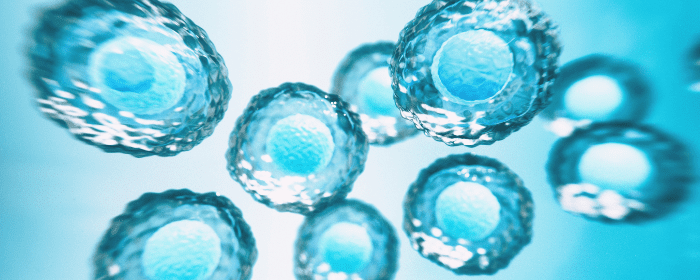
Recent breakthroughs in the field of regenerative medicine continue to support the tremendous healing potential of stem cell therapy. Until a few years ago, stem cell research was limited to only what could be gathered from the research gathered from embryonic stem cells; this research was limited by the well-documented ethical concerns surrounding the practice of harvesting stem cells from embryonic sources.
Fortunately, alternative – and less controversial – sources of stem cells, harvested primarily from autologous bone marrow and adipose tissue have demonstrated promise in treating many diseases ranging from autoimmune conditions to myocardial infarctions.
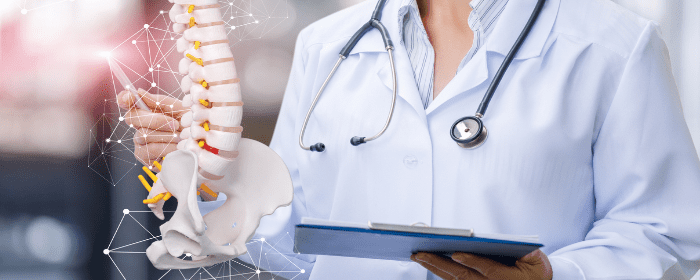
Considering this, the ability of adult stem cells to undergo division and multipotent differentiation has garnered the attention of spinal surgeons and specialists around the world, specifically for the potential benefits of these stem cells in the treatment of a variety of spine issues related to neural damage, muscle trauma, disk degeneration as well as it potential in supporting bone and spine fusion.
Stem Cells in Spine Surgery
Although the rate of spinal surgery, and specifically lumbar, cervical and thoracolumbar fusions, has continued to rapidly increase over the last 20 year, there has not yet been a breakthrough in surgical technology that has consistently demonstrated the ability to reduce reoperation rates associated with these procedures; additionally, these procedures have demonstrated little success in reducing the issue of pseudoarthrosis in patients.
As a result, spinal surgeons have begun experimenting with using stem cells to support the process of bone growth and fusion. As stem cell research continued to evolve, the discoveries of the ability of mesenchymal stem cells (MSCs) harvested from bone marrow, adipose tissue, and skeletal muscle differentiate when cultivated in the correct microenvironment has led to the realization that these stem cells demonstrated a significant effect of the process of spinal fusion.
Adding to the potential benefits of these stem cells are several animal model studies confirming the benefits of the much more available, and much easier harvested adipose-derived stem cell (ADSC). In fact, several of these animal studies have confirmed similar fusion results observed when comparing MSCs and ADSCs.
Stem Cells in Disc Regeneration
Changes occurring in the discs of the spine and specifically starting in the second decade of life, contribute to decreased disc height that contributes to the impingement of nerves and the development of lower back pain consistent with Degenerative Disc Disease.
Until recently, treatment of Degenerative Disc Disease was limited to conservative management techniques, including work and lifestyle modifications, physical therapy, medication, and epidural injections, or surgery in the form of disc replacement or spinal fusion.
Although realizing the actual effects of stem cells therapy for treating this condition has been limited in humans (primarily due to concerns associated with the potential for an immune reaction to allogeneic stem cells in humans), several animal studies have demonstrated decreased disc degeneration as well as significant improvement in height and hydration of previously damaged discs. In addition, small-scale studies in humans have demonstrated improvements in pain and disability within three months of stem cell treatment.
Considering this, Schroeder J et al. call for larger clinical trials designed to further explore the benefits associated with using stem cell therapy to treat Degenerative Disc Disease.
Stem Cells in Treatment of Spinal Cord Injury (SCI)
Spinal Cord Injury (SCI) resulting from damage to the spinal cord most often is the result of motor vehicle accidents, falls, or injuries occurring during sports, work, or in the home; currently, the World Health Organization (WHO) estimates that worldwide between 250,000 and 500,000 people suffer an SCI each year[1].
SCIs range in severity, but most often are accompanied by some degree of tissue damage and/or cell death. As a result, spine surgeons have been exploring the potential of stem cell transplantation with the hope of supporting functional recovery after an SCI is sustained.
There are several phases associated with SCI. Regardless of the specific phase associated with an SCI, scientists have realized that creating a microenvironment that enhances neuron and axon regeneration appears to be the most desirable outcome of stem cell therapy. It is hypothesized that this is best achieved by suppression of the inflammation that typically accompanies cell apoptosis and necrosis.
Although embryonic stem cells appear to provide greater differentiation than adult stem cells, the ethical concerns surrounding their use have limited further exploration of these potential benefits. However, to date, adult mesenchymal stem cells (MSCs) used in the treatment of SCI have not demonstrated immunologic reactions and have demonstrated the potential to promote axonal regeneration, suppress demyelination, induce nerve regeneration, and induce nerve regeneration.
Unfortunately, the in vivo differentiation of MSCs into neuron-like cells has been documented to be inefficient, meaning that MSCS is currently not capable of directly repopulating or physically restoring the tissue damaged in SCI.
While there have since been studies exploring the transplantation of neural stem cells (NSC) that have demonstrated sensory and motor improvements after stem cell transplantation and when combined with other cell and growth factors, these improvements were not statistically significant. Considering this, the authors of this study indicate that it’s difficult to provide a definitive statement on the clinical potential of stem cell therapy for the treatment of SCI.
In conclusion, the authors point out that there are additional areas, including iatrogenic nerve and muscle injury resulting from spinal surgery, that have not yet been clinically addressed. The authors also point out that greater standardization of in vitro experimentation and animal models may aid in the speed of translation of stem cell therapy in spinal surgery.
Source: (n.d.). Stem cells for spine surgery – NCBI – NIH. Retrieved from https://www.ncbi.nlm.nih.gov/pmc/articles/PMC4300930/
[1] “sheets/detail/spinal-cord-injury – WHO | World Health Organization.” 19 Nov. 2013, https://www.who.int/news-room/fact-sheets/detail/spinal-cord-injury.
by admin | Mar 3, 2021 | Health Awareness, Ozone Therapy
Many exciting strides are being made in the field of regenerative medicine. With the goal of repairing healing tissue through regeneration, this branch of medicine uses various approaches to treat chronic illnesses, address injuries, and promote overall wellness. Here’s a look into some emerging treatment options.
Prolotherapy
Also known as proliferation therapy or regenerative injection therapy, prolotherapy is a complementary approach used to treat joint and muscle pain. It works by injecting an irritant to the affected area, such as a tendon or ligament, to spur connective tissue growth. The irritant is typically a sugar solution, which triggers the connective tissue to grow and promote healing. Study results have been mixed and research into the treatment is ongoing. For instance, people with osteoarthritis in the knee saw significant improvements after receiving prolotherapy injections, but studies have been small thus far.
Prolozone
Prolozone combines neural therapy, prolotherapy, and ozone therapy by injecting anti-inflammatory medications, ozone, vitamins and minerals, and other proliferative agents to promote healing. It’s believed the injected nutrients could bypass the body’s inflammatory response, thus enabling healing without added inflammation. Noticeable improvements have been reported by patients with osteoarthritis, though as with prolotherapy, most experts agree further research is needed to fully document the treatment’s effects. Other conditions that could respond well to prolozone may include rotator cuff injuries, sciatica, sports injuries, and chronic back pain, among others.
PRP
Platelet rich plasma (PRP) leverages the healing properties within a patient’s own blood, which is put through a centrifuge to isolate the plasma. PRP is concentrated and has growth factors that can help promote healing when re-injected into areas of tissue damage. This alternative option can help manage the symptoms of joint and musculoskeletal pain and can also be used in conjunction with stem cell therapy to drive optimal outcomes.
For more health awareness blogs, please visit https://www.stemedix.com/blog.
by Stemedix | Mar 1, 2021 | Autoimmune, Stem Cell Therapy
By some estimates, there are more than 80 different types of autoimmune diseases, while the American Autoimmune Related Diseases Association (AARDA) includes conditions related to autoimmune disease on their list, which totals more than 100 disorders. Some of these diseases are extremely rare, while others are more common. They all share the same characteristic: the immune system malfunctions, mistakenly attacking healthy tissue. Here’s a look into the most common autoimmune diseases.
Rheumatoid Arthritis
The Arthritis Foundation states that there are 1.5 million people in the U.S. with rheumatoid arthritis (RA), with women being three times more likely to get it than men. In this condition, the immune system attacks the synovium or lining between joints. Inflammation can also occur in other parts of the body, such as the eyes, heart, and circulatory system.
Juvenile Rheumatoid Arthritis
Juvenile rheumatoid arthritis is the most common form of arthritis in children under the age of 16. Patients experience joint pain which may persist for only a few months, while others may have it for years. Swelling and stiffness are also common, and larger joints, such as the knees, are often affected.
Systemic Lupus Erythematosus (Lupus)
Lupus is notoriously challenging to diagnose because it bears similarities to many other conditions. The inflammation caused by the disease can affect various parts of the body, including the lungs, kidneys, heart, joints, and skin, among others. Fatigue, skin rash, and fever may also occur. An estimated 1.5 million people in the U.S. have lupus, 9 out of 10 of whom are women.
Psoriatic Arthritis
Sometimes, psoriasis may be accompanied by arthritis. Either the joint issues or the skin problems related to psoriasis may appear first. Psoriasis is characterized by red patches covered by silvery scales, which are caused by the body’s immune system creating an overproduction of skin cells. The inflammatory response can then affect the joints, leading to pain, swelling, and stiffness. Psoriatic arthritis affects roughly 30% of people with psoriasis.
Inflammatory Bowel Disease
Inflammatory bowel disease is the collective term for disorders caused by chronic inflammation of the intestines. Ulcerative colitis is one common form, in which inflammation and ulcers form in the large intestine and rectum. Crohn’s disease is another common form, in which the lining of the digestive tract becomes inflamed.
If you suffer from any one of the most common autoimmune diseases, contact our care coordinator today to learn more about the options you have.
by admin | Feb 26, 2021 | Stem Cell Therapy, Mesenchymal Stem Cells, Multiple Sclerosis, Stem Cell Research
Multiple sclerosis (MS) is a progressive and disabling autoimmune disease that affects the brain and central nervous system. As MS progresses, the body’s immune system attacks the protective sheath (myelin) that covers nerve fibers resulting in axonal damage and loss that eventually results in paralysis of the limbs; the condition also contributes to a number of other serious communication problems between your brain and the rest of the body[1], including numbness, tremors, and issues affecting vision and speech.
To date, no effective therapeutic medication or treatment for MS exists and medication prescribed for this disease is done so for the purpose of alleviating symptoms and chronic inflammation associated with it; several of these drugs, and especially those with immunomodulatory and immunosuppressive properties have demonstrated to be only partly effective in easing autoimmune reactions.
While current immunotherapies have demonstrated to be effective in reducing the reactivity of autoimmune anti-myelin and MS relapse rate, there remains no approved method for treating or slowing progression of the disease or for repairing myelin damaged as a result of it. As a result, Bejargafshe et al. point out that finding an appropriate clinical treatment for improvement of the neurological damage caused by MS is essential.
The authors also call attention to the numerous studies demonstrating the benefits of mesenchymal stem cells (MSCs) in creating a number of different of autoimmune conditions, including modulating the immune response in MS patients. MSCs are specific multipotent and self-renewing stem cells that have demonstrated to be differentiated into several cell types and can be easily isolated from bone marrow and adipose tissue; this means the patient can serve as a donor for him/herself without risk of rejection.
Bejargafshe et al.’s study reviews several clinical trials evaluating the effectiveness of MSC therapy for MS patients, including several specific clinical trials examining the effectiveness of bone marrow-derived MSCs, adipose-derived MSCs (ADMSCs), USMSCs, human fetal-derived neural stem cells (hNSCs), MSC-derived neural progenitors (MSC-NPs), and hematopoietic stem cells (HSC).
The authors of this study conclude that cell-based therapies, including those mentioned in this study, have shown to repair the CNS, protect against inflammation caused by an autoimmune response, are safe and effective, and demonstrate new opportunities for preventing and treating a wide range of neurodegenerative diseases, including MS.
In addition, the authors concluded that while nearly all of the various types of stem cells evaluated provide benefits, adult MSCs, because of their safety and ease of extraction, are the most common source of stem cells used for this application, with bone marrow being the major source of MSCs used. Clinical trials indicate the observed multipotency and highly-differentiated potential of UC stem cells also make them a viable treatment option, but the need to maintain a supply of UC stem cells through cell banks limit their appeal on the basis of availability.
Interestingly, among the potential cell therapies evaluated, adult adipose stem cells (ASC) appear to be among the most suitable cells for the treatment of MS. In addition to being very safe to use, adult ASCs are easy to separate from adipose tissue, are available from several different parts of the body, are available in a large concentration per unit area, and relatively inexpensive when used in a stem cell transfusion. Considering the benefits listed above, as well as those observed in clinical studies, the authors conclude that ASCs and HSCs are appropriate candidates for the treatment of MS.
Source: (2019, December 27). Safety and efficacy of stem cell therapy for treatment of neural …. 1, from https://www.ncbi.nlm.nih.gov/pmc/articles/PMC6987330/
[1] “Multiple sclerosis – Symptoms and causes ….” 12 Jun. 2020, https://www.mayoclinic.org/diseases-conditions/multiple-sclerosis/symptoms-causes/syc-20350269.



 St. Petersburg, Florida