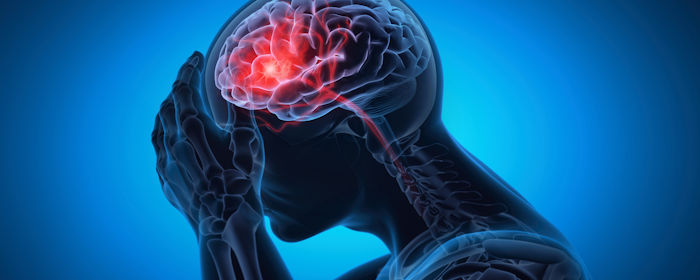
Traumatic brain injury (TBI) is a major cause of disability worldwide, affecting over 50 million people each year. It can result from accidents, falls, sports injuries, or violent impacts. TBI can lead to immediate problems like loss of consciousness, confusion, and memory difficulties, and long-term consequences such as cognitive deficits, physical disabilities, speech challenges, and mood disorders.
In addition, TBI is associated with an increased risk of developing neurodegenerative diseases like Alzheimer’s and Parkinson’s disease. Traditional treatments focus on stabilizing patients and reducing immediate damage, but they rarely restore lost brain function or prevent chronic complications.
As part of this review, Zhang et al. outline the key pathological processes of (TBI) and the mechanisms by which mesenchymal stem cell (MSC) therapy may provide treatment. The authors also highlight current research progress, identify major limitations, and emphasize the promising potential of MSC-based approaches for TBI.
Complexity of Injury Mechanisms
TBI involves both primary and secondary injury mechanisms. Primary injury occurs at the time of trauma and involves direct mechanical damage to brain tissue. Secondary injury develops over hours to days and includes inflammation, oxidative stress, mitochondrial dysfunction, and neuronal apoptosis. These processes are partly driven by the disruption of the blood–brain barrier, allowing immune cells to enter the brain and trigger a persistent inflammatory response. Understanding these mechanisms is crucial because interventions during the secondary phase may reduce neuron death and improve recovery outcomes.
Consequences of TBI
Secondary injury after TBI can trigger widespread cellular and tissue damage. Inflammation, oxidative stress, and apoptosis disrupt brain function and can worsen physical and cognitive outcomes. Long-term consequences may include memory loss, reduced motor control, difficulty speaking, and emotional changes. Damage to neurons and supporting cells, such as astrocytes and microglia, contributes to these deficits. The adult brain has limited capacity to repair itself, which makes TBI particularly challenging to treat.
Promise of Mesenchymal Stromal Cell Therapy
MSCs are multipotent stem cells found in bone marrow, fat tissue, skeletal muscle, synovial membrane, and peripheral blood. They have the ability to self-renew, differentiate into multiple cell types, and migrate to sites of injury. MSCs offer potential treatment for TBI through multiple mechanisms. They promote healing not just by replacing damaged cells but also through paracrine signaling, the release of extracellular vesicles (EVs) such as exosomes, and direct cell–cell interactions. These vesicles carry proteins, RNA, and other molecules that cross the blood–brain barrier to reduce inflammation, stimulate neuron growth, and protect surviving brain cells. Clinical studies have shown that MSC therapy can improve motor and cognitive recovery in patients with neurological injuries, suggesting they are a promising regenerative therapy for TBI.
Targeting Mitochondrial Dysfunction
Mitochondria are the energy-producing organelles in cells, and damage to them is a major feature of secondary TBI injury. Dysfunctional mitochondria trigger oxidative stress, apoptosis, and energy deficits that worsen brain damage. MSCs can transfer healthy mitochondria to injured neurons and other cells through tunneling nanotubes, extracellular vesicles, and other mechanisms. This transfer restores cellular energy production, reduces inflammation, and prevents cell death. Mitochondrial transfer also regulates immune cells, shifting macrophages toward a healing, anti-inflammatory state. Research shows that this process improves neuron survival, angiogenesis, and overall functional recovery of brain tissue.
Combating Oxidative Stress
Excessive reactive oxygen species (ROS) produced after TBI can damage DNA, proteins, and cell membranes, leading to further cell death. MSCs counteract oxidative stress through multiple mechanisms. They enhance antioxidant activity, increase protective proteins like Bcl-2, and reduce harmful molecules. Exosomes from MSCs carry additional protective factors that restore ATP production and activate cell survival pathways. Studies in animal models show that MSCs and their exosomes help preserve neurons, reduce injury progression, and improve recovery, offering advantages over treatments that address only one aspect of oxidative damage.
Reducing Neuroinflammation
Neuroinflammation is a key driver of secondary injury in TBI. Damage to the blood–brain barrier allows immune cells to enter the brain, activating microglia and astrocytes. These glial cells release inflammatory cytokines such as IL-1, IL-6, and TNF-α, attracting more immune cells and extending inflammation from the acute to chronic phase. MSCs help regulate the inflammatory environment by releasing anti-inflammatory factors, promoting microglial polarization to the M2 healing phenotype, and reducing the infiltration of peripheral immune cells. Studies show that MSC therapy lowers levels of proinflammatory molecules, restores blood–brain barrier integrity, reduces cerebral edema, and improves motor and cognitive function. Combination treatments with drugs that enhance anti-inflammatory effects have shown even greater improvements.
Preventing Apoptosis and Supporting Neurons
Neuronal apoptosis is a hallmark of secondary TBI injury and contributes to long-term functional deficits. MSCs help prevent apoptosis by delivering neurotrophic factors, regulating pro- and anti-apoptotic proteins, and reducing caspase activation. Their exosomes protect neurons, preserve white matter, and support glial cells. MSCs also stimulate angiogenesis, providing oxygen and nutrients to surviving neurons, which further supports tissue repair. These effects collectively improve neuron survival, facilitate functional recovery, and help restore brain physiology.
Comparison with Traditional Therapies
Traditional TBI treatments, such as surgery, hypothermia, and medications, primarily aim to stabilize patients and manage symptoms. While these approaches are necessary to prevent immediate harm, they often do not repair damaged brain tissue or restore neurological function. MSC therapy offers a broader approach by targeting mitochondrial dysfunction, oxidative stress, inflammation, and apoptosis. Unlike traditional therapies, MSCs promote tissue regeneration and functional recovery. However, challenges remain, including potential contamination during culture, immune responses, and the theoretical risk of promoting tumor growth. Proper sourcing, handling, and delivery of MSCs are critical to maximizing safety and effectiveness.
Future Directions and Clinical Potential
MSC therapy holds great promise for TBI treatment, but additional research is needed to optimize outcomes. Scientists are investigating the best sources of MSCs, ideal timing for administration, most effective delivery methods, and appropriate dosages. Genetically modified MSCs may enhance therapeutic potential, and exosome-based treatments could provide safer, cell-free alternatives. Combination therapies with pharmacological agents or physical interventions may further improve results. Ongoing preclinical and clinical trials will help determine how MSCs can best be used to repair brain tissue and restore function in TBI patients.
The Potential of MSC Therapy for Traumatic Brain Injury
Traumatic brain injury is a complex condition with high rates of long-term disability. Secondary injury mechanisms such as oxidative stress, neuroinflammation, mitochondrial dysfunction, and apoptosis contribute to the progression of brain damage. MSCs offer a multi-targeted approach to treatment by providing mitochondrial support, antioxidant protection, anti-inflammatory effects, and anti-apoptotic benefits. While challenges remain regarding safety, delivery, and standardization, MSCs and their exosomes represent a promising frontier in regenerative medicine.
With continued research and clinical development, Zhang et al. concluded that MSC therapy has the potential to improve neurological outcomes and quality of life for millions of patients worldwide.
Source: Zhang K, Jiang Y, Wang B, Li T, Shang D, Zhang X. Mesenchymal Stem Cell Therapy: A Potential Treatment Targeting Pathological Manifestations of Traumatic Brain Injury. Oxid Med Cell Longev. 2022 Jun 15;2022:4645021. doi: 10.1155/2022/4645021. PMID: 35757508; PMCID: PMC9217616.
When dealing with a spinal cord injury, finding effective treatment options is critical for your recovery journey. At Stemedix, we specialize in regenerative medicine treatments designed to support the healing of damaged spinal cord tissue. Our approach focuses on therapies tailored specifically to your injury type and health needs, helping to address symptoms and improve function where possible.
If you are considering regenerative medicine in Saint Petersburg, FL, you have access to advanced therapies guided by medical expertise and clinical data. This blog will help you understand the different types of spinal cord injuries, how regenerative medicine works, and what treatment options are available. With personalized care and dedicated support from Stemedix, you can explore options that may enhance your quality of life and aid your recovery process.
Spinal Cord Injury and Its Long-Term Impact
Spinal cord injuries affect more than just immediate physical capabilities—they influence many aspects of daily life and long-term health. Recognizing the types of spinal cord injuries and the challenges they bring is important for anyone seeking treatment options.
Types and Classifications of Spinal Cord Injuries
Spinal cord injuries fall into two main categories based on how much sensation and movement remain below the injury site: complete and incomplete. Complete injuries result in a total loss of motor function and sensation below the affected area. In contrast, incomplete injuries leave some level of movement or feeling intact. This distinction plays a major role in determining treatment options and rehabilitation potential.
Injuries are also grouped by where they occur along the spine. For example, cervical injuries in the neck region can affect your ability to move your arms, breathe, or control your neck. Thoracic injuries, located in the upper back, usually impact your balance and trunk control. Injuries lower down, in the lumbar or sacral regions, often involve challenges with leg movement and bladder control.
Common Symptoms and Challenges for Patients
Symptoms from spinal cord injuries vary but often include muscle weakness, paralysis, loss of sensation, and neuropathic pain. These physical effects create obstacles in mobility, personal care, and managing basic bodily functions. Patients often need assistance with tasks such as dressing, bathing, or moving safely.
Secondary complications are common and can impact the quality of life over time. Muscle spasms may develop, while pressure sores from limited movement pose serious health risks. Temperature regulation may also become difficult, leading to challenges in maintaining body heat.
Knowing these factors helps you recognize how regenerative medicine treatments can be targeted to address specific symptoms and promote healing. This insight allows for a more tailored approach to care, which Stemedix applies when developing treatment plans for spinal cord injury patients in Saint Petersburg, FL.
Regenerative Medicine: A Targeted Approach for Spinal Cord Injury
Regenerative medicine offers a focused method to address spinal cord injuries by supporting the body’s natural healing processes. This section explains how these treatments function and the benefits reported by many patients.
How Regenerative Treatments Work
Regenerative medicine treatments support healing by promoting tissue repair and modulating inflammation around the injury site. When spinal cord tissue is damaged, inflammation can worsen the injury and hinder recovery. These therapies aim to reduce harmful inflammation while encouraging repair mechanisms.
One common approach involves the use of mesenchymal stem cells (MSCs). These cells do not just replace damaged tissue; they also release growth factors that aid in tissue regeneration and influence the immune system to reduce damaging inflammation.
Other methods, like exosome administration, involve delivering small vesicles filled with signaling molecules. These exosomes help cells communicate, guiding repair and regeneration in the damaged area. These signaling molecules contribute to the recovery of nerve function by promoting the growth of new nerve fibers.
Potential Improvements Reported by Patients
Patients receiving these treatments often report reduced pain, improved muscle control, and enhanced coordination. Many describe less muscle stiffness, which can make everyday movements easier and less painful.
Increased tolerance for physical therapy is another benefit, allowing patients to participate more fully in rehabilitation programs. This can improve outcomes since physical therapy plays a vital role in regaining strength and mobility.
For patients with incomplete spinal cord injuries, some report partial restoration of motor function, regaining movement that was lost or diminished. However, results vary depending on factors like the injury’s severity and the individual’s overall health status.
At Stemedix, we work closely with each patient to develop regenerative medicine treatments tailored to their specific injury. Our experience shows that while regenerative therapies are not a cure, they can provide meaningful improvements that enhance quality of life and support rehabilitation efforts.
Treatment Options Available in Saint Petersburg, FL
Finding the right treatment after a spinal cord injury requires knowing which options align with your specific needs. Regenerative medicine offers several promising approaches to support recovery, and knowing these can guide your path to care.
The Role of Stem Cells in Restorative Care
Stem cells play a key role in regenerative medicine treatments by aiding nerve tissue repair and reducing inflammation. These cells have unique properties that allow them to transform into different types of tissue, making them valuable in healing damaged nerves.
Research shows that mesenchymal stem cells (MSCs), a common type used in treatments, can release factors that promote nerve regeneration and reduce swelling around the injury site. Additionally, MSCs help develop new blood vessels, which improve blood flow and oxygen delivery critical for tissue repair.
At Stemedix, stem cell therapies come from ethically sourced adult tissue donors and are administered under strict medical supervision. This approach is part of the regenerative medicine options available in Saint Petersburg, FL, designed to support your body’s natural healing mechanisms.
Customizing Care Based on Your Injury
The treatments are customized according to injury location, severity, and individual patient health. No two spinal cord injuries are the same, and your treatment plan should reflect your specific diagnosis and medical history. At Stemedix, patients are asked to provide diagnostic materials—such as MRI or CT scans and physician reports—before treatment.
The care team uses this submitted documentation to better understand the condition already diagnosed by your primary physician. This information helps guide how your regenerative therapy is planned, including stem cell sources, dosage, and session frequency.
Treatment protocols are adjusted based on individual factors, aiming to support targeted areas and address the needs identified in your submitted records. Stemedix uses this patient-provided data to develop treatment plans specific to your diagnosed condition during regenerative medicine care in Saint Petersburg, FL.
Why Patients Choose Stemedix
Choosing the right provider for regenerative medicine in Saint Petersburg, FL, is important for anyone facing neurological challenges. Knowing what sets a clinic apart can help you feel more confident as you consider your options.
Experience with Neurological Conditions
Stemedix specializes in regenerative medicine treatments for neurological disorders, including spinal cord injuries. Our clinic applies protocols grounded in medical research to support nerve repair and manage symptoms that often accompany these conditions. This experience extends beyond spinal cord injuries to include other complex neurological issues such as multiple sclerosis, traumatic brain injury, and peripheral neuropathy.
Medical studies have shown that regenerative therapies, like stem cell treatments, can contribute to reducing inflammation and promoting cellular repair in nerve tissues, which can improve patient outcomes. Patients often find value in knowing that the treatments they receive are based on clinical data and tailored to neurological care.
Personalized Therapy Plans
Each treatment plan is developed to meet the unique needs of the patient. At Stemedix, therapies are customized in several ways: stem cell preparations are adapted to each individual’s condition, and the treatment schedules are designed to fit personal health profiles.
Patients receive ongoing guidance from a dedicated care coordinator who assists at every stage of the treatment process. This personalized support helps patients manage appointments, understand their progress, and feel more comfortable throughout their care.
Integrated Services and Travel Support
At Stemedix, we offer travel and mobility support for patients receiving regenerative medicine in Saint Petersburg, FL. Services include assistance with airport transfers, local transportation to and from appointments, and access to mobility aids such as wheelchairs, walkers, and shower chairs. These services help remove common obstacles for patients traveling from out of town.
With transportation and comfort needs addressed, you can focus more fully on your treatment experience. For many individuals, having these logistics managed has made the entire process smoother and more accessible.
At Stemedix, we combine clinical expertise with personalized care and practical support, making regenerative medicine treatments more accessible and patient-focused for those dealing with neurological conditions.
Questions to Consider Before Starting Treatment
Regenerative medicine treatments for spinal cord injury require careful consideration before beginning therapy. Knowing if you qualify and what to expect during your consultation can help you prepare for the process ahead.
Are You a Candidate for Regenerative Medicine?
You may qualify for regenerative medicine treatments if your spinal cord injury has reached a stable phase and you have seen limited progress with traditional therapies. Typically, candidates are at least three to six months past the injury date. This time allows your body to stabilize and healing to begin naturally before regenerative treatments support further recovery.
Additionally, candidates should not have active infections, as these conditions can interfere with treatment safety and effectiveness. Your overall health must also allow you to undergo these therapies safely, which is confirmed through medical clearance by a healthcare professional. A detailed evaluation is necessary to determine your eligibility. This evaluation examines your current health status, injury characteristics, and treatment goals.
What to Expect During Consultation and Evaluation
During your first consultation, your medical history will be thoroughly reviewed. This helps the healthcare team understand your injury timeline, prior treatments, and current symptoms. A physical examination will assess your neurological function and overall condition related to the spinal injury.
Your Care Coordinator will collect imaging results, such as MRI or CT scans, along with other clinical data. This information allows physicians to analyze your injury’s specific details carefully.
After reviewing all findings, physicians will discuss possible treatment options tailored to your situation. They will outline potential benefits and limitations to help you set realistic expectations. At no point will you be pressured into committing to treatment; the goal is to provide clear information so you can decide what suits your needs best.
At Stemedix, we prioritize transparent communication and individualized assessments to support patients through this decision-making process.
Moving Forward with Confidence: Your Regenerative Medicine Journey with Stemedix
Living with a spinal cord injury presents physical, emotional, and logistical challenges that affect every part of your daily life. While traditional options may offer symptom control, many individuals now explore regenerative medicine as a way to support recovery and regain function. At Stemedix, we focus on providing regenerative medicine treatments that align with your specific condition and medical history—not generalized care. Your submitted diagnostic records, physician evaluations, and imaging help guide how your therapy is planned and delivered.
Your decision to explore regenerative medicine should come with reliable support, trusted information, and treatment based on medical evidence. At Stemedix, we are here to support that journey with care designed around your needs at every step. To learn more about personalized regenerative medicine for spinal cord injury, call Stemedix today at (727) 456-8968or email yourjourney@stemedix.com.
Degenerative disc disease (DDD) is one of the most common causes of chronic low back pain. It happens when the spinal discs, which act like cushions between the bones of the spine, begin to wear down over time. This process is often part of normal aging, but it can also be influenced by genetics, lifestyle, injuries, and overall health.
As the discs degenerate, they lose their ability to absorb shock. This can lead to pain, stiffness, and in some cases, additional spinal conditions such as herniated discs, spinal stenosis, or instability between vertebrae. People living with DDD often experience pain that limits daily activities, disrupts sleep, and decreases overall quality of life.
Conventional treatments for DDD usually begin with conservative approaches, such as physical therapy, nonsteroidal anti-inflammatory drugs (NSAIDs), chiropractic care, or acupuncture. For patients whose pain does not improve, surgery may be considered. Surgical options include procedures like spinal fusion or disc replacement. While these approaches can offer short-term relief, they often do not stop the progression of degeneration, and some patients continue to experience pain in the long run.
Because of these challenges, researchers have been looking into new ways to slow or even reverse the disc degeneration process. One of the most promising areas of research involves the use of stem cells—specifically mesenchymal stem cells (MSCs).
As part of this study, Xie et al. evaluate the clinical efficacy and safety of MSC transplantation in patients with DDD.
Why Stem Cells Are Being Studied for DDD
Stem cells are special cells that can develop into many different cell types in the body. Mesenchymal stem cells, or MSCs, are found in bone marrow, adipose tissue, and other areas. They have unique properties that make them attractive for treating degenerative conditions.
MSCs can reduce inflammation, support tissue repair, and even help create new structural material for damaged tissues. In the case of DDD, researchers believe that MSCs could help regenerate spinal discs by:
Reducing inflammation inside the disc
Stimulating the production of new, healthy disc tissue
Improving hydration of the disc, which helps maintain its cushioning ability
Animal studies have shown encouraging results, suggesting that MSC therapy could help preserve disc structure and function. Some early human studies have also suggested potential benefits. However, until recently, clinical evidence was limited and sometimes inconsistent.
To better understand whether MSCs are effective for DDD, the authors of this study performed a meta-analysis—an analysis that combines results from multiple studies to look at the bigger picture.
What the Meta-Analysis Looked At
This study by Xie et al. reviewed randomized controlled trials (RCTs), which are considered one of the most reliable types of clinical research. The researchers looked at trials that compared MSC treatment to standard care or control groups in patients with degenerative disc disease.
They evaluated two main outcomes:
Pain reduction, measured with the Visual Analog Scale (VAS). This tool asks patients to rate their pain on a scale from 0 (no pain) to 10 (worst possible pain).
Functional improvement, measured with the Oswestry Disability Index (ODI). This questionnaire looks at how back pain affects everyday activities like sitting, walking, sleeping, lifting, and social life.
They also reviewed safety outcomes, including whether MSC treatments led to more adverse events compared to control groups.
By combining results from multiple studies, the meta-analysis aimed to answer two important questions:
Does MSC therapy improve pain and function for patients with DDD?
Is MSC therapy safe?
How MSC Therapy Affects Pain
The results of the pooled analysis showed that MSC therapy was associated with significant reductions in pain scores. Patients who received MSC treatment reported lower VAS scores compared to those who did not.
When the authors looked at different time points, they found that MSC therapy reduced pain at 3 months, 6 months, 12 months, and even beyond 24 months. This suggests that the benefits are not just short-term but may continue over time.
Another way the authors measured results was by looking at how many patients achieved “clinically meaningful” pain relief. This means the improvement was large enough to make a real difference in daily life, not just a small statistical change. They found that a higher percentage of MSC-treated patients reached these meaningful improvements compared to control patients.
According to Xie et al., this demonstrates that MSC therapy doesn’t just lower average pain scores on paper—it helps more patients experience relief they can feel.
How MSC Therapy Affects Function
Pain relief is important, but for people with DDD, regaining function is just as critical. The meta-analysis showed that MSC therapy also improved ODI scores, meaning patients could perform daily activities with less difficulty.
The improvements were especially noticeable in longer-term follow-up, at 24 months or more. While shorter-term results (3, 6, and 12 months) showed trends toward improvement, the most significant functional gains appeared over time. This suggests that MSC therapy may take time to have its full effect, as the cells work to repair and stabilize the damaged disc environment.
Like with pain, more patients in the MSC groups achieved meaningful improvements in function compared to those receiving other treatments.
Safety of MSC Therapy
Safety is always a concern with new therapies. MSCs are generally considered low-risk because they do not trigger strong immune responses. In the studies included in this analysis, most patients tolerated MSC therapy well.
The most commonly reported side effects were back pain, joint pain, or muscle spasms—symptoms that were not significantly different between MSC and control groups. However, there was a small but statistically significant increase in treatment-related side effects in the MSC groups. Importantly, serious adverse events were rare and not significantly different between groups.
This means that while MSC therapy appears relatively safe, careful monitoring is still important, and more research is needed to fully understand potential risks.
Clinical Implications for Patients
The results of this meta-analysis suggest that mesenchymal stem cell therapy could offer meaningful benefits for people living with degenerative disc disease. Patients who received MSCs reported:
Reduced back pain over both short- and long-term follow-up
Improved ability to perform daily activities
Relief that was more likely to reach clinically important levels
At the same time, the therapy appeared generally safe, with no major differences in serious adverse events compared to standard treatments.
According to the authors, this makes MSC therapy a promising option for patients who have not found relief through conservative measures and want to avoid or delay surgery. However, it is important to remember that MSC treatment for DDD is still being studied. More large, high-quality clinical trials are needed to answer key questions, such as:
What is the best source of MSCs (bone marrow, fat tissue, or others)?
How many cells are needed for optimal results?
How often should treatments be repeated?
Which patients are most likely to benefit?
Until these questions are answered, MSC therapy should be considered experimental, though the evidence so far is encouraging.
Limitations of the Research
While the meta-analysis strengthens the case for MSC therapy, there are some limitations to keep in mind. The number of studies and patients included was relatively small. Some studies showed inconsistent results, and not all measured outcomes the same way.
In addition, the quality of MSC preparations can vary depending on how cells are collected, processed, and stored. Differences in patient age, health status, and stage of disc degeneration may also affect results.
These factors mean that while the findings are promising, they should be interpreted cautiously until more research is available.
The Future of MSC Therapy for DDD
Research on stem cells and regenerative medicine is moving quickly. MSC therapy represents one of the most exciting frontiers in treating degenerative disc disease because it targets the underlying cause of the condition rather than just managing symptoms.
If ongoing studies continue to show positive results, MSC therapy could become a standard treatment option in the future. It has the potential to provide long-lasting pain relief, restore function, and possibly even slow or reverse the disc degeneration process.
For now, patients interested in stem cell therapy should consult with a qualified healthcare provider to learn whether they may be a candidate for clinical trials or specialized regenerative medicine programs.
As research continues, the authors believe that MSC therapy may become an important option for patients with chronic back pain caused by disc degeneration, helping them move beyond symptom management toward true disc repair and long-term relief.
Source: Xie B, Chen S, Xu Y, Han W, Hu R, Chen M, He R, Ding S. Clinical Efficacy and Safety of Human Mesenchymal Stem Cell Therapy for Degenerative Disc Disease: A Systematic Review and Meta-Analysis of Randomized Controlled Trials. Stem Cells Int. 2021 Sep 13;2021:9149315. doi: 10.1155/2021/9149315. PMID: 34557231; PMCID: PMC8455197.
Osteoarthritis and aging both impact your joints, but they are distinctly different processes. While natural aging causes gradual changes in joint structure, osteoarthritis is a diagnosed condition that results in progressive cartilage damage and joint pain. Recognizing the signs and symptoms of osteoarthritis, especially early osteoarthritis symptoms, is important for managing your joint health effectively.
At Stemedix, we focus on providing personalized stem cell therapy for osteoarthritis designed to support your body’s natural healing processes. This therapy is designed to support your body’s natural response to joint inflammation and help maintain joint function, helping you stay active and maintain your quality of life. Recognizing how aging and osteoarthritis differ allows you to make correct decisions about your treatment options. This article explains these differences and how stem cell therapy may play a role in your joint care journey.
Aging Joints vs. Osteoarthritis: What’s the Biological Difference?
You might notice your joints feel a bit stiffer or less flexible as you get older, but these changes don’t always mean you have a disease. Analyzing how normal aging differs from osteoarthritis can help you better manage your joint health.
Age-Related Joint Changes: Natural Degeneration Without Disease
Aging leads to gradual joint changes, even in healthy individuals. Over time, the cartilage that cushions your bones gradually loses water and becomes thinner. This reduces its ability to absorb shocks when you move. Additionally, the fluid that lubricates your joints may decrease, and your ligaments can become less flexible. These changes can lead to mild stiffness or discomfort, especially after periods of inactivity or overuse.
Despite these changes, natural aging does not usually cause inflammation or severe damage inside the joint. Most people with age-related joint changes continue their regular activities with only minor adjustments to how they move or exercise.
Osteoarthritis as a Diagnosed Condition
Osteoarthritis is a joint disease diagnosed by a healthcare professional, involving more than just natural wear and tear. In OA, the cartilage covering the bone ends breaks down at a faster rate, leading to direct bone-on-bone contact. This can cause inflammation, swelling, and damage to the tissues surrounding the joint.
Unlike simple aging, osteoarthritis leads to noticeable structural changes. You may find bone spurs forming and the joint lining thickening, which can reduce movement and increase pain. OA can develop in younger people, too, especially after injuries or if there is a family history of the condition.
Doctors use imaging tests, like X-rays or MRIs, along with physical exams and your medical history, to confirm osteoarthritis by identifying cartilage loss and narrowing of the joint space.
At Stemedix, we work with patients who have been diagnosed with osteoarthritis to explore treatment options that focus on supporting joint health and function. Understanding these differences helps you take the right steps toward managing your joint condition.
Signs and Symptoms of Osteoarthritis: What Goes Beyond Aging
You might notice similar patterns in how your joints feel as you get older, but osteoarthritis develops differently. The signs of this condition reflect disease, not just age.
Early Osteoarthritis Symptoms Often Overlooked
Early signs and symptoms of osteoarthritis often appear mild, so many people mistake them for normal aging. However, these early indicators are different in terms of both cause and progression. In healthy joints, occasional stiffness usually improves with light movement. With early osteoarthritis symptoms, there’s more happening beneath the surface.
You may feel a low level of inflammation around a joint, even though you haven’t had an injury. Mornings can start with stiffness that doesn’t ease after a few minutes. Some describe a subtle warmth or mild swelling around the joint, which may come and go. You might also hear or feel a soft grinding sound—known as crepitus—when moving the joint.
These early symptoms may not seem consistent or intense, which is why they’re easy to overlook. However, unlike age-related changes, early osteoarthritis symptoms often progress over time. The joint tissue continues to break down quietly, which makes it harder to manage later if ignored.
Later-Stage OA and Loss of Function
As osteoarthritis advances, the damage within the joint becomes more noticeable and harder to work around. Cartilage continues to erode, reducing your ability to move freely and without discomfort. At this stage, you may start walking differently without even realizing it. Some people adjust their posture or shift weight to avoid pain, which can affect the whole body.
The pain may no longer improve with rest. Even sitting still, the joint can throb or feel stiff. Everyday activities—like climbing stairs, driving, or exercising—may become more difficult.
Beyond discomfort, late-stage osteoarthritis can restrict how you live. It may affect work or limit how active you can be with friends and family. These limitations often stem from changes that are visible on imaging: narrowed joint spaces, worn cartilage, and bony growths.
At Stemedix, we support individuals who have already been diagnosed with osteoarthritis. If your symptoms are progressing or if early signs have been confirmed through evaluation, regenerative therapy options may be worth exploring with your care team.
Stem Cell Therapy for Osteoarthritis: How It Supports Joint Health
If you’ve been diagnosed with osteoarthritis, you may already be exploring ways to support your joints without adding more medications or surgeries to your treatment path. Stem cell therapy uses your body’s own resources to target joint changes at the cellular level.
The Role of Mesenchymal Stem Cells (MSCs)
Mesenchymal stem cells (MSCs) play a supportive role in joints affected by osteoarthritis. These adult stem cells are typically collected from your own fat tissue or bone marrow. In stem cell therapy for osteoarthritis, they are introduced into the area of joint damage, not to rebuild cartilage directly, but to interact with surrounding tissue in a meaningful way.
MSCs are known for their ability to send out helpful signals. Once in the joint, they influence nearby cells by releasing molecules that help reduce inflammation and support tissue maintenance. This type of signaling helps create a more balanced environment in joints where inflammation and cartilage breakdown are active. It’s not about forcing the body to regenerate but instead giving it tools to support itself.
Many patients come to us after their joints have become less responsive to conventional therapies. MSCs are being studied for how they influence pain levels, stiffness, and daily function over time. This therapy is part of an investigational field, and we guide each patient based on individual clinical history and medical documentation.
The Role of Chondrocytes in OA Treatment
Chondrocytes are the only cells found in healthy cartilage, and they’re responsible for producing and maintaining that cartilage. These cells don’t just sit in the joint; they actively respond to wear, damage, and changes in joint stress. Their presence is what keeps cartilage flexible and functional.
Research into regenerative medicine has started to examine how chondrocytes might be used in conjunction with stem cell strategies. Although this is still developing, scientists are looking at how these cartilage-producing cells may play a role in long-term joint support, especially in cases where cartilage breakdown is advanced. At this stage, these studies are helping the field better understand the cellular makeup of joint tissue and how it may respond to future therapies.
At Stemedix, we continue to follow the developments in the research closely to help our patients stay informed about the evolving landscape of regenerative care.
Evaluating Candidacy: What Patients Should Know at Stemedix
Before moving forward with stem cell therapy for osteoarthritis, it’s important to confirm that the condition has already been diagnosed. We focus on building treatments for those who already have clear documentation of their diagnosis.
The Importance of a Confirmed Diagnosis Before Treatment
At Stemedix, we work with individuals who have already received a confirmed diagnosis of osteoarthritis. Before starting therapy, we ask that you provide your existing medical records, including documentation such as imaging reports, physician notes, or clinical evaluations.
This information helps us design a treatment plan that’s based on what your care team has already identified. By reviewing accurate, up-to-date findings from your healthcare providers, we can approach your case with clarity and focus. Our role is to support your goals through regenerative therapy, not to replace the care already being provided by your doctor or specialist. We build on the foundation you already have in place, using that as a guide for what may come next.
How Treatment Plans Are Developed at Stemedix
Once you provide your records, our team reviews them carefully to determine if you are a fit for therapy. We look at your history, your imaging, and the specifics of your diagnosis. If we find that stem cell therapy for osteoarthritis may be appropriate for your situation, we will then create a plan tailored to your joint condition.
This is not a template approach. Every person’s joint health is different, and your treatment reflects that. It’s also important to know that our role is specific: we are not here to take over your full care. We support one part of your health journey while your main doctors continue to guide the rest.
What Makes Regenerative Medicine a Consideration for Osteoarthritis
Some individuals diagnosed with osteoarthritis are now exploring regenerative medicine as part of their symptom management plan. This approach is considered by those seeking alternatives that don’t involve major surgery or daily medication adjustments.
Investigational Status and Responsible Expectations
Stem cell therapy for osteoarthritis is currently categorized as an investigational procedure, and results can vary from one person to another. Some patients report improvements in joint mobility or reduced daily discomfort, but no outcome can be promised.
Stem cell therapy uses cells—often mesenchymal stem cells—that interact with the joint environment. These cells have been studied for their ability to release signals that may influence inflammation and tissue behavior. Current research focuses on how these signals might affect joint structures, such as cartilage and synovial tissue, in the context of chronic joint conditions like osteoarthritis.
You should approach this treatment with clarity and the understanding that it supports ongoing research. Your goals should be based on your current joint function, lifestyle, and medical history, not assumptions about universal outcomes.
Supporting Quality of Life Through Non-Invasive Approaches
Many individuals turn to stem cell therapy for osteoarthritis because it doesn’t involve major surgery or require significant downtime. This makes it a choice for those who are trying to maintain their daily routines or delay more invasive options.
If you’ve already tried physical therapy, exercise plans, or other forms of symptom management, you may be looking for additional support. This therapy may offer a path forward without disrupting what’s already working for you. Some patients use it alongside their existing care, not in place of it.
At Stemedix, we offer stem cell therapy to individuals who have already received a diagnosis of osteoarthritis. We work directly with each patient’s existing records and imaging to customize a treatment plan built around their condition and activity goals.
Staying Active While Managing OA
You don’t have to give up movement because of osteoarthritis. Small changes to your daily habits can help reduce strain on your joints and help you keep doing the things you enjoy.
Strategies Beyond Therapy: Daily Joint Care
Taking care of your joints everyday matters. Many people benefit from steady, low-impact movement such as walking, swimming, or cycling. These activities support strength and circulation without putting extra pressure on sensitive areas.
Your choice of footwear also plays a key role. Shoes with proper support help distribute your body weight evenly, which may reduce stress on your knees, hips, and ankles. If you’re walking for long periods or walking on uneven surfaces, braces or walking aids can help you stay steady and move more comfortably.
These tools and habits work alongside other treatment approaches. They won’t replace therapies, but they can support your mobility and independence over time.
Monitoring Progress Over Time
After you begin any treatment plan for osteoarthritis, it’s important to stay connected with your primary care provider. Regular check-ins allow your doctor to evaluate how your joints are responding over time and decide whether anything needs to be adjusted.
Tools like X-rays or MRIs can give more details about cartilage condition, joint space, or inflammation. If something changes, your doctor can catch it early and suggest the next steps. Staying involved in your care helps keep your progress on track and focused on your goals.
At Stemedix, we encourage every patient to stay active and work closely with their physician to manage their diagnosed osteoarthritis. Our role is to support you with treatment options that fit your condition, not to replace the care of your primary doctor.
Stemedix: Your Next Step Toward Joint Wellness
Osteoarthritis is more than just joint pain—it’s a condition that changes how your body moves and how you feel day to day. Recognizing the difference between normal aging and a diagnosed disease helps you decide what kind of care is right for you. If you’ve already been diagnosed, stem cell therapy for osteoarthritis may offer additional support for your current care plan. At Stemedix, based in Saint Petersburg, FL, we work with patients who are ready to take the next step with non-surgical options built around their existing records and goals. To speak with a Stemedix team member about stem cell therapy for osteoarthritis, call (727) 456-8968 or email us at yourjourney@stemedix.com. We’ll review your records and help you explore whether this therapy fits your joint care path.
Rheumatic diseases are a broad group of chronic conditions that affect the joints, muscles, bones, ligaments, and sometimes internal organs. They are usually the result of a malfunctioning immune system that attacks healthy tissues. This leads to inflammation, pain, stiffness, and, in some cases, permanent organ damage. Common conditions in this group include rheumatoid arthritis (RA), systemic lupus erythematosus (SLE), systemic sclerosis (SSc), osteoarthritis (OA), ankylosing spondylitis (AS), and osteoporosis (OP).
These illnesses can significantly reduce a person’s quality of life. Many people face persistent pain, fatigue, and reduced mobility, as well as the emotional challenges of living with a lifelong condition. While current treatments such as anti-inflammatory drugs, immunosuppressants, and biologic medications help manage symptoms, they do not cure the disease. They also come with risks of side effects and may not provide enough relief for everyone.
As part of this review, Hetta et al. summarize the clinical progress of MSC therapy in rheumatic diseases, highlight key findings from preclinical and clinical studies, and discuss challenges and future directions.
Role of Mesenchymal Stem Cell Therapy in Rheumatic Disease Management
Stem cells are unique because they can renew themselves and develop into many different types of cells. Mesenchymal stem cells, or MSCs, are a type of adult stem cell that can be found in bone marrow, fat tissue, umbilical cord blood, and even skin.
MSCs are particularly interesting to researchers because they can transform into bone, cartilage, and adipose cells. They also release natural substances that reduce inflammation, calm the immune system, and support healing. These qualities make them an appealing option for treating autoimmune and inflammatory diseases such as rheumatic conditions.
Why MSCs May Help Rheumatic Diseases
In rheumatic diseases, the immune system mistakenly attacks the body’s own tissues. This sets off cycles of inflammation and damage. MSCs may help by calming the overactive immune response, encouraging the growth of protective immune cells, and releasing growth factors that repair damaged tissues.
Rather than only masking symptoms, MSC therapy aims to restore balance to the immune system and support long-term improvement. This is why it has attracted so much attention in both laboratory research and clinical trials.
Promising Results Across Rheumatic Diseases
According to the authors, research into mesenchymal stem cells (MSCs) has shown encouraging results across a variety of rheumatic diseases where current treatments often fall short. Specifically:
In lupus, MSCs appear to calm harmful immune cells, promote regulatory ones, and reduce kidney inflammation, with early trials showing improvement in patients resistant to standard drugs.
In rheumatoid arthritis, studies suggest MSCs can lower inflammatory signals, protect cartilage, and ease symptoms, particularly in severe cases. Ankylosing spondylitis, which mainly affects the spine, may also benefit from MSC therapy, as both animal and small human studies indicate reduced inflammation and pain.
For osteoarthritis, MSCs may help repair cartilage and ease joint pain, with clinical trials reporting improved function in the knees and hips.
Osteoporosis research shows MSCs may encourage bone-building cells and inhibit bone breakdown, with exosome-based approaches offering a potential “cell-free” treatment.
In systemic sclerosis, MSCs have been linked to reduced scarring and improved skin and organ function.
In rare muscle disorders like dermatomyositis and polymyositis, early studies suggest gains in muscle strength and healing where conventional therapies have failed.
Together, these findings highlight MSCs as a promising new approach across a wide spectrum of autoimmune and degenerative conditions, though more large-scale and long-term studies are needed.
Ongoing Challenges and Emerging Strategies in MSC Therapy
Despite encouraging progress, MSC therapy still faces challenges. Hetta et al. report that results are not consistent, and not every patient responds the same way. The source of MSCs, the number of cells given, and the method of delivery can all affect outcomes.
Another challenge highlighted by the authors is standardization. To move MSC therapy into widespread use, researchers need to agree on best practices for collecting, preparing, and administering these cells.
Future approaches may involve combining MSC therapy with existing medications, engineering MSCs to work more effectively, or using MSC-derived exosomes as a safer alternative to full cell transplantation.
Therapeutic Promise and Future Outlook for Rheumatic Diseases
Mesenchymal stem cells represent one of the most exciting possibilities for treating rheumatic diseases. Research so far shows potential benefits for conditions such as lupus, rheumatoid arthritis, osteoarthritis, osteoporosis, systemic sclerosis, ankylosing spondylitis, and inflammatory muscle diseases. Unlike traditional medications that only ease symptoms, MSCs may help restore immune balance and encourage tissue repair.
While more research is needed to understand the long-term effects and best methods, MSC therapy offers real hope to millions of people living with painful and disabling conditions. With continued progress, the authors believe that it may one day change the way these chronic diseases are treated and give patients new opportunities for healing and improved quality of life.
Source: Hetta HF, Elsaghir A, Sijercic VC, Ahmed AK, Gad SA, Zeleke MS, Alanazi FE, Ramadan YN. Clinical Progress in Mesenchymal Stem Cell Therapy: A Focus on Rheumatic Diseases. Immun Inflamm Dis. 2025 May;13(5):e70189. doi: 10.1002/iid3.70189. PMID: 40353645; PMCID: PMC12067559.
This website and its contents are not intended to treat, cure, diagnose, or prevent any disease. Stemedix, Inc. shall not be held liable for the medical claims made by patient testimonials or videos. They are not to be viewed as a guarantee for each individual. The efficacy for some products presented have not been confirmed by the Food and Drug Administration (FDA).
This website uses cookies to improve your experience while you navigate through the website. Out of these cookies, the cookies that are categorized as necessary are stored on your browser as they are essential for the working of basic functionalities of the website. We also use third-party cookies that help us analyze and understand how you use this website. These cookies will be stored in your browser only with your consent. You also have the option to opt-out of these cookies. But opting out of some of these cookies may have an effect on your browsing experience.
Necessary cookies are absolutely essential for the website to function properly. This category only includes cookies that ensures basic functionalities and security features of the website. These cookies do not store any personal information.
Any cookies that may not be particularly necessary for the website to function and is used specifically to collect user personal data via analytics, ads, other embedded contents are termed as non-necessary cookies. It is mandatory to procure user consent prior to running these cookies on your website.
Subscribe To Our Newsletter
Join our mailing list to receive the latest news and updates from our team.
You have Successfully Subscribed!
Request Information Packet
We'll send your FREE information packet that outlines our entire personalized, stress-free stem cell treatment process!
Thanks for your interest!
Request Information Packet
We'll send your FREE information packet that outlines our entire personalized, stress-free stem cell treatment process!
Thanks for your interest!
Request Information Packet
We'll send your FREE information packet that outlines our entire personalized, stress-free stem cell treatment process!
Thanks for your interest!
Request Information Packet
We'll send your FREE information packet that outlines our entire personalized, stress-free stem cell treatment process!
Thanks for your interest!
Request Information Packet
We'll send your FREE information packet that outlines our entire personalized, stress-free stem cell treatment process!
Thanks for your interest!
Request Information Packet
We'll send your FREE information packet that outlines our entire personalized, stress-free stem cell treatment process!
Thanks for your interest!
Request Information Packet
We'll send your FREE information packet that outlines our entire personalized, stress-free stem cell treatment process!
Thanks for your interest!
Request Information Packet
We'll send your FREE information packet that outlines our entire personalized, stress-free stem cell treatment process!
Thanks for your interest!
Request Information Packet
We'll send your FREE information packet that outlines our entire personalized, stress-free stem cell treatment process!
Thanks for your interest!
Request Information Packet
We'll send your FREE information packet that outlines our entire personalized, stress-free stem cell treatment process!
Thanks for your interest!
Request Information Packet
We'll send your FREE information packet that outlines our entire personalized, stress-free stem cell treatment process!
Thanks for your interest!
Request Information Packet
We'll send your FREE information packet that outlines our entire personalized, stress-free stem cell treatment process!




 St. Petersburg, Florida