

Five Things You Should Know About Multiple Sclerosis
Multiple sclerosis is one of the most common neurological conditions in the world, but it is still not widely understood by many people. While you have likely heard of multiple sclerosis, or MS, you may not be familiar with what it is, how it occurs, and the symptoms it causes.
Understanding MS is important, as it could one day affect you or someone you care about. The following are five essential things you should know about multiple sclerosis.
What Multiple Sclerosis Is
Multiple sclerosis is a neurodegenerative autoimmune condition that causes the body to attack its own nerves. When you have multiple sclerosis, your immune system targets the myelin sheath of the nerve. The myelin sheath is the outer protective covering that keeps your nerve safe from damage.
When the myelin sheath is broken down, it makes the inner nerve more vulnerable. When your nerve incurs damage or scarring, it can impact the way it functions. This leads to disruptions in the communication between your nerves and the various systems throughout your body.
Multiple sclerosis is a chronic condition that can be progressive when not managed well. In many cases, multiple sclerosis occurs in waves, with distinct flare-ups and then periods of remission.
Stress, underlying illness, and malnutrition can all lead to flare-ups or an increase in symptoms. If managed accordingly, you may not experience an MS flare-up for months to years at a time.
Signs and Symptoms of Multiple Sclerosis
Since multiple sclerosis affects the nerves in your spinal cord, it can lead to a wide variety of symptoms. The following are some of the most common symptoms of multiple sclerosis:
- Fatigue
- Tingling
- Numbness
- Difficulty walking
- Deconditioning of the muscles
- Weakness
- Visual disturbances
- Vertigo
- Dizziness
- Bladder dysfunction
- Emotional damages
- Depression
These symptoms can vary greatly from person to person. They can also vary according to the stage of your disease.
People in the earliest stages of multiple sclerosis often have very mild symptoms and have no indication of a neurological condition. For this reason, most people are not diagnosed until they have had MS for several years and their symptoms have increased in frequency or severity.
In too many instances, patients are misdiagnosed when they present with early signs of multiple sclerosis. Other conditions like transverse myelitis may be mistaken for MS because many of the symptoms overlap.
To confirm a diagnosis of multiple sclerosis, in-depth testing, including MRI imaging, blood panels, and a lumbar puncture, should be completed.
Risk Factors for Multiple Sclerosis
The exact cause of multiple sclerosis is not known, but there are certain risk factors that can be associated with developing this disease. These risk factors include:
- Lack of vitamin D or sun exposure
- Smoking or chewing tobacco
- Being between the ages of 20 and 40
Some studies have suggested that having a first-degree relative with multiple sclerosis may increase your likelihood of developing the disease. There is not enough conclusive evidence to confirm this, but a family history of MS should be shared with your doctor if you are concerned about having this condition.
Multiple Sclerosis Treatment Options
With advancements in the medical field, multiple sclerosis treatment has come very far in recent years. Treating MS can include any combination of the following approaches:
Corticosteroids
Corticosteroids like prednisone and intravenous methylprednisolone are often used to control nerve inflammation in MS patients. However, these come with side effects that can impact your everyday life. These side effects include insomnia, high blood pressure, high blood glucose, mood swings, and fluid retention.
Monoclonal Antibodies
Monoclonal antibodies like Ofatumumab target the cells that damage your nervous system when you have multiple sclerosis. These drugs are given in an injection under the skin and can significantly improve brain lesions in MS patients. Potential side effects include headaches and infection at the injection site.
Physical Therapy
Many people who have multiple sclerosis struggle with mobility issues, such as difficulty walking or impaired fine motor skills. To address these concerns, physical therapy may be used. Physical therapy can guide you through customized movements and exercises to strengthen your muscles and make certain movements easier.
Muscle Relaxants
Sometimes, the tremors and mobility issues associated with multiple sclerosis cause muscle stiffness and pain. Muscle relaxants may be used to reduce rigidity and lead to more comfortable movement.
Stem Cell Therapy
Another option for multiple sclerosis treatment is regenerative medicine, also known as stem cell therapy. This alternative option uses your body’s own cells to initiate a healing response wherever damage is present.
When it comes to multiple sclerosis, stem cell injections can be used to repair and regenerate nerves within the spinal cord. These injections can slow the progression of your condition and alleviate some of your more severe symptoms.
How Your Medical Team Can Help
One of the most important things to know about multiple sclerosis is that proper treatment requires a team of specialists. To adequately manage your MS and keep flare-ups at bay, your medical team should include any combination of the following physicians:
- Primary care physician
- Neurologist
- Physical therapist
- Occupational therapist
- Speech therapist
- Psychologist or psychiatrist
- Nutritionist
It is important to acknowledge that every patient is different and will not require all of these doctors. Your medical team should be tailored to meet your unique needs.
For example, you may need a speech therapist if your multiple sclerosis causes difficulty speaking. Other patients may experience more difficulty with movement than speech. These patients will benefit from a physical therapist.
Mental health providers such as psychologists and psychiatrists can also be added to your medical team to help you navigate the mental toll that MS can cause. Many people find that having multiple sclerosis leads to feelings of anxiety or depression, which can be worked through with a mental health physician.
If you are struggling with a recent diagnosis of multiple sclerosis, speak to your general physician about your treatment options and referrals to other specialists who can help you manage your condition.
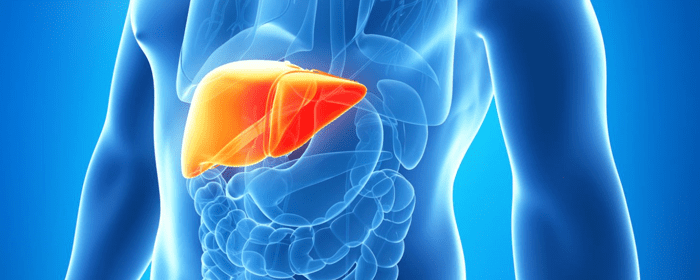
Regenerative Medicine Using Mesenchymal Stem Cells for the Treatment of Liver Disease
Liver disease accounts for nearly two million deaths annually and is responsible for 4% of all deaths (1 out of every 25 deaths worldwide); approximately two-thirds of all liver-related deaths occur in men.
Most forms of chronic liver disease result from viral infections, alcohol abuse, or metabolic disorders and eventually result in cirrhosis and liver failure. The only effective treatment for end-stage cirrhosis is liver transplantation. Unfortunately, considering organ shortages and the high cost associated with this type of medical procedure, liver transplants are not available in many countries.
Stem cell transplantation, specifically transplantation using mesenchymal stem cells (MSCs), has been increasingly used as a potential treatment strategy for a host of diseases, including for treating chronic liver disease.
As part of this review, Kang et al. discuss the therapeutic effects of MSCs in liver diseases to address questions regarding their efficacy and safety, evaluate recent advances in this area, and consider the potential risks and challenges in the use of MSC-based therapies for liver disease.
When considering the therapeutic effects of MSC therapy in chronic liver disease, the authors conclude that this treatment has shown to be effective, primarily due to their immunomodulation, differentiation, and antifibrotic properties exhibited by MSCs. The authors also point out that although the safety and therapeutic effects of MSC therapy have been observed in several clinical studies, to date the therapy has demonstrated only modest improvements in treating liver disease. Kang et al. attribute this modest improvement, in part, to the current limited feasibility of transplanted cells.
The authors provide a detailed review of the strategies that have been utilized to improve the effects of MSC transplantation, including tissue engineering, preconditioning, genetic engineering, and using extracellular vesicles as cell-free therapy, and summarize the future potential of each of these as ways to improve MSC transplantation.
Kang et al. also highlight several problems that must be considered and addressed before MSCs are fully accepted as clinical therapeutic treatment options for chronic liver disease; these problems include the potential for carcinogenesis and viral transmission. For example, previous animal studies have demonstrated a relationship between the development of sarcoma and the number of passages. While this has not been directly observed in clinical trials involving human MSCs, the follow-up period was too short to allow for observed evidence of this development. As a result, the authors call for a detailed study into the chromosomal integrity before MSC transplantation to ensure the safety of the procedure.
In addition to the potential for tumor cell growth, allotransplantation of MSC cells may involve the risk of viral transmission to the patients. As a result, the authors indicate that both MSC recipients and donors may need to be screened for the presence of specific viruses, including parvovirus B19, herpes simplex virus, and cytomegalovirus.
The authors conclude that the prospects of MSC-based cell therapy for treating chronic liver disease will be determined by standardizing the cell source, culture conditions, administration route, and the outcomes of future large-scale clinical trials.
Source: “Mesenchymal Stem Cells for the Treatment of Liver Disease – NCBI.” https://www.ncbi.nlm.nih.gov/pmc/articles/PMC7234888/.

Home Remedies for COPD
Are you suffering from the ongoing symptoms of COPD? In its earliest stages, COPD can present with mild effects that you may not even recognize. As the disease progresses, these symptoms can become more severe and impact your ability to function.
Fortunately, there are several treatments available for managing COPD — some of which can be performed at home without any medical intervention. The available home remedies include vitamin D, enhanced air quality, and breathing exercises.
What Is COPD?
Chronic obstructive pulmonary disease (COPD) is a progressive condition caused by restricted airflow. There are two main types of COPD: chronic bronchitis and emphysema. Chronic bronchitis is defined by irritated, swollen bronchial tubes. Emphysema affects the alveoli within the lungs, making it harder for the lungs to transport oxygen into your bloodstream.
Both types of COPD present with similar symptoms, which include shortness of breath, chronic cough, and chest tightness. While there are numerous ways to address these symptoms, many patients choose to use natural, at-home remedies.
9 Natural Treatments for COPD
If you have mild symptoms of COPD, you may not yet be in need of medical intervention. Stage One COPD causes slight shortness of breath and coughing, both of which can be reduced with home remedies. The following are just nine ways to manage mild COPD symptoms from the comfort of your own home:
1. Improve Your Home’s Air Quality
The first step you should take to manage your COPD symptoms from home is improving the air quality in your environment. Air purifiers with high-quality filters can remove harmful particulates, such as chemical irritants, bacteria, pollen, and more, from the air.
Air purifiers are especially beneficial to COPD patients who have pets. An air purifier designed specifically for pet owners will remove the dander and dead skin cells your pet leaves behind. As a result, you get cleaner and clearer air quality in your home.
2. Stop Smoking
One of the biggest factors behind COPD is smoke. Tobacco causes inflammation within the airways, which can lead to narrowing and difficulty breathing. If you smoke cigarettes, you should stop doing so immediately. Ceasing to smoke will lead to a rapid improvement in your COPD symptoms, with more clear breathing and less coughing.
This also applies if you are exposed to secondhand smoke. If you live with someone who smokes, they should either quit or only smoke outdoors. Reducing your exposure to smoke will show a significant improvement in your COPD symptoms.
3. Reduce Your Stress
Another factor behind COPD is stress. Stress will not cause you to develop COPD, but it can certainly make symptoms worse if you already have the disease. Severe stress has been associated with exacerbated COPD symptoms, such as chronic cough and chest tightness.
When you have been diagnosed with COPD, make sure to manage your stress levels. You can try meditation, drinking green tea, or doing deep breathing exercises to produce a calming effect.
4. Develop Muscle Strength
For many people, being diagnosed with COPD puts an end to their active lifestyles — but it shouldn’t. While COPD symptoms can make it harder to exercise, remaining active will actually improve your symptoms over time. Exercise encourages stronger respiratory muscles and better breathing overall.
One of the best things you can do for your body after being diagnosed with COPD is to build strength. Interval training with alternating periods of high and low intensity can strengthen your muscles without overworking your heart and lungs.
5. Try Water-Based Exercises
Another form of exercise that can benefit your body and reduce COPD symptoms is water-based exercise. Swimming and water aerobics are great ways to improve respiratory function without putting too much stress on the body.
This type of exercise is low-impact and can even be more effective than land-based exercise in some cases. Water-based physical activity can also improve your overall mood and help manage your stress levels, which will have a positive effect on your COPD.
6. Practice Breathing Exercises
A major way to reduce the severity of your COPD is by taking up breathing exercises such as deep breathing, diaphragm breathing, and pursed-lip breathing. Rotating through these activities can help expand your lungs and allow for more oxygen intake. These breathing exercises can be practiced on a daily basis on your own or on a regular schedule with a group.
7. Use Eucalyptus Oil
Essential oils have been shown to provide a variety of health and wellness benefits when used properly. They may even offer some relief for COPD patients by opening up the airways and encouraging better breathing.
Specific essential oils are known to have beneficial properties for the respiratory system. The most notable one is eucalyptus oil, which can help clear mucus buildup, expand the airways, and even provide a calming effect.
8. Maintain a Healthy Weight
Some people experience significant COPD symptoms because they are overweight. When you are carrying too much weight, it puts added stress on your entire body, especially your respiratory system.
By losing weight or maintaining a healthy weight, you can see an improvement in your COPD symptoms over time. You should feel short of breath less often and struggle less during physical activity.
9. Take Vitamin D
The final home remedy that you can try to help manage COPD is vitamin D. Vitamin D deficiency can increase inflammation throughout the body and lead to excess mucus production. For people with COPD, this can create more severe symptoms. Taking a vitamin D supplement allows you to resolve your deficiency and reduce COPD symptoms.
The Best Ways to Treat COPD
From essential oils to breathing exercises, there are many natural ways to help relieve COPD symptoms. And if these home remedies aren’t enough, there are other ways to approach COPD treatment.
More severe symptoms typically require professional medical treatments, including steroid medication and supplemental oxygen therapy. Regenerative medicine, also known as stem cell therapy, may also provide some relief for COPD symptoms.
If you feel that your COPD needs more extensive treatment, speak with your pulmonologist and primary physician about your options.

Where Can I Find the Best Sports Injury Doctor Near Me?
Whether you are a dedicated athlete or simply enjoy sports in your spare time, the possibility of sustaining an injury is always present due to the physical stress and contact of many types of sports.
From a sprained ankle to a broken arm, sports injuries range in severity, and all of them can lead to lasting symptoms if not properly addressed. This is why having a quality sports injury doctor close to your home is so important.
A sports injury doctor is any physician who works with injuries sustained from athletic activity.
Fractures, breaks, sprains, torn ligaments, and dislocations are all common types of injuries that can occur from playing sports or exercising. A top-quality sports injury doctor can diagnose the type of injury you have and design a customized treatment plan that gets you on the path to healing.
Who Is Considered a Sports Injury Doctor?
Something many people don’t realize is that many different types of doctors can treat an athletic injury. The following are just a few specialists who can address sports-related injuries.
General Practitioner
While your family doctor may not technically be considered to be a sports injury doctor, they are a necessary step in the healing process. Your general physician can provide an initial assessment of your injury and determine what type of specialist will provide the most fitting treatment.
Physical Therapists
One of the most effective ways to address an athletic injury is through physical therapy. Physical therapists use non-invasive, non-surgical methods to strengthen your bones and muscles, helping you make a full recovery from many different types of injuries.
A physical therapist is ideal for sprains, dislocations, and healing after a broken bone. Your physical therapist will guide you through personalized stretches and exercises that aim to restore your proper muscle strength and tissue alignment.
Many people see a physical therapist for an extended period at regular intervals, such as one to two times a week for six months. Your duration of treatment will depend on the severity of your injury.
Orthopedists
Another specialist who frequently addresses sports injuries is an orthopedist. They work with conditions of the bones and muscles. These doctors can perform a wide variety of diagnostics to determine the source of your symptoms and develop a thorough treatment plan. Orthopedists treat almost any area of the body, but they often work with the arms and legs.
For severe breaks, you may need to see an orthopedic surgeon. These surgical specialists can provide the proper treatment to help your bone heal correctly after an athletic injury.
Podiatrists
If you injure your foot, toe, or ankle during athletic activity, you may need to see a podiatrist. They work specifically with conditions of the feet. These doctors can address broken toes, ankle sprains, and damaged tissues within the foot.
A podiatrist can also provide custom footwear, such as ankle bracing or shoe inserts, to help heal certain injuries.
Chiropractors
When you are looking for non-surgical intervention for certain types of sports injuries, you may want to see a chiropractor. Chiropractors provide manual adjustment of the bones in your arms, legs, and spinal column. They are a popular choice for spinal misalignment and dislocations.
Something important to consider when working with a chiropractor is the nature of your injury and the method of adjustment. Sometimes chiropractic treatment can do more harm than good. This harm happens when an adjustment is performed incorrectly or in the wrong spot, leading to exacerbated pain and discomfort.
You should be especially careful when treating neck injuries, as this can lead to nerve damage in the cervical spine.
Holistic Specialists
One type of specialist that may be overlooked when searching for sports injury treatment is a holistic medicine doctor. Holistic doctors specialize in natural approaches to a wide variety of health concerns, from chronic conditions to acute illnesses.
A holistic medicine specialist can use natural methods to address your athletic injuries without prescription medications or surgical intervention.
What to Consider When Choosing a Sports Injury Doctor
If you’re looking for a doctor to treat your athletic injuries, you will need to consider several factors in order to choose the best provider for your needs. These factors include everything from experience to location.
Relevant Experience
When looking for a doctor for your athletic injury, you will want to choose someone who has relevant experience. Your doctor should be qualified to treat the type of injury you have.
For example, a podiatrist only treats conditions of the foot, ankle, or toes. If you have an injury higher on the leg, such as a torn calf muscle or knee dislocation, an orthopedist is a better choice.
Services Offered
Another thing to consider when choosing a sports injury doctor is the services they can provide. Do they offer surgical procedures? Are their services strictly non-invasive? Do they use natural, holistic methods?
Your injury may require specific treatment to heal properly. You need to choose a doctor who can provide the best treatment possible to address your injury.
Office Location
One of the most important factors to consider when looking for a sports injury doctor is their location. You want to choose a doctor whose office is in your general area so that you don’t need to commute far for treatment.
Athletic injuries often require a series of multiple visits spread out over time. Having a doctor in your area will make your recovery process much more convenient.
Treating Sports Injuries
Are you looking for a top-quality sports medicine doctor near you? There are various ways to treat sports injuries, from physical therapy to chiropractic adjustments. Finding the right sports injury doctor can make the difference between chronic pain and proper healing.
Additionally, some people want more natural treatments for their sports injuries, including stem cell therapy or PRP injections.
If you injure yourself playing sports or exercising, speak with your general practitioner or other provider about what type of specialist is the best choice to meet your needs.
 St. Petersburg, Florida