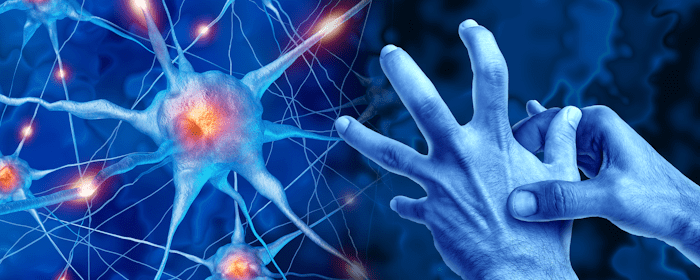
Neurodegenerative diseases like Parkinson’s disease (PD), Alzheimer’s disease (AD), and amyotrophic lateral sclerosis (ALS) are among the most challenging medical conditions to treat. These disorders involve the gradual breakdown and loss of neurons in specific areas of the nervous system, leading to symptoms such as memory loss, paralysis, and impaired movement or cognition.
Despite decades of research and billions of dollars in clinical trials, researchers have yet to find a cure for these conditions, and even effective treatments remain limited. As a result, neurodegenerative diseases place a significant emotional, physical, and economic burden on individuals, families, and healthcare systems worldwide.
In this review, Sivandzade et al. summarize the current knowledge of stem-cell-based therapies in neurodegenerative diseases and the recent advances in this field.
The Potential of Stem Cells in Treating Neurodegenerative Disorders
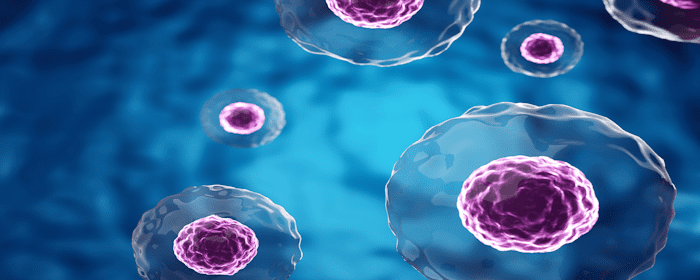
In recent years, regenerative medicine, particularly stem cell therapy, has emerged as an exciting new frontier in the treatment of neurodegenerative diseases. Stem cells have the remarkable ability to become various types of specialized cells in the body. In the context of neurodegenerative diseases, they may be able to repair damaged tissue, replace lost neurons, or create a healthier environment in the brain or spinal cord that helps preserve existing cells.
This unique potential has led researchers to explore whether stem cells could help slow disease progression, reduce symptoms, or even restore lost function in patients affected with these conditions.
Stem Cell Therapy Approaches in Neurological Disorders
Stem cell therapy strategies for neurodegenerative diseases typically fall into two main approaches. The first involves directly replacing the specific types of neurons that are lost during the disease process. For example, researchers aim to generate dopamine-producing neurons for patients with PD or restore damaged motor neurons in people with ALS. The second approach focuses on environmental enrichment, where stem cells are used to support the body’s own repair mechanisms. According to the authors, this could involve delivering neuroprotective growth factors like brain-derived neurotrophic factor (BDNF) or glial cell line-derived neurotrophic factor (GDNF), which help nourish and protect surviving neurons.
Recent research has also explored combining both strategies – using stem cells to replace lost cells while simultaneously enhancing the surrounding environment.
Stem Cell Therapy for Parkinson’s Disease
In Parkinson’s disease, the main issue is the gradual loss of dopamine-producing neurons in a part of the brain called the substantia nigra. This loss leads to symptoms like tremors, muscle rigidity, and slowed movement, usually appearing in people between their 50s and 70s.
Current treatments focus on increasing dopamine levels or using deep brain stimulation to control symptoms. While helpful, these options do not stop or reverse the underlying neuron loss. Stem cell therapy offers a promising alternative by aiming to replace the lost dopamine neurons or protect those that remain.
Recent studies have used embryonic stem cells (ESCs) to produce new dopamine-producing cells that can be transplanted into animal models of PD. These cells have shown the ability to migrate to damaged areas and improve motor function. However, ESCs come with ethical concerns and a risk of tumor formation, which has limited their use in human trials.
Mesenchymal stem cells (MSCs) have also shown potential in PD animal models by helping rebuild damaged dopamine nerve networks. Additionally, induced pluripotent stem cells (iPSCs) – adult cells reprogrammed to act like embryonic stem cells – have recently gained attention because they can be used to generate personalized dopamine-producing neurons without the ethical concerns associated with ESCs. These iPSC-derived neurons have shown promising results in animal models, surviving and integrating into the brain while improving motor symptoms.
Stem Cell Therapy for Alzheimer’s Disease
For patients with Alzheimer’s disease, the situation is more complex. AD is the most common neurodegenerative disease, affecting over 5 million Americans. It leads to memory loss, confusion, impaired judgment, and eventually complete cognitive decline. The disease is marked by the buildup of two harmful proteins in the brain: amyloid-beta, which forms plaques outside neurons, and tau, which forms complex tangles inside them. These protein abnormalities disrupt communication between brain cells and eventually cause them to die. Current medications focus on improving symptoms and slowing progression, but they do not reverse the damage.
Stem cell therapy for AD focuses on restoring lost neurons and improving the brain’s ability to function and heal. Studies using human neural stem cells in animal models of Alzheimer’s have shown that these cells can improve learning and memory, possibly by enhancing synaptic plasticity and increasing the production of proteins involved in cognitive function.
However, challenges remain, including understanding how these stem cells exert their effects and controlling the formation of unwanted cell types. Researchers are currently exploring the use of nerve growth factor (NGF) in combination with stem cells to protect existing neurons and encourage the growth of new ones.
NGF gene therapy has shown promise in early trials and may help amplify the positive effects of stem cell treatment.
Stem Cell Therapy for ALS (Amyotrophic Lateral Sclerosis)
Amyotrophic lateral sclerosis, or ALS, is another devastating condition in which motor neurons in the brain and spinal cord gradually die, leading to muscle weakness, paralysis, and ultimately death, typically within a few years of diagnosis. Most cases are sporadic and occur without a clear genetic cause, though some cases are linked to inherited gene mutations. Because multiple mechanisms may contribute to the disease, including protein misfolding, oxidative stress, and inflammation, it has been extremely difficult to find effective treatments.
Stem cell research in ALS is still in the early stages, but it holds potential. The goal is not necessarily to replace the lost motor neurons – which is extremely difficult – but rather to create a supportive environment that preserves the neurons that remain and slows disease progression.
Some clinical trials have tested the use of MSCs and neural stem cells (NSCs) injected directly into the spinal cord. Results from these early studies suggest that the treatments are safe and may help stabilize function in some patients. In animal models, stem cell transplants have been shown to reduce inflammation, promote motor neuron survival, and improve muscle strength.
As with other neurodegenerative diseases, the success of stem cell therapy in ALS will likely depend on a deeper understanding of disease mechanisms and finding the best ways to target and deliver treatment.
The Future of Stem Cell Therapy for Neurodegenerative Diseases
While stem cell therapy is not yet a viable cure for neurodegenerative diseases, Sivandzade et al. believe it represents one of the most promising paths forward. The ability to regenerate or repair damaged tissue offers hope where traditional therapies have fallen short. As research continues to advance, more clinical trials are likely to explore the safety and effectiveness of these treatments, along with better methods for personalizing therapies and improving the delivery of stem cells to targeted areas within the nervous system.
Source: Sivandzade F, Cucullo L. Regenerative Stem Cell Therapy for Neurodegenerative Diseases: An Overview. Int J Mol Sci. 2021 Feb 22;22(4):2153. doi: 10.3390/ijms22042153. PMID: 33671500; PMCID: PMC7926761.
Spinal cord injury (SCI) is one of the most serious outcomes of spinal trauma. It typically leads to either temporary or permanent loss of sensory, motor, and autonomic nerve functions below the affected area and can significantly impact a person’s quality of life. Worldwide, approximately 10.5 out of every 100,000 people experience SCI. While modern treatments enable 94% of individuals with acute traumatic SCI to survive, long-term survival is often compromised by complications arising after the injury.
In this review, Xia et al. explores the pathophysiological changes that occur following SCI and examines the mechanisms through which MSCs contribute to treatment. The authors also summarize the potential clinical applications of MSCs while addressing the challenges associated with their use and discussing future prospects.
Current Treatment Approaches For SCI
Current therapies for SCI focus on managing the immediate effects of the injury. Standard treatments include stabilizing the spine, surgically decompressing the spinal canal, and initiating rehabilitation programs. These approaches aim to reduce further damage and create conditions that support natural healing processes. However, they do not actively promote the regeneration of damaged nerve cells. The primary goal is to restore neurological function as quickly as possible after addressing the spinal cord compression. Unfortunately, no existing treatment strategies can fully repair damaged nerve cells, leaving an unmet need for innovative therapies.
Primary Spinal Cord Injury
Primary SCI results from direct trauma, such as fractures or dislocations of the vertebrae, which can compress, tear, or even sever the spinal cord. Spinal cord compression is the most common form of primary injury and is often accompanied by damage to blood vessels and the blood-spinal cord barrier (BSCB). The BSCB is a critical structure that maintains the stability and health of the spinal cord by keeping harmful substances out. When the BSCB is compromised, inflammatory molecules and toxic substances infiltrate the injured area, worsening the damage.
Secondary Spinal Cord Injury
Secondary SCI involves a series of biological processes that start within minutes of the initial injury. These changes occur in three overlapping phases: acute (within 48 hours), subacute (48 hours to two weeks), and chronic (lasting up to six months). Secondary injuries can exacerbate the damage caused by the primary injury and often lead to permanent complications.
One of the first effects of secondary SCI is the disruption of the blood supply to the spinal cord, which causes further cell death. As spinal cord cells are destroyed, they release molecules that trigger inflammation. This inflammatory response attracts immune cells to the injury site, which, in turn, release substances that cause additional damage. Neutrophils, a type of immune cell, arrive within an hour of injury and persist for several days, contributing to the worsening of the injury by releasing harmful substances like reactive oxygen species.
The Role of Mesenchymal Stem Cells in SCI
In recent years, mesenchymal stem cells (MSCs) have emerged as a promising option for treating SCI. MSCs are a type of stem cell capable of self-renewal and differentiation into various cell types, making them suitable for tissue repair and regeneration. These cells can be derived from multiple sources, including bone marrow, fat tissue, umbilical cords, and amniotic fluid. MSCs are relatively easy to isolate and store, and their use does not raise significant ethical concerns.
Types of MSCs
The three main types of MSCs used in clinical practice are bone marrow-derived MSCs (BMSCs), adipose-derived MSCs (AD-MSCs), and human umbilical cord-derived MSCs (HUC-MSCs). Each type has unique advantages:
BMSCs: These cells can differentiate into various tissue types, such as bone, cartilage, and nerve cells. They are effective at reducing inflammation and releasing factors that support nerve regeneration.
AD-MSCs: Sourced from fat tissue, these cells are easier to obtain in large quantities without causing significant harm. They promote angiogenesis (the formation of new blood vessels) and wound healing by releasing growth factors and other molecules.
HUC-MSCs: These cells have the highest capacity for proliferation and differentiation. They are smaller in size, allowing them to pass through the BSCB more easily, and they do not pose a risk of fat or vascular embolism.
How MSCs Assist in Treatment of SCI
According to the authors, MSCs offer multiple benefits for SCI treatment, including:
Immunomodulation: MSCs regulate the immune response at the injury site by interacting with immune cells and releasing anti-inflammatory molecules. This helps reduce inflammation, which is a key factor in secondary injury.
Neuroprotection and Regeneration: MSCs release neurotrophic factors, such as nerve growth factor (NGF) and brain-derived neurotrophic factor (BDNF), which promote the survival and regeneration of nerve cells. They also inhibit glial scarring, a process that can block nerve regeneration.
Angiogenesis: MSCs secrete vascular endothelial growth factor (VEGF) and other molecules that encourage the formation of new blood vessels. This improves blood flow to the injured area and helps restore the damaged BSCB.
Exosome Production: MSCs release exosomes, small vesicles that carry proteins and genetic material to the injury site. These exosomes play a crucial role in reducing inflammation, promoting cell repair, and improving overall tissue recovery.
Future Directions
MSC therapy holds significant promise for improving outcomes in SCI patients. Preclinical studies have demonstrated the ability of MSCs to restore motor function in animal models. In clinical settings, MSCs have shown potential in improving sensory and motor function and aiding bladder control in patients with SCI. However, further research is needed to refine the therapy and address existing challenges.
Mesenchymal Stem Cells: A Promising Path for Spinal Cord Injury Treatment
SCI is a complex condition with devastating consequences for those affected. Current treatments aim to stabilize the injury and create conditions for natural healing but fall short of promoting nerve regeneration. MSCs offer a new avenue for SCI treatment by reducing inflammation, supporting nerve cell regeneration, and improving blood flow to the injured area. While challenges remain, the authors conclude that the advancements in MSC research suggest a bright future for their use in SCI therapy. With continued investigation, MSCs has the potential to become a cornerstone of regenerative medicine for SCI patients.
Source: Xia Y, Zhu J, Yang R, Wang H, Li Y, Fu C. Mesenchymal stem cells in the treatment of spinal cord injury: Mechanisms, current advances and future challenges. Front Immunol. 2023 Feb 24;14:1141601. doi: 10.3389/fimmu.2023.1141601. PMID: 36911700; PMCID: PMC9999104.
Osteoarthritis can make everyday movements difficult, limiting mobility and causing persistent joint pain. If you have been relying on pain medications or considering surgery, there is another option. At Stemedix, we offer regenerative medicine treatments that address joint damage at the source, helping you regain function without invasive procedures.
Through therapies like stem cell and platelet-rich plasma (PRP) injections, regenerative medicine promotes natural healing by stimulating tissue repair and reducing inflammation. Unlike traditional treatments that only manage symptoms, these therapies work to restore cartilage and improve joint function over time.
For those seeking regenerative medicine in Saint Petersburg, FL, Stemedix offers advanced, full-service, patient-focused care tailored to each individual’s needs. From airport and appointment transportation to providing wheelchairs, walkers, and shower chairs, Stemedix guarantees a comfortable and supported experience throughout your treatment journey. Our team of experts develops personalized treatment plans designed to help you stay active and avoid surgery.
Osteoarthritis and Its Impact on Joint Health
Osteoarthritis (OA) is a progressive joint disease that causes cartilage deterioration, leading to pain, stiffness, and mobility issues. It is the most common type of arthritis, affecting millions of people worldwide. It develops as the protective cartilage that cushions the ends of bones begins to wear down. Over time, this deterioration leads to increased friction between bones, causing pain, stiffness, and inflammation. The condition primarily affects joints that bear the most weight, such as the knees, hips, and spine. However, it can also impact the hands and other areas, making even simple movements uncomfortable.
Although aging plays a role in its progression, osteoarthritis is not just a condition that affects older adults. Joint injuries, repetitive stress, obesity, and genetic factors can contribute to early onset and severity. Many individuals begin to notice symptoms when stiffness becomes more persistent, and activities that were once effortless start to feel more challenging. Without intervention, the condition can continue to worsen, affecting overall mobility and quality of life.
How Osteoarthritis Affects Joint Function and Mobility
Joints rely on smooth cartilage surfaces for pain-free movement. As osteoarthritis progresses, cartilage breaks down, exposing the underlying bone. This increases friction during movement, triggering inflammation and pain. Swelling and stiffness can make it difficult to bend, straighten, or bear weight.
As osteoarthritis advances, bone spurs can form around the joint, restricting motion and adding to discomfort. Fluid accumulation within the joint capsule contributes to swelling, further limiting movement. In severe cases, the cartilage loss becomes so pronounced that bones grind directly against each other, resulting in chronic pain and mobility impairments.
The impact of osteoarthritis extends to daily activities. Tasks like walking, climbing stairs, or standing for long periods become increasingly difficult. Individuals may also experience weakness or instability, increasing the risk of falls or further injury, which can substantially affect independence and overall well-being.
For those struggling with osteoarthritis, finding effective treatment options is essential. At Stemedix, we provide regenerative medicine treatments designed to support natural joint repair, helping individuals regain function and reduce pain without relying solely on medications or surgery.
The Role of Regenerative Medicine in Osteoarthritis Treatment
Regenerative medicine is an approach that utilizes the body’s natural healing mechanisms to repair and restore damaged tissues. This includes stem cell therapy and specialty cells, which can replace and rebuild cartilage, reduce inflammation, and improve joint function, which help regenerate cartilage, reduce inflammation, and improve joint function.
How Stem Cell Therapy Can Aid in Joint Repair
Stem cell therapy introduces specialized cells into the affected joint to help repair and regenerate damaged tissue. These cells are typically sourced either from the patient’s own bone marrow or adipose (fat) tissue, or from carefully screened donor tissue, depending on the treatment approach. Once introduced into the joint, they interact with the surrounding environment to promote healing. Studies suggest that stem cells, especially chondrocytes (Cartilage Cells) and their respective exosomes can contribute to cartilage regeneration, slow the progression of osteoarthritis, and improve overall joint function.
One of the main benefits of stem cell therapy is its ability to address joint degeneration at a cellular level. Unlike pain medications or corticosteroid injections, which only provide temporary symptom relief, stem cells work to support the restoration of tissue over time. Many individuals who undergo stem cell therapy report gradual improvements in pain levels, joint flexibility, and overall mobility. While results vary, research continues to explore how stem cell treatments can enhance long-term joint health.
Platelet-rich plasma (PRP) Therapy: A Complementary Treatment
PRP therapy is another regenerative medicine treatment that can support joint healing. This therapy involves drawing a small sample of the patient’s blood, processing it to concentrate the platelets, and injecting the enriched plasma into the affected joint. Platelets contain growth factors that stimulate tissue repair, reduce inflammation, and enhance the body’s natural healing processes.
For osteoarthritis patients, PRP therapy can help manage pain and improve function by promoting cartilage repair. When used in combination with stem cell therapy, PRP may enhance the effects of treatment by creating an environment that supports regeneration. Some individuals experience noticeable improvements in joint comfort and mobility after a series of PRP injections, making it a valuable option for those seeking alternatives to surgery.
At Stemedix, we provide regenerative medicine treatments designed to support joint repair and improve quality of life. By offering stem cell therapy and PRP therapy, we help individuals take a proactive approach to osteoarthritis management, reducing pain and enhancing mobility without the need for invasive procedures.
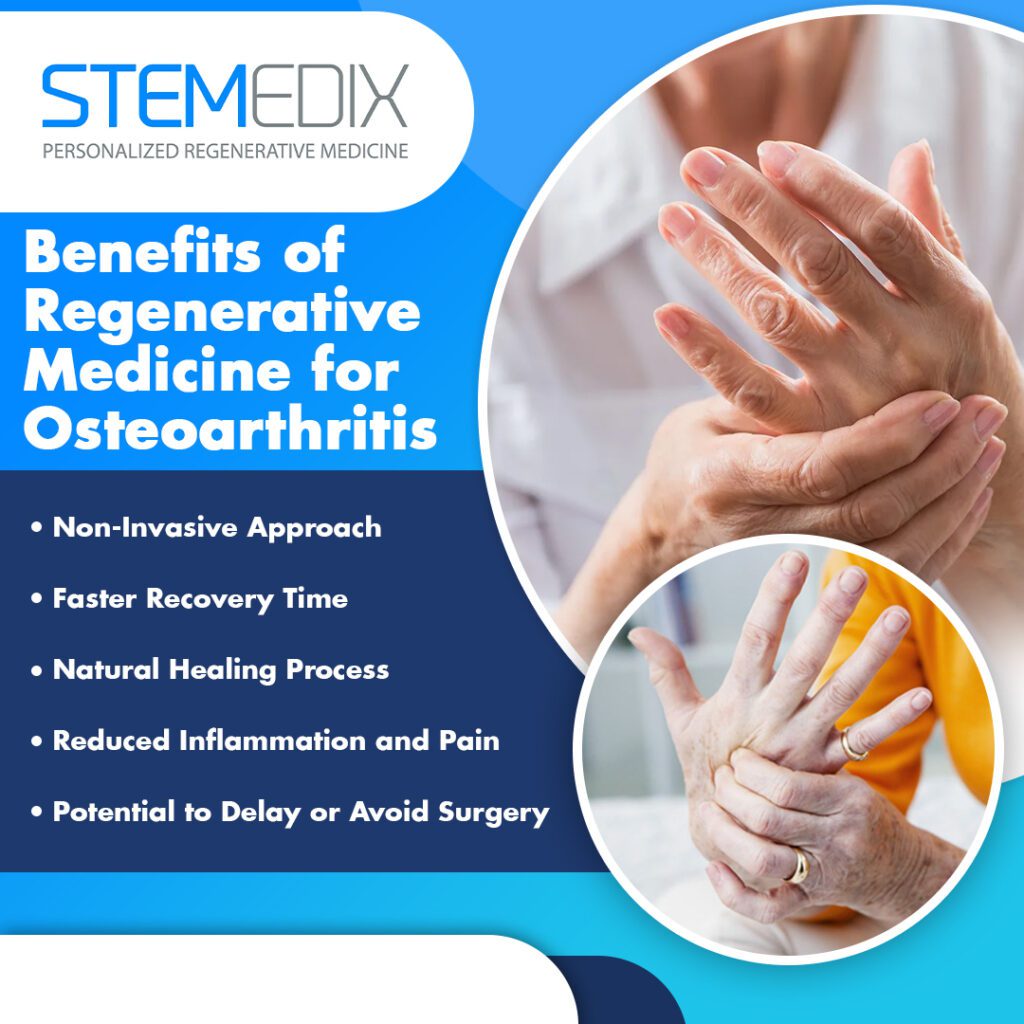
Benefits of Regenerative Medicine for Osteoarthritis
Regenerative medicine treatments provide several benefits for osteoarthritis patients looking for a non-surgical solution:
Non-Surgical Treatment with Minimal Recovery Time
Regenerative medicine treatments offer a non-invasive approach to managing osteoarthritis. Unlike joint replacement surgery, which requires extensive incisions, hospital stays, and long recovery periods, regenerative therapies involve targeted injections. This means patients experience minimal discomfort during the procedure and can return to their normal activities much sooner. Most individuals can resume daily routines within days, making it a practical option for those who want to avoid the risks and downtime associated with surgery.
Because these treatments do not require general anesthesia or large incisions, the risk of complications is lower compared to surgical interventions. Many patients choose regenerative medicine to maintain an active lifestyle while managing osteoarthritis symptoms effectively.
Promoting Natural Healing and Tissue Regeneration
Traditional osteoarthritis treatments, such as pain medications and steroid injections, primarily focus on symptom relief. While they may reduce discomfort temporarily, they do not contribute to long-term joint health. Regenerative medicine takes a different approach by supporting the body’s natural ability to heal itself.
Stem cell therapy and PRP therapy introduce healing elements directly into the affected joint, encouraging the repair of damaged cartilage and tissues. Stem cells can develop into various types of cells needed for joint repair, while PRP provides growth factors that stimulate tissue regeneration. Over time, these therapies may help slow osteoarthritis progression, preserving joint function and mobility for longer.
Reducing Pain and Inflammation
Inflammation is one of the primary drivers of osteoarthritis pain. As the cartilage wears down and bones begin to rub together, the body responds with increased inflammation, leading to swelling, stiffness, and discomfort. Regenerative medicine treatments target this underlying inflammation rather than simply masking pain.
By introducing stem cells and PRP into the affected joint, these treatments help regulate the inflammatory response. This can lead to sustained pain relief and improved joint function over time. Many individuals report noticeable reductions in pain and stiffness, allowing them to engage in physical activities with greater ease.
At Stemedix, we specialize in regenerative medicine treatments that help individuals manage osteoarthritis without relying on invasive procedures. By offering innovative stem cell therapies that promote healing, reduce inflammation, and restore function, we provide a path to long-term joint health and improved mobility.
Is Regenerative Medicine the Right Treatment for You?
Regenerative medicine is an effective treatment option for individuals with mild to moderate osteoarthritis who are seeking a non-surgical alternative to managing their condition. If you have joint pain, stiffness, and decreased mobility that have not responded well to traditional treatments, regenerative therapies may be an excellent choice.
This approach is especially suited for people who wish to avoid the risks, recovery time, and complications associated with joint replacement surgery. If you are looking to regain function, reduce pain, and maintain mobility without the need for invasive procedures, regenerative medicine may be the solution for you.
What to Expect During the Treatment Process
The process for regenerative medicine treatments typically involves injecting stem cells, specialty cells, or even platelet-rich plasma into the affected joint. The procedure is minimally invasive, usually performed in an outpatient setting, and involves very little discomfort.
Before the injection, your healthcare provider will make sure that the area is numbed to minimize any discomfort during the procedure. The stem cells, or PRP, are then injected directly into the affected joint. While the treatment itself is relatively quick, it may take several weeks for noticeable improvements to appear. Over the following months, the benefits of the therapy continue to unfold, helping to promote tissue regeneration, reduce inflammation, and alleviate pain.
At Stemedix, we specialize in providing personalized regenerative medicine treatments tailored to your unique needs. If you’re considering this option for osteoarthritis, our experienced team can help guide you through the process, ensuring that you receive the best care and support throughout your treatment journey.
Regenerative Medicine vs. Traditional Joint Replacement Surgery
Joint replacement surgery becomes necessary when osteoarthritis has progressed to a point where the damage to the joint is severe and non-surgical treatments no longer provide relief. In these cases, the cartilage has deteriorated, causing bones to rub against each other, resulting in debilitating pain and limited movement. When conservative treatments like medication, physical therapy, and injections fail to alleviate symptoms, joint replacement may be the only remaining option. This procedure involves removing the damaged cartilage and bone and replacing it with an artificial joint.
However, joint replacement surgery comes with risks, including infection, blood clots, and a lengthy recovery period. For many patients, the idea of undergoing surgery and spending months recovering is stressful.
Advantages of Regenerative Medicine Over Surgery
Regenerative medicine offers a compelling alternative to joint replacement by addressing joint deterioration early in the process. By harnessing the body’s natural healing abilities, regenerative treatments like stem cell therapy and PRP (Platelet-Rich Plasma) therapy target the root causes of joint pain and inflammation.
One of the most notable benefits of regenerative medicine is the shorter recovery time compared to surgery. Since regenerative treatments involve injections rather than incisions, patients typically experience less pain and minimal downtime and can return to their daily activities much faster. Additionally, regenerative medicine carries fewer risks, as it’s a non-invasive procedure that doesn’t require general anesthesia or long hospital stays.
Another significant advantage is that regenerative treatments may help delay or even prevent the need for joint replacement altogether. By stimulating tissue regeneration, regenerative medicine can slow the progression of osteoarthritis and preserve joint function.
Cost Considerations: Regenerative Medicine vs. Joint Replacement
While joint replacement surgery can cost tens of thousands of dollars, regenerative medicine treatments tend to be more affordable. Surgery often requires extensive post-operative care, including physical therapy and follow-up visits, which can add up in costs. Additionally, joint replacement surgery typically involves a long recovery period, where additional medical expenses may arise.
On the other hand, regenerative medicine offers a cost-effective alternative. Since the procedures are minimally invasive, they generally don’t require the same level of post-treatment care and rehabilitation. By avoiding the need for surgery, patients can save money in the long term, while also potentially experiencing better outcomes without the extensive recovery times.
At Stemedix, we provide advanced regenerative medicine treatments tailored to your needs, offering an affordable, non-surgical alternative that may help you avoid joint replacement surgery. Our team of experienced providers is here to guide you through your treatment options and help you make the best decision for your joint health.
Stemedix: Your Partner in Regenerative Medicine for Osteoarthritis
At Stemedix, we specialize in offering advanced regenerative medicine in Saint Petersburg, FL, designed to provide relief from osteoarthritis and restore joint function. Our clinic is known for its commitment to providing the highest level of care, using innovative treatments like stem cell therapy, specialty cells, and PRP (plat-r-p) therapy. These treatments are tailored to help manage pain, reduce inflammation, and regenerate damaged tissues, ultimately improving mobility and quality of life.
We understand that each patient’s needs are unique, which is why we focus on personalized care and treatment options. Whether you’re looking to delay surgery or improve your joint function, Stemedix is dedicated to helping you achieve your goals with effective, non-surgical alternatives.
How Stemedix Tailors Treatments for Osteoarthritis Patients
At Stemedix, we take a personalized approach to every case of osteoarthritis. Our medical team works closely with each patient to design a customized treatment plan that suits their specific condition. We don’t believe in a generalized approach—our regenerative medicine treatments are based on evidence-based practices that are aimed at providing the most effective results for your joint health.
Whether it’s stem cell therapy to regenerate damaged cartilage or PRP therapy to reduce inflammation and promote healing, we combine these treatments to maximize joint restoration and pain relief. Our goal is to enhance your mobility and quality of life while avoiding the need for invasive surgeries.
Patient-Centered Care at Stemedix
At Stemedix, based in Saint Petersburg, FL, patient care is at the heart of everything we do. From the moment you walk through our doors, you’ll experience a welcoming and supportive environment. We understand that going through osteoarthritis treatment options can be overwhelming, which is why we assign dedicated care coordinators to guide you every step of the way.
Our care coordinators make sure that you have all the information you need to make well informed decisions about your treatment. They work closely with you to schedule appointments, answer questions, and monitor your progress throughout the healing process. We prioritize your comfort, convenience, and well-being, ensuring that your experience is smooth and stress-free, from consultation to recovery.
Explore Regenerative Medicine as a Viable Osteoarthritis Treatment Option at Stemedix
Regenerative medicine offers a valuable treatment option for individuals experiencing osteoarthritis in Saint Petersburg, FL. Unlike conventional methods that focus solely on symptom management, regenerative therapies such as stem cell therapy and PRP (Platelet-Rich Plasma) therapy work to restore joint health by promoting natural healing. These treatments support tissue repair, reduce inflammation, and encourage cartilage regeneration, which can enhance mobility and long-term joint function.
Stemedix specializes in regenerative medicine in Saint Petersburg, FL, providing a non-surgical alternative for those seeking relief from osteoarthritis. By leveraging innovative therapies, Stemedix helps patients regain mobility and improve their quality of life without the risks and extended recovery associated with surgery.
If you are looking for an advanced, non-invasive approach to managing osteoarthritis, Stemedix is here to help. Contact us today at (727) 456-8968 or email yourjourney@stemedix.com to learn more about how regenerative medicine can support your joint health.
“Superfood” might sound like a trendy buzzword, but the truth is, certain whole foods are genuinely packed with the nutrients your body needs to function at its best. These natural powerhouses go beyond just filling you up; they support your immune system, fight inflammation, protect your cells, and help keep your body resilient.
You don’t need an exotic shopping list to get these benefits either. Many of the best superfoods are probably already in your kitchen or easy to find at your local grocery store.
Berrieslike blueberries, strawberries, and raspberries are rich in antioxidants; compounds that help combat oxidative stress and inflammation in the body. They also contain fiber and vitamin C, making them great for immune support and gut health.
Leafy greens such as spinach, kale, and arugula are full of vitamins A, C, and K, along with minerals like magnesium and iron. These nutrients play a big role in everything from bone health to blood flow, and the fiber content keeps your digestive system moving smoothly.
Fatty fish like salmon, sardines, and mackerel are loaded with omega-3 fatty acids, which are well-known for reducing inflammation, supporting brain function, and promoting heart health. If you don’t eat fish, flaxseeds and chia seeds are great plant-based alternatives.
Turmeric is a bright yellow spice that’s been used for centuries in traditional medicine. Its active compound, curcumin, has powerful anti-inflammatory effects. Pair it with black pepper to help your body absorb it more effectively.
Avocados offer healthy fats that are good for your heart and your skin. They also contain potassium and fiber, which help regulate blood pressure and support digestion.
Nuts and seeds, like almonds, walnuts, and pumpkin seeds, provide healthy fats, protein, and essential nutrients such as vitamin E and zinc. Just a small handful a day can give your body a solid nutritional boost.
Green tea is more than just a calming drink; it’s full of polyphenols and catechins that may help reduce inflammation and support brain and metabolic health.
The Bottom Line
Incorporating more superfoods into your diet isn’t about perfection, it’s about giving your body the tools it needs to heal, protect, and perform. At Stemedix, we’re committed to supporting total-body wellness, and that includes what’s on your plate. Food truly can be medicine, and these everyday superfoods are a great place to start.
Parkinson’s disease (PD) is a neurodegenerative disorder affecting millions worldwide, causing debilitating symptoms such as tremors, rigidity, and difficulty walking. Existing treatments primarily manage symptoms without addressing the underlying causes, highlighting the need for more effective therapeutic approaches. Mesenchymal stem cell (MSC) therapy has emerged as a promising option, demonstrating potential neuroprotective, anti-inflammatory, and regenerative benefits.
As part of this review, Tambe et al. examine preclinical and clinical evidence on MSCs and their derivatives, including secretomes and exosomes, in PD management. The authors also analyze challenges and limitations of each approach, including delivery methods, timing of administration, and long-term safety considerations.
The Growing Challenge of Parkinson’s Disease
PD, along with other age-related diseases like Alzheimer’s and stroke, is becoming more prevalent due to increased life expectancy. The disease affects 2–3% of individuals over 65, and by 2040, the number of people living with PD is expected to double. In 2019, PD caused the loss of 5.8 million disability-adjusted life years (DALYs), a significant rise from 2000.
PD symptoms include postural instability, muscle hypertonia, bradykinesia, resting tremor, and cognitive and language abnormalities, all of which negatively impact the quality of life. PD is diagnosed based on motor symptoms, but non-motor symptoms also contribute to disability.
Parkinson’s disease primarily results from the accumulation of α-synuclein and a depletion of dopamine due to neuronal loss in the substantia nigra. It also involves disruptions in multiple pathways, including α-synuclein proteostasis, mitochondrial dysfunction, oxidative stress, and neuroinflammation.
Current Treatments for Parkinson’s Disease
While there is no cure for PD, current symptomatic treatments include levodopa, dopamine agonists, MAO-B inhibitors, COMT inhibitors, deep brain stimulation, and lesion surgery. However, these therapies are limited and do not address the underlying causes of the disease.
Newer interventions like stem cell therapy, neurotrophic factors, and gene therapy aim to address the root causes and potentially slow or stop disease progression.
Cell-based Therapies for Parkinson’s Disease Cell-based therapies are gaining attention as potential treatments for PD due to their ability to slow disease progression and replace lost dopamine production. Several cell sources are being researched for their therapeutic potential, each with specific advantages and disadvantages.
Mesenchymal stem cells (MSCs) are particularly promising due to their unique properties, including self-renewal and multi-potent differentiation potential. MSCs can differentiate into various cell types, including neuronal-like cells, and exhibit therapeutic effects through both cellular differentiation and the paracrine action of secreted growth factors.
Properties of Mesenchymal Stem Cells (MSCs)
MSCs are plastic-adherent cells capable of self-renewal and differentiation into various lineages, including neurons, adipocytes, osteoblasts, chondrocytes, and endothelial cells. This versatility makes MSCs an attractive option for treating PD.
MSCs also have the potential to exert therapeutic effects through the secretion of factors that promote cell survival, tissue regeneration, and anti-inflammatory actions. In addition to their ability to differentiate into mesodermal lineages, MSCs can produce secretomes and exosomes, which are small vesicles containing proteins, RNA, and other molecules that have demonstrated the ability to influence surrounding cells.
Therapeutic Success of MSCs in PD Management
Preclinical studies on MSCs and their derivatives, including secretomes and exosomes, have shown promising results in PD animal models. MSCs may promote the survival of dopamine-producing neurons and protect against neurodegeneration. Their secretomes, which contain bioactive molecules, can modulate inflammation and stimulate tissue repair. Exosomes, which are extracellular vesicles derived from MSCs, have been shown to improve neuronal function and survival in PD models. These findings suggest that MSC-based therapies could offer a novel approach to managing PD, potentially slowing disease progression and improving motor and cognitive symptoms.
Alternative Delivery Methods for MSC Therapy
One of the significant challenges in MSC therapy for PD is the delivery of these cells to the brain, particularly through the blood-brain barrier (BBB), which restricts the entry of most drugs.
Traditional delivery methods, such as intravenous, intracerebral, and intramuscular routes, have limitations in terms of efficacy and invasiveness.
Recent research has explored intranasal delivery of MSCs and their derivatives as a promising alternative. Intranasal administration could allow MSCs and their secretomes to bypass the BBB, delivering therapeutic agents directly to the central nervous system with minimal invasiveness.
The Future of MSC Therapy for Parkinson’s Disease
MSC-released exosomes and extracellular vesicles are gaining attention as potential treatments for PD due to their improved ability to cross the BBB and target specific cells. These vesicles can transport proteins, growth factors, microRNAs, and other bioactive molecules to recipient cells, potentially enhancing the therapeutic effects of MSCs.
Intranasal delivery of MSCs and their exosomes is an exciting area of research, offering a less invasive method for delivering therapy directly to the brain. This approach could lead to improved outcomes in PD management, especially if combined with other therapies that address the underlying causes of the disease.
Tambe et al. conclude that MSC therapy and its derivatives, such as secretomes and exosomes, hold significant promise for the treatment of Parkinson’s disease. However, challenges such as MSC heterogeneity, delivery methods, and long-term safety must be addressed before MSC-based therapies can become a mainstream treatment for PD.
Source: Tambe P, Undale V, Sanap A, Bhonde R, Mante N. The prospective role of mesenchymal stem cells in Parkinson’s disease. Parkinsonism Relat Disord. 2024 Oct;127:107087. doi: 10.1016/j.parkreldis.2024.107087. Epub 2024 Aug 10. PMID: 39142905.
This website and its contents are not intended to treat, cure, diagnose, or prevent any disease. Stemedix, Inc. shall not be held liable for the medical claims made by patient testimonials or videos. They are not to be viewed as a guarantee for each individual. The efficacy for some products presented have not been confirmed by the Food and Drug Administration (FDA).
This website uses cookies to improve your experience while you navigate through the website. Out of these cookies, the cookies that are categorized as necessary are stored on your browser as they are essential for the working of basic functionalities of the website. We also use third-party cookies that help us analyze and understand how you use this website. These cookies will be stored in your browser only with your consent. You also have the option to opt-out of these cookies. But opting out of some of these cookies may have an effect on your browsing experience.
Necessary cookies are absolutely essential for the website to function properly. This category only includes cookies that ensures basic functionalities and security features of the website. These cookies do not store any personal information.
Any cookies that may not be particularly necessary for the website to function and is used specifically to collect user personal data via analytics, ads, other embedded contents are termed as non-necessary cookies. It is mandatory to procure user consent prior to running these cookies on your website.
Subscribe To Our Newsletter
Join our mailing list to receive the latest news and updates from our team.
You have Successfully Subscribed!
Request Information Packet
We'll send your FREE information packet that outlines our entire personalized, stress-free stem cell treatment process!
Thanks for your interest!
Request Information Packet
We'll send your FREE information packet that outlines our entire personalized, stress-free stem cell treatment process!
Thanks for your interest!
Request Information Packet
We'll send your FREE information packet that outlines our entire personalized, stress-free stem cell treatment process!
Thanks for your interest!
Request Information Packet
We'll send your FREE information packet that outlines our entire personalized, stress-free stem cell treatment process!
Thanks for your interest!
Request Information Packet
We'll send your FREE information packet that outlines our entire personalized, stress-free stem cell treatment process!
Thanks for your interest!
Request Information Packet
We'll send your FREE information packet that outlines our entire personalized, stress-free stem cell treatment process!
Thanks for your interest!
Request Information Packet
We'll send your FREE information packet that outlines our entire personalized, stress-free stem cell treatment process!
Thanks for your interest!
Request Information Packet
We'll send your FREE information packet that outlines our entire personalized, stress-free stem cell treatment process!
Thanks for your interest!
Request Information Packet
We'll send your FREE information packet that outlines our entire personalized, stress-free stem cell treatment process!
Thanks for your interest!
Request Information Packet
We'll send your FREE information packet that outlines our entire personalized, stress-free stem cell treatment process!
Thanks for your interest!
Request Information Packet
We'll send your FREE information packet that outlines our entire personalized, stress-free stem cell treatment process!
Thanks for your interest!
Request Information Packet
We'll send your FREE information packet that outlines our entire personalized, stress-free stem cell treatment process!




 St. Petersburg, Florida