by Stemedix | Aug 1, 2020 | Stem Cell Therapy, Traumatic Brain Injury
Traumatic brain injury (TBI) occurs when sudden trauma damages the brain. While mild TBI can temporarily affect brain cells, more serious injuries can lead to bleeding, torn tissue, and bruising which can cause lasting complications. Brian damage studies have shown that stem cells may be an alternative option for patients to explore.
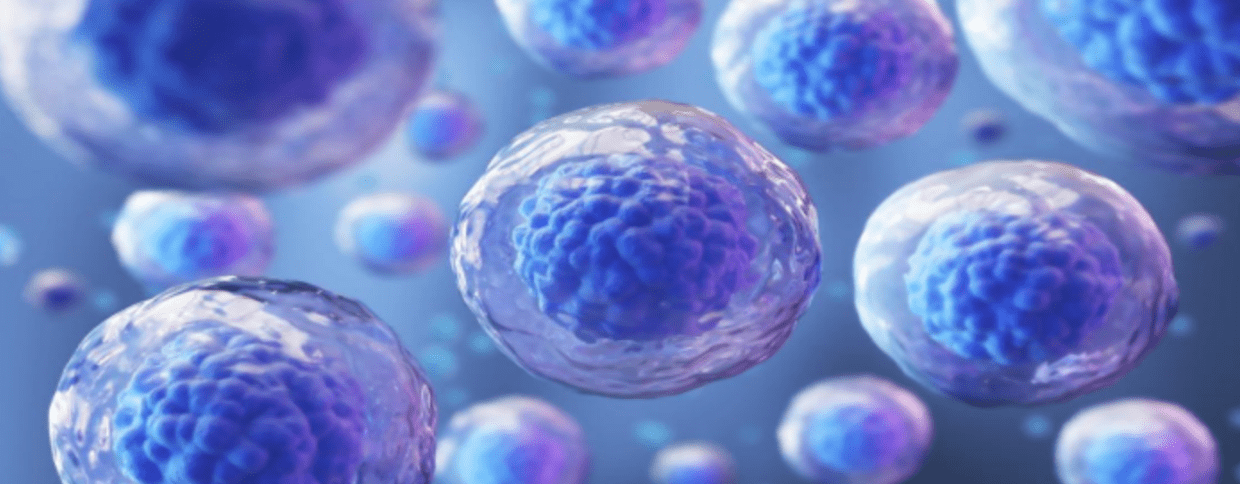
According to research, exogenous stem cells can target damaged brain tissue. They can then partake in the repair process by differentiating into cells that replaced the damaged tissue, while simultaneously releasing anti-inflammatory properties. These effects have the ability to promote improvements in neurological function in people with TBI.
Several types of stem cells have been studied for TBI, including:
- Mesenchymal Stem Cells: Typically retrieved from adult bone marrow, mesenchymal stem cells (MSCs) aid in tissue regeneration, the inhibition of inflammation, and the recruitment of progenitor cells to replace lost cells. Other studies have shown improvement in neurological function after MSC treatment was administered.
- Neural Stem Cells: Neural stem cells (NSCs) self-renew and can differentiate into different types of cells, including neurons. According to results from animal studies, transplanted NSCs were able to mature into different brain cells and survive for at least five months. Studies have also shown that NSC injection enhances cognitive and learning abilities, as well as motor function.
- Multipotent Adult Progenitor Cells: Known for their ability to differentiate into endothelial cells, multipotent adult progenitor cells (MAPCs) have been shown to improve memory retrieval, the ability to retain information, spatial learning, and dyskinesia (impairment of voluntary movement). These cells have particularly powerful anti-inflammatory response characteristics.
- Induced Pluripotent Stem Cells: In 2007, Japanese scientists reprogramed somatic cells into a new class that resembled embryonic stem cells, known as induced pluripotent stem cells (iPSCs). Using the TBI model, researchers have determined that iPSCs could improve neurological function after transplanted into the injured area and specifically enhance motor function.
- Endothelial Progenitor Cells: Endothelial progenitor cells (EPCs) are the precursors of vascular endothelial cells found in the bone marrow. They are recruited to the site of injury, especially after brain injury. In a brain injury model, endothelial colony-forming cells (ECFCs) showed an ability to home in on the injured area and repair the blood-brain barrier. They can enhance capillary formation and reduce inflammation.
While further research is needed on these methods of stem cell therapy, early results do show promise in their benefits for those exploring regenerative medicine options for Traumatic Brain Injury. Contact a Care Coordinator today for a free assessment!
by admin | Jul 30, 2020 | ALS, Stem Cell Therapy
Amyotrophic lateral sclerosis is a cruel disease. It causes the nerves that control muscles to die. When these upper and lower motoneurons degenerate, it causes weakness, muscle atrophy, muscle cramps, and twitching. Patients with progressed ALS lose the ability to walk and to move, and ultimately lose the ability to swallow and to breathe.
Unfortunately, there is no cure for this disease. Two drugs, riluzole, and edavarone, can help slow the progression of amyotrophic lateral sclerosis; however, these treatments cannot stop the disease.
Stem cells are an intriguing potential option for those wanting to manage symptoms from neurodegenerative diseases like ALS. The hypothesis is simple. Scientists are aggressively pursuing stem cell research to treat amyotrophic lateral sclerosis to study the use of stem cells to potentially restore diseased nerve cells in ALS which may help to restore muscle function. Drs. Gugliandolo, Bramanti, and Mazzon recently reviewed the potential use of mesenchymal stem cells for the treatment of ALS.
Mesenchymal stem cells can be gathered from many different sites in the body including bone marrow, umbilical cord, or adipose (fat) cells. The stem cells can then become several different cells in the body, including nerve cells (i.e. neurons). Mesenchymal stem cells also produce and release (e.g. through exosomes) an astounding number of molecules that help other cells grow and develop. Thus, mesenchymal stem cells can not only become new nerve cells, they can support other nerve cells’ growth and development.
The authors describe in detail the potential for mesenchymal stem cells to help treat ALS. The review shows the many successful uses of stem cells in animals (mice) that have experimental ALS. In short, stem cells slowed the loss of motor function (muscle activity), delayed the progression of ALS, and increased length of survival.
Clinical trials of mesenchymal stem cells to treat ALS are in Phase I and Phase II, however initial results are encouraging. First of all, treatment with these stem cells is safe in patients with ALS—no serious adverse events have been reported in any of the trials reviewed in the journal article. In at least 9 clinical trials, mesenchymal stem cells slowed disease progression in patients with ALS to some degree.
Patients with ALS and those who care for them should note that while these trials have shown that mesenchymal stem cells are safe and at least partially effective in the treatment of ALS, Phase I and Phase II clinical trials only have a relatively small number of patients compared to Phase III trials. Nonetheless, the clinical trial results thus far look promising, certainly promising enough for certain types of stem cells to advance to Phase III pivotal clinical trials.
Reference: Gugliandolo, A., et al. Mesenchymal Stem Cells: A Potential Therapeutic Approach for Amyotrophic Lateral Sclerosis? Stem Cells International. Vol. 2019, Article ID 3675627, 16 pages, 2019. https://doi.org/10.1155/2019/3675627
by admin | Jul 24, 2020 | Ozone Therapy
Ozone (O3) therapy is the process of introducing ozone into the body to promote healing. It leverages the power of ozone molecules, which feature three oxygen molecules, for therapeutic effects. In a medical setting, O3 can be used for the treatment of disease by deactivating harmful bacteria and viruses, among other benefits. For instance, it can also benefit people experiencing chronic or systemic conditions, such as:
- Autoimmune disease
- Cardiovascular conditions
- Degenerative disease
There are several ways ozone therapy can be administered. For one, it can be delivered intravenously, either in a gaseous state or via an ozonated saline drip. It may also be administered via insufflation or as ozonated water.
Regardless of how it’s given, here are some of the most compelling benefits of ozone therapy:
- Improved immune system: Ozone therapy has been shown to activate the immune system, thus improving the body’s ability to fight illness.
- Increased oxygenation: The body’s cells need ample oxygen to produce energy and keep us healthy. Since ozone has extra oxygen molecules, it improves oxygen levels in the cells and increases their ability to reach tissues, thereby promoting overall health.
- Better disease-fighting: Ozone has the unique ability to target and kill viruses, bacteria, yeast, fungi, and protozoa. Since harmful agents don’t have the same exterior as healthy cells, ozone can seek them out and destroy them, thus preventing them from latching onto cells and spreading illness.
- Boosted energy: Because ozone increases the oxygen level in cells, it aids in the production of energy. This can be especially beneficial for older adults, as the energy production process often loses efficiency with age.
- Reduced oxidation: While oxidation is important to sustaining life, too much of it can be harmful. Ozone controls the process by promoting the proper balance of oxidants and antioxidants in the body.
Ultimately, ozone therapy has vast therapeutic potential. Whether as a complementary therapy or an alternative treatment, this innovative solution could help to improve patient outcomes in a variety of conditions.
by Stemedix | Jul 20, 2020 | Stem Cell Therapy, Neurodegenerative Diseases
Neurodegenerative diseases affect millions of people across the globe. Parkinson’s disease (PD) and Alzheimer’s disease are the two most common illnesses within this category, and as of 2016, more than five million Americans were living with Alzheimer’s disease alone. It’s estimated that the prevalence of neurodegenerative diseases will only increase in the coming years with the aging population.
Characterized by the loss of function and death of nerve cells, neurodegenerative diseases cannot currently be cured. There are medications available to control symptoms, but patients don’t always respond to these drugs as desired. Moreover, there are often side effects which can further diminish patients’ health and wellbeing.
Stem Cells for Neurodegenerative Diseases
As a promising alternative to traditional medicine, stem cell therapy is being explored as a treatment for neurodegenerative conditions. These remarkable cells act as the basis from which every other differentiated cell type in the body is created. They can self-renew and transform into nearly any cell type. With these capabilities, researchers are finding that stem cells can repair damaged neurons, thus controlling the rate of disease. In some cases, it’s possible that stem cells could even reverse some of the damage already done.
There are several different types of stem cells being investigated for neurodegenerative conditions, including:
- Tissue-specific stem cells: These stem cells can give rise to multiple organ-specific cells and are typically located in areas of the body that can self-renew, including the skin and blood.
- Mesenchymal Stem Cells (MSCs): MSCs are located within the bone marrow and can differentiate into several types of cells, including cartilage, bone, and muscle. They have strong self-renewing properties and are therefore an ideal candidate for tissue repair.
- Induced Pluripotent Stem Cells (iPSCs): iPSCs are artificially derived from adult cells and programmed back to pluripotency. This creates an unlimited source of any cell type. Although iPSCs have been used in developing medications and disease modeling, further research is needed to determine their efficacy in other types of treatment.
- Neural Stem Cells (NSCs): NSCs are derived from specific areas of the brain and are thus considered specialized cells. Like other stem cells, they are self-renewing and multipotent.
Stem Cells for Neurodegenerative Diseases
The research into how stem cells can help patients with neurodegenerative diseases is ongoing. With that being said, tremendous progress has already been made. In specific, stem cell therapy is being used to help treat the following conditions:
- Alzheimer’s Disease: Columbia University researchers have discovered a groundbreaking process through which skin cells could be converted into brain cells. With further research, this process could help to create neurons which have been compromised by conditions such as Alzheimer’s disease.
- Parkinson’s Disease: PD patients experience a decline of dopamine as brain cells are destroyed. As dopamine levels drop, patients experience a range of challenging symptoms, including issues with movement and cognition. Recently, stem-cell derived dopaminergic neurons created through ESCs and iPSCs have emerged as a potential option for replacing compromised brain cells.
ALS: ALS has puzzled researchers for decades, largely due to the inability to source motor neurons in large enough numbers for studying. Recently, however, Harvard researchers have acquired mature cells that can be manipulated back into stem cells from ALS patients, which could lay the foundation for studying new therapies. Contact a Care Coordinator today for a free assessment!
by admin | Jul 20, 2020 | Autoimmune, Health Awareness
The benefits of regular physical activity simply can’t be overstated. From controlling weight to boosting energy, improving mood, and reducing the risk of chronic illness, it’s among the best things you can do for your health, especially when coupled with sound nutrition. Yet, what happens if you already have a preexisting condition that makes exercise difficult?
For people with autoimmune disorders such as lupus, certain types of arthritis, and fibromyalgia, among many others, periods of flare-ups can make exercise challenging. When low energy levels, widespread pain, and other challenging symptoms manifest, it’s understandable that the last thing you’d want to do is exercise.
Nonetheless, while more movement might seem counterintuitive to controlling pain, it turns out physical activity could actually help control your symptoms. In fact, people with certain autoimmune disorders who exercise regularly may experience a milder disease course, improved mobility, and better cardiovascular wellness. Plus, exercise releases endorphins, the body’s natural painkillers, and can reduce inflammation and anxiety.
Of course, to get moving while you’re in pain is a delicate balancing act: too much of a good thing can certainly backfire. For this reason, low-impact exercise is best for people with autoimmune disorders, especially during flare-ups. Here are some recommendations for working out in a way that works for you and your autoimmune condition:
Be mindful of your personal needs.
The symptoms of autoimmune conditions can vary significantly from one person to the next. Moreover, you’re likely to experience good days and bad days. Before you plan a workout for the day, check-in with yourself, and make an honest assessment of how you’re feeling. If you’re too drained or in pain to work out, don’t stress over a missed workout.
Recruit the experts.
While you can certainly establish a workout regimen independently, it doesn’t hurt to get input from your medical specialists, and perhaps even some physical fitness pros. Whether you work with physical therapists who specialize in joint conditions or a trainer at your local gym who can help you perfect your form, getting expert advice may help you avoid injury and find an approach that best suits your needs.
Go for low-impact exercises.
Explosive, plyometric moves like box jumps and burpees aren’t for everyone. If just the thought of these moves gets your joints aching, don’t fret. There are still plenty of low-impact moves that can elevate your heart rate and provide a quality workout. Cycling, swimming, rowing, yoga, treadmill walking, and Pilates are a few joint-friendly exercises to consider.
Track your workouts.
It’s easy to be consumed by numbers such as calories burned and minutes worked out. Instead of focusing on these metrics, look instead at how you feel before, during, and after a workout. Check for patterns that may help you better understand which types of exercise are best suited for your body and when. For instance, if you feel particularly sore after one type of workout, it may be best to scale back next time or skip that activity altogether. If, on the other hand, you feel loosened up and relaxed afterward, consider adding that type of exercise to your regular regimen.
Fuel your body appropriately.
For people with autoimmune conditions, good nutrition isn’t just about staying healthy. It’s also an important component of controlling inflammation, a common concern in autoimmune diseases. An anti-inflammatory diet in which you avoid red meat and heavily processed foods while prioritizing lean protein, vegetables, and omega-3 fatty acids could help you feel even better after your workouts.




 St. Petersburg, Florida