by admin | Apr 14, 2021 | Health Awareness
Lactoferrin is a protein found naturally in cow and human milk. Colostrum, the first milk that develops after a baby is born, is especially rich in the protein. It’s also found within fluids in the nose, respiratory tract, eyes, intestines, and elsewhere.
What Is the Role of Lactoferrin?
This protein binds with iron and cooperates with other proteins to metabolize iron and form energy, store and transport oxygen, and support detoxification. It’s also involved with the production of blood cells and the body’s ability to fight off infection. Research suggests exercising could increase lactoferrin. In some cases, supplementation could have several benefits.
Specifically, lactoferrin has been shown to:
- Improve iron absorption in women, including athletes and pregnant women, as well as in infants
- Reduce body fat in individuals with obesity
- Control inflammation and oxidative stress in patients with hepatitis C
Additionally, lactoferrin appears to help fight off infections caused by viruses, bacteria, and fungi. It seems to slow the growth of bacteria. With these health-promoting properties, lactoferrin can help:
- Treat diarrhea
- Reduce swelling of the liver
- Treat anemia
- Help control cold symptoms
- Help treat blood infections
Other potential applications for lactoferrin may include wound healing, allergy treatment, immune system health, and optimal health of key organs, including the lungs.
In some cases, elevated levels of lactoferrin could be indicative of underlying disease. For instance, fecal samples with high levels of lactoferrin can indicate the presence of irritable bowel syndrome. When found in blood or tears, it could indicate other types of disease.
If you’re considering lactoferrin supplements to support your wellness goals, consider speaking with a physician for proper dosing recommendations.
For more health awareness blogs, please visit www.stemedix.com/blog
by Stemedix | Apr 12, 2021 | Multiple Sclerosis, Stem Cell Therapy
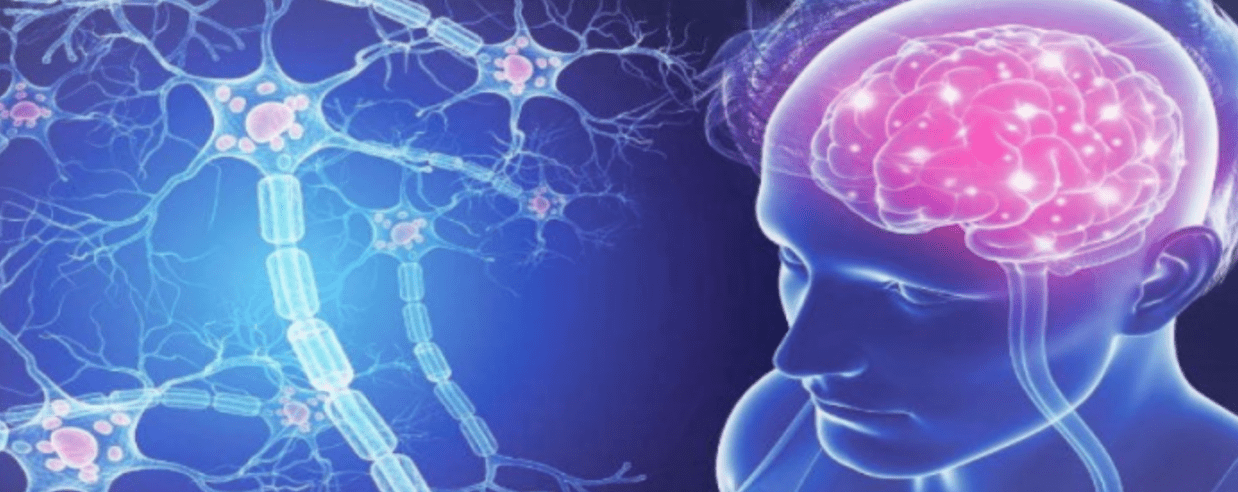
Multiple sclerosis (MS) is a nervous system disorder in which the information that flows between the brain and body becomes disrupted. It’s estimated that at least one million people in the U.S. are living with MS. In this condition, the immune system mistakenly attacks healthy tissue in the brain known as the myelin sheath, or the protective coverings for the nerves. This immune system attack also results in inflammation which can further damage nerve cells. Here is how regenerative medicine is used to manage multiple sclerosis.
People with MS can experience a wide range of unpredictable symptoms which may include:
- Vision changes
- Tremors
- Numbness or weakness in the limbs
- Slurred speech
- Fatigue
- Gait changes
- Tingling or pain throughout the body
Experts aren’t sure what causes MS, though it’s believed that a combination of genetic and environmental factors contributes to a person’s risk. Women are also two to three times more likely to have the condition.
Regenerative Therapy for MS
Fortunately, the outlook for people with MS has improved over the years. Medications are available to both manage symptoms and modify the progression of the disease. In addition, patients may also be able to explore options such as regenerative therapy to halt the progression of MS and control symptoms without the side effects that come with medications.
Regenerative therapy is used to trigger the natural repair processes within the body, thereby replacing damaged cells with new, healthy ones. In particular, mesenchymal stem cells could be used to repair and replace damaged nerve cells. These cells also have anti-inflammatory properties and can restore the myelin on nerve cells to essentially reprogram the immune system. Patients could then see benefits such as:
- Improved coordination and concentration
- Reduced muscle spasms and pain
- Reduced numbness and tingling
- Improved bladder function
- Better energy levels
- Better balance and range of motion
- Improved sense of touch and vision
- Slowing or decreased rate of progression
- Reduced headaches
Currently, patients may undergo regenerative therapies such as stem cell injections. These cells can regenerate lost or damaged cells, including myelin sheath tissue. They can also modulate the immune system to halt the attack on healthy cells, returning it to a state of rest and allowing the body to restore its proper levels of wellness.
Patients who have undergone stem cell therapy for MS have witnessed noteworthy improvements in the areas of neurologic disability, functional scores, and overall quality of life. Moreover, side effects are mild and generally include headache and fatigue.
While research into regenerative medicine to manage Multiple Sclerosis is ongoing, the findings revealed so far suggest that stem cell therapy and similar treatments hold considerable potential for helping people with MS and other autoimmune disorders.
by admin | Apr 9, 2021 | Mesenchymal Stem Cells, Spinal Cord Injury, Stem Cell Research, Stem Cell Therapy
Spinal cord injury (SCI) continues to be a significant cause of disability. In fact, it is estimated that annual SCIs account for nearly 18,000 injuries in the United States and between 250,000 and 500,000 injuries worldwide[1]. Additionally, an estimated 294,000 people in the United States are currently living with some form of SCI, with males accounting for nearly 80% of all SCI injuries[2].
Despite a large number of SCIs occurring each year, therapeutic treatment options remain limited and primarily ineffective. Recently, improvements in the understanding of the promising role stem cells play in the healing process have led to significant developments in improving healing and restoring function lost as a result of Spinal Cord Injuries; specifically, the therapeutic treatment of SCIs with mesenchymal stem cells (MSCs) in animal models has demonstrated promising results.
Building off of the success observed in previous studies, Honmou Et al.’s recent study (2021) sought to further explore the safety and feasibility of intravenous infusion of MSCs is SCI patients; the study also explored the patients’ functional status after receiving IV infusion of MSC.
Specifically, Honmou Et al.’s phase 2 study delivered a single infusion of autologous MSCs cultured in auto-serum, to 13 SCI patients. After infusion, the study assessed the feasibility and safety of this procedure over a six-month period by using the American Spinal Injury Association Impairment Scale (ASIA) and International Standards for Neurological Function Classification of Spinal Cord (ISCSCI-92). The researchers also used the Spinal Cord Independence Measure (SCIM-III) as a way to assess the ability of daily living after receiving MSCs infusion.
Although this was a small, early, unblinded, and uncontrolled study, the researchers point out that the intravenous infusion of autologous bone marrow-derived MSCs, expanded in auto-serum, into SCI patients appeared to be safe and feasible with none of the patients exhibiting abnormal cell growth or neurological deterioration. Additionally, and similar to what’s been observed in prior studies conducted on animal models, the findings appear to support the rapid improvement of neurological function within a few days after IV infusion. The researchers also pointed out this study had several limitations, including potential observer bias and potential improvements resulting from surgical interventions.
The researchers point out that although the specific mechanism for this observed improvement in neurological status is not clear, several studies suggest that secreted neurotrophic factors from MCSs might be associated with the rapid improvements. Additional studies have also demonstrated that IV infusion of MSCs in patients with SCIs might also encourage changes in gene expression that encourage functional improvements, an observation that was consistent with the findings of this study.
In conclusion, the authors reiterate that the observed safety, feasibility, and initial indications of functional improvement after MSC infusion support the importance of additional, larger future studies designed to examine potential efficiencies in patients with SCI. Source: (2021, February 18). Intravenous Infusion of Auto Serum-expanded … – ScienceDirect.com. Retrieved March 23, 2021, from https://www.sciencedirect.com/science/article/pii/S0303846721000925#!
[1] “Spinal cord injury – WHO | World Health Organization.” 19 Nov. 2013, https://www.who.int/news-room/fact-sheets/detail/spinal-cord-injury.
[2] “(SCI) Facts and Figures at a Glance – National Spinal Cord Injury ….” https://www.nscisc.uab.edu/PublicDocuments/fact_figures_docs/Facts%202015.pdf.
by admin | Apr 7, 2021 | Health Awareness, Diabetes
The Mediterranean diet emphasizes nutrient-rich eating from sources such as vegetables, healthy fats, whole grains, fruits, and lean protein. The dietary approach has been praised for its health benefits in recent years, including improved heart health. Now, it’s also been hailed as a beneficial diet for people with type 2 diabetes, thanks to its ability to improve several key biomarkers, such as inflammation, insulin resistance, body mass index (BMI), and HDL cholesterol.
How the Mediterranean Diet Helps with Type 2 Diabetes
The Mediterranean diet is a flavorful eating pattern based on the dietary habits of people in countries near the Mediterranean Sea. It offers filling meal options that prioritize the nutrients bodies need to perform their best, while also limiting additives such as refined carbohydrates, red meat, and added sugars.
According to research published by the American Journal of Clinical Nutrition, participants of the Mediterranean diet had the best A1C scores, which measure blood sugar over a three-month period. They also lost more weight and had the best cardiovascular health, including improved cholesterol levels, compared to peers who participated in high-protein, high-fiber, vegetarian, vegan, or low-carbohydrate diets.
While this heart-healthy diet can’t reverse diabetes, it can help reduce the risk of complications related to the disease. By reducing cholesterol, it protects the heart, thereby limiting the risk for serious issues such as heart attack and stroke. The diet also has anti-inflammatory and antioxidant properties, which can reduce the risk of cardiovascular events by as much as 30%.
Which Foods Can You Eat on the Mediterranean Diet?
Fortunately, the Mediterranean diet isn’t restrictive and is quite simple. The idea is to incorporate as many fresh fruits and vegetables into your diet as possible and prioritize lean meat or plant-based protein, such as skinless chicken, fish, and legumes. Here are a few examples of which foods are commonly eaten in the diet:
- Whole Grains: Choose whole-grain bread and pasta products, as well as quinoa, brown rice, barley, and farro.
- Nuts, Seeds, & Beans: Heart-healthy nuts like almonds, walnuts, cashews, and pistachios are excellent choices. You can also have sunflower and sesame seeds, beans such as kidney, white, black, and cannellini beans, chickpeas, and lentils.
- Vegetables: Eat a variety of vegetables such as bell peppers, Brussels sprouts, asparagus, leafy greens, broccoli, cabbage, artichokes, carrots, beets, fennel, onions, and zucchinis, among others.
- Fruits: While fruits do naturally contain sugars, they are also nutrient-rich and can be enjoyed in moderation. Consider snacking on melons, figs, dates, grapes, citrus fruits, berries, and apples.
- Healthy Fats: Olive oil is a great source of healthy fats, and can be used for cooking or salads.
- Fresh Fish & Seafood: Salmon, shrimp, halibut, mackerel, herring, trout, and other seafood rich in healthy fats are among the best protein sources.
- Dairy & Poultry: Reduced-fat cheese, low-fat yogurt and milk, eggs, and lean poultry are all welcome choices on the Mediterranean diet.
While switching to an entirely new eating style can be overwhelming, you might consider taking small steps to work towards a full Mediterranean dietary lifestyle. For instance, you might start by reducing or eliminating processed foods, then aim to incorporate vegetables with most of your meals. Making healthy dietary choices can deliver numerous wellness benefits and is a worthwhile endeavor, even if it takes some time to adapt.
For more health awareness blogs, please visit www.stemedix.com/blog
by Stemedix | Apr 5, 2021 | Chronic Pain, Pain Management
Spinal stenosis flare up occurs when the spaces in the spine become narrow, putting pressure on the spinal cord and nerves. Changes related to aging are a common cause for the condition, but it can also be a result of congenital factors; some people are simply born with a narrower spine. Other spinal conditions such as scoliosis can also be a risk factor for the condition.
There are two regions where spinal stenosis can occur: the lower back or the neck. Common symptoms include pain in the affected area, as well as numbness or weakness in the arms and legs. Treatment for the condition may vary based on the severity of symptoms. For mild cases, doctors may simply recommend routine monitoring and home remedies such as pain relievers, heat and cold therapy, and exercise. In more severe cases, treatments such as a decompression procedure may be recommended to remove portions of ligaments that are compressing nerve roots. Spinal stenosis surgery is usually reserved for only the most severe cases, including those with pronounced pain or loss of bladder control.
How Long Does a Spinal Stenosis Flare up Last
The recovery period for lumbar stenosis varies depending on the individual patient and the treatment approach implemented. While each case is unique, it is generally observed that most patients experience significant recovery from spinal stenosis within a timeframe ranging from six months to one year after initiating treatment. It is important to note that specific circumstances, such as the severity of the condition and the effectiveness of the chosen treatment methods, can influence the recovery duration.
Avoiding Spinal Stenosis Flares
Because spinal stenosis is largely due to age-related factors, including bone and muscle loss, there’s no way to completely guarantee full prevention of spinal stenosis. With that being said, certain factors could contribute to the condition or cause flare-ups in existing cases. Here are some factors to watch for:
- Being overweight: Carrying extra weight puts excess strain on the spine. Maintaining a healthy weight through a nutritional diet and exercise are good ways to control symptoms or minimize your risk for the condition.
- Smoking: Researchers have established a link between smoking and back conditions that require spinal surgery. In particular, smoking appears to increase the risk of a narrowed lower spinal space. Smoking cessation can help reduce the risk.
- Poor Posture: Your posture plays an important role in maintaining spinal health. Poor posture can shift the alignment of the tissues in the back, aggravating preexisting conditions such as spinal stenosis. Using ergonomic furniture and taking breaks to sit or stand frequently throughout the day helps promote good posture.
- Inactivity: Exercise keeps the muscles that support the spine strong, and can also help you maintain flexibility and balance. Periods of inactivity can have the opposite effect and may contribute to flare-ups.
Tracking your symptoms is important with spinal stenosis flare up, as the condition can develop slowly over time. Lifestyle treatments and avoidance of known triggers may help to control your pain for a long time, but if you tried these methods and are still experiencing discomfort, it may be time to consider other treatment options.
Some patients are discovering the healing potential of stem cell therapy options. The cells have the potential to help with inflammation, pain, and regeneration of tissues. It is important to have a regenerative medicine spine specialist review candidacy to determine if the outcome is optimal for the patient. Discover if you are a candidate with a complimentary assessment.
Schedule Your Appointment
If you’re seeking an advanced and effective treatment for spinal stenosis, look no further than Stemedix. We are a trusted provider of stem cell therapy, offering a cutting-edge solution for individuals living with spinal stenosis.
Our stem cell treatment for spinal stenosis involves the utilization of mesenchymal stem cells, which have the remarkable ability to differentiate into various cell types and stimulate tissue repair. These stem cells are derived from your own body’s adipose (fat) tissue or bone marrow, ensuring compatibility and minimizing the risk of rejection or adverse reactions. Contact us today!




 St. Petersburg, Florida