Millions of people rely on oral supplements to mitigate the effects of joint pain and arthritis. While these supplements can provide some relief, it is important to choose the right products. A few of the more popular options include glucosamine, omega-3 fatty acids, and chondroitin.
If you or a loved one are struggling with joint pain, then you may want to consider adding these supplements to your daily regimen:
Vitamin D
Vitamin D plays an important role in bone strength. Inadequate levels of vitamin D can contribute to injuries and joint pain. Oral vitamin D supplements are affordable and can help you avoid these potential issues.
Glucosamine
Your body uses glucosamine to maintain healthy cartilage. Since cartilage acts as the cushion or shock absorber for your joints, it is essential for preventing joint pain. Glucosamine also has anti-inflammatory properties.
Chondroitin
Many glucosamine supplements also contain chondroitin. Together, these two supplements can reduce the symptoms of osteoarthritis. Chondroitin has been linked to better mobility, reduced pain, and less dependence on pain medications.
Omega-3
Omega-3 supplements like fish oil are often discussed due to their potential heart health benefits. However, they may also help reduce stiffness associated with chronic inflammation.
Curcumin/Turmeric
Curcumin, which is the active ingredient found in turmeric, has been linked to joint pain relief. This treatment likely works because curcumin has strong anti-inflammatory properties.
Green Tea
Green tea is packed full of antioxidants and anti-inflammatory micronutrients. As a result, it may be beneficial for combating joint pain and stiffness. However, more research is needed to understand its effects fully.
While all of the supplements outlined above can help reduce arthritis and joint pain severity, medical intervention may still be necessary. In the past, this meant potentially harmful oral medications or invasive surgical procedures.
Another possible treatment option is stem cell therapy. While stem cell therapy is still being studied, many patients have experienced benefits using this intervention. It has allowed them to regain a better quality of life while also avoiding invasive surgery or healing from surgery.
Recently, numerous studies have demonstrated that exercise is excellent for your immune system. Regular physical activity also has mood-boosting benefits. Having an immune system that is functioning properly is vital, especially in light of the recent pandemic.
Currently, the exact reasons as to why exercise boosts immunity are not entirely understood. However, it likely has something to do with an increase in white blood cell and antibody circulation during vigorous activity. In addition, regular exercise hinders certain stress hormones, which have been linked to diseases and reduced immunity.
Unfortunately, in today’s busy world, finding the time to exercise can be quite challenging. It can be difficult to squeeze in that workout between work, social obligations, plans with the family, and any other responsibilities that you may have on your plate. With that in mind, we wanted to highlight which exercise is the best for your immune system. That way, you can efficiently protect your health, even if you are in a time crunch.
Which Exercise Is Best?
While consistently getting up and moving is vital, you do not have to deadlift 500lbs, attend spin class seven days a week, or train as a triathlete to experience the immune system-related health benefits of exercise. All you need to do is go for a brisk walk of 30 minutes or more. Simply going for regular walks will increase white blood cells and antibodies.
However, these elevated levels of antibodies and white blood cells do not last forever. If you want to maximize the benefits of walking, then you should exercise consistently. You should aim for 30 minutes of moderate activity daily or every other day. Even if you do get sick, your symptoms are more likely to be mild when compared to your more sedentary counterparts.
In addition to regular exercise, you should also eat a healthy diet and supplement with vitamins and minerals. You can also add healthy beverages like lemon water and green tea. Prioritizing sleep is an additional regimen that can help your immune system stay healthy.
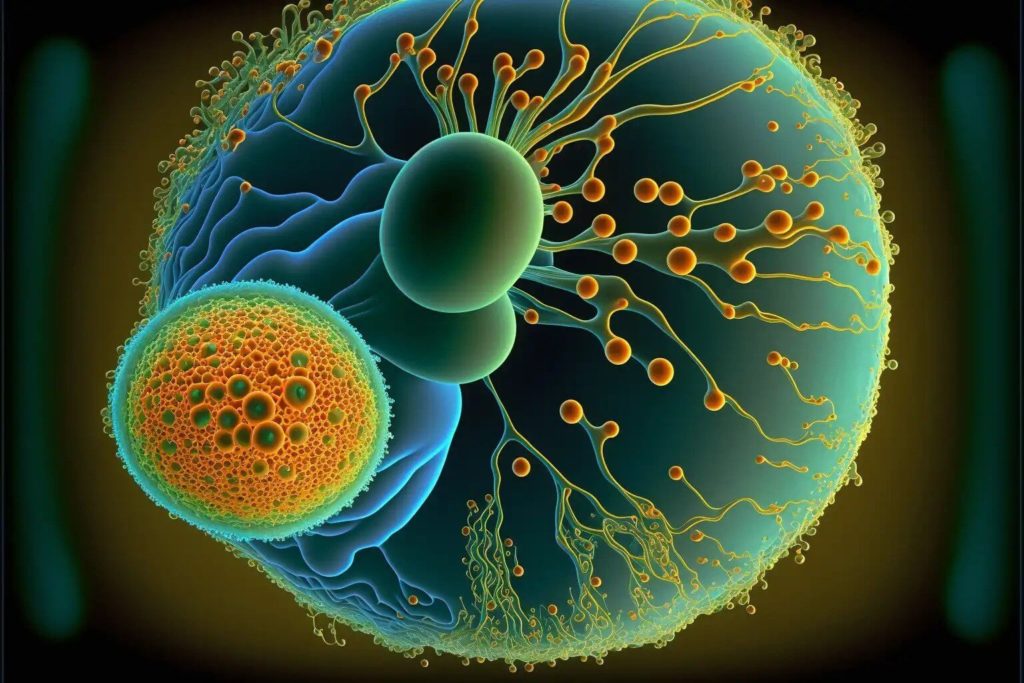
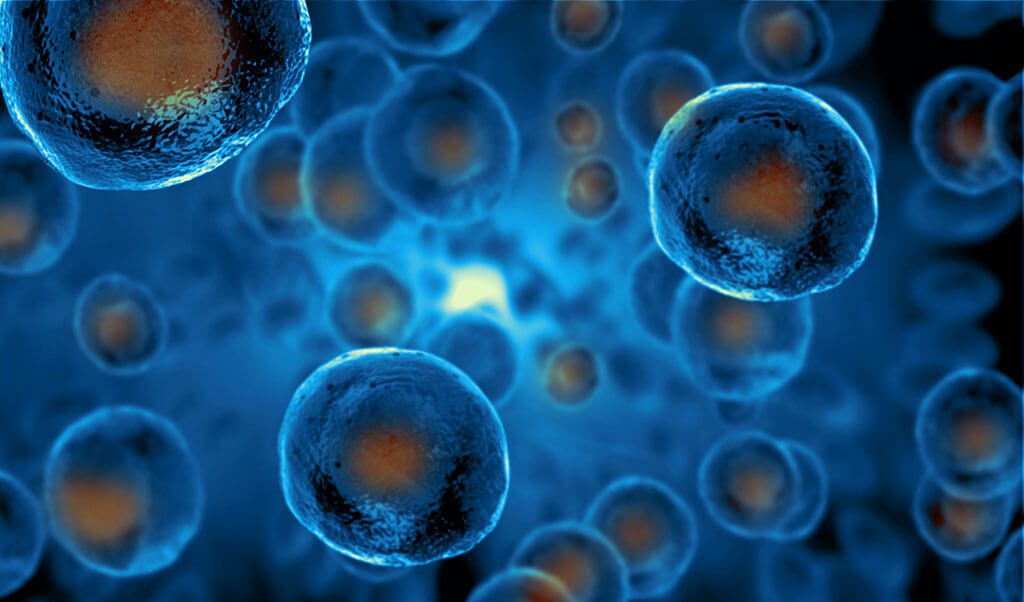
Mesenchymal stem cells are a specific type of stem cell. MSCs have been the subject of many medical studies and extensive research. MSCs are essentially the raw materials that the body uses to generate new tissues.
These versatile cells can differentiate or transform into many different forms of cells, including the following:
Skin cells
Corneal cells
Neural (brain) cells
Muscle tissue
Cartilage
Bone
Like many other types of cells and hormones, MSCs are found in lower concentrations as people age. The remaining mesenchymal stem cells also become less robust, which means that they are not as effective at replacing damaged tissues.
When they were originally discovered, MSCs were thought to have been present within the bone marrow only. However, researchers later discovered that this was not the case. MSCs can be retrieved from the following locations and utilized for stem cell therapy:
Bone Marrow Aspirate
When harvesting MSCs from bone marrow aspirate, a medical professional will retrieve MSCs from the bone marrow using a large syringe. While MSCs are technically present in all bone marrow, physicians typically retrieve aspirate from the hip. This large bone structure has the highest concentration of mesenchymal stem cells and is also the easiest spot to access.
Adipose Tissue
MSCs can also be sourced from adipose (fat) tissue. This method is much easier on the patient than using bone marrow aspirate. In addition, the adipose tissue may have a higher concentration of MSCs than the bone marrow.
Umbilical Cord Tissue
The third potential source of MSCs for therapeutic purposes is umbilical cord tissue. Specifically, medical professionals harvest Wharton’s Jelly, which is located within the umbilical cord. Wharton’s Jelly yields the largest concentration of MSCs and is from healthy C-Section births from screened and tested mothers.
Potential of Mesenchymal Stem Cells
Due to their regenerative properties and low immunogenicity, mesenchymal stem cells have shown promising results in the treatment of various conditions. They have been investigated for their potential in orthopedics, neurology, cardiology, autoimmune diseases, and even cosmetic procedures. Researchers are exploring their use in conditions such as osteoarthritis, Parkinson’s disease, heart failure, multiple sclerosis, and wound healing, among others.
Moreover, mesenchymal stem cells have demonstrated an impressive safety profile in clinical studies. Their compatibility with the human body, along with minimal risk of rejection or adverse reactions, makes them an attractive option for therapeutic applications. In addition, mesenchymal stem cells can be sourced from various ethical and non-controversial sources, like a patient’s own adipose tissue.
While the overall effectiveness of mesenchymal stem cells is still being studied, many patients experience benefits such as reduced pain, improved quality of life, and long-term relief of symptoms. However, the cumulative impact of MSCs will depend largely on the condition being treated and patient-specific factors.If you or a loved one are facing an autoimmune disorder, orthopedic condition, or neurodegenerative condition, mesenchymal stem cells may be a potential option to explore further. This approach has the potential to slow the progression of degenerative conditions or stimulate the body’s natural healing processes. If you would like to learn more contact us today!
Several million people across the globe are living with the condition known as MS or multiple sclerosis. The majority of them were diagnosed with this condition between 20-40 years of age.
Due to the complexity of the condition, diagnosing MS requires a multi-stage testing process. Once a positive diagnosis has been obtained, patients have several treatment options available to them, which we’ll outline below.
The Diagnosis Process
To diagnose multiple sclerosis, doctors rely on a variety of tests that are designed to rule out other medical conditions. This is necessary because there are no specific diagnostic procedures for detecting MS. The diagnosis process may include:
Blood Tests:During initial testing, blood samples are used to rule out common conditions that present similar symptoms to MS. These blood tests also check for unique biomarkers that are associated with MS.
Spinal Tap:Depending on the results of the blood tests, the physician may schedule a spinal tap next. This test involves puncturing the lumbar spine in order to remove a small amount of cerebrospinal fluid. The fluid is then subjected to laboratory analysis and checked for abnormal antibodies linked to MS.
MRI:An MRI or magnetic resonance imaging test is used to identify lesions on the spinal cord and brain. These lesions are a common sign of MS. Oftentimes, patients receive an IV injection of a “contrast material.” This substance helps to highlight legions during the MRI scan.
Evoked Potential Tests:An evoked potential test documents electrical signals that are created by your nervous system. It can use electrical stimuli or verbal stimuli in order to prompt your nervous system to create impulses. The goal of this test is to determine how fast information is traveling down nerve pathways.
MS Treatment Options
While MS has no cure, there are several viable treatment options available. These treatments can enhance the quality of life of MS sufferers and mitigate their symptoms. MS treatments include:
Corticosteroids:Corticosteroids are used to reduce nerve inflammation. They can be administered orally or through an IV. However, corticosteroids do present a risk for several side effects, such as insomnia and increased blood sugar.
Plasma Exchange:Plasma is the liquid component of blood. During this treatment, the plasma is removed and separated from the patient’s blood cells. The cells are combined with albumin (protein solution) and put back into the patient’s body.
Stem Cell Therapy:Stem cell therapy is an alternative treatment option for patients with MS. It is being used to potentially help patients suffering from symptoms of neurodegenerative conditions. Stem cells stimulate the body’s natural healing capabilities and have the potential to help manage MS symptoms. If you or a loved one suffers from MS, stem cell therapy may be an option to explore as an alternative treatment.
This website and its contents are not intended to treat, cure, diagnose, or prevent any disease. Stemedix, Inc. shall not be held liable for the medical claims made by patient testimonials or videos. They are not to be viewed as a guarantee for each individual. The efficacy for some products presented have not been confirmed by the Food and Drug Administration (FDA).
This website uses cookies to improve your experience while you navigate through the website. Out of these cookies, the cookies that are categorized as necessary are stored on your browser as they are essential for the working of basic functionalities of the website. We also use third-party cookies that help us analyze and understand how you use this website. These cookies will be stored in your browser only with your consent. You also have the option to opt-out of these cookies. But opting out of some of these cookies may have an effect on your browsing experience.
Necessary cookies are absolutely essential for the website to function properly. This category only includes cookies that ensures basic functionalities and security features of the website. These cookies do not store any personal information.
Any cookies that may not be particularly necessary for the website to function and is used specifically to collect user personal data via analytics, ads, other embedded contents are termed as non-necessary cookies. It is mandatory to procure user consent prior to running these cookies on your website.
Subscribe To Our Newsletter
Join our mailing list to receive the latest news and updates from our team.
You have Successfully Subscribed!
Request Information Packet
We'll send your FREE information packet that outlines our entire personalized, stress-free stem cell treatment process!
Thanks for your interest!
Request Information Packet
We'll send your FREE information packet that outlines our entire personalized, stress-free stem cell treatment process!
Thanks for your interest!
Request Information Packet
We'll send your FREE information packet that outlines our entire personalized, stress-free stem cell treatment process!
Thanks for your interest!
Request Information Packet
We'll send your FREE information packet that outlines our entire personalized, stress-free stem cell treatment process!
Thanks for your interest!
Request Information Packet
We'll send your FREE information packet that outlines our entire personalized, stress-free stem cell treatment process!
Thanks for your interest!
Request Information Packet
We'll send your FREE information packet that outlines our entire personalized, stress-free stem cell treatment process!
Thanks for your interest!
Request Information Packet
We'll send your FREE information packet that outlines our entire personalized, stress-free stem cell treatment process!
Thanks for your interest!
Request Information Packet
We'll send your FREE information packet that outlines our entire personalized, stress-free stem cell treatment process!
Thanks for your interest!
Request Information Packet
We'll send your FREE information packet that outlines our entire personalized, stress-free stem cell treatment process!
Thanks for your interest!
Request Information Packet
We'll send your FREE information packet that outlines our entire personalized, stress-free stem cell treatment process!
Thanks for your interest!
Request Information Packet
We'll send your FREE information packet that outlines our entire personalized, stress-free stem cell treatment process!
Thanks for your interest!
Request Information Packet
We'll send your FREE information packet that outlines our entire personalized, stress-free stem cell treatment process!





 St. Petersburg, Florida