Opens in a new tab

Blog

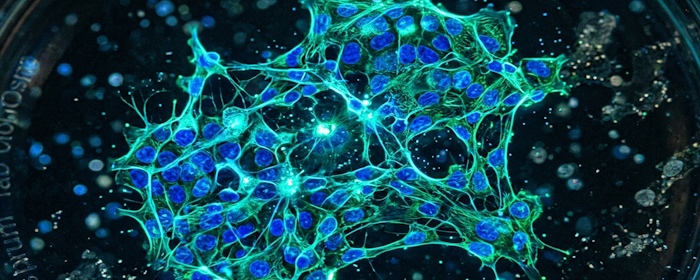
Rheumatologist discussing lupus research with an adult patient

Mesenchymal Stem Cells for Lupus: Understanding Their Potential and Limitations

A peer-reviewed review of research on mesenchymal stem cells in systemic lupus erythematosus, including potential uses, evidence, and limitations.

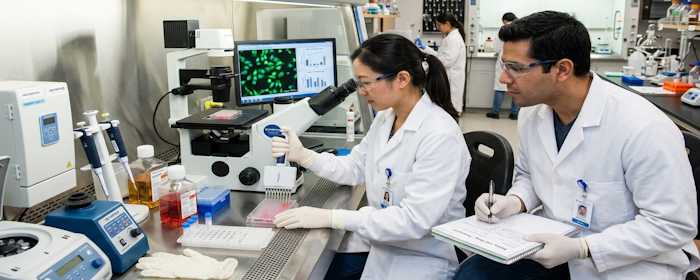
Physician discussing lung and immune-system research with an adult patient

Literature Review: Do Mesenchymal Stem Cells Suppress Systemic Cytokines in Lupus and COPD?

A peer-reviewed review of studies examining mesenchymal stem cells, systemic cytokines, lupus, and COPD.

Common Fibromyalgia Triggers to Avoid
Common Fibromyalgia Triggers to Avoid | Stemedix

Can PRP or Regenerative Therapy Help Fibromyalgia Symptoms Long-Term?

Platelet-Rich Plasma (PRP) therapy uses growth factors from a patient's own blood to target inflammation and support tissue repair, which may help with fibromyalgia-related pain and fatigue. Research on long-term outcomes is still developing, and results vary by patient. At Stemedix, we design personalized regenerative medicine plans based on each patient's diagnosis, since fibromyalgia symptoms…

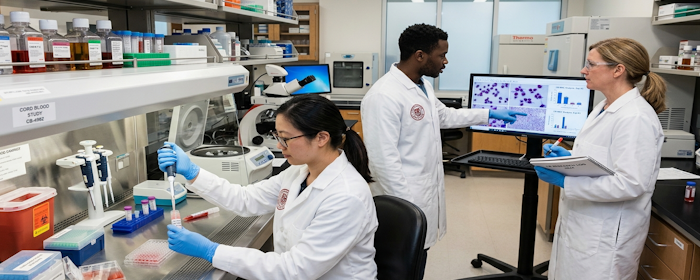
Neurologist discussing brain health research with an adult patient

Mesenchymal Stem Cells and Neuroinflammation: Understanding the Role of the Secretome

A peer-reviewed review of research on mesenchymal stem cells, their secretome, and neuroinflammation in neurological disorders.

Illustration of mesenchymal stromal cell signaling around neural connections

Can Regenerative Medicine Actually Repair Damaged Nerves?

Research suggests stem cell therapy may support nerve repair by calming inflammation, releasing growth factors, and encouraging Schwann cells to rebuild the protective myelin coating around damaged nerve fibers. Most of this evidence comes from lab and animal studies, with human research still developing. At Stemedix, we view stem cell treatment as one part of…

How Light Exposure Affects Sleep and Energy

How Light Exposure Affects Sleep and Energy

Light does more than help you see. It also plays a major role in how awake, focused, and well-rested you feel throughout the day. Your body has an internal clock that helps regulate sleep, energy, hormones, mood, and daily rhythm. Light is one of the main signals that tells this clock when it is time…

Umbilical Cord-Derived MSCs and Multiple Sclerosis: Exploring the Impact of Treatment Dose

Umbilical Cord-Derived MSCs and Multiple Sclerosis: Exploring the Impact of Treatment Dose

Exploring a Different Approach to Multiple Sclerosis Multiple sclerosis, or MS, is a condition in which inflammation and abnormal immune activity damage the brain, spinal cord, and nerves over time. Current treatments can help control relapses and slow progression, but researchers continue to explore new approaches that may also support the body's natural repair processes.…

Man suffering from severe back and neck pain with a glowing red illuminated spine graphic, paired with an inset showing an inflamed knee joint illustration.

What Are the Non-Opioid Options for Managing Chronic Pain?

Non-opioid pain management includes physical therapy, interventional treatments, and regenerative medicine, all recommended by the CDC as first-line approaches for chronic pain relief. These options address pain through movement, nerve modulation, and tissue support instead of relying on opioid medication. Chronic pain now affects millions of adults nationwide, making non-opioid pain management an increasingly common…

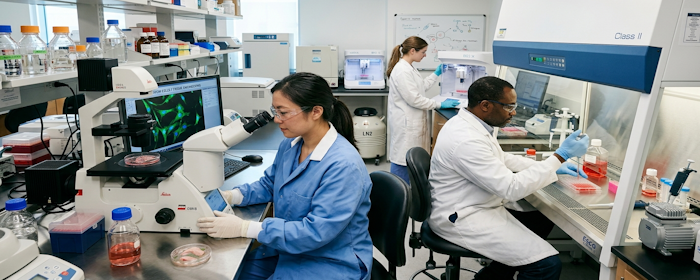
Doctor discussing a brain scan with an adult patient

Literature Review: Mesenchymal Stem Cell Paracrine Signaling in Neuroinflammation

A peer-reviewed review of research on mesenchymal stem cell paracrine signaling, exosomes, and neuroinflammation.

Umbilical Cord-Derived MSCs and Type 1 Diabetes: Helping Preserve the Body’s Own Insulin Production

Umbilical Cord-Derived MSCs and Type 1 Diabetes: Helping Preserve the Body’s Own Insulin Production

Protecting the Insulin the Body Can Still Make Type 1 diabetes develops when the immune system attacks the pancreatic beta cells responsible for producing insulin. By the time someone is diagnosed, many of these cells have already been lost, but some insulin-producing ability may still remain. Protecting that remaining function could potentially help slow the…

Load More

Do you have questions?

We have answers. Speak with a Stemedix Care Coordinator today with no obligation. Give us a call!

Contact Us
Subscribe To Our Newsletter

Join our mailing list to receive the latest news and updates from our team.

"*" indicates required fields

This field is for validation purposes and should be left unchanged.