by Stemedix | Jul 10, 2023 | Lyme's Disease
Lyme’s disease, also known as Lyme’s borreliosis, is a tick-borne infectious disease caused by the bacterium Borrelia burgdorferi or, less commonly, Borrelia mayonii. It is primarily transmitted to humans through the bite of infected black-legged ticks (Ixodes scapularis or Ixodes pacificus) in North America and Ixodes ricinus in Europe.
The signs and symptoms of Lyme’s disease can vary widely, and they often resemble symptoms of other illnesses, making diagnosis challenging. The most common early sign is a circular rash known as erythema migrans (EM), which appears at the site of the tick bite after a few days or up to a month. This rash may expand over time and can be accompanied by flu-like symptoms such as fever, fatigue, headache, muscle and joint aches, and swollen lymph nodes.
Preventing Lyme’s disease involves taking precautions to avoid tick bites. This includes wearing protective clothing, using insect repellents, checking for ticks after spending time outdoors, and removing ticks promptly and properly. It’s important to be aware of the risk of Lyme’s disease, particularly in areas where infected ticks are prevalent, and to seek medical attention if symptoms suggestive of Lyme’s disease develop after a tick bite.
Who Do You See if You Have Lyme’s Disease Symptoms?
Diagnosing Lyme’s disease involves considering a combination of factors, including symptoms, history of tick exposure, and laboratory tests. Blood tests can be performed to detect antibodies against the bacteria, but they may not always be reliable in the early stages of infection.
If you are experiencing symptoms suggestive of Lyme disease, it is recommended to seek medical attention from a healthcare professional. There are several healthcare providers who can evaluate and diagnose Lyme disease, including:
Primary care physician (PCP): Your first point of contact is typically your primary care physician, such as a family doctor, internist, or general practitioner. They can assess your symptoms, take a medical history, and conduct a physical examination. Based on their evaluation, they may order tests or refer you to a specialist if needed.
Infectious disease specialist: These doctors specialize in diagnosing and treating infectious diseases, including Lyme disease. They have in-depth knowledge and experience in managing various infectious conditions and may provide expertise in diagnosing and managing Lyme disease.
Rheumatologist: Rheumatologists are specialists who diagnose and treat diseases that affect the joints, muscles, and connective tissues. Since Lyme disease can sometimes present with joint pain and inflammation, a rheumatologist may be involved in the evaluation and management of Lyme disease, particularly in cases where joint symptoms are prominent.
Neurologist: If Lyme disease affects the nervous system, such as causing facial paralysis (Bell’s palsy), meningitis, or neuropathy, a neurologist may be consulted for evaluation and management.
Dermatologist: In the early stages of Lyme disease, when the characteristic erythema migrans rash appears, a dermatologist may be involved in the evaluation and diagnosis.
It’s important to note that Lyme disease can present with a wide range of symptoms, and diagnosis can sometimes be challenging due to the similarity of symptoms to other conditions. Therefore, it may be helpful to consult healthcare providers who have experience in diagnosing and managing Lyme disease or who are familiar with its prevalence in your geographic area.
Remember to provide your healthcare provider with a detailed medical history, including any recent exposure to ticks or outdoor activities in areas known for Lyme disease, as this information can be crucial in guiding the diagnostic process.
What Treatments Can Help?
The treatment of Lyme disease typically involves the use of antibiotics to eliminate the infection. The specific antibiotic and treatment duration depend on several factors, including the stage of the disease, the severity of symptoms, and the presence of any complications.
If left untreated, Lyme’s disease can progress to more severe symptoms that may affect multiple systems in the body, including the nervous system, joints, heart, and even other organs. These symptoms can include severe headaches, neck stiffness, additional rashes, facial paralysis (Bell’s palsy), joint pain and swelling, heart palpitations, dizziness, shortness of breath, and cognitive difficulties.
Here are the commonly used treatment approaches for Lyme disease:
Early-stage Lyme disease: If Lyme disease is diagnosed in its early stages, oral antibiotics are generally prescribed. The most commonly used antibiotics include doxycycline, amoxicillin, or cefuroxime. Treatment duration is usually 10 to 21 days, depending on the antibiotic prescribed and the severity of symptoms. Early treatment is crucial to prevent the progression of the disease and potential complications.
Lyme disease with neurological involvement: If Lyme disease affects the central nervous system, such as causing meningitis or facial paralysis (Bell’s palsy), intravenous (IV) antibiotics may be recommended to ensure higher antibiotic levels reach the affected area. Ceftriaxone is a commonly used IV antibiotic for this purpose. Treatment duration may vary but typically lasts for 14 to 28 days.
Persistent or late-stage Lyme disease: Some individuals may experience persistent or recurrent symptoms despite initial antibiotic treatment. In such cases, a more extended course of antibiotics may be considered. The choice of antibiotics and treatment duration is determined on an individual basis, and it may involve a combination of oral and IV antibiotics.
It’s important to note that self-treatment with antibiotics or prolonged antibiotic use without proper medical supervision is not recommended. The decision to use antibiotics and the selection of the appropriate regimen should be made by a qualified healthcare professional based on a thorough evaluation of your condition.
Regenerative Medicine for Lyme’s Disease
Regenerative medicine, also known as stem cell therapy, uses mesenchymal stem cells (MSCs) for the potential in managing Lyme’s disease-related complications.
Mesenchymal stem cells are a type of adult stem cells found in various tissues, such as bone marrow, adipose tissue, and umbilical cord tissue. They have the ability to differentiate into different cell types and possess immunomodulatory properties, meaning they can regulate the immune system’s response.
In the context of Lyme’s disease, researchers have investigated the potential of MSCs in addressing the inflammatory response and tissue damage associated with the disease. It is thought that MSCs may help regulate the immune response and reduce inflammation, which could potentially alleviate symptoms and promote healing.
Studies have shown promising results, suggesting that MSCs can reduce inflammation, protect tissues from damage, and improve outcomes. This alternative option is available for those interested in exploring treatment options to help them make informed decisions about what is best to manage their symptoms. If you want to learn more, contact us at Stemedix today!
by admin | Jul 5, 2023 | Cardiovascular Disease, Exosomes, Regenerative Medicine
Cardiovascular diseases continue to be the leading cause of death globally, accounting for nearly 18 million deaths each year with heart attack and stroke accounting for 80% of deaths.
Recently, stem-cell-based therapy has demonstrated the potential to regenerate damaged myocardium and to treat a wide range of cardiovascular diseases (CVDs). Specifically, the ability of mesenchymal stem cells (MSCs) to differentiate into cardiomyocytes, endothelial cells, and vascular smooth muscle cells has created a potentially new and promising therapeutic approach for the treatment of CVDs.
Huang et al. summarize the recent advances in MSC therapy, including the role of exosomes in future treatments of CVDs.
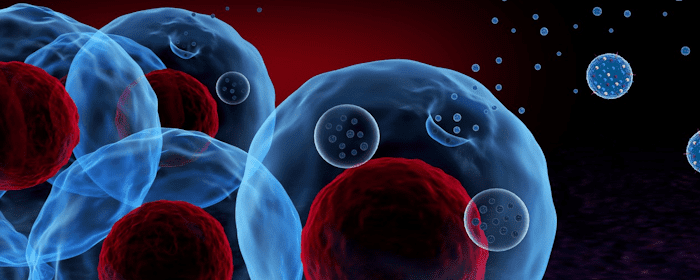
Recent studies have demonstrated that MSCs were able to secret cholesterol-rich, phospholipid exomes that were enriched with microRNAs (miRNAs). These exomes are nano-sized particles originating from multivesicular endosomal ranging in size from 30 – 100 nm and contain cytokines, proteins, lipids, mRNAs, and miRNAs. These exosomes are suggested as central mediators of intercellular communication and transfer proteins, mRNAs and miRNAs to adjacent cells.
The miRNAs found in exosomes play an essential role in various physiological and pathological processes by regulating gene expression at the post-transcription level. When applied in the cardiovascular system, miRNAs are internalized into CMCs and ECs and result in cardiomyocyte protection and angiogenesis promotion that has demonstrated beneficial and anti-inflammatory effects including cardiac regeneration, neovascularization, and anti-vascular remodeling; these observed benefits include improved cardiac function after a myocardial infarction (MI), reduced inflammation related to pulmonary hypertension, and increased tissue healing following an ischemia-reperfusion injury.
Huang et al. conclude that the studies evaluated in this review provide evidence that MSC-derived exosomes play an essential role in MSC-based therapy of CVDs including MI, reperfusion injury, and PH. Considering these conclusions, the authors call for additional studies to determine the detailed mechanisms and underlying benefits to determine their exact role.
Source: “Exosomes in Mesenchymal Stem Cells, a New Therapeutic Strategy ….” 12 Jan. 2015, https://www.ncbi.nlm.nih.gov/pmc/articles/PMC4308409/.
by Stemedix | Jul 3, 2023 | Traumatic Brain Injury, Stem Cell Therapy
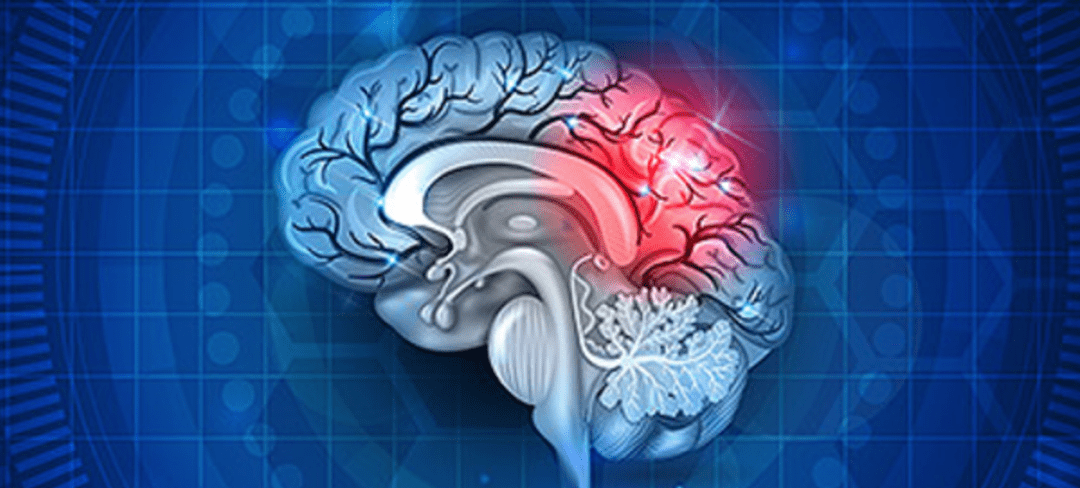
Brain injuries resulting from car accidents can vary in severity, ranging from mild concussions to more severe traumatic brain injuries (TBIs). The symptoms experienced can also vary depending on the specific nature and extent of the injury. Here are some common symptoms associated with brain injury from a car accident:
Loss of consciousness: The person may experience a temporary loss of consciousness, ranging from a few seconds to several minutes. However, it’s important to note that loss of consciousness doesn’t always occur in every brain injury case.
Headache: Persistent or recurring headaches are a common symptom following a brain injury. The severity and frequency of the headaches can vary.
Confusion and disorientation: After a car accident, individuals may feel confused, disoriented, or have difficulty remembering events before or after the accident. They may have problems with concentration and may struggle to follow conversations or instructions.
Memory problems: Short-term or long-term memory loss can occur after a brain injury. This may involve difficulty remembering recent events, learning new information, or recalling past memories.
Dizziness and balance issues: Feeling lightheaded, dizzy, or having problems with balance and coordination are common symptoms. This may make it difficult to walk or perform everyday activities.
Nausea and vomiting: These symptoms can be a result of the injury itself or associated with dizziness and imbalance.
Sensory changes: Changes in sensory perception can occur, such as blurred vision, ringing in the ears (tinnitus), sensitivity to light or sound, or a bitter taste in the mouth.
Mood swings and emotional changes: Brain injuries can lead to emotional and behavioral changes, including irritability, depression, anxiety, mood swings, and a decreased tolerance for stress. These changes can affect personal relationships and overall well-being.
Sleep disturbances: Insomnia, excessive sleepiness, or changes in sleep patterns are common after a brain injury.
Sensation and coordination problems: Some individuals may experience numbness or tingling in the extremities, difficulties with coordination, or weakness in the muscles.
It’s important to remember that these symptoms can vary depending on the severity of the brain injury and the individual. If you or someone you know has been involved in a car accident and is experiencing any of these symptoms, it is crucial to seek medical attention immediately.
What Treatments Help for Brain Injury Recovery?
The treatment and management of a brain injury depends on its severity and the specific symptoms and complications experienced. Recovery from a brain injury can be a complex and individualized process.
In the acute phase following a brain injury, medical professionals focus on stabilizing the individual and preventing further damage. This may involve surgery to address bleeding or swelling in the brain.
Rehabilitation therapies are utilized to address specific impairments and promote recovery. These may include:
- Physical therapy: To improve mobility, strength, balance, and coordination.
- Occupational therapy: To regain skills necessary for daily activities and improve cognitive function.
- Speech and language therapy: To address communication difficulties, speech impairments, and swallowing problems.
- Cognitive rehabilitation: To enhance cognitive abilities such as memory, attention, problem-solving, and organization skills.
- Vision therapy: To address visual disturbances or impairments.
Medications may be prescribed to manage specific symptoms associated with brain injuries, such as pain, seizures, muscle spasms, depression, anxiety, or sleep disorders.
Emotional and psychological support is essential for individuals recovering from brain injuries. Counseling or therapy sessions can help individuals and their families cope with the emotional and behavioral changes that may occur.
Depending on the specific impairments, assistive devices such as mobility aids, communication devices, or memory aids may be recommended. Modifications to the home or workplace environment may also be necessary to support the individual’s recovery and independence.
Support from family, friends, and support groups can play a crucial role in the recovery process. Educational programs can help individuals and their families understand the nature of brain injuries, manage expectations, and learn strategies for coping and maximizing recovery.
Adopting a healthy lifestyle can support brain injury recovery. This may include getting sufficient rest, eating a balanced diet, engaging in regular exercise (as appropriate), and avoiding substances that could interfere with recovery, such as alcohol or certain medications.
It’s important to note that every brain injury is unique, and treatment plans should be tailored to the individual’s specific needs. A multidisciplinary team of healthcare professionals, including physicians, neurologists, therapists, and psychologists, will work together to create a comprehensive treatment plan and monitor progress throughout the recovery journey.
Can Mesenchymal Stem Cell Therapy Help in Brain Injury From Car Accident?
Mesenchymal stem cell (MSC) therapy is an area of ongoing research within the regenerative medicine field and holds promise for various medical conditions, including brain injuries. MSCs are a type of adult stem cell that can be derived from different sources, such as bone marrow, adipose tissue (fat), or umbilical cord tissue.
Preclinical studies and early clinical trials suggest that MSC therapy may have potential benefits in brain injury repair. Here are some ways in which MSC therapy might help:
Anti-inflammatory effects:
MSCs have immunomodulatory properties, meaning they can regulate the immune response and reduce inflammation. In brain injuries, inflammation plays a significant role in secondary damage. MSCs have been shown to decrease inflammation in animal models of brain injury, potentially promoting a more favorable environment for healing.
Neuroprotective effects:
MSCs may secrete various factors that have protective effects on brain cells. These factors can enhance cell survival, promote tissue repair, and stimulate the growth and differentiation of new neurons. Additionally, MSCs may have antioxidant properties, helping to reduce oxidative stress, which can be harmful to brain cells.
Modulation of scar formation:
Following a brain injury, scar tissue formation can impede the regeneration and repair process. MSCs may modulate scar formation by reducing the deposition of scar tissue components and promoting tissue remodeling.
Promotion of angiogenesis:
MSCs have the potential to stimulate the formation of new blood vessels (angiogenesis). This can enhance blood flow to the injured brain tissue, delivering oxygen and nutrients, which are essential for the healing process.Early results of MSC therapy for brain injuries are promising and the field of regenerative medicine is ongoing with its research. It’s always advisable to consult with healthcare professionals and experts in the field to discuss potential treatment options for brain injuries. If you are interested in learning more about the symptoms of Brain Injury From a Car Accident, contact a care coordinator today from Stemedix!
by admin | Jun 30, 2023 | Health Awareness
What is Foot Drop?
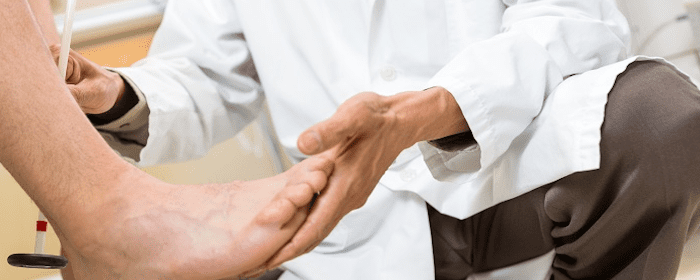
Foot drop refers to a neuromuscular condition that affects the muscles and nerves responsible for controlling the movement of the foot. It causes difficulty or inability to lift the front part of the foot, resulting in dragging or scuffing of the foot while walking. This condition can affect one or both feet and can significantly impact a person’s mobility and quality of life.
Foot drop is typically caused by weakness or paralysis of the muscles responsible for lifting the foot, as well as impairment of the nerves that control these muscles. The muscles involved in foot dorsiflexion (lifting the foot) are primarily located in the anterior compartment of the lower leg and are innervated by the peroneal nerve. When the peroneal nerve is damaged or its function is disrupted, the foot may hang downward and the person may have difficulty lifting the foot during walking.
Causes of Foot Drop
There are several potential causes of foot drop, including:
Nerve Compression: Conditions such as herniated discs, spinal stenosis, or peripheral nerve injuries can compress the nerves that control foot movement, leading to foot drop.
Muscular Disorders: Certain muscular disorders, such as muscular dystrophy or Charcot-Marie-Tooth disease, can weaken the muscles responsible for foot movement, causing foot drop.
Neurological Conditions: Neurological disorders like stroke, multiple sclerosis, or cerebral palsy can damage the nerves that control foot muscles, resulting in foot drop.
Trauma or Injury: Injuries to the spinal cord, lower back, or leg can disrupt nerve signals and lead to foot drop.
Side Effects of Medications: Certain medications, such as those used in chemotherapy, can cause peripheral neuropathy, which may result in foot drop as a side effect.
Symptoms and Diagnosis
The primary symptom of foot drop is difficulty lifting the front part of the foot, causing it to drag or slap the ground while walking. Other associated symptoms may include weakness in the affected leg, numbness or tingling in the foot or lower leg, loss of balance while walking, and pain or discomfort in the foot or leg.
A medical professional can diagnose foot drop by conducting a thorough physical examination, reviewing the patient’s medical history, and ordering additional tests such as nerve conduction studies or imaging scans.
What are Treatment Options?
The treatment for foot drop depends on the underlying cause and severity of the condition. Some common treatment options include:
Physical Therapy: Physical therapy exercises can help improve muscle strength and flexibility, as well as enhance gait and walking abilities.
Assistive Devices: The use of orthotic devices, such as braces or splints, can provide support to the foot and help maintain a more natural walking pattern.
Nerve Stimulation: Electrical nerve stimulation techniques, such as functional electrical stimulation (FES), can help activate the muscles and improve foot movement.
Surgery: In severe cases or when other treatment options are ineffective, surgical intervention may be considered. Surgical procedures aim to address the underlying cause of foot drop, such as nerve decompression or tendon transfer.
Medications: Medications may be prescribed to manage pain or treat the underlying condition causing foot drop, such as anti-inflammatory drugs or muscle relaxants.
Regenerative Medicine: Mesenchymal stem cells (MSCs) have the ability to differentiate into nerve cells and release growth factors that promote nerve regeneration, potentially helping to repair damaged nerves associated with foot drop. MSCs possess anti-inflammatory properties and can help reduce inflammation in the affected area, which may contribute to the recovery and healing process. MSCs can secrete various bioactive molecules that support tissue repair, angiogenesis (formation of new blood vessels), and tissue regeneration, which could aid in the restoration of normal foot function.
Talk to a qualified healthcare professional who specializes in regenerative medicine or stem cell therapies. They can help you in making an informed decision based on your individual circumstances.
by Stemedix | Jun 26, 2023 | Degenerative Disc Disease
What is Degenerative Disc Disease?
Degenerative disc disease (DDD) is a condition that refers to the gradual deterioration of the discs between the vertebrae of the spine. The discs are rubbery cushions that act as shock absorbers and provide flexibility to the spine. With age and wear and tear, these discs can degenerate, leading to various symptoms and changes in the spine. In this article, we will discuss the things to avoid with degenerative disc disease.
The primary cause of degenerative disc disease is the natural aging process. As we age, the discs lose their water content and become less flexible, resulting in decreased disc height and integrity. This degeneration can also be influenced by factors such as genetics, lifestyle, and repetitive stress on the spine.
The common symptoms of degenerative disc disease include back pain, neck pain, and radiating pain or numbness that can extend into the arms or legs. The pain may worsen with activities like bending, twisting, or sitting for prolonged periods. In some cases, the degenerated disc may impinge on nearby nerves, causing additional symptoms such as weakness or tingling sensations in the affected areas.
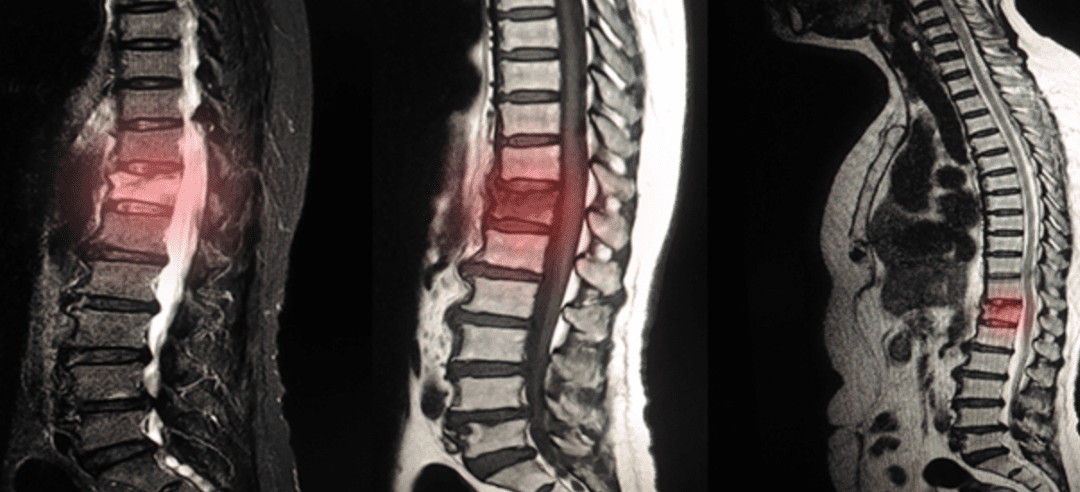
While degenerative disc disease is a natural part of the aging process, not everyone with disc degeneration experiences symptoms. The severity of symptoms can vary widely among individuals. Diagnosis of degenerative disc disease typically involves a combination of medical history, physical examination, and imaging tests such as X-rays, MRI scans, or CT scans to assess the condition of the discs and rule out other possible causes of pain.
Who Do You See if You Think You Have Degenerative Disc Disease?
If you suspect that you have degenerative disc disease (DDD), it is advisable to consult with a healthcare professional who specializes in spine conditions. Here are some healthcare providers you can consider seeing for an evaluation and diagnosis:
Primary Care Physician (PCP): Start by scheduling an appointment with your primary care physician. They can assess your symptoms, perform a physical examination, and provide initial guidance. They may also refer you to a specialist for further evaluation if needed.
Orthopedic Surgeon: An orthopedic surgeon specializes in the musculoskeletal system, including conditions related to the spine. They can evaluate your symptoms, order appropriate diagnostic tests, and discuss treatment options ranging from conservative approaches to surgical interventions.
Neurologist: Neurologists are medical doctors who specialize in conditions related to the nervous system, including spine-related issues. They can evaluate your symptoms, perform neurological examinations, and order imaging tests to help diagnose degenerative disc disease. They can also provide recommendations for treatment and management.
Spine Specialist: A spine specialist, such as a physiatrist or a spine surgeon, focuses specifically on spine-related conditions. They have expertise in evaluating and treating degenerative disc disease. They can provide a comprehensive evaluation, recommend appropriate diagnostic tests, and develop a tailored treatment plan based on your specific needs.
Physical Therapist: Physical therapists can play a crucial role in managing degenerative disc disease. They can assess your condition, develop an exercise program to strengthen the muscles supporting your spine, and provide guidance on proper body mechanics and posture.
It is important to note that the availability of these specialists may vary depending on your location and healthcare system. In some cases, your primary care physician may provide sufficient guidance and refer you to the appropriate specialist if necessary. Seeking professional medical advice is crucial for an accurate diagnosis and to develop an effective treatment plan tailored to your individual needs.
Things to Avoid with Degenerative Disc Disease
When living with degenerative disc disease, it is important to be mindful of certain activities and habits that can worsen your symptoms or potentially harm your spine.
Firstly, heavy lifting should be avoided as it places excessive strain on your discs. If lifting is necessary, remember to use proper techniques and ask for assistance when needed.
Prolonged sitting or standing should also be minimized, as both positions can place stress on your discs. Instead, try to alternate between sitting and standing and incorporate short breaks or walks throughout the day.
High-impact activities such as running, jumping, or contact sports should be avoided, as they can further deteriorate your discs. Opt for low-impact exercises like swimming or cycling, which are gentler on your spine. Repetitive activities such as bending, twisting, or lifting should be minimized or balanced with frequent breaks to reduce strain on your discs. A sedentary lifestyle weakens the supporting muscles of your spine, so engage in regular physical activity and exercises that promote spinal health.
Maintaining good posture is crucial; avoid slouching or hunching over, especially during extended periods of sitting or standing. Use ergonomic chairs or supportive cushions to help maintain proper alignment.
Smoking is detrimental to your spinal health, so it is advisable to quit smoking or avoid exposure to secondhand smoke.
Excess body weight adds strain to your spine and accelerates disc degeneration, so maintaining a healthy weight through a balanced diet and regular exercise is essential.
Emotional stress and poor sleep can increase muscle tension and exacerbate pain associated with degenerative disc disease, so prioritize stress management techniques and ensure you get enough restful sleep.
It is always recommended to consult with your healthcare provider for personalized advice and to develop a comprehensive treatment plan tailored to your specific condition.
What are Treatment Options for Degenerative Disc Disease?
Traditional treatment options for degenerative disc disease aim to manage pain, improve function, and prevent further deterioration. Conservative measures include physical therapy, pain medications, hot or cold therapy, and lifestyle modifications such as maintaining a healthy weight and adopting proper body mechanics. In more severe cases, when conservative treatments fail to provide relief, surgical interventions such as spinal fusion or artificial disc replacement may be considered.
It’s important to note that degenerative disc disease is a chronic condition, and while traditional treatment can help manage symptoms, it may not reverse the underlying degeneration.
Regenerative Medicine for Degenerative Disc Disease
Regenerative medicine, also known as stem cell therapy, is an emerging field that explores innovative treatments aimed at stimulating the body’s natural healing and regenerative processes.
Mesenchymal stem cell (MSC) therapy is a regenerative medicine approach that has gained attention for its potential in treating degenerative disc disease (DDD). MSCs are a type of adult stem cell that can differentiate into various cell types, including those found in intervertebral discs. These cells are administered to the targeted disc(s) to promote regeneration and repair.
Clinical studies and preliminary research on MSC therapy for DDD have shown promising results. Some potential benefits observed include decreased pain, improved disc hydration, increased disc height, and enhanced structural integrity. Consult with a qualified healthcare professional who specializes in regenerative medicine or spine conditions to discuss the potential benefits, risks, and availability of MSC therapy for degenerative disc disease. They can evaluate your specific case, and provide personalized recommendations based on your individual needs. To learn more about things to avoid with Degenerative Disc Disease, contact us today at Stemedix!


 St. Petersburg, Florida