by admin | Nov 12, 2021 | Stem Cell Therapy, COPD, Mesenchymal Stem Cells, Stem Cell Research
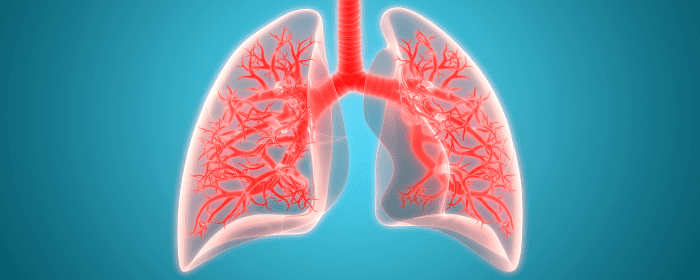
Characterized by chronic inflammation that obstructs normal airflow from the lungs, chronic obstructive pulmonary disease (COPD) affects an estimated 65 million people and remains the third leading cause of death worldwide. Caused by prolonged exposure to gasses or other harmful particulates, and especially cigarette smoke, COPD is typically characterized by breathing difficulty, cough, mucus (sputum) production, and wheezing[1].
While there are many different forms of COPD, the two most common are emphysema and chronic bronchitis; unfortunately, these two often occur simultaneously and significantly exacerbate the effects of COPD. With the number of people living with COPD expected to increase by 30% over the next decade, the disease is projected to remain among the leading causes of preventable illnesses and deaths for the foreseeable future.
There isn’t a known treatment or cure for COPD, rather a series of physical and chemical treatments designed to ease symptoms and slow progression of the disease; some current treatment includes bronchodilators, oral and inhaled steroids, antibiotics, oxygen therapy, and surgeries including lung transplantation and bullectomy. To date, these treatments have demonstrated limited success and are often associated with several severe adverse effects.
Recent research has shown mesenchymal stem cells (MSCs) to be an effective therapeutic option for treating inflammation and autoimmune diseases, making them a promising therapeutic treatment option for COPD.
In this pilot clinical study, Le Thi Bich et al. evaluated the safety and efficacy of umbilical cord-derived (UC) MSCs for treating COPD. This pilot clinical study included participants who were 40-80 years old and diagnosed with moderate to severe COPD (stage C or D per the Global Initiative for Chronic Lung Disease). Using UC-MSCs cultured and expanded using the UC-SCI technology, Le Thi Bich et al. administered MSCs intravenously to participants as an intervention for assessment of therapeutic treatment for COPD.
After administering UC-MSCs on day 0, participants were evaluated for safety and efficacy at months 1, 3, and 6. At the end of month 6, researchers concluded that UC-MSC transplantation significantly improved some important outcomes of COPD, including mMCR, CAT, and number of exacerbations. While not statistically significant, the authors credit these improvements to an observed downregulation in inflammation.
While there have been several studies evaluating the potential of MSCs as therapies for several diseases, Le Thi Bich et al. ‘s study is the first clinical trial to use US-MSCs as a treatment for COPD.
The authors conclude that the UC-MSC transplantation occurring in this pilot study significantly improved the quality of life and clinical conditions of COPD patients, most likely a result of the strong immunomodulation capacity of the UC-MSCs – especially when compared to findings of other studies using bone-marrow MSCs.
The authors also conclude that the systemic administration of UC-SC appears safe and, although treatment efficacy was not significantly different between those with different stages of COPD, those with stage D COPD did exhibit stronger medical response after UC-MSC transplantation than the medical response observed in patients with stage C COPD.
The observed results of Le Thi Bich’s pilot study provide an important and significant basis for further clinical study of the potential of MSCs in patients with COPD.
Source: “Allogeneic umbilical cord-derived mesenchymal stem cell … – NCBI.” 13 Feb. 2020, https://www.ncbi.nlm.nih.gov/pmc/articles/PMC7020576/.
[1] “COPD – Symptoms and causes – Mayo Clinic.” 15 Apr. 2020, https://www.mayoclinic.org/diseases-conditions/copd/symptoms-causes/syc-20353679. Accessed 1 Dec. 2021.
by admin | Nov 10, 2021 | Health Awareness
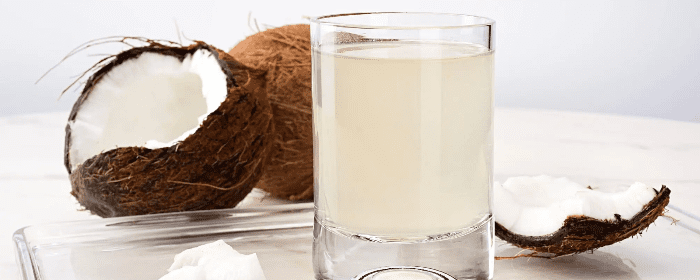
Coconut water is the liquid found inside fresh, green coconuts. It is part of the nourishment the coconut absorbs as the drupe matures. Coconut water contains very little fat—don’t confuse it for coconut milk (high in fat)—and is approximately 94% water.
If you do not already include coconut water in your healthy diet, the seven reasons offered below may help convince you to try it.
1. Rich in Antioxidants
Protecting cells from damage caused by free radicals (unstable molecules) is an important part of protecting your health. The antioxidants such as L-arginine and Vitamin C found in coconut water help fight the effects of oxidative stress and protect your health at the cellular level.
2. Supports Heart Health
In a controlled scientific study, rats fed coconut water reduced both their cholesterol and triglyceride levels. Coconut water’s high potassium content may be the reason for improved numbers.
3. Replenishes Electrolytes
Coconut water is often recommended to restore electrolyte levels after exercise. That’s good advice. Coconut water contains significant amounts of potassium, magnesium, calcium, and sodium and is more beneficial for rehydration than plain water.
4. Promotes Kidney Health
Getting plenty of fluids is important to support good kidney health and prevent kidney stones from forming. Coconut water helps to increase the elimination of calcium and other compounds that form tiny crystals known as kidney stones.
5. May Lower Blood Sugar
Research using diabetic animals has shown coconut water to help reduce blood sugar levels. As a good source of magnesium, coconut water may help reverse insulin resistance and decrease blood sugar levels in patients with prediabetes and type 2 diabetes.
6. It’s Nutritious
Coconut oil is packed with nutrients and low on calories (about 60 calories per cup). A single cup provides about 4% of the DV for calcium and magnesium and 15% of the DV for potassium.
7. It Tastes Great
Coconut water is not a replacement for plain water and should be consumed in small portions as part of a healthy diet. However, it is a delicious and lower-calorie substitute for fruit juice enjoyed as is or mixed with over beverages.
For more health awareness blogs, please visit www.stemedix.com/blog.
by Stemedix | Nov 8, 2021 | Athletic Injury, Stem Cell Therapy
Participation in recreational athletics is a great way to get moving and stay in good physical condition. However, injuries can sometimes occur. You may have even experienced an injury yourself. Traditionally, physicians rely on the time-tested RICE method for treating common sports injuries. RICE or rest, ice, compression, and elevation are designed to alleviate inflammation and avoid aggravating the injury. When paired with an over-the-counter oral anti-inflammatory, you can achieve a fair amount of relief for most mild conditions. However, there are some alternatives available that might expedite your healing process so that you can get back to your favorite activities faster. Below, we have outlined five such treatments for common sports-related injuries.
1. Chiropractic Care for Tennis Elbow
Tennis elbow is an extremely common sports-related injury that affects the elbow joint. When suffering from this condition, you may experience reduced grip strength, tenderness, and reduced range of motion.
While visiting a chiropractor may not be the first thought that crosses your mind when suffering from Tennis elbow, these providers often offer several therapies in addition to traditional spinal adjustments. These treatments may include electrical stimulation of the muscle, ultrasound therapy, and site-specific massages.
2. Yoga for Hip Strains
Hip strains are another one of the extremely common sports-related injuries. If you have ever suffered a hip strain, you know that this ailment can sideline you for weeks.
Yoga therapy is a good way of working on your flexibility while also alleviating muscle tightness. A few weeks of yoga guided by an experienced practitioner may help you bounce back faster from a hip strain.
3. Cupping for Muscle Soreness
Cupping is an age-old therapy that might help alleviate muscle soreness and tightness. During the treatment, a cotton ball is set ablaze inside a silicone or glass cup. The therapist will remove the cotton ball and then place the cup face down on your skin. The heat causes the cup to adhere to the surface of the skin.
Each cup is left in place for a few minutes. The cups will produce a circular bruising pattern, which is a normal part of the treatment.
4. Acupuncture for Calf Strains
Acupuncture or dry needling is frequently used to treat calf strains. During the treatment, the acupuncturist will insert thin needles into specific trigger points surrounding the affected muscle. This is supposed to stimulate the body’s natural healing capabilities.
5. Stem Cell Therapy for Rotator Cuff Injuries
Rotator cuff injuries are particularly concerning for athletes as this ailment typically requires surgical intervention or a lengthy physical therapy regimen. Fortunately, stem cell therapy has the potential to treat rotator cuff injuries. Stem cell therapy is a far less invasive option than surgery, and this treatment can stimulate the body’s natural healing capabilities. Stem cells also combat inflammation and repair damaged tissues. Patients may be able to delay the need for surgery or avoid it altogether and in some cases, can be a helpful in the recovery process. Contact us today and speak with a care coordinator to schedule a free assessment.
by admin | Nov 5, 2021 | Mesenchymal Stem Cells, Adipose, Stem Cell Research, Stem Cell Therapy
The immunosuppressive ability of mesenchymal stem cells (MSCs) coupled with their potential to serve important therapeutic roles in a wide range of immune disorders have resulted in a significant increase in the number of clinical studies examining the role of cellular therapy in a wide range of applications.
Of particular interest is MSCs’ ability to migrate towards inflamed environments, produce anti-inflammatory cytokines, and their ability to conceal themselves from the natural immune system.
As part of this review, Mishra et al. address the immunomodulatory properties and immunosuppressive actions of MSCs. The authors also summarize various responses of MSCs in treating a number of immune disorders, including inflammatory diseases, metabolic disorders, and diabetes.
Immunomodulation has been identified as one of the primary functions of MSCs, autocrine and paracrine activities, and evasion of innate immunity. When it comes to immunomodulation, and depending on their specific environment, MSCs have been demonstrated to be either pro or anti-inflammatory.
In certain situations, and when exposed to low levels of pro-inflammatory cytokines, MSCs have been shown to produce an enhanced immune response with neutrophils moving to the site of inflammation and acting mainly by phagocytosis. On the other hand, when part of the anti-inflammatory conditions, and especially in wounds, infections, and organ transplants, MSCs have successfully demonstrated the ability to suppress the immune response.
Research has demonstrated MSCs to have beneficial effects on many different disease models, including myocardial infarction, hepatic fibrosis, and cancer.
Interestingly, the authors of this review point out that, although adipose tissue is considered to be the preferred source of adipose-derived mesenchymal stem cells – specifically for its potential related to healing, tissue engineering, and hepatocellular carcinoma – the health of the adipose tissue appears to matter. Specifically, it appears that adipose tissue gathered from obese patients demonstrates the potential to be dysfunctional. Adipose tissue dysfunction resulting from overnutrition demonstrates an increase in serious LDL and VLDL which ultimately is thought to contribute to impaired multipotency of MSCs.
While Mishra et al. conclude that MSCs possess the potential for significant therapeutic benefits, they also call for future research with standardized and validated isolation and culture protocols with lineage differentiation and stimulation method to ease the animal and clinical studies. They also point out that in order to further understand the therapeutic potential of MSCS, additional study of cell modification, injection frequency, and dosages is required.
Source: “Identifying the Therapeutic Significance of Mesenchymal Stem Cells.” 6 May. 2020, https://www.ncbi.nlm.nih.gov/pmc/articles/PMC7291143/.
by admin | Nov 3, 2021
Stem Cell Therapy Services Near Brandon, Florida Many patients have found stem cell therapies to be beneficial for a wide variety of needs. These innovative and minimally invasive therapeutic options can address a diverse set of conditions. Complete the form below to...

 St. Petersburg, Florida