by admin | Dec 15, 2021 | Health Awareness
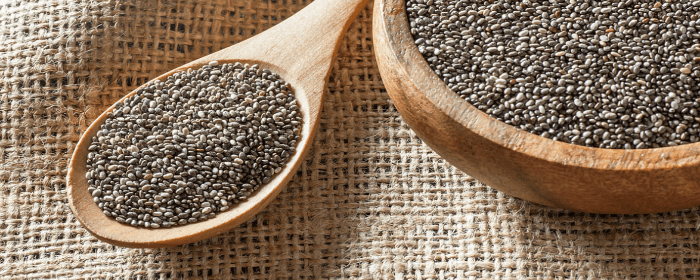
You may have heard about chia seeds being a “superfood,” but dismissed the idea as one more food fad that will soon disappear. Chia seeds have been an important source of nutrition for indigenous populations for hundreds of years.
Today, chia is considered to be a valuable ancient grain that is enjoying a comeback due to its high levels of nutrition.
What’s in a Chia Seed?
It’s hard to believe that something so small could be packed with so much nutrition, but it’s true. While you may still need high-quality supplements to provide all of the vitamins and minerals your body needs daily, eating a serving of chia seeds will help you meet your goals of a healthier diet.
One tablespoon of chia seeds provides the following:
- 69 calories
- 2 grams of protein
- 5 grams of fat
- 6 grams of carbs
- 5 grams of fiber
- 2 milligrams phosphorous (about 11% of recommended daily value for an adult or DV)
- 7 milligrams calcium (8% DV)
- 8 mg potassium (1%DV)
- 5 IU vitamin A (1% DV)
- 2 mg vitamin C (1% DV)
- 1 mg vitamin E (1% DV)
In addition to being nutrient-rich, chia seeds are a good source of important omega-3 fatty acids and important antioxidants. If that’s not enough, the fiber contained in chia seeds supports gut health, and a healthy gut leads to an improved immune system.
Some studies suggest that including chia seeds in a diet may offer benefits for those who are managing high blood pressure, Type 2 diabetes, and depression.
How to Eat Chia Seeds
Including chia seeds as part of your well-balanced diet is easy. They don’t have to be soaked or ground like some other ancient grains. Add them to baked goods, or smoothies or eat a crunchy spoonful raw right out of the bag. If your diet has been low in fiber, make sure to drink plenty of water and consume no more than the recommended 2 tablespoons of chia a day to prevent digestive upsets. Always consult with your primary care provider when adding new supplements to your diet regimen.
by Stemedix | Dec 13, 2021 | Multiple Sclerosis
Multiple sclerosis (MS) is a neurodegenerative disease affecting the spinal cord and brain. MS causes the immune system to attack the myelin–the protective cover that shields nerve fibers. This attack can prevent your brain from communicating effectively with the rest of your body. In time, MS can permanently damage the nerves, resulting in disability. There is currently no cure for MS, but treatments are available to help manage the disease and decrease symptoms. Here we talk about the early warning signs of MS.
Diagnosing Multiple Sclerosis: CIS
MS can be a difficult condition to diagnose early. One reason is that the symptoms present differently from person to person. The first episode most people experience is referred to as a clinically isolated syndrome (CIS).
A CIS typically lasts only 24 hours and occurs when the immune system tells the body to attack myelin. The process is also referred to as demyelination. CIS may cause scarring or leave lesions that make it even more difficult for the brain and body to communicate.
The most common symptoms of CIS include optic neuritis (blurry vision, a dulling of colors, and eye pain) and numbness or tingling in the legs. Those affected may experience only one symptom, known as a monofocal episode, or multiple symptoms, known as a multifocal episode.
CIS is a precursor to MS, but not everyone who experiences a CIS will contract multiple sclerosis. However, if you suspect you’ve had a CIS, it is important to review this information with your specialist.
Primary MS Symptoms
Once the myelin is damaged, a host of other symptoms may occur. Early in the disease, symptoms may be mild and controlled through medication and other therapies.
Early symptoms include the following:
- Bladder and bowel problems (frequent urination, constipation)
- Loss of coordination
- Dizziness
- Emotional changes, fear, and anxiety
- Depression
- Eye problems
- Fatigue
- Muscle spasms
- Sexual dysfunction (Loss of libido, vaginal dryness, erectile problems)
- Overheating
- Cognitive problems
- Difficulty speaking
- Gait and balance problems (trouble walking)
Primary symptoms can lead to secondary and tertiary symptoms, such as getting a bladder infection because you can’t empty your bladder completely or injure yourself from losing balance.
When to Seek Help – If you suspect you’ve experienced a CIS and are exhibiting early warning signs of MS, seek expert medical advice as soon as possible. Both traditional and cutting-edge therapies are most effective when started early. Regenerative medicine, also referred to as stem cell therapy, may have potential as an alternative therapy that improves symptoms without heavy medication.
by admin | Dec 10, 2021 | Mesenchymal Stem Cells, Stem Cell Research, Stem Cell Therapy
Articular cartilage is the smooth, white cartilage that covers the ends of the bone in diarthrodial joints. Essential for fluid and pain-free movement, articular cartilage protects the bones by reducing friction and absorbing shock.
However, articular cartilage is also subject to damage and injury as a result of normal wear and tear or as a result of a number of conditions, including osteoarthritis (OA), osteonecrosis, and osteochondritis. Articular cartilage has been found to have a weak capacity for self-repair, mostly a result of having no blood, lymphatic, or nerve supply.
Until recently, the primary option for treatment of joint cartilage defects, including damage to articular cartilage, involved a series of invasive marrow simulating techniques, including microfracture, Pridie drilling, and abrasion arthroplasty which generally produced inferior results.
The search for alternative and more effective treatment options for damaged joint cartilage has recently led scientists to identify mesenchymal stem cells (MSCs) as an appropriate cellular material for repair of joint cartilage, and specifically for articular cartilage.
As part of this review, authors Eslaminejad and Poor examine and identify the past attempts to use MSCs as a way to cure articular cartilage defects occurring as a result of OA, rheumatoid arthritis (RA), and trauma. In addition, the authors further discuss the specific characteristics that led scientists to conclude MSCs to be an appropriate cell candidate for regenerating articular cartilage, including their inherent chondrogenic property, ease of availability, cell homing potential, and immunomodulatory function.
MSCs demonstrate the ability for long-term self-renewal and the capacity to differentiate along multiple cell lineages – including cartilage cells. While bone marrow has been found to possess low numbers of MSCs, the cells have been easily multiplied through standard lab-based culture techniques. In addition, MSCs are considered readily available cells for application in regenerative medicine, thanks in large part to their availability from a number of sources in the body, including adipose tissue, synovial membrane, and skeletal muscle.
Among the most compelling reasons for MSCs being considered appropriate for the repair of articular cartilage is their homing potential. Specifically, the homing potential of MSCs is thought to help repair damaged cartilage by differentiating into tissue cells to restore function and by secreting a number of bioactive factors to create a repair environment with anti-apoptotic effects, immunoregulatory function, and stimulation of endothelial progenitor cell proliferation.
While using MSCs to repair damaged articular cartilage appears to have tremendous potential, the treatment is not without potential drawbacks or concerns. Among the most pressing of these concerns is that MSCs-regenerated cartilage is potentially too thin to resemble mature cartilage and hypertrophy resulting from MSC-regeneration could lead to ossification of cartilage tissue.
As such, there have been several recent attempts to evaluate the potential of using MSCs to regenerate articular cartilage in both animals and humans, with all demonstrating some degree of enhanced healing and repair by using MSCs as treatment.
The authors conclude that while using MSCs in the repair of damaged articular cartilage appears to have tremendous potential for long-term clinical success, they also call for further research into a number of areas, including improving the quality of repair tissue formed following MSC transplantation, enriching the cell population for chondrogenic cells, and further study into developing a safe and highly efficient gene delivery system for MSCs used in the regeneration and repair of articular cartilage.
Source: “Mesenchymal stem cells as a potent cell source for articular … – NCBI.” https://www.ncbi.nlm.nih.gov/pmc/articles/PMC4131275/.
by Stemedix | Dec 6, 2021 | Health Awareness, Multiple Sclerosis
MS, or multiple sclerosis, is a chronic condition characterized by the immune system attacking the body’s myelin. Myelin is the substance that coats the body’s nerves, so patients with MS often face issues with their nervous system’s ability to communicate. Patients may experience pain, movement issues, or trouble thinking clearly. There are plenty of medical treatment options available, but these options can be costly, inconvenient, or cause troubling side effects. Patients who are wondering what natural treatments are available for Multiple Sclerosis, may have difficulty finding viable information. With this in mind, here are two adaptable natural treatment methods that may show some positive results when incorporated into a comprehensive treatment plan for MS.
Diet
The evidence to support dietary changes is shaky at best. There is no evidence to show that one specific or specialized diet can treat MS symptoms. With that being said, however, there is plenty of scientific data showing that in theory, MS patients adhering to a generally healthy diet may face fewer symptoms.
MS patients can potentially experience some relief by adding these kinds of foods to their diets:
- Omega-3 fatty acids, which are found in fish like salmon and mackerel, as well as some nuts and seeds
- Fruits
- Vegetables
- Whole grains
Patients are advised to cut down on or eliminate high-fat dairy, salt, and saturated fats wherever they can.
Dietary Supplements
Dietary supplements are distinct from herbal supplements, as dietary supplements are meant to replace or bolster naturally-occurring vitamins and minerals needed for regular body function.
Though dietary supplements should not be seen as a cure or treatment for MS, certain vitamin deficits can increase the severity of MS symptoms and flare-ups.
Here are a few dietary supplements that may help to mitigate MS symptoms:
While calcium is not directly related to MS symptoms, it can reduce the risks of osteoporosis, which some MS patients are at a high risk of developing.
Are Natural Treatments Enough?
MS is a complex condition that may require more conventional treatment intervention if the condition is progressing or to help manage symptoms. The options presented here are the easiest and most accessible for MS patients to undertake on their own.
Many patients are also discovering an alternative option through stem cell therapy to additionally help manage the condition. Stem cells have regenerative and anti-inflammatory properties to help damaged tissues and boost the body’s natural healing mechanism.
If you or your loved ones are interested in adopting natural treatments into your MS treatment plan, it is helpful to research and consult if these are viable options to consider. If you are interested in learning more about what natural treatments are available for Multiple Sclerosis, contact a care coordinator today!
by Stemedix | Nov 29, 2021 | Uncategorized
As one of the most common neurological conditions worldwide, multiple sclerosis plays a big part in over two million people’s daily lives. Since it is so prevalent, there is currently a lot of ongoing research into preventing and treating MS. Many people already diagnosed wonder whether there is a diet that can cure or slow the progression of MS.
What Is MS?
Multiple sclerosis (MS) is an autoimmune disease characterized by the degeneration of the myelin sheaths protecting nerve fibers in the brain. However, MS and its progression vary significantly from person to person and affect some people much more than others.
Some people may experience a small, controlled lesion that does not affect cognitive or physical functions. In contrast, others may have multiple lesions across their brain or spine and experience significant cognitive and physical disabilities.
Can the Right Diet Cure MS?
There is not a diet or treatment available that can cure MS. People who claim to know secret eating habits that will cure this chronic condition are promoting non-science-backed products. But luckily, making healthy dietary choices may help lessen your symptoms.
The diet recommended for MS patients is the same that’s recommended for the average adult. A well-balanced diet with lots of fruits, vegetables, whole grains, and little saturated fat is ideal. For people with MS, healthy eating can help overall management of the condition, potentially slow the progression of the disease, and improve quality of life.
What to Avoid
There tends to be a lot of confusion about what lifestyle habits people with MS should avoid. Things MS patients should avoid include the following:
- Smoking
- Drinking
- Skipping meals
- Eating lots of processed foods
- Not exercising regularly
Some recommendations say to avoid dairy, and others say to avoid gluten at all costs if you have MS. Neither of these suggestions is significantly backed by scientific research. People with MS may be lactose intolerant or gluten intolerant. However, if you aren’t, there’s no reason to avoid these products as they have no impact on the progression of MS. One study showed a relation to Vitamin D deficiency and those with MS.
Other Ways You Can Manage Your MS
MS symptoms can become more manageable with the help of medications, lifestyle adjustments, and emerging experimental therapies. One such alternative treatment that may help manage MS symptoms is stem cell therapy. This approach has the ability, through the science of mesenchymal stem cells, to restore damaged myelin sheaths and prevent further progression.
Stem cell therapy has shown promising results in research and will continue to undergo extensive studies in the coming years. Patients may want to explore more to see if it is something that they may have a potential benefit from this alternative therapy. If you are interested in learning more contact a care coordinator today!




 St. Petersburg, Florida