by admin | Jul 11, 2022 | Health Awareness
For many people, nutritional supplements are a part of their daily routine. Whether you take specific supplements or a multivitamin, you want your nutritional supplements to be as effective as possible.
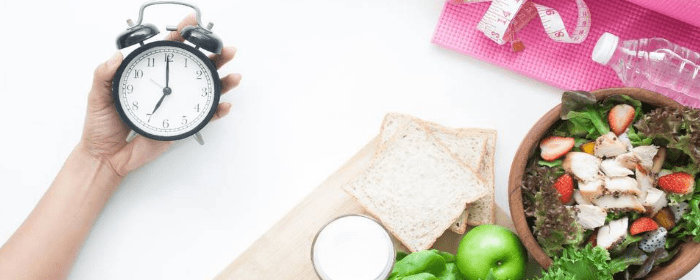
This is why it’s important to take your supplements in a way that allows them to be properly absorbed so that your body receives all of the nutrients it needs. Read on to learn how the time of day you take your nutritional supplements can impact how effective they are.
What Time of Day Should I Be Taking My Supplements?
While you may think that time is only something your mind is aware of, all of the systems within your body run on an elaborate schedule. This is how things like the circadian rhythm and eating patterns work. Your body learns a schedule over time and adheres to it so that you can feel your best. As it turns out, the time that you take your nutritional supplements can be affected by this schedule.
The purpose of taking any nutritional supplement is to provide your body with the vitamins and minerals that it needs. To help your nutritional supplements be as effective as possible, they may need to be taken at certain times.
For most supplements, the ideal time is in the morning when you wake up. This is beneficial for a variety of reasons. Taking your supplements in the morning means you can experience their benefits throughout the day, when you’re most active. It also means that you can keep track of exactly how your supplements make you feel, determining which you need to continue, and which are no longer benefiting you.
Some supplements are required to be taken at a specific time because they can produce adverse effects. For example, vitamin B6 is known to disrupt sleep patterns if taken too close to bedtime. When you begin taking any new supplement, it is always wise to speak to your doctor and ask what time of day your supplements should be taken.
For more health awareness blogs, please visit www.stemedix.com/blog.
by Stemedix | Jul 11, 2022 | Spinal Cord Injury, Stem Cell Therapy
When someone sustains a spinal cord injury, they may believe there is little to be done in terms of treatment. In the past, treating spinal cord trauma has been focused on providing support to the patient and accommodating any limited capabilities caused by the injury. Treating spinal cord injuries often involves mobility aids, physical therapy, and daily medications. While these are all essential aspects of spinal trauma care, they do not make any significant improvement to the injury itself.
The Latest Research
New research shows that future treatment of spinal cord injuries could actually focus on resolving the symptoms caused by the injury and restoring certain functions within the spinal cord itself. A recent clinical study shows that there could potentially be a treatment for these kinds of injuries after all. A clinical trial out of Mayo Clinic has taken a look at the effect of regenerative medicine, also known as stem cell therapy, on patients with spinal cord injuries, and the results were promising.
The clinical trial, known as CELLTOP, used intrathecal injections of autologous adipose-derived stem cells to treat patients with traumatic or severe spinal cord damage. They found that when patients received these stem cells, they saw an improvement in certain symptoms associated with their spinal cord injury. This included motor and sensory function, with increased strength in fine muscle movement.
One patient in these trials who had sustained a grade A cervical spine injury was treated with stem cell therapy and saw an improvement in motor and sensory function. Another patient experienced an increase in their fine motor skills, with an improved ability to grip and pinch with his fingers.
How Does Stem Cell Therapy Work to Improve Spinal Cord Injuries?
While clinical trials are still continuing, research shows the potential link between stem cells and spinal cord trauma. It may be found in how stem cells interact within the spinal cord microenvironment. In these clinical trials, stem cell therapy has been shown to potentially reverse the microenvironment and resolve certain symptoms of spinal cord injury.
When a spinal cord injury occurs, it results in complex pathophysiology. After the initial injury, there are microenvironmental changes that inhibit axonal regeneration. Stem cells can help reduce trophic support to an injured spinal cord’s microenvironment. This modulates the inflammatory response and suppresses cystic changes.
While many spinal cord injuries are still considered traumatic and severe, these CELLTOP clinical trials show promising treatment options in the future. Mayo Clinic is currently continuing this research to find how stem cell therapy can further benefit patients with spinal cord injuries. To learn more about how regenerative medicine can help spinal cord injuries, contact a care coordinator at Stemedix today!
by Stemedix | Jul 4, 2022 | Spinal Cord Stimulation, Chronic Pain, Pain Management
When the body experiences damage, pain signals the brain that an injury occurred, allowing the body to react and prevent further damage. However, in some cases, the body’s pain response to injury lasts longer than it should, leading to chronic pain that causes its own harm. One cause of chronic pain is when nerve signals become damaged, sending pain signals even when the body isn’t experiencing damage. In these cases, spinal cord stimulation may interrupt these pain signals, offering relief to people experiencing chronic pain. So what is spinal cord stimulation? Keep reading to find out!
What Is Spinal Cord Stimulation?
Spinal cord stimulation (SCS) is a newer treatment for managing chronic pain that stops the pain signals coming from the spinal cord. It is specifically used in cases where the cause of the pain can’t be remedied.
Patients using SCS to manage their pain will have a spinal cord stimulation device surgically implanted in their spine. The device contains multiple components, including:
Neurostimulator Device
The neurostimulator device, also called a pulse generator, is surgically implanted below the skin of the upper buttock or abdomen and delivers mild electrical stimulations that the patient typically can’t feel.
Leads
Tiny stimulating medical wires, also known as electrodes, are attached to the neurostimulator device that sends the stimulation to the epidural space near the spine. When the leads send their signals over the spinal cord, pain signals can’t communicate, and pain is blocked.
Physician Programmer
This is a computer at the physician’s office that your spinal specialist uses to set stimulation levels and appropriately adjust the neurostimulator device.
Handheld Programmer
This device resembles a remote control that patients can use to adjust their stimulation. The patient can change the stimulator’s function based on activities or varying pain levels.
How Does Spinal Cord Stimulation Work?
SCS provides pain relief by modifying pain messages before they reach the brain. The neurotransmitter device sends electrical pulses through the leads that can get to the brain faster than the body’s pain signals. As a result, patients undergoing SCS should feel a tingling sensation instead of pain.
Once implemented, patients can use their remote control or handheld programmer when they feel pain. The remote control can adjust the location and strength of the electrical stimulation. For example, patients can change their stimulation levels for different activities or days when they feel more or less pain.
Is Spinal Cord Stimulation Effective?
While SCS treatments continue to develop, they may already be an effective treatment method for many patients. For example, patients suffering from complex regional pain syndrome failed back surgery, and other chronic pain conditions are finding relief through SCS. If you would like to learn more about Spinal Cord Stimulation and how it can help, contact us today at Stemedix!
by admin | Jun 29, 2022 | Health Awareness
High blood pressure, also known as hypertension, affects almost half of the adults in the U.S. Hypertension causes blood to apply long-term force to the artery walls, making sufferers more susceptible to heart disease and stroke.
While high blood pressure is concerning, it’s also a manageable condition. Here are several of the most effective ways you can lower your blood pressure without medication.
1. Exercise
One of the best ways to reduce your blood pressure in the long term is to stay active.
2. Maintain a Healthy Weight
Overweight patients who lose as little as five to ten pounds can lower their blood pressure, and even light physical activity can have the same effect.
3. Add Healthy Foods to Your Diet
Studies show that adding certain foods to your diet can help lower your blood pressure. These foods include:
- Potassium-rich bananas
- Sweet potatoes
- Protein-rich lean meats
- Fish
- Polyphenol-supplying berries
- Magnesium-rich vegetables, legumes, and whole grains
- Flavonoid-supplying dark chocolate
- Garlic or garlic extract
As you increase your consumption of healthy fruits, vegetables, lean meats, and whole grains, you’ll find an added benefit of less appetite for foods that can raise your blood pressure.
4. Reduce Consumption of Hypertension-Supporting Foods and Drinks
Studies show that reducing your consumption of sugar, refined carbohydrates, and prepackaged foods can lower your blood pressure. Additionally, drinks like alcohol and caffeine can raise your blood pressure.
5. Stop Smoking
Healthy blood pressure is another reason to quit smoking. The chemicals in tobacco can damage your blood vessel walls, causing inflammation and increasing the pressure.
6. Lower Your Stress Levels
Higher stress levels equal higher blood pressure, so taking steps to lower stress can benefit your physical health. Activities like yoga help your body and mind. Practicing meditation helps you find calm in any situation, and the simple act of petting an animal can instantly lower your blood pressure.
7. Cook at Home
Cooking at home lets you control the ingredients in your meals, namely sodium. Restaurant meals can have up to six times the amount of sodium as a home-cooked meal. Reduced sodium can result in reduced blood pressure.
8. Improve Your Sleep
A poor night’s sleep can negatively affect your blood pressure. People who sleep six hours a night or less have consistently higher blood pressure.
If you try these methods and find your blood pressure remains consistently high, consult your physician for the next steps, such as medications to control your hypertension.
For more health awareness blogs, please visit www.stemedix.com/blog.
by Shoot To Thrill Media | Jun 20, 2022
A new concept in personal health Chronic pain for patients can be very debilitating. Our understanding of the origins of pain throughout the body is that it can be triggered by different things. But today, our clinic can create a personal “blueprint” for an individual...



 St. Petersburg, Florida