by admin | Feb 26, 2019 | Cannabinoid, Multiple Sclerosis, Pain Management
Multiple sclerosis (MS) is a debilitating neurological condition. MS causes nerve cells to become dysfunctional. The symptoms of multiple sclerosis vary from person to person and over time; however, one of the most common symptoms of MS is muscle spasticity. More than 80% of patients with MS have some degree of muscle spasticity.
Muscle spasticity causes increased muscle tone. Affected muscles contract even though the person is not trying to contract them. Patients may also experience uncontrollable muscle jerking and spasms. These muscle contractions can be quite painful and interfere with daily activities. In fact, about one in 20 multiple sclerosis patients with muscle spasticity are completely disabled because of it.
It can be difficult to treat muscle spasticity in patients with multiple sclerosis. Physicians may prescribe baclofen, tizanidine, or dantrolene for muscle spasticity; however, these treatments are only mildly effective and may cause troubling or serious side effects. Baclofen may cause muscle weakness, tizanidine may cause severe dry mouth, and dantrolene is toxic to the liver, for example. Researchers are continuously looking for ways to help multiple sclerosis patients to reduce muscle spasticity.
Cannabinoids are the biologically active chemicals found in the cannabis plant. Cannabinoids have been used successfully for various medical purposes. For example, these agents have been used to treat nausea caused by chemotherapy and to stimulate appetite in patients with cancer. Patients with multiple sclerosis have reported that hemp extract helps relieve symptoms. Moreover, research studies have shown cannabinoids can protect nerve cells against damage. Based on these findings, researchers conducted a clinical trial to study the effect of cannabinoids on muscle spasticity in patients with multiple sclerosis.
A total of 630 patients with multiple sclerosis and muscle spasticity received the hemp extract or placebo for 15 weeks. The researchers then performed a number of objective tests to assess muscle spasticity. Patients who received the cannabinoids had fewer symptoms and less muscle spasticity at the end of the clinical trial compared to patients taking the placebo. The greatest benefit appeared after 40 weeks of treatment. Indeed, patients felt that cannabinoids helped manage their condition. Importantly, no major safety concerns were reported.
These clinical trial results suggest long term cannabinoids treatment is safe and may help people with Multiple Sclerosis control symptoms of muscle spasticity.
Visit our website for available hemp extract products. Click here
Reference: Zajicek et al. (2005). Cannabinoids in multiple sclerosis (CAMS) study: safety and efficacy data for 12 months follow up.Journal of Neurology, Neurosurgery, and Psychiatry. 2005 Dec;76(12):1664-9.
by admin | Feb 4, 2019 | Adipose, Mesenchymal Stem Cells, Stem Cell Research, Stem Cell Therapy
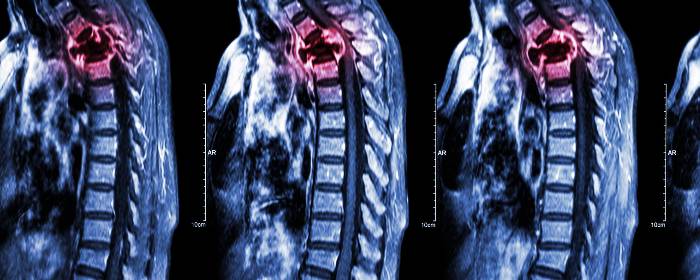
Spinal cord injury is severe neurological condition in which
the major mode of transmission between the brain and the body is disrupted.
When higher levels of the spinal cord are injured, for example, in the neck,
the injury can be immediately fatal. Those who survived spinal cord injury are
often left paralyzed and at risk for a number of comorbid conditions
such as pneumonia, depression, skin ulceration infection, urinary tract
infections, and pain.
If patients who sustain spinal cord injury can receive
medical treatment quickly, physicians may administer glucocorticoids to help
reduce swelling around the injury and preserve spinal cord function. Patients
may also undergo therapeutic
hypothermia (a.k.a. targeted temperature management, whole body cooling),
also to help reduce inflammation and prevent scar tissue from forming around
the damaged spinal cord.
After the first few days to weeks after spinal cord injury,
not much can be done to change the outcome of the disease. Patients may undergo
intensive physical, occupational, and speech therapy to help regain function,
but more often than not the neurological deficits are mostly permanent. Hence,
researchers are feverishly searching for ways to treat spinal cord injury and,
by extension, prevent or reduce paralysis and other chronic complications.
Mesenchymal stem cells are an intriguing potential therapy
for spinal cord injury. These cells can easily be obtained from many different
tissues including bone marrow and fat among others. In animals, mesenchymal stem
cells have been shown to improve changes that occur during spinal cord injury,
namely the regeneration
and strengthening of nerve cells in the spinal cord. Research
has also shown how adipose-derived stem cells are a potential option for those
with neurological conditions such as spinal cord injury.
To test this possible effect in humans, researchers collected
mesenchymal stromal (stem) cells from patients with spinal cord injury in
their upper back (i.e. thoracic spinal cord). Researchers then prepared and administered
those cells back into the cerebrospinal fluid of the same patients. Each
patient received two or three injections of approximately 1,000,000 cells per
kilogram body weight. There were no adverse effects of the treatment for up to
two years after injection. MRI imaging showed no abnormalities resulting from
stem cell infusion. While the authors write that there were too few patients to
make any firm conclusions about the efficacy of the treatment, they were
strongly encouraged by the safety of the procedure. In fact, they use these
results to begin a placebo-controlled clinical trial.
Reference
Satti et al. (2016). Autologous mesenchymal stromal cell
transplantation for spinal cord injury: A Phase I pilot study. International Society for Cellular Therapy,
18(4),518-522.
by admin | Feb 1, 2019 | Adipose, Exosomes, Mesenchymal Stem Cells, Stem Cell Research, Stem Cell Therapy, Studies, Umbilical Stem Cell
Most organs of the body recover from injury by generating new, healthy cells. Not every organ of the body has the same ability to form new cells, however. The skin is an example of an organ that has an amazing ability to regenerate. Liver and lung also have the ability to form new cells, but not as dramatically as skin. Kidney and heart have even less ability to repair and regenerate. On the opposite end of the spectrum from the skin is the brain, which has very little capacity to regenerate once it has been damaged or destroyed. All of these organ systems, especially those that are relatively unable to repair themselves, could theoretically benefit from stem cells.
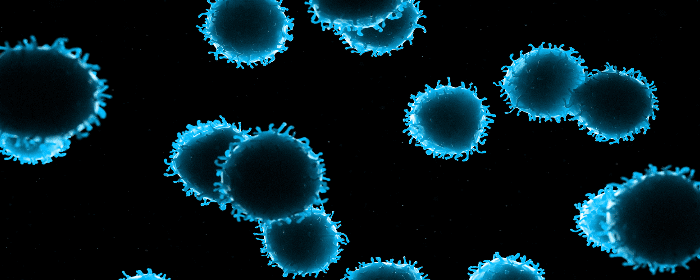
Mesenchymal stem cells, also known as stromal cells, are multipotent stem cells derived from bone marrow, umbilical cord, placenta, or adipose (fat) tissue. These cells can become the cells that make up bone, cartilage, fat, heart, blood vessels, and even brain. Mesenchymal stem cells have shown a remarkable ability to help the body to produce new cells. Researchers are now realizing that the substances stem cells release may be more important than any new cells they may become. In other words, stem cells can directly become new healthy cells to a certain degree, but they can also release substances that dramatically increase the number of new, healthy cells.
Mesenchymal stromal stem cells release small packets called exosomes. These exosomes are filled with various substances that promote cell and tissue growth. Some of the most interesting and potentially useful substances are cytokines and micro RNA. Cytokines are the traffic cops of cellular repair, signaling certain events to take place while stopping others. Having the right cytokines in a particular area is critical for new tissue growth. The micro RNA released by stem cell exosomes is potentially even more exciting than cytokines. These tiny bits of RNA can directly affect how healthy and diseased cells behave. Micro RNA has a powerful ability to control the biological machinery inside of cells.
Exosomes exhibit a wide array of biological effects that promote the repair and growth of damaged and diseased organs. They promote the growth of skin cells and help wounds heal. Exosomes can reduce lung swelling and inflammation and even help the lung tissue heal itself (i.e. reduced pulmonary hypertension, decrease ventricular hypertrophy, and improve lung vascular remodeling). These small packets released by stem cells help prevent liver cells from dying (i.e. prevents apoptosis), promote liver cell regeneration, and slow down liver cirrhosis (i.e. fibrosis). Exosomes can also help protect the kidneys during acute injury and reduce the damage that occurs during a heart attack.
Several clinical trials are underway designed to allow these exciting developments to be used to treat patients. As the researchers state, “Extensive research and clinical trials are currently underway for the use of MSCs as regenerative agents in many diseases including spinal cord injury, multiple sclerosis, Alzheimer’s disease, liver cirrhosis and hepatitis, osteoarthritis, myocardial infarction, kidney disease, inflammatory bowel disease, diabetes mellitus, knee cartilage injuries, organ transplantation, and graft-versus-host disease.” We can reasonably expect that exosomes will be used to treat at least some of these conditions in the very near future.
Reference: Rani al. (2015). Mesenchymal Stem Cell-derived Extracellular Vesicles: Toward Cell-free Therapeutic Applications. Molecular Therapy. 2015 May; 23(5): 812–823.
by admin | Jan 31, 2019 | Health Awareness
Potassium is a mineral which plays many important roles in the body. It supports both cellular and electrical function, and is one of the blood minerals called an electrolyte, meaning that it carries a small electrical charge. The body uses this electricity to manage processes such as fluid balance, muscle contractions, and nerve signals. Thus, when your body has too much or too little potassium, it can alter many critical functions.
According to research, a potassium-rich diet can reduce blood pressure
and water retention. It may also prevent stroke, osteoporosis, and
kidney stones. In addition to keeping these conditions at bay, having optimal
potassium levels also supports your overall wellbeing. When potassium levels
dip too low, a condition called hypokalemia
can set in. It’s characterized by muscular cramping or weakness, depression,
insomnia, and cardiovascular complications, including abnormal heart rhythm.
With that said, it’s also possible to get too much potassium, which is why most
medical experts agree that getting the mineral through diet is the safest way
to maintain optimal levels.
Unless you have a known kidney disorder or another condition
which would cause you to limit your potassium consumption, you can aim for up
to 4,700
milligrams per day of the mineral. Below, we’ve compiled a list of
potassium-rich foods to start incorporating into your diet.
7 Foods High in Potassium
Beet Greens: When cooked, a 100-gram serving of beet greens has over 900 mg of potassium! When they’re in season (June through October), try sautéed beets with a little garlic and olive oil.
White Potatoes: Oftentimes, starchy foods like white potatoes get a bad reputation. In reality, white potatoes are high in nutrients, and 3.5 ounces of baked white potatoes contain 544 mg of potassium.
Pinto Beans: Versatile pinto beans can be added to chili, served as a side dish, or incorporated into salads and burritos. And, with nearly 650 mg, they pack a powerful punch of potassium.
Greens: There’s a reason kale is hailed as a superfood. As one of the most nutrient-dense but low-calorie foods on the planet, it is an excellent source of vitamins C and K, antioxidants, and has nearly 450 mg of potassium. Spinach, too, is a strong contender, and a 100-gram serving has 466 mg of the mineral when cooked.
Salmon: Fish like wild salmon and halibut are loaded with potassium, and most will satisfy upwards of 10% of your daily recommended intake. They’re also rich in vitamin D and omega-3 fatty acids.
Avocado: Another superfood, avocados are packed with fiber, heart-healthy fatty acids, and potassium. A single serving meets 14% of your daily recommended value for potassium, too.
Bananas: The yellow fruit has rightfully earned its longstanding reputation as a potassium-rich food. Yet, with roughly 350 mg per serving, all of the other foods on this list actually contain more potassium than bananas!
by admin | Jan 31, 2019
WHAT IS Regenerative Medicine for Multiple Sclerosis Discover how Regenerative Medicine, also known as Stem Cell Therapy, is studied as a potential option for those seeking to manage their symptoms. Request Information Packet WHAT IS Regenerative Medicine for Multiple...



 St. Petersburg, Florida