
Stem Cell Therapy in Delray Beach, Florida
Regenerative Medicine in Delray Beach, Florida Welcome to Delray Beach, FL! One of the original satellite offices of Stemedix, Delray Beach is located on the southeast coast of Florida and is known as the “Village by the Sea” due to its small-town ambiance...
Could Gut Bacteria Influence Mental Health?
Within recent years, there has been increasing evidence to suggest gut bacteria plays a powerful role in many aspects of health. The microbiome, or microbial communities within our intestinal tract, have been a suspected agent behind many chronic conditions. Now, one study indicates gut flora may impact mental health, too.
Depression & Gut Bacteria
A recent study published in Nature Microbiology shows that individuals with depression had low levels of two types of “good” gut bacteria, Coprococcus and Dialister. The finding was consistent regardless of whether or not the subjects were taking antidepressants.
Interestingly, subjects who claimed to have a high mental quality of life were found to have plentiful levels of Coprococcus. The gut flora Faecalibacterium was also common among the same group.
While the study findings don’t outright prove that insufficient gut flora leads to mood disorders, they do strongly suggest a correlation. Moreover, it’s possible that the effect works in the opposite way, with mental health problems contributing to microbiome issues. The researchers further discovered that gut microbes can actually communicate with the body’s nervous system via neurotransmitters which support mental health.
The lead researcher said that many gut bacteria can produce neurotransmitters or precursors for critical substances like serotonin and dopamine, both of which play a role in regulating mood. Imbalances in these can also contribute to depression.
Based on this fascinating link, it’s possible that taking probiotics will one day become a prescriptive aspect of treating the effects of depression and perhaps boosting overall mood even in individuals without mental illness. In the meantime, discussing the option of probiotics as a means to promote disease prevention and overall health isn’t a bad idea anyhow. Your doctor may also suggest lifestyle tactics for boosting gut flora, such as incorporating probiotic-rich foods with live bacteria such as yogurt, sauerkraut, miso, and kefir into your diet. They may also suggest Vitamin A as a potential source to help as well.

Allogeneic Stem Cell Therapy for Lupus Nephritis Patients
Systemic lupus erythematosus or simply “lupus” is a chronic inflammatory disease that can affect almost every organ and tissue in the body. Most people are aware of chronic fatigue, muscle and joint pain, and a characteristic facial skin rash that occurs in people with lupus. However, the disease can affect the gastrointestinal tract, lungs, heart, eyes, lymph nodes, and brain. About half of all people with lupus will develop problems in their kidneys related to the disease. The most common kidney problem caused by lupus is a condition known as lupus nephritis.
Lupus nephritis may not cause any outward symptoms, though some patients report foamy urine. Physicians usually detect lupus nephritis during routine urinalysis. Lupus nephritis causes the kidneys to leak substantial amounts of protein in the urine. Over time, this protein loss can cause swelling in the hands, ankles, and feet, and may interfere with kidney function.
The main way in which lupus nephritis is treated is by using strong immunosuppressants such as glucocorticoids (“steroids”; prednisone), cyclophosphamide or mycophenolate mofetil. These immunosuppressing drugs can cause a number of serious and perhaps permanent side effects. Making matters worse, some people with lupus continue to have worsening lupus nephritis even after using these immunosuppressive drugs. In these cases, there is very little that can be done to treat the disease.
In order to help this group of individuals for whom regular treatments did not stop lupus nephritis from progressing, researchers conducted a clinical trial to test the effect of stem cells on this illness. Researchers collected allogeneic mesenchymal stem cells from bone marrow and umbilical cord tissue. They then infused the stem cells in 81 patients with lupus nephritis and followed them for 12 months. Amazingly, 60.5% of patients enjoyed remission of their kidney disease by the 12-month visit. Kidney function (glomerular filtration rate; GFR) significantly improved in patients treated with mesenchymal stem cells. Likewise, total lupus disease activity (not just lupus nephritis) improved significantly 12 months after treatment. These improvements were so profound that patients were able to reduce their doses of prednisone and other immune-suppressing drugs. Importantly, the stem cells did not cause any apparent adverse effects.
If this work can be confirmed in subsequent clinical trials, it is exciting news for patients with lupus, especially those with lupus nephritis. This work suggests that stem cells may be able to reduce the doses of immunosuppressants currently used to treat lupus nephritis, and it may even stop the progression of this terrible illness in some patients. We eagerly await additional clinical research in this area.
Reference: Gu F et al. (2014). Allogeneic mesenchymal stem cell transplantation for lupus nephritis patients refractory to conventional therapy. Clinical Rheumatology. 2014 Nov;33(11):1611-9.
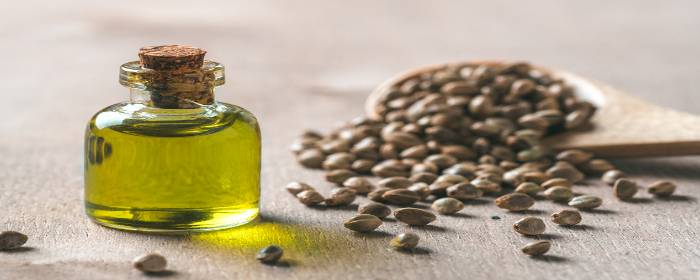
Can Hemp Extracts Aid in Chronic Pain Management?
Nowadays, you wouldn’t have to look very far to find advertisements for products containing hemp seed extract, or CBD oil. But how is this popular new solution made, and does it deliver on its promises to ease pain? Let’s explore what the compound consists of and how it may aid in pain management, below.
What is CBD Oil?
Cannabidiol, better known by the acronym “CBD,” is one of 104 chemical compounds derived from the hemp or cannabis plants. Typically, CBD is extracted from industrial hemp, then added to a carrier oil to form “CBD oil.” Because there are a number of different processes used to produce CBD oil, it can be found in varying strengths. As such, it’s advisable to consult with your physician before use.
Does It Help with Pain?
According to research published in 2017, adults suffering from chronic pain experienced “a clinically significant reduction in pain symptoms” when treated with CBD. In a separate study, CBD was proven to reduce pain and inflammation. Although the findings are fairly recent, experts believe cannabis has been used as a pain reliever for thousands of years.
The pain-relieving effect is believed to work as follows: The body has a system referred to the endocannabinoid system, or ECS, which regulates functions such as pain and immune system responses. It produces endocannabinoids, neurotransmitters which bind to the nervous system’s cannabinoid receptors. Research demonstrates that CBD may influence endocannabinoid receptor activity, thereby alleviating inflammation and interacting with neurotransmitters.
For example, CBD has been shown to minimize pain from surgical incisions, alleviate sciatic nerve pain, and reduce inflammation. It has also been used to treat symptoms of multiple sclerosis and arthritis.
What Are Its Additional Benefits?
Despite having been used for millennia, the research surrounding the potential benefits of the powerful plant derivative is ongoing. Possible applications may include treatment for anxiety, Alzheimer’s, epilepsy and seizures, and smoking cessation. Additionally, it is suspected CBD oil may hold promise for treating drug withdrawal, and in the future, conditions such as acne, diabetes, and cancer.
Currently, the legality of CBD oil varies by state, but the FDA has already approved CBD as a treatment for certain types of epilepsy. Thus, it’s possible that the compound could have a significant impact on treatment plans for chronic conditions in the future.
Visit our website for available hemp extract products. Click here
 St. Petersburg, Florida