by admin | Jun 26, 2020 | Traumatic Brain Injury, Exosomes, Stem Cell Therapy
Traumatic brain injury is a single name given to a broad variety of conditions. In every instance of traumatic brain injury, some external force causes damage to the brain. This may be mild and short-lived, such as a concussion, or severe and permanent, such as severe head trauma. The initial trauma or injury can cause a number of injuries to the skull and brain such as skull fracture, cerebral contusion (“brain bruise”), cerebral edema (“brain swelling”), or hemorrhage (“brain bleed”).
Traumatic brain injury can also cause several secondary injuries that may continue for hours or days. The secondary effects of traumatic brain injury include:
- Electrolyte imbalances
- Mitochondrial dysfunction
- Inflammation
- Ischemia (lack of blood flow to parts of the brain)
- Brain cell destruction
These secondary traumatic brain injuries can cause long-term and even permanent neurological dysfunction.
Unfortunately, there are very few treatments for traumatic brain injury. Neurosurgeons can sometimes stop brain bleeding, stabilize skull fractures, and reduce brain swelling; however, there is little that can be done to stop the secondary effects of traumatic brain injury. Doctors have tried using steroids or hypothermia (cooling the patient) to decrease inflammation and stop further injury, but these interventions are not highly effective.
Ideally, one would give a treatment soon after a person has had a traumatic brain injury. This treatment would reduce or block the secondary effects of traumatic brain injury. Scientists are studying whether stem cell treatment can do that very thing.
Researchers recently showed that exosomes from bone marrow mesenchymal stem cells were able to reduce the secondary effects of traumatic brain injury. They humanely caused a traumatic brain injury in a group of mice. Fifteen minutes after the TBI, half the mice were given an injection of stem cells and the other half received a placebo (i.e. saltwater).
The mice that received the stem cell exosome treatment did substantially better than the mice who received a placebo. Stem cell exosome treatment substantially reduced the size of the damage to the brain compared to control. Moreover, mice that received stem cell exosome treatment did better on sensory, motor, reflex, and balance tests. In other words, stem cell exosome treatment helped mice with traumatic brain injury move better than those that did not receive stem cell exosome treatment.
The scientists went on to show that exosome treatment helped block the secondary effects of traumatic brain injury on the cellular and molecular level. In short, stem cell exosome treatment reduced inflammation in the brain from TBI.
Taken together, these results strongly suggest that treatment with exosomes from bone marrow mesenchymal stem cells soon after traumatic brain injury has the ability to protect the brain from damage. Of course, this treatment will need to be tested in humans who have had incidental TBI. Nevertheless, the basic science results are quite exciting since few neuroprotective agents, if any, can block the secondary effects of traumatic brain injury the way exosomes did in this scientific report.
Reference: Haoqi, N., et al. (2019). Exosomes Derived From Bone Mesenchymal Stem Cells Ameliorate Early Inflammatory Responses Following Traumatic Brain Injury. Frontiers in Neuroscience. 2019 Jan 24; 13:14.
by admin | Jun 25, 2020 | Neurodegenerative Diseases, Mesenchymal Stem Cells, Stem Cell Research
As the name suggests, neurodegenerative diseases are a disease of the nervous system in which nerve cells (i.e. neurons) become dysfunctional and die. As more nerve cells die, certain brain functions slow, change or stop. Alzheimer’s disease, Parkinson’s disease, Huntington’s disease and Amyotrophic lateral sclerosis (ALS) are examples of debilitating and even fatal neurodegenerative diseases. There are no cures for these diseases, but symptom management is the primary focus for patients seeking treatment options.
Neurodegenerative diseases are an attractive target for regenerative medicine. The approach makes sense intuitively; if brain cells are inflamed, dysfunctional, and dying, can mesenchymal stem cells be applied as a targeted approach so that they may differentiate into new brain cells and release all the helpful substances stem cells are known to release. Many researchers share this optimism and believe in the promise of stem cells as a treatment for neurodegenerative diseases. Indeed, Drs. Joyce and coauthors discuss what steps have already been taken to develop stem cells into a potential treatment for neurodegenerative diseases.
The authors describe scientific studies that show how mesenchymal stem cells “promote endogenous neuronal growth, decrease apoptosis and regulate inflammation.” In other words, stem cell transplantation supports nerve cell growth, decreases cell death, and reduces the damaging inflammation that is seen in some neurodegenerative diseases like multiple sclerosis.
According to the scientists, stem cells “can mediate modification of the damaged tissue microenvironment to enhance endogenous neural regeneration and protection.” This means that stem cells can make the area around the diseased brain more favorable to nerve cell growth and development. Stem cells create a protective environment for nerve cells to live and operate.
Clinical trials that study the effects of stem cells in neurodegenerative diseases are progressing. Some studies show that stem cells might be able to slow the rate at which muscle strength declines and are considered safe for those with ALS. Likewise, patients with Huntington’s disease showed motor and cognitive improvements two years after receiving a stem cell transplant into the damaged region of their brains. Moreover, stem cells transplanted into patients with Parkinson’s disease were found to be alive and well 10 years after transplantation. Perhaps more importantly for patients, stem cells provided relief of Parkinson’s disease symptoms.
As of now, stem cell treatments for neurodegenerative diseases can be directed to the targeted tissues with administration techniques such as intranasal or intrathecal injections to bypass the blood-brain barrier. While these injections have been shown time and again to be safe, patients and their providers must consider the process and their safety. Continued research is ongoing and those seeking an alternative option should do their research and discover how regenerative medicine may potentially help them manage their symptoms.
Reference: Joyce, N., et al. (2010). Mesenchymal stem cells for the treatment of neurodegenerative disease. Regenerative Medicine. 2010. Nov; 5(6): 933-946.
by Stemedix | Jun 22, 2020 | Stem Cell Therapy, Multiple Sclerosis
Multiple sclerosis (MS) poses distinct challenges for many individuals. Not only does it present an array of frustrating symptoms ranging from muscle weakness and numbness to vision and bladder problems, but in some patients, it may resist medications altogether. For...
by admin | Jun 17, 2020 | Health Awareness
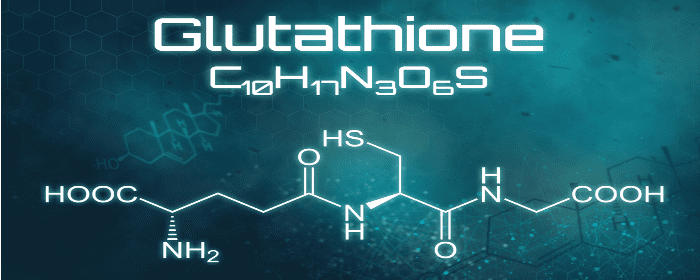
Glutathione is an antioxidant produced in the cells consisting of amino acids. It plays an important role in supporting health and is found in all tissues, especially within the liver. Due to factors such as aging, stress, and exposure to environmental toxins, glutathione levels decline over time. While glutathione supplementation has been sought after for many years, it poses certain challenges. In particular, the ingredient has a reactive nature, and the molecule tends to fall apart quickly. It would take many months to boost glutathione levels with traditional supplements.
The Benefits of Glutathione
The development of this new supplement is exciting for many reasons. Glutathione has remarkable anti-aging properties, and it can also help to reduce inflammation. Thus, the supplement may provide relief to athletes and shows promise for sports nutrition applications. Thanks to its antioxidant properties, glutathione also has a number of other potential benefits, including:
Glutathione contains sulfur, so consuming foods with sulfur may help to boost its production. Eggs, nuts, legumes, and cruciferous vegetables are sulfur-rich options to consider. With that being said, Glutathione appears to be a promising option for people looking to maximize the potential benefits from this supplement. Please visit, https://stemedix.com/metagenics/ to see more information on GlutaClear® or reach to a Care Coordinator at 727-456-8968. And as always, be sure to consult with a physician before incorporating any new supplement into your health care regimen.




 St. Petersburg, Florida