by Stemedix | Jul 12, 2021 | Stroke, Stem Cell Therapy
Every 40 seconds, someone in the United States suffers a stroke. These medical emergencies are one of the most common causes of long-term disability in this country. These events, which usually result from clots that prevent blood from flowing to part of the brain, can dramatically impact the lives of both patients and their families.
Strokes can cause a range of impairments in patients, all of which can lower a patient’s quality of life. Patients can experience problems with motor control, memory, speech, and a range of other areas. Because the brain doesn’t regenerate brain cells, it can be difficult to fully recover from a stroke’s effects.
Traditionally, treatment plans for stroke patients have included a combination of several different physical therapies, including occupational and speech therapy. While this treatment method can help restore some lost functionality by rewiring the brain, there seems to be a limit on the effectiveness of this treatment, which tends to depend on the severity of the stroke.
However, recent research suggests that stem cell therapy may be able to improve long-term outcomes for stroke patients. When combined with physical therapy, stem cells can offer stroke patients significant relief from their symptoms.
How Stem Cells Are Used to Treat Stroke Patients
Because stem cell therapy is still relatively new in treating stroke patients, several studies are currently investigating different methods for administering stem cells. These research projects will determine which strategies are most effective for different types of stroke patients.
For example, one study looks at how stem cells isolated from patients who have suffered strokes can potentially help regenerate brain tissue. In another study, scientists have examined the effectiveness of extracellular vesicles, which are substances derived from stem cells. Both of these studies show a great deal of promise for stroke patients.
One promising study is investigating injecting stem cells into the damaged area of the stroke patient’s brain. Once these special cells are in the brain, they can potentially start regrowing brain cells.
Benefits of Stem Cell Therapy
When used in conjunction with physical therapies, stem cells can improve neurological stroke symptoms, including muscle control, vision problems, and speech deficiencies. They also show promise in suppressing brain inflammation, one of the significant obstacles to recovering from a stroke.
While there is no “cure” for stroke patients, stem cell therapy offers an exciting new frontier in helping their recovery and improving their quality of life. If you would like to learn more contact a care coordinator today!
by Stemedix | Jun 28, 2021 | Stem Cell Therapy
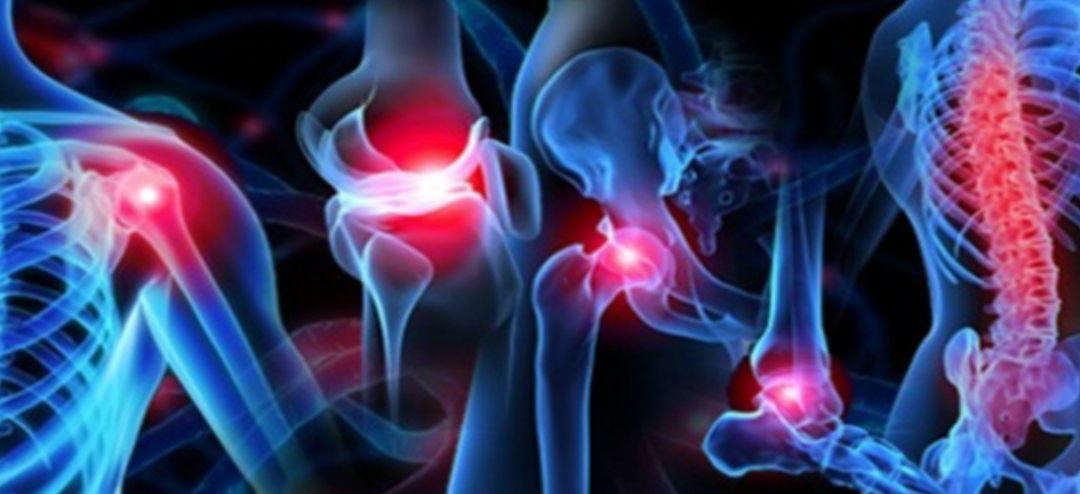
Orthopedic conditions can present many challenges to patients. Chronic orthopedic problems often result in ongoing pain and discomfort. Traditional medical approaches to injuries and joint-related ailments often require painful surgeries. These invasive procedures can involve difficult and extended recovery times. Common examples of orthopedic problems include:
Fortunately, many patients have found relief for their chronic orthopedic problems through stem cell therapies.
Understanding Stem Cell Therapy
Regenerative Medicine, also known as stem cell therapy, is a new area of medical science that is showing promise for patients facing chronic conditions.
Mesenchymal stem cells (MSC) are naturally produced by the body. They are a type of “simple” cell that can be used to develop a wide range of complex cells. When they are properly administered into an injured or affected area on the patient’s body, stem cells can:
- Help to alleviate inflammation.
- Promote healing processes.
- Generate new tissues.
Stem cells can be collected from umbilical cord, bone marrow, or adipose (fat) tissues. Once extracted, a board-certified professional can use a concentration of MSCs to administer to targeted areas of the body. In some instances, the provider may use imaging technology to ensure that the injection is placed accurately.
Stem Cell Therapy for Chronic Orthopedic Conditions
Over the past thirty years, doctors and patients have seen many benefits to MSC therapy. In many cases, these alternative treatments can help patients to avoid surgery and relieve pain.
Stem cell therapy is non-invasive. Stem cell therapies are not cure-all treatments and cannot be a guarantee. They provide an option for management of symptoms and to help halt or slow down the progression of one’s condition. For some conditions, other therapies may be necessary.
A therapy provider may recommend stem cell treatments in conjunction with platelet-rich plasma (PRP) therapy. PRP therapy involves concentrating platelets from the patient’s blood and injecting them into the soft tissue of painful joints. When used to supplement MSC therapies, PRP may help to:
- Reduce joint pain
- Slow cartilage destruction
- Stimulate cell repair and growth rate
- Provide a faster level of healing
Research suggests that many patients with chronic orthopedic conditions may be helped by MSC therapies. For instance, MSC therapy has been shown to potentially halt the progressive symptoms of osteoarthritis. These exciting and innovative treatments offer many potential benefits to patients who are suffering from chronic orthopedic conditions. If you would like to learn more then contact us today and speak with a care coordinator.
by admin | Jun 25, 2021 | Ozone Therapy
Significant advances in the treatment of cancer have increased the number of cancer survivors while also allowing survivors to live longer and with overall improved quality of life. However, these treatments have also resulted in an increase in the number of survivors now living with their debilitating side effects, the most prominent being chemotherapy-induced peripheral neuropathy (CIPN).
According to the American Cancer Society, CIPN often occurs when nerves located outside the brain and spinal cord are damaged as a result of chemotherapy treatments[1]. One of the many symptoms associated with CIPN is chronic oxidative stress, which results in a significant increase in free radicals and proinflammatory cytokines throughout the body. Common side effects of CIPN include dysesthesias, pain, anxiety, depression, insomnia, and fatigue.
It’s estimated that up to 85% of cancer patients are treated with neurotoxic chemotherapy, and up to 100% of those treated with platinum-based drugs (such as cisplatin, carboplatin, and oxaliplatin), develop CIPN. Not only does CIPN significantly affect a patient’s quality of life, should it develop during cancer treatment, the condition often interrupts and/or delays scheduled chemotherapy sessions.
This review, authored by Clavo et al., examines current cancer treatments potential mechanisms that could result in CIPN, summarizes current CIPN prophylactic and treatment approaches introduce and describes the role of ozone therapy in modifying oxidative stress and inflammation (with a specific focus on how it relates to CIPN), and summarizes experimental and clinical trials using ozone therapy to address the symptoms of CIPN.
Through the course of their review, the authors conclude that while there are several medications and therapies designed to address the inflammation and oxidative stress associated with CIPN, the results of their effectiveness in achieving the desired and/or intended effect(s) have been inconclusive. As a result, the authors conclude that prophylactic and therapeutic approaches to CIPN continue to be limited in both numbers and efficacy.
Ozone therapy is the process of introducing ozone gas into the body to treat an existing disease or medical condition. According to a study published in Medical Gas Research[2], ozone, when introduced into the body, creates higher concentrations of red blood cells, increases oxygen levels in the body, and produces an anti-inflammatory response. This process, when used to treat CIPN, is thought to be potentially effective in addressing the symptoms of the condition by inducing adaptive responses of tissues within the body.
The authors conclude their review by describing their current research examining the effect of ozone therapy on the analytical and symptomatic evolution of patients with CIPN. Specifically, this research will explore whether or not a relationship exists between the basal levels in oxidative stress parameters, including hyperspectral imagines (HSI), and the quality of life and symptoms self-reported by patients. The authors also call for further research to better understand the role of oxidative stress in CIPN as well as the clinical role of its modulation.
Source: (2021, March 10). Modulation by Ozone Therapy of Oxidative Stress in … – PubMed. Retrieved from https://pubmed.ncbi.nlm.nih.gov/33802143/
[1] (2019, November 1). What Is Peripheral Neuropathy? – American Cancer Society. Retrieved July 9, 2021, from https://www.cancer.org/treatment/treatments-and-side-effects/physical-side-effects/peripheral-neuropathy/what-is-peripherial-neuropathy.html
[2] (2018, September 25). Clinical utility of ozone therapy for musculoskeletal disorders. Retrieved July 9, 2021, from https://www.ncbi.nlm.nih.gov/pmc/articles/PMC6178642/
by admin | Jun 23, 2021 | Health Awareness
Inflammation in the body can contribute to a wide range of chronic diseases and conditions. But you can curb inflammation by eating the right foods.
It is important to have knowledge about which foods cause inflammation and which foods fight it. In this post, we will discuss the most effective anti-inflammatory foods. We will also list eight foods to avoid when you’re fighting inflammation.
Primary Types of Inflammation
Inflammation is a natural function of the body’s immune system. There are two main types of inflammation that the human body experiences.
Acute inflammation happens when the body is injured or sick. When acute inflammation occurs, the person may experience redness, swelling, or elevated body temperatures. This type of inflammation is helpful for healing, even though the symptoms are often unpleasant. Overall, acute inflammation is a healthy bodily response.
On the other hand, chronic inflammation is usually caused by an irritant or external condition. Examples include:
- Additives
- Harmful chemicals
- Environmental or food compounds
This type of inflammation can also be the result of poor sleep, stress, or anxiety. Chronic inflammation is associated with many negative health outcomes.
Food and Inflammation
The foods that you eat can contribute to or calm inflammation in the body. Those foods that contribute to chronic inflammation can cause high blood sugar levels and blood pressure over time.
It is important to make healthy choices regarding food, stress control, and physical activity. Poor food choices combined with inactivity or stress can lead to long-term health problems, including chronic fatigue.
Foods that help to naturally ease chronic inflammation include:
- Nuts and seeds
- Green tea
- Cruciferous vegetables, such as broccoli and kale
- Certain oils, such as krill oil
- Fish with high-fat content, including salmon
- Berries
- Fermented foods, including kefir and kombucha
- Leafy greens
The following foods should be avoided, as they contribute to chronic inflammation:
- Foods with saturated/trans fats content
- Fried food
- Sugar and artificial sweeteners
- Highly processed foods
- Cured meats
- Excess alcohol
- Excess caffeine
- A high ratio of omega-6 to omega-3
By eating anti-inflammatory foods, you can cultivate a healthy lifestyle. These foods will help you to avoid long-term health problems caused by chronic inflammation.
by admin | Jun 18, 2021 | Stem Cell Research, Glaucoma, Stem Cell Therapy
Characterized by vision loss caused by progressive damage to the optical nerve, glaucoma continues to be the second leading cause of blindness worldwide. Although painless, the glaucoma-induced cupping, thinning, and structural damage caused to various parts of the eye causes vision loss that starts in the periphery and gradually travels inward, eventually resulting in a total loss of vision.
Current treatments for glaucoma are mainly pharmacologic, laser-based, and surgical procedures that reduce the eye’s intraocular pressure (IOP), the most treatable risk factor of glaucoma. While these treatments have been demonstrated to be effective in treating the symptoms associated with glaucoma, they are not able to restore vision that has already been lost as a result of glaucoma.
The purpose of Chamiling et al.’s review is to evaluate the current developments surrounding the use and effectiveness of stem cell therapy, not only to treat the symptoms of glaucoma and other optic neuropathic conditions but also to explore the potential of restoring vision loss resulting from these conditions.
According to the authors, while most glaucoma-based therapies center around controlling IOP, they fail to address the main contributing factors associated with glaucoma-associated vision loss – which include axonal damage and loss of retinal ganglion cells (RGCs), the neurons that make up the optical nerve and that are responsible for transmitting visual images from the eye to the brain.
In their natural state, RGCs are what’s considered postmitotic; in other words, they are cells that do not regenerate. This means that any vision loss sustained as a result of the loss of these RGCs is permanent and unable to be reversed. Adding to the severity of early glaucoma is the fact that significant damage to, and loss of, RGCs typically occur before the first signs of developing visual issues are detected.
However, with the recent advancements in cell-based therapies, and considering the field’s rapid-developing understanding of ocular regeneration, there is hope that science will soon be able to advance options that not only treat glaucoma but also restore vision lost as a result of the condition. As such, Chamiling et al. focus this review primarily on the use of stem cell-derived RGCs for drug discovery and transplantation-based therapy in four specific areas: control of intraocular pressure; using pluripotent stem cells as a source of RGCs; stem cell-derived RGCs for transplantation and vision restoration; and using stem cell as a source for neurotrophic factors (NTF).
Through their review of the literature and, in part, a summary of advanced discussions held at the 2015 Ocular Research Symposia Foundation’s “Sight Restoration Through Stem Cell Therapy” meeting, the authors conclude that advancements in our understanding of stem cells combined with key advancements made in the field of ocular biology have resulted in the ability to differentiate human stem cells into a number of different ocular cell types.
While much of the research and trials examined has involved animal models of study, the progression of these efforts has led to a number of human trials exploring the differentiation of stem cells into retinal pigment epithelial cells. In addition, and more specifically related to glaucoma, recent studies demonstrate significant potential for the differentiation of stem cells into trabecular meshwork (TM) and RGCs as well as the opportunity to be used as a way to secrete NTFs.
As a result of this review, Chamling et al. call for continued study into the potential of human stem cells for the treatment of glaucoma while also concluding that the rapid advancement in stem cell technology continues to provide the pathway to further understanding of stem-cell applications in this field and to offer new hope for using cell-based therapies as a way to restore vision lost as a result of glaucoma or other optic nerve conditions.
Source: (2016, April 1). The Potential of Human Stem Cells for the Study … – PubMed – NIH, from https://pubmed.ncbi.nlm.nih.gov/27116666/




 St. Petersburg, Florida