by Stemedix | Oct 11, 2021 | Mesenchymal Stem Cells, Stem Cell Therapy
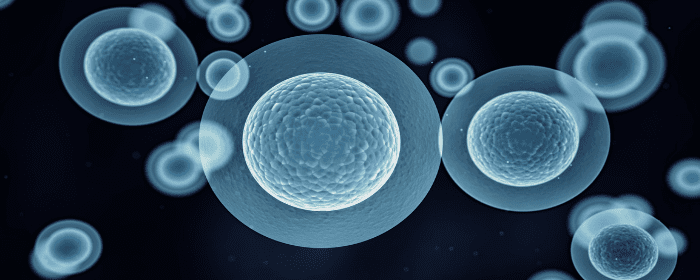
Over the last decade, the field of stem cell therapy has grown in research and awareness. This growth is thanks to mesenchymal stem cells (MSCs,) the type of cells most commonly explored for their powerful reparative properties. Medical professionals can harvest and concentrate these MSCs from multiple sources, making them more accessible. As a result, stem cells can be used as a form of regenerative medicine. This intervention offers potential benefits for patients suffering from neurodegenerative, orthopedic, and autoimmune conditions. This article will outline some basic information about MSCs and how Mesenchymal stem cells repair.
Basic Biology of MSCs
Stem cells are a unique type of cell. Unlike other cells, MSCs can divide into daughter cells and then transform into specialized cells such as those found in bone, brain matter, and soft tissue. Stem cells can be divided into two broad categories, embryonic and adult stem cells.
Adult stem cells are the primary type used in modern medical interventions. When adult stem cells were initially discovered, scientists believed they were only present in the bone marrow.
While bone marrow aspirate can be an ideal source of stem cells, they are also present in adipose tissue, dental pulp, the kidneys, amniotic fluid, and the amniotic membrane. However, they are primarily harvested from adipose tissue, bone marrow, or umbilical cords.
MSCs’ Reparative Properties
Stem cells are naturally present in the human body. However, the concentration of these valuable cells is reduced as people age. As a result, older individuals typically have longer recovery times from injuries and are more prone to degenerative conditions.
Mesenchymal stem cells allow medical professionals to circumvent this natural degradation. They can harvest stem cells, concentrate them, and then administer them to a specific location, such as the site of an injury. Once administered, the stem cells will seek out inflammation and repair damaged tissue, thereby accelerating the natural healing process.
The Harvesting Process
Before they can be administered, stem cells must be harvested. Many patients opt for autologous stem cell therapy. This treatment involves the concentration of stem cells derived from the patient’s existing body tissues.
When preparing to harvest stem cells, the provider usually administers a local anesthetic. The provider will then harvest either bone marrow aspirate or adipose (fat) tissue depending on the preference and treatment plan. The stem cells are processed, concentrated, and administered back to the patient to targeted areas.
Stem cells have the potential to supplement the patient’s healing capabilities for six months to a year. This intervention can be utilized to treat many different conditions and may offer patients an alternative to traditional options or in conjunction with. If you would like to learn more about how Mesenchymal Stem Cells repair, contact us today!
by admin | Oct 8, 2021 | Stem Cell Therapy, Exosomes, Parkinson's Disease, Stem Cell Research
Parkinson’s disease (PD) is a debilitating neurodegenerative disorder that currently affects nearly 6 million people worldwide and is currently the second most common neurological condition, behind only Alzheimer’s.
Although the exact cause of PD remains unclear, the condition is characterized by the gradual loss of nerve cells in the brain responsible for producing the neurotransmitter dopamine[1]. While no cure for PD currently exists, current therapeutic treatment approaches focus on improving quality of life but are not able to prevent or slow the progression of the disease.
Recent research has demonstrated positive effects of mesenchymal stem cell (MSC) transplantation that has been associated with secromes; noted beneficial effects include providing a self-regulated regenerative response that limits the area of lesions. Additionally, these MSC-derived secretomes compose soluble factors and encapsulated extravesicles (EV). These EVs have been found to have a significant impact on physiological processes, including cell-to-cell communication.
Considering MSCs are readily available and easily isolated from a number of sources, including adipose tissue, umbilical cord Wharton’s Jelly, bone marrow, and dental pulp, these stem cells are thought to hold potential as a therapeutic approach to managing PD.
As part of this review, d’Angelo et al. highlight a number of studies demonstrating the potential of MSCs in improving a number of conditions and symptoms consistent with those demonstrated in PD. In these studies, animal models demonstrate improved motor behaviors and correction of functional impairment after transplantation of MSCs.
The authors point out that further research exploring cell-free, therapeutic, personalized approaches for the different neurodegenerative diseases, including PD, is needed.
d’Angelo et al. also note that, while MSC-derived secretomes have shown positive effects on neuronal cell survival, differentiation, and proliferation, further studies are needed to fully understand all of the bioactive molecules.
Since MSC-derived secretomes are able to stimulate neurotrophic and neuronal survival pathways and appear to counteract neuronal death, they could potentially be a beneficial tool in future management and prevention efforts for a number of neurodegenerative conditions, including Parkinson’s disease, Alzheimer’s disease, and stroke.
Source:(2020, July 23). Insights into the Effects of Mesenchymal Stem Cell-Derived … – NCBI. Retrieved from https://www.ncbi.nlm.nih.gov/pmc/articles/PMC7432166/
[1] “Parkinsonfoundation.org -.” https://parkinsonfoundation.org/. Accessed 5 Oct. 2021.
by admin | Oct 6, 2021 | Health Awareness
In recent years, people across the nation have become more conscious of the foods they consume. You may have implemented basic detoxing tips or started to work on cleaning up your diet.
However, one of the most popular whole grains out there has some hidden side effects that you should know about. While it is often considered a healthier alternative to white rice, brown rice may have some effects to consider.
Brown Rice Contains Small Amounts of Arsenic
Arsenic is a toxic chemical that may be present in brown rice. This toxin has been associated with an increased risk of diabetes, heart disease, and cancer.
Some studies suggest that rice contains concentrations of arsenic that are up to 10 times that of other grains. If you decide to eat brown rice, do so in limited quantities and make sure to rinse it thoroughly before cooking, as this can help reduce the concentration of arsenic.
Brown Rice Can Cause Digestive Issues
Brown rice is richer in fiber than white rice and many other grains. While consuming more fiber has its benefits, some individuals are sensitive to it. In those individuals, excessive brown rice consumption can cause digestive distress, such as constipation or bloating.
To reduce your risk of experiencing this side effect, you may want to consider limiting your grain intake. Working anti-inflammatory foods into your diet can also be beneficial for your overall wellbeing.
Brown Rice Can Elevate Your Blood Sugar
Especially when consumed in large quantities, brown rice can elevate your blood sugar. It has about as many carbs per serving as white rice, which means that you should consume it in moderation.
While eating brown rice certainly has its benefits, you should be aware of how much you are consuming at any one meal. When incorporated into a healthy way of eating, brown rice is an enjoyable grain that pairs well with just about any protein.
by Stemedix | Oct 4, 2021 | Stem Cell Therapy
Whether you’re suffering from a neurodegenerative condition like ALS or are recovering from a sports or athletic injury, regenerative medicine, also known as stem cell therapy, offers a host of potential benefits for treating your condition. However, one of the most common questions we hear is when patients should seek to start stem cell therapy treatments. Of course, there’s no single, simple answer, since each patient’s case is unique. However, in general, results may be most optimal soon after newly diagnosed conditions. This does not mean results may not be beneficial if the condition or injury has been endured for a longer period.
Is There a Time Consideration When to Have?
Stem cell treatments have a greater potential to help provide relief if the injury is relatively minor or if the condition is a newer diagnosis. For many conditions, that means seeking treatment early in the progression stage. If it is later, more subsequent therapies may be a potential need to help manage symptoms or the condition further.
Still, no matter how long you’ve been dealing with your condition, stem cells hold a potential alternative option to provide a management tool for some degree of improvement or stabilization. When it comes to stem cell therapy, it helps to think less in terms of shortening the problem and more in terms of how there is potential to help reduce the severity.
Treating Orthopedic Conditions
One of the most common reasons patients seek stem cell therapy is to help recover from a musculoskeletal injury. These injuries often cause pain in joints like the knee and the hip. By introducing stem cells into the affected area, it has the ability to stimulate regenerative and healing properties, which can help to lessen the severity of the injury.
When dealing with newly diagnosed conditions, it is important to allow time for the treatment to have its course of healing potential on the injury and body. It is important to also follow post-management care for the most optimal outcomes.
Considerations for Post-Treatment
Depending on your condition, you may need to avoid strenuous exercise or overuse of a joint or muscle for a period of time. However, many times you can simply return to everyday life, as long as you take care not to aggravate the area.
It’s a good idea to block out a day for your treatment and plan for a short recovery period if an active lifestyle is a normal part of your day-to-day. You may experience some mild soreness, but in many cases, you will be able to resume your everyday life with careful healing instructions. If you would like to schedule a consultation contact a care coordinator today!
by admin | Oct 1, 2021 | Stem Cell Therapy, Osteoarthritis, PRP, Stem Cell Research
With nearly 30 million people in the US affected by osteoarthritis (OA), the condition continues to be among the leading causes of chronic pain and disability. Considering that advances in medical technology have increased overall life expectancy, the number of people living longer and dealing with the effects of OA is expected to increase for the foreseeable future.
Although modern medicine has improved the way most diseases and chronic conditions are diagnosed and treated, OA treatment has not benefited from these advances. As a result, treatment and prevention of OA continue to focus primarily on controlling and minimizing symptoms associated with the condition, not treating or preventing the condition itself. Unfortunately, for many, when symptoms of OA progress to a point where the pain is no longer able to be managed, their options look to surgical replacement of the affected joint.
While there are many contributing factors related to the onset and progression of OA, including obesity, history of trauma, genetics, and heritable and acquired disorders, there also appears to be an association between the onset of OA and a depleted local population of mesenchymal stem cells (MSCs).
Considering the apparent relationship between OA and MSCs, Freitag et al. reviewed the reparative pathways, safety, and efficacy of MSC therapy in the treatment of osteoarthritis.
With their ease of harvest and ability to expand into chondrocytes, MSCs have continued to gain interest when exploring various stem cell therapies for the active management of pain and symptoms associated with OA.
Freitag et al. found that preclinical and clinical results of studies of cartilage repair techniques that utilize MSCs, including MSC scaffold transplantation techniques, MSC injectable techniques, MSC as a vehicle for platelet-rich plasma (PRP), and hyaluronic acid (HA) as an active carrier of MSCs, have all shown favorable results in supporting the benefits of MSC for the improvement of function and regeneration of new tissue in those afflicted with OA.
With over 400 active trials currently examining the efficacy of MSCs in the treatment of a variety of conditions, including OA, the safety of utilizing MSC therapy continues to draw interest from the medical community.
Although some early studies appeared to raise the question of abnormal cell growth, and ultimately the safety, associated with MSC therapy, the authors’ systematic review of clinical trials found that, while caution needs to be undertaken when culturing MSCs, the evidence demonstrates MSCs are generally safe for therapeutic use for the treatment of OA.
Freitag et al. conclude that the rapid progression of OA and related conditions demonstrate the need for therapies that repair and prevent these diseases, not just manage pain and related symptoms. As such, the authors feel MSC therapy offers a safe and viable option for the eventual treatment and prevention of OA and calls for further randomized controlled trials to evaluate the most effective applications of MSCs for managing osteoarthritis.
Source: (2016, May 26). Mesenchymal stem cell therapy in the treatment of osteoarthritis. Retrieved from https://bmcmusculoskeletdisord.biomedcentral.com/articles/10.1186/s12891-016-1085-9





 St. Petersburg, Florida