by Stemedix | Jun 6, 2022 | Chronic Pain
Pressure on the sciatic nerve can cause a painful condition called sciatica. Sciatica pain radiates down the lower spine to the buttock and then down the back of the leg. The pain of sciatica can exist anywhere down the nerve’s pathway and is often caused by a herniated disc. While most sciatica pain eventually dissipates on its own, some patients endure chronic pain that needs more aggressive treatment. Here we will discuss the best ways to treat Sciatica pain.
What Are the Best Treatments for Sciatica Pain?
Most treatments for sciatica pain are non-surgical. However, surgery may be the best treatment option when sciatic nerve pain causes more concerning symptoms, such as significant weakness, loss of bowel or bladder control, or pain that continues to worsen.
Additional sciatica pain treatments include:
Balancing Rest and Low-Impact Exercise
Short periods of bed rest may be necessary when sciatic nerve pain flares up. However, low-impact exercises can provide sciatica relief, including walking, biking, swimming, and yoga.
Exercise improves the muscles and joints of the spine, increases blood flow, and reduces pressure on your nerve roots. In addition, daily exercise can offer relief from further sciatica flare-ups.
Heat and Ice Therapy
Hot and cold therapy treatments can reduce swelling, relieve pain, and expedite healing. Applying cold compresses to the source of your back and sciatic pain can numb the pain, ease inflammation, and temporarily send blood away from the site of the cold therapy.
After 20 minutes or less, removing the cold compresses and switching to heat therapy stimulates increased blood flow to nourish the site of the pain with nutrient-rich, oxygenated blood. The combined process offers pain relief and engages the natural healing process.
Physical Therapy
Your physician may recommend physical therapy to stretch and strengthen the back and reduce pressure on the sciatic nerve. Additionally, these exercises can improve your alignment and posture, making further spinal concerns less likely.
For optimal, long-term results, continue any prescribed physical therapy treatments until the regimen is complete.
Medications
Injuries trigger the body’s inflammatory response. That response sends chemicals to the injury site to promote healing and leak fluid into the tissues, causing swelling and protecting the injury.
However, sometimes that inflammation causes other concerns, like pressure on the sciatic nerve. NSAIDs like ibuprofen, aspirin, and naproxen are anti-inflammatory medications that can alleviate that pressure.
If sciatica pain doesn’t respond to the above medications, a doctor may prescribe muscle relaxants or opioids for a short period.
While most of those who suffer from sciatic nerve pain find the condition resolves independently, you can expedite the recovery process with the above treatments. If you want to learn more about ways regenerative medicine and stem cell therapy have been able to help treat sciatica pain, contact us today at Stemedix. We are here to help you!
by admin | Jun 3, 2022 | Parkinson's Disease, Stem Cell Research
Research has shown neuroinflammation to have a significant role in the pathogenesis of Parkinson’s disease (PD). Much of this same research has also demonstrated mesenchymal stem cells (MSCs), and specifically, allogeneic bone marrow-derived MSCs, can be effectively used as an immunomodulatory therapy for the potential treatment of PD.
The goal of Schiess et al.’s study was to evaluate the safety and tolerability of first-of-its-kind intravenous allogeneic bone marrow-derived MSCs (allo-hMSCs) in patients with PD.
Neurological disorders continue to be the leading cause of disability-adjusted life years lost worldwide (a statistical measure of years of healthy life lost as a result of death or disability relating to the constitution). While the numbers of those diagnosed with neurological disorders, including stroke, multiple sclerosis, motor neuron disease, and dementia continue to increase at a rapid rate, none are growing as fast as PD.
Considering the rapid progression of progressively intensifying symptoms associated with PD and the relatively poor progress in the discovery of therapies to prevent, or even slow, progression of PD, the authors identified the identification of effective and safe disease-modifying therapies for PD to be a priority.
As part of this study, Schiess et al. studied the peripheral immune system in PD neurodegeneration through the evaluation of LPS rat models, glial cells, and cerebrospinal fluid gathered from patients. As a result of these investigations, the authors determined that an adaptive immune response does contribute to progression supporting the rationale for using MSCs as a potential therapy for PD.
To evaluate the effectiveness of this therapy, Scheiss et al. developed and conducted a single-center, open-label, ascending-dose-escalation phase 1 clinical study involving 20 patients with mild to moderate PD. Participants were assigned to single intravenous doses of 1 of 4 doses and evaluated at weeks 3, 12, 24, and 52 post-infusion.
In addition to evaluating the safety and tolerability of an intravenous infusion of bone marrow-derived allow-hMSCs, the research team also evaluated participants for relevant biomarkers for the mechanism of action and clinical assessment of PD progression.
The authors point out that while there were no serious adverse reactions related to the infusion and no responses to donor-specific human leukocyte antigens, the most commonly reported side effect was dyskinesias and hypertension. Further studies will need to monitor the emergence or exacerbation of post-infusion dyskinesias and hypertension to better understand their occurrence as part of this study.
In conclusion, Sheiss et al. found that a single infusion of allogeneic MSCs ranging from 1 to 10×106 intravenous allo-hMSCs/kg was safe, well tolerated, and not immunogenic in patients with mild-to-moderate PD. The authors also found that peripheral inflammation markers appeared to be reduced at 52 weeks after receiving the highest dose, leading to the conclusion that the highest dose had the most significant effect at the 52-week interval.
Based on these findings, the authors recommend moving forward with a phase 2 randomized, placebo-controlled efficacy trial using allo-hMSCs in a larger population of well-defined Parkinson’s disease patients.
Source: “Allogeneic Bone Marrow-Derived Mesenchymal Stem Cell Safety in ….” 27 Mar. 2021, https://movementdisorders.onlinelibrary.wiley.com/doi/full/10.1002/mds.28582.
by Shoot To Thrill Media | Jun 2, 2022
Vitamin Infusions Discover how vitamin infusions can boost your immune system, enhance your beauty, increase your energy, and enhance your athletic performance. Vitamin Infusions Discover how vitamin infusions can boost your immune system, enhance your beauty,...
by Stemedix | May 30, 2022 | Pain Management, Athletic Injury, Stem Cell Therapy
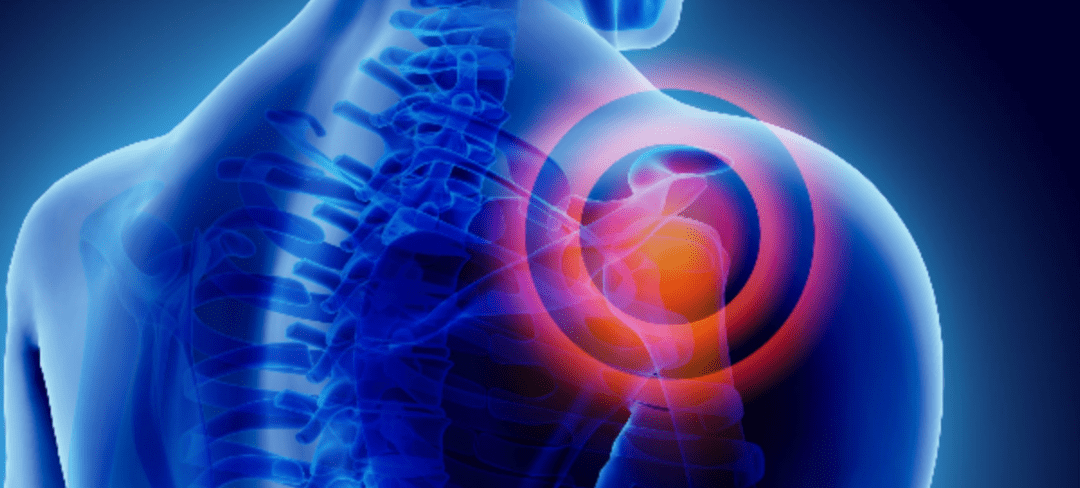
The human shoulder is not as simple as it looks from the outside. It’s made of multiple bones, tendons, and muscles that all work together to give you a full range of motion. The three bones in the shoulder are the scapula (shoulder blade), the humerus (upper arm bone), and the clavicle (collar bone). In this article with will discuss shoulder impingement syndrome.
A group of tightly packed muscles known as the rotator cuff stretches from your shoulder blade to the top of your humerus to keep the humerus sitting comfortably in the glenohumeral joint, or shoulder joint. The rotator cuff is what gives you the ability to rotate your arms and raise them above your head.
However, with so many moving parts packed into such a small area, there are lots of opportunities for something to go wrong. Since the rotator cuff sits between two bones, it’s vulnerable to becoming pinched between them. This is known as shoulder impingement syndrome.
What Causes Shoulder Impingement Syndrome?
Shoulder impingement syndrome can be caused by anatomical abnormalities, such as bone spurs, that limit the amount of room the humerus has to move within the shoulder joint. However, it’s more often caused by overuse of the shoulder or injury.
When the rotator cuff is overused, injured, or irritated, the tendons begin to swell. You’ve probably experienced swelling in other parts of your body before. It’s uncomfortable, but it’s usually not a big deal and subsides within a few days. But since the rotator cuff is surrounded by bone, it doesn’t have room to swell without the tendons rubbing against bone.
The more the tendons rub against bone, the more swollen they become. And the more swollen they become, the more they rub against the adjacent bones. It’s a vicious circle that can be hard to break.
How To Manage The Pain
Shoulder impingement syndrome can limit your range of motion by causing weakness and stiffness in your arm and making it painful to lift, reach, and rotate your arm. But the pain can be managed using a few different methods.
When the syndrome is caught early, physical therapy can be very effective at reducing inflammation, improving your range of motion, and strengthening your rotator cuff. NSAIDs like ibuprofen, aspirin, and naproxen can also be taken to temporarily reduce the pain caused by swelling and inflammation. For severe cases of shoulder impingement syndrome, surgical intervention may be required.
However, an increasing number of people are looking into regenerative medicine as an alternative option to avoid surgery and, in some unavoidable cases, recover from surgery. Mesenchymal stem cells offer a potential therapeutic and restorative option to help manage pain, decrease inflammation, and repair damaged tissues. Their paracrine signaling through extracellular vesicles generates a regenerative microenvironment that helps to inhibit scar tissue formation, reduce inflammation, and promote angiogenesis. If you would like to learn more about the treatment options for shoulder impingement syndrome, contact a care coordinator today at Stemedix!
by Shoot To Thrill Media | May 25, 2022
Medical Referral Form This form is for use by medical personnel only. Thank you for referring your patient to us. Please take a moment to fill out the details below. Asterisk (*) denotes required field. Or download a printable copy below to fill out and email back to...


 St. Petersburg, Florida