End-stage kidney disease (ESKD) occurs when the kidneys cannot function at a level that supports the body’s needs. The kidneys serve a critical role in the body, removing waste and excess water.
Patients with chronic kidney disease may find the functionality of their kidneys declines slowly over ten to twenty years before reaching this stage. The most common causes of ESKD are diabetes and high blood pressure.
How Is ESKD Treated?
The two primary conventional treatments for ESKD are dialysis and kidney transplants. Patients who have retained only 10%–15% of their kidney function typically require dialysis.
Dialysis takes over the following functions of the kidneys as their performance declines:
Removing excess waste, water, and salt
Maintaining safe levels of vitamins and minerals
Controlling blood pressure
Helping produce red blood cells
Frequently, patients require dialysis while they wait for a kidney transplant.
What Can Peptide BPC-157 Do for the ESKD?
Clinical studies examining peptides’ effects on restoring organ function found significant benefits in treating ESKD with peptide BPC-157. Peptides are strings of amino acids that create proteins in the body. While the body naturally produces peptides, scientists can also form them in a lab to mimic those in the body.
In a 2019 clinical case, a patient whose kidney function had declined to the point that he required five dialysis treatments a week to stay alive underwent peptide therapy to repair the organ damage.
The treatment resulted in a dramatic improvement in his kidney function and overall health. Within two months, the patient’s dialysis needs declined from five weekly treatments to one, and the peptides remarkably restored his gait, strength, and balance.
The Significance of Peptide Treatments
The importance of the healing effects of peptide treatments can’t be understated. Patients with chronic kidney failure, heart failure, and other conditions currently have minimal options through conventional medicine.
As peptide treatments and other innovative medical approaches deliver positive results, it opens the door to further studies and potential therapy options for previously untreatable conditions.
Stem cells are essential in understanding human development, disease, injury, and potential treatments and cures. However, since the initial research on these critical cells began with embryonic stem cells, many people dismiss the benefits of stem cell research and treatment as controversial. Unfortunately, that dismissal ignores what may be of adult stem cells, which are more commonly used in therapies today. Adult stem cells provide the same benefits as embryonic stem cells but with some limitations.
What Are Stem Cells?
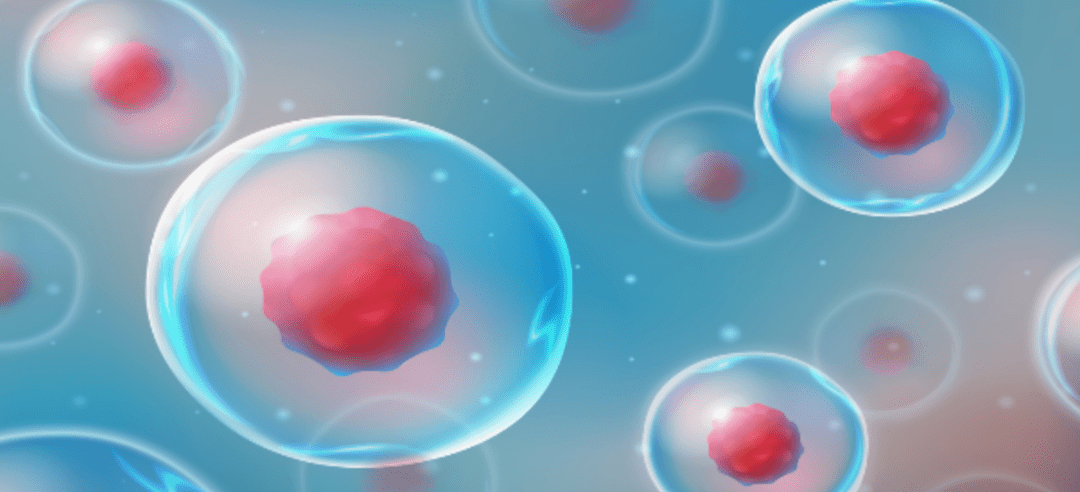
Stem cells are unique cells found in the human body that are the only cells that can differentiate into new cell types. Depending on the need, stem cells can divide and create brain, muscle, and blood cells, as well as various other specialized cells in the body. This ability earned them the label of the “building blocks of cells.”
Stem cells may also help repair damaged tissues, allowing them to play a critical role in managing condition and injury symptoms.
What Are the Types of Stem Cells?
There are two primary forms of stem cells – embryonic and adult.
Embryonic Stem Cells
Embryonic stem cells come from a blastocyst, an early-stage embryo before it implants. In the very early days of forming a human, cells reach a blastocyst stage, which occurs about four to five days after fertilization.
Embryonic stem cells are particularly valuable since they can divide unlimitedly under the right conditions. Since these are the very first cells the body forms to make a human, they can become all types of cells. In addition, they are pluripotent, meaning they can become many types of cells.
The embryonic stem cells used in research now come from unused embryos donated from in-vitro procedures.
Adult Stem Cells
Adult stem cells have two main types. One type of adult stem cell comes from tissue inside the body, such as bone marrow, fat tissue, or skin tissue. However, the number of stem cells in these tissues is limited, and they can only differentiate into specific types of cells, making them multipotent, not pluripotent.
Scientists have discovered ways to change adult stem cells in a lab to make them pluripotent, like embryonic stem cells. These are induced pluripotent stem cells, and they still come from adult tissue.
Stem Cell Therapy
Currently, physicians and scientists may use hematopoietic stem cells (HSCs) or mesenchymal stem cells (MSCs) to help manage conditions. HSCs are adult cells found in the bone marrow. Recently, researchers have found strong evidence that HSCs are pluripotent and may serve as the source of most cells in the body. MSCs are a multipotent cell that can differentiate into different tissues in the body and are found in adipose (fat), umbilical cord, and bone marrow tissues.
While the early years of stem cell research focused on embryonic stem cells, researchers are now uncovering the capability of adult stem cells and discovering new and exciting ways to help patients with managing their conditions and injuries with these unique cells. To learn more about the services offered at Stemedix, contact us today!
Osteoarthritis is the most common form of arthritis, affecting 32.5 million adults, according to the Centers for Disease Control and Prevention. This condition appears most often in the hands, knees, and hips. It causes the cartilage inside a bone to start to break down, changing the bone itself. There are many treatment options for osteoarthritis, but one of the most promising for managing symptoms and possibly even reducing the condition’s effects is regenerative medicine, also known as stem cell therapy.
What Is Osteoarthritis?
Osteoarthritis is an incurable and chronic degenerative disease of the joints. With time, the cartilage that works to cushion the ends of the bones begins to wear down. Ligaments and tendons break down, as well, and inflammation increases.
Some of the most common symptoms of osteoarthritis include the following:
People who have joint or stress injuries, who have a genetic predisposition to osteoarthritis, or who are obese are at a higher risk of developing this condition. It is also more common in women than in men.
There are two types of osteoarthritis. The first type is primary osteoarthritis, which affects the fingers, hips, knees, spine, and big toes.
Secondary osteoarthritis appears with a pre-existing joint abnormality from trauma or injury. It can also stem from inflammatory arthritis, infectious arthritis, metabolic disorders, or genetic joint disorders.
Regenerative Medicine for Osteoarthritis
Stem cells are cells that are not mature. They can divide and change into different cells with specialized functions. Using adult mesenchymal stem cells instead of embryonic cells is the most common option for osteoarthritis. These stem cells are present in bone marrow, umbilical cord, and fat tissues.
By using stem cells, it is possible to promote the regeneration of cartilage. This regeneration can help reduce pain while also improving joint function.
Stem cells have the capability of replacing damaged cells anywhere in the body. Depending on the tissue that surrounds them, stem cells can become bone, cartilage, tendon, muscles, or fat.
These cells also release anti-inflammatory factors to combat pain and support healing. When injected into the joints, they can potentially improve flexibility and movement.
Choose Stem Cell Therapy for Osteoarthritis Relief
Although stem cell therapy is a new and alternative option for the treatment of conditions like osteoarthritis, it shows promising results. Stem cell therapy has the ability to reduce symptoms of this degenerative disease, helping you regain movement in the affected joints while reducing pain. If you would like to learn more about how stem cell therapy can help with the treatment of osteoarthritis, contact Stemedix today!
Spinal cord injury (SCI) continues to be a significant cause of disability. In fact, it is estimated that annual SCIs account for nearly 18,000 injuries in the United States and between 250,000 and 500,000 injuries worldwide[1]. While the main cause of SCIs in the United States continues to be motor vehicle accidents, other contributors include falls, recreational accidents, and complications from medical procedures.
In their attempt to minimize damage after SCI, researchers have proposed several treatment options. This review conducted by Zoehler and Rebellato identifies cell therapy, and specifically treatment with mesenchymal stem cells (MSCs), as the primary form of neuroregenerative treatment for SCIs.
Research has shown that mammals are unable to regenerate nervous cell tissue in an area damaged as a result of a SCI, which means currently they will be subject to permanent disability after suffering such an injury.
Current treatments for SCIs have proven unable to repair the damage, rather they are used to relieve SCI-associated symptoms, including pressure and scarring, while also attempting to reduce hypoxia resulting from edema and hemorrhaging. One such treatment, spinal compression surgery, has shown to be successful at achieving these outcomes with results being much better if the surgery is completed within 24-hours of the SCI.
Another treatment currently used after SCI is methylprednisolone sodium succinate (MPSS) administered intravenously. In addition to inhibiting lipid peroxidation, MPSS inhibits post-traumatic spinal cord ischemia, supports aerobic energy metabolism, and attenuates neurofilament loss. However, because this treatment is associated with gastrointestinal bleeding and infection, it is recommended to be used with caution.
While not yet fully understood, cell therapy – and specifically therapy using MSCs – has presented promising findings related to regenerating tissue after a SCI. It is widely believed that MSCs effectiveness is related to their ability to secrete different factors and biomolecules.
MSCs also reduce inflammation, which is important in this application because inflammation is known to be a secondary event after sustaining initial SCI.
The authors point out that a better understanding of the specific mechanisms related to the regenerative effects of MSCs used when treating SCI is required in order to develop future MSC-based treatments designed to address SCI in humans. Currently, despite the recent increased focus on the use of cell therapy to treat SCI and central nervous system trauma, there is no consensus on a number of essential topics, including cell type, source, number of cells infusion pathways, and number of infusions to achieve this goal.
Zoehler and Rebellato also point out that it’s important to better understand how the reorganization of injured neural tissues associated with MSCS is related to the restoration of neural function.
Numerous animal model and human clinical trials have confirmed the regenerative and neuroprotective potential of MSCs without adverse effects during or after infusion. The authors close this review by highlighting that MSCs continue to demonstrate potential as an alternative for SCI therapy, primarily because the therapy is not limited by the time of injury and has shown measurable improvements in patients with complete and incomplete SCI.
Source: Fracaro L, Zoehler B, Rebelatto CLK. Mesenchymal stromal cells as a choice for spinal cord injury treatment. Neuroimmunol Neuroinflammation 2020;7:1-12. http://dx.doi.org/10.20517/2347-8659.2019.009
A Brand New Approach to Medicine A worry-free process customized just for you.Combining Pain Management and Regenerative Medicine.For Orthopedic, Neurodegenerative, Autoimmune, and Wellness conditions. Request Information Packet The 2023 Top Regenerative Medicine...
This website and its contents are not intended to treat, cure, diagnose, or prevent any disease. Stemedix, Inc. shall not be held liable for the medical claims made by patient testimonials or videos. They are not to be viewed as a guarantee for each individual. The efficacy for some products presented have not been confirmed by the Food and Drug Administration (FDA).
This website uses cookies to improve your experience while you navigate through the website. Out of these cookies, the cookies that are categorized as necessary are stored on your browser as they are essential for the working of basic functionalities of the website. We also use third-party cookies that help us analyze and understand how you use this website. These cookies will be stored in your browser only with your consent. You also have the option to opt-out of these cookies. But opting out of some of these cookies may have an effect on your browsing experience.
Necessary cookies are absolutely essential for the website to function properly. This category only includes cookies that ensures basic functionalities and security features of the website. These cookies do not store any personal information.
Any cookies that may not be particularly necessary for the website to function and is used specifically to collect user personal data via analytics, ads, other embedded contents are termed as non-necessary cookies. It is mandatory to procure user consent prior to running these cookies on your website.
Subscribe To Our Newsletter
Join our mailing list to receive the latest news and updates from our team.
You have Successfully Subscribed!
Request Information Packet
We'll send your FREE information packet that outlines our entire personalized, stress-free stem cell treatment process!
Thanks for your interest!
Request Information Packet
We'll send your FREE information packet that outlines our entire personalized, stress-free stem cell treatment process!
Thanks for your interest!
Request Information Packet
We'll send your FREE information packet that outlines our entire personalized, stress-free stem cell treatment process!
Thanks for your interest!
Request Information Packet
We'll send your FREE information packet that outlines our entire personalized, stress-free stem cell treatment process!
Thanks for your interest!
Request Information Packet
We'll send your FREE information packet that outlines our entire personalized, stress-free stem cell treatment process!
Thanks for your interest!
Request Information Packet
We'll send your FREE information packet that outlines our entire personalized, stress-free stem cell treatment process!
Thanks for your interest!
Request Information Packet
We'll send your FREE information packet that outlines our entire personalized, stress-free stem cell treatment process!
Thanks for your interest!
Request Information Packet
We'll send your FREE information packet that outlines our entire personalized, stress-free stem cell treatment process!
Thanks for your interest!
Request Information Packet
We'll send your FREE information packet that outlines our entire personalized, stress-free stem cell treatment process!
Thanks for your interest!
Request Information Packet
We'll send your FREE information packet that outlines our entire personalized, stress-free stem cell treatment process!
Thanks for your interest!
Request Information Packet
We'll send your FREE information packet that outlines our entire personalized, stress-free stem cell treatment process!
Thanks for your interest!
Request Information Packet
We'll send your FREE information packet that outlines our entire personalized, stress-free stem cell treatment process!





 St. Petersburg, Florida