

Stem Cell for Hair Loss
Stem Cell for Hair Loss Discover an alternative method to restore and regenerate new, healthier hair growth. Both men and women can experience hair loss, which can be caused by a variety of factors. The aging process affects every cell and organ in the body, and stem...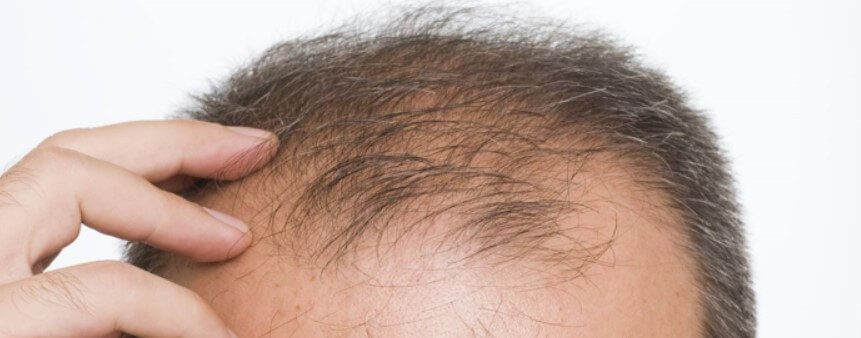
Regenerative Medicine for Hair Loss. Healthy Regrowth
Your hair can be part of your identity. For some people, their hair is a symbol of their spiritual beliefs. Whether you’re focused on beauty and aesthetics or a deeper meaning behind your hair, hair loss can be devastating.
For some people, regenerative medicine is an innovative, research-based solution to hair loss. Learn more about how regenerative hair loss treatments may restore your healthy locks.
How Hair Loss Is Related to Your Well-Being
Losing hair is often a symptom of an underlying health problem. While some people experience hair loss due to genetics or lifestyle choices, others may face lurking medical issues. Here are some of the ways your hair growth (or lack thereof) is related to your physical and mental wellness.
Self-Esteem and Confidence
You may feel embarrassed, ashamed, or self-conscious if you start to lose your hair. Both men and women struggle with remaining confident after significant hair loss. Your mental well-being may suffer if you can’t get your hair to grow back on its own.
Some cultures associate losing hair with aging and other stereotypes. This can be devastating for someone going through medical, hormonal, or age-related hair loss. Healthy hair regrowth may help you regain the confidence you lost.
Hormones
Your hormones are chemical messengers that regulate all of your body’s processes. Hair growth is tied to your hormones, and any fluctuations or declines in certain hormones can lead to losing hair. Think about post-pregnancy hair shedding; this happens because your body’s cascade of pregnancy hormones changes.
Hormonal changes as you get older can affect your hair. Age-related hair loss and thinning primarily affect women due to declines in estrogen production, but this problem can affect men as well.
Genetic Baldness
Male-pattern baldness is passed down through families. If you carry the gene for this condition, you may experience very early balding, starting in your 20s or 30s. This can change your appearance and make you feel older than you really are.
There are no ill physical effects from male-pattern baldness besides losing hair. However, you may experience poor mental health as a result of your unwanted early hair loss and thinning.
There is no cure for male-pattern baldness, but you can take steps to treat it. Regenerative medicine is here to intervene and treat hair loss in a natural, science-based way.
ExogroPro: The Latest in Hair Regrowth Science
When you experience hair loss of any kind, you probably have two priorities — prevent further hair loss and replenish your missing hair. ExogroPro, a professional-grade hair loss solution, addresses both of these problems at once.
How It Works: Preventing Further Hair Loss and Regrowing Lost Hair
ExogroPro works to stimulate your hair follicles, causing them to grow healthy hair again. This treatment uses the power of specific exosomes, which carry materials between your cells.
ExogroPro is designed to send signals to your hair follicles that stimulate hair growth. Because of exosomes’ extracellular communication abilities, they may be able to revive “dead” hair follicles on your head.
Because of this treatment’s therapeutic effects on hair follicle health, it may help prevent further hair loss and thinning. By rejuvenating your hair follicles and preventing them from going dormant, ExogroPro offers a possible solution to unwanted lost hair.
The Procedure: What to Expect
The premium patent pending ExogroPro formula is injected into the scalp to deliver exosomes to the hair follicles. These exosomes originate from human stem cells, specifically mesenchymal stem cells. This is just another way we can harness the power of stem cells to regenerate and repair damaged tissues within your body.
After two to six months, you may notice your hair growing back thicker and fuller than before. The results window varies, but one thing is certain — hair regrowth is worth the wait.
The Benefits of Choosing Regenerative Medicine for Hair Growth
With many prescription hair growth drugs on the market, you may be wondering — why choose ExogroPro? Here are the major benefits of choosing regenerative medicine for hair regrowth and thickening.
May Be More Effective Than Traditional Treatments
There are numerous treatments for hair loss, including PRP injections, topical oils, and more. These have varying efficacy and likely won’t give you the results you’re looking for. Prescription-strength hair growth drugs may not work for you either, resulting in frustration and discouragement.
Regenerative medicine harnesses the power of science and innovation. By using human stem cells, we work with the body processes already in place within your system. Exosomes may prove to be more effective and efficient than other hair loss solutions.
Drug-Free Therapy
Exosomes are naturally found in the human body. When you choose ExogroPro, you choose drug-free natural therapy for your hair and scalp.
While prescriptions can be helpful for some people facing hair loss, it’s understandable to want a natural alternative. We work with your natural healing and regrowth processes, not against them.
Dual-Action Treatment: Prevention and Active Regrowth
It’s impressive to consider how ExogroPro not only prevents further lost hair but can revive faulty hair follicles. This dual mechanism is key to getting the full head of hair you’re after. If it works for you, you’ll no longer have to mourn the hair you’ve lost — you could potentially get it back!
Encourages Hair Health
Solving hair loss isn’t just about replacing lost hair. It’s also about growing healthy, strong locks that can withstand damage and remain intact. ExogroPro promotes hair follicle health by improving cellular communications in the injected tissues. What’s more promising than the idea of a full, healthy head of hair after hair loss and thinning?
Combating Hair Loss and Thinning with Medical Science
It’s important to seek evidence-based treatments for your hair loss. No matter what the root cause of your hair problems is, you may find regenerative medicine to be a viable solution.
You don’t have to mourn your lost hair forever. Regenerative medicine is at the forefront of medical innovation and science, which could spell good news for your hair.

The Power of Exercise: Lowering Blood Pressure Naturally
High blood pressure, or hypertension, is a common health concern affecting millions of people worldwide. While medications can help control it, lifestyle changes can also make a significant impact. Regular exercise has been identified as a powerful tool for reducing blood pressure naturally. In this blog post, we’ll explore the best exercises to lower blood pressure and understand why they are so effective.
Understanding Blood Pressure:
Before we delve into the exercises, it’s crucial to grasp the basics of blood pressure. Blood pressure is the force of blood against the walls of your arteries. It consists of two values: systolic pressure (when the heart beats) and diastolic pressure (when the heart rests). High blood pressure puts extra strain on your heart and can lead to serious health issues, such as heart disease and stroke.
The Best Exercises for Lowering Blood Pressure:
Aerobic Exercise:
How it works: Aerobic exercises, like brisk walking, jogging, cycling, and swimming, elevate your heart rate and promote the flow of oxygen-rich blood through your arteries.
Why it’s effective: Consistent aerobic exercise helps improve the efficiency of your cardiovascular system, making your heart pump more blood with each beat and your blood vessels more elastic.
Strength Training:
How it works: Strength training, involving resistance exercises like weight lifting and bodyweight exercises (e.g., push-ups and squats), stimulates muscle growth and helps reduce the stiffness of arteries.
Why it’s effective: Strength training enhances blood vessel function, aids in weight management (a key factor in blood pressure control), and contributes to overall cardiovascular health.
Why Exercise Works:
Exercise promotes several positive changes in the body that can help lower blood pressure, including:
Weight Management: Regular exercise helps control weight, which is closely linked to blood pressure. Maintaining a healthy weight reduces the stress on the heart.
Reducing Arterial Stiffness: Both aerobic exercise and strength training can improve blood vessel function, reducing the stiffness of arteries and promoting better blood flow.
Stress Reduction: Physical activity triggers the release of endorphins, which can help reduce stress and anxiety, contributing to lower blood pressure.
Consult Your Healthcare Provider:
While exercise can be a powerful tool for managing blood pressure, it’s essential to consult your healthcare provider before starting a new exercise regimen, especially if you have pre-existing health conditions. They can provide guidance and recommendations tailored to your specific needs.
Exercise is a natural and effective way to lower blood pressure and promote overall cardiovascular health. Incorporating both aerobic and strength training exercises into your routine can have a positive impact on your well-being. By taking control of your health through regular physical activity, you’re not only reducing the risk of hypertension but also investing in a healthier, happier future.
Please visit more Health Awareness blogs on our website for more helpful information.
What to Do After a Parkinson’s Diagnosis?
Getting any serious medical diagnosis can be frightening and intimidating. You might be unsure of what to do next or how to manage your condition. When it comes to Parkinson’s disease, the future can be even more uncertain since it’s a progressive neurodegenerative condition. It’s important to make a plan for how you’ll proceed after receiving a Parkinson’s diagnosis. You aren’t alone on your journey. Here are some steps you can take after your doctor tells you that you have Parkinson’s disease.
Understanding Your Diagnosis
Before you make an action plan, you should fully understand your Parkinson’s diagnosis. It’s important to know how this disease can affect your physical, mental, and social health in the future.
Parkinson’s Symptoms
Every person with Parkinson’s experiences the disease slightly differently. However, there are some common symptoms to watch out for as the disease progresses.
Common Parkinson’s symptoms include:
- Muscle tremors
- Insomnia
- Muscle stiffness
- Slow movements
- “Shuffle walk”
- Hunched or stooped posture
- Small handwriting
- Sudden soft or low speech
- Mood swings
- Sudden weight loss
- Decreased appetite
- Poor balance and coordination
- Dizziness and fainting
These are just a few of the warning signs and symptoms that Parkinson’s is progressing. Often, motor symptoms are the giveaway that someone has Parkinson’s over other diseases. It’s important to get an official diagnosis from a physician before seeking treatment.
What Causes Parkinson’s Disease?
The cause of Parkinson’s disease is the degeneration of neurons in the brain that produce dopamine. Dopamine is a neurotransmitter that helps control voluntary movements, and without enough of it, your movements become uncoordinated or involuntary.
Researchers don’t yet know the exact cause of Parkinson’s. The disease may have genetic components, but it seems to appear in combination with environmental triggers.
Certain risk factors make it more likely for someone to develop Parkinson’s. These factors include being male or over the age of 60. However, these risk factors aren’t guarantees that someone will develop this disease.
Is There a Cure?
There is currently no cure for Parkinson’s disease. Since it’s a neurodegenerative condition, the neurons that produce dopamine will continue to die off over time. However, modern innovative treatments like stem cell therapy may slow the progression of your symptoms to improve your quality of life.
You can also make lifestyle changes to mitigate some of the movement-related symptoms of Parkinson’s. Exercise and a healthy diet can keep you in good physical and mental shape, giving you a better ability to fight this disease.
Start Tracking Your Symptoms
After you’ve been diagnosed with Parkinson’s disease, you should start tracking your symptoms. Whether you use an app or a paper journal, it’s important to notice trends and patterns in your symptom development. These records will also help your doctor or Parkinson’s specialist come up with the best treatment plan for you.
You can break your symptoms down by category — movement, cognition, speech and swallowing, and other common groups of Parkinson’s symptoms. Then, record the date and severity of each symptom, noting any concerning developments along the way.
It may give you a greater sense of control and autonomy to keep track of what’s happening in your body as the disease progresses.
Piece Together a Treatment Team
Your doctor or Parkinson’s specialist may already have a treatment team for you, but if not, consider taking the steps to make your own. This may mean visiting different offices, seeking alternative therapies, and communicating with other Parkinson’s providers.
The more professionals you have on your side, the more robust and effective your treatments can be. Encourage your treatment team to communicate via medical charting or telephone so everyone can be on the same page. Always report any changes to your treatments to your primary care doctor or Parkinson’s specialist.
Get Plenty of Exercise and Gentle Movement
One of the best ways to slow the progression of Parkinson’s and retain your motor skills is to exercise. Whether you choose low-intensity activities, like walking or gentle stretches, know that you’re making healthy choices for your body.
The more your brain and body connect to produce voluntary movements, the stronger those connections become, which may help delay the onset of more severe movement symptoms. If you’ve never been physically active, now is the time to start.
There are low-impact exercises that don’t put stress and pressure on your joints. These include swimming, cycling, yoga and stretching, and elliptical workouts. Don’t feel like you have to push yourself to the max — any movement at all is healthy for you.
Improve Your Nutrition
The foods you eat play a large role in how you feel. If your diet is full of processed and refined foods, you may experience inflammation, fatigue, and other symptoms.
Eating a well-balanced diet with plenty of fruits and vegetables can keep you in good shape. Fruits and vegetables contain antioxidants, which are natural substances that fight aging and tissue damage.
If your goal is to slow the progression of Parkinson’s, incorporating more of these whole foods into your diet can’t hurt. See a registered dietician if you need help curating a healthy, well-rounded diet after a Parkinson’s diagnosis.
Evaluate and Try Different Treatments
Parkinson’s has no cure, but there are interventions and medical therapies that may help with your symptoms. From prescribed medications to holistic therapies to regenerative medicine, your options are plentiful.
Regenerative medicine, in particular, may offer surprising positive results for your Parkinson’s symptoms. Interventions like stem cell therapy for Parkinson’s may help reverse some of the cellular damage caused by this disease. These treatments get to the root cause of your symptoms and have the potential to improve your quality of life.
Physical therapy and speech therapy can be helpful for many Parkinson’s patients. These interventions help you regain motor control and improve your speech once the disease has started to interfere with these functions.
Staying Hopeful After a Parkinson’s Diagnosis
It’s important for you to have a strong support system, both medically and socially, to get through Parkinson’s disease. While it can be difficult, staying hopeful and cultivating gratitude can keep your mind in a positive place as you fight these symptoms. Never give up on yourself and your health, even if you’ve been diagnosed with a neurodegenerative condition.
 St. Petersburg, Florida