Inflammation is your body’s natural way of protecting itself, but when it sticks around too long, it can contribute to chronic pain, fatigue, and a range of health issues. The good news? What you eat can make a big difference.
Adding anti-inflammatory foods to your diet can help calm your body’s immune response, support healing, and promote overall wellness. Here are seven powerful foods that can help keep inflammation in check.
1. Fatty Fish
Salmon, mackerel, sardines, and tuna are rich in omega-3 fatty acids, which help reduce inflammation in the body. Omega-3s also support brain health, heart health, and joint function, making them a win-win for long-term wellness. Tip: Aim for two servings of fatty fish each week for maximum benefits.
2. Berries
Blueberries, strawberries, raspberries, and blackberries are packed with antioxidants called anthocyanins. These compounds help fight inflammation and protect your cells from damage. Tip: Add a handful of berries to your breakfast or snack for a sweet, nutrient-rich boost.
3. Leafy Greens
Spinach, kale, Swiss chard, and other dark leafy greens are loaded with vitamins, minerals, and plant compounds that lower inflammation. They’re also high in vitamin K, which supports bone health. Tip: Sneak them into smoothies, salads, or stir-fries.
4. Turmeric
This golden spice contains curcumin, a compound with strong anti-inflammatory properties. Research shows it may help ease symptoms of arthritis, support brain health, and improve digestion. Tip: Pair turmeric with black pepper to boost absorption.
5. Nuts & Seeds
Almonds, walnuts, chia seeds, and flaxseeds provide healthy fats, fiber, and plant-based protein. Their omega-3 and omega-6 fatty acids work together to reduce inflammation and support heart health. Tip: Keep a small container of nuts handy for a quick, filling snack.
6. Olive Oil & Avocado Oil
When it comes to healthy cooking oils, olive oil and avocado oil are both excellent choices.
Olive oil: especially extra-virgin, is rich in monounsaturated fats and unique antioxidants like oleocanthal, which has natural anti-inflammatory effects. It’s perfect for salad dressings, drizzling over veggies, or cooking on low-to-medium heat.
Avocado oil is another fantastic option, especially if you like to cook at higher temperatures. It has a higher smoke point than olive oil, meaning it stays stable and keeps its nutrients intact when roasting, grilling, or stir-frying. It’s also rich in vitamin E and healthy fats that help calm inflammation.
Tip: Keep both oils in your kitchen, olive oil for cold or gentle cooking, and avocado oil when you need a healthy, high-heat option.
7. Green Tea
Green tea contains polyphenols, including EGCG (epigallocatechin gallate), which have strong anti-inflammatory and antioxidant effects. Drinking it regularly may help lower the risk of chronic diseases. Tip: Enjoy it hot or iced, but skip the added sugar to keep it healthy.
The Bottom Line
You don’t have to overhaul your entire diet to fight inflammation; even small, consistent changes can add up. Try adding a few of these foods into your weekly meals to support your body’s natural healing process and promote long-term health.
And remember, nutrition works best alongside other healthy habits like regular exercise, quality sleep, and stress management. Here at Stemedix, we believe health starts from the inside out. Whether it’s through advanced regenerative treatments, personalized wellness plans, or education on healthy living, our goal is to help you live your healthiest, most vibrant life. If you’re ready to take the next step toward better health, we’re here to support you every step of the way.
Knee osteoarthritis (OA) is a long-term condition that affects millions of people worldwide. It occurs when the cartilage in the knee begins to break down, often due to aging, injury, or repeated stress on the joint. Early signs of OA include swelling, stiffness, and pain in the knee. Over time, the condition worsens, leading to a narrowing of the space between bones, the development of bony growths (osteophytes), and reduced joint mobility. This progression can significantly impact a person’s quality of life, especially in older adults.
One of the major challenges in treating knee OA is the poor ability of cartilage to repair itself. Cartilage lacks blood vessels and relies on nearby joint fluid and surrounding tissues for nutrients, making it especially vulnerable to damage. As a result, finding effective ways to heal or regenerate damaged cartilage has been a major focus of research in recent years.
In this review, Zhang et al. summarize the basic research and clinical studies to promote inflammatory chondrogenesis in the treatment of OA and provide a theoretical basis for clinical treatment.
The Role of Stem Cells in Cartilage Repair
Researchers have explored several treatment options for OA, including injections of corticosteroids, platelet-rich plasma, sodium hyaluronate, and more recently, stem cells. Among the various stem cell types being studied, human umbilical cord mesenchymal stem cells (HUC-MSCs) have shown promising results.
HUC-MSCs are a type of stem cell collected from the umbilical cords of newborns. These cells are especially attractive for medical use because they are easy to obtain, do not cause pain or harm to the donor, and are free from the ethical concerns that sometimes surround embryonic stem cells. They have also demonstrated the ability to multiply, change into different cell types (including cartilage cells), and regulate inflammation in the body.
Biological Benefits of HUC-MSCs in OA Treatment
According to the authors, what sets HUC-MSCs apart is their ability to both repair cartilage and control the inflammatory processes that worsen OA. These cells release helpful substances like cytokines, growth factors, and extracellular vesicles that support cartilage repair and reduce joint inflammation. HUC-MSCs can also develop into chondrocytes – cells that produce and maintain healthy cartilage.
In studies comparing HUC-MSCs to bone marrow-derived stem cells, HUC-MSCs have shown a higher potential for cartilage formation and a lower tendency to become fat or bone cells. These qualities make them a strong candidate for regenerating joint cartilage in OA patients. Additionally, the extracellular matrix (ECM) they produce is rich in type II collagen, which is essential for building strong, healthy cartilage.
Another biological benefit of HUC-MSCs is their ability to function well in low-oxygen environments, such as the interior of a joint. This makes them well suited for surviving and thriving in the harsh conditions of damaged knee joints. They also produce anti-inflammatory proteins like IL-10 and TGF-β1, which help reduce pain and inflammation, making the joint environment more suitable for healing.
Clinical Use of HUC-MSCs and Evidence of Effectiveness
Over the past decade, HUC-MSCs have been tested in laboratory studies, animal models, and human clinical trials. Results consistently show that these cells can improve symptoms, protect joint structures, and possibly slow the progression of OA.
In animal models of OA, researchers found that injecting HUC-MSCs into the knee joint helped reduce cartilage breakdown and cell death. In these studies, both single and repeated injections produced similar benefits, including better cartilage matrix production and less joint degeneration.
In human trials, HUC-MSCs have been tested in patients with moderate to severe OA. Results show improved joint function, reduced pain, and even signs of new cartilage formation on imaging studies. When compared to traditional treatments like sodium hyaluronate injections, HUC-MSC therapy has been shown to offer faster, longer-lasting relief and more meaningful improvements in joint health.
Additionally, treatment with HUC-MSCs has proven to be well tolerated and safe, with no serious side effects reported. Minor discomfort after the injection was typically short-lived and did not require medical intervention.
Mechanisms of Action and How HUC-MSCs Promote Healing
Zhang et al. found that HUC-MSCs help reduce the harmful effects of OA in several ways. First, they lower levels of inflammatory molecules like IL-1β, TNF-α, and IL-6 that are commonly found in arthritic joints. These substances are responsible for breaking down cartilage and increasing pain. HUC-MSCs also block enzymes such as MMP-13 and ADAMTS-5, which are known to degrade the cartilage structure.
At the same time, HUC-MSCs boost the production of cartilage-supporting proteins like collagen type II, aggrecan, and SOX9. These proteins are critical for rebuilding and maintaining the smooth, elastic tissue that cushions the ends of bones in the joint.
In addition to their anti-inflammatory and regenerative properties, HUC-MSCs influence the immune system by shifting inflammatory cells from a damaging state to a healing state. This shift helps calm the immune response within the joint and supports the repair process.
Several key cell signaling pathways – such as PI3K/Akt, mTOR, and Notch – are involved in this regenerative process. These pathways help control cell survival, growth, and the formation of new cartilage. As researchers continue to uncover how these pathways work, the authors anticipate new possibilities for targeted therapies will emerge.
Advantages Over Traditional and Other Stem Cell Treatments
Compared to other types of stem cells, such as those taken from bone marrow or fat tissue, HUC-MSCs offer multiple advantages. They are more readily available, easier to collect, and carry less risk of causing an unwanted immune response. They also multiply faster, have a greater capacity to form cartilage, and are less likely to develop into bone or fat cells – features that are particularly important when the goal is to repair joint cartilage.
Unlike treatments that simply reduce symptoms, such as painkillers or steroid injections, HUC-MSC therapy has the potential to address the root cause of OA by rebuilding damaged cartilage and rebalancing the joint’s internal environment.
Because of these advantages, the authors believe HUC-MSCs may represent a major step forward in the treatment of OA, especially for patients who have not responded well to traditional therapies or who are looking for a regenerative option before considering surgery.
A Promising Path Forward for Osteoarthritis Care
Human umbilical cord mesenchymal stem cells offer a new and exciting option for patients with knee osteoarthritis. With their ability to reduce inflammation, promote cartilage repair, and restore joint function, HUC-MSCs are rapidly becoming an important focus in regenerative medicine. As more research is conducted and the science behind these cells becomes clearer, they may soon become a standard part of OA treatment, offering hope for millions of people living with joint pain and stiffness.
Zhang P, Dong B, Yuan P, Li X. Human umbilical cord mesenchymal stem cells promoting knee joint chondrogenesis for the treatment of knee osteoarthritis: a systematic review. J Orthop Surg Res. 2023 Aug 29;18(1):639. doi: 10.1186/s13018-023-04131-7. PMID: 37644595; PMCID: PMC10466768.
Systemic lupus erythematosus (SLE) is a complex autoimmune disease that can damage many different parts of the body, including the kidneys, lungs, brain, and blood system. Because it can attack so many organs, it often leads to serious illness and even death.
For many years, doctors have used medications like corticosteroids, cyclophosphamide (CTX), and mycophenolate mofetil (MMF) to control the disease. These treatments have helped patients live longer and have reduced the chances of severe organ failure. However, even with these medications, controlling SLE can still be very difficult for some patients.
Researchers have also developed newer drugs that target specific parts of the immune system, such as rituximab, belimumab, and tocilizumab, among others. While these drugs have improved outcomes for many people, they can sometimes cause serious side effects or lead to the disease coming back once the medication is stopped. Because of these challenges, scientists have been searching for new ways to treat SLE, and one promising option is stem cell therapy.
As part of this review, Yuan et al. explore how stem cells are being used to treat lupus, including the different types of stem cells, the challenges involved, and what the future of treatment may hold.
Hematopoietic Stem Cells and Their Role in Lupus Treatment
Hematopoietic stem cells (HSCs) are the type of stem cells that create all other blood cells. First discovered in 1961, HSCs have become important in treating both blood cancers and autoimmune diseases. In 1997, doctors began using HSC transplants (HSCT) to treat patients with both blood cancers and autoimmune diseases. The results demonstrated that not only did the cancers improve, but the autoimmune symptoms also got better.
Since then, many studies around the world have tested HSCT in people with SLE, and the results have been very encouraging – with patients even showing signs of what researchers call a “fundamental cure,” meaning their disease improved dramatically over the long term.
How Lupus Affects Stem Cells
SLE itself can harm the body’s natural stem cells. Research has shown that people with lupus have lower levels of circulating HSCs and endothelial progenitor cells (which help repair blood vessels). This loss of stem cells may be caused by an increase in programmed cell death, known as apoptosis. As a result, lupus patients may have a harder time repairing blood vessels, leading to problems like atherosclerosis (hardening of the arteries).
Other studies have found that certain changes in the immune system can make stem cells more likely to die off. For example, increased activity in a pathway called mTOR has been linked to poor blood cell production in mice with autoimmune diseases. However, research has also shown the opposite, with lupus conditions causing an increase in stem cells that behave abnormally.
Because of these differences, the authors indicate the need for further research to fully understand how lupus affects stem cells.
Comparing Hematopoietic and Mesenchymal Stem Cells
Because of the challenges with hematopoietic stem cells, researchers have also explored using mesenchymal stem cells (MSCs). MSCs come from bone marrow, fat tissue, or umbilical cord blood, and they have powerful anti-inflammatory and immune-regulating effects.
Clinical studies have shown that about 60% of patients responded well to the treatment, and there were very few serious side effects. This finding opened the door to a whole new field of lupus treatment research.
One significant difference between HSCT and MSC therapy is that MSCs do not require the intense and risky immune system wipe-out that HSCT does. Instead, MSCs can be infused into the body and work to rebalance the immune system naturally. Because of this, MSC therapy is generally safer, has fewer complications, and is more affordable than HSCT.
Another reason MSCs are so promising is that bone marrow MSCs from lupus patients often show structural and functional abnormalities, which means that transplanting healthy MSCs from a donor could help correct some of the immune system issues at the root of the disease.
Animal studies have strongly supported the effectiveness of MSCs in treating lupus, and early clinical trials in humans have shown encouraging results. Phase I and II studies suggest that MSC therapy is both safe and effective for SLE patients, but further larger clinical trials are needed to confirm these findings and to better understand exactly how MSCs help heal the immune system.
The Future of Stem Cell Therapy for Lupus
Stem cell therapy offers exciting new possibilities for patients with SLE who have not had success with traditional treatments. Hematopoietic stem cell transplants have been shown to help many patients, sometimes even achieving long-term remission. However, because of the high risks and costs involved, HSCT is likely to remain a treatment reserved for the most severe and treatment-resistant cases.
Mesenchymal stem cell therapy, on the other hand, appears to offer a safer, more accessible option that could benefit a much larger number of patients. With fewer side effects, lower relapse rates, and easier treatment protocols, MSCs are quickly becoming a major focus of research into better lupus treatments.
At the same time, the authors continue to study exactly how stem cells work to regulate the immune system. They are also working on ways to improve the safety and effectiveness of both HSCT and MSC treatments. According to Yuan et al, goals for the future include finding better ways to prevent infections, lowering relapse rates, and understanding the long-term effects of stem cell therapy. Researchers are also exploring how to personalize stem cell therapies based on each patient’s unique immune system and genetic background, which could lead to even better outcomes.
Yuan et al. conclude that while traditional lupus treatments have made great strides over the past few decades, there is still a significant need for new and better therapies, especially for patients whose disease does not respond to standard medications.
Stem cell therapy, particularly with mesenchymal stem cells, represents a promising new frontier in the fight against lupus. Ongoing research and clinical trials will help clarify how best to use stem cells to treat SLE safely and effectively, offering new hope for people living with this challenging disease.
Source: Yuan X, Sun L. Stem Cell Therapy in Lupus. Rheumatol Immunol Res. 2022 Jul 6;3(2):61-68. doi: 10.2478/rir-2022-0011. PMID: 36465325; PMCID: PMC9524813.
In today’s fast-paced world, stress has become almost unavoidable. Whether it stems from work, finances, relationships, or simply managing a busy schedule, most of us accept stress as a normal part of life. But what many don’t realize is how profoundly stress impacts not just our mood, but our overall physical health. Chronic stress is more than a mental burden, it’s a full-body experience that can interfere with everything from sleep and digestion to immune function and long-term healing.
The Hidden Toll of Chronic Stress
When we encounter a stressful situation, our bodies respond by releasing hormones like cortisol and adrenaline. This “fight or flight” response is useful in the short term, helping us stay alert and focused. However, when the stress doesn’t stop and those hormones remain elevated, the body begins to pay the price.
Long-term stress can contribute to:
Chronic inflammation – which is linked to a wide range of health issues including heart disease, diabetes, and autoimmune disorders.
Weakened immune function – making you more susceptible to illness and slowing down recovery time.
Digestive issues – as the body deprioritizes digestion during stressful states, potentially leading to bloating, constipation, or irritable bowel symptoms.
Hormonal imbalances – including disrupted thyroid function and irregularities in reproductive hormones.
Poor sleep quality – which affects memory, mood, and physical recovery.
In fact, studies have shown that prolonged psychological stress can even slow the body’s ability to heal from wounds or injuries; a major concern for individuals undergoing regenerative or recovery-based therapies.
Stress and the Mind-Body Connection
Stress doesn’t just wear on your body; it can amplify mental health issues like anxiety and depression. And the relationship goes both ways: poor mental health can worsen physical symptoms, creating a cycle that’s difficult to break. You may feel exhausted, foggy, or out of sync, even if there’s no obvious illness.
This is why managing stress is a vital part of any wellness or regenerative care plan. You can eat the right foods, take the right supplements, and exercise regularly, but if stress remains unchecked, progress can stall.
Practical Ways to Reduce the Load
Managing stress doesn’t have to involve a total lifestyle overhaul. The most effective habits are often simple and consistent:
Daily movement – Whether it’s yoga, walking, or stretching, moving your body helps release tension and regulate stress hormones.
Breathwork and mindfulness – Deep breathing, meditation, or even five minutes of silence can help reset your nervous system.
Sleep hygiene – Try setting a consistent bedtime and avoiding screens an hour before bed.
Social support – Talking to a friend, loved one, or therapist can provide relief and perspective.
Even small changes like stepping away from your phone, spending time outdoors, or taking a lunch break without multitasking can offer surprising relief over time.
You Deserve to Feel Balanced
If you’re experiencing symptoms that seem vague or unexplained like fatigue, poor recovery, muscle tension, or brain fog, chronic stress may be playing a bigger role than you think. At our clinic, we specialize in regenerative medicine and personalized stem cell therapy, offering advanced treatment options designed to support the body’s natural repair processes. Our goal is to not only address physical symptoms but also consider how stress and lifestyle factors may be impacting your long-term recovery and well-being.
Osteoarthritis (OA) is a common and painful joint condition that affects millions of people, causing significant discomfort and limiting mobility. As the cartilage in your joints breaks down over time, you may experience pain, stiffness, and swelling—common signs and symptoms of osteoarthritis. Recognizing early osteoarthritis symptoms can help you seek treatment sooner, potentially slowing the disease’s progression. While traditional treatments like pain medications and joint replacements have been the go-to options for many years, stem cell therapy for osteoarthritis is emerging as a promising alternative.
At Stemedix, we specialize in providing innovative regenerative medicine solutions to help you manage your osteoarthritis symptoms. This blog will guide you through the process of diagnosis, treatment, and recovery with stem cell therapy, showing you how this advanced approach can help heal your joints and improve your quality of life. Let’s explore how stem cell therapy for osteoarthritis could be the solution you’ve been searching for.
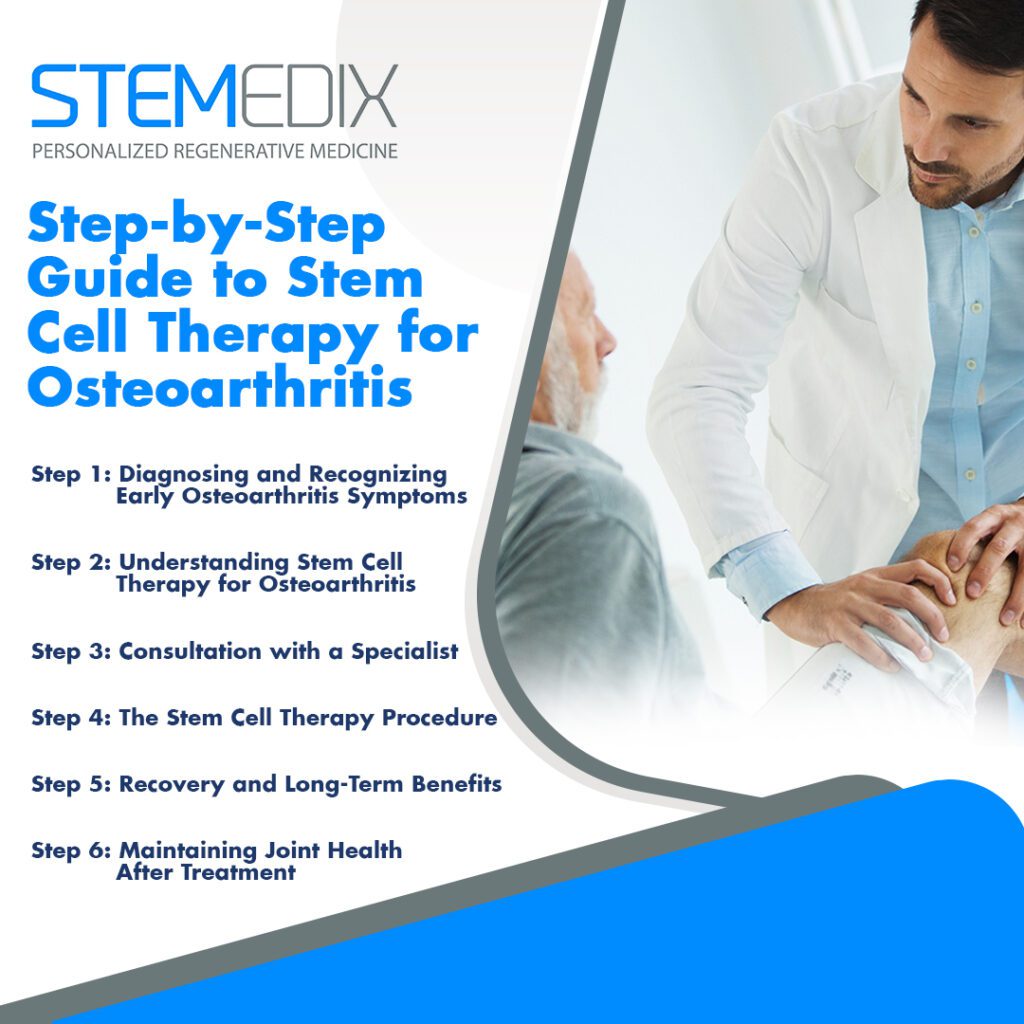
Step 1: Diagnosing Osteoarthritis
A successful approach to treating osteoarthritis (OA) begins with a confirmed diagnosis from your orthopedic doctor or primary care provider. If you suspect OA, it’s important to consult with a licensed physician who can assess your symptoms, review your medical history, and determine the severity of the condition.
Diagnosis is typically confirmed through a combination of physical examination and imaging studies, such as X-rays or MRIs. These tests help identify joint degeneration, cartilage loss, and other key signs of OA. Once your diagnosis is established, you can share your medical records and imaging results with the Stemedix team, and we will use this information to customize a regenerative medicine treatment plan tailored to your condition.
Signs and Symptoms of Osteoarthritis
Recognizing the signs and symptoms of osteoarthritis early on can make a significant difference in your treatment options. Common symptoms include joint pain, stiffness, and swelling, especially after activity or prolonged periods of rest. As the disease progresses, these symptoms may worsen, and you might start noticing a limited range of motion in your affected joints. By identifying early osteoarthritis symptoms, you can seek medical attention before the disease advances too far.
At Stemedix, we understand the importance of early detection and timely intervention. Our approach combines a thorough evaluation with advanced regenerative medicine treatments, like stem cell therapy, to help you address osteoarthritis early on and improve your quality of life.
Step 2: Understanding Stem Cell Therapy
Stem cell therapy is becoming an innovative and effective option for managing osteoarthritis, going far beyond temporary symptom relief. This approach utilizes mesenchymal stem cells (MSCs), which are harvested from sources such as adipose (fat) tissue or bone marrow. These powerful cells can differentiate into various cell types, including chondrocytes—specialized cartilage cells responsible for producing and maintaining healthy joint cartilage.
Chondrocytes are gaining attention in the field of regenerative medicine as a critical component in cartilage regeneration. As research continues to evolve, the role of chondrocytes in joint healing is proving to be especially promising for osteoarthritis treatment.
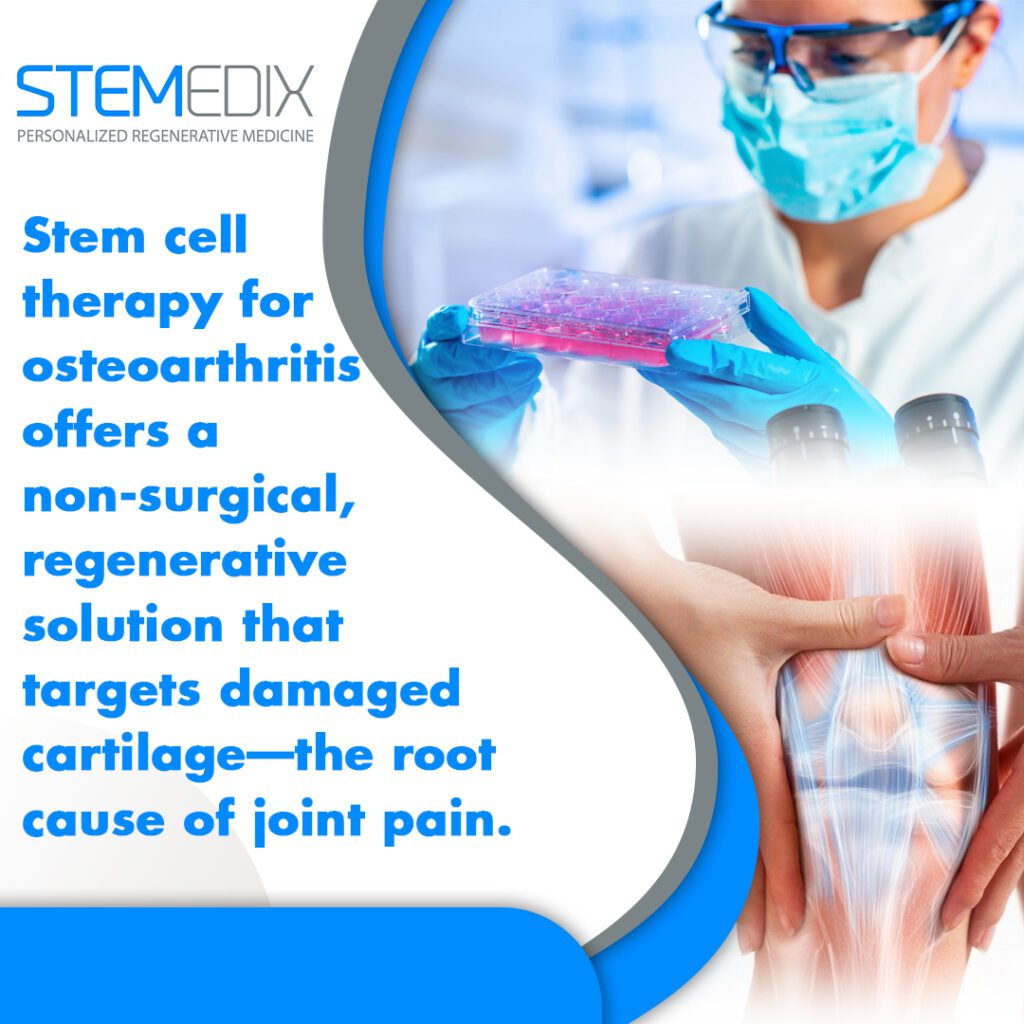
One of the standout benefits of stem cell therapy is its regenerative capacity. Rather than just masking discomfort, this therapy aims to restore damaged cartilage, improve joint function, and offer long-term relief. By stimulating the body’s natural healing response, stem cell therapy may help slow the progression of osteoarthritis and enhance mobility, allowing patients to return to the activities they enjoy.
How Stem Cells Help
Cartilage Regeneration: Stem cells support the repair of damaged cartilage by encouraging the formation of chondrocytes, which help rebuild and maintain the smooth, protective layer over joints.
Pain Relief: MSCs also possess anti-inflammatory properties, which can significantly reduce joint pain and swelling, leading to greater daily comfort.
Increased Mobility: With improved cartilage health and reduced inflammation, many patients experience better joint movement, flexibility, and overall functionality.
Stem cell therapy represents a breakthrough in how osteoarthritis is managed—focusing on healing from within rather than just managing symptoms. At Stemedix, our regenerative approach is designed to help you regain mobility, reduce discomfort, and experience a higher quality of life.
Step 3: Consultation with a Specialist
Before considering stem cell therapy for osteoarthritis, it’s essential to consult with a physician specializing in regenerative medicine. This consultation helps determine if stem cell therapy is the right treatment for your specific condition. Your physician will review your medical history, focusing on your symptoms and previous treatments to understand how OA has progressed and identify factors that may affect treatment options.
During the consultation process, patients are asked to provide existing medical documentation, including imaging results such as X-rays or MRI scans, along with a record of their diagnosis from their primary care provider or specialist. This information allows the Stemedix team to evaluate the extent of joint damage and determine whether stem cell therapy may be a suitable treatment option. Based on this review, a customized regenerative medicine plan is created to support each patient’s specific condition and goals.
What to Expect During the Consultation
Medical History Review: The physician will ask detailed questions about your symptoms, such as when the pain started, how it has progressed, and what treatments have been tried.
Test Results: Imaging results provide a clear picture of joint health. Your doctor will review these images to evaluate the extent of cartilage damage and how advanced the osteoarthritis is. This will help to decide whether stem cell therapy can be a suitable solution or if other treatments might be required.
Treatment Plan: Once the physician has all the necessary information, they will discuss the potential benefits and risks of stem cell therapy. You will learn about the process, from how stem cells are processed and injected into the affected joint to the expected timeline for recovery and improvement. The physician will outline the steps involved in the procedure and answer any questions you may have, ensuring you have a clear understanding of what to expect.
At Stemedix, we believe in making sure you feel fully informed and comfortable with every step of the process. Our team is here to guide you through your journey, helping you make the best decision for your joint health and overall well-being.
Step 4: The Stem Cell Therapy Procedure
Stem cell therapy for osteoarthritis is a minimally invasive procedure that can provide a less disruptive alternative to traditional treatments like surgery. The process involves harvesting stem cells from your own body, typically from bone marrow or adipose tissue (fat), which are then processed and injected directly into the affected joint to stimulate healing.
The procedure is generally well-tolerated and performed under local anesthesia, meaning you’ll remain awake but pain-free during the process. The injection itself is relatively quick, and the recovery time is typically short. Most patients can resume their normal daily activities within just a few days. However, it’s important to avoid high-impact or strenuous activities during the early stages of healing to allow the tissue to regenerate properly.
What Happens During the Procedure?
Stem Cell Harvesting: To begin, a small sample of either bone marrow or fat tissue is collected from your body. This is usually done from the hip or abdomen, areas where these tissues are readily accessible. The process is minimally invasive, requiring only a small incision or needle insertion.
Stem Cell Processing: Once the tissue is harvested, it’s processed in a laboratory setting to isolate the stem cells. The stem cells are then prepared for injection into the damaged joint. This step guarantees that only the necessary cells are used to promote healing.
Injection into the Joint: After processing, the stem cells are carefully injected into the affected joint, where they begin to work on repairing damaged cartilage, reducing inflammation, and promoting overall joint regeneration. This targeted injection allows the stem cells to focus their healing efforts directly where they are needed most.
At Stemedix, we pride ourselves on using advanced techniques and providing clear instructions throughout the procedure. Our medical team makes sure that you are informed and comfortable at every stage of the therapy, helping you feel confident as you take steps toward managing your osteoarthritis more effectively.
Step 5: Recovery and Long-Term Results
After undergoing stem cell therapy for osteoarthritis, the recovery process is vital for ensuring the best results. This stage involves a period of rest and limited activity to give the stem cells time to take effect and begin regenerating the damaged tissue. While the procedure is minimally invasive, your body still needs time to heal and respond to the therapy.
In the weeks following the procedure, you will likely notice gradual improvements. These include reduced pain, enhanced mobility, and better overall joint function. However, it’s important to understand that the full benefits of stem cell therapy can take several months to become fully apparent, as the stem cells work overtime to regenerate cartilage and restore joint health.
Post-Procedure Care
Rest: In the immediate weeks after the procedure, it’s recommended to limit strenuous activities. Resting and avoiding high-impact exercises during this period will allow the stem cells to do their work without disruption.
Follow-Up Appointments: Regular follow-up visits with your physician are essential to track the progress of the therapy and evaluate how well the joint is healing. These appointments will help identify any adjustments needed to optimize your recovery and provide the best possible outcome.
Physical Therapy: Engaging in physical therapy after stem cell therapy is highly beneficial. Physical therapy focuses on improving mobility, strengthening the muscles surrounding the joint, and preventing stiffness. By working with a qualified therapist, you can further enhance the healing process and regain function more effectively.
At Stemedix, based in Saint Petersburg, FL, we take an extensive approach to care, guiding you through each phase of the recovery process. Your dedicated care coordinator will help you stay on track, offering support and resources to maximize the success of your treatment. With patience and proper care, stem cell therapy can provide lasting relief from the symptoms of osteoarthritis, improving your overall quality of life.
Step 6: Maintaining Joint Health
After experiencing the benefits of stem cell therapy for osteoarthritis, it’s essential to adopt a proactive approach to maintaining your joint health. The therapy may help regenerate cartilage and reduce pain, but long-term success depends on how you care for your joint moving forward. Incorporating specific lifestyle changes, ongoing physical therapy, and healthy habits will help support the healing process and prevent further degeneration of the joint.
Tips for Long-Term Joint Health
Low-Impact Exercise: Regular, low-impact exercise is one of the best ways to maintain joint function and mobility. Activities like swimming, walking, or cycling can help keep your joints flexible without putting undue stress on them. These exercises promote circulation and strengthen the muscles surrounding the joint, which helps support it during movement.
Anti-Inflammatory Diet: Nutrition plays a key role in joint health. Consuming foods that are rich in omega-3 fatty acids, antioxidants, and vitamin D can reduce inflammation in the body. This helps keep the joints from becoming inflamed, which can lead to additional damage over time.
Physical Therapy: Continuing with physical therapy can be highly beneficial, even after the stem cell procedure. Regular sessions can enhance the strength and flexibility of the muscles surrounding your joint, which helps reduce the risk of further damage. Additionally, physical therapy can improve your range of motion, making movement easier and more comfortable.
At Stemedix, we encourage patients to take an active role in their joint health after treatment. By following these steps and working closely with your care coordinator and medical professionals, you can maintain the progress made from stem cell therapy and prevent future osteoarthritis complications.
Trust Stemedix for a New Path to Joint Health
Recognizing the signs and symptoms of osteoarthritis early is essential for managing the condition effectively. If you’re experiencing early osteoarthritis symptoms, such as joint pain, stiffness, or swelling, it’s important to seek a professional evaluation as soon as possible. Early diagnosis and intervention can help slow the progression of the disease and improve your quality of life. At Stemedix, we offer advanced stem cell therapy to regenerate damaged cartilage and restore joint function, providing long-term relief from osteoarthritis.If you’re ready to explore how stem cell therapy can help you manage osteoarthritis, contact Stemedix today. Our team of experts is here to guide you through every step of the process and guarantee the best possible outcomes. Call us at (727) 456-8968 or email us at yourjourney@stemedix.com to schedule your consultation and take the main step toward healing.
This website and its contents are not intended to treat, cure, diagnose, or prevent any disease. Stemedix, Inc. shall not be held liable for the medical claims made by patient testimonials or videos. They are not to be viewed as a guarantee for each individual. The efficacy for some products presented have not been confirmed by the Food and Drug Administration (FDA).
This website uses cookies to improve your experience while you navigate through the website. Out of these cookies, the cookies that are categorized as necessary are stored on your browser as they are essential for the working of basic functionalities of the website. We also use third-party cookies that help us analyze and understand how you use this website. These cookies will be stored in your browser only with your consent. You also have the option to opt-out of these cookies. But opting out of some of these cookies may have an effect on your browsing experience.
Necessary cookies are absolutely essential for the website to function properly. This category only includes cookies that ensures basic functionalities and security features of the website. These cookies do not store any personal information.
Any cookies that may not be particularly necessary for the website to function and is used specifically to collect user personal data via analytics, ads, other embedded contents are termed as non-necessary cookies. It is mandatory to procure user consent prior to running these cookies on your website.
Subscribe To Our Newsletter
Join our mailing list to receive the latest news and updates from our team.
You have Successfully Subscribed!
Request Information Packet
We'll send your FREE information packet that outlines our entire personalized, stress-free stem cell treatment process!
Thanks for your interest!
Request Information Packet
We'll send your FREE information packet that outlines our entire personalized, stress-free stem cell treatment process!
Thanks for your interest!
Request Information Packet
We'll send your FREE information packet that outlines our entire personalized, stress-free stem cell treatment process!
Thanks for your interest!
Request Information Packet
We'll send your FREE information packet that outlines our entire personalized, stress-free stem cell treatment process!
Thanks for your interest!
Request Information Packet
We'll send your FREE information packet that outlines our entire personalized, stress-free stem cell treatment process!
Thanks for your interest!
Request Information Packet
We'll send your FREE information packet that outlines our entire personalized, stress-free stem cell treatment process!
Thanks for your interest!
Request Information Packet
We'll send your FREE information packet that outlines our entire personalized, stress-free stem cell treatment process!
Thanks for your interest!
Request Information Packet
We'll send your FREE information packet that outlines our entire personalized, stress-free stem cell treatment process!
Thanks for your interest!
Request Information Packet
We'll send your FREE information packet that outlines our entire personalized, stress-free stem cell treatment process!
Thanks for your interest!
Request Information Packet
We'll send your FREE information packet that outlines our entire personalized, stress-free stem cell treatment process!
Thanks for your interest!
Request Information Packet
We'll send your FREE information packet that outlines our entire personalized, stress-free stem cell treatment process!
Thanks for your interest!
Request Information Packet
We'll send your FREE information packet that outlines our entire personalized, stress-free stem cell treatment process!





 St. Petersburg, Florida