Parkinson’s disease (PD) is one of the most common neurodegenerative conditions, second only to Alzheimer’s. It primarily affects the basal nuclei of the brain, leading to the gradual loss of dopamine-producing neurons and the buildup of abnormal protein clusters called Lewy bodies. Together, these changes cause the classic motor and cognitive symptoms of the disease. PD affects about 1% of people over age 50 and nearly 2.5% of those over age 70. Men face a slightly higher lifetime risk than women. While some cases of PD are linked to inherited genetic mutations, most are considered “sporadic,” arising from a mix of genetic and environmental factors.
Researchers have identified several genes that can contribute to PD, including those related to alpha-synuclein (aSyn), PINK1, Parkin, LRRK2, and others. These discoveries, along with the study of biomarkers, have created opportunities for earlier detection. At the same time, scientists have uncovered lifestyle factors that influence risk. For example, smoking and caffeine consumption are linked to a lower likelihood of developing PD, while oxidative stress, free radical damage, and environmental pollutants can increase risk.
The hallmark motor symptoms of PD include slowness of movement (bradykinesia), muscle rigidity, resting tremor, and impaired balance. Non-motor symptoms such as sleep disturbances, loss of smell, constipation, depression, and cognitive changes often appear years before movement-related issues and can worsen over time. Although medications such as levodopa and dopamine agonists are effective at easing symptoms, they cannot halt or reverse the underlying degeneration. This is why there is a strong need for new therapies aimed at protecting or replacing dopamine-producing neurons.
Here, Unnisa et al. review the MSC-based treatment in Parkinson’s disease and the various mechanisms it repairs in parkinsonian patients.
Why Stem Cell Therapy is Being Explored
Neurodegenerative diseases like PD involve the progressive death of nerve cells. Importantly, research shows that neurons begin to lose their function well before they die. This insight has shifted the focus away from simply preventing cell death to finding ways to repair and restore neurons. Stem cell therapy is one of the most promising strategies.
The concept is not new. In the late 1970s, researchers transplanted dopamine-producing neurons from prenatal rats into rat models of Parkinson’s, which successfully improved motor impairments. This early work laid the foundation for today’s efforts, which now center on the use of mesenchymal stem cells (MSCs).
MSCs are attractive because they are abundant in the body, can self-renew, and have the ability to transform into different types of cells, including neurons. They also release a variety of molecules that promote healing, reduce inflammation, and support tissue repair.
The Potential Role of MSCs in Parkinson’s
MSCs have been used in studies to treat conditions ranging from spinal cord injuries and heart attacks to autoimmune diseases and chronic wounds. In PD research, MSCs are being explored for their ability to restore lost dopamine neurons and improve function.
Once mobilized to a site of injury, MSCs activate multiple repair mechanisms. They release protective neurotrophic and growth factors such as brain-derived neurotrophic factor (BDNF), glial cell line-derived neurotrophic factor (GDNF), insulin-like growth factor (IGF-1), vascular endothelial growth factor (VEGF), and others. These molecules can protect neurons from further damage, promote survival, and encourage regeneration. MSCs also secrete anti-inflammatory cytokines, reducing harmful immune activity, while suppressing pro-inflammatory molecules that are elevated in PD.
Beyond their chemical signaling, MSCs demonstrate remarkable flexibility. They can differentiate into dopamine-producing neuron precursors, supply damaged cells with healthy mitochondria, and even enhance processes like autophagy—the natural cellular “clean-up” system that helps prevent toxic protein accumulation. Animal studies show that MSCs transplanted into models of PD can migrate to damaged areas, reduce inflammation, improve motor function, and increase dopamine levels without forming tumors.
From Induction to Transplantation
MSCs can be derived from several tissues, including bone marrow and adipose tissue. In the laboratory, they can be guided through a process called induction to become dopamine-producing neurons. This often involves exposure to specific growth factors and signaling molecules that encourage the cells to take on neuronal properties.
Once prepared, the induced cells can be transplanted into affected brain regions such as the striatum. In animal models, transplanted MSCs not only survive but also integrate into the host brain, enhance neurogenesis, reduce damaging immune responses, and boost dopamine production. Studies have found no evidence of tumor formation in these experiments, supporting the safety of this approach.
How MSCs May Repair Neurons
The benefits of MSC therapy appear to arise from several overlapping mechanisms. The authors describe two main effects: the secretion of trophic and protective factors, and the direct differentiation of MSCs into replacement cells. The cells influence their environment in multiple ways, often through paracrine signaling—sending out chemical messengers that alter the behavior of nearby cells.
MSCs may differentiate into neuron-like cells, particularly when exposed to supportive conditions such as co-culture with glial cells or stimulation with neurotrophic factors. They can also fuse with host cells to enhance their survival. Meanwhile, the wide range of growth factors and cytokines secreted by MSCs helps protect dopamine neurons, support new blood vessel growth, and activate the brain’s own neural stem cells.
Another key role is immunomodulation. PD involves an inflammatory component, with elevated cytokines and immune activity in the brain. MSCs help by suppressing overactive immune cells, releasing anti-inflammatory mediators, and reducing oxidative stress. They can even interact directly with antigen-presenting cells, shifting the immune response in a way that protects neurons.
Finally, MSCs demonstrate a homing ability—they can migrate through the bloodstream and cross into tissues where they are most needed. This process is influenced by factors such as donor age, culture conditions, and the method of delivery.
Challenges and Limitations
While MSC therapy for PD is highly promising, there are still limitations. The beneficial effects observed in many studies are often temporary, as MSCs do not always survive long-term or integrate fully into the brain.
Another challenge is the variability of MSC populations. These cells are typically identified by their ability to stick to culture surfaces, but they are not a single uniform type. This lack of a definitive molecular marker makes it difficult to predict or control how they will behave. Additionally, while MSCs can be coaxed to differentiate into dopamine-producing neurons, the efficiency of this process is relatively low. Identifying the specific subgroups of MSCs most capable of neuronal differentiation could improve outcomes.
Despite these limitations, MSCs remain a realistic therapeutic option. They are relatively easy to obtain from patients or donors, carry fewer ethical concerns compared to embryonic stem cells, and have already been used safely in other clinical settings such as heart disease and osteoarthritis. Their versatility, safety profile, and broad mechanisms of action make them strong candidates for further development.
Looking Ahead
Parkinson’s disease remains a devastating, progressive disorder without a cure. Current treatments manage symptoms but cannot stop or reverse the loss of dopamine neurons. Mesenchymal stem cells offer a new approach, with the potential to protect, repair, and even replace damaged neurons through multiple pathways.
While research is still in early stages, findings so far are encouraging. MSCs can reduce inflammation, protect dopamine neurons from death, restore mitochondrial health, and promote the growth of new neural connections. Importantly, they have demonstrated safety in clinical and preclinical studies. However, long-term monitoring and larger clinical trials are needed to determine the best methods for preparing, delivering, and sustaining these cells.
Future work will likely focus on refining induction techniques, identifying the most effective MSC subtypes, and combining cell therapy with other approaches such as gene therapy or neuroprotective drugs. With continued progress, Unnisa et al. conclude that MSC-based treatments may one day shift the outlook for people living with Parkinson’s, offering not just symptom relief but a real chance at slowing or even reversing the disease.
Source: Unnisa A, Dua K, Kamal MA. Mechanism of Mesenchymal Stem Cells as a Multitarget Disease- Modifying Therapy for Parkinson’s Disease. Curr Neuropharmacol. 2023;21(4):988-1000. doi: 10.2174/1570159X20666220327212414. PMID: 35339180; PMCID: PMC10227913.
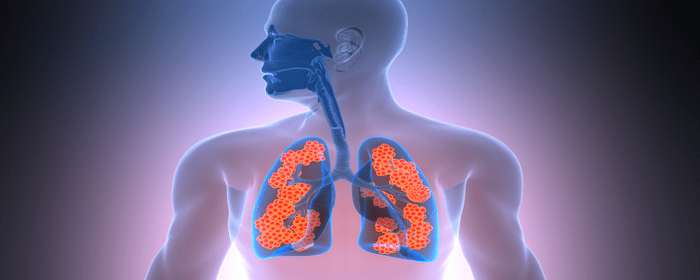
Idiopathic pulmonary fibrosis (IPF) is a chronic, progressive lung disease that causes irreversible damage to the alveoli and leads to pulmonary interstitial fibrosis. Patients with IPF often experience severe difficulty breathing, which can result in respiratory failure and death. The disease is challenging to diagnose, has a high mortality rate, and a median survival of only three to five years after diagnosis, which is worse than many forms of cancer.
Current treatments primarily focus on supportive care, such as lung transplantation, mechanical ventilation, and oxygen therapy. Drugs like pirfenidone and nintedanib can slow disease progression but do not repair damaged lung tissue. For this reason, researchers are exploring the use of mesenchymal stem cells (MSCs) as a potential new therapy for IPF. MSCs are multipotent stem cells capable of self-renewal, differentiation, and secreting a variety of factors that may reduce inflammation, promote tissue repair, and regulate immune responses.
As part of this review, Li et al. summarize recent studies on MSCs in reducing lung inflammation and fibrosis, highlighting their potential mechanisms, such as migration and differentiation, secretion of soluble factors and extracellular vesicles, and regulation of endogenous repair processes.
Pathological Changes in IPF
The main pathological features of IPF include widespread alveolar damage, excessive proliferation of fibroblasts, and deposition of extracellular matrix (ECM) proteins. Fibroblastic foci, areas of active fibroblast and myofibroblast accumulation, are a hallmark of the disease and strongly correlate with patient outcomes. Fibroblasts in these foci arise from three primary mechanisms: proliferation of resident fibroblasts, epithelial-mesenchymal transition (EMT), and bone marrow-derived fibrocytes.
Resident fibroblasts proliferate and differentiate into myofibroblasts under the influence of factors like transforming growth factor-β (TGF-β). Myofibroblasts produce collagen and other ECM proteins, which contribute to tissue stiffness and fibrosis. EMT occurs when alveolar epithelial cells lose epithelial markers and acquire mesenchymal traits, becoming fibroblast-like cells that contribute to ECM deposition. TGF-β is a key driver of EMT, acting through pathways such as Ras/ERK/MAPK signaling. Endothelial cells can also undergo a similar transition, producing collagen and contributing to fibrosis. Bone marrow-derived fibrocytes, circulating in the blood, migrate to damaged lung tissue and differentiate into fibroblasts. Their accumulation is linked to poor prognosis and is guided by chemokine signaling pathways like CXCL12/CXCR4 and CCL3/CCR5.
Properties of Mesenchymal Stem Cells
MSCs, first discovered in 1968, are multipotent cells that can differentiate into bone, cartilage, and fat. They can be sourced from bone marrow, adipose tissue, and umbilical cord blood, and are identified by fibroblast-like shape, plastic adherence, and surface markers (CD44, CD29, CD90) while lacking hematopoietic markers (CD45).
MSCs have low immunogenicity, can modulate the immune system, and support tissue repair. Transplantation in animal models of lung injury shows promise with minimal side effects, but human safety and efficacy remain uncertain due to species differences and small clinical trials. Potential risks include tumor formation and unwanted angiogenesis, especially in immunocompromised patients.
Mobilizing endogenous MSCs is also being studied, as these cells can migrate to injured tissue, secrete reparative factors, and aid repair, with agents like G-CSF enhancing mobilization, though outcomes vary.
Mechanisms of MSC Therapy in Pulmonary Fibrosis
Mesenchymal stem cells (MSCs) help repair lung injury through multiple, interconnected mechanisms: migration to injury sites, differentiation, secretion of bioactive factors, immune modulation, and regulation of lung defenses.
MSCs are guided to damaged lung areas by chemokines such as stromal cell-derived factor-1 (SDF-1) and interleukin-8 (CXCL8). Once at the injury site, they can differentiate into type II alveolar epithelial cells, supporting tissue repair. This differentiation is influenced by Wnt signaling pathways, though in some cases, MSCs may become fibroblast-like cells, which could worsen fibrosis.
A key part of MSC therapy is the secretome, a collection of soluble factors. Growth factors like KGF, HGF, EGF, Ang-1, and VEGF restore alveolar and endothelial function, maintain lung barrier integrity, and reduce fluid buildup. Anti-inflammatory molecules such as IL-1ra, IL-10, PGE2, and TSG-6 help control inflammation and promote repair. MSCs also encourage macrophages to shift from a pro-inflammatory (M1) to an anti-inflammatory (M2) state, aiding recovery. Early administration during acute inflammation provides the most benefit.
MSCs exert immunomodulatory effects by secreting chemokines, adhesion molecules, and regulatory factors like nitric oxide (NO) and indoleamine-2,3-dioxygenase (IDO), which suppress T-cell activity. They influence B cells and support regulatory T cells to maintain immune balance. MSCs can also secrete TGF-β, which can either aid healing or promote fibrosis depending on context and timing.
Extracellular vesicles (EVs), including exosomes and microvesicles, are another way MSCs deliver therapeutic benefits. They carry proteins, RNAs, and other molecules that reduce inflammation and promote tissue repair. EV-based therapy may offer many of the benefits of MSCs while minimizing risks associated with cell transplantation.
Finally, MSCs regulate molecules involved in oxidative stress, inflammation, and tissue repair. They decrease pro-fibrotic and inflammatory signals like matrix metalloproteinases and TGF-β1 while increasing antioxidant enzymes and repair-promoting proteins such as FoxM1, stanniocalcin, and Miro1, all of which protect lung tissue and combat fibrosis.
Advancing MSC Therapy for Pulmonary Fibrosis
Mesenchymal stem cell therapy represents a promising approach for treating idiopathic pulmonary fibrosis. Its benefits involve multiple mechanisms, including homing to injured tissue, differentiation, secretion of growth factors and cytokines, immunomodulation, and enhancement of endogenous lung defenses. MSCs are most effective when administered early in the inflammatory phase of lung injury, highlighting the importance of timing. Despite encouraging preclinical and early clinical results, safety and efficacy in humans remain under investigation, and some contradictory findings underscore the complexity of MSC therapy.
Li et al. conclude that future research should focus on optimizing MSC mobilization, improving therapeutic efficacy, exploring the role of microRNAs, and advancing clinical trials to establish MSC-based therapies as viable treatments for IPF.
Source: Li X, Yue S, Luo Z. Mesenchymal stem cells in idiopathic pulmonary fibrosis. Oncotarget. 2017 May 23;8(60):102600-102616. doi: 10.18632/oncotarget.18126. PMID: 29254275; PMCID: PMC5731985.
Living with a spinal cord injury changes how you move, feel, and function every day. You might be searching for more support in your recovery or looking into alternatives when other treatments have plateaued. At Stemedix, we provide access to regenerative medicine options, including stem cell therapy for spinal cord injury, designed to support your body’s healing potential. Our goal is to help you maintain independence and improve your quality of life through individualized care.
Stem cells for the treatment of spinal cord injury are being explored for their ability to support damaged nerve tissues and help reduce symptoms related to mobility, pain, and function. This therapy is not a cure, but it may serve as another layer of support in your recovery process. In this article, we will discuss how spinal cord injuries affect the body and how stem cell treatment may fit into your path forward.
Defining Spinal Cord Injury: Causes and Impact
A spinal cord injury doesn’t just affect mobility—it changes how the entire body communicates, functions, and adapts. Knowing how these injuries happen and what they cause can help you better plan your care and treatment options.
Common Causes of Spinal Cord Injury
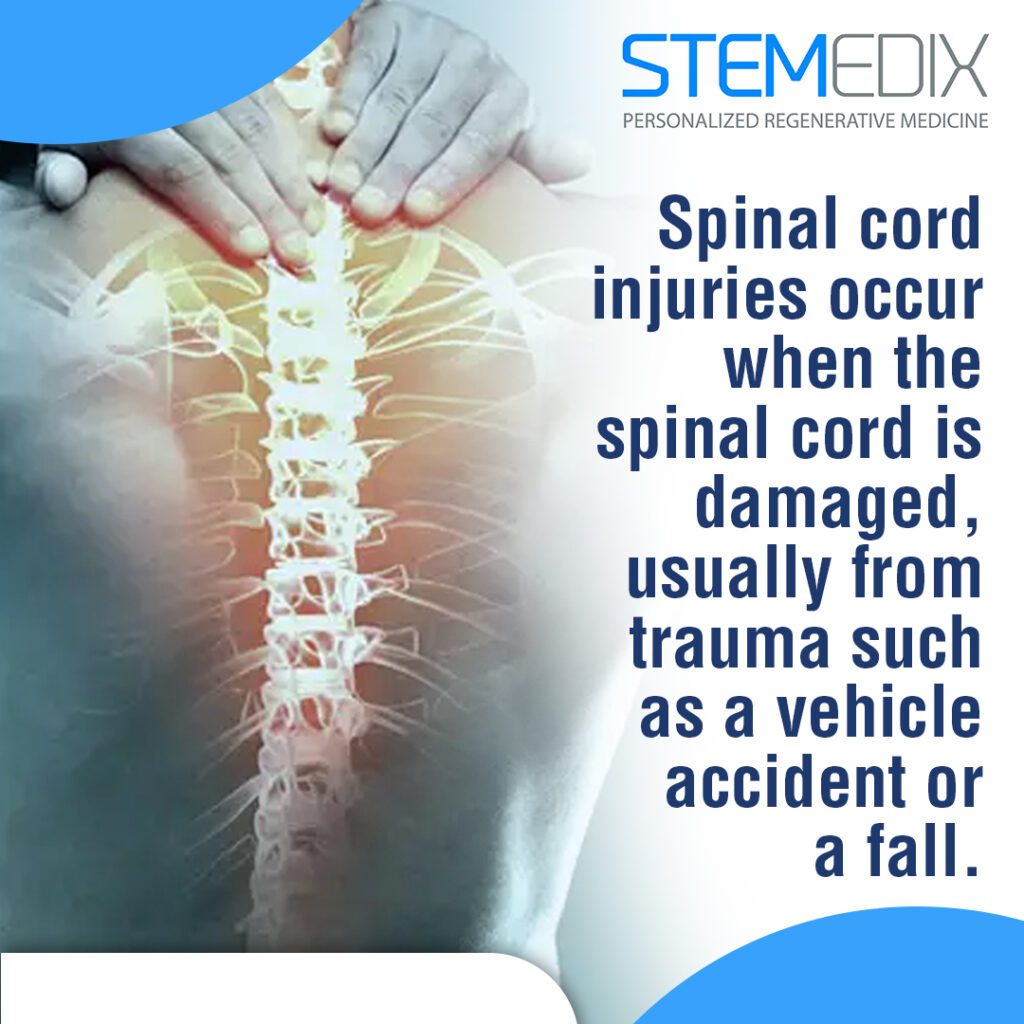
A spinal cord injury is most often caused by sudden trauma or underlying medical conditions that disrupt nerve communication within the spine. These injuries commonly follow events such as vehicle crashes, major falls, sports-related impacts, or violent encounters.
Other cases develop from non-traumatic sources. These include conditions like spinal tumors, multiple sclerosis, and certain infections that interfere with the spinal cord’s structure and function. Degenerative diseases—such as spinal stenosis or arthritis—can also contribute to gradual nerve damage over time.
A spinal cord injury disrupts messages between the brain and the rest of the body. Where the injury occurs determines what parts of the body are affected. For example, if damage happens in the cervical spine, it can interfere with both arm and leg function. A lower injury in the lumbar region, by contrast, may impact only the hips and legs.
Immediate and Long-Term Effects on the Body
A spinal cord injury can result in paralysis, loss of sensation, and autonomic system dysfunction. Right after the injury, you might notice loss of movement, reduced feeling in certain areas, or changes in bladder and bowel control. These effects often appear quickly and may be temporary or permanent, depending on the severity.
As time passes, new challenges can appear. You may notice muscle weakness from disuse, skin breakdown from reduced movement, or respiratory changes if the injury is high enough to affect breathing muscles. Pressure injuries, also called pressure sores, and recurrent infections such as urinary tract infections are common secondary complications that require careful management. These long-term impacts highlight the importance of continuous support and well-structured care plans.
Classification of Spinal Cord Injuries by Severity and Location
Knowing where and how a spinal cord injury occurs helps you and your care team decide on the right approach to managing your recovery. The level and type of injury directly impact physical abilities, personal care needs, and long-term health planning.
Complete vs. Partial Injury Overview
A complete spinal cord injury causes total loss of motor and sensory function, while a partial injury retains some level of nerve signal transmission. If you’ve been diagnosed with a complete spinal cord injury, it means there’s no communication between the brain and the body below the injury site. This disconnect leads to full paralysis and loss of sensation below that point.
In contrast, partial, also called incomplete injuries, allow some signals to continue traveling along the spinal cord. You may notice that you still have some sensation, or you may be able to move certain muscles. These residual functions vary greatly between individuals. This classification matters because it plays a role in setting realistic goals for therapy and rehabilitation.
Differences Between Cervical, Thoracic, and Lumbar Injuries
The location of a spinal cord injury determines which parts of the body are affected. Cervical injuries often result in quadriplegia, thoracic injuries affect trunk and leg function, and lumbar injuries primarily impair lower limb control and bowel or bladder management.
Cervical injuries, those in the neck region, are often the most severe. They can impact movement and feeling in all four limbs, including breathing, swallowing, and arm function. These types are the most likely to require long-term assistive devices or full-time care.
Thoracic injuries occur in the middle section of the spine. While they typically spare arm movement, they may limit balance, torso strength, and control over abdominal muscles. It may be harder to sit upright or regulate body temperature below the injury level.
Lumbar injuries involve the lower spine and tend to affect the legs and lower body systems. Many people with lumbar-level injuries retain upper body function, but mobility challenges and changes in bladder or bowel function often follow. This type of injury may still allow for independent movement with the use of braces, walkers, or wheelchairs.
At Stemedix, we review all available medical records to understand your specific injury type and level before recommending any regenerative treatment option. This allows us to align our approach with your needs and current capabilities.
Stem Cell Therapy Explained: Purpose and Methods
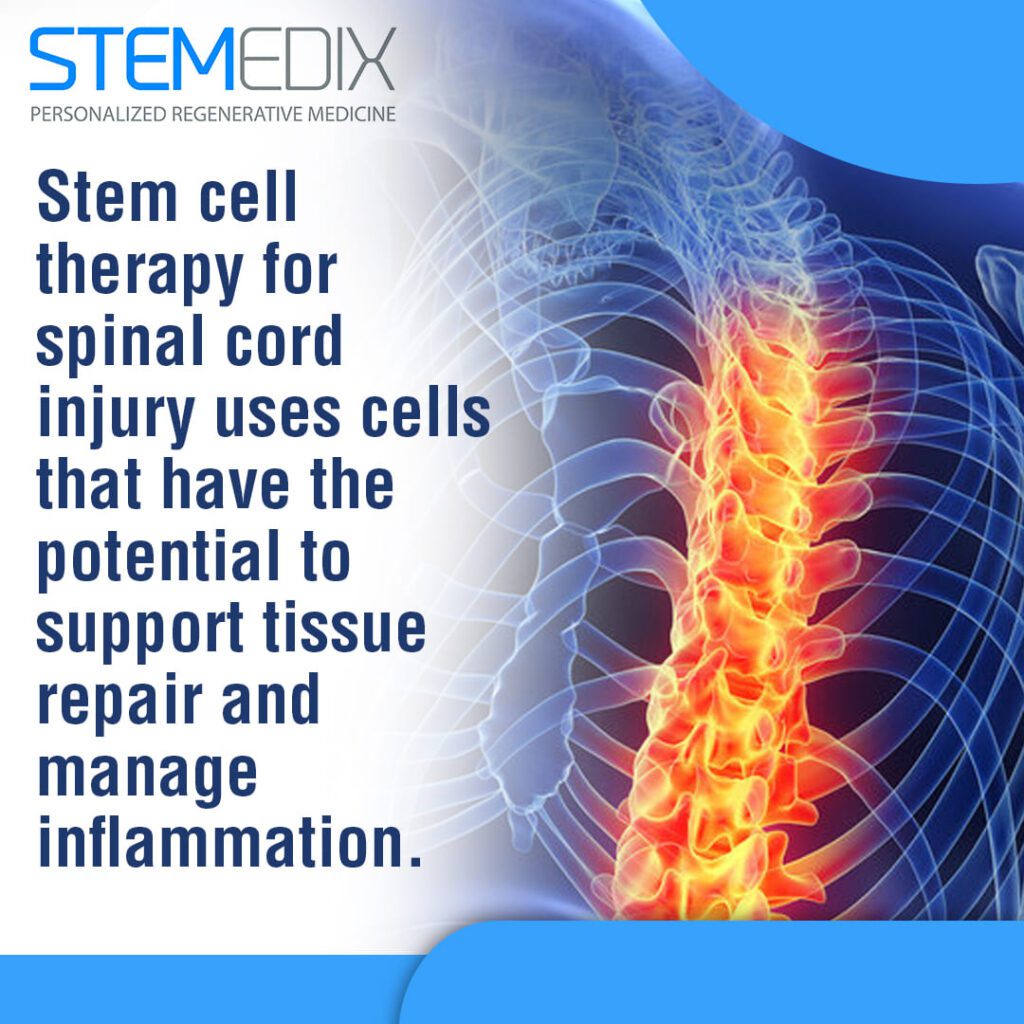
Stem cell therapy for spinal cord injury involves introducing regenerative cells to promote repair and protect surviving tissue. These cells are introduced into areas near the injury site, where they may influence several healing processes. One of the primary actions is the regulation of the immune response, which helps reduce further damage caused by ongoing inflammation. In addition, stem cells may release biological signals that support the health of existing nerve cells and encourage the development of new connections within the nervous system.
Types of Stem Cells Used in Therapy
Stem cells for the treatment of spinal cord injury may sometimes include mesenchymal stem cells (MSCs), neural stem cells, and induced pluripotent stem cells (iPSCs). Each type works differently, but MSCs are the most frequently used in current therapeutic models. These cells are typically harvested from bone marrow or adipose (fat) tissue. They’re known for their ability to regulate inflammation and release molecules that promote healing.
Neural stem cells, on the other hand, are more specialized and are under investigation for their ability to integrate into damaged neural circuits. Induced pluripotent stem cells, adult cells reprogrammed into a more flexible, embryonic-like state, are still largely in the research phase. Although they offer broader potential, their use requires rigorous safety protocols to manage risks like tumor formation.
At Stemedix, we focus on therapies that use stem cells for the treatment of spinal cord injury with strong safety records and established handling procedures. Our team works closely with patients and referring physicians to coordinate care that is both informed by current science and centered on individual medical history.
Biological Actions of Stem Cells in Nerve Repair
Stem cells offer more than just cellular replacement—they create conditions in the body that support repair and healing. When applied to spinal cord injury, their effects can influence both immune activity and tissue regeneration.
Influence on Inflammation and Immune Response
Stem cells help regulate immune responses and reduce secondary damage from inflammation. After a spinal cord injury, inflammation can lead to further damage beyond the initial trauma. Immune cells flood the site, often destroying nearby healthy tissue in the process. This secondary damage can be just as limiting as the original injury.
Stem cells interact with this process by releasing bioactive molecules like cytokines and growth factors. These signals tell immune cells to calm their response and shift toward tissue support instead of attack.
This immune-modulating activity helps preserve nerve cells that might otherwise deteriorate. You’re not just adding cells—you’re also working with your body’s existing systems to limit further harm and stabilize the injury site.
Role in Regenerating Damaged Neural Tissue
Stem cell treatment for spinal cord injury may support the formation of new neural connections and repair mechanisms. Spinal cord damage disrupts the flow of signals between your brain and body.
To support repair, stem cells may promote three biological processes: axonal growth, remyelination, and cellular restoration. Axonal growth refers to the extension of nerve fibers that transmit signals. Without axons, communication between nerves stops.
Remyelination involves restoring the protective sheath around nerves, which allows electrical impulses to travel efficiently. In cases of spinal cord injury, this sheath often breaks down, leading to slower or blocked signals.
Studies show that certain types of stem cells, including induced pluripotent stem cells (iPSCs) and MSCs, can release growth factors that encourage axons to regrow and remyelinate existing nerves. These biological effects don’t occur all at once. They build over time as the cells interact with damaged tissue, guiding regeneration step by step.
At Stemedix, we focus on regenerative strategies that support your body’s efforts to recover. Stem cell therapy for spinal cord injury is structured to work with your body, using natural signaling processes to support healing at the cellular level.
Observed Outcomes from Stem Cell Treatments
Many individuals exploring regenerative options want to know what to expect from stem cell therapy. While results can differ, this section outlines some of the most reported effects based on real patient experiences and clinical data.
Enhancements in Mobility and Sensory Recovery
Some patients receiving stem cell treatment for spinal cord injury report improved strength, coordination, and sensation. These outcomes are often influenced by the level and completeness of the injury. For example, individuals with incomplete spinal cord injuries—where the spinal cord is damaged but not fully severed—have demonstrated positive changes in limb control, trunk stability, and tactile feedback following therapy.
Certain patients experienced measurable improvements in motor scores and sensory function within months after receiving stem cell injections. These functional changes, although not universal, suggest that the cells may support the body’s effort to reconnect or reinforce neural pathways.
The timing of intervention also plays a role. People who began stem cell treatment in the sub-acute phase (weeks after injury) have shown different patterns of recovery compared to those in chronic stages. It’s important to consider that early intervention may help maximize the biological environment for healing, but research is still ongoing to determine the full scope of response across timelines.
Reduction of Discomfort and Muscle-Related Symptoms
Stem cells have been observed to reduce spasticity and neuropathic pain associated with spinal cord injury. Spasticity, which causes involuntary muscle contractions, and nerve-related pain are among the most persistent challenges following spinal trauma. These symptoms can disrupt sleep, limit mobility, and interfere with rehabilitation.
Some patients who received mesenchymal stem cell (MSC) therapy reported decreased muscle stiffness and better pain control. Stem cell infusions modulated the immune response and contributed to reduced inflammation around damaged spinal segments. This shift may help explain why pain and tightness sometimes improve after treatment.
Relief from these symptoms can create opportunities for more active daily routines and improved engagement in physical therapy. While stem cell therapy is not a replacement for traditional pain management or rehabilitation, it may complement those approaches in supportive ways.
At Stemedix, we’ve seen that outcomes vary depending on the person’s overall health, injury characteristics, and treatment timing. Our role is to offer access to care designed around your condition while helping you understand how regenerative therapy might fit into your goals for living with a spinal cord injury.
The Treatment Process at Stemedix: Patient-Centered Approach
Every individual with a spinal cord injury presents a unique medical profile. At Stemedix, based in Saint Petersburg, FL, we align the treatment process with your personal health history and therapy goals to support your experience from evaluation through follow-up.
Importance of Diagnostic Information From Referring Physicians
Stemedix requires patients to provide medical imaging and records from their diagnosing physicians to determine eligibility for stem cell therapy. We rely on your existing records—such as MRIs, CT scans, and clinical summaries—to fully understand the scope of your spinal cord injury. This information gives us a starting point to evaluate whether stem cell therapy may be appropriate for your situation.
A detailed medical history helps our team determine the location and severity of your injury while also providing insight into how your body has responded to previous interventions. Accurate documentation from your physician allows us to move forward responsibly and reduce avoidable risks during the treatment process.
Tailoring Treatments to Individual Medical Histories
Each stem cell treatment for spinal cord injury is customized according to the patient’s health condition, injury level, and treatment goals. We look at a range of personal factors before planning treatment. These include the type of spinal cord injury you’ve experienced—whether complete or incomplete—as well as how long it has been since the initial trauma. Conditions like diabetes, autoimmune disorders, or chronic infections, as well as the medications you’re currently using, are all taken into account.
Administration Protocols and Safety Measures
Stemedix uses sterile, clinically guided protocols for administering stem cells. Each procedure is conducted in a controlled medical setting under the direction of trained clinicians. We use laboratory-tested biologics and sterile techniques to lower the risk of complications. All patients are closely observed before, during, and after the procedure.
Throughout treatment, we document patient responses, both for clinical records and to support communication with your existing care team. This consistent monitoring helps track progress and contributes to adjusting your care as needed over time. According to clinical studies, stem cell therapy has been associated with neurological improvements in some individuals with chronic spinal cord injuries, especially when introduced within a defined therapeutic window.
Patient Support Beyond Therapy
Recovery involves more than medical treatment alone. At Stemedix, we understand the physical and logistical challenges you may face when dealing with a spinal cord injury. That’s why we help coordinate accessible transportation and lodging for patients traveling from out of town, easing the burden of planning and focusing attention on your care.
To support your comfort during therapy, we provide access to mobility aids like wheelchairs and walkers, along with personal assistance when needed. Our team creates an accessible environment that allows you to move through treatment with as much comfort and independence as possible.
Start Your Recovery Journey with Stemedix Today
If you’re exploring advanced treatment options for spinal cord injury, our team at Stemedix is here to guide you every step of the way. We offer patient-focused care, treatment coordination, and support services designed around your individual needs. To learn more or speak with a care coordinator, call us at(727) 456-8968 or email yourjourney@stemedix.com.
Most people only think about their back when it starts to hurt; after a long day at work, a weekend of chores, or even from sitting too long. But your back and spine support you during almost every movement you make. The best way to take care of them isn’t necessarily through hard workouts or strict routines. It’s through consistent, everyday movements that build strength naturally and protect your spine over time.
Why Simple Daily Movement Matters
Your spine responds better to frequent, low-intensity movement than to occasional bursts of strenuous exercise. Sitting for long periods, moving awkwardly, or lifting without proper form can slowly strain your back without you realizing it. On the other hand, the small, repeated movements you make throughout the day can keep your muscles active, improve circulation, support healthy posture, and prevent stiffness.
The Core-Spine Connection
Strong backs don’t come from strong back muscles alone. The “core” includes the deep abdominals, lower back, pelvic floor, hips, and glutes; all of which work together to stabilize the spine. When these areas are activated regularly, they reduce pressure on the spine and help prevent discomfort. Everyday activities that engage these muscles gently can make a meaningful difference over time.
Simple Movements You Can Practice Every Day
You don’t need a workout plan to strengthen your back. The following movements blend into daily life naturally:
Walking With Purpose
Walking strengthens your core, improves hip stability, and encourages healthy spinal alignment. Even short, steady-paced walks in the morning, during breaks, or after meals support long-term back health.
Standing Up and Sitting Down with Control
Every time you stand or sit, you’re performing a mini squat. Doing it slowly and using your legs rather than your hands builds strength in your glutes, hips, and lower back.
Hip Hinging Instead of Bending Your Spine
Whether picking something up, loading laundry, or leaning forward, hinge at your hips instead of rounding your back. This simple habit protects your discs and trains your back to move safely.
Light Core Engagement While Standing
When brushing your teeth, cooking, or waiting in line, gently draw your belly inward and lengthen your spine. This helps activate stabilizing muscles without strain.
Small Stretch Breaks Throughout the Day
Pausing to stretch your sides, rotate your spine gently, or roll your shoulders helps prevent stiffness from sitting or standing in one position too long.
Lifting Safely — Even for Light Objects
Most back injuries happen with quick, careless movements. Bend your knees, use your legs, keep objects close to your body, and avoid twisting while lifting.
Your Environment Shapes Your Back Health
Small adjustments in your workspace and home can protect your spine:
Keep screens at eye level
Use a chair with proper lower-back support
Shift positions frequently
Avoid crossing your legs for long periods
Keep frequently used items within easy reach
These adjustments help maintain alignment and reduce strain throughout the day.
Consistency > Intensity
Spinal strength doesn’t come from doing one big workout, it comes from gentle repetition. A few mindful movements repeated daily help improve circulation, reduce inflammation, and build durability in the muscles that protect your spine. Over time, these habits help prevent discomfort and keep your back feeling supported.
A Healthy Back Supports a Healthy Life
When your spine feels strong, everyday activities become easier; from carrying groceries to getting through workdays to staying active with family. Maintaining back health isn’t about perfection; it’s about paying attention to how you move and giving your spine the support it needs.
A Supportive Approach to Back Health at Stemedix
At Stemedix, we believe strong, healthy movement is one of the most important foundations of back health. Everyday habits such as posture, mobility, core activation, and safe movement patterns all influence how your spine feels and functions. At Stemedix, we combine innovative regenerative medicine with lifestyle guidance to help your body heal and support itself long-term.
Whether you’re looking to protect your spine, strengthen your back, or explore solutions for chronic discomfort, Stemedix offers a comprehensive approach designed to support both your daily habits and your deeper healing needs.
Interested in Learning More?
If you’re curious about how Stemedix can support your spine health and overall wellness, our team is here to help. Contact us today to speak with a care coordinator and explore the options that may be right for you.
Traumatic brain injury (TBI) is a major cause of disability worldwide, affecting over 50 million people each year. It can result from accidents, falls, sports injuries, or violent impacts. TBI can lead to immediate problems like loss of consciousness, confusion, and memory difficulties, and long-term consequences such as cognitive deficits, physical disabilities, speech challenges, and mood disorders.
In addition, TBI is associated with an increased risk of developing neurodegenerative diseases like Alzheimer’s and Parkinson’s disease. Traditional treatments focus on stabilizing patients and reducing immediate damage, but they rarely restore lost brain function or prevent chronic complications.
As part of this review, Zhang et al. outline the key pathological processes of (TBI) and the mechanisms by which mesenchymal stem cell (MSC) therapy may provide treatment. The authors also highlight current research progress, identify major limitations, and emphasize the promising potential of MSC-based approaches for TBI.
Complexity of Injury Mechanisms
TBI involves both primary and secondary injury mechanisms. Primary injury occurs at the time of trauma and involves direct mechanical damage to brain tissue. Secondary injury develops over hours to days and includes inflammation, oxidative stress, mitochondrial dysfunction, and neuronal apoptosis. These processes are partly driven by the disruption of the blood–brain barrier, allowing immune cells to enter the brain and trigger a persistent inflammatory response. Understanding these mechanisms is crucial because interventions during the secondary phase may reduce neuron death and improve recovery outcomes.
Consequences of TBI
Secondary injury after TBI can trigger widespread cellular and tissue damage. Inflammation, oxidative stress, and apoptosis disrupt brain function and can worsen physical and cognitive outcomes. Long-term consequences may include memory loss, reduced motor control, difficulty speaking, and emotional changes. Damage to neurons and supporting cells, such as astrocytes and microglia, contributes to these deficits. The adult brain has limited capacity to repair itself, which makes TBI particularly challenging to treat.
Promise of Mesenchymal Stromal Cell Therapy
MSCs are multipotent stem cells found in bone marrow, fat tissue, skeletal muscle, synovial membrane, and peripheral blood. They have the ability to self-renew, differentiate into multiple cell types, and migrate to sites of injury. MSCs offer potential treatment for TBI through multiple mechanisms. They promote healing not just by replacing damaged cells but also through paracrine signaling, the release of extracellular vesicles (EVs) such as exosomes, and direct cell–cell interactions. These vesicles carry proteins, RNA, and other molecules that cross the blood–brain barrier to reduce inflammation, stimulate neuron growth, and protect surviving brain cells. Clinical studies have shown that MSC therapy can improve motor and cognitive recovery in patients with neurological injuries, suggesting they are a promising regenerative therapy for TBI.
Targeting Mitochondrial Dysfunction
Mitochondria are the energy-producing organelles in cells, and damage to them is a major feature of secondary TBI injury. Dysfunctional mitochondria trigger oxidative stress, apoptosis, and energy deficits that worsen brain damage. MSCs can transfer healthy mitochondria to injured neurons and other cells through tunneling nanotubes, extracellular vesicles, and other mechanisms. This transfer restores cellular energy production, reduces inflammation, and prevents cell death. Mitochondrial transfer also regulates immune cells, shifting macrophages toward a healing, anti-inflammatory state. Research shows that this process improves neuron survival, angiogenesis, and overall functional recovery of brain tissue.
Combating Oxidative Stress
Excessive reactive oxygen species (ROS) produced after TBI can damage DNA, proteins, and cell membranes, leading to further cell death. MSCs counteract oxidative stress through multiple mechanisms. They enhance antioxidant activity, increase protective proteins like Bcl-2, and reduce harmful molecules. Exosomes from MSCs carry additional protective factors that restore ATP production and activate cell survival pathways. Studies in animal models show that MSCs and their exosomes help preserve neurons, reduce injury progression, and improve recovery, offering advantages over treatments that address only one aspect of oxidative damage.
Reducing Neuroinflammation
Neuroinflammation is a key driver of secondary injury in TBI. Damage to the blood–brain barrier allows immune cells to enter the brain, activating microglia and astrocytes. These glial cells release inflammatory cytokines such as IL-1, IL-6, and TNF-α, attracting more immune cells and extending inflammation from the acute to chronic phase. MSCs help regulate the inflammatory environment by releasing anti-inflammatory factors, promoting microglial polarization to the M2 healing phenotype, and reducing the infiltration of peripheral immune cells. Studies show that MSC therapy lowers levels of proinflammatory molecules, restores blood–brain barrier integrity, reduces cerebral edema, and improves motor and cognitive function. Combination treatments with drugs that enhance anti-inflammatory effects have shown even greater improvements.
Preventing Apoptosis and Supporting Neurons
Neuronal apoptosis is a hallmark of secondary TBI injury and contributes to long-term functional deficits. MSCs help prevent apoptosis by delivering neurotrophic factors, regulating pro- and anti-apoptotic proteins, and reducing caspase activation. Their exosomes protect neurons, preserve white matter, and support glial cells. MSCs also stimulate angiogenesis, providing oxygen and nutrients to surviving neurons, which further supports tissue repair. These effects collectively improve neuron survival, facilitate functional recovery, and help restore brain physiology.
Comparison with Traditional Therapies
Traditional TBI treatments, such as surgery, hypothermia, and medications, primarily aim to stabilize patients and manage symptoms. While these approaches are necessary to prevent immediate harm, they often do not repair damaged brain tissue or restore neurological function. MSC therapy offers a broader approach by targeting mitochondrial dysfunction, oxidative stress, inflammation, and apoptosis. Unlike traditional therapies, MSCs promote tissue regeneration and functional recovery. However, challenges remain, including potential contamination during culture, immune responses, and the theoretical risk of promoting tumor growth. Proper sourcing, handling, and delivery of MSCs are critical to maximizing safety and effectiveness.
Future Directions and Clinical Potential
MSC therapy holds great promise for TBI treatment, but additional research is needed to optimize outcomes. Scientists are investigating the best sources of MSCs, ideal timing for administration, most effective delivery methods, and appropriate dosages. Genetically modified MSCs may enhance therapeutic potential, and exosome-based treatments could provide safer, cell-free alternatives. Combination therapies with pharmacological agents or physical interventions may further improve results. Ongoing preclinical and clinical trials will help determine how MSCs can best be used to repair brain tissue and restore function in TBI patients.
The Potential of MSC Therapy for Traumatic Brain Injury
Traumatic brain injury is a complex condition with high rates of long-term disability. Secondary injury mechanisms such as oxidative stress, neuroinflammation, mitochondrial dysfunction, and apoptosis contribute to the progression of brain damage. MSCs offer a multi-targeted approach to treatment by providing mitochondrial support, antioxidant protection, anti-inflammatory effects, and anti-apoptotic benefits. While challenges remain regarding safety, delivery, and standardization, MSCs and their exosomes represent a promising frontier in regenerative medicine.
With continued research and clinical development, Zhang et al. concluded that MSC therapy has the potential to improve neurological outcomes and quality of life for millions of patients worldwide.
Source: Zhang K, Jiang Y, Wang B, Li T, Shang D, Zhang X. Mesenchymal Stem Cell Therapy: A Potential Treatment Targeting Pathological Manifestations of Traumatic Brain Injury. Oxid Med Cell Longev. 2022 Jun 15;2022:4645021. doi: 10.1155/2022/4645021. PMID: 35757508; PMCID: PMC9217616.
This website and its contents are not intended to treat, cure, diagnose, or prevent any disease. Stemedix, Inc. shall not be held liable for the medical claims made by patient testimonials or videos. They are not to be viewed as a guarantee for each individual. The efficacy for some products presented have not been confirmed by the Food and Drug Administration (FDA).
This website uses cookies to improve your experience while you navigate through the website. Out of these cookies, the cookies that are categorized as necessary are stored on your browser as they are essential for the working of basic functionalities of the website. We also use third-party cookies that help us analyze and understand how you use this website. These cookies will be stored in your browser only with your consent. You also have the option to opt-out of these cookies. But opting out of some of these cookies may have an effect on your browsing experience.
Necessary cookies are absolutely essential for the website to function properly. This category only includes cookies that ensures basic functionalities and security features of the website. These cookies do not store any personal information.
Any cookies that may not be particularly necessary for the website to function and is used specifically to collect user personal data via analytics, ads, other embedded contents are termed as non-necessary cookies. It is mandatory to procure user consent prior to running these cookies on your website.
Subscribe To Our Newsletter
Join our mailing list to receive the latest news and updates from our team.
You have Successfully Subscribed!
Request Information Packet
We'll send your FREE information packet that outlines our entire personalized, stress-free stem cell treatment process!
Thanks for your interest!
Request Information Packet
We'll send your FREE information packet that outlines our entire personalized, stress-free stem cell treatment process!
Thanks for your interest!
Request Information Packet
We'll send your FREE information packet that outlines our entire personalized, stress-free stem cell treatment process!
Thanks for your interest!
Request Information Packet
We'll send your FREE information packet that outlines our entire personalized, stress-free stem cell treatment process!
Thanks for your interest!
Request Information Packet
We'll send your FREE information packet that outlines our entire personalized, stress-free stem cell treatment process!
Thanks for your interest!
Request Information Packet
We'll send your FREE information packet that outlines our entire personalized, stress-free stem cell treatment process!
Thanks for your interest!
Request Information Packet
We'll send your FREE information packet that outlines our entire personalized, stress-free stem cell treatment process!
Thanks for your interest!
Request Information Packet
We'll send your FREE information packet that outlines our entire personalized, stress-free stem cell treatment process!
Thanks for your interest!
Request Information Packet
We'll send your FREE information packet that outlines our entire personalized, stress-free stem cell treatment process!
Thanks for your interest!
Request Information Packet
We'll send your FREE information packet that outlines our entire personalized, stress-free stem cell treatment process!
Thanks for your interest!
Request Information Packet
We'll send your FREE information packet that outlines our entire personalized, stress-free stem cell treatment process!
Thanks for your interest!
Request Information Packet
We'll send your FREE information packet that outlines our entire personalized, stress-free stem cell treatment process!



 St. Petersburg, Florida