by Stemedix | Jun 8, 2020 | Autoimmune, Stem Cell Therapy
The immune system is divided into two major entities, depending on the type of action it exerts; the innate immune system and the specific immune system.
The innate immune system, which you can think of as the first responder to foreign pathogens that try to penetrate the body. This system is also referred to as non-specific immunity because it does not differentiate between different aggressors. The main components of the innate immune system include mechanical barriers (e.g., skin, acidic environment of the stomach, cilia found in the respiratory tract) and immune cells (e.g., macrophages, natural killers, neutrophils, basophils).
The specific immune system, which implements unique immune cells and antibodies to specifically target germs. For instance, when you get infected with the stomach flu, the immune system will produce specific cells and antibodies to the proteins found on the surface of that virus. As a result, it will be ready for the next aggressive episode since it has the necessary information to target the virus.
These two entities work to complement one another to keep us alive, with thousands of foreign pathogens destroyed every day. Now that you’re familiar with the immune system, let’s see how stem cell therapy may help in these cases.
What is an autoimmune disease?
An autoimmune disease is an inflammatory and immune reaction to self-antigens. In other words, the body will attack proteins found on harmless substances, such as blood cells, neurons, and pancreatic cells. Some examples of autoimmune diseases include lupus, multiple sclerosis, and rheumatoid arthritis.
Autoimmune diseases are poorly understood, hence the absence of any curative treatment. Most therapeutic approaches focus on long-term medical management that includes taking chemotherapeutic drugs, corticosteroids, and immunomodulators. Moreover, some severe cases may require surgical interventions.
Fortunately, recent research is showing positive results in patients who underwent stem cell therapy for their autoimmune disease using mesenchymal stem cells.
How does stem cell therapy help with autoimmune disease?
Stem cells have been extensively researched for their beneficial effects on several maladies, including the ones that get triggered by a defective immune system. The way that stem cells give this result is by repairing the damaged tissues and regulating the action of immune cells. Consequently, the cells will be less likely to attack self-antigens anymore, tempering down the symptoms of the condition.
Mesenchymal stem cells are a preferred type of cell that avoid ethical issues with extracting these cells and the efficacy they showed over the past few years. Researchers reported that MSCs focus most of their action on T regulatory cells that control the reaction of the specific immune system to foreign pathogens. If this line of cells is not well-regulated, the immune system will overreact to most antigens, resulting in the classic self-inflicted damage.
There are no cures for Autoimmune conditions, and some do find relief from traditional methods. However, there are risks and side effects to consider. Hopefully, a natural alternative option like stem cell therapy can provide additional options for those seeking treatment for autoimmune conditions. Contact us today for a free consultation!
by admin | Jun 4, 2020 | Chronic Pain, Health Awareness
Chronic pain is a symptom of many conditions, including multiple sclerosis (MS), fibromyalgia, and arthritis, among others. It’s estimated that more than one-fifth of U.S. adults experience chronic pain, though that figure could be as high as 40%. Many forms of chronic pain continue to puzzle experts, and the symptom is often dealt with by prescribing prescription medications. Yet, because these drugs have side effects which can further diminish quality of life, many people with chronic pain look to holistic remedies to combat their discomfort. Here are a few options to consider.
1. Try acupuncture.
This ancient Chinese practice employs the use of thin needles strategically inserted at various meridians throughout the body to rebalance energy flow. Western medical experts believe the treatment may work to kickstart the body’s natural painkillers by stimulating specific tissue groups.
2. Go for physical therapy.
Physical therapists can teach you targeted exercises to control your pain or perform variations of movements that will make your day-to-day routine easier. You can then practice these exercises at home on your own time.
3. Practice yoga.
Gentle stretching may help alleviate tension in the muscles, and it can also help you develop a deep breathing regimen to deliver much-needed oxygen throughout the body.
4. Get ample sleep.
Poor sleep quality and insufficient sleep are both linked to pain. Sleep is an important indicator of overall health, so aiming for even just 30 minutes more per night could improve the way you feel. Keep your sleep environment cool, avoid any screens an hour before bed, and try to steer clear of caffeine later in the day.
5. Follow an anti-inflammatory diet.
Certain foods have been linked to inflammation, including heavily-processed foods. Eating plants like the Mediterranean diet have been touted by the likes of the Arthritis Foundation for reducing body-wide inflammation and thus controlling pain.
6. Release endorphins.
Endorphins are the body’s natural “feel-good” hormones which can help to curb discomfort. Get your release of them by trying low-impact exercises, such as swimming or cycling.
7. Apply heat.
Heat therapy is a popular option for dealing with chronic pain. Medicated patches, heating pads, and hot baths are a few options to try. You can also consider adding Epsom salts to your bath, which can further boost soothing potential.
8. Book a massage.
Nothing relieves sore muscles and releases tension like a massage. In particular, two to three 60-minute sessions per week have been found to alleviate chronic pain, which could be a result of massage’s ability to relax the body and addressing nerve fibers which are responsible for relaying pain messages.
9. Minimize stress.
The body/mind connection is indisputable. When you’re stressed, you’re more likely to hold tension in your muscles. Try to find healthy outlets for alleviating your stress, such as journaling, meditating, or seeing a mental health professional.
10. Try turmeric.
Turmeric extract has beneficial properties for minimizing pain caused by arthritis, and in some cases, it’s been shown to be as effective as ibuprofen for controlling joint inflammation. While it shouldn’t replace other therapies, it could be used alongside traditional treatments to further improve pain levels.
by Stemedix | May 25, 2020 | Stem Cell Therapy, Traumatic Brain Injury
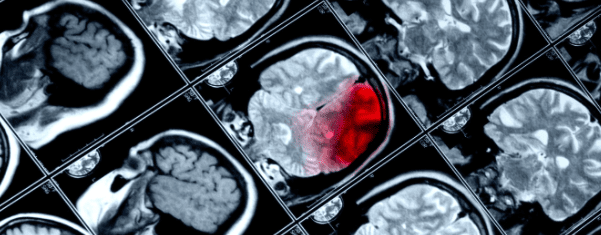
Traumatic brain injury (TBI), also known as concussion, is a common condition that affects thousands of people every year in the United States alone. The most challenging aspect of TBI is its vague clinical presentation, which makes it difficult for physicians to promptly diagnose and treat this condition without a proper history of trauma.
According to the Centers for Disease Control and Prevention (CDC), the number of TBI-related hospital visits and deaths increased by 53% between 2006 and 2014. Unfortunately, patients who survive after a concussion often deal with neurological sequela for the rest of their lives. This article will explore the basic concepts of TBI as well as the role of stem cell therapy in restoring normal neurological function after irreversible damage.
How Do Concussions Happen?
The brain is a fragile organ that’s protected by a boney structure known as the skull. Unfortunately, this protection can be a double-edged sword. To prevent contact between the brain and the skull, a liquid called cerebrospinal fluid (CSF) acts as a shock absorber to avoid any trauma to the brain when the skull is abruptly moved. In other words, the brain is floating in the CSF to be able to easily move around when you change positions.
A concussion occurs when the brain collides with the skull at an intensity that surpasses the CSF-cushioning ability. Consequently, the brain will shrink on itself, sending shock waves through the entire tissue, which tear the neurons. This phenomenon is referred to as diffuse axonal injury. As a result, the interneural network responsible for every task that the brain completes is compromised and may lead to irreversible loss of function.
Stem Cell Therapy and Traumatic Brain Injury
Stem cells have the ability to differentiate into several body tissues, which makes them a candidate to treat and repair damage for a myriad of medical conditions, including traumatic brain injuries.
In a clinical trial, researchers used bone marrow-derived stem cells as repair agents to restore the function of damaged brain tissue after enduring TBI. Stem cells were introduced to patients using minimally-invasive procedures with highly-sensitive imaging guidance to deliver the cells at the exact site of tissue damage.
Researchers stated that “These stem cells secrete growth factors that have shown preclinical benefit and also recruit the patient’s own stem cells through various homing signals. Recent successes with similar stem cell therapy trials in other diseases, such as for heart attack recovery, have generated increased interest in now using these approaches to treat brain injury.”
Moreover, a 2018 study published by nature, scientists aimed to find out if certain types of cell therapy, such as umbilical cord stem cells and bone marrow-derived stem cells benefit patients with traumatic brain injuries. The researchers found that these cells can regenerate neurons and repair damage, which may revolutionize the field of traumatology since patients may restore certain neurological functions even after irreversible damage.
Note that the idea of using stem cell therapy to treat concussions is not new, as a 2002 experimental study on rats concluded that “We show for the first time that the IV administration of human umbilical cord blood cells reduces functional deficits after severe traumatic brain injury in the rat. The injected cells enter the brain, migrate into the injured area, and a few express the neuronal and astrocytic phenotypes and integrate into the vascular structures. Cord blood administration may be a useful treatment for traumatic brain injury.”
The use of stem cell therapy to manage symptoms of TBI are still in the experimental phases; however studies have shown its potential to restore lost functions with minimally-invasive procedures that carry an extremely safe side effect profile.
Contact us today!
by admin | May 23, 2020 | Health Awareness
The microbiome is located within the large intestine and is home to a vast array of bacteria, protozoa, fungi, and viruses. This complex system aids in digestion regulates the immune system and produces critical vitamins. Thus, when something goes wrong with the balance in the microbiome, it can lead to infection, chronic illness, and other serious health implications.
When your gut health is on track, you won’t even notice the microbiome working in your favor. Yet, factors such as poor dietary choices, exposure to toxins, and certain medications can throw off the delicate balance of good to bad bacteria in the intestinal tract. Fortunately, there are usually telltale signs you can watch for to see if your gut health may need some attention. Here are just a few to consider:
Upset Stomach
Occasional gas, bloating, and diarrhea could be normal. Yet, when these symptoms become frequent, it’s important to rule out underlying intestinal issues, including conditions such as inflammatory bowel disease.
Weight Fluctuations
If your weight is changing without any differences in diet and exercise, take note. Metabolism is largely influenced by gut health, and if your microbiome is unbalanced, your body may be struggling to properly absorb and use nutrients. You could lose weight due to a lack of good bacteria, or gain as a result of overeating to compensate.
Skin Woes
Researchers have identified a connection between certain skin conditions and gut inflammation. In particular, watch for sudden flare-ups of acne, psoriasis, eczema, or rosacea.
Bad Breath
There are several potential causes of bad breath, including dental issues. Yet, it’s also possible for an odor to come from deeper within the body – including the microbiome. If the balance is off, your entire digestive system could be impacted, potentially leading to bad breath-inducing issues like heartburn or gastroesophageal reflux disease (GERD).
Anxiousness or Mood Swings
Oftentimes, an upset stomach and anxiousness go hand-in-hand. This makes sense, since the gastrointestinal tract may have more to do with emotional health than we previously thought. While anxiety can worsen gut issues, it’s also possible that intestinal imbalances could lead to mood changes. This is likely due to the fact that the majority of the body’s serotonin, a critical hormone-regulating emotion, is located in the gut.
If you think your gut health may need a bit of attention, here are a few ways you can improve it:
- Reduce your sugar intake. Added sugars can disrupt the microbiome’s balance, so try to cut back on heavily processed, sugary foods.
- Maintain a diverse diet. Keep gut health in check by incorporating many different vegetables, fruits, lean protein sources, healthy fats, and whole grains into your meals. Fermented foods, such as yogurt and sauerkraut, are also beneficial, as they have probiotics to support gastrointestinal wellness.
- Get plenty of fiber. The nutrient is important for healthy digestion, but the American diet often lacks sufficient fiber. Whole grains, nuts, seeds, and fresh fruits and vegetables are all good sources, but incorporate the nutrient slowly to avoid overwhelming your system.
Of course, if you have any GI symptoms which persist for more than a few days even after switching up your diet, don’t hesitate to make an appointment with your doctor.
Another option is to seek a functional medicine doctor or a provider that can test for key nutritional deficiencies. Stemedix offers this comprehensive personalized testing, contact a Care Coordinator at 800-531-0831 for more information.
by admin | May 21, 2020 | Peptides
While Thymosin Beta 4 (Thymosin β4) was isolated and characterized nearly 40 years ago, its potential benefits are still being revealed. Thymosin β4 is a peptide that plays a central role in repair, healing, and regeneration. While it was first isolated from the thymus gland (hence, its name), it is found naturally in many tissues of the body. Platelets and white blood cells have particularly high levels of thymosin β4. These facts are biologically important because platelets are the first substances to arrive at the site of injury and white blood cells are the major cells of the immune system.
When the body is injured, platelets, macrophages, and other cells release thymosin β4 at the site of the injury. Thymosin β4 acts at the injury site to stop cell suicide (i.e., apoptosis), reduce overly aggressive inflammation, and slow the growth of infectious microbes. Beyond these actions, however, thymosin β4 also signals stem cells to come to the injury site and differentiate into the cells that are needed for growth, healing, and renewal.
Goldstein and co-authors review the many benefits and potential uses of thymosin β4. In wound healing and repair, thymosin β4 helps new blood vessels and nerves form in injured tissue and, in fact, helps new, healthy tissue to grow. Thymosin β4 reduces the number of myofibroblasts in healing wounds—an action that decreases the formation of scar tissue. The anti-inflammatory actions of thymosin β4 reduce swelling, pain, and tissue damage.
Phase I clinical trials show that thymosin β4 preparations (e.g. eye gel) are safe and well-tolerated. Phase II trials show that thymosin β4 is safe and preliminarily effective in patients with serious pressure ulcers and venous stasis ulcers. Specifically, the wounds appeared to heal faster with treatment in randomized, double-blind, controlled trials. Thymosin β4 has also been used to treat diseases of the eye such as chronic dry eye and diabetic keratopathy. As more clinical trials and pivotal trials are conducted, the clinical applications of this incredible molecule are likely to expand.
If you are interested to learn more on Thymosin Beta 4, please contact your Care Coordinator today at 800-531-0831.
Reference: Goldstein, A., et al. (2012). Thymosin β4: a multi-functional regenerative peptide. Basic properties and clinical applications. Expert Opinion on Biological Therapy. 2012. Volume 12, 2012 – Issue 1.





 St. Petersburg, Florida