by Stemedix | Feb 15, 2021 | Stem Cell Therapy
The lower back plays a critical role in supporting the body and helping us stay upright. Unfortunately, it’s also one of the areas that experience the most pressure. The lower back clinically referred to as the lumbar spine, is made up of muscles, bone, and other tissue. The tissue, in particular, cushions the spine and protects it from the strain on our back, neck, and shoulders.
The lumbar spine comprises five vertebrae, and in between each is a specific type of soft tissue known as a disc. Large muscles also surround the vertebrae, and facet joints, or bands of connective tissue, are located between the vertebrae. Each part of this tissue network plays an important role in the support and mobility of your spine. They work together, balancing each other.
When an imbalance occurs, the result is often back pain. The source of the pain can be a single cause or a combination of factors. At its core, however, low back pain is almost always caused by the degradation of soft tissue. It’s often most pronounced in the spinal discs and facet joints, which contribute to movement throughout the upper body.
When discs degenerate, the discs collapse, causing the space between vertebrae to narrow. As this happens, the facet joints become strained, causing damage to the surrounding articular cartilage. Once cartilage starts to wear away, bones in the back can rub together, ultimately causing bone spurs.
Previously, there were few treatment options available for chronic lower back pain, all of which had their side effects to consider. While steroid injections offer temporary relief, they’re associated with side effects such as nerve damage. Surgery may be recommended in extreme cases, but back procedures are invasive and can therefore pose risks. Physical therapy can also help patients find relief, but it’s not always enough to help patients eliminate pain and restore mobility.
Fortunately, regenerative therapies such as stem cell treatments are helping patients find noticeable improvements in their symptoms. These treatments have been shown to be safe and effective, and unlike conventional practices, can help to address the soft tissue damage causing back pain.
The process entails acquiring the stem cells from either the patient’s adipose (fat) or bone marrow tissues or by a donated source of umbilical cord tissue. They are then administered directly into the compromised area under fluoroscopic guidance. There, the cells kickstart the body’s natural healing process by self-renewing and transforming into specialized cell types. Stem cells have the ability to heal damaged tissue and restore areas of tissue damage. With this cellular approach to healing, patients can pursue a more effective pain relief strategy than conventional treatments alone will provide. If you are interested then contact a care coordinator today!
by admin | Feb 12, 2021 | Glaucoma, Mesenchymal Stem Cells, Stem Cell Therapy
Glaucoma is a complex group of interrelated eye conditions that affects over 70 million people worldwide. A leading cause of irreversible blindness in people over 60, glaucoma is a progressive condition that affects the optic nerve and leads to gradual loss of specific neurons that relay visual information from the retina to the brain; the progressive vision loss caused by glaucoma is often associated with increased pressure in the eyes[1].
Currently, pharmaceutical and surgical treatment for glaucoma focus on relieving pressure in the eye by treating the trabecular meshwork (TM), the part of the eye that relieves pressure by allowing drainage of the aqueous humor. Unfortunately, to date, these treatment options have demonstrated only to delay, not correct, or prevent, the progression of glaucoma. Additionally, these treatment options are not effective in repopulating or regenerating the retinal ganglion cells (RGCs), the neurons that relay visual information to the brain; in other words, these treatments have proven largely ineffective in patients with advanced stages of glaucoma.
With the advances made in stem cell therapy, and especially considering the functional properties of mesenchymal stem cells (MSCs), several new therapeutic approaches to treating glaucoma-related issues are currently being considered.
In this review article, Harrell et. al drew key observations from the information presented in over 250 journal articles to assess the current knowledge and future perspectives when considering the beneficial effects of MSCs in the treatment of glaucoma.
Specifically, researchers have found that the neurotrophins produced by MSCs encourage both the survival and regeneration of RGCs affected by glaucoma; MSCs appear to support RGCs by generating cells that are similar to RGCs and through promoting the expansion and differentiation of retinal stem cells (RSCs) in RGCs. MSCs are also believed to support the integrity of TM cells, allowing for pressure in the eyes to be reduced.
After reviewing the abstracts of 253 journal articles on the topic, the authors of this review concluded that the large number of studies examining MSCs’ ability to treat and/or protect the eye from the harmful effects of glaucoma was primarily dependent on MSCs capacity to provide neuroprotection for, and support regeneration in, RGCs.
However, as the authors point out, while several of these studies appear to demonstrate the potential benefits of MSCs and their secretome in glaucoma therapy, neither the safety nor efficacy have been validated in clinical settings or clinical trials with the appropriate number of enrolled patients.
While there appear to be several beneficial effects associated with using MSCs and their secretome in glaucoma therapy in humans, the authors conclude that these claims can only be verified if MSC-dependent therapeutic effects are confirmed through future clinical trials.
Source: (n.d.). Therapeutic Potential of Mesenchymal Stem Cells and … – Hindawi from https://www.hindawi.com/journals/sci/2019/7869130/
[1] “Glaucoma – Symptoms and causes – Mayo Clinic.” 23 Oct. 2020, https://www.mayoclinic.org/diseases-conditions/glaucoma/symptoms-causes/syc-20372839.
by admin | Feb 10, 2021 | Health Awareness, Functional Medicine
Heavy metals are found naturally in the earth and used widely across many industries. The body also naturally contains certain heavy metals, such as iron, zinc, and copper, which help to promote optimal functioning. When your soft tissues absorb a heavy metal in excess, it leads to a condition known as heavy metal poisoning.
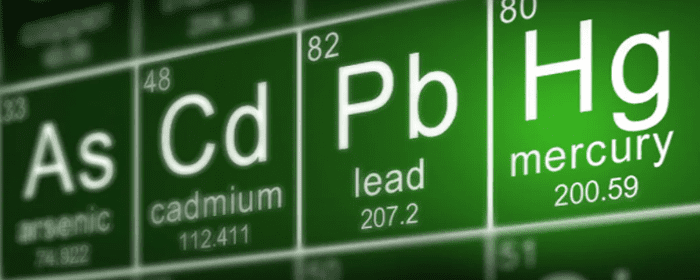
The most common heavy metals that cause toxicity when absorbed by the body include:
- lead
- mercury
- arsenic
- cadmium
Sources of exposure for these metals could include medicine, pollution, food, lead-based paint, and working in industrial settings.
Heavy metal poisoning is considered rare in the U.S., but it can still occur. The condition develops when someone is exposed to high levels of metal over a prolonged period of time.
Symptoms
Symptoms of heavy metal poisoning can include nausea, diarrhea, vomiting, shortness of breath, and tingling in the extremities. Weakness and chills may also occur.
There are also symptoms specific to each type of metal. For example, mercury poisoning may cause poor coordination, difficulty walking, nerve damage in the hands and face, and muscle weakness. Lead poisoning is characterized by sleep problems, aggression, constipation, irritability, anemia, headaches, and memory loss. In arsenic poisoning, red or swollen skin may develop, along with muscle cramps, irregular heartbeat, and lesions on the skin. Finally, cadmium poisoning is marked by difficulty breathing, fever, and muscle pain.
Causes
Each specific metal type has unique circumstances leading to exposure as well. For instance, lead poisoning can occur after living in a home with lead paint, working at a firing range, using kohl cosmetics, or working in certain types of industrial construction. A person could be exposed to mercury in an environment that manufacturers mirrors, x-ray machines, or other products containing mercury. Eating contaminated fish can also lead to mercury poisoning, as can mining activities. Industrial work and cigarette smoke can lead to cadmium poisoning. Arsenic poisoning may occur after ingesting certain chemicals, such as insecticides, or living in an area with high levels of arsenic in the natural environment.
Diagnosis
Heavy metal poisoning can be diagnosed through a blood test known as a heavy metals panel. If you have symptoms of poisoning present but only low levels of heavy metal are detected, further testing may be performed. For instance, medical professionals could use hair, fingernail, or urine analysis, as well as X-rays and function studies of the kidney and liver.
You can also do a home comprehensive test to determine toxin and detoxification markers. The tests also include deficiencies and insufficiencies to help address the root cause of symptoms you may be experiencing. Learn more.
Treatment
Eliminating exposure to heavy metal is the first step in treating the condition. In mild cases, this may be sufficient for alleviating symptoms.
There are detoxification products available to also help address. There are 10 and 28-day programs to help facilitate the removal of undesirable compounds in the body.
In more severe cases, chelation therapy may be prescribed. In this treatment, the patient takes medication to bind the heavy metals in your body, which will then exit the body as waste. Chelation therapy may encompass oral pills or intravenous therapy.
For more health awareness blogs, please visit www.stemedix.com/blog
by Stemedix | Feb 8, 2021 | Uncategorized
Regenerative therapy is an emerging subset of healthcare that leverages treatments aimed to functionally restore specific tissues in the body. It helps patients with chronic illness or persistent injuries when traditional medicine has fallen short. One of the most promising forms of regenerative medicine is stem cell therapy.
Although it’s already been in place for many years, stem cell therapy is still considered a “new” treatment, as practitioners are still finding novel applications for stem cells all the time. More than one million treatments have been performed since the therapy’s inception, and outcomes are significantly improving as protocols are refined. Here’s what you should know about stem cell therapy.
What Are Stem Cells?
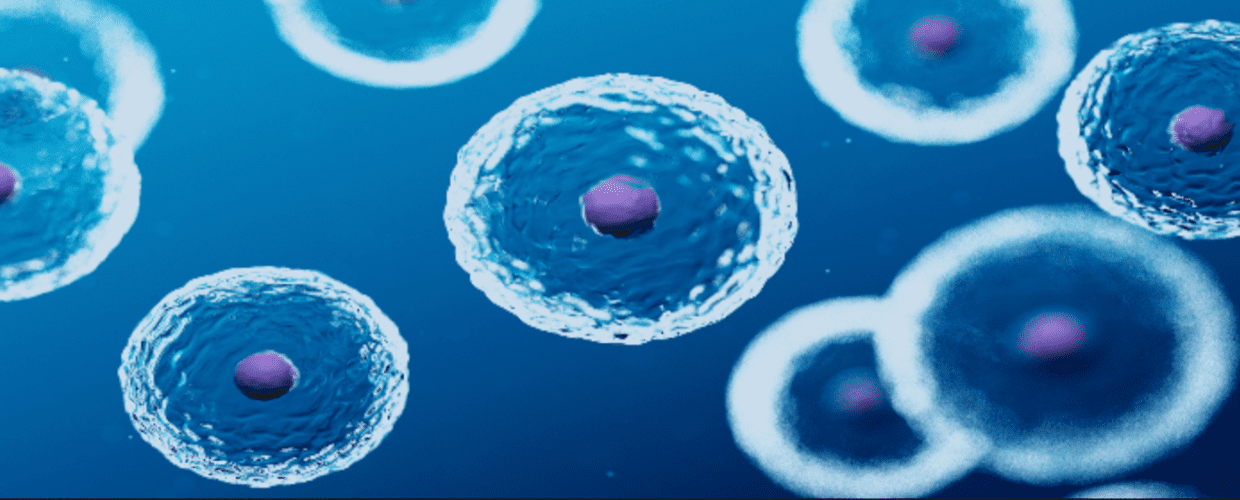
Stem cells are the body’s natural repair kit. They’re the building blocks upon which all tissues and organs are built since they have the ability to transform into mature cells. While every mature cell type has a specific role – muscle cells support the muscular system, for example – stem cells’ primary role is to regenerate into other cells as needed.
If tissue breaks down due to injury, for example, stem cells will target the affected area and regenerate into the specialized cell types. When transforming into these distinct cells, they take on their properties and functions.
A stem cell can turn into any one of the following differentiated cell types:
- Bone cells
- Muscle cells
- Blood cells
- Fat cells
- Skin cells
- Nerve cells
- Stem cells (through the process of self-renewal)
Stem cells are already within our bodies, so they are not a new “invention” from scientists. While they can be harvested and transplanted from external sources, they are also able to be retrieved from the patient themselves.
Stem cells have been found naturally within the brain, as well as bone marrow, adipose (fat) tissue, and the umbilical cord tissue. They are also present in the muscles, skin, and liver.
Our bodies are constantly regenerating stem cells. For instance, we shed skin cells all the time, and thus have an entirely new set of skin every two to three weeks. Our intestinal lining and liver also have innate regenerative qualities. And, while many different systems excel at regenerating on their own, other parts need some assistance. This is the very reason stem cell therapy was created.
Doctors can extract stem cells from a patient, then concentrate and activate them to ready them for therapeutic use in the body. They can then be transplanted to the area where they are needed most, where they’ll renew, multiply, and differentiate into specialized cells with distinct properties.
Where Do Stem Cells Originate From?
Stem cells are present in embryos as well as the adult body. Embryonic stem cells are only used in research applications after they’ve been donated by individuals who have undergone in vitro fertilization (IVF) after consent.
Adult stem cells referred to as pluripotent stem cells, have been used in therapeutic applications since the 1950s. While they can only multiply a certain number of times and transform into specific cell types, they still hold tremendous potential in therapeutic applications.
There are many new applications for disease and injury treatment is continuing to be discovered by stem cell researchers. Since the earliest findings of stem cells showed that there were considerable concentrations in the bone marrow, they were widely used as bone marrow transplants for patients with leukemia and other blood diseases. By 2010, stem cell therapy was being used for spinal injuries, and its applications in orthopedics have progressed rapidly since then.
In addition to patient-derived sources such a bone marrow or adipose (fat) tissues, stem cells can also be found in the umbilical cord. These cells are donated after a c-section birth by a patient who has given the proper consent and has been thoroughly screened for blood diseases. For patients who have insufficient stem cell sources or maybe of a certain age, umbilical stem cells may be a good alternative.
What Is Stem Cell Therapy?
While stem cell therapy is a cutting-edge medical option with immeasurable potential, the process itself is fairly simple. Choosing the provider is also part of the process of discovering stem cell therapy as a potential option.
First, the patient undergoes a consultation to discuss their condition and symptoms. The healthcare provider must ensure they’re a good candidate for stem cell therapy, and if so, determine which protocols will suit the patient best.
Once the stem cells have been acquired from either the patient or from a donated tissue source, they are prepared to then be readministered to the patient in targeted areas in their pre-determined treatment plan. Stringent quality control measures are in place to promote safety and optimal patient outcomes.
As the stem cells proliferate and transform into the necessary cell types, some symptoms may improve. The goal of these therapeutic treatments is to help stop or halt the progression of the patient’s condition and some also may gain symptom improvements as well as a result. Since treatment is delivered via injection and there is no large surgical site, symptoms are minimal and may include slight temporary soreness.
The benefits of regenerative therapy are vast, however. Not only is it simple and convenient, but it can help to reverse the effects of chronic, challenging conditions. As more positive research emerges, it will likely become even more widely embraced as a go-to treatment method.
by admin | Feb 5, 2021 | ALS, Mesenchymal Stem Cells, Stem Cell Research, Stem Cell Therapy
Amyotrophic lateral sclerosis (ALS), also known as motor neuron disease or Lou Gehrig’s disease, is a disease that gradually paralyzes people because the brain is no longer able to communicate with the muscles of the body that we are typically able to move at will[1]; as ALS progresses, people will lose the ability to walk, talk, swallow, and eventually breathe.
While no treatment to prevent or even slow the progression of, ALS currently exists, recent findings indicate that neurotrophic factors (NTFs) have been shown to potentially improve the survival of motor neurons in ALS. While a single administration of NTFs has not been effective in extending the life of these motor neurons, the review suggests the direct delivery of multiple NTFs by transplantation to the CNS has proven effective in animal studies.
Specifically, the observed benefits of mesenchymal stem cells (MSC) transplanted from bone marrow or adipose suggest improved neurological stabilization in patients with ALS. As such, the authors of this review have developed a method that produces a strong synergistic effect when introducing a combined delivery of neurotrophic factors in patients with ALS.
The authors, in this review, report on the safety and clinical effects resulting from phase 1 / 2 and 2a clinical trials in which autologous MSC-NTS cells were transplanted in patients with ALS. Both of these studies were considered open-label proof of concept studies where patients were followed up for 3 months before transplantation and 6 months after receiving MSC-NTS transplantation.
No serious adverse events were associated with MSC-NTF cells intramuscular (IM) injections, intrathecal injections (IT), or a combination of both (IT+IM) during these studies.
Additionally, neurotrophic growth factor secretion of patients’ cells was shown to be induced in the MSC-NTF cells when compared to MSCs of the same patient prior to differentiation. In all samples, MSC-NTF cells demonstrated increased secretion of NTFs when compared to non-differentiated MSCs from the same patient.
As a result of this study, the authors have concluded that IT and IM injections of MSC-NTF cells in patients with ALS are safe and well-tolerated. While not the primary focus of the study, the findings also demonstrated clinically meaningful benefits specifically induced by intrathecal treatment with MSC-NTF cells, including potentially slowing the rate of ALS progression.
Considering that neurologists specializing in the treatment of ALS consider a reduction in ALS-FRS-R slope of 25% or more to be clinically significant, the change in ALS progression rate observed after MSC-NTF cell transplantation in this study may indicate a clinically meaningful effect to be confirmed in future clinical trials.
Source: (n.d.). Safety and Clinical Effects of Mesenchymal Stem Cells Secreting …. Retrieved from https://pubmed.ncbi.nlm.nih.gov/26751635/
[1] “Amyotrophic lateral sclerosis (ALS) – Symptoms and causes – Mayo ….” 6 Aug. 2019, https://www.mayoclinic.org/diseases-conditions/amyotrophic-lateral-sclerosis/symptoms-causes/syc-20354022. Accessed 15 Feb. 2021.



 St. Petersburg, Florida