by admin | Feb 24, 2021 | Health Awareness, Functional Medicine
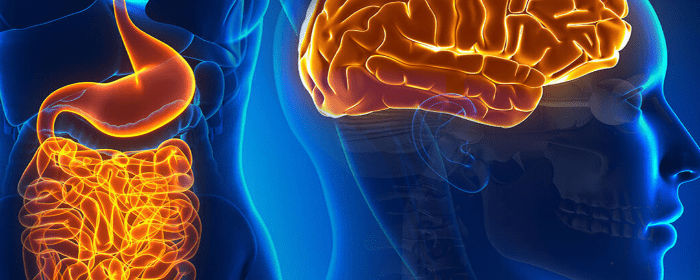
In the mid-2000s, neuroscientist Jane Foster noticed an interesting phenomenon in her laboratory: mice with health gut microorganisms were acting differently than those without. She believed the animals’ gut bacteria was influencing their behavior and mental state. Yet, it wouldn’t be for several years that a potential link between the gut and brain would be considered among the medical community.
Now, the gut-brain axis is widely discussed by neuroscientists. In recent years, thousands of publications have indicated many gut bacteria that have significant effects on the brain. Since then, researchers have been working avidly to determine whether, and how, microbes could play a role in conditions such as Parkinson’s disease (PD) and autism spectrum disorder, among others.
For instance, it’s believed that a specific strain of E. coli can produce a protein that may cause other proteins to misfold, resulting in errors that are ultimately transmitted to the brain in the case of Parkinson’s disease. In motor neuron disease, it’s suspected certain bacteria produces a vitamin B3 molecule that could travel to the brain and improve symptoms. With autism spectrum disorder, infections during pregnancy seem to be a catalyst. When certain bacteria trigger T-helper 17 cells, an immune system component, they produce immune molecules which travel to the fetus’s brain and appear to cause behaviors seen in autism.
In some cases, gut issues could be an important indicator of potential issues in brain health. For instance, many patients with PD experience symptoms such as constipation long before other characteristics of the disease. With that being said, the disorder presents differently in different individuals.
While there is still much to learn about the potential pathways microbes use to reach the brain, there’s considerable interest by the research community to further investigate potential links between brain and gut health. Researchers are currently exploring how certain bacteria could play a role in the treatment of conditions such as autism spectrum disorder and PD, among others. They’re particularly excited about the prospects since the gut microbiome can be modified, unlike genetics. While there is still considerable work to be done, ongoing efforts could make enormous strides for patients with brain disorders in the future.
Patients are discovering the benefits of having a comprehensive GI test done to determine their current gut health. These tests can be done at home and will determine the root cause of many gastrointestinal symptoms. By improving functional imbalances and inadequacies found, symptoms can improve. Learn more today!
For more health awareness blogs, please visit https://www.stemedix.com/blog.
by Shoot To Thrill Media | Feb 22, 2021
Ozone IV Therapy Ozone IV Therapy is an alternative option for those seeking help in their body’s detoxification process, to build and balance their immune system, or to address specific illnesses or concerns.This systemic delivery offers patients a supplemental...
by Stemedix | Feb 22, 2021 | Autoimmune, Stem Cell Therapy
According to the American Autoimmune Related Diseases Association (AARDA), there are more than 100 known autoimmune diseases. While some have unique, specific symptoms, for many of these conditions, there are striking similarities. In particular, a few signs of autoimmune disease can manifest early on, potentially even years before a formal diagnosis. Here are a few early signs of autoimmune disease.
Weight Changes
If your weight is fluctuating even without changes to your diet or exercise patterns, take note. This symptom could point to autoimmune issues such as hypothyroidism, in which the production of key hormones causes weight gain.
Fatigue
Another common indicator of autoimmune disease is fatigue. It’s the most common symptom reported by people with autoimmune disorders, including lupus, multiple sclerosis, celiac disease, and type 1 diabetes. Experts believe the root cause of this symptom is widespread inflammation, which can affect oxygen and nutrient supply, metabolism, and mood.
Skin Changes
Rashes can be seen in autoimmune diseases such as lupus. In this condition, patients often notice a butterfly-shaped rash, which usually appears on the face. While the rash is an indication of inflammation affecting the skin, it can also spread elsewhere, such as the joints and organs.
Muscle or Joint Pain
While joint pain can develop from long-term wear and tear, unexplained joint pain could indicate an immune system issue. The symptom is a hallmark trait of both rheumatoid arthritis and Hashimoto’s thyroiditis, for example.
Digestive Issues
Digestive changes such as diarrhea, bloating, and gas can be attributed to poor eating patterns, but prolonged symptoms without dietary changes can suggest autoimmune issues. In irritable bowel disorders, these symptoms can indicate intestinal issues that require long-term care.
Symptoms of autoimmune conditions often mimic the signs of other conditions and illnesses. Unfortunately, many of these conditions don’t have a single test that can confirm a diagnosis. For this reason, it will be important to work closely with your doctor to discuss symptoms, diagnostic criteria, and testing methods.
Patients today who are diagnosed are looking into other alternative treatment options. One of those options is regenerative medicine, also known as stem cell therapy. Stem cells are naturally found within the body and have the ability to self-renew and differentiate into specialized cell types. They act as the body’s natural repair kit and also have anti-inflammatory properties. If you are interested then contact a care coordinator today!
by admin | Feb 19, 2021 | Multiple Sclerosis, Mesenchymal Stem Cells, Stem Cell Research, Stem Cell Therapy
Progressive multiple sclerosis is a significant disruptive neurodegenerative disease that interferes with the brain’s ability to control the body; the condition continues to get worse over time and, to date, has no known therapeutic treatment or cure.
Petrou Et. Al’s double-blind clinical trial examined the therapeutic efficacy of mesenchymal stem cell (MSC) transplantation in active progressive multiple sclerosis and explored the most favorable route of cell delivery (intravenous or intrathecal injections).
Prior to this study, previous trials examining various types of MSC administration in the therapeutic treatment of multiple sclerosis have demonstrated the clinical safety of MSC administration but have not identified treatments to suppress central nervous system (CNS) inflammation associated with the progression of diseases like progressive multiple sclerosis.
Several studies have also demonstrated that CNS loses the ability to repair and regenerate over time. Considering that stem cells, and specifically MSCs, have demonstrated to provide additional benefits, including immunomodulatory and neurotrophic effects, when used in the treatment of stroke and multi-system atrophy, they appear to be a viable potential therapeutic treatment for active progressive multiple sclerosis.
For the purposes of Petrou Et. Al’s study, a total of 48 participants with a mean disease (active progressive multiple sclerosis) duration of 12.70 years were included as part of this study either as part of a placebo group, MSC-IV group, or MSC-IT group; selected treatment was applied at 3-month and 6-month marks of the study.
At the conclusion of this study, the authors report no serious, treatment-related adverse effects were observed and significantly fewer patients in the MSC-IT and MSC-IV groups experienced treatment failure when compared to the placebo group.
By reviewing changes observed in ambulation index, the sum of functional scores, 25-foot timed walking test, PASAT and OWAT/KAVE cognitive test, and the rate of change in T2 lesion load on MRI observed after the 6th-month treatment, researchers also found beneficial effects in both the MSC-IT and MSC-IV groups.
It appears that repeated intrathecal injection of MSC during the second round of treatment (Month 6) significantly improved the effects measured during the first round of similar treatment (Month 3); similar, but less significant benefits were also observed in the MSC-IV group. Specifically, researchers report that these observed benefits may indicate the involvement of immunomodulatory and neuroprotective mechanisms.
Of particular interest is the fact that the benefits with clinical significance were observed in participants with progressive multiple sclerosis found to be previously unresponsive to conventional immunotherapies and currently with limited treatment options.
In conclusion, this study found short-term clinical efficacy and perhaps neuroprotection by administration of MSCs to participants with progressive multiple sclerosis. The researchers also found that while repeated injections of both MSC-IT and MSC-IV produced beneficial effects, intrathecal administration appears to produce more clinically significant and observable benefits than MSC-IV.
These findings are recommended for use in the design of future studies examining the impact of cell therapy on neurodegeneration and neuronal regeneration and warrant Phase III study to confirm the therapeutic potential of cellular therapy in neurodegenerative and neuroinflammatory diseases, including multiple sclerosis.
Source: (2020, December 1). Beneficial effects of autologous mesenchymal stem … – PubMed., from https://pubmed.ncbi.nlm.nih.gov/33253391/
by admin | Feb 17, 2021 | Health Awareness, Rheumatoid Arthritis
Arthritis is characterized by inflammation in the joints, which often causes pain, stiffness, and swelling. The levels of inflammation in your body are influenced by a number of factors, including diet. Some foods in particular have been shown to increase inflammation, thus exacerbating arthritis symptoms. To help control your arthritis, here are some foods to limit or avoid.
Fried Foods
The oil used for frying often contains omega-6 fatty acids, which have been linked to increased inflammation. Because they’re associated with a number of other health issues, including heart problems, they’re best avoided altogether.
Excess Salt
Salt is found in many different foods, but it’s important for people with arthritis to control their consumption. The mineral can increase the body’s inflammatory response, and it’s also been associated with an elevated risk of rheumatoid arthritis (RA). Flavor your food with joint-healthy seasonings, such as cumin, ground pepper, or garlic powder, instead.
Sugary Drinks
Added sugars have a broad range of health risks, ranging from their association with obesity and type 2 diabetes to elevated inflammation. Even low to moderate intake of sugary drinks such as sodas, juices, and sweet teas has been linked to heightened inflammation. If plain water seems too bland, considering adding a fresh wedge of lemon or cucumber slices to give it some flavor.
Alcohol
Moderate alcohol intake can reduce inflammation in certain types of arthritis. For instance, the antioxidants in red wine help to promote joint health in RA with a daily five-ounce serving. Yet, alcohol can also trigger symptoms in other types of arthritis, including gout. If you’re unsure about how drinking could affect your arthritis, it’s best to talk to your rheumatologist.
Red Meat
Red meat is notoriously high in saturated fat, which has been linked to inflammation that leads to joint swelling. Other types of protein, including plant-based sources and poultry, are lower in saturated fats, and thus better for joint health.
High-Fat Dairy Products
Like red meat, full-fat dairy products, including cheese, yogurt, and milk, have high levels of fat. They also typically contain more added sugars than low-fat varieties. Some people with arthritis eliminate dairy from their diets altogether to reduce its inflammatory effects, while others enjoy low-fat options. Low-fat yogurt, in particular, may be worth keeping in your diet, as it contains probiotics which can actually help control inflammation.
Heavily Processed Foods
Heavily processed foods such as refined carbohydrates, candy, lunch meat, and baked goods often have additives that contribute to inflammation. Many are loaded with added sugars or excess salt, and can therefore aggravate arthritis symptoms. Whenever possible, choosing primarily whole foods such as fruit, vegetables, healthy fats, and lean protein, will be best for controlling inflammation and arthritis symptoms.
For more health awareness blogs, please visit www.stemedix.com/blog.




 St. Petersburg, Florida