Progressive multiple sclerosis (PMS) is a complex, disabling form of multiple sclerosis characterized by the progressive accumulation of central nervous system (CNS) damage. This damage arises from chronic inflammation, demyelination, axonal injury, neuronal degeneration, and gliosis, affecting both white and gray matter in the brain and spinal cord. Despite advancements in MS research, effective reparative therapies for reversing the functional impairments associated with PMS remain largely unavailable.
A promising new approach for PMS treatment is NurOwn, a therapy based on mesenchymal stem cell-derived neurotrophic factor (MSC-NTF) cells. NurOwn utilizes a proprietary method to isolate and culture autologous (self-derived) mesenchymal stem cells (MSCs) from bone marrow. These MSCs are then differentiated to secrete high levels of neurotrophic factors (NTFs), which are believed to have both neuroprotective and immunomodulatory properties. Preclinical studies and early clinical trials have suggested that MSC-NTF therapy could help reduce CNS inflammation and promote neuronal repair mechanisms in PMS patients.
Cohen et al.’s open-label phase II study was conducted to evaluate safety/efficacy of three intrathecal cell treatments
Safety and Tolerability of MSC-NTF Therapy
In this Phase II clinical trial (BCT-101), the safety of MSC-NTF therapy was evaluated in 20 participants with PMS, of whom 18 received treatment. While most participants tolerated the therapy well, two discontinued due to adverse events related to the procedure, including mild symptoms such as coldness, muscle weakness, and fever, as well as one case of arachnoiditis -a rare inflammation of the arachnoid membrane surrounding the spinal cord.
For both affected individuals, MRI scans revealed characteristic lumbar nerve root clumping. Treatment with epidural cortisone and analgesics provided symptom relief, with one participant’s symptoms resolving fully. Importantly, there were no recorded deaths or adverse events associated with MS relapses, and no clinically significant alterations were observed in blood, urinalysis, or vital sign parameters after dosing.
According to the authors, these results highlight the potential tolerability of MSC-NTF therapy, though further studies are required to assess long-term safety.
Potential of MSC-NTF Therapy for PMS
NurOwn’s MSC-NTF cells have been tested in animal models relevant to PMS, including studies on autoimmune encephalomyelitis and optic nerve damage, which have shown the therapy’s potential to reduce inflammation and support neuroprotective mechanisms.
Current studies suggest that intrathecal (spinal) administration may offer unique benefits over intravenous administration by directly addressing meningeal inflammation and delivering neurotrophic factors close to the site of CNS damage. The capability of MSC-NTF cells to modulate inflammation and potentially promote endogenous repair makes it a promising therapeutic modality in PMS.
Functional and Biomarker Outcomes
Cohen et al.’s phase II study used several functional outcomes to assess MSC-NTF efficacy in PMS, including the timed 25-foot walk test (T25FW), nine-hole peg test (9-HPT), low-contrast letter acuity (LCLA), and symbol digit modalities test (SDMT).
Results indicated positive trends in these measures, suggesting that MSC-NTF therapy could improve mobility, hand function, and cognitive speed in PMS patients. Additionally, patient-reported outcomes, such as the MS Walking Scale-12 (MSWS-12), demonstrated improvements in walking function.
Biomarker analysis revealed reductions in cerebrospinal fluid (CSF) inflammatory markers, including MCP-1, sCD27, SDF-1, and osteopontin, indicating a decrease in CNS inflammation. Neuroprotective biomarkers, such as VEGF-A, HGF, NCAM1, and LIF, also showed consistent increases, suggesting that MSC-NTF cells might help support neuronal health and function in PMS. However, changes in neurodegenerative biomarkers, such as neurofilament light chain (NfL), were inconsistent, indicating the need for additional research to understand MSC-NTF’s impact on neuronal damage markers.
Insights and Future Directions Of MSC-NTF Therapy for PMS
This open-label, single-arm Phase II study demonstrated that MSC-NTF cells could be safely administered in participants with stable, non-relapsing PMS. Although two participants experienced arachnoiditis following intrathecal treatment, the majority tolerated the therapy well. Functional outcomes showed encouraging trends, suggesting possible benefits of MSC-NTF therapy in improving physical and cognitive function in PMS patients.
The study also highlighted several limitations, including the lack of a placebo-controlled group, which may introduce bias in interpreting efficacy results, and limitations in biomarker analysis due to sample timing. Additionally, inconsistent changes in neurodegenerative biomarkers and the small sample size warrant further investigation.
In summary, this Phase II trial provides preliminary evidence supporting the safety and potential therapeutic benefits of MSC-NTF cell therapy in PMS. While these initial findings are promising, larger placebo-controlled studies are needed to confirm efficacy and further elucidate the role of MSC-NTF cells in modulating CNS inflammation and promoting neuroprotection in PMS.
Source: Cohen JA, Lublin FD, Lock C, et al. Evaluation of neurotrophic factor secreting mesenchymal stem cells in progressive multiple sclerosis. Multiple Sclerosis Journal. 2023;29(1):92-106. doi:10.1177/13524585221122156
Back pain is the most common cause of disability worldwide, impacting people of all ages and socioeconomic backgrounds. In North America, it is one of the top reasons people miss work and visit doctors. Studies show that at least 80% of Americans will experience low back pain at some point in their lives, making it a major contributor to healthcare costs and lost income, amounting to over $50 billion each year. Although various factors can cause back pain, most cases are mechanical rather than due to an underlying disease. One of the main sources of chronic back pain is the degeneration of intervertebral discs, which can lead to pain in the lower back and neck. Despite its prevalence, there is no standard treatment that effectively restores the normal function of these degenerated discs.
Understanding Disc Degeneration and Back Pain
Degenerative disc disease is one of the most significant contributors to chronic low back pain. As intervertebral discs age or become damaged, they lose their ability to cushion the spine, causing pain and reduced mobility. Degeneration can occur naturally due to aging, but other factors like injury or genetic predisposition can also accelerate the process. While imaging tests such as MRIs can identify disc degeneration, they don’t always pinpoint the exact cause of the pain. This makes treating degenerative disc disease challenging, as doctors struggle to find therapies that not only alleviate pain but also restore disc health.
Emerging Stem Cell Therapies for Back Pain
Recently, regenerative medicine, particularly stem cell therapy, has gained attention as a potential treatment for degenerative disc disease. Stem cells have the ability to transform into different types of cells, making them suitable for repairing damaged tissues. In theory, injecting stem cells into degenerated discs could help regenerate disc tissue and reduce pain.
Overview of Clinical Studies
Several clinical studies have examined the potential of stem cell therapies for treating degenerative disc disease, with mixed results. The types of stem cells studied include:
Autologous mesenchymal stem cells (MSCs): These are derived from a patient’s own body, often from bone marrow or fat tissue. Some studies reported a reduction in pain and improvement in quality of life following treatment with MSCs. However, results were inconsistent, and improvements did not always correspond to measurable changes in the disc’s structure.
Allogenic stem cells: These are stem cells from donors’ umbilical cord tissue. Research on allogenic stem cells is still limited, with few studies showing significant long-term benefits.
Chondrocytes: These cells, which produce cartilage, have also been used in some studies to promote disc regeneration. However, there is limited evidence supporting their use, and more research is needed.
Overall, the studies reviewed had varying degrees of success, with some patients experiencing significant pain relief and others seeing little to no improvement. Many studies lacked control groups or were not randomized, making it difficult to draw definitive conclusions. The most common outcomes measured were pain scores and functional improvements, but there was no clear evidence that stem cell therapy restored the physical structure of degenerated discs.
How Stem Cells Might Work
There are several theories about how stem cells could help regenerate damaged discs. One possibility is that stem cells differentiate into the type of cells needed to repair the disc, such as cells that produce cartilage or other supportive tissues. Another theory is that stem cells create a supportive environment that encourages the body’s own repair mechanisms. For example, animal studies have shown that stem cells can increase the production of molecules that help repair and strengthen disc tissue.
The Future of Stem Cell Therapy for Back Pain
Soufi et al. report that stem cell therapy remains a promising area of research for treating degenerative disc disease. Ongoing clinical trials aim to establish the safety and effectiveness of these treatments in humans, and if successful, could pave the way for a new approach to managing chronic back pain. For stem cell therapy to become a standard treatment, more studies are needed to identify which patients are most likely to benefit and to optimize treatment protocols, including the type and dosage of stem cells.
Researchers are also exploring the use of tissue-engineering technologies and biomaterials to enhance the effectiveness of stem cell therapies. Combining stem cells with supportive scaffolds could improve the chances of successful disc regeneration and provide a more stable environment for cell growth.
The Potential of Stem Cell Therapy for Degenerative Disc Disease and Back Pain
Back pain, particularly when related to degenerative disc disease, is a significant health issue with limited effective treatment options. Stem cell therapy represents a new frontier in regenerative medicine, with the potential to offer relief to patients who have not responded to traditional therapies.
Source: Soufi, K.H.; Castillo, J.A.; Rogdriguez, F.Y.; DeMesa, C.J.; Ebinu, J.O. Potential Role for Stem Cell Regenerative Therapy as a Treatment for Degenerative Disc Disease and Low Back Pain: A Systematic Review. Int. J. Mol. Sci.2023, 24, 8893. https://doi.org/10.3390/ijms24108893
Primarily a result of its avascular structure and the relatively low metabolic activities of chondrocytes, cartilage has demonstrated a very limited ability to self-repair.
Currently, the primary interventions for cartilage-related injuries only postpone further cartilage deterioration and fail to fully restore or repair cartilage. The limited success of current clinical treatment options for cartilage-related injuries has led to the development of several regenerative medical therapies, including using mesenchymal stem cells (MSCs) as a new strategy in the treatment of cartilage injuries.
Specifically, MSCs have been found to be isolated from mesenchymal tissue and be differentiated into chondrocytes with the support of chondrogenic factors or scaffolds to repair damaged cartilage tissue.
As part of this review, Le et al. highlight the successful repair of cartilage using MSCs or MSCs in combination with chondrogenic factors and/or scaffolds. The authors also provide a detailed presentation of the outcomes of different MSC-based strategies for cartilage regeneration and discuss their prospective translation to use in clinical practice.
Additionally, the authors discuss a number of specific MSC or MSC-combination factors that have shown potential for positive cartilage regeneration outcomes.
The use of MSC alone demonstrated the potential to possibly delay future cartilage degeneration and has been successful in relieving pain and improving joint function in patients with OA and RA. While the implantation of MSCs alone failed to regenerate the injured cartilage, it did prevent chondrocyte apoptosis.
The authors also pointed out that the application of chondrogenic factors could regulate the differentiation, proliferation, and metabolic activity of MSC and have been shown to increase the therapeutic efficacies of MSCs.
The 3D environment provided through scaffolding has a crucial role in maintaining the chondrocyte phenotype of MSCs, primarily by enabling the homogeneous distribution of MSCs and providing appropriate substrate for cell growth and mechanical integrity for post-surgical implantation. According to Le et al. using this approach could induce the regeneration required for complete and functional cartilage tissue.
While there is still much to be investigated in the area of using MSC-based therapies to create bionic tissues, the authors conclude that the integration of these therapies into current clinical approaches will overcome the current existing challenges and result in a biomimetic cartilage regenerative therapy. Source: Le H, Xu W, Zhuang X, Chang F, Wang Y, Ding J. Mesenchymal stem cells for cartilage regeneration. J Tissue Eng. 2020;11:2041731420943839. Published 2020 Aug 26. doi:10.1177/2041731420943839
Parkinson’s disease is a progressive neurodegenerative condition that can drastically impact everyday life, affecting both physical and mental well-being. Individuals with Parkinson’s often face challenges such as tremors, stiffness, and difficulty with movement, alongside cognitive and emotional symptoms like memory loss and depression. These effects can make even the simplest daily tasks increasingly difficult, leading to a significant decline in quality of life.
At Stemedix, we recognize the challenges Parkinson’s disease poses to patients and their families. We offer stem cell therapy as a promising treatment option. While research on its effectiveness is still ongoing, early studies suggest potential benefits, though the full clinical validation is still under investigation. By using the body’s own regenerative abilities, stem cell regenerative therapy can help improve motor function, reduce symptoms, and restore a sense of independence.
Parkinson’s Disease: An Overview of Its Effects on the Brain and Body
Parkinson’s disease is not just a physical condition but one that affects nearly every aspect of life. As a progressive neurodegenerative disorder, it leads to the gradual breakdown of nerve cells in the brain, particularly those responsible for producing dopamine—a neurotransmitter essential for controlling movement. This loss of dopamine results in the hallmark motor symptoms of Parkinson’s disease, such as tremors, stiffness, and difficulty with balance and coordination. However, the impact of the disease extends far beyond just physical movement, touching on cognitive and emotional well-being as well.
At Stemedix, we recognize the far-reaching effects of Parkinson’s disease, not only on the individual diagnosed but also on their loved ones. That’s why we’re committed to offering stem cell therapy for Parkinson’s, an innovative treatment designed to target the underlying causes of these debilitating symptoms. By focusing on the root of the problem—the lack of dopamine-producing cells—stem cell regenerative therapy has the potential to help restore function and improve quality of life for those battling Parkinson’s.
The Progressive Nature of Parkinson’s Disease
Parkinson’s disease is progressive, meaning its symptoms worsen over time. Initially, signs may be subtle and easy to overlook. However, as the disease advances, tremors may become more intense and movements slower, making everyday tasks such as dressing, walking, or even holding a conversation increasingly difficult. Alongside these motor challenges, cognitive decline may cause memory loss, difficulty with decision-making, and emotional changes, including depression and anxiety.
Beyond the physical effects, Parkinson’s can deeply impact emotional and psychological well-being. The frustration of losing the ability to perform simple tasks, combined with the uncertainty of disease progression, can lead to feelings of helplessness and isolation. The sense of loss goes beyond just the body—it affects independence and quality of life.
Early intervention is crucial in managing Parkinson’s disease. At Stemedix, we offer stem cell therapy as a potential treatment option, though its ability to regenerate dopamine-producing neurons is still being researched. Stem cell regenerative therapy can help restore motor skills, slow cognitive decline, and improve emotional well-being. Using mesenchymal stem cells (MSCs), this therapy taps into the body’s natural healing processes, potentially improving movement, cognition, and emotional health. When combined with other treatments, stem cell therapy offers an integrated approach to managing Parkinson’s and enhancing quality of life.
The Real-World Impact of Parkinson’s Disease on Daily Life
Parkinson’s disease isn’t just a medical condition—it’s a life-changing illness that affects almost every aspect of daily living. The impact of the disease goes far beyond the physical symptoms, influencing a person’s mental health, relationships, and overall quality of life. Whether you’re the one affected by Parkinson’s or a caregiver, the challenge is undeniable. At Stemedix, we recognize these struggles and aim to provide hope through treatments like stem cell therapy for Parkinson’s disease, which offers potential benefits for improving mobility, emotional well-being, and overall life satisfaction.
Physical Impacts on Mobility and Independence
Parkinson’s disease significantly impacts mobility, with symptoms like tremors, stiffness, and coordination difficulties making even simple tasks challenging. Activities that were once routine, such as buttoning a shirt or walking across the room, become increasingly difficult. As the disease progresses, these mobility issues can lead to a loss of independence, which is particularly distressing for those who value self-sufficiency.
Preserving mobility is essential for daily functioning and maintaining independence for individuals with Parkinson’s. Stem cell regenerative therapy addresses the underlying damage in the brain by targeting cells responsible for dopamine production, a neurotransmitter crucial for motor control. By introducing stem cells, this therapy aims to repair and regenerate cells, potentially improving motor function, reducing stiffness, and increasing mobility.
At Stemedix, we are optimistic that stem cell therapy for Parkinson’s patients can help them regain some of their lost independence. This would allow them to perform everyday tasks with more ease and confidence, ultimately enhancing their quality of life.
Emotional and Cognitive Strain of Parkinson’s
While the physical symptoms of Parkinson’s disease are often the most visible, the emotional and cognitive impacts can be just as significant. Many individuals with Parkinson’s experience anxiety, depression, and cognitive decline as the disease progresses. Challenges with memory, decision-making, and other cognitive functions can make it difficult to maintain independence or engage in social activities.
In addition to these cognitive challenges, mood swings and feelings of isolation are common. Parkinson’s disease can alter brain chemistry, contributing to emotional struggles. For those who were once socially active, these changes can feel deeply isolating.
Stem cell therapy for Parkinson’s, particularly with mesenchymal stem cells (MSCs), offers a potential solution. These cells can repair damaged dopamine-producing neurons and promote neuroplasticity, which may improve both motor function and cognitive abilities. Early research is promising, suggesting that stem cell therapy could enhance emotional well-being, offering patients a better quality of life. At Stemedix, we focus on integrated care that addresses both physical and emotional health.
The Broader Life Impact: Employment, Social Activities, and Quality of Life
Parkinson’s disease can significantly impact all areas of life. As symptoms progress, many individuals struggle to maintain their careers, engage in social activities, or enjoy hobbies. The physical challenges, along with cognitive and emotional effects, often lead to social isolation and diminished career prospects. Work and social engagement aren’t just about income—they’re vital to one’s sense of purpose, identity, and connection to others. When these aspects are lost, it can cause frustration, sadness, and a reduced quality of life.
Stem cell regenerative therapy offers renewed hope. Addressing the underlying causes of Parkinson’s symptoms has shown the potential to enhance motor function, improve cognitive abilities, and reduce emotional distress. At Stemedix, we believe quality of life shouldn’t be compromised. Our stem cell therapy for Parkinson’s can help patients regain the ability to engage in activities they love, maintain relationships, and restore independence—leading to a more fulfilling and active life.
Stem Cell Therapy: A New Horizon in Treatment
Parkinson’s disease, with its debilitating effects on the brain and body, has long challenged medical professionals and those living with the condition. Stem cell therapy for Parkinson’s addresses the root causes of the disease and offers a promising alternative by targeting the underlying cellular damage that drives the disease. At Stemedix, we specialize in providing this innovative therapy, which holds the potential to regenerate damaged brain cells, restore normal motor function, and improve the quality of life for those affected by Parkinson’s.
What is Stem Cell Therapy, and How Does It Work for Parkinson’s?
Stem cell therapy for Parkinson’s is an advanced approach aimed at regenerating the damaged neurons in the brain that are responsible for producing dopamine. Dopamine, a neurotransmitter crucial for motor control and coordination, is diminished in individuals with Parkinson’s, leading to the hallmark symptoms of the disease—tremors, rigidity, and impaired movement.
The therapy involves introducing stem cells, specifically mesenchymal stem cells (MSCs), into the brain, where they can differentiate into dopamine-producing neurons. By regenerating these cells, stem cell therapy restores the brain’s ability to produce dopamine, which in turn helps to improve motor function and alleviate symptoms such as tremors and rigidity.
At Stemedix, we focus on stem cell therapy as a highly specialized treatment that targets the root causes of Parkinson’s. This offers a more personalized and long-term approach to managing the disease. Stem cell therapy aims to repair and regenerate damaged neural tissue, providing patients with the potential to regain lost function and improve overall well-being.
Mesenchymal Stem Cells (MSCs): A Key Player in Parkinson’s Treatment
Mesenchymal stem cells (MSCs) are being explored as part of ongoing research for Parkinson’s treatment, offering potential hope for those affected by neurodegenerative diseases. Found in tissues like bone marrow, adipose tissue, and the umbilical cord, MSCs are remarkable for their ability to differentiate into various cell types, including neurons. This makes them particularly promising in Parkinson’s treatment, as they can potentially transform into dopamine-producing neurons, which are lost in the disease. These newly formed neurons can integrate into the brain’s neural circuitry, helping restore dopamine production and improve motor function.
In addition to their regenerative potential, MSCs help reduce inflammation, a critical factor in Parkinson’s progression. At Stemedix, we carefully source and process MSCs to ascertain potency and effectiveness in treating Parkinson’s. By targeting the root causes of the disease, MSC-based stem cell therapy offers patients a chance for better mobility, improved motor function, and a better quality of life.
How Stem Cell Therapy Targets the Root Causes of Parkinson’s Disease
Stem cell regenerative therapy offers a groundbreaking approach by targeting the root causes of Parkinson’s disease. By introducing mesenchymal stem cells into the brain, this therapy works to regenerate the damaged neurons that produce dopamine. This regeneration process helps restore normal brain function, potentially reducing the severity of symptoms and slowing disease progression.
Stem cell therapy for Parkinson’s aims to provide a long-term solution by repairing the underlying cellular damage. By regenerating dopamine-producing neurons, stem cell therapy hopes to restore lost motor function, improve cognitive abilities, and enhance emotional well-being.
At Stemedix, we are proud to offer stem cell regenerative therapy as a potential breakthrough in Parkinson’s treatment. Our team of experts is dedicated to providing personalized care and treatment options, ensuring that patients receive the most effective and innovative therapies available to manage Parkinson’s disease.
The Benefits of Stem Cell Therapy for Parkinson’s Disease
As patients and healthcare professionals search for new and effective treatments for Parkinson’s disease, stem cell therapy has emerged as a promising option. At Stemedix, we are witnessing firsthand the potential for significant improvements in both physical and cognitive functions through stem cell regenerative therapy. Let’s take a closer look at the specific benefits this innovative treatment can offer.
Motor Function Improvements
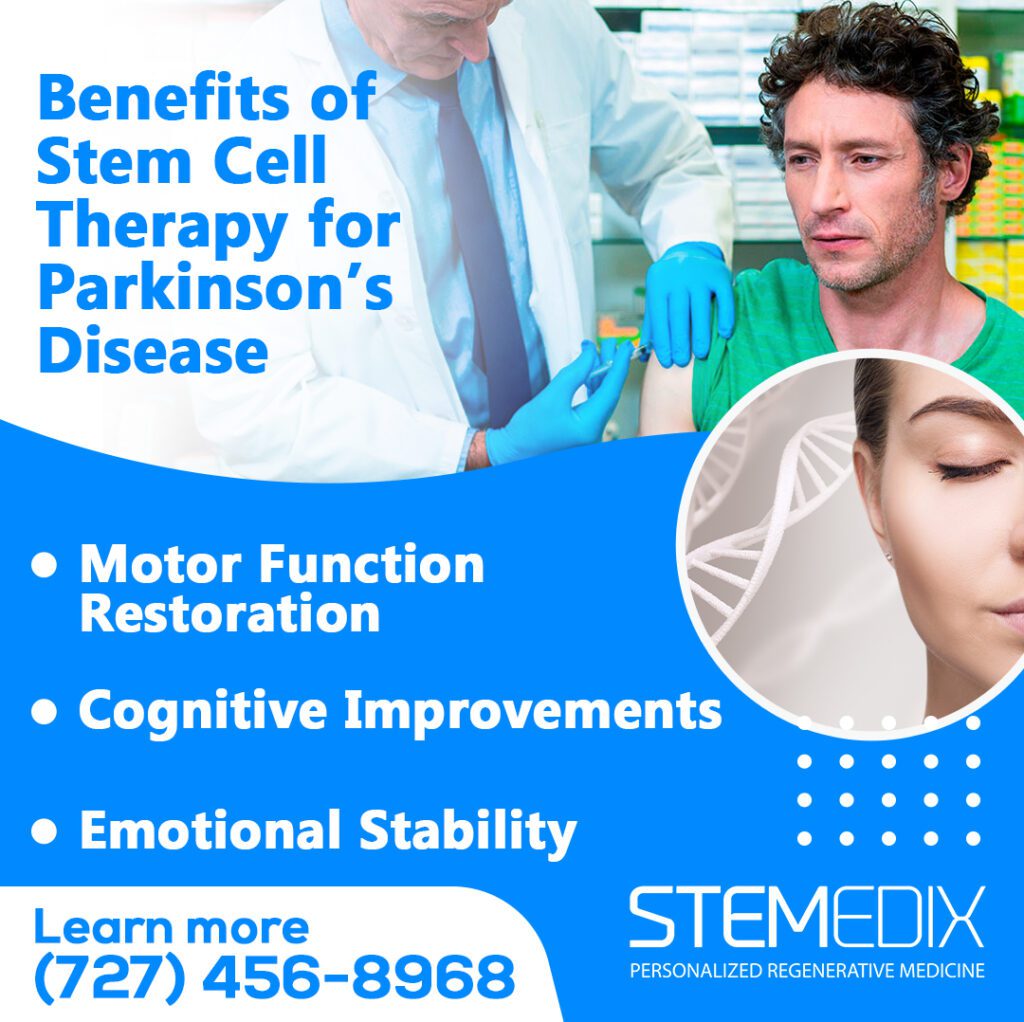
One of the most well-known and challenging symptoms of Parkinson’s disease is the loss of motor control, which can result in tremors, rigidity, and difficulty with coordination. These issues can make it difficult for individuals to perform everyday tasks, leading to a decline in independence and quality of life. Stem cell therapy for Parkinson’s has shown the potential to significantly improve motor function by regenerating the damaged neurons in the brain that produce dopamine.
Dopamine is a neurotransmitter essential for smooth and coordinated muscle movements, and its loss is at the core of Parkinson’s disease. By introducing mesenchymal stem cells (MSCs) into the brain, stem cell therapy works to regenerate dopamine-producing cells, which can lead to improved mobility and reduced tremors. Patients who have undergone stem cell therapy at Stemedix have reported positive outcomes, including better movement and a reduction in the severity of symptoms. These improvements have allowed many individuals to regain some level of independence, reducing their reliance on assistive devices or caregiver support.
Enhanced Cognitive and Emotional Well-being
While Parkinson’s disease is often associated with motor impairments, it also has a significant impact on cognitive function and emotional well-being. Many individuals with Parkinson’s experience cognitive decline, memory issues, and mental health challenges such as depression and anxiety. These non-motor symptoms can be just as debilitating as the physical symptoms, affecting patients’ ability to engage in social activities and maintain an overall sense of well-being.
Stem cell regenerative therapy has shown promise in addressing these aspects of Parkinson’s disease. By stimulating the growth of new neurons and promoting neural repair, stem cell therapy can help improve cognitive functions like memory and attention. Additionally, the regeneration of brain cells may help alleviate emotional symptoms by addressing the underlying neurochemical imbalances associated with depression and anxiety. At Stemedix, we have seen patients report improvements in both cognitive abilities and emotional stability, allowing them to better manage the psychological aspects of the disease. This approach provides an advanced solution to Parkinson’s care, addressing both the mind and the body.
What to Expect During Stem Cell Therapy for Parkinson’s Disease
If you’re considering stem cell therapy for Parkinson’s, you may have many questions about the process and what it entails. At Stemedix, we are committed to providing clarity and transparency to our patients, ensuring they feel confident and informed at every stage of their treatment journey. Here’s what you can expect when you choose stem cell regenerative therapy at Stemedix.
Personalized Treatment Plans for Each Patient
At Stemedix, we recognize that Parkinson’s affects each patient differently. Every case is unique, with varying symptoms and progression. That’s why we prioritize creating personalized treatment plans tailored to your specific needs. Our dedicated healthcare team will assess your medical history, current symptoms, and disease progression to develop a customized strategy that focuses on your individual challenges.
This approach aims to maximize the benefits of stem cell therapy for Parkinson’s by addressing motor, cognitive, and emotional symptoms. We take the time to understand your goals and work with you to design a treatment plan that aligns with them, enhancing the likelihood of successful outcomes and improving your overall quality of life.
The Treatment Process: From Consultation to Post-Treatment Care
The journey to stem cell regenerative therapy begins with an in-depth consultation with our team. During this session, we’ll thoroughly discuss your symptoms, medical history, and overall health. This is a critical step, as it allows us to determine if stem cell therapy is an appropriate option for you and how it can best be integrated into your treatment plan.
Once a treatment plan is developed, patients will undergo personalized assessments to evaluate the specific needs of their brain and body. These assessments help guarantee that the therapy is delivered in the most effective way possible. The stem cells used in therapy are carefully selected to target the damaged neurons in the brain and promote regeneration.
Post-treatment care is an essential part of the process to achieve the best possible outcomes. Our team provides ongoing support and monitoring, helping you through the recovery phase. We’ll schedule follow-up appointments to track your progress and make any necessary adjustments to your treatment. This support system is designed to optimize the effectiveness of the therapy and make sure that you’re seeing the best possible results in managing your Parkinson’s symptoms.
Research and Clinical Evidence Supporting Stem Cell Therapy
At Stemedix, making an informed decision is key to achieving the best possible outcomes. That’s why we remain dedicated to staying at the forefront of research and clinical trials related to stem cell therapy for Parkinson’s. Our team continuously reviews the latest studies to provide the highest standard of care for our patients.
Stem cell regenerative therapy has shown promising potential in addressing the root causes of Parkinson’s disease rather than just managing symptoms. Research has demonstrated how stem cells can regenerate dopamine-producing neurons, improving motor function and cognitive health. We make it a priority to share these clinical findings with our patients, ensuring you understand the science behind the treatment and its benefits for your condition.
Additionally, we keep you updated with real-world results from Stemedix patients who have undergone therapy, providing valuable insight into the effectiveness of the treatment and helping you make a fully informed choice.
Stemedix: Revolutionizing Parkinson’s Disease Treatment with Stem Cell Therapy
Parkinson’s disease presents profound challenges that affect nearly every aspect of life, from motor skills to emotional well-being. At Stemedix, based in Saint Petersburg, Florida, we understand the impact of this progressive condition and are committed to offering stem cell regenerative therapy as a promising treatment option. Stem cell therapy works to address the root cause of Parkinson’s by regenerating dopamine-producing neurons in the brain, improving motor function, cognition, and emotional health.
By targeting the underlying cellular damage, stem cell therapy has shown significant potential in helping patients regain independence, reduce symptoms, and restore quality of life. At Stemedix, we combine advanced science with personalized care to offer patients the opportunity for improved mobility, cognitive function, and emotional stability. Our team works closely with patients to provide a tailored approach that best meets their unique needs.
If you or a loved one is living with Parkinson’s disease and seeking a path toward better health, contact Stemedix at (727) 456-8968 or email us at yourjourney@stemedix.com to schedule your consultation and learn more about how stem cell therapy can help manage Parkinson’s disease.
Parkinson’s disease is a progressive neurological disorder that can significantly affect daily life. Understanding its early signs and seeking a timely diagnosis can make a crucial difference in managing this condition. At Stemedix, we recognize the importance of being informed about the symptoms, diagnostic approaches, and available treatments, including the promising field of stem cell therapy. Our goal is to empower you with knowledge, guide you through the complexities of Parkinson’s disease, and discuss the potential of emerging treatments like stem cell regenerative therapy as a complementary option in managing symptoms. By staying vigilant about the early signs, you can take proactive steps toward better health and well-being.
Overview of Parkinson’s Disease
Parkinson’s disease is a neurological condition that mostly affects movement and is complicated and progressing. Understanding Parkinson’s begins with recognizing that it is classified as a movement disorder. This condition stems from the degeneration of specific nerve cells in the brain, significantly impacting your body’s ability to control movements effectively.
Symptoms typically develop gradually and may begin with subtle changes in your daily activities. You might notice a slight tremor in your hand or a change in your walking pattern. As the disease progresses, these symptoms can become more pronounced, leading to difficulties with balance, coordination, and overall motor function. Beyond physical movement, Parkinson’s can also affect emotional and cognitive aspects of life, highlighting its widespread impact on daily living.
The emotional weight of receiving a Parkinson’s diagnosis can be heavy. It’s important to know you are not alone in this journey. Millions of people are going through similar challenges, and there are communities and resources available to support you. Moreover, the exploration of various treatment options, including innovative therapies like stem cell regenerative therapy, is continuously evolving. This progress gives hope to those affected by the disease.
Pathophysiology of Parkinson’s Disease
In Parkinson’s disease, there is a significant change in the brain’s structure and function. Dopamine-producing neurons in the substantia nigra, a part of the brain, gradually die off as part of the pathophysiology. Dopamine is an essential neurotransmitter that aids in controlling emotions and actions. When the neurons that produce dopamine begin to deteriorate, the balance of neurotransmitters in your brain becomes disrupted, leading to the hallmark symptoms of Parkinson’s.
As dopamine levels decrease, you may experience a range of motor symptoms. These can include tremors, stiffness, slowness of movement, and impaired balance. Each person’s experience can vary widely, making it essential for you to pay attention to your unique symptoms and communicate them with your healthcare provider. Understanding the underlying changes in your brain can empower you to engage actively in your treatment and management options.
The loss of dopamine-producing neurons also sheds light on some non-motor symptoms that are often overlooked. These may include changes in mood, sleep disturbances, and even cognitive decline. Recognizing these aspects is crucial for creating an overall management plan.
At Stemedix, we focus on an individualized approach that considers not just the motor symptoms but also the overall well-being of our patients. By understanding the full scope of Parkinson’s disease, you can take a proactive stance in your journey toward improved health and quality of life.
Early Symptoms of Parkinson’s Disease
Motor Symptoms: Recognizing the First Signs
When it comes to Parkinson’s disease, early recognition of motor symptoms can be pivotal. The initial signs are often subtle and may be dismissed as normal signs of aging or fatigue. One of the most common early symptoms you might notice is a tremor, typically starting in the hand or fingers. This involuntary shaking can occur when the hand is at rest and may be more pronounced during periods of anxiety or stress.
Stiffness is another hallmark symptom that can creep in gradually. You may find that your muscles feel rigid, making it difficult to do everyday activities like buttoning a shirt or reaching for objects. This rigidity can also affect your posture and lead to a stooped stance.
Bradykinesia, or slowness of movement, often becomes noticeable as well. You might experience a decrease in your overall speed when walking or performing movements, which can become frustrating and impact your daily activities. Recognizing these motor symptoms early on can be vital for initiating treatment and management strategies, allowing for a better quality of life.
Non-Motor Symptoms: The Hidden Indicators
While motor symptoms tend to grab attention, it is crucial not to overlook the non-motor symptoms that can signal the onset of Parkinson’s disease. You may experience cognitive changes, such as difficulty concentrating or a decline in memory. These cognitive shifts can be concerning and may affect your ability to manage day-to-day responsibilities.
Emotional changes are also significant indicators. Feelings of anxiety or depression can emerge early in the disease and may not be immediately associated with Parkinson’s. It’s essential to understand that these emotional responses are a natural reaction to the changes occurring within your brain and body.
Sensory changes, such as altered sense of smell or changes in vision, can also occur. You might notice a reduced ability to detect odors or a decrease in visual acuity. By identifying these non-motor symptoms, you and your healthcare practitioner may develop a thorough treatment plan that takes into account the disease’s emotional and physical components.
The Importance of Early Recognition
Recognizing the early symptoms of Parkinson’s disease, both motor and non-motor, is critical for several reasons. Firstly, early identification allows for timely intervention, which can lead to improved management of the disease. If you notice symptoms like tremors, stiffness, or changes in mood, it’s essential to consult with your healthcare provider. Early diagnosis can facilitate more effective treatment strategies, including medication and lifestyle adjustments.
Furthermore, being proactive about recognizing symptoms can empower you to take control of your health journey. Engaging in early treatment can help mitigate the progression of symptoms and enhance your overall quality of life. At Stemedix, we believe in a patient-centered approach that emphasizes the importance of awareness and early intervention. By understanding your body and its signals, you can go through this journey more effectively, potentially exploring advanced treatment options such as stem cell regenerative therapy as part of your management strategy.
Diagnostic Approach to Parkinson’s Disease
Initial Patient Evaluation
The journey to a Parkinson’s disease diagnosis starts with an initial evaluation by healthcare professionals. This step is crucial for understanding your symptoms and medical history. During this evaluation, your provider will ask detailed questions about your symptoms, their onset, and how they’ve progressed. You may discuss specific motor symptoms, like tremors or stiffness, alongside any non-motor symptoms, such as mood changes or cognitive issues.
A comprehensive medical history is equally important, as it may reveal genetic predispositions or environmental factors. In some cases, a referral to a neurologist specializing in nervous system disorders will occur. Your input during this evaluation is invaluable; being open and detailed will enable healthcare professionals to make informed assessments and create an effective management plan.
Diagnostic Criteria for Parkinson’s Disease
Once the initial evaluation is complete, healthcare professionals will use specific diagnostic criteria to confirm a diagnosis of Parkinson’s disease. The most widely used set of criteria comes from the movement disorder society-unified Parkinson’s Disease rating scale (MDS-UPDRS). This scale includes several components that assess various aspects of the disease.
The MDS-UPDRS evaluates motor functions, non-motor experiences, and daily living activities affected by Parkinson’s. Healthcare providers will look for key signs, such as bradykinesia, rigidity, and postural instability. A combination of these symptoms, particularly when they are present alongside characteristic tremors, can help solidify the diagnosis.
It’s important to understand that no single test can confirm Parkinson’s disease. Instead, the diagnosis is often based on clinical observation and the presence of specific symptoms over time. Engaging in an open dialogue with your healthcare provider about your symptoms will support accurate diagnosis and help you understand the rationale behind their assessments.
Diagnostic Imaging and Tests
In addition to clinical evaluations, various imaging techniques and tests can aid in diagnosing Parkinson’s disease. While these tools cannot definitively confirm the condition, they help rule out other neurological disorders that may present with similar symptoms. Magnetic resonance imaging (MRI) is often used to examine the brain’s structure, identifying signs of other conditions, such as strokes or tumors, that might mimic Parkinson’s symptoms. Positron emission tomography (PET) scans provide insights into brain function by measuring neuronal metabolic activity. These scans visualize dopamine production and reveal abnormalities linked to Parkinson’s disease.
Additional tests, like blood tests or assessments of olfactory function, can provide further support. Ultimately, your healthcare team will combine clinical evaluations, diagnostic criteria, and imaging results to form a comprehensive diagnosis.
At Stemedix, we understand that navigating the diagnostic process can be overwhelming. You can actively participate in your health journey by encouraging open communication with your healthcare professional and being proactive in talking about your symptoms. Developing a management strategy that may incorporate cutting-edge therapeutic alternatives like stem cell regeneration therapy requires an early and precise diagnosis.
Investigating Stem Cell Therapy for Parkinson’s Disease
Mechanism of Action: How Stem Cells Can Help
Stem cell therapy represents a novel approach to treating Parkinson’s disease, aiming to address the underlying neurological damage that characterizes the condition. The potential of stem cells is seen in their capacity to repair damaged neurons and give the afflicted brain regions their normal function. The hallmark symptoms of Parkinson’s disease, such as tremors and rigidity, are linked to the loss of dopamine-producing neurons. Stem cells are being explored for their potential to support brain repair and reduce symptom severity, though definitive reversal remains a goal for future research.
When administered, stem cells may have the potential to differentiate into neuron-like cells and support neuronal health. Researchers are investigating whether these cells can indirectly aid in restoring dopamine production and improving motor functions. The goal of stem cell therapy for Parkinson’s is not only to alleviate symptoms but also to modify the disease’s progression by repairing the neurological pathways involved.
At Stemedix, we focus on exploring advanced techniques in stem cell regenerative therapy, which are under investigation as potential tools for managing symptoms and improving the quality of life in individuals with Parkinson’s disease. Our approach emphasizes not just treatment but an extensive understanding of how stem cells can work within the body to promote healing and recovery.
Promising Research Findings
Recent studies have indicated the potential benefits of stem cell therapy for Parkinson’s patients in experimental settings. While some participants reported improvements in motor function and quality of life, these results are still under investigation, and more rigorous clinical trials are needed to establish effectiveness and safety. These studies highlight the potential for stem cells to help restore neuronal health, addressing the underlying damage caused by the disease and enhancing the overall functioning of the nervous system.
Preliminary studies have reported some participants experiencing improvements in motor symptoms, such as tremors and dexterity, following stem cell therapy. However, outcomes vary significantly, and further research is needed to confirm these findings and understand long-term effects.
Moreover, ongoing research is exploring various types of stem cells, including mesenchymal stem cells, which have shown promise in modulating inflammation and supporting neuroprotection in the brain. This exciting field of study continues to evolve, with clinical trials underway to further investigate the long-term efficacy and safety of stem cell therapy for Parkinson’s disease.
At Stemedix, we stay abreast of these developments, integrating the latest findings into our patient care practices. By leveraging advanced research, we aim to offer our patients the best possible outcomes through innovative stem cell regenerative therapy.
Stemedix’s Role in Stem Cell Therapy for Parkinson’s Disease
At Stemedix, we are committed to providing personalized treatment options for individuals with Parkinson’s disease, utilizing stem cell regenerative therapy to potentially enhance patient care and improve quality of life. Our approach begins with a comprehensive evaluation of each patient’s unique condition, allowing us to tailor treatments that address their specific needs and health goals.
We understand that navigating the complexities of Parkinson’s disease can be overwhelming, which is why our dedicated team of healthcare professionals is here to guide you every step of the way. From initial consultations to ongoing support, we emphasize compassionate care and patient education, ensuring you have the information and resources needed to make informed decisions about your health.
Through our stem cell therapy programs, we harness the potential of regenerative medicine to help promote healing and recovery. By employing progressive techniques, we strive to optimize the therapeutic benefits of stem cell therapy, aiming to restore function and enhance the overall quality of life for our patients.
At Stemedix, we believe in a future where individuals with Parkinson’s disease can achieve improved health outcomes and live fulfilling lives. Our commitment to innovation and excellence in patient care sets us apart as a leader in the field of regenerative medicine, and we are excited to be part of your journey toward wellness.
Future Prospects of Stem Cell Therapy in Treating Parkinson’s Disease
Advances in Stem Cell Research
The field of stem cell research is rapidly evolving, especially concerning its applications in treating Parkinson’s disease. Current clinical trials are underway, focusing on various aspects of stem cell therapy, including the types of stem cells used, delivery methods, and patient outcomes. These studies aim to determine the most effective ways to utilize stem cells to restore neuronal function and alleviate the symptoms associated with Parkinson’s.
Researchers are exploring various sources of stem cells, such as induced pluripotent stem cells (iPSCs) and mesenchymal stem cells, each offering unique benefits and challenges. For instance, iPSCs are particularly exciting because they can be generated from a patient’s own cells, potentially reducing the risk of immune rejection. Ongoing trials are examining not only the efficacy of these therapies but also the timing of treatment, as an earlier intervention may yield better results in terms of neuroprotection and functional recovery.
At Stemedix, we are closely monitoring these advancements and integrating promising findings into our treatment protocols. By participating in research collaborations and keeping our finger on the pulse of new developments, we aim to provide our patients with pioneering options that could significantly improve their health outcomes.
Safety Considerations and Ethical Implications
As we explore the potential of stem cell therapy for Parkinson’s disease, it is crucial to address the safety considerations and ethical implications of experimental treatments. Many therapies remain unproven and are only available through regulated clinical trials under the oversight of organizations like the FDA, which ensures rigorous safety and efficacy standards.
Ethical considerations also play a vital role in the advancement of stem cell therapy. The sources of stem cells raise important ethical questions regarding consent, sourcing, and potential commercialization.
At Stemedix, we adhere to strict ethical guidelines and practices, ensuring that all our procedures are conducted with transparency and respect for patient autonomy. We prioritize informed consent and actively engage our patients in discussions about the ethical dimensions of their treatment options.
Accessibility of Emerging Treatments
The future landscape of treatment options for patients with Parkinson’s disease is promising, with a growing emphasis on making innovative therapies more accessible. As research progresses and more evidence supports the effectiveness of stem cell therapy for Parkinson patients, we anticipate an increase in treatment centers offering these options. This expansion can help reduce disparities in access to care, ensuring that more individuals benefit from the potential improvements that stem cell therapy can provide.
At Stemedix, we are dedicated to enhancing accessibility for our patients by providing personalized treatment plans that fit individual needs and circumstances. We understand that navigating the healthcare system can be challenging, especially when seeking advanced therapies. Our team is here to assist you through every step, from initial consultations to ongoing support throughout the treatment journey.
As we move forward, the integration of stem cell therapy into the treatment landscape for Parkinson’s disease holds the potential to transform patient care. By focusing on research, ethical practices, and accessibility, we at Stemedix aim to be at the forefront of these developments and are committed to improving the lives of Parkinson’s patients.
Empowering Lives with Stemedix – Navigating the Journey of Parkinson’s Disease
The journey through Parkinson’s disease can be daunting, but understanding the significance of early diagnosis plays a crucial role in improving outcomes for persons affected by this condition. Recognizing the initial symptoms, whether they are motor or non-motor, allows for timely intervention and management, which can significantly enhance the quality of life.
As we look to the future, the promise of stem cell therapy offers new hope. This innovative approach not only aims to address the underlying neurological damage caused by the disease but also holds the potential to restore function and improve patient well-being.
At Stemedix, located in Saint Petersburg, FL, we are dedicated to harnessing the power of stem cell regenerative therapy to provide personalized treatment options that meet the unique needs of our patients. By prioritizing research and ethical practices, we strive to be a leader in advancing care for those with Parkinson’s disease.
If you or a loved one is experiencing symptoms of Parkinson’s disease, early diagnosis and tailored treatment options are crucial. At Stemedix, we specialize in personalized care and stem cell therapy. Contact us today at (727) 456-8968 to learn more about your treatment options.
This website and its contents are not intended to treat, cure, diagnose, or prevent any disease. Stemedix, Inc. shall not be held liable for the medical claims made by patient testimonials or videos. They are not to be viewed as a guarantee for each individual. The efficacy for some products presented have not been confirmed by the Food and Drug Administration (FDA).
This website uses cookies to improve your experience while you navigate through the website. Out of these cookies, the cookies that are categorized as necessary are stored on your browser as they are essential for the working of basic functionalities of the website. We also use third-party cookies that help us analyze and understand how you use this website. These cookies will be stored in your browser only with your consent. You also have the option to opt-out of these cookies. But opting out of some of these cookies may have an effect on your browsing experience.
Necessary cookies are absolutely essential for the website to function properly. This category only includes cookies that ensures basic functionalities and security features of the website. These cookies do not store any personal information.
Any cookies that may not be particularly necessary for the website to function and is used specifically to collect user personal data via analytics, ads, other embedded contents are termed as non-necessary cookies. It is mandatory to procure user consent prior to running these cookies on your website.
Subscribe To Our Newsletter
Join our mailing list to receive the latest news and updates from our team.
You have Successfully Subscribed!
Request Information Packet
We'll send your FREE information packet that outlines our entire personalized, stress-free stem cell treatment process!
Thanks for your interest!
Request Information Packet
We'll send your FREE information packet that outlines our entire personalized, stress-free stem cell treatment process!
Thanks for your interest!
Request Information Packet
We'll send your FREE information packet that outlines our entire personalized, stress-free stem cell treatment process!
Thanks for your interest!
Request Information Packet
We'll send your FREE information packet that outlines our entire personalized, stress-free stem cell treatment process!
Thanks for your interest!
Request Information Packet
We'll send your FREE information packet that outlines our entire personalized, stress-free stem cell treatment process!
Thanks for your interest!
Request Information Packet
We'll send your FREE information packet that outlines our entire personalized, stress-free stem cell treatment process!
Thanks for your interest!
Request Information Packet
We'll send your FREE information packet that outlines our entire personalized, stress-free stem cell treatment process!
Thanks for your interest!
Request Information Packet
We'll send your FREE information packet that outlines our entire personalized, stress-free stem cell treatment process!
Thanks for your interest!
Request Information Packet
We'll send your FREE information packet that outlines our entire personalized, stress-free stem cell treatment process!
Thanks for your interest!
Request Information Packet
We'll send your FREE information packet that outlines our entire personalized, stress-free stem cell treatment process!
Thanks for your interest!
Request Information Packet
We'll send your FREE information packet that outlines our entire personalized, stress-free stem cell treatment process!
Thanks for your interest!
Request Information Packet
We'll send your FREE information packet that outlines our entire personalized, stress-free stem cell treatment process!







 St. Petersburg, Florida