Osteoarthritis (OA) is a common and painful joint condition that affects millions of people, causing significant discomfort and limiting mobility. As the cartilage in your joints breaks down over time, you may experience pain, stiffness, and swelling—common signs and symptoms of osteoarthritis. Recognizing early osteoarthritis symptoms can help you seek treatment sooner, potentially slowing the disease’s progression. While traditional treatments like pain medications and joint replacements have been the go-to options for many years, stem cell therapy for osteoarthritis is emerging as a promising alternative.
At Stemedix, we specialize in providing innovative regenerative medicine solutions to help you manage your osteoarthritis symptoms. This blog will guide you through the process of diagnosis, treatment, and recovery with stem cell therapy, showing you how this advanced approach can help heal your joints and improve your quality of life. Let’s explore how stem cell therapy for osteoarthritis could be the solution you’ve been searching for.
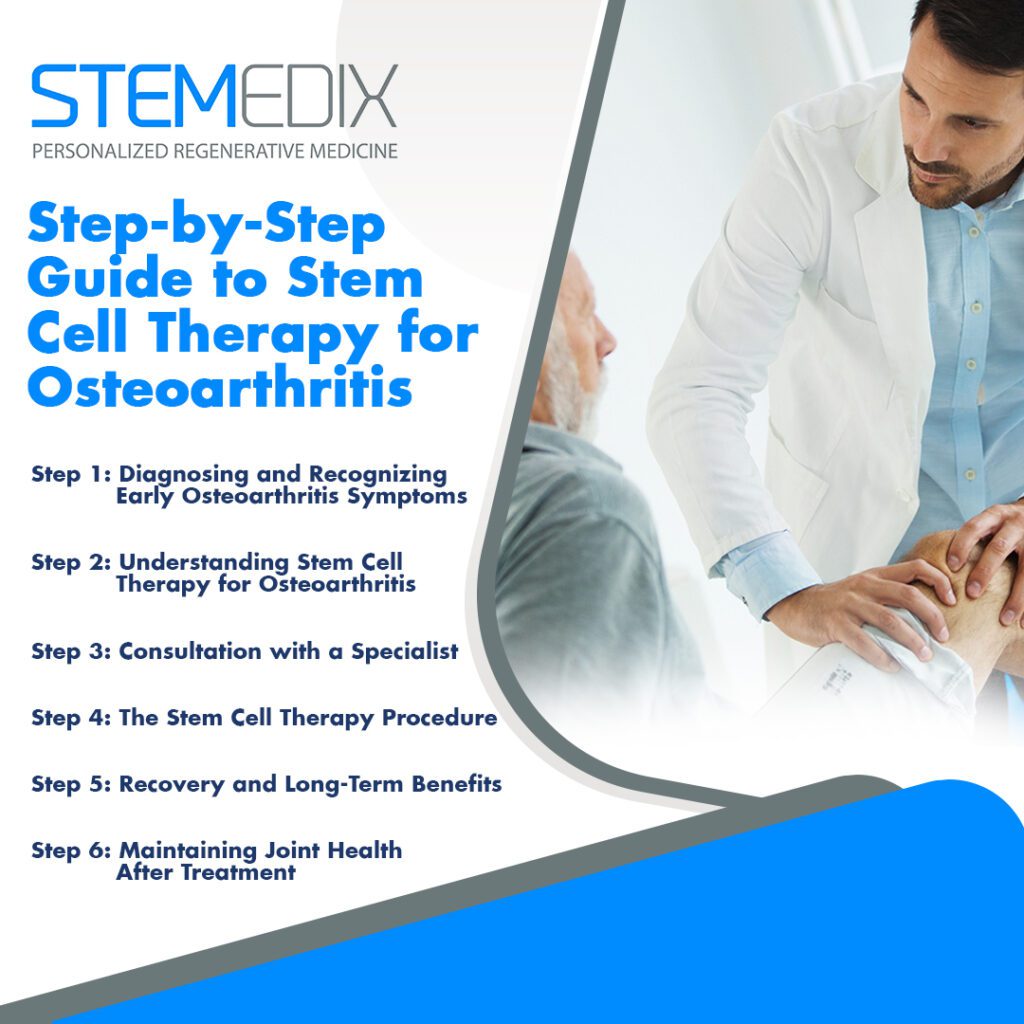
Step 1: Diagnosing Osteoarthritis
A successful approach to treating osteoarthritis (OA) begins with a confirmed diagnosis from your orthopedic doctor or primary care provider. If you suspect OA, it’s important to consult with a licensed physician who can assess your symptoms, review your medical history, and determine the severity of the condition.
Diagnosis is typically confirmed through a combination of physical examination and imaging studies, such as X-rays or MRIs. These tests help identify joint degeneration, cartilage loss, and other key signs of OA. Once your diagnosis is established, you can share your medical records and imaging results with the Stemedix team, and we will use this information to customize a regenerative medicine treatment plan tailored to your condition.
Signs and Symptoms of Osteoarthritis
Recognizing the signs and symptoms of osteoarthritis early on can make a significant difference in your treatment options. Common symptoms include joint pain, stiffness, and swelling, especially after activity or prolonged periods of rest. As the disease progresses, these symptoms may worsen, and you might start noticing a limited range of motion in your affected joints. By identifying early osteoarthritis symptoms, you can seek medical attention before the disease advances too far.
At Stemedix, we understand the importance of early detection and timely intervention. Our approach combines a thorough evaluation with advanced regenerative medicine treatments, like stem cell therapy, to help you address osteoarthritis early on and improve your quality of life.
Step 2: Understanding Stem Cell Therapy
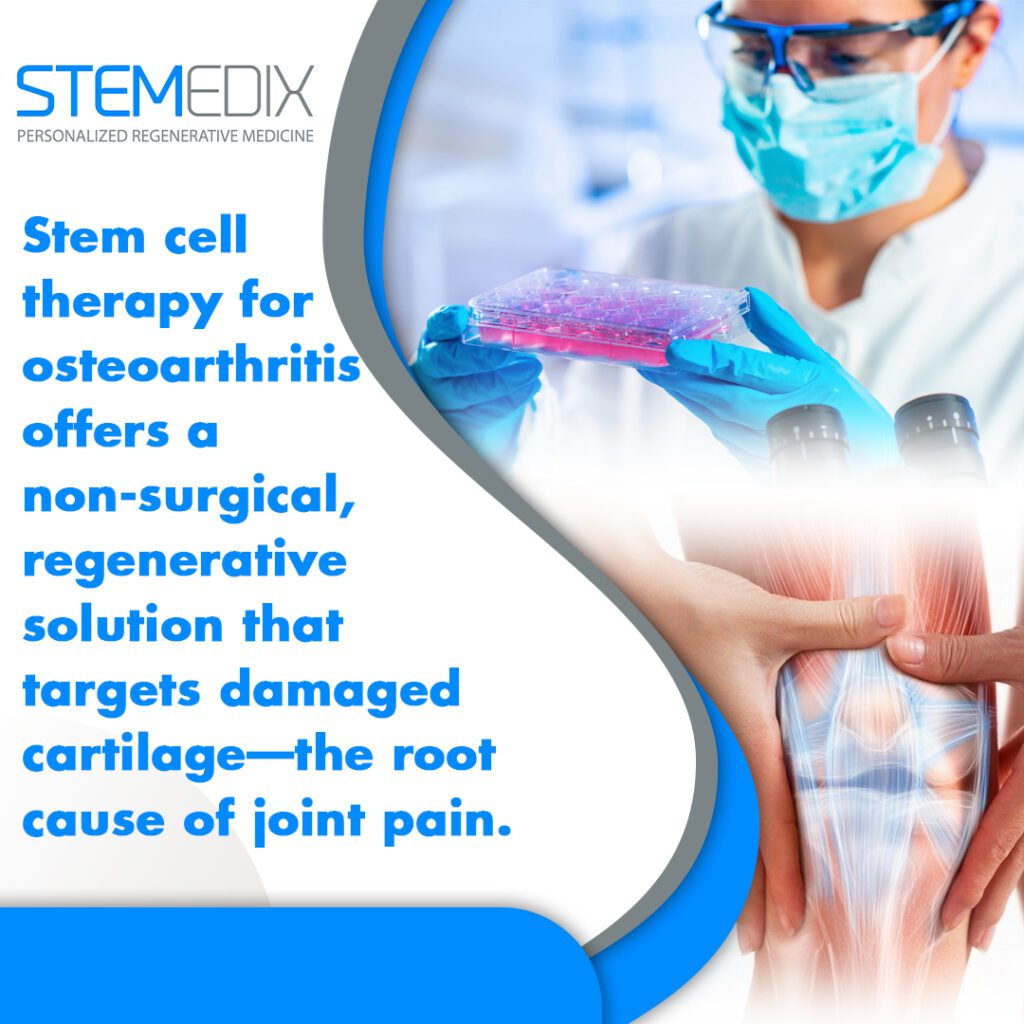
Stem cell therapy is becoming an innovative and effective option for managing osteoarthritis, going far beyond temporary symptom relief. This approach utilizes mesenchymal stem cells (MSCs), which are harvested from sources such as adipose (fat) tissue or bone marrow. These powerful cells can differentiate into various cell types, including chondrocytes—specialized cartilage cells responsible for producing and maintaining healthy joint cartilage.
Chondrocytes are gaining attention in the field of regenerative medicine as a critical component in cartilage regeneration. As research continues to evolve, the role of chondrocytes in joint healing is proving to be especially promising for osteoarthritis treatment.
One of the standout benefits of stem cell therapy is its regenerative capacity. Rather than just masking discomfort, this therapy aims to restore damaged cartilage, improve joint function, and offer long-term relief. By stimulating the body’s natural healing response, stem cell therapy may help slow the progression of osteoarthritis and enhance mobility, allowing patients to return to the activities they enjoy.
How Stem Cells Help
Cartilage Regeneration: Stem cells support the repair of damaged cartilage by encouraging the formation of chondrocytes, which help rebuild and maintain the smooth, protective layer over joints.
Pain Relief: MSCs also possess anti-inflammatory properties, which can significantly reduce joint pain and swelling, leading to greater daily comfort.
Increased Mobility: With improved cartilage health and reduced inflammation, many patients experience better joint movement, flexibility, and overall functionality.
Stem cell therapy represents a breakthrough in how osteoarthritis is managed—focusing on healing from within rather than just managing symptoms. At Stemedix, our regenerative approach is designed to help you regain mobility, reduce discomfort, and experience a higher quality of life.
Step 3: Consultation with a Specialist
Before considering stem cell therapy for osteoarthritis, it’s essential to consult with a physician specializing in regenerative medicine. This consultation helps determine if stem cell therapy is the right treatment for your specific condition. Your physician will review your medical history, focusing on your symptoms and previous treatments to understand how OA has progressed and identify factors that may affect treatment options.
During the consultation process, patients are asked to provide existing medical documentation, including imaging results such as X-rays or MRI scans, along with a record of their diagnosis from their primary care provider or specialist. This information allows the Stemedix team to evaluate the extent of joint damage and determine whether stem cell therapy may be a suitable treatment option. Based on this review, a customized regenerative medicine plan is created to support each patient’s specific condition and goals.
What to Expect During the Consultation
Medical History Review: The physician will ask detailed questions about your symptoms, such as when the pain started, how it has progressed, and what treatments have been tried.
Test Results: Imaging results provide a clear picture of joint health. Your doctor will review these images to evaluate the extent of cartilage damage and how advanced the osteoarthritis is. This will help to decide whether stem cell therapy can be a suitable solution or if other treatments might be required.
Treatment Plan: Once the physician has all the necessary information, they will discuss the potential benefits and risks of stem cell therapy. You will learn about the process, from how stem cells are processed and injected into the affected joint to the expected timeline for recovery and improvement. The physician will outline the steps involved in the procedure and answer any questions you may have, ensuring you have a clear understanding of what to expect.
At Stemedix, we believe in making sure you feel fully informed and comfortable with every step of the process. Our team is here to guide you through your journey, helping you make the best decision for your joint health and overall well-being.
Step 4: The Stem Cell Therapy Procedure
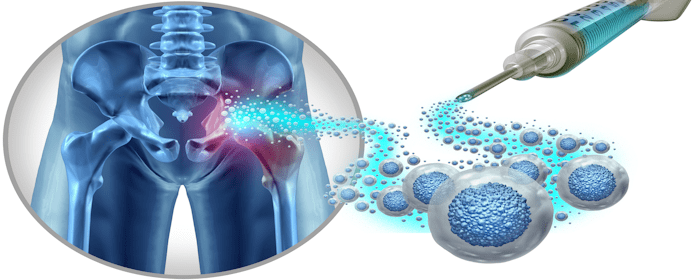
Stem cell therapy for osteoarthritis is a minimally invasive procedure that can provide a less disruptive alternative to traditional treatments like surgery. The process involves harvesting stem cells from your own body, typically from bone marrow or adipose tissue (fat), which are then processed and injected directly into the affected joint to stimulate healing.
The procedure is generally well-tolerated and performed under local anesthesia, meaning you’ll remain awake but pain-free during the process. The injection itself is relatively quick, and the recovery time is typically short. Most patients can resume their normal daily activities within just a few days. However, it’s important to avoid high-impact or strenuous activities during the early stages of healing to allow the tissue to regenerate properly.
What Happens During the Procedure?
Stem Cell Harvesting: To begin, a small sample of either bone marrow or fat tissue is collected from your body. This is usually done from the hip or abdomen, areas where these tissues are readily accessible. The process is minimally invasive, requiring only a small incision or needle insertion.
Stem Cell Processing: Once the tissue is harvested, it’s processed in a laboratory setting to isolate the stem cells. The stem cells are then prepared for injection into the damaged joint. This step guarantees that only the necessary cells are used to promote healing.
Injection into the Joint: After processing, the stem cells are carefully injected into the affected joint, where they begin to work on repairing damaged cartilage, reducing inflammation, and promoting overall joint regeneration. This targeted injection allows the stem cells to focus their healing efforts directly where they are needed most.
At Stemedix, we pride ourselves on using advanced techniques and providing clear instructions throughout the procedure. Our medical team makes sure that you are informed and comfortable at every stage of the therapy, helping you feel confident as you take steps toward managing your osteoarthritis more effectively.
Step 5: Recovery and Long-Term Results
After undergoing stem cell therapy for osteoarthritis, the recovery process is vital for ensuring the best results. This stage involves a period of rest and limited activity to give the stem cells time to take effect and begin regenerating the damaged tissue. While the procedure is minimally invasive, your body still needs time to heal and respond to the therapy.
In the weeks following the procedure, you will likely notice gradual improvements. These include reduced pain, enhanced mobility, and better overall joint function. However, it’s important to understand that the full benefits of stem cell therapy can take several months to become fully apparent, as the stem cells work overtime to regenerate cartilage and restore joint health.
Post-Procedure Care
Rest: In the immediate weeks after the procedure, it’s recommended to limit strenuous activities. Resting and avoiding high-impact exercises during this period will allow the stem cells to do their work without disruption.
Follow-Up Appointments: Regular follow-up visits with your physician are essential to track the progress of the therapy and evaluate how well the joint is healing. These appointments will help identify any adjustments needed to optimize your recovery and provide the best possible outcome.
Physical Therapy: Engaging in physical therapy after stem cell therapy is highly beneficial. Physical therapy focuses on improving mobility, strengthening the muscles surrounding the joint, and preventing stiffness. By working with a qualified therapist, you can further enhance the healing process and regain function more effectively.
At Stemedix, based in Saint Petersburg, FL, we take an extensive approach to care, guiding you through each phase of the recovery process. Your dedicated care coordinator will help you stay on track, offering support and resources to maximize the success of your treatment. With patience and proper care, stem cell therapy can provide lasting relief from the symptoms of osteoarthritis, improving your overall quality of life.
Step 6: Maintaining Joint Health
After experiencing the benefits of stem cell therapy for osteoarthritis, it’s essential to adopt a proactive approach to maintaining your joint health. The therapy may help regenerate cartilage and reduce pain, but long-term success depends on how you care for your joint moving forward. Incorporating specific lifestyle changes, ongoing physical therapy, and healthy habits will help support the healing process and prevent further degeneration of the joint.
Tips for Long-Term Joint Health
Low-Impact Exercise: Regular, low-impact exercise is one of the best ways to maintain joint function and mobility. Activities like swimming, walking, or cycling can help keep your joints flexible without putting undue stress on them. These exercises promote circulation and strengthen the muscles surrounding the joint, which helps support it during movement.
Anti-Inflammatory Diet: Nutrition plays a key role in joint health. Consuming foods that are rich in omega-3 fatty acids, antioxidants, and vitamin D can reduce inflammation in the body. This helps keep the joints from becoming inflamed, which can lead to additional damage over time.
Physical Therapy: Continuing with physical therapy can be highly beneficial, even after the stem cell procedure. Regular sessions can enhance the strength and flexibility of the muscles surrounding your joint, which helps reduce the risk of further damage. Additionally, physical therapy can improve your range of motion, making movement easier and more comfortable.
At Stemedix, we encourage patients to take an active role in their joint health after treatment. By following these steps and working closely with your care coordinator and medical professionals, you can maintain the progress made from stem cell therapy and prevent future osteoarthritis complications.
Trust Stemedix for a New Path to Joint Health
Recognizing the signs and symptoms of osteoarthritis early is essential for managing the condition effectively. If you’re experiencing early osteoarthritis symptoms, such as joint pain, stiffness, or swelling, it’s important to seek a professional evaluation as soon as possible. Early diagnosis and intervention can help slow the progression of the disease and improve your quality of life. At Stemedix, we offer advanced stem cell therapy to regenerate damaged cartilage and restore joint function, providing long-term relief from osteoarthritis.If you’re ready to explore how stem cell therapy can help you manage osteoarthritis, contact Stemedix today. Our team of experts is here to guide you through every step of the process and guarantee the best possible outcomes. Call us at (727) 456-8968 or email us at yourjourney@stemedix.com to schedule your consultation and take the main step toward healing.
Neurodegenerative diseases like Parkinson’s disease (PD), Alzheimer’s disease (AD), and amyotrophic lateral sclerosis (ALS) are among the most challenging medical conditions to treat. These disorders involve the gradual breakdown and loss of neurons in specific areas of the nervous system, leading to symptoms such as memory loss, paralysis, and impaired movement or cognition.
Despite decades of research and billions of dollars in clinical trials, researchers have yet to find a cure for these conditions, and even effective treatments remain limited. As a result, neurodegenerative diseases place a significant emotional, physical, and economic burden on individuals, families, and healthcare systems worldwide.
In this review, Sivandzade et al. summarize the current knowledge of stem-cell-based therapies in neurodegenerative diseases and the recent advances in this field.
The Potential of Stem Cells in Treating Neurodegenerative Disorders
In recent years, regenerative medicine, particularly stem cell therapy, has emerged as an exciting new frontier in the treatment of neurodegenerative diseases. Stem cells have the remarkable ability to become various types of specialized cells in the body. In the context of neurodegenerative diseases, they may be able to repair damaged tissue, replace lost neurons, or create a healthier environment in the brain or spinal cord that helps preserve existing cells.
This unique potential has led researchers to explore whether stem cells could help slow disease progression, reduce symptoms, or even restore lost function in patients affected with these conditions.
Stem Cell Therapy Approaches in Neurological Disorders
Stem cell therapy strategies for neurodegenerative diseases typically fall into two main approaches. The first involves directly replacing the specific types of neurons that are lost during the disease process. For example, researchers aim to generate dopamine-producing neurons for patients with PD or restore damaged motor neurons in people with ALS. The second approach focuses on environmental enrichment, where stem cells are used to support the body’s own repair mechanisms. According to the authors, this could involve delivering neuroprotective growth factors like brain-derived neurotrophic factor (BDNF) or glial cell line-derived neurotrophic factor (GDNF), which help nourish and protect surviving neurons.
Recent research has also explored combining both strategies – using stem cells to replace lost cells while simultaneously enhancing the surrounding environment.
Stem Cell Therapy for Parkinson’s Disease
In Parkinson’s disease, the main issue is the gradual loss of dopamine-producing neurons in a part of the brain called the substantia nigra. This loss leads to symptoms like tremors, muscle rigidity, and slowed movement, usually appearing in people between their 50s and 70s.
Current treatments focus on increasing dopamine levels or using deep brain stimulation to control symptoms. While helpful, these options do not stop or reverse the underlying neuron loss. Stem cell therapy offers a promising alternative by aiming to replace the lost dopamine neurons or protect those that remain.
Recent studies have used embryonic stem cells (ESCs) to produce new dopamine-producing cells that can be transplanted into animal models of PD. These cells have shown the ability to migrate to damaged areas and improve motor function. However, ESCs come with ethical concerns and a risk of tumor formation, which has limited their use in human trials.
Mesenchymal stem cells (MSCs) have also shown potential in PD animal models by helping rebuild damaged dopamine nerve networks. Additionally, induced pluripotent stem cells (iPSCs) – adult cells reprogrammed to act like embryonic stem cells – have recently gained attention because they can be used to generate personalized dopamine-producing neurons without the ethical concerns associated with ESCs. These iPSC-derived neurons have shown promising results in animal models, surviving and integrating into the brain while improving motor symptoms.
Stem Cell Therapy for Alzheimer’s Disease
For patients with Alzheimer’s disease, the situation is more complex. AD is the most common neurodegenerative disease, affecting over 5 million Americans. It leads to memory loss, confusion, impaired judgment, and eventually complete cognitive decline. The disease is marked by the buildup of two harmful proteins in the brain: amyloid-beta, which forms plaques outside neurons, and tau, which forms complex tangles inside them. These protein abnormalities disrupt communication between brain cells and eventually cause them to die. Current medications focus on improving symptoms and slowing progression, but they do not reverse the damage.
Stem cell therapy for AD focuses on restoring lost neurons and improving the brain’s ability to function and heal. Studies using human neural stem cells in animal models of Alzheimer’s have shown that these cells can improve learning and memory, possibly by enhancing synaptic plasticity and increasing the production of proteins involved in cognitive function.
However, challenges remain, including understanding how these stem cells exert their effects and controlling the formation of unwanted cell types. Researchers are currently exploring the use of nerve growth factor (NGF) in combination with stem cells to protect existing neurons and encourage the growth of new ones.
NGF gene therapy has shown promise in early trials and may help amplify the positive effects of stem cell treatment.
Stem Cell Therapy for ALS (Amyotrophic Lateral Sclerosis)
Amyotrophic lateral sclerosis, or ALS, is another devastating condition in which motor neurons in the brain and spinal cord gradually die, leading to muscle weakness, paralysis, and ultimately death, typically within a few years of diagnosis. Most cases are sporadic and occur without a clear genetic cause, though some cases are linked to inherited gene mutations. Because multiple mechanisms may contribute to the disease, including protein misfolding, oxidative stress, and inflammation, it has been extremely difficult to find effective treatments.
Stem cell research in ALS is still in the early stages, but it holds potential. The goal is not necessarily to replace the lost motor neurons – which is extremely difficult – but rather to create a supportive environment that preserves the neurons that remain and slows disease progression.
Some clinical trials have tested the use of MSCs and neural stem cells (NSCs) injected directly into the spinal cord. Results from these early studies suggest that the treatments are safe and may help stabilize function in some patients. In animal models, stem cell transplants have been shown to reduce inflammation, promote motor neuron survival, and improve muscle strength.
As with other neurodegenerative diseases, the success of stem cell therapy in ALS will likely depend on a deeper understanding of disease mechanisms and finding the best ways to target and deliver treatment.
The Future of Stem Cell Therapy for Neurodegenerative Diseases
While stem cell therapy is not yet a viable cure for neurodegenerative diseases, Sivandzade et al. believe it represents one of the most promising paths forward. The ability to regenerate or repair damaged tissue offers hope where traditional therapies have fallen short. As research continues to advance, more clinical trials are likely to explore the safety and effectiveness of these treatments, along with better methods for personalizing therapies and improving the delivery of stem cells to targeted areas within the nervous system.
Source: Sivandzade F, Cucullo L. Regenerative Stem Cell Therapy for Neurodegenerative Diseases: An Overview. Int J Mol Sci. 2021 Feb 22;22(4):2153. doi: 10.3390/ijms22042153. PMID: 33671500; PMCID: PMC7926761.
Immune modulation plays a key role in regenerative medicine for multiple sclerosis (MS). At Stemedix, we focus on restoring immune balance to help reduce symptoms and slow disease progression. Regenerative medicine treatments, including stem cell therapies, target immune responses to decrease inflammation and support tissue repair. Since MS is an autoimmune condition, regulating immune function can help maintain quality of life and support overall health. According to the National Multiple Sclerosis Society, approximately 2.8 million people worldwide are living with MS, and around 1 million of those are in the United States. Effective immune modulation can help reduce relapses and manage symptoms, offering patients a better quality of life.
If you are considering regenerative medicine in Saint Petersburg, FL, Stemedix provides personalized treatment options designed to meet your needs. Our team is committed to guiding you through the potential benefits of regenerative medicine for MS, offering expert care every step of the way.
What is Immune Modulation?
Immune modulation is the process of adjusting the immune system’s response to either boost or suppress its activity, depending on the condition being treated. In regenerative medicine, it helps correct immune system imbalances in conditions like multiple sclerosis (MS). Instead of only addressing symptoms, this approach targets the underlying dysfunction. Regulating immune activity promotes balance, reduces inflammation, and supports tissue repair, offering a way to manage MS more effectively.
Immune System’s Role in Multiple Sclerosis
In multiple sclerosis (MS), the immune system wrongly attacks the myelin sheath that surrounds nerve fibers in the central nervous system. This causes nerve damage, inflammation, and a range of disabling symptoms. An estimated 85% of MS patients are initially diagnosed with relapsing-remitting MS (RRMS), which is characterized by clear relapses followed by periods of partial or complete recovery. Instead of protecting against harmful invaders, the immune system turns on the body’s own tissues.
Immune modulation through regenerative medicine works to correct this dysfunction by rebalancing the immune system, preventing further damage, and encouraging tissue repair. This approach not only alleviates symptoms but can also slow the progression of the disease, giving patients better chances for stability and improved function. By addressing the root cause, immune modulation helps the body heal naturally.
At Stemedix, we provide regenerative medicine in Saint Petersburg, FL, focusing on immune modulation to help manage MS. Our therapies aim to restore immune balance, promote tissue repair, and enhance your quality of life, offering a personalized path to long-term symptom relief and disease management.
The Science Behind Immune Modulation in Regenerative Medicine
Immune modulation in regenerative medicine often involves the use of stem cells, especially mesenchymal stem cells (MSCs). These cells help repair damaged tissues and regulate immune responses. In multiple sclerosis (MS), where the immune system attacks the body’s tissues, MSCs assist in restoring balance by reducing inflammation and encouraging tissue repair. This process helps prevent further immune attacks on the myelin sheath, providing relief and improving the overall condition of MS patients.
Stem Cells and Their Role in Immune Modulation
Mesenchymal stem cells (MSCs) have distinct characteristics that make them highly effective for immune modulation in multiple sclerosis (MS). They can release bioactive molecules that influence the immune system, reducing harmful immune responses and supporting tissue repair.
MSCs also reduce pro-inflammatory cytokines, which trigger inflammation, while promoting the activity of anti-inflammatory cells. This ability to balance the immune system and foster tissue regeneration makes stem cell therapy a vital component of regenerative medicine for MS.
For MS patients, stem cells not only help repair immune damage and restore balance but also ease symptoms like muscle pain, fatigue, and coordination problems. Instead of merely slowing disease progression, stem cell therapy provides a path to healing, improving overall health, and supporting long-term recovery.
Autologous vs. Allogeneic Stem Cell Therapy
In stem cell therapy for MS, there are two primary methods: autologous and allogeneic stem cell therapy. While each method offers unique benefits, both are designed to help modulate the immune system and promote healing.
Autologous Stem Cell Therapy: This approach uses the patient’s stem cells, which are collected and reintroduced into the body. Because these cells are from the patient, the risk of rejection is minimal, as the immune system typically recognizes them as “self.” However, the effectiveness may depend on the quality of the cells, especially in more advanced stages of the disease.
Allogeneic Stem Cell Therapy: Allogeneic stem cell therapy involves using stem cells from a donor. These cells are often more potent and can effectively modulate the immune system. They are also easily accessible, making them a good option for patients who cannot use their own cells. Although there is a slightly higher risk of immune rejection, improvements in stem cell processing have minimized this concern.
Both autologous and allogeneic stem cell therapies play an important role in regulating the immune system to treat MS. Each approach offers distinct benefits based on the patient’s specific condition, MS severity, and other health factors.
At Stemedix, we work closely with patients to determine the most suitable stem cell therapy based on their individual needs. Whether through autologous or allogeneic methods, we aim to use regenerative medicine treatments to restore immune balance, support healing, and enhance the quality of life for individuals living with multiple sclerosis.
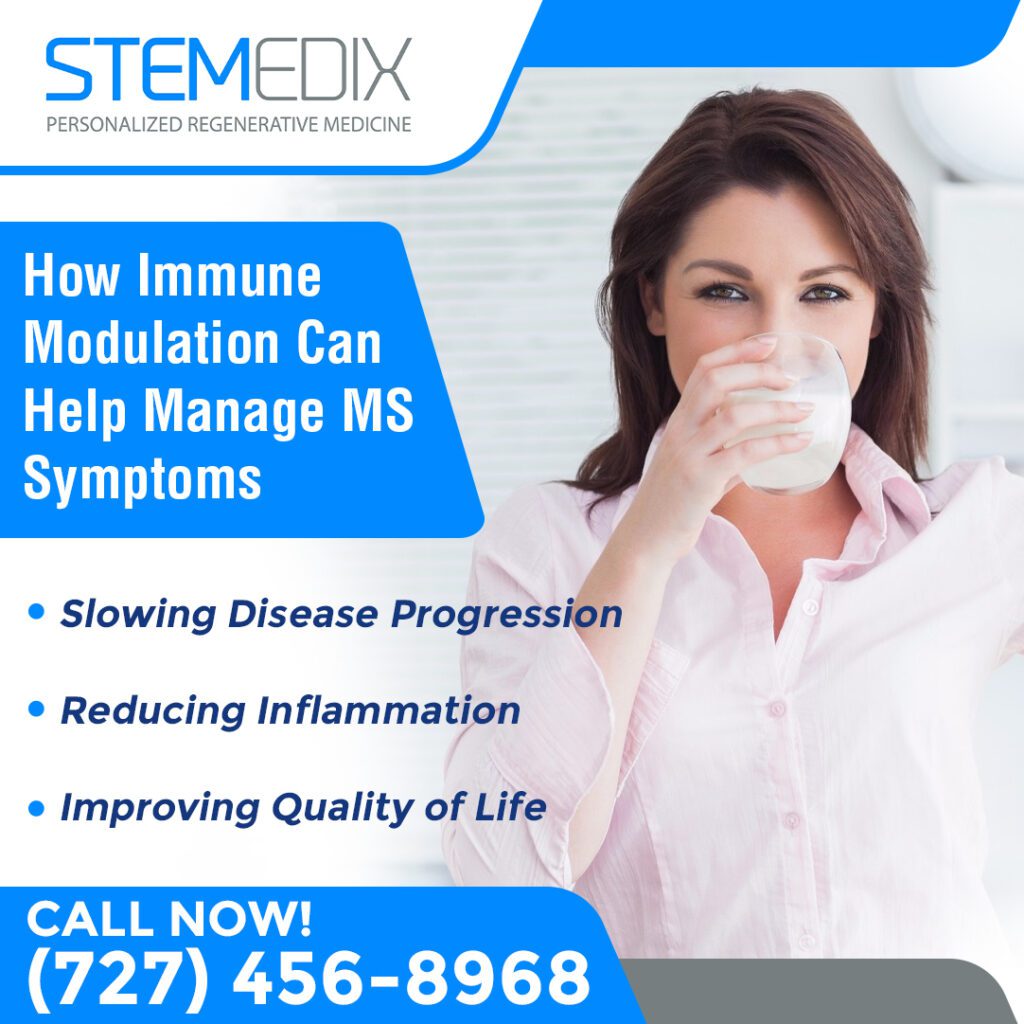
How Immune Modulation Can Help Manage MS Symptoms
Immune modulation plays a key role in regenerative medicine treatments for multiple sclerosis (MS) by addressing the immune system dysfunction that causes the disease. Stem cell therapy and other immune-modulating treatments help restore immune balance, providing relief and slowing the progression of MS.
Slowing Disease Progression
Immune modulation plays a vital role in treating MS by slowing its progression. MS occurs when the immune system mistakenly attacks the myelin sheath, causing nerve damage and increased disability. Stem cell therapies, particularly mesenchymal stem cells, help regulate the immune response, reducing autoimmune attacks. This minimizes damage to the central nervous system and helps maintain nerve function.
By promoting tissue repair and supporting the body’s natural healing processes, stem cells reduce inflammation and prevent further deterioration. As a result, patients may experience fewer relapses and greater stability, leading to a better quality of life over time.
Reducing Inflammation
Inflammation is a key factor in the progression of MS symptoms, damaging the myelin sheath and causing issues like muscle spasms, pain, and cognitive difficulties. Stem cell therapy helps reduce inflammation by regulating the immune system, lowering pro-inflammatory cytokines, and activating anti-inflammatory cells.
By addressing the underlying cause of inflammation, stem cell therapy helps prevent further attacks on healthy tissue, reducing ongoing damage. Research indicates that MSCs can decrease levels of pro-inflammatory cytokines by up to 60%, significantly lowering inflammation and promoting tissue repair. This approach can ease symptoms such as muscle pain, spasticity, and neurological issues, ultimately improving mobility and lowering flare-up frequency. Many patients report notable relief, leading to an improved quality of life.
Symptom Control and Quality of Life
Immune modulation helps in controlling symptoms for MS patients by improving immune system function. Through regenerative medicine therapies, stem cells help address common MS symptoms such as muscle weakness, fatigue, and coordination issues. By restoring immune balance, these treatments prevent immune attacks that contribute to these symptoms, helping patients feel more energetic and in control.
As immune function improves, many patients notice an enhanced quality of life. With fewer symptoms, daily activities like walking, working, and spending time with loved ones become easier. This renewed independence can have a lasting positive impact, offering MS patients a better sense of well-being. Regenerative medicine supports individuals in regaining control over their health, enabling them to live more fully and manage their condition more effectively.
Why Choose Stemedix for Immune Modulation in MS Treatment?
Treating multiple sclerosis (MS) requires an approach that not only manages symptoms but also slows the progression of the disease. At Stemedix, we specialize in regenerative medicine in Saint Petersburg, FL, with a focus on immune modulation. Our therapies aim to address the underlying causes of MS while helping restore balance to the immune system.
Our Expertise in Regenerative Medicine
At Stemedix, we bring extensive experience and expertise in regenerative medicine, with a strong focus on stem cell therapies for autoimmune conditions like multiple sclerosis (MS). Our team is dedicated to using advanced stem cell science and immune modulation techniques to develop personalized treatment plans that address the unique needs of each patient. We recognize the challenges MS presents and its impact on the immune system, which is why our approach combines innovation with evidence-based practices.
We offer autologous stem cell therapies, utilizing the patient’s own cells to support healing and regeneration. Our experienced team conducts a thorough evaluation of each patient to create a personalized treatment plan tailored to their unique needs. By focusing on immune modulation, we aim to reduce inflammation, slow disease progression, and promote tissue repair, helping patients manage MS more effectively.
Patient-Centered Approach
At Stemedix, we prioritize our patients by offering a patient-centered approach to treatment. We understand that each individual’s experience with MS is different, which is why we tailor our care to fit your specific medical history, disease progression, and treatment goals.
From the moment you contact us, our dedicated care coordinators collaborate with you to create a personalized treatment plan. They are with you every step of the way, addressing questions, providing guidance, and offering support throughout your treatment. Whether it’s helping with travel arrangements, finding accommodations, or just offering reassurance, our care coordinators are committed to making your experience as seamless and comfortable as possible.
Positive Patient Outcomes
Choosing Stemedix for your immune modulation treatment can lead to positive results, as many patients with MS have reported improvements after stem cell therapy. A systematic review published by the National Institutes of Health reported that over 70% of MS patients treated with stem cell therapy experienced a reduction in relapses and improved mobility within six months of treatment. They have experienced relief from symptoms like muscle pain, inflammation, coordination challenges, and fatigue, which has helped enhance their overall well-being.
These positive results highlight the potential of immune modulation in managing MS. By targeting the root causes of immune system dysfunction, our treatments work to restore balance, reduce the severity of symptoms, and prevent additional neurological damage. This not only helps lower the frequency of MS flare-ups but also promotes better overall health and well-being.
The success stories from our patients demonstrate the effectiveness of our regenerative therapies, showing that Stemedix offers more than just treatment—we provide a path to a better quality of life. With a personalized approach, advanced therapies, and compassionate support, Stemedix is committed to helping you effectively manage MS.
Choosing Stemedix means choosing a treatment plan customized to your needs, supported by a team of experts who are dedicated to delivering the best possible care. We’re here to guide you through every step of your treatment journey, giving you the best opportunity to manage MS and improve your quality of life.
Stemedix: Harnessing Immune Modulation to Manage Multiple Sclerosis
Immune modulation plays an important role in managing multiple sclerosis (MS), giving patients the opportunity to improve how they cope with the disease. By targeting and regulating the immune system, this approach can help slow disease progression, decrease inflammation, and reduce symptoms that make everyday life challenging for those living with MS.
Stem cell therapies, a key aspect of regenerative medicine, offer a pathway to long-term relief by repairing damaged tissues and restoring balance to the immune system. This approach addresses the underlying cause of MS—autoimmune dysfunction—by modulating immune responses to reduce attacks on the central nervous system. As a result, MS patients often experience fewer flare-ups, reduced disability, and an overall enhancement in their quality of life.
By offering tangible improvements, immune modulation through regenerative medicine has become an essential treatment strategy in the fight against Multiple Sclerosis. Stemedix, based in Saint Petersburg, FL, leads the way in providing these specialty therapies, offering personalized treatment plans designed to meet each patient’s unique needs.
Take the first step toward managing MS effectively with Stemedix. Contact us at (727) 456-8968 or email us at yourjourney@stemedix.com to learn more about how our regenerative medicine treatments can help you.
Osteonecrosis of the femoral head (ONFH) is a serious condition that affects the hip joint, leading to bone damage and joint problems. The disease occurs when the blood supply to the femoral head (the top part of the thigh bone) is disrupted, leading to small fractures and a failure of the bone to repair itself.
ONFH is a significant health issue worldwide. In the United States, approximately 20,000 to 30,000 people are diagnosed with ONFH each year. In China, more than 8 million individuals over the age of 15 suffer from nontraumatic ONFH annually. This condition mainly affects younger and middle-aged adults, making long-term treatment outcomes particularly challenging.
One of the most common treatment options for severe ONFH is total hip arthroplasty (THA), also known as hip replacement. However, THA has limitations, including a high revision rate and a limited lifespan for the artificial joint.
To preserve the natural joint and delay or avoid surgery, early intervention is essential. Several treatments are currently available, including medication, physical therapy, and surgical procedures like core decompression and bone grafting. However, these methods produce inconsistent results, meaning that better treatment options are still needed.
One promising approach involves mesenchymal stem cell (MSC) therapy. MSCs play an important role in bone healing, and their use in treating ONFH has been studied extensively.
In this study, Zhao et al. explore the available evidence for the therapeutic effect of human umbilical cord mesenchymal stem cells (HUCMSCs) on early-stage traumatic ONFH.
Potential of Stem Cell Therapy in ONFH Treatment
ONFH leads to bone cell death due to lack of blood supply. In patients with ONFH caused by excessive alcohol consumption or steroid use, the ability of MSCs to form new bone is significantly reduced. This results in an imbalance between bone formation and bone loss, leading to the weakening and collapse of the femoral head.
The authors report that adding new MSCs from an external source, such as HUCMSCs, may help by replenishing lost cells and stimulating bone regeneration. Studies have shown that MSCs from healthy individuals can be transplanted into patients without causing immune rejection. MSCs have already been used successfully in regenerating various types of tissues, and they can be obtained from several sources, including bone marrow, fat tissue, and umbilical cords.
BMMSCs are the most commonly studied type of MSCs, but their use is limited because they become less effective with age and disease. Research comparing the effectiveness of different stem cell sources has found that HUCMSCs may be a better alternative. These cells are easily obtained from umbilical cords, involve no ethical concerns, and have strong growth potential. Because of these advantages, HUCMSCs have been proposed as a promising treatment for ONFH.
Safety of Stem Cell Therapy
The authors cite several studies that have analyzed the safety of transplanting both BMMSCs and HUCMSCs. For example, one study following patients for 12 months after receiving MSC therapy found no serious adverse effects. Another study tracked patients for three years and reported no significant side effects.
HUCMSCs, in particular, have been found to improve the local healing environment by secreting factors that reduce inflammation and promote tissue repair. Experimental studies in animals also confirm the safety of HUCMSCs, showing no immune rejection or tumor formation after transplantation.
Effectiveness of HUCMSCs in Treating ONFH
To maximize the effectiveness of HUCMSC therapy, the authors focused on optimizing how the cells are delivered to the femoral head. Intravenous (IV) injection of MSCs demonstrated some benefits, but the number of stem cells that actually reach the affected area was limited. To improve results, researchers also tested direct injection of HUCMSCs into the femoral head, ensuring a higher concentration of cells in the damaged area.
Studies have shown that injected HUCMSCs can survive and function in the low-oxygen and damaged environment of the femoral head. At four weeks after transplantation, a significant number of HUCMSCs were detected in the bone, but by eight weeks, their numbers had decreased. According to the authors, this suggests that the transplanted cells either died or migrated to other areas over time. Despite this, the therapeutic effects at four weeks were better compared to untreated ONFH cases. Imaging studies and tissue analysis confirmed that bones treated with HUCMSCs had improved structure and reduced damage compared to those that did not receive treatment.
Clinical Implications and Future Research
According to Zhao et al., current guidelines suggest that for patients with early-stage ONFH, a combination of core decompression and MSC therapy may be beneficial. Research has shown that MSCs work best when provided in a low-oxygen environment, which enhances their ability to regenerate bone. Further studies are needed to refine MSC treatment strategies, determine the best dosage, and evaluate long-term outcomes.
Future research should also explore ways to prolong the survival of transplanted MSCs in the femoral head. One potential approach is preconditioning MSCs with low oxygen before transplantation to enhance their ability to function in damaged tissue. Other studies suggest that combining MSC therapy with additional bone-supporting treatments, such as growth factors or specialized scaffolds, may improve outcomes.
Stem Cell Therapy for ONFH: A Promising Approach
The authors conclude that HUCMSC therapy offers a promising new approach to treating ONFH by replenishing damaged bone cells, improving blood supply, and reducing inflammation. Compared to other types of stem cells, HUCMSCs have advantages such as easy availability, strong regenerative potential, and low risk of immune rejection. While safety concerns remain, current studies indicate that HUCMSCs are well tolerated and do not cause severe side effects.
Despite this promising approach, ongoing research will help refine the use of HUCMSCs for ONFH treatment and determine the most effective ways to enhance their therapeutic potential. With further development, HUCMSC therapy may become a standard option for preserving hip joint function and delaying or preventing the need for hip replacement surgery.
Source: Zhao J, Meng H, Liao S, Su Y, Guo L, Wang A, Xu W, Zhou H, Peng J. Therapeutic effect of human umbilical cord mesenchymal stem cells in early traumatic osteonecrosis of the femoral head. J Orthop Translat. 2022 Oct 14;37:126-142. doi: 10.1016/j.jot.2022.09.008. PMID: 36313533; PMCID: PMC9582590.
Low back pain is a widespread issue that affects millions of people worldwide, significantly impacting their daily lives and placing a substantial financial strain on the healthcare system. Existing treatment options for low back pain often provide only temporary relief and come with various limitations. With the increasing interest in regenerative medicine, newer treatments like orthobiologics, including extracellular vesicles or exosomes derived from mesenchymal stem cells, are being explored as potential alternatives for managing musculoskeletal conditions such as low back pain.
As part of this review, Gupta examines the outcomes of clinical studies using extracellular vesicles or exosomes for treating low back pain.
Understanding Low Back Pain
Low back pain is one of the leading causes of disability across the globe, affecting hundreds of millions of people. The condition is expected to increase in prevalence, with estimates suggesting that 843 million people will be affected by 2050. The lifetime risk of experiencing low back pain ranges between 65% and 85%, contributing to over $50 billion in healthcare costs each year.
Several factors can contribute to low back pain, including:
Lumbar facet joint issues: These joints in the spine can degenerate due to aging, inflammation, or trauma, leading to chronic pain conditions.
Disc herniation: This occurs when the spinal disc bulges into the spinal canal, compressing nerve roots and causing symptoms such as lumbar radiculopathy (pain radiating from the lower back to the legs).
Traditional Treatments for Low Back Pain
Common treatments for low back pain include physical therapy, chiropractic care, acupuncture, pain-relieving medications (such as narcotics and anti-inflammatory drugs), and minimally invasive procedures like nerve blocks and radiofrequency ablation. Despite their widespread use, these approaches often have limited effectiveness in providing long-term pain relief and may carry side effects. For example, steroid injections—one of the most commonly used interventions—often do not offer significant benefits compared to a placebo.
Emerging Treatments: The Role of Exosomes and Extracellular Vesicles
Recent research has focused on cellular therapies using mesenchymal stem cells (MSCs) due to their ability to regenerate damaged tissues. Extracellular vesicles (EVs), including exosomes, are small particles released by MSCs that play a key role in their therapeutic effects. These vesicles are known to:
Reduce inflammation: EVs can decrease inflammation by promoting the healing type of immune cells (M2 macrophages).
Promote tissue repair: They aid in the healing process and have lower risk of immune rejection than the cells themselves.
EVs may overcome some of the limitations of stem cell therapies, such as poor survival and retention at the treatment site, by delivering therapeutic molecules directly to the affected areas. This makes them a promising candidate for treating conditions like low back pain.
Review of Clinical Studies Using Exosomes for Low Back Pain
This review, Gupta looked at studies published up to March 2024 to assess the use of extracellular vesicles and exosomes in treating low back pain. Several databases were searched for relevant studies, including Scopus, PubMed, and Web of Science. The inclusion criteria focused on clinical trials that involved the use of exosomes for low back pain, while studies that did not explicitly use exosomes or were unrelated to low back pain were excluded.
Only two studies met the criteria:
Study by Phillips et al.: This research involved administering exosomes derived from bone marrow stem cells to patients experiencing lumbar and cervical radiculopathy (nerve pain in the back and neck). The treatment was found to be safe and showed a reduction in pain and improvement in function at a one-month follow-up.
Study by Wilson et al.: In this study, exosomes were injected into the facet joint space of patients with lumbar facet joint pain. The results indicated that the treatment was safe and led to significant improvements in pain relief and function at a three-month follow-up.
These findings align with other literature supporting the potential benefits of using stem cell-based therapies for managing low back pain. The use of exosomes may provide an effective alternative by retaining the regenerative properties of MSCs while avoiding some of the challenges associated with using live cells.
Exosomes: A Promising Treatment for Low Back Pain
Gupta’s review of current studies suggests that exosomes or extracellular vesicles could offer a safe and potentially effective treatment for low back pain. By targeting inflammation and promoting tissue healing, exosomes may provide a novel approach to managing a condition that affects millions of people. However, further high-quality research is necessary to confirm their long-term safety and effectiveness and to understand how they compare to existing treatments.
Source: Gupta A. Exosomes for the Management of Low Back Pain: A Review of Current Clinical Evidence. Cureus. 2024 Apr 3;16(4):e57539. doi: 10.7759/cureus.57539. PMID: 38707134; PMCID: PMC11068073.
This website and its contents are not intended to treat, cure, diagnose, or prevent any disease. Stemedix, Inc. shall not be held liable for the medical claims made by patient testimonials or videos. They are not to be viewed as a guarantee for each individual. The efficacy for some products presented have not been confirmed by the Food and Drug Administration (FDA).
This website uses cookies to improve your experience while you navigate through the website. Out of these cookies, the cookies that are categorized as necessary are stored on your browser as they are essential for the working of basic functionalities of the website. We also use third-party cookies that help us analyze and understand how you use this website. These cookies will be stored in your browser only with your consent. You also have the option to opt-out of these cookies. But opting out of some of these cookies may have an effect on your browsing experience.
Necessary cookies are absolutely essential for the website to function properly. This category only includes cookies that ensures basic functionalities and security features of the website. These cookies do not store any personal information.
Any cookies that may not be particularly necessary for the website to function and is used specifically to collect user personal data via analytics, ads, other embedded contents are termed as non-necessary cookies. It is mandatory to procure user consent prior to running these cookies on your website.
Subscribe To Our Newsletter
Join our mailing list to receive the latest news and updates from our team.
You have Successfully Subscribed!
Request Information Packet
We'll send your FREE information packet that outlines our entire personalized, stress-free stem cell treatment process!
Thanks for your interest!
Request Information Packet
We'll send your FREE information packet that outlines our entire personalized, stress-free stem cell treatment process!
Thanks for your interest!
Request Information Packet
We'll send your FREE information packet that outlines our entire personalized, stress-free stem cell treatment process!
Thanks for your interest!
Request Information Packet
We'll send your FREE information packet that outlines our entire personalized, stress-free stem cell treatment process!
Thanks for your interest!
Request Information Packet
We'll send your FREE information packet that outlines our entire personalized, stress-free stem cell treatment process!
Thanks for your interest!
Request Information Packet
We'll send your FREE information packet that outlines our entire personalized, stress-free stem cell treatment process!
Thanks for your interest!
Request Information Packet
We'll send your FREE information packet that outlines our entire personalized, stress-free stem cell treatment process!
Thanks for your interest!
Request Information Packet
We'll send your FREE information packet that outlines our entire personalized, stress-free stem cell treatment process!
Thanks for your interest!
Request Information Packet
We'll send your FREE information packet that outlines our entire personalized, stress-free stem cell treatment process!
Thanks for your interest!
Request Information Packet
We'll send your FREE information packet that outlines our entire personalized, stress-free stem cell treatment process!
Thanks for your interest!
Request Information Packet
We'll send your FREE information packet that outlines our entire personalized, stress-free stem cell treatment process!
Thanks for your interest!
Request Information Packet
We'll send your FREE information packet that outlines our entire personalized, stress-free stem cell treatment process!





 St. Petersburg, Florida