Parkinson’s disease is a progressive neurological disorder that affects millions, leading to significant challenges in movement, coordination, and daily life. As we seek effective solutions, Stemedix stands at the forefront of innovation by exploring the transformative potential of stem cell regenerative therapy, aiming to improve patient outcomes. This approach aims to address the underlying causes of Parkinson’s disease, offering hope for restoring lost functions and improving the quality of life for those affected. By understanding the mechanics of this therapy, we can uncover promising advances that could potentially change the treatment landscape for Parkinson’s disease.
Understanding Parkinson’s Disease and Its Impact
When we talk about Parkinson’s disease, we’re dealing with a complex, progressive neurological disorder that affects millions of people worldwide. This condition gradually impairs movement, muscle control, and balance, significantly impacting the quality of life for those affected. To truly grasp the advances in treatment, it’s essential first to understand the neurological foundation of Parkinson’s disease and the current challenges faced by conventional therapies.
The Neurological Basis of Parkinson’s Disease
Dopamine’s Role in Motor Functions
Dopamine plays a crucial role in how our brains control movement. Think of it as a messenger, transmitting signals between nerve cells in areas of the brain responsible for coordinating smooth and purposeful muscle activity. In a healthy brain, dopamine is abundant, allowing us to perform everyday tasks like walking, talking, and even reaching for a glass of water without a second thought.
However, Parkinson’s disease disrupts this delicate balance. As the disease progresses, the brain cells that produce dopamine gradually deteriorate and die. This decline in dopamine levels leads to the hallmark symptoms of Parkinson’s—tremors, stiffness, slowness of movement, and impaired balance. Without enough dopamine, the signals that tell your muscles how to move become weak, making even the simplest activities challenging and frustrating. Understanding this loss of dopamine is critical when considering treatment options, as it underscores the importance of finding therapies that can restore or protect these essential brain cells.
How Parkinson’s Disease Disrupts Brain Pathways
The effects of dopamine loss are not isolated; they extend into multiple brain pathways, causing widespread disruptions. The areas of the brain most affected by Parkinson’s are the substantia nigra and basal ganglia, regions that play pivotal roles in controlling movement. As dopamine production decreases, these brain regions can no longer communicate effectively, leading to the motor symptoms and complications associated with Parkinson’s disease. Over time, the lack of coordination between these pathways intensifies, resulting in more pronounced difficulties with movement, speech, and even non-motor symptoms like mood changes, sleep disturbances, and cognitive decline.
By understanding how Parkinson’s disease disrupts these pathways, we’re better equipped to appreciate the potential of regenerative therapies, such as stem cell treatment, which aim to repair or replace damaged cells and restore the brain’s natural functioning.
Current Limitations of Conventional Parkinson’s Treatments
Traditional Parkinson’s disease treatments primarily manage symptoms rather than targeting the root cause. While medications offer some relief, they have limitations and side effects that highlight the need for more effective therapies.
Levodopa, a common Parkinson’s medication, boosts dopamine levels, offering initial relief. However, over time, higher doses become necessary, leading to side effects like nausea, dizziness, hallucinations, involuntary movements (dyskinesia), and fatigue. Its effectiveness can also diminish, causing unpredictable “off” periods when symptoms resurface. Other medications, such as dopamine agonists and MAO-B inhibitors, bring side effects like fatigue, compulsive behaviors, or sleep issues.
Current treatments don’t address the ongoing loss of dopamine-producing cells. This is where stem cell regenerative therapy offers hope. Unlike traditional medications, it aims to restore damaged cells, addressing the disease’s core issue and potentially providing long-term relief for Parkinson’s patients.
The Science Behind Stem Cell Regenerative Therapy
Stem cell regenerative therapy is reshaping how we approach Parkinson’s disease, offering a more targeted way to manage its symptoms. Understanding the science behind this therapy is essential to grasp its potential in repairing damaged cells, restoring lost functions, and improving the lives of those affected. At Stemedix, we’re committed to utilizing this advanced therapy to bring hope and tangible results to patients with Parkinson’s disease.
How Stem Cells Work in Regenerative Medicine
Stem cells are the foundation of regenerative medicine because of their unique ability to transform into various types of cells. Unlike other cells in the body, stem cells possess two remarkable features: they can differentiate into specialized cell types and can renew themselves. This flexibility makes them invaluable for addressing the damage caused by neurodegenerative conditions like Parkinson’s disease.
Differentiation and Self-Renewal Abilities
Differentiation refers to the process by which stem cells transform into specific cell types, such as neurons or muscle cells. This characteristic is crucial in Parkinson’s disease therapy because it allows stem cells to potentially replace the damaged dopamine-producing neurons that are essential for regulating movement. Meanwhile, the self-renewal ability means stem cells can divide and produce more stem cells, ensuring a steady supply for the body’s repair processes.
In simpler terms, stem cells are like a repair team that can adapt and produce whatever cell type is needed to fix the damage. This adaptability is why stem cell regenerative therapy has gained attention as a promising option for treating neurodegenerative conditions like Parkinson’s disease.
Potential to Restore Damaged Dopamine Neurons
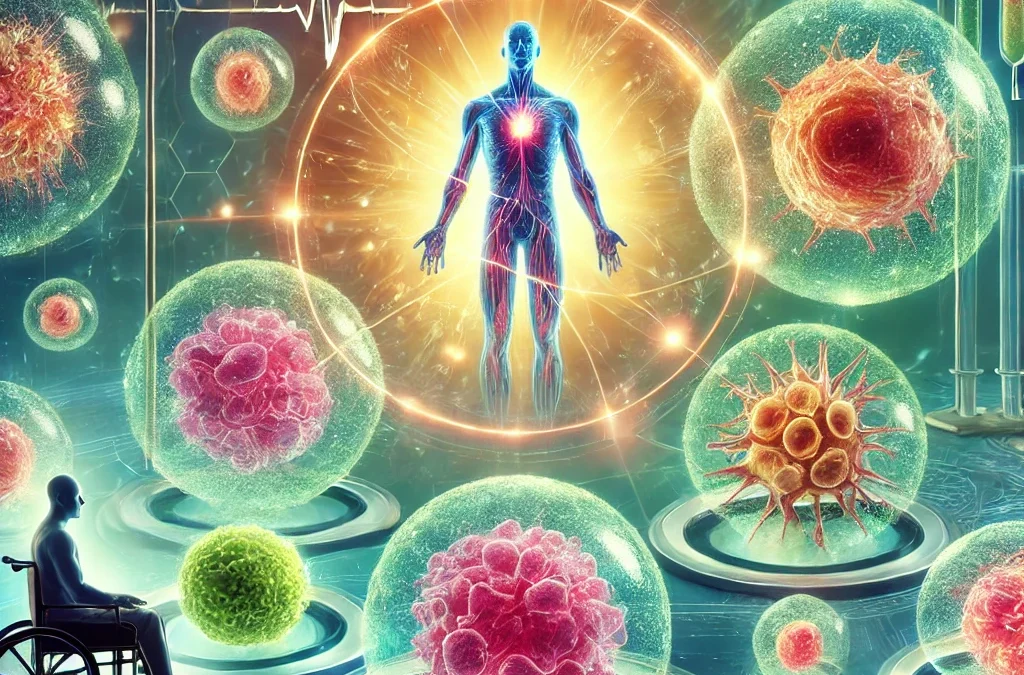
Parkinson’s disease primarily results from the loss of dopamine-producing neurons in the brain. Dopamine plays a vital role in controlling movement, and its deficiency leads to the classic symptoms of Parkinson’s, such as tremors, stiffness, and difficulty with balance. Stem cell regenerative therapy offers a way to restore this lost function by introducing cells that can develop into dopamine neurons.
At Stemedix, we recognize the potential of stem cell therapy to replace these lost neurons, helping to restore dopamine levels and improve motor function. While this is not an overnight solution, the ability of stem cells to transform into the needed cell type offers a promising avenue for symptom management and potentially slowing disease progression.
Types of Stem Cells Used in Parkinson’s Disease Therapy
When it comes to stem cell therapy for Parkinson’s disease, not all stem cells function the same way. At Stemedix, we prioritize using the most effective types to enhance treatment outcomes. The two primary stem cell types showing promise in Parkinson’s research and therapy are Mesenchymal Stem Cells (MSCs) and Induced Pluripotent Stem Cells (iPSCs).
Mesenchymal Stem Cells (MSCs) and Their Benefits
MSCs are multipotent stem cells derived from sources like bone marrow, fat tissue, and umbilical cord blood. These cells can transform into various cell types, such as bone, cartilage, muscle, and neurons. What makes MSCs particularly suitable for Parkinson’s treatment is their anti-inflammatory and immunomodulatory properties, creating a nurturing environment for cell repair and regeneration. MSCs also release growth factors that encourage the survival and repair of damaged neurons, thereby helping to manage Parkinson’s symptoms more effectively and improve motor function. At Stemedix, we leverage MSCs to offer a therapy focused not only on alleviating symptoms but also addressing the cellular damage contributing to disease progression.
Induced Pluripotent Stem Cells (iPSCs) in Parkinson’s Research
iPSCs are adult cells reprogrammed to a stem cell-like state, allowing them to become any cell type. In Parkinson’s therapy, iPSCs can develop into dopamine-producing neurons, making them ideal for replacing lost neurons. Because iPSCs can be derived from a patient’s cells, there’s a lower risk of rejection, allowing for personalized treatment. At Stemedix, we explore the potential of iPSCs to provide advanced, tailored therapies that address individual patient needs.
By integrating MSCs and iPSCs into our treatment approach, Stemedix remains dedicated to offering innovative and comprehensive regenerative solutions for Parkinson’s disease.
Breakthrough Research and Findings on Stem Cell Therapy for Parkinson’s
Recent advancements in stem cell therapy have shown promising results in treating Parkinson’s disease, bringing hope to those living with this challenging condition. At Stemedix, we closely follow the latest research to offer patients the most innovative and effective treatments. By understanding the breakthroughs and findings, you can make informed decisions about the potential benefits of stem cell therapy for Parkinson’s.
Notable Clinical Trials and Studies
Several clinical trials and studies have demonstrated the potential of stem cell therapy to improve the quality of life for Parkinson’s patients. These trials are crucial because they provide evidence-based insights into how stem cells can be harnessed to address the symptoms and progression of the disease.
Improvements Observed in Motor Function and Symptoms
One of the most significant findings from these clinical trials is the improvement in motor function and reduction of symptoms in Parkinson’s patients. In various studies, participants who received stem cell transplants showed enhanced movement abilities, reduced tremors, and overall better control of their muscles. This is a breakthrough because it addresses one of the most debilitating aspects of Parkinson’s—its impact on a person’s ability to move and function independently.
At Stemedix, we emphasize the importance of such data in showing that stem cell therapy has the potential to restore some degree of normalcy to those living with Parkinson’s, enhancing their day-to-day experiences.
The Safety and Efficacy of Stem Cell Transplantations
Safety and efficacy are two critical factors in any treatment, and the same holds true for stem cell therapy. Fortunately, clinical trials have shown that stem cell transplantations are generally safe when conducted under controlled conditions. Most patients did not experience severe adverse reactions, indicating that stem cell therapy could be a viable treatment option for Parkinson’s disease.
However, as with any medical procedure, there are inherent risks, which is why it’s crucial to work with a reputable provider like Stemedix to minimize potential complications. Our priority is to ensure that the procedures are carried out with the highest safety standards. We monitor the latest research findings to refine our protocols continuously, ensuring the best outcomes for our patients.
Long-term Benefits and Potential Risks Identified in Studies
While the short-term improvements seen in stem cell therapy are promising, the long-term effects must also be considered. Researchers are actively studying how stem cell treatments influence Parkinson’s disease progression over time and what risks might arise.
The Longevity of Symptom Relief
One of the most encouraging aspects of stem cell therapy research is the longevity of symptom relief. Unlike conventional treatments, which often require frequent adjustments or increased dosages over time, stem cell therapy has shown the potential to offer sustained benefits. For many patients involved in clinical trials, the improvements in motor skills and reduction of symptoms have persisted for months, even years, following treatment.
This extended relief could significantly improve the quality of life for those with Parkinson’s, reducing the burden of daily medication and potentially slowing the progression of the disease. At Stemedix, we are optimistic about this potential and are dedicated to ensuring that our therapy options provide long-lasting benefits.
Addressing Ethical and Regulatory Considerations
Stem cell therapy for neurodegenerative diseases like Parkinson’s brings ethical and regulatory considerations. It’s crucial that stem cells are sourced ethically and that treatments adhere to strict guidelines. The debate around certain stem cell types, such as embryonic, highlights the need for responsible practices. At Stemedix, we prioritize ethical standards, using only ethically sourced stem cells while strictly following regulatory guidelines. This commitment ensures that our treatments are safe, effective, and aligned with responsible medical care. By staying informed about research and ethical considerations, Stemedix offers advanced, evidence-based therapies for Parkinson’s that are grounded in science and dedicated to your well-being.
How Stemedix is Leading the Way in Regenerative Medicine for Parkinson’s Disease
Stemedix stands as a frontrunner in providing regenerative medicine solutions for Parkinson’s disease. Our mission extends beyond offering stem cell therapy; we’re committed to delivering a comprehensive, individualized approach that truly addresses each patient’s unique needs. Here’s how we make a difference.
In-depth Patient Evaluations and Treatment Plans
At Stemedix, we understand that each patient’s journey with Parkinson’s is distinct. We start by conducting thorough evaluations to gain a deep understanding of your medical history, symptoms, and treatment goals. Our team crafts personalized treatment plans that address your specific challenges, ensuring the therapy you receive is effective and tailored to your needs.
Tailored Regenerative Therapies for Optimal Outcomes
We specialize in designing regenerative therapies that suit your condition. Depending on your medical history, we utilize different stem cells, such as Mesenchymal Stem Cells (MSCs) or Induced Pluripotent Stem Cells (iPSCs). This targeted approach allows us to focus on replenishing the damaged dopamine neurons specific to your Parkinson’s progression, aiming to improve your quality of life.
Expertise and Support from Board-Certified Providers
Every patient at Stemedix is paired with a dedicated Care Coordinator who guides you throughout your treatment. Our coordinators offer clear communication, address your concerns, and ensure you feel supported every step of the way, making your experience as seamless and reassuring as possible.
Operating from our main facility in Florida, Stemedix ensures you receive top-quality care in a state-of-the-art environment. Our board-certified providers bring years of expertise in regenerative medicine backed by the latest research. This combination of experience, personalized care, and accessible location ensures that your journey with us is both effective and compassionate.
What Patients Can Expect from Stem Cell Therapy with Stemedix
At Stemedix, we prioritize making the process of stem cell therapy for a Parkinson patient as clear and supportive as possible. We understand that taking this step can feel overwhelming, so we aim to offer a seamless journey from the initial consultation to post-treatment care. Here’s a detailed look at what you can expect when choosing us for your regenerative therapy.
The Initial Consultation and Treatment Process
Your journey with Stemedix begins with a comprehensive evaluation of your medical history. Our team gathers crucial information about your Parkinson’s diagnosis, symptoms, treatment history, and overall health. This thorough understanding allows us to create a personalized therapy plan tailored to your specific needs. We encourage open communication, so feel free to share any questions or concerns.
After assessing your condition, we guide you through the preparation process for stem cell therapy. Our Care Coordinators provide detailed instructions on what to expect and any pre-treatment guidelines, ensuring you feel comfortable and ready for your treatment.
Post-treatment Care and Long-term Monitoring
At Stemedix, our commitment to your care extends well beyond your stem cell therapy session. We schedule regular follow-ups to monitor your progress, assess treatment response, and adjust your care plan as necessary. We believe that consistent communication is vital for achieving the best outcomes, and our team is here to guide you through every stage of your recovery.
Recognizing that managing Parkinson’s disease is a long-term journey, we provide continuous support, answer your questions, and offer resources to help you navigate your post-treatment experience for better outcomes. Our goal is to empower you to maintain and improve your quality of life as you continue on your path to wellness.
Stemedix: The Path to Improved Quality of Life
Stemedix is a leading provider of regenerative medicine solutions focused on enhancing the quality of life for patients with various conditions, including Parkinson’s disease. Based in Saint Petersburg, Florida, we combine innovative stem cell therapy with personalized care tailored to the unique needs of each individual. Our team of board-certified providers conducts thorough evaluations to create customized treatment plans that target the underlying causes of your condition. We emphasize ethical practices and patient safety, ensuring that our patients receive the most effective therapies available. By choosing stem cell therapy for Parkinson’s with Stemedix, you’re taking proactive steps toward managing Parkinson’s disease, addressing its root causes rather than just the symptoms. Our commitment to comprehensive support continues from your initial consultation through post-treatment care, ensuring you have guidance at every step.
If you’re ready to explore how stem cell therapy can transform your experience with Parkinson’s disease, contact Stemedix at (727) 456-8968 today to begin your journey to improved health and well-being.
Regenerative medicine has become a beacon of hope for individuals facing chronic conditions. At Stemedix, we lead the way in regenerative medicine treatments, focusing on repairing and regenerating damaged tissues to restore health and functionality. We understand the complexities of chronic pain and degenerative diseases, combining advanced research with compassionate care. By harnessing the power of stem cells, we aim to promote healing and enhance your quality of life. Our commitment is to provide innovative treatments that address the root causes of your condition, helping you regain mobility, reduce pain, and achieve a better, healthier future.
Understanding Regenerative Medicine
Defining Regenerative Medicine
Regenerative medicine is an innovative field of healthcare that focuses on restoring the body’s natural ability to heal and regenerate. We aim to repair, replace, or regenerate damaged tissues and organs, offering solutions that can improve health outcomes and enhance quality of life. This approach goes beyond merely treating symptoms; it addresses the root causes of various medical conditions, allowing us to tackle chronic issues more effectively.
At its core, regenerative medicine encompasses a range of techniques and therapies. Stem cells play a pivotal role in these treatments. The unique quality of stem cells is their ability to differentiate into many types of cells. This means that they can help the body heal by mending damaged tissues and encouraging regeneration in the parts of the body that most need it. By using these amazing cells, we can create customized treatments that meet the needs of each patient and ultimately lead them down a path toward better health and well-being.
Through our commitment to advancing regenerative medicine, we seek to provide you with innovative treatment options that empower you on your healing journey. Whether it’s addressing chronic pain, degenerative conditions, or autoimmune disorders, our goal is to make a meaningful impact on your quality of life through personalized regenerative medicine treatments.
The Science Behind Stem Cells
Stem cells are often referred to as the body’s building blocks, and we see why. These undifferentiated cells possess the extraordinary potential to develop into specialized cells, including muscle, nerve, or blood cells. This versatility is what sets stem cells apart in the realm of regenerative medicine. Unlike regular cells, which have specific functions, stem cells can adapt and transform based on the body’s needs.
We have come to appreciate the intricate workings of stem cells and their potential for healing. When we consider the healing process after an injury or illness, it’s these remarkable cells that play a crucial role in recovery. Their ability to self-renew and differentiate makes them invaluable in developing therapies that can truly make a difference in your health journey. By harnessing this potential, we aim to provide innovative regenerative medicine treatments that facilitate healing and restore health.
Types of Stem Cells
Three main categories of stem cells include adult, induced pluripotent stem cells (iPSCs), and embryonic stem cells. Understanding the differences between these three types of stem cells is crucial to understanding regenerative medicine.
Embryonic Stem Cells: These cells are derived from embryos and have the most significant differentiation potential. They can develop into any cell type in the body. While they hold immense promise for research and therapies, ethical considerations surround their use.
Adult Stem Cells: Found in various tissues, adult stem cells are more limited in their ability to differentiate compared to embryonic stem cells. However, they play a vital role in repairing and regenerating tissues. For instance, hematopoietic stem cells in the bone marrow produce blood cells, while mesenchymal stem cells can differentiate into bone, cartilage, and fat cells.
Induced Pluripotent Stem Cells (iPSCs): These are adult cells reprogrammed to an embryonic-like state, allowing them to develop into various cell types. iPSCs offer exciting opportunities for personalized medicine, as they can be created from a patient’s cells, minimizing the risk of rejection in therapeutic applications.
By understanding the various types of stem cells, you gain insight into the vast potential of regenerative medicine. At Stemedix, we harness these capabilities to develop personalized treatment plans that cater to your needs. As we explore the healing power of stem cells further, it becomes clear how integral they are to the future of healthcare and your journey toward improved health.
The Healing Power of Stem Cells
Tissue Regeneration
Stem cells are incredibly powerful because they can regenerate damaged tissues, providing the foundation for repairing injuries and restoring function in various parts of the body. When we think of tissue repair, we picture the complex process of stem cells inside the body, differentiating into specialized cell types, such as muscle, cartilage, or nerve cells, depending on the tissues that need to be repaired.
When an injury occurs, stem cells migrate to the affected area, where they begin to replicate and transform into the specific cell types needed for repair. This differentiation is a crucial step in restoring function and integrity to damaged tissues. For instance, in cases of cartilage damage, mesenchymal stem cells can differentiate into cartilage cells, contributing to improved joint health and mobility. At Stemedix, we have seen firsthand how this process leads to significant improvements in our patients’ quality of life, allowing them to regain function and alleviate pain.
Modulating Inflammation
Another critical function of stem cells is their ability to modulate inflammation, which is a common response in many chronic conditions. We understand that inflammation can hinder the healing process and lead to further complications. In this context, stem cells play a transformative role. They secrete signaling molecules that help regulate the immune response, promoting an environment conducive to healing.
By reducing excessive inflammation, stem cells facilitate the repair process, enabling other cells to perform their functions more effectively. We’ve witnessed how this modulation can significantly enhance recovery times and improve outcomes for patients undergoing various regenerative medicine treatments. By harnessing stem cells’ dual capability of repairing damaged tissues and reducing inflammation, we can unlock new pathways to healing.
Applications of Stem Cell Therapy
Orthopedic Applications
In orthopedic medicine, we are witnessing a revolution in how we approach joint repair and injuries through stem cell therapy. We have seen numerous cases where patients who once faced the prospect of invasive surgeries or prolonged recovery times found relief through our stem cell treatments. When we utilize stem cells for joint injuries, we target the underlying causes of pain and dysfunction rather than merely managing symptoms. For instance, in cases of osteoarthritis, injecting stem cells directly into the affected joint can stimulate the regeneration of cartilage and improve mobility. Our treatments aim not only to restore function but also to reduce pain and enhance overall joint health, allowing our patients to return to their daily activities with confidence.
Neurodegenerative Diseases
The potential of stem cell therapy extends to neurodegenerative diseases such as Alzheimer’s and Parkinson’s. Exploring treatments for neurodegenerative diseases such as Alzheimer’s and Parkinson’s has been both challenging and rewarding. Stem cells offer hope by targeting the underlying mechanisms contributing to neuronal degeneration in diseases like Alzheimer’s and Parkinson’s. Research indicates that stem cells may help replace lost or damaged neurons, support the survival of existing neurons, and reduce inflammation in the brain. While these applications are still in various stages of research and clinical trials, we are excited about the future possibilities for patients suffering from these debilitating diseases, as advancements in stem cell therapy could lead to improved treatment options and enhanced quality of life.
Autoimmune Disorders
Stem cell therapy also shows promise in managing autoimmune disorders, where the immune system mistakenly attacks the body’s tissues. In working with patients who have conditions like rheumatoid arthritis or lupus, we’ve seen how stem cells can modulate the immune response, potentially alleviating symptoms and reducing the frequency of flare-ups. By reprogramming the immune system and promoting a balanced response, stem cell therapy may offer a new treatment avenue for those struggling with chronic autoimmune conditions. The ability to address the root causes of these diseases rather than simply treating symptoms is a game changer for many patients.
At Stemedix, we are committed to exploring these innovative applications, working closely with you to tailor treatments that align with your unique health needs and aspirations.
The healing power of stem cells is vast and multifaceted. As we continue to explore their mechanisms of action and applications, we remain dedicated to providing you with the most advanced and effective regenerative medicine treatments available.
Current Research in Regenerative Medicine
Latest Trends in Stem Cell Research
The field of regenerative medicine is continuously evolving, driven by ongoing research and groundbreaking discoveries. Recent studies have highlighted promising emerging therapies that harness stem cells’ unique capabilities. For instance, we are exploring ways to enhance stem cell differentiation into specific cell types, which could lead to more targeted and effective treatments for a variety of conditions. Advances in gene editing technologies, like CRISPR, are also paving the way for new regenerative strategies that may address genetic disorders at their source.
Additionally, we’re witnessing an increasing focus on the development of stem cell-derived products, such as organoids, which are miniature organs created from stem cells. These organoids not only provide valuable insights into human biology and disease mechanisms but also hold potential for drug testing and personalized medicine applications. As these therapies progress through clinical trials, we believe they may revolutionize our approach to treating chronic diseases, offering tailored solutions to patients seeking regenerative medicine in Florida that were previously unimaginable. At Stemedix, we stay abreast of the latest trends in stem cell research to ensure that we offer the most effective and innovative therapies to our patients.
Ethical Considerations in Stem Cell Use
As we explore the potential of regenerative medicine, it’s vital to address the ethical considerations surrounding stem cell research and therapy. At Stemedix, we uphold the highest ethical standards, ensuring our approach is both innovative and responsible. The use of stem cells, especially embryonic ones, raises important ethical questions about their sourcing. We believe in engaging in transparent discussions about these issues, adhering to strict ethical guidelines that focus on informed consent and responsible sourcing.
Adult stem cells and induced pluripotent stem cells (iPSCs) provide alternatives that help mitigate some ethical concerns. By utilizing these sources, we advance our research while respecting ethical implications. As the field grows, maintaining ethical integrity in our research and treatments remains a priority for us. We strive to build trust with our patients and the community, and we are committed to responsibly exploring regenerative medicine’s frontiers to impact the lives we serve profoundly.
Stemedix: Pioneering Regenerative Medicine Treatments
Initial Consultation Process
When you choose Stemedix for your initial consultation, you can expect a smooth and informative experience in Regenerative medicine near Florida. During your first visit, you’ll meet with our dedicated Care Coordinators and board-certified providers, who will take the time to understand your unique health needs and gather a comprehensive medical history.
We encourage you to bring any questions or concerns regarding your condition and potential treatments, fostering a welcoming environment for open discussion. Our team will conduct a thorough evaluation and present personalized treatment options tailored specifically to you.
We believe informed patients make the best decisions about their health, so we ensure you leave with a clear understanding of your treatment plan and the next steps in your healing journey. At Stemedix, you’re not just accessing innovative regenerative medicine; you’re joining a supportive community committed to your well-being and quality of life.
Personalized Treatment Options
Personalized care is the cornerstone of effective regenerative medicine at Stemedix. Since every patient has different circumstances, health histories, and goals, thorough patient assessments are crucial to identifying the best course of treatment. During evaluations, we ask detailed questions about your medical history, lifestyle, and particular symptoms. This comprehensive understanding enables us to create a customized treatment plan that addresses your immediate concerns and supports your long-term health goals. Taking into account every facet of your health, we determine the best regenerative medicine treatments to aid in your recovery. This customized approach is not just about treating a condition; it’s about fostering overall wellness and improving your quality of life.
Dedicated Care Coordinators
Navigating the world of regenerative medicine can be overwhelming, and that’s where our dedicated care coordinators come in. From the moment you reach out to us, you will have a dedicated professional by your side, guiding you through every step of the process. We are committed to ensuring you feel supported and informed throughout your healing journey. Your care coordinator will be your primary point of contact, helping you understand treatment protocols, managing appointments, and addressing any questions or concerns that may arise. We’ve seen firsthand how this level of personalized support can alleviate anxiety and empower patients to take charge of their health, leading to more successful treatment outcomes.
Outcome Monitoring
At Stemedix, we recognize that the journey doesn’t end with the administration of treatment. Continuous outcome monitoring is a vital component of our approach to regenerative medicine. After your treatment, we meticulously track and evaluate your progress to ensure optimal results. This monitoring process involves regular follow-ups, assessments of your symptoms, and adjustments to your treatment plan as needed. We understand that healing is not always linear, so it’s crucial to remain flexible and responsive to your evolving needs. By keeping a close eye on your progress, we can celebrate your successes, address any challenges that arise, and refine your treatment strategy to ensure the best possible outcomes.
In summary, at Stemedix, we pride ourselves on our commitment to personalized care and the ongoing support we provide to our patients. By investing time in comprehensive assessments, offering dedicated care coordinators, and closely monitoring patient outcomes, we aim to lead the way in regenerative medicine treatments. Your health journey is important to us, and together, we can work towards achieving your wellness goals. Choose Stemedix for your regenerative medicine needs and experience the difference in compassionate, individualized care that prioritizes your well-being.
Discover Your Path to Healing at Stemedix
Stemedix, a trusted choice for regenerative medicine in Florida, is a leading provider of innovative regenerative medicine therapies dedicated to enhancing the quality of life for individuals suffering from chronic pain, degenerative conditions, and autoimmune disorders. Founded by Fred Palmer, Stemedix operates from its headquarters in Saint Petersburg, Florida, strategically located within the Bayfront Health Medical Building. The organization emphasizes a patient-centered approach, offering personalized treatment options guided by board-certified providers. With a strong commitment to ethical practices and patient safety, Stemedix combines the latest advancements in regenerative medicine with comprehensive support through dedicated Care Coordinators. This ensures that each patient receives individualized care throughout their healing journey, making Stemedix a trusted choice for those seeking alternative paths to wellness. Are you ready to take the next step towards improved health and well-being? At Stemedix, we invite you to explore our innovative regenerative medicine therapies tailored to your unique needs. Whether you’re dealing with chronic pain, a degenerative condition, or an autoimmune disorder, our dedicated team is here to support you every step of the way. Contact us today at (727) 456-8968 to schedule your consultation and discover how Stemedix can help you on your journey to wellness. Don’t wait—your path to healing starts now!
Respiratory diseases are a major global health concern, responsible for millions of deaths each year. Conditions like chronic obstructive pulmonary disease (COPD), acute respiratory distress syndrome (ARDS), pulmonary fibrosis, and pneumonia claim many lives annually, and despite advancements in medical research, there is still no cure for many of these diseases. Current treatments typically focus on managing symptoms and slowing disease progression, but there is growing interest in stem cell (SC) therapy as a potential game-changer for treating lung diseases.
Stem cell therapy is a type of regenerative medicine where stem cells, which have the ability to regenerate or repair damaged tissues, are introduced into the body. There are four main sources of stem cells: embryonic tissues, fetal tissues, adult tissues (like mesenchymal stem cells or MSCs), and genetically manipulated somatic cells, known as induced pluripotent stem cells (iPSCs). Numerous studies have shown that stem cell therapies could be safe and effective for a variety of lung diseases, including COPD, ARDS, and pulmonary fibrosis.
Researchers are increasingly focusing on a cell-free approach that uses stem cell-derived exosomes (SC-Exos). Exosomes are small particles that stem cells release into the body to help with intercellular communication. These exosomes contain beneficial properties of stem cells, including immunomodulatory, anti-inflammatory, and antifibrotic effects.
SC-Exos offer several advantages over stem cell therapy. They have a unique ability to inherit the molecular patterns of their parent stem cells, which means they can potentially mimic the therapeutic effects of stem cells.
Several studies have demonstrated that SC-Exos may be particularly useful for treating respiratory diseases. For example, preclinical and clinical studies have explored the potential of SC-Exos for treating COVID-19, an illness that severely impacts the respiratory system. SC-Exos have been shown to help reduce the severity of complications, such as pneumonia and ARDS, by modulating the immune system and reducing inflammation. In one clinical trial, the use of SC-Exos from bone marrow-derived mesenchymal stem cells (BMSCs) improved survival rates, oxygenation, and immune system regulation in patients.
To deliver SC-Exos effectively, researchers have explored various methods, including intratracheal instillation (direct delivery into the lungs via a tube) and inhalation through nebulizers. Inhalation has shown particular promise, as it allows the exosomes to directly reach the affected lung tissues. In one study involving a mouse model of lung injury caused by the bacterium Pseudomonas aeruginosa, inhaling MSC-derived exosomes significantly improved survival rates. Clinical trials are currently underway to determine if similar results can be achieved in humans.
While many studies attribute the benefits of SC-Exos to their RNA content, it is likely that other components of exosomes also play important roles in their therapeutic effects. Further research is needed to better understand these mechanisms and to optimize the use of exosomes in clinical practice.
Another area of research is focused on developing synthetic or “exosome-mimic” particles that could replicate the therapeutic effects of natural exosomes. These particles could be designed to contain the key bioactive molecules responsible for the beneficial effects of SC-Exos, while being easier and cheaper to produce. However, creating these synthetic particles will require extensive research to ensure they are safe and effective.
Looking ahead, researchers are optimistic about the future of SC-Exos as a potential treatment for respiratory diseases. As our understanding of exosome biology continues to grow, it is likely that we will see more clinical trials and eventually the development of new therapies based on exosome technology. In particular, the use of aerosolized SC-Exos delivered via inhalation holds great promise for treating lung diseases, as it allows the exosomes to directly target damaged tissues in the lungs.
Azhdari et. al conclude that SC-Exos represent an exciting new frontier in the treatment of respiratory diseases. With further research and development, they could offer a powerful new tool for managing and potentially curing conditions like COPD, ARDS, and pulmonary fibrosis, providing hope to millions of patients around the world.
Source: Azhdari MH, Goodarzi N, Doroudian M, MacLoughlin R. Molecular Insight into the Therapeutic Effects of Stem Cell-Derived Exosomes in Respiratory Diseases and the Potential for Pulmonary Delivery. International Journal of Molecular Sciences. 2022; 23(11):6273. https://doi.org/10.3390/ijms23116273
Harnessing the Power of Neural Stem Cells and Exosomes for Neurological Diseases: A Promising Frontier
In the realm of medical science, there are few areas as complex and challenging as neurological diseases. These conditions, which include Alzheimer’s, Parkinson’s, stroke, multiple sclerosis (MS), and traumatic brain injuries (TBI), affect millions of people worldwide and have been notoriously difficult to treat. Traditional therapies often provide only symptomatic relief, and many fail to halt or reverse the progression of these debilitating diseases.
However, emerging research in the field of regenerative medicine is shedding light on a potentially transformative approach: the use of neural stem cells (NSCs) and their secreted exosomes to repair damaged tissues and restore neurological function.
One significant study, titled “Therapeutic Role of Neural Stem Cells in Neurological Diseases,” published in Frontiers in Bioengineering and Biotechnology, explores the immense therapeutic potential of NSCs and their exosomes. This study, alongside many others like it, underscores the groundbreaking possibilities these biological agents hold for the treatment of neurological diseases.
Neural Stem Cells: The Brain’s Repair System
Neural stem cells are a specialized type of stem cell found in the brain and spinal cord. Unlike fully differentiated cells, stem cells have the remarkable ability to develop into various cell types. In the case of NSCs, they can differentiate into neurons (nerve cells), astrocytes, and oligodendrocytes—key components of the central nervous system (CNS).
NSCs are particularly valuable because they have the potential to replace damaged or lost cells in the brain, a quality that is essential in the context of neurodegenerative diseases, where cell loss and dysfunction are the primary causes of disease progression. Moreover, NSCs can self-renew, which means they can continue to divide and produce more stem cells over time, making them a sustainable resource for regenerative therapies.
How Neural Stem Cells Aid Neurological Recovery
Research indicates that NSCs can contribute to neurological recovery in several ways:
Cell Replacement: When neurons or other CNS cells are lost due to injury or disease, NSCs can differentiate into these specific cell types, replacing the damaged or missing cells. For example, in Parkinson’s disease, where dopaminergic neurons die off, NSCs could theoretically be used to replenish these neurons and restore normal dopamine levels.
Neuroprotection: NSCs also secrete a variety of trophic factors, such as brain-derived neurotrophic factor (BDNF), that support neuron survival, reduce inflammation, and protect existing neurons from further damage. This neuroprotective role is crucial in conditions like multiple sclerosis, where chronic inflammation leads to the degradation of myelin, the protective sheath around neurons.
Neurogenesis: NSCs have the ability to promote the generation of new neurons—a process known as neurogenesis. This is particularly important for diseases like stroke or traumatic brain injury, where large numbers of neurons are lost.
Modulating the Immune System: In many neurological diseases, immune dysregulation plays a significant role. NSCs have been shown to interact with the immune system, modulating immune responses in ways that reduce inflammation and encourage healing.
Exosomes: The Secret Weapon of Neural Stem Cells
While the direct implantation of neural stem cells holds promise, recent research suggests that the therapeutic benefits of these cells may be largely mediated through their exosomes. Exosomes are tiny, nanoscale vesicles secreted by cells, including NSCs. These vesicles are packed with proteins, lipids, RNA, and microRNA, and they play a key role in intercellular communication.
In the context of neurological diseases, exosomes derived from neural stem cells have been shown to carry a variety of cargo that can help repair damaged tissues, reduce inflammation, and promote neurogenesis.
How Exosomes Aid in Neurological Healing
The therapeutic benefits of neural stem cell-derived exosomes in neurological diseases include the following:
Promoting Neurogenesis: Exosomes can carry pro-regenerative factors such as microRNAs and proteins that stimulate the production of new neurons. This can be particularly beneficial after a stroke or traumatic brain injury, where large areas of the brain are damaged.
Anti-Inflammatory Properties: Many neurological diseases, such as multiple sclerosis and Alzheimer’s, are characterized by chronic inflammation in the brain. Exosomes can deliver anti-inflammatory agents directly to the affected areas, helping to reduce inflammation and slow the progression of disease.
Supporting Neuronal Survival: Exosomes contain neurotrophic factors that help to support the survival of existing neurons, particularly in degenerative diseases like Parkinson’s and ALS. By preserving the neurons that are still functional, exosome therapies could help to maintain brain function and prevent further cognitive decline.
Repairing the Blood-Brain Barrier: The blood-brain barrier is a critical structure that protects the brain from harmful substances in the bloodstream. However, in many neurological diseases, this barrier becomes damaged, allowing toxins and immune cells to enter the brain. Exosomes have been shown to play a role in repairing the blood-brain barrier, protecting the brain from further damage.
Clinical Applications of NSCs and Exosomes in Neurological Diseases
Alzheimer’s Disease: Alzheimer’s is characterized by the accumulation of amyloid-beta plaques and neurofibrillary tangles, which lead to widespread neuron death. NSCs and their exosomes have been shown to clear amyloid-beta deposits, reduce neuroinflammation, and promote the survival of neurons. Studies suggest that exosome-based therapies could offer a non-invasive way to deliver treatments that target the root causes of Alzheimer’s, potentially halting or reversing disease progression.
Parkinson’s Disease: The loss of dopamine-producing neurons in Parkinson’s results in movement disorders, including tremors and rigidity. NSCs can differentiate into dopaminergic neurons, potentially replacing those lost in Parkinson’s patients. Moreover, exosomes derived from NSCs can carry neuroprotective factors that support the survival of remaining neurons, which could slow disease progression.
Stroke: Stroke occurs when blood flow to the brain is interrupted, leading to the death of brain cells. In animal models, NSC-derived exosomes have been shown to reduce brain damage, promote neurogenesis, and improve functional recovery. These exosomes can cross the blood-brain barrier, making them a promising candidate for stroke therapy.
Multiple Sclerosis (MS): MS is an autoimmune disease that attacks the myelin sheath around neurons. NSCs have been shown to promote remyelination—the process of repairing damaged myelin—and to modulate the immune system in ways that reduce the autoimmune attack on the CNS. Exosomes can deliver anti-inflammatory signals to the brain, helping to repair myelin and restore normal function.
Traumatic Brain Injury (TBI): TBI often leads to long-term neurological impairments due to widespread neuron damage. NSCs and their exosomes offer the potential to repair damaged neurons, reduce inflammation, and promote functional recovery in patients with TBI.
Advantages of Exosome Therapy Over Stem Cell Therapy
While both neural stem cell therapy and exosome therapy hold promise for treating neurological diseases, exosomes offer several distinct advantages:
Non-Invasive Delivery: Exosomes can be administered through non-invasive methods, such as intravenous injection, and can cross the blood-brain barrier, delivering therapeutic agents directly to the brain.
Reduced Risk of Rejection: Since exosomes are acellular (they contain no cells), they are less likely to trigger an immune response or cause rejection by the body, which is a potential risk with stem cell transplants.
Targeted Therapy: Exosomes can be engineered to carry specific therapeutic agents or genetic material, making them a highly customizable treatment option for individual patients.
The Future of NSC and Exosome Therapy
As research continues to explore the therapeutic potential of NSCs and their exosomes, it’s becoming clear that these treatments could revolutionize the way we approach neurological diseases. From Alzheimer’s to traumatic brain injuries, the ability to repair damaged tissues, reduce inflammation, and promote neurogenesis offers hope to millions of patients who currently have few treatment options.
While more clinical trials are needed to fully understand the safety and efficacy of these therapies in humans, the results so far are encouraging. As the science of regenerative medicine evolves, NSC and exosome therapies may soon become a cornerstone of treatment for neurological diseases, offering patients a new lease on life.
For those facing the challenges of neurological diseases, the future of medicine looks brighter than ever with the therapeutic potential of neural stem cells and their powerful exosomes leading the way.
Intrathecal cell delivery has emerged as a promising approach for improving the quality of life for patients with neurological conditions, thanks to previous studies showing its safety and potential benefits.
As part of this review, Mesa Bedoya et al. summarize the findings of a systematic review and meta-analysis aimed at evaluating the safety of intrathecally delivered mesenchymal stem cells (MSCs).
Neurological disorders, such as Alzheimer’s disease, Parkinson’s disease, and multiple sclerosis, significantly impact patients’ quality of life and contribute to a substantial global disease burden. With limited treatment options available, MSC therapy has gained attention due to its ability to differentiate into various cell types, secrete growth factors, and provide neuroprotection. MSCs can be delivered through several routes, including intrathecal administration, which allows for direct delivery to the central nervous system (CNS) and has been shown to enhance cell bioavailability near damaged areas.
The authors’ primary goal was to assess the safety of intrathecal MSC administration by analyzing randomized controlled trials (RCTs) comparing this method to control treatments in adult patients with neurological conditions.
As part of this review, Mesa Bedoya et al. conducted a thorough search of several databases up through April 2023, including RCTs that compared intrathecal MSC delivery with control treatments. They focused on adverse events (AEs) and performed a meta-analysis using statistical models to evaluate the overall safety. The authors also examined potential factors influencing the occurrence of AEs and assessed publication bias.
A total of 303 records were reviewed, with nine RCTs involving 540 patients meeting the inclusion criteria. The analysis revealed that intrathecal MSCs were associated with an increased probability of AEs related to musculoskeletal and connective tissue disorders. Specifically, fresh MSCs had a higher probability of causing AEs compared to cryopreserved MSCs. Additionally, multiple doses of MSCs were associated with a 36% reduction in the probability of AEs compared to single doses.
Despite these findings, the data did not show significant associations between AEs and various study covariates. The review highlighted that, while there was a higher incidence of musculoskeletal and connective tissue disorders, no serious adverse events (SAEs) were reported. The most common AEs, which included back pain, pain in extremities, and muscle aches, were generally transient and minimal in risk if patients were monitored appropriately.
Mesa Bedoya et al’s study supports the notion that intrathecal MSC delivery is a generally safe procedure, with an increased risk of specific, minor AEs. It also confirms previous findings that suggest this method is a viable option for delivering MSC therapy to patients with neurological conditions.
However, the authors also acknowledge limitations, including potential small-study effects and issues related to the crossover design of some included trials. These limitations suggest that the results should be interpreted with caution, and the findings highlight the need for larger, well-designed RCTs with longer follow-up periods to validate the safety and efficacy of intrathecal MSC delivery.
The authors conclude that this review indicates that intrathecal delivery of MSCs results in a minor increase in AEs related to musculoskeletal and connective tissue disorders but no serious adverse events. This supports the safety of intrathecal MSC therapy for neurological conditions, though further research with larger sample sizes and more rigorous study designs is needed to confirm these findings and address the limitations identified.
Source: Mesa Bedoya, L.E., Camacho Barbosa, J.C., López Quiceno, L. et al. The safety profile of mesenchymal stem cell therapy administered through intrathecal injections for treating neurological disorders: a systematic review and meta-analysis of randomised controlled trials. Stem Cell Res Ther 15, 146 (2024). https://doi.org/10.1186/s13287-024-03748-7
This website and its contents are not intended to treat, cure, diagnose, or prevent any disease. Stemedix, Inc. shall not be held liable for the medical claims made by patient testimonials or videos. They are not to be viewed as a guarantee for each individual. The efficacy for some products presented have not been confirmed by the Food and Drug Administration (FDA).
This website uses cookies to improve your experience while you navigate through the website. Out of these cookies, the cookies that are categorized as necessary are stored on your browser as they are essential for the working of basic functionalities of the website. We also use third-party cookies that help us analyze and understand how you use this website. These cookies will be stored in your browser only with your consent. You also have the option to opt-out of these cookies. But opting out of some of these cookies may have an effect on your browsing experience.
Necessary cookies are absolutely essential for the website to function properly. This category only includes cookies that ensures basic functionalities and security features of the website. These cookies do not store any personal information.
Any cookies that may not be particularly necessary for the website to function and is used specifically to collect user personal data via analytics, ads, other embedded contents are termed as non-necessary cookies. It is mandatory to procure user consent prior to running these cookies on your website.
Subscribe To Our Newsletter
Join our mailing list to receive the latest news and updates from our team.
You have Successfully Subscribed!
Request Information Packet
We'll send your FREE information packet that outlines our entire personalized, stress-free stem cell treatment process!
Thanks for your interest!
Request Information Packet
We'll send your FREE information packet that outlines our entire personalized, stress-free stem cell treatment process!
Thanks for your interest!
Request Information Packet
We'll send your FREE information packet that outlines our entire personalized, stress-free stem cell treatment process!
Thanks for your interest!
Request Information Packet
We'll send your FREE information packet that outlines our entire personalized, stress-free stem cell treatment process!
Thanks for your interest!
Request Information Packet
We'll send your FREE information packet that outlines our entire personalized, stress-free stem cell treatment process!
Thanks for your interest!
Request Information Packet
We'll send your FREE information packet that outlines our entire personalized, stress-free stem cell treatment process!
Thanks for your interest!
Request Information Packet
We'll send your FREE information packet that outlines our entire personalized, stress-free stem cell treatment process!
Thanks for your interest!
Request Information Packet
We'll send your FREE information packet that outlines our entire personalized, stress-free stem cell treatment process!
Thanks for your interest!
Request Information Packet
We'll send your FREE information packet that outlines our entire personalized, stress-free stem cell treatment process!
Thanks for your interest!
Request Information Packet
We'll send your FREE information packet that outlines our entire personalized, stress-free stem cell treatment process!
Thanks for your interest!
Request Information Packet
We'll send your FREE information packet that outlines our entire personalized, stress-free stem cell treatment process!
Thanks for your interest!
Request Information Packet
We'll send your FREE information packet that outlines our entire personalized, stress-free stem cell treatment process!



 St. Petersburg, Florida