Multiple Sclerosis (MS) is a long-term condition that affects the central nervous system, leading to symptoms like muscle weakness, difficulty with coordination, and cognitive issues. As people with MS search for effective treatment options, regenerative medicine is becoming an increasingly promising approach. At Stemedix, we provide regenerative medicine treatments aimed at supporting the body’s natural healing abilities and potentially slowing MS progression. These therapies, including stem cell treatments, focus on repairing damaged cells and encouraging tissue regeneration. If you’re looking for regenerative medicine near you to help manage MS, it’s important to understand how these treatments could benefit your health. Regenerative medicine offers hope for individuals living with MS, with the potential to improve daily functioning and reduce the effects of the disease.
Multiple Sclerosis and the Promise of Regenerative Medicine
Multiple Sclerosis (MS) is a chronic condition that disrupts the central nervous system (CNS), which includes the brain, spinal cord, and optic nerves. The disease occurs when the immune system mistakenly attacks myelin, the protective covering around nerve fibers. This leads to inflammation, damage, and impaired nerve signal transmission. Symptoms can range from muscle weakness and vision issues to balance difficulties and cognitive challenges. The severity and progression of MS differ from person to person, making it a complex and often life-altering condition.
Typically diagnosed in young adults between 20 and 40, MS develops due to a combination of genetic and environmental factors. Its impact on daily life can be substantial, often requiring lifelong adjustments to manage symptoms and maintain a good quality of life. While the exact cause of MS remains unknown, research continues to explore innovative ways to address its challenges.
Regenerative medicine is emerging as a promising avenue for MS treatment, focusing on repairing damage caused by the disease. This approach leverages the body’s natural healing processes to restore function and improve health. Therapies such as stem cell treatments, platelet-rich plasma (PRP), and growth factor-based solutions aim to regenerate tissues, reduce inflammation, and support nerve repair. These therapies offer hope for addressing the underlying damage caused by MS.
Among these therapies, stem cell treatments have shown particular potential for MS. Stem cells can transform into various cell types, such as Neural, Schwann, and Oligodendrocytes making them valuable for repairing damaged myelin and reducing inflammation. This ability to promote tissue regeneration targets critical aspects of MS, providing an opportunity to slow disease progression and enhance daily function. Although still under study, regenerative medicine represents a hopeful approach for those seeking innovative solutions to manage MS and improve their quality of life.
At Stemedix, we are dedicated to advancing regenerative medicine treatments for MS. Our personalized care approach guarantees that each patient receives expert advice tailored to their specific needs. If you’re considering regenerative medicine near you, our team is here to guide you through the options and help you take the next step toward a brighter future.
How Regenerative Medicine is Being Studied for MS Treatment
Regenerative medicine is gaining attention as a potential treatment for Multiple Sclerosis (MS). In this chronic autoimmune condition, the immune system mistakenly attacks the protective layer of nerve fibers, known as myelin. This damage leads to inflammation, scar tissue, and disrupted nerve signals, causing a range of symptoms from mobility and balance challenges to cognitive difficulties. Regenerative medicine in MS treatment aims to harness the body’s natural healing abilities to repair damaged tissues, reduce symptoms, and possibly slow or reverse the disease’s progression.
Stem cell therapy, a key area of regenerative medicine research for MS, offers promising possibilities. Stem cells are unique in their ability to become different types of specialized cells, including those that can repair myelin. By encouraging the regeneration of myelin, reducing inflammation, and safeguarding against further damage, stem cells may address critical elements of MS. This therapy may also help regulate the immune system, which plays a central role in the disease, by adjusting the immune response to reduce attacks on the nervous system.
Although regenerative treatments are still being researched, early clinical trials focused on stem cell therapy for MS have shown positive initial outcomes. As research progresses, regenerative medicine holds the potential to provide valuable treatment options that could improve the lives of those living with MS.
Can Stem Cell Therapy Slow MS Progression?
Stem cell therapy shows great potential in helping slow the progression of Multiple Sclerosis (MS). This treatment works by replenishing damaged cells, supporting myelin repair, and boosting the nervous system’s ability to heal itself. In MS, the immune system attacks the protective myelin sheath around nerve fibers, which disrupts communication between the brain and the rest of the body. Stem cell therapy targets this damage by regenerating the protective layer, helping to safeguard nerve fibers and restore lost functionality.
One key benefit of stem cell therapy is that it can address both the symptoms and the underlying damage caused by MS. While many treatments only focus on managing symptoms, stem cell therapy works to repair the myelin and protect the central nervous system from further harm.
Early clinical studies have shown encouraging results. For example, some patients have experienced a reduction in the number of lesions visible on brain scans, improved mobility, and better balance. By regenerating myelin and regulating immune responses, this therapy offers the potential to slow disease progression. Although research is still in the early stages, the results so far are very promising. It’s important for individuals considering stem cell therapy to know that it remains in the clinical trial phase and has not yet become a standard treatment for MS.
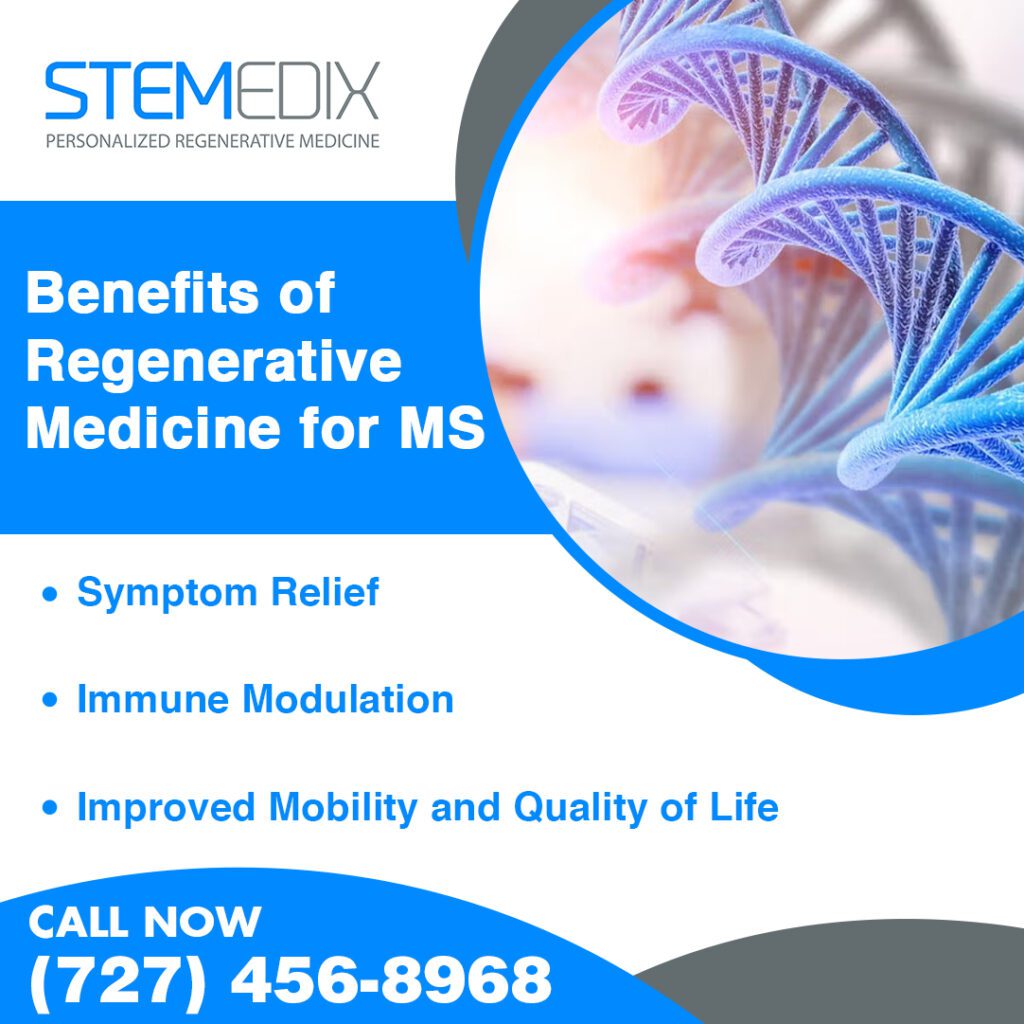
Benefits of Regenerative Medicine for MS Patients
Regenerative medicine can offer a range of benefits for individuals with Multiple Sclerosis, addressing not only the symptoms of the disease but also the underlying mechanisms that contribute to its progression. For MS patients, regenerative medicine treatments like stem cell therapy hold promise in providing relief and improving overall well-being.
Alleviating Symptoms: One of the main goals of regenerative medicine for MS patients is to help alleviate symptoms such as muscle weakness, difficulty walking, and problems with coordination and balance. By promoting myelin repair and nerve regeneration, regenerative treatments can restore functionality to the nervous system, improving physical capabilities and overall mobility. This can lead to better balance, reduced spasticity, and increased strength, allowing patients to maintain a higher level of independence.
Immune Modulation: Another key benefit of regenerative medicine is its potential to regulate the immune system. MS is an autoimmune disease in which the immune system mistakenly attacks the protective myelin sheath surrounding nerve fibers. Stem cells, in particular, have shown the potential to reset or modulate the immune system’s response, reducing the frequency and severity of relapses. By calming the immune system’s attack on the nervous system, regenerative treatments may help reduce inflammation and protect healthy tissue from further damage.
Regenerative medicine provides a promising approach to managing Multiple Sclerosis (MS) by targeting both physical and immune health. While more research is still needed to fully understand the long-term impact, early findings from clinical studies indicate that regenerative treatments could improve the quality of life for MS patients.
As studies in regenerative medicine advance, treatments are already available to help slow the progression of MS, alleviate symptoms, and improve overall well-being. With ongoing advancements in stem cell therapy and other regenerative treatments, MS patients now have access to therapies that address both the root causes and symptoms of the disease.
Is Regenerative Medicine a Cure for MS?
Regenerative medicine offers hope for individuals with Multiple Sclerosis (MS), but it’s important to recognize that it is not a cure. Treatments like stem cell therapy have shown promise in managing symptoms and possibly slowing the progression of the disease, but they do not eliminate MS or stop its advancement completely.
The goal of regenerative medicine for MS is to work alongside other treatments to provide relief from symptoms. These therapies focus on repairing damaged tissues, regenerating nerve cells, and promoting healing in the nervous system. By addressing issues like damage to the myelin sheath and impaired nerve communication, regenerative medicine can help improve mobility, functionality, and overall quality of life.
For those considering regenerative medicine, it’s important to have realistic expectations. MS is a complex, progressive disease, and the effectiveness of regenerative treatments can vary based on factors like disease stage, type of MS, and individual health. While these therapies show potential in improving symptom management and slowing disease progression, they are meant to be part of a broader treatment plan. Consulting with a qualified healthcare provider is essential to understanding the potential benefits and limitations of regenerative medicine and whether it aligns with your health goals.
Safety and Risks of Regenerative Medicine for MS
When considering regenerative medicine for Multiple Sclerosis (MS), safety is an important factor. While stem cell therapy and other regenerative treatments have shown potential, it is important to acknowledge that they do come with some risks. Being aware of these risks helps you make an informed choice about whether regenerative treatments are right for you.
A key concern with stem cell therapy is the possibility of complications during the procedure itself, including infection, tissue rejection, and unwanted reactions. In some cases, stem cells may not integrate into the body as expected, which could result in limited therapeutic benefits. Additionally, since regenerative therapies are still under investigation, the long-term safety of these treatments has not been fully determined. Patients may experience side effects like inflammation or immune responses, depending on the type of stem cells or other treatments used.
Being fully informed about the risks and potential side effects is essential when considering regenerative medicine for MS, ensuring that you are prepared for the process and can make the best decision for your health.
It is important to consult with a qualified healthcare provider before considering regenerative medicine treatments. A trusted professional can help evaluate the potential benefits and risks based on your condition and help you choose the most suitable treatment options. They will also make sure that any regenerative therapies are integrated into a well-rounded, evidence-based plan for managing MS.
Although regenerative medicine offers promising potential for MS treatment, it is important to have a clear understanding of its current limitations and possible risks. Thoughtful consideration and expert guidance will support you in making the most informed decision for your health and well-being.
How Stemedix Can Help Patients with MS
At Stemedix, we are committed to providing advanced regenerative medicine treatments designed to help manage the symptoms of Multiple Sclerosis (MS) and slow its progression. We recognize that MS is a complex and challenging condition that requires a thoughtful approach to treatment. Our mission is to offer regenerative therapies that aim to enhance the quality of life for MS patients while providing new possibilities for managing the disease.
Our regenerative medicine options, including stem cell therapy, have shown potential in supporting nerve regeneration and myelin repair, both of which are important in slowing the progression of MS. At Stemedix, we focus on offering treatments that are supported by scientific evidence and customized to meet each patient’s unique needs. We are dedicated to providing therapies that can truly impact your health journey and improve your overall well-being.
Personalized Care Approach
At Stemedix, we take a personalized approach to care, understanding that each person’s journey with Multiple Sclerosis (MS) is different. That’s why we prioritize creating a treatment plan tailored to your unique symptoms, medical history, and personal goals. Our care coordinators are dedicated to working closely with you at every stage, offering guidance, support, and education to help you fully understand the potential benefits and risks of regenerative treatments.
From your initial consultation through to ongoing care after treatment, our goal is to make your experience as smooth and informative as possible. Our care coordinators are always available to address any concerns, assist with scheduling, and provide answers to any questions you may have about regenerative medicine. This guarantees that you feel comfortable and confident in the decisions you make regarding your health.
Determining if Regenerative Medicine is Right for You
If you’re thinking about regenerative medicine treatments for MS, the next step is to schedule a consultation with Stemedix. During this meeting, one of our skilled medical providers will review your specific situation and discuss possible treatment options. This will include a detailed look at your medical history, current symptoms, and the stage of your MS. Our providers will then determine if regenerative medicine treatments, such as stem cell therapy, are appropriate for your needs.
We believe in clear communication and working closely with our patients. We encourage you to ask questions about the treatments, potential outcomes, and the steps involved in the process. At Stemedix, we are committed to making sure you have all the information you need to make confident decisions about your health.
If you and your healthcare provider determine that regenerative medicine is the right option for you, we will collaborate closely to develop a personalized treatment plan and offer continuous support throughout the process. Whether you’re focused on managing symptoms, enhancing mobility, or exploring ways to slow disease progression, we’re here to assist you at every stage.
Stemedix takes a compassionate and individualized approach to treating MS with regenerative medicine near you. With our advanced therapies, tailored care, and dedicated team, we are committed to improving the lives of MS patients and helping you move toward better health.
Exploring Regenerative Medicine for MS Treatment with Stemedix
Regenerative medicine offers an exciting new option for those living with Multiple Sclerosis (MS), giving hope to patients who want to slow the progression of the disease. Stem cell therapy and other regenerative treatments can help repair damage caused by MS, such as nerve degeneration and myelin loss. While regenerative medicine cannot cure MS, it shows great potential to improve symptoms and enhance quality of life.
As research in this area continues to evolve, patients need to stay up to date and consult with trusted healthcare professionals to find the most suitable treatment. Ongoing research will continue to refine these therapies, bringing more benefits to those seeking relief. Patient consultations are key to customizing treatment plans and setting realistic expectations for individual conditions.
If you or someone you care about is considering regenerative medicine treatments for MS, Stemedix, based in Saint Petersburg, FL, is ready to assist. Our team of skilled professionals is dedicated to supporting you throughout the entire process, helping you make informed decisions about your healthcare. To find out more about how regenerative medicine could aid in managing MS, contact us today. Contact Stemedix at (727) 456-8968 or email us at yourjourney@stemedix.com to schedule your consultation and take the next step toward better health.
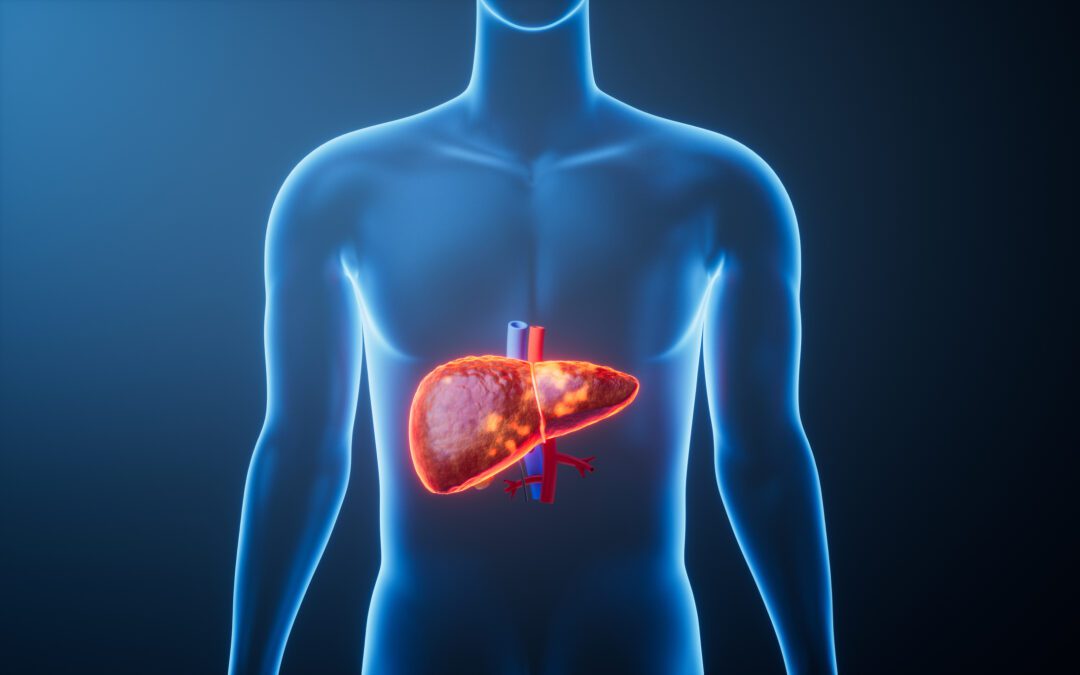
Alcoholic liver disease (ALD) is a serious global health problem that arises from chronic or binge alcohol consumption. As a chronic liver disease, ALD occurs due to alcohol’s harmful effects on the liver, which is the first organ to metabolize alcohol. This process leads to the production of harmful byproducts that damage liver cells and cause oxidative stress. Over time, this damage triggers inflammation and fibrosis (scarring of the liver), eventually progressing to conditions such as steatosis (fatty liver), steatohepatitis (inflammation and fat accumulation), cirrhosis, and even hepatocellular carcinoma (HCC), a type of liver cancer.
Despite the growing need for effective treatment options, there are currently no FDA-approved therapies specifically for ALD. The only definitive treatments available are alcohol abstinence and liver transplantation, but these options are not always accessible or feasible for all patients. Given the limitations of current treatment options, there is a pressing need for new therapeutic strategies to combat ALD.
Challenges in Current Treatment Approaches
To date, the treatments for ALD primarily focus on managing the symptoms and delaying disease progression until a liver transplant is possible. These supportive therapies aim to reduce oxidative stress, regenerate liver cells, and control inflammation. However, they are not effective for many patients.
Various drugs have been investigated to target the underlying causes of ALD, such as oxidative stress and inflammation. Despite showing promise in preclinical studies, many of these therapies have failed to demonstrate significant benefits in clinical trials. The complexity of ALD and the fact that it often develops alongside other health issues, such as poor nutrition or hepatitis, make it difficult to find a one-size-fits-all solution.
Stem Cell Therapy: A Promising Option
In recent years, stem cell therapy has emerged as a potential treatment for ALD. Among the different types of stem cells, mesenchymal stem cells (MSCs) have shown the most promise due to their ability to regenerate damaged tissue and modulate immune responses. MSCs can be sourced from various tissues such as bone marrow, adipose tissue, and umbilical cord blood. Importantly, the use of MSCs is free from the ethical concerns associated with embryonic stem cells, making them a more attractive option for therapeutic research.
MSCs have been widely studied in the context of liver diseases, including ALD, and have shown positive results in preclinical and clinical trials. These stem cells work by reducing inflammation, promoting liver cell regeneration, and improving overall liver function. Moreover, MSCs secrete factors that contribute to their therapeutic effects. These factors, known as the secretome, contain cytokines, growth factors, and extracellular vesicles (EVs), which can mimic the healing properties of MSCs themselves.
Potential for Cell-Free Therapies
Given the challenges with direct stem cell transplantation, researchers are exploring cell-free approaches, which use the secretome and EVs derived from MSCs. These cell-free therapies could offer many of the same benefits as stem cell therapy without the risks associated with cell transplantation. For instance, the secretome contains anti-inflammatory molecules and other agents that can help regenerate damaged liver tissue, while EVs carry proteins and genetic material that help reduce liver damage.
Several preclinical studies have shown that MSC-derived secretomes and EVs can alleviate the symptoms of liver diseases similar to ALD by reducing oxidative stress and inflammation. However, more research is needed to determine the optimal methods for isolating and administering these factors in a clinical setting. One of the key obstacles is the difficulty in distinguishing between EVs and other natural components in the body, making it challenging to ensure that the right therapeutic agents are delivered to patients.
Current Research and Future Directions
Although MSC-based therapies are still in the early stages of development for ALD, the research to date has been encouraging. Studies in animal models have demonstrated that MSCs and their secreted factors can reduce inflammation, prevent fibrosis, and promote liver regeneration. For example, transplantation of MSCs has been shown to improve liver function in mice with alcohol-induced liver damage, while MSC-derived EVs have been found to enhance liver regeneration by promoting the growth of new liver cells.
Stem Cell Therapy: A Promising Future for Alcoholic Liver Disease
Alcoholic liver disease is a major global health issue, with alcohol consumption contributing to a range of liver disorders that can lead to severe and life-threatening conditions. While current treatment options are limited, advances in stem cell therapy, particularly the use of mesenchymal stem cells, offer new hope for treating ALD. MSCs and their secreted factors have shown potential to reduce liver damage, promote regeneration, and modulate the immune system, making them a promising therapeutic option for ALD.
However, despite the progress in preclinical studies, Han et al. highlight many challenges to overcome before these therapies can be widely adopted in clinical practice. Further research is needed to better understand how MSCs and their secretome work, and to develop safer, more effective treatments for ALD. In the meantime, addressing the root causes of ALD, such as excessive alcohol consumption, remains crucial to reducing the burden of this disease worldwide. With continued research and innovation, MSC-based therapies may one day offer a viable solution for patients suffering from this debilitating condition.
Source: Han J, Lee C, Hur J, Jung Y. Current Therapeutic Options and Potential of Mesenchymal Stem Cell Therapy for Alcoholic Liver Disease. Cells. 2023; 12(1):22. https://doi.org/10.3390/cells12010022
Multiple sclerosis (MS) is a chronic disease that affects the central nervous system, leading to a range of physical and cognitive impairments. There are different types of MS, with the most common being relapsing-remitting MS (RRMS) and secondary progressive MS (SPMS). RRMS is primarily an inflammatory condition, while SPMS involves a progressive decline due to neurodegeneration.
While significant advancements have been made in treating RRMS with new medications that target inflammation, treatment options for SPMS remain limited.
In this study, Fernández et al. aimed to evaluate the safety and feasibility of using adipose-derived mesenchymal stem cells (AdMSCs) in patients with SPMS.
Investigating Stem Cell Therapy for SPMS
Currently, the only approved treatments for SPMS with disease activity are interferon β and mitoxantrone, but their effectiveness is either uncertain or associated with serious side effects. Ocrelizumab has recently been approved for treating PPMS, but effective treatments for SPMS are still lacking.
Recently, stem cells have shown promise in various medical applications, particularly in regenerating damaged tissues and modulating the immune system. Currently, stem cell treatments are approved for conditions like blood disorders and severe burns, but mesenchymal stem cells (MSCs) are still being investigated for other uses.
Fernandez et al.’s study was conducted in two hospitals in Spain and involved a placebo-controlled, randomized trial. Patients were divided into three groups: one receiving a placebo, another receiving a lower dose of stem cells, and the third receiving a higher dose. To ensure unbiased results, the study was triple-blinded, meaning neither the patients, treating physicians, nor the statisticians analyzing the data knew which treatment each patient received.
The study also required participants to provide 30 grams of adipose tissue for stem cell preparation. Once enrolled, patients received their assigned treatment and were monitored for a year with follow-up visits at 30 days, six months, and twelve months after treatment.
Study Results and Safety Evaluation
A total of 34 patients were initially enrolled in the study. However, four patients were excluded before receiving the treatment due to abnormalities in their stem cell samples. The remaining 30 patients completed the study, with 29 undergoing at least one follow-up assessment. Unfortunately, two patients in the placebo group passed away during the trial—neither death was linked to the stem cell treatment.
Throughout the study, 70 adverse events were reported among 22 patients, with the most common being urinary infections, respiratory infections, and anemia. Four serious adverse events occurred, but only one (a urinary infection) was in a patient who received stem cells.
Overall, the authors report that there were no major safety concerns related to the treatment.
Evaluating the Effectiveness of Stem Cell Therapy
To determine whether stem cell therapy had any effect on disease progression, the authors also analyzed various clinical measures, including the Expanded Disability Status Scale (EDSS), MRI scans, and evoked potentials (tests measuring nerve function).
At the end of the 12-month follow-up, no significant differences were found between the placebo and treatment groups in terms of disability progression. The EDSS scores remained relatively stable in all groups, and MRI scans showed no significant reduction in active lesions or brain volume loss compared to placebo.
Fernández et al. report some positive trends in nerve function tests, particularly in visual evoked potentials, which measure the brain’s response to visual stimuli. Some patients in the treatment groups showed improvements in the speed of their nerve signals, suggesting possible stabilization or mild improvement. However, these changes were not statistically significant when compared to the placebo group.
AdMSC Therapy in SPMS: Findings, Challenges, and Future Directions
This study provides valuable insights into the safety of using AdMSCs in SPMS patients. The treatment was well tolerated, with no major safety concerns.
While there were some encouraging trends in nerve function, Fernández et al. call for larger and longer-term studies to determine whether these changes translate into meaningful clinical benefits. Considering this, the authors call for future research focusing on optimizing stem cell delivery methods, exploring combination therapies, and identifying patient subgroups that may benefit the most from stem cell treatments.
Source: Fernández O, Izquierdo G, Fernández V, Leyva L, Reyes V, Guerrero M, et al. (2018) Adipose-derived mesenchymal stem cells (AdMSC) for the treatment of secondary-progressive multiple sclerosis: A triple blinded, placebo controlled, randomized phase I/II safety and feasibility study. PLoS ONE 13(5): e0195891. https://doi.org/10.1371/journal.pone.0195891
Progressive multiple sclerosis (PMS) is a complex, disabling form of multiple sclerosis characterized by the progressive accumulation of central nervous system (CNS) damage. This damage arises from chronic inflammation, demyelination, axonal injury, neuronal degeneration, and gliosis, affecting both white and gray matter in the brain and spinal cord. Despite advancements in MS research, effective reparative therapies for reversing the functional impairments associated with PMS remain largely unavailable.
A promising new approach for PMS treatment is NurOwn, a therapy based on mesenchymal stem cell-derived neurotrophic factor (MSC-NTF) cells. NurOwn utilizes a proprietary method to isolate and culture autologous (self-derived) mesenchymal stem cells (MSCs) from bone marrow. These MSCs are then differentiated to secrete high levels of neurotrophic factors (NTFs), which are believed to have both neuroprotective and immunomodulatory properties. Preclinical studies and early clinical trials have suggested that MSC-NTF therapy could help reduce CNS inflammation and promote neuronal repair mechanisms in PMS patients.
Cohen et al.’s open-label phase II study was conducted to evaluate safety/efficacy of three intrathecal cell treatments
Safety and Tolerability of MSC-NTF Therapy
In this Phase II clinical trial (BCT-101), the safety of MSC-NTF therapy was evaluated in 20 participants with PMS, of whom 18 received treatment. While most participants tolerated the therapy well, two discontinued due to adverse events related to the procedure, including mild symptoms such as coldness, muscle weakness, and fever, as well as one case of arachnoiditis -a rare inflammation of the arachnoid membrane surrounding the spinal cord.
For both affected individuals, MRI scans revealed characteristic lumbar nerve root clumping. Treatment with epidural cortisone and analgesics provided symptom relief, with one participant’s symptoms resolving fully. Importantly, there were no recorded deaths or adverse events associated with MS relapses, and no clinically significant alterations were observed in blood, urinalysis, or vital sign parameters after dosing.
According to the authors, these results highlight the potential tolerability of MSC-NTF therapy, though further studies are required to assess long-term safety.
Potential of MSC-NTF Therapy for PMS
NurOwn’s MSC-NTF cells have been tested in animal models relevant to PMS, including studies on autoimmune encephalomyelitis and optic nerve damage, which have shown the therapy’s potential to reduce inflammation and support neuroprotective mechanisms.
Current studies suggest that intrathecal (spinal) administration may offer unique benefits over intravenous administration by directly addressing meningeal inflammation and delivering neurotrophic factors close to the site of CNS damage. The capability of MSC-NTF cells to modulate inflammation and potentially promote endogenous repair makes it a promising therapeutic modality in PMS.
Functional and Biomarker Outcomes
Cohen et al.’s phase II study used several functional outcomes to assess MSC-NTF efficacy in PMS, including the timed 25-foot walk test (T25FW), nine-hole peg test (9-HPT), low-contrast letter acuity (LCLA), and symbol digit modalities test (SDMT).
Results indicated positive trends in these measures, suggesting that MSC-NTF therapy could improve mobility, hand function, and cognitive speed in PMS patients. Additionally, patient-reported outcomes, such as the MS Walking Scale-12 (MSWS-12), demonstrated improvements in walking function.
Biomarker analysis revealed reductions in cerebrospinal fluid (CSF) inflammatory markers, including MCP-1, sCD27, SDF-1, and osteopontin, indicating a decrease in CNS inflammation. Neuroprotective biomarkers, such as VEGF-A, HGF, NCAM1, and LIF, also showed consistent increases, suggesting that MSC-NTF cells might help support neuronal health and function in PMS. However, changes in neurodegenerative biomarkers, such as neurofilament light chain (NfL), were inconsistent, indicating the need for additional research to understand MSC-NTF’s impact on neuronal damage markers.
Insights and Future Directions Of MSC-NTF Therapy for PMS
This open-label, single-arm Phase II study demonstrated that MSC-NTF cells could be safely administered in participants with stable, non-relapsing PMS. Although two participants experienced arachnoiditis following intrathecal treatment, the majority tolerated the therapy well. Functional outcomes showed encouraging trends, suggesting possible benefits of MSC-NTF therapy in improving physical and cognitive function in PMS patients.
The study also highlighted several limitations, including the lack of a placebo-controlled group, which may introduce bias in interpreting efficacy results, and limitations in biomarker analysis due to sample timing. Additionally, inconsistent changes in neurodegenerative biomarkers and the small sample size warrant further investigation.
In summary, this Phase II trial provides preliminary evidence supporting the safety and potential therapeutic benefits of MSC-NTF cell therapy in PMS. While these initial findings are promising, larger placebo-controlled studies are needed to confirm efficacy and further elucidate the role of MSC-NTF cells in modulating CNS inflammation and promoting neuroprotection in PMS.
Source: Cohen JA, Lublin FD, Lock C, et al. Evaluation of neurotrophic factor secreting mesenchymal stem cells in progressive multiple sclerosis. Multiple Sclerosis Journal. 2023;29(1):92-106. doi:10.1177/13524585221122156
Back pain is the most common cause of disability worldwide, impacting people of all ages and socioeconomic backgrounds. In North America, it is one of the top reasons people miss work and visit doctors. Studies show that at least 80% of Americans will experience low back pain at some point in their lives, making it a major contributor to healthcare costs and lost income, amounting to over $50 billion each year. Although various factors can cause back pain, most cases are mechanical rather than due to an underlying disease. One of the main sources of chronic back pain is the degeneration of intervertebral discs, which can lead to pain in the lower back and neck. Despite its prevalence, there is no standard treatment that effectively restores the normal function of these degenerated discs.
Understanding Disc Degeneration and Back Pain
Degenerative disc disease is one of the most significant contributors to chronic low back pain. As intervertebral discs age or become damaged, they lose their ability to cushion the spine, causing pain and reduced mobility. Degeneration can occur naturally due to aging, but other factors like injury or genetic predisposition can also accelerate the process. While imaging tests such as MRIs can identify disc degeneration, they don’t always pinpoint the exact cause of the pain. This makes treating degenerative disc disease challenging, as doctors struggle to find therapies that not only alleviate pain but also restore disc health.
Emerging Stem Cell Therapies for Back Pain
Recently, regenerative medicine, particularly stem cell therapy, has gained attention as a potential treatment for degenerative disc disease. Stem cells have the ability to transform into different types of cells, making them suitable for repairing damaged tissues. In theory, injecting stem cells into degenerated discs could help regenerate disc tissue and reduce pain.
Overview of Clinical Studies
Several clinical studies have examined the potential of stem cell therapies for treating degenerative disc disease, with mixed results. The types of stem cells studied include:
Autologous mesenchymal stem cells (MSCs): These are derived from a patient’s own body, often from bone marrow or fat tissue. Some studies reported a reduction in pain and improvement in quality of life following treatment with MSCs. However, results were inconsistent, and improvements did not always correspond to measurable changes in the disc’s structure.
Allogenic stem cells: These are stem cells from donors’ umbilical cord tissue. Research on allogenic stem cells is still limited, with few studies showing significant long-term benefits.
Chondrocytes: These cells, which produce cartilage, have also been used in some studies to promote disc regeneration. However, there is limited evidence supporting their use, and more research is needed.
Overall, the studies reviewed had varying degrees of success, with some patients experiencing significant pain relief and others seeing little to no improvement. Many studies lacked control groups or were not randomized, making it difficult to draw definitive conclusions. The most common outcomes measured were pain scores and functional improvements, but there was no clear evidence that stem cell therapy restored the physical structure of degenerated discs.
How Stem Cells Might Work
There are several theories about how stem cells could help regenerate damaged discs. One possibility is that stem cells differentiate into the type of cells needed to repair the disc, such as cells that produce cartilage or other supportive tissues. Another theory is that stem cells create a supportive environment that encourages the body’s own repair mechanisms. For example, animal studies have shown that stem cells can increase the production of molecules that help repair and strengthen disc tissue.
The Future of Stem Cell Therapy for Back Pain
Soufi et al. report that stem cell therapy remains a promising area of research for treating degenerative disc disease. Ongoing clinical trials aim to establish the safety and effectiveness of these treatments in humans, and if successful, could pave the way for a new approach to managing chronic back pain. For stem cell therapy to become a standard treatment, more studies are needed to identify which patients are most likely to benefit and to optimize treatment protocols, including the type and dosage of stem cells.
Researchers are also exploring the use of tissue-engineering technologies and biomaterials to enhance the effectiveness of stem cell therapies. Combining stem cells with supportive scaffolds could improve the chances of successful disc regeneration and provide a more stable environment for cell growth.
The Potential of Stem Cell Therapy for Degenerative Disc Disease and Back Pain
Back pain, particularly when related to degenerative disc disease, is a significant health issue with limited effective treatment options. Stem cell therapy represents a new frontier in regenerative medicine, with the potential to offer relief to patients who have not responded to traditional therapies.
Source: Soufi, K.H.; Castillo, J.A.; Rogdriguez, F.Y.; DeMesa, C.J.; Ebinu, J.O. Potential Role for Stem Cell Regenerative Therapy as a Treatment for Degenerative Disc Disease and Low Back Pain: A Systematic Review. Int. J. Mol. Sci.2023, 24, 8893. https://doi.org/10.3390/ijms24108893
This website and its contents are not intended to treat, cure, diagnose, or prevent any disease. Stemedix, Inc. shall not be held liable for the medical claims made by patient testimonials or videos. They are not to be viewed as a guarantee for each individual. The efficacy for some products presented have not been confirmed by the Food and Drug Administration (FDA).
This website uses cookies to improve your experience while you navigate through the website. Out of these cookies, the cookies that are categorized as necessary are stored on your browser as they are essential for the working of basic functionalities of the website. We also use third-party cookies that help us analyze and understand how you use this website. These cookies will be stored in your browser only with your consent. You also have the option to opt-out of these cookies. But opting out of some of these cookies may have an effect on your browsing experience.
Necessary cookies are absolutely essential for the website to function properly. This category only includes cookies that ensures basic functionalities and security features of the website. These cookies do not store any personal information.
Any cookies that may not be particularly necessary for the website to function and is used specifically to collect user personal data via analytics, ads, other embedded contents are termed as non-necessary cookies. It is mandatory to procure user consent prior to running these cookies on your website.
Subscribe To Our Newsletter
Join our mailing list to receive the latest news and updates from our team.
You have Successfully Subscribed!
Request Information Packet
We'll send your FREE information packet that outlines our entire personalized, stress-free stem cell treatment process!
Thanks for your interest!
Request Information Packet
We'll send your FREE information packet that outlines our entire personalized, stress-free stem cell treatment process!
Thanks for your interest!
Request Information Packet
We'll send your FREE information packet that outlines our entire personalized, stress-free stem cell treatment process!
Thanks for your interest!
Request Information Packet
We'll send your FREE information packet that outlines our entire personalized, stress-free stem cell treatment process!
Thanks for your interest!
Request Information Packet
We'll send your FREE information packet that outlines our entire personalized, stress-free stem cell treatment process!
Thanks for your interest!
Request Information Packet
We'll send your FREE information packet that outlines our entire personalized, stress-free stem cell treatment process!
Thanks for your interest!
Request Information Packet
We'll send your FREE information packet that outlines our entire personalized, stress-free stem cell treatment process!
Thanks for your interest!
Request Information Packet
We'll send your FREE information packet that outlines our entire personalized, stress-free stem cell treatment process!
Thanks for your interest!
Request Information Packet
We'll send your FREE information packet that outlines our entire personalized, stress-free stem cell treatment process!
Thanks for your interest!
Request Information Packet
We'll send your FREE information packet that outlines our entire personalized, stress-free stem cell treatment process!
Thanks for your interest!
Request Information Packet
We'll send your FREE information packet that outlines our entire personalized, stress-free stem cell treatment process!
Thanks for your interest!
Request Information Packet
We'll send your FREE information packet that outlines our entire personalized, stress-free stem cell treatment process!




 St. Petersburg, Florida