by admin | Jul 19, 2018 | Stem Cell Research, Stem Cell Therapy, Studies
Under normal circumstances, pain receptors react to painful stimuli such as burns or lacerations. Pain receptors from the body then send that information along nerves to the brain via electrical signals. Once that electrical information reaches the brain (which happens almost immediately), it is perceived as pain. This type of pain is a nociceptive pain.
Neuropathic pain, however, is different. Neuropathic pain is caused by a condition of the nerves themselves. Patients with neuropathic pain experience chronic pain without any specific injury. Neuropathic pain may be felt as a burning sensation, tingling, or a “pins and needles” sensation, or these combined. Neuropathic pain most often occurs in people with diabetes, certain vitamin deficiencies, and shingles. It may also occur after people receive certain cancer treatments following a stroke.
While it is rather simple to treat pain caused by a burn or laceration (nociceptive pain), it is very difficult to effectively treat neuropathic pain. Standard treatments for neuropathic pain include anti-epilepsy medications such as phenytoin, gabapentin, or carbamazepine and antidepressants such as venlafaxine, duloxetine, or amitriptyline. Usually, these treatments are only modestly effective. Eventually, many patients need powerful opioid medications like morphine and oxycodone to control their pain.
Researchers at the Cleveland Clinic published research that strongly suggests that stem cells may be able to improve those battling neuropathic pain. Dr. Jianguo Cheng and his research group have shown that mesenchymal stem cell transplantation into the spinal fluid can reduce pain and pain sensitivity in an animal model of neuropathic pain. In one series of experiments, they showed that mesenchymal stem cells could relieve pain in rats who had experimental nerve damage. Researchers confirmed the benefit of stem cells for neuropathic pain in several different sets of experiments. The results have been so encouraging that Dr. Cheng and the Cleveland Clinic have applied to patent the technology.
Dr. Cheng’s group also showed intravenously administered mesenchymal stem cells are just as effective as cells administered into the spinal fluid (intrathecally). This is good news for patients since it is less invasive to put stem cells into a vein than it is to infuse them into the cerebrospinal fluid. Amazingly, the research group showed that stem cells injected through either route (vein or spinal fluid) ended up finding their way to damaged nerves where they could provide maximum benefit.
While this work in animals must be performed in humans to confirm the results, this preclinical research establishes a strong foundation for those clinical studies. These results provide hope to those who struggle with daily neuropathic pain.
by admin | Jul 13, 2018 | Hyperbaric Oxygen Therapy, Stem Cell Therapy
Chronic fatigue syndrome, also known as systemic exertion intolerance disease, is a challenging condition for many patients, their families, and the doctors who care for them. The illness is difficult to diagnose since not all symptoms will appear in every patient. Some do experience feeling chronically fatigued yet may not have chronic fatigue syndrome.
Most patients with chronic fatigue syndrome have a sudden onset of fatigue that may occur soon after an infection, such as a cold, pneumonia, or mononucleosis. Patients with chronic fatigue syndrome usually experience overwhelming fatigue that may interfere with sleep and the ability to think and concentrate. Symptoms tend to get worse after periods of heavy physical activity, but may also occur after simply rising from a seated position or standing for a long period. Importantly, most patients with chronic fatigue syndrome began life with few or no symptoms. Many were previously high functioning in their daily lives who are now impacted by the symptoms they experience.
Just as chronic fatigue syndrome is difficult to diagnose, it is also difficult to treat. Not every treatment will work for every patient. In fact, there is no widely accepted, specific treatment for chronic fatigue syndrome. Treatment is mostly supportive and aimed at reducing symptoms. While many medications have been tried such as antidepressants, steroids, stimulants, vitamin B12, essential fatty acids (and many others), no drug treatment has been consistently successful at helping people with chronic fatigue syndrome.
A recent report by Akarsu and colleagues may offer some hope for people with chronic fatigue syndrome. Sixteen patients with confirmed chronic fatigue syndrome received 15 sessions of hyperbaric oxygen therapy over a period of three weeks. Each treatment was for 90 minutes in a hyperbaric oxygen chamber. Participants in the study agreed to stop all physical therapy or medication for chronic fatigue syndrome so that those treatments would not interfere with the results of the study.
The research group found that chronic fatigue syndrome patients tolerated hyperbaric oxygen therapy very well, and had no complications. In all measures tested, patients were significantly better after treatment than they were before hyperbaric oxygen therapy started. Specifically, patients had better scores on two clinical tests of fatigue (visual analog fatigue scale and the Fatigue Severity Scale) and in a quality of life assessment (Fatigue Quality of Life Score). The improvement in scores was not subtle—in each test, there was a clinically significant increase in the average score. The results showed that hyperbaric oxygen therapy significantly and substantially reduced fatigue and improved quality of life in patients with chronic fatigue syndrome/systemic exertion intolerance disease. These results are incredibly encouraging since they indicate hyperbaric oxygen therapy may be an effective treatment for those battling chronic fatigue syndrome.
by admin | Jul 11, 2018 | Health Awareness
Mild nausea can be experienced by many for different reasons but there are some foods and drinks that may be beneficial in relieving that nauseous feeling. Sometimes nausea can be a symptom of something serious especially if you notice other signs like fainting, cramps, severe pain in the chest etc. It is very important to find out the cause of the discomforts as sometimes inflammation due to medication can also be the cause. Everyday Health suggests the following foods and drinks below:
Crackers
Foods that are rich in starch like bread, toast, or crackers help in the absorption of the gastric juice settling down the queasiness of the stomach. Since crackers are bland in nature, they not only help in satisfying the hunger but also not having a strong smell or taste decreases the symptoms of nausea. Starchy foods also absorb the acids present in the stomach.
Apples
Eating apples can help relieve nausea as they are rich in fiber. Fiber helps in slowing down the digestion. Too much fiber can cause nausea so be sure to eat in moderation. You can also try apple juice and applesauce if you face trouble digesting foods that are solid.
Water
Taking small sips of water can keep you hydrated and keep the headaches at bay that is accompanied by nausea. Start by slowly drinking small amounts until you feel you can take in larger amounts. Drinking too much water can make the symptoms worse so it is best to drink water with occasional sips throughout the day.
Ginger
Ginger is highly effective in relieving nausea. It can be consumed in a powder or in a cup of ginger ale. It has also been observed that ginger is commonly used to reduce nausea during pregnancy. You may also try ginger candy, cookies or even pickled ginger, to broaden your choices.
Chicken Broth
Eat chicken broth instead of chicken soup when feeling nauseated. The broth is less in fat, rich in potassium, and keeps you hydrated if vomiting is experienced.
Nuts
Deficiency of protein can make nausea worse. Try snacking on protein-rich foods such as nuts that are easy to digest. Nausea can be caused due to low sugar levels, so consuming protein foods may help. However, doctors warn that if you are sick and fighting off a virus then nuts may do the opposite.
Bananas
If you are suffering from dehydration along with nausea, then eating bananas can help restore the potassium level which is usually decreased due to diarrhea and vomiting.
Sports Drinks
Sports drinks are rich in potassium and sodium which help restore the levels of nutrients. Taking small sips of such beverages occasionally promotes hydration and can help restore the levels of lost electrolytes due to vomiting.
Mint
Mint has a very refreshing aroma that can make nausea go away, chewing on fresh mint leaves can or drinking a cup of mint tea can be highly effective in relieving nausea symptoms
by admin | Jul 10, 2018 | Hyperbaric Oxygen Therapy, Stem Cell Research, Stem Cell Therapy, Traumatic Brain Injury
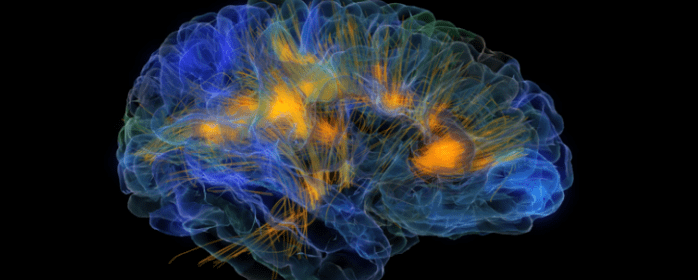
A technique called hyperbaric oxygen therapy (HBOT) has been shown to help patients with traumatic brain injury (TBI) who are suffering from a chronic neurological injury. HBOT appears to confer its benefits to these patients by increasing the neuroplasticity in the brain – or, in other words, by making it easier for the brain to re-wire itself. When the brain has a higher degree of neuroplasticity, it is easier to recover from neurological injuries because the brain can find ways to re-wire and restore functions that were lost due to damage to brain tissue.
A new study, published in Frontiers in Human Neuroscience, investigated the effects of HBOT on prolonged post-concussion syndrome (PPCS) that occurs as a result of TBI. The researchers used imaging strategies to monitor the brains of 15 patients with PPCS and evaluated the patients with tests of cognition. The researchers gave each patient 60 treatments with HBOT. The treatments were initiated anywhere from 6 months to 27 years after the patients had sustained their injuries.
Using imaging techniques called Dynamic Susceptibility Contrast-Enhanced and Diffusion Tensor Imaging (DTI) MR sequences, the researchers observed that HBOT increased blood flow and volume in the brain and that it led to the generation of new blood vessels. Using various cognitive tests, the researchers also found that HBOT improved memory, information processing speed, and executive functions.
Based on these findings, the researchers concluded that HBOT is beneficial for patients with TBI by inducing neuroplasticity in the brain, improving the integrity of microstructures of both white and gray matter within the brain, and allowing for the regeneration of nerve fibers. Future research will help clarify further benefits of HBOT and how the brain responds to this treatment.
by admin | Jul 9, 2018 | Health Awareness, Parkinson's Disease, Stem Cell Research, Studies
Parkinson’s disease is known to be a slowly progressing neurological disorder that can cause issues with the motor movement of the body. Signs of Parkinson’s disease can include severe stiffness, loss of balance, and lethargy. Although there are no cures for the condition, symptoms can be slowed down. However, most of the prescribed drugs for Parkinson’s disease can decrease in effectiveness over the course of time. This led to some investigation from researchers to consider the role of exercise as a treatment option. Initial studies revealed that exercise does reduce the symptoms and slowed the progression of the condition.
According to a recent phase 2 study, intense treadmill exercise can potentially reduce the progression symptoms of Parkinson’s disease. In this study, researchers treated exercise as a treatment and tracked the safety and effectiveness of different levels of exercise. The study consisted of 128 people that had been diagnosed with Parkinson’s disease and were not taking any medications nor exercised. The aerobic capacity, heartbeats and the severity of the disease were tested for a baseline.
The patients were divided into three groups. Group 1 was asked to continue living their life in a normal manner. Group 2 was asked to implement exercise in which they would walk on the treadmill daily for 30 minutes, four times a week. The speed of the treadmill was manipulated to maintain the heart rate of the participants between 60 to 65 percent of their maximum heart rate. Group 3 was asked to also implement exercise for the same amount of time but their heart rate was maintained in the range of 80 to 85 percent of their maximum rates. The patients were under supervision for the initial month and then asked to continue exercising on their own.
At the end of the six-month study, Group 1 showed their symptoms progressed further. Group 2 showed their symptoms progressed but not as much as Group 1. Group 3 showed almost no progression in their symptoms after following a heavier exercise regimen as the other groups. This study concluded that higher intensity exercise helped in decreasing the symptoms by improving the neuronal blood supply. Improved blood flow helps with the overall health of the brain and slows down the deterioration of the body.
The findings from the study are quite encouraging for patients who are recently diagnosed or early in their symptoms to have great benefits from the heavy exercise program. However, it is advised to consult with your physician prior to starting an exercise plan to avoid injuries and ensure your safety.





 St. Petersburg, Florida