by admin | Jul 27, 2018 | Health Awareness, Lupus, Multiple Sclerosis, Parkinson's Disease, Studies
Colostrum is the milk produced by the mammary glands during pregnancy prior to giving birth. It is rich in antibodies that help prevent the newborn from various conditions. Colostrum as compared to normal milk contains a high amount of nutrients and fat, making it highly beneficial.
The most important thing to know about colostrum is that it is not a medication. It is a naturally designed food that maintains the health and prevents conditions. Colostrum is effective for shutting down the onset of conditions and infections, which helps the body to repair itself and allows the individual to enjoy a healthy and radiant life.
Colostrum is the Key to Gut Health
Colostrum is the source of everything that is required to maintain a healthy gastrointestinal tract. It is known that most of our conditions take birth in the gut and proper absorption of nutrients is the key to great health. It is one of the primary function of colostrum to maintain a healthy gut, which is the basis of the overall healthy body.
When the beneficial bacteria present in our intestine is outnumbered by the harmful bacteria then our gut is said to be out of balance. This imbalance has many consequences, one of which is the leaky gut syndrome.
Leaky gut syndrome is a condition due to which various pathogens and toxins pass through the lining of the gut and move freely in the body, this leads to various conditions. Leaky gut syndrome, if not treated can be a life-threatening condition.
Colostrum is an optimal treatment for treating leaky gut syndrome because it has growth factors that help repair the damage of the intestine to normal. It is also rich in immunoglobulins that control the pestering of fungi and bacteria in the body. In various conducted studies colostrum has successfully increased the surface area of the lining of the intestine, thereby improving the absorption of nutrients.
Colostrum: The Perfect & Functional Food
Looking at all the immune and growth factors that are present in colostrum, it is called the best alternative to pharmaceutical drugs, from steroids and antibiotics. Colostrum is also safe for people suffering from lactose intolerance and has no allergic reactions or side effects.
A functional food is one that has potential health benefits compared to normal food and is high in nutrients. Colostrum is high in nutrients and can be combined with other food products. It is most effective when taken on an empty stomach. Available in the form of capsules, colostrum is more effective and bioavailable.
Colostrum for Autoimmune Conditions:
Autoimmune conditions are those in which the body starts producing antibodies against itself. Colostrum has shown to be highly effective to treat autoimmune conditions like Lupus, Parkinson’s disease, and Multiple Sclerosis. Chemokine receptors have been observed to be the cause of the development of all these conditions. Colostrum produces antagonists of these receptors and has been shown to decrease the symptoms of many common autoimmune conditions.
Colostrum Used as a Topical Application:
Colostrum, if applied externally can help heal the burns, acne, cuts and various abrasions and even surgical cuts. If applied orally, it can help deal with sensitive teeth relieve canker sores and gingivitis.
Some Overall Benefits of Colostrum are:
Anti-inflammatory
Anti-aging
Anti-fungal
Anti-bacterial
Cancer
AuAutoimmuneondition
Blood pressure
Cholesterol
Sugar levels
Diabetes
Digestion
Flu prevention
Fat reduction
Heart health
Gut health
Immunity
Joint repair
Immunity
Mobility
Muscle repair
Pain
Stamina
Tissue repair
Wound healing
Weight loss
Inflammation
Below is a list of some common conditions for which colostrum can be effective:
Allergies
Anemia
Arthritis
Autoimmune conditions
Asthma
Bacterial infection
Bone marrow transplant
Cancer
Alcoholism
Allergies
Anemia
Arthritis
Crohn’s disease
Chronic fatigue
Diarrhea
Fibromyalgia
Food poisoning
Heart disease
Hepatitis
Influenza
Intestinal bowel syndrome
Joint repair
Leaky gut
Lupus
Multiple sclerosis
Osteoporosis
Obesity
Premature birth
Osteoporosis
Ulcer
Yeast infection
Viral infection
Where Can I Find Colostrum?
If you have any symptoms suggestive of gastro-intestinal dysbiosis (diarrhea, constipation, bloating, reflux, stomach discomfort or pain) then you should seek further work-up by your physician or a Functional Medicine Doctor.
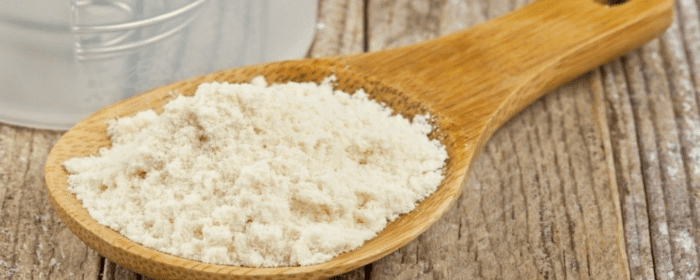
In the meantime, it is recommended to start using Bovine Colostrum which can be found at Sovereign Laboratories at www.mysovlabs.com. Simply mix 2 tablespoons in 6oz of water and consume twice per day on an empty stomach. This product is full of gut healing immunoglobulins. Use for 2-3 months should result in significant improvement.
In addition, it is also recommended to take a good probiotic while using your bovine colostrum. Vitamin D levels should be optimized to levels between 80-100.
by admin | Jul 26, 2018 | Stem Cell Research, Stem Cell Therapy
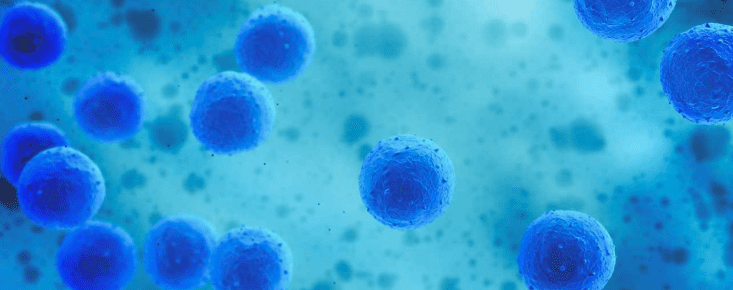
As patients start to investigate the many different types of stem cells, it can become overwhelming. Often stem cells are organized into groups by tissue source, i.e., by the type of tissue stem were derived. While it can be important to know whether stem cells come from adipose tissue (fat cells) or the umbilical cord, for example, it is equally important to understand the types of stem cells by their capacity to differentiate. In other words, what are the types of stem cells organized by their ability to become different or more mature cells?
One of the most intriguing features of stem cells is their ability to become virtually any other type of cell. We all start out as a sperm and an egg but end up as an exquisitely organized collection of heart cells and brain cells and kidney cells, etc. At each step of the way—from early cells to the adult human body—stem cells become more differentiated and less capable of becoming any other cell. Thinking about them this way, stem cells are grouped into four categories:
- Omnipotent stem cells
- Pluripotent stem cells
- Multipotent stem cells
- Unipotent stem cells
Omnipotent stem cells
Omnipotent stem cells, also called totipotent stem cells, truly have the capacity to become any other cell. Omnipotent stem cells can become embryonic cells or even the cells that support the embryo, like the placenta. A fertilized egg is an example of an omnipotent cell. While omnipotent/totipotent stem cells are potentially incredibly useful, their use is highly restricted and controversial. As such, they are not usually used for therapeutic purposes, or even for research.
Pluripotent stem cells
Pluripotent stem cells are the next best thing to omnipotent stem cells. Pluripotent stem cells can become nearly any tissue in the body. Like omnipotent stem cells, the use of naturally occurring pluripotent stem cells is also controversial because they require the use of embryos. However, researchers have devised a rather ingenious way to take regular cells and turn them into pluripotent stem cells. These stem cells are referred to as induced pluripotent stem cells or iPSCs. Induced pluripotent stem cells are particularly exciting because of their potential as research tools and clinical therapeutics. Most importantly, iPSCs sidestep controversy because they are made from mature cells.
Multipotent stem cells
Multipotent stem cells can become any number of mature cells. For example, a mesenchymal stem cell can become a muscle cell or fat cell, a bone cell or cartilage cell. Another powerful feature of multipotent stem cells is that they can divide and form other multipotent stem cells. Thus, their ability to differentiate and self-renew makes them incredibly versatile for research and clinical purposes.
Another example of multipotent stem cells is the type of cells that give rise to blood cells, namely hematopoietic stem cells. Hematopoietic stem cells can differentiate into myeloid type or lymphoid type, but once they do, they are restricted to become their corresponding type of blood cell. For example, myeloid cells can become red blood cells or certain white blood cells, while lymphoid cells are more or less destined to become lymphocytes.
Unipotent stem cells
Unipotent stem cells are technically stem cells but have very little potential become anything other than the one cell they were destined to become. For example, a cartilage stem cell is destined to become a cartilage cell, while a bone stem cell is destined to become a bone cell. A mesenchymal stem cell could become either one, but by the time it has differentiated into a cartilage or bone stem cell, its fate is essentially predetermined. As you may expect, unipotent stem cells have limited clinical usefulness.
In summary, as you think about different types of stem cells, it can be important to think about where the stem cell came from (e.g. fat tissue), but also consider its potential for self-renewal and differentiation.
by admin | Jul 25, 2018 | Bone Marrow, Health Awareness, Stem Cell Research, Stem Cell Therapy
Stem cells derived from bone marrow, or hematopoietic stem cells, are a topic of significant debate in the medical community. While they have exhibited significant potential for benefiting people with both cancerous and noncancerous diseases including immune deficiencies, not all methods for administering bone marrow are created equal. While intra-articular injections of bone marrow are more common and considered safer, intravenous methods pose serious risks, which are explored here.
Intra-articular injections involve injecting bone marrow directly into the compromised joint, whereas intravenous methods entail infusing bone marrow stem cells into the body through the veins. Intra-articular injections have shown promise in treating conditions such as osteoarthritis (OA) in joints such as the knee and has proven to achieve pain relief for moderate-to-severe cases of osteoarthritis.
Intra-articular treatments are localized, so the injected bone marrow is already in its target location upon being administered. According to research, this form of therapy is generally considered to be safe. In intravenous bone marrow transplants, however, there are serious risks associated with treatment. Bacterial infections are common, while viral and fungal infections can also occur and cause life-threatening conditions, such as organ failure.
Risk factors for developing any complication associated with intravenous bone marrow transplantations vary based on a number of factors, including the patient’s age, genetics, and type of disease being treated. With that said, due to its limited risks, intra-articular bone marrow methods appear to be the safest form of treatment currently available. Although each patient will need to discuss risk factors alongside potential benefits with his or her physician, oftentimes the risks appear to outweigh the potential benefits.
There are alternative therapies with fewer potential side effects which may be explored such as Adipose and Umbilical Cord-derived stem cells. These regenerative medicine treatments not only can treat osteoarthritis and sports-related injury conditions, but have also shown positive results in treating neurological conditions such as Multiple Sclerosis, Parkinson’s disease, Post-Stroke, and Traumatic Brain Injuries (TBI).
by admin | Jul 24, 2018 | Health Awareness, Multiple Sclerosis, Parkinson's Disease, Rheumatoid Arthritis, Stem Cell Therapy
In a recent edition of JAMA, the results of a 30-year study examining the possible connection between stress and autoimmune disease were revealed. The findings don’t simply demonstrate a link; instead, they reveal that stress-related disorders are significantly associated with risks of developing the subsequent autoimmune disease. In the study of over 100,000 subjects, the correlation showed that individuals with a diagnosed stress-related disorder were 30-40% more likely to later be diagnosed with one of many possible autoimmune diseases.
What is a Stress-Related Disorder?
The type of stress study subjects encountered is not to be confused with the stressors we encounter during everyday life. Sitting in traffic or worrying about being late for a meeting, for example, are examples of acute stress. These forms of short-term stress generally come and go but fail to create the sort of long-term damage produced by chronic stress, or stress-related disorders.
Stress-related disorders are mental health conditions resulting from short- and long-term anxiety from mental, physical, or emotional stress. Examples of these include post-traumatic stress disorder (PTSD), obsessive-compulsive disorder, acute stress reaction, and adjustment disorder.
Which Types of Autoimmune Disorders Are Linked to Stress?
According to the study’s findings, individuals with stress-related disorders were more inclined to be diagnosed with one of 41 autoimmune disorders. Among the many autoimmune diseases observed by the research were psoriasis, Crohn’s disease, rheumatoid arthritis, and celiac disease.
Interestingly, additional variables seemed to further increase – or decrease – one’s risks of developing an autoimmune disease. Being diagnosed with PTSD at a young age, for instance, increased risks, while receiving antidepressant treatment shortly after being diagnosed with PTSD lowered rates of subsequent autoimmune disease diagnosis. Thus, it could be inferred that receiving treatment for a stress-related disorder may help to treat not only the stress itself but also minimize the lasting implications caused by it, including increased risks of disease.
What Causes the Connection?
Further research must still be conducted to pinpoint the precise long-term effects stress has on the body, and more specifically, on the immune system. Experts speculate that factors such as changes in cortisol levels and pro-inflammatory cytokine levels may need to be examined. Another hypothesis set forth by researchers is that individuals living with conditions such as PTSD might be more inclined towards unhealthy behaviors such as drinking more alcohol or sleeping less.
Although further research into this connection has yet to be conducted, one important takeaway from the findings is the fact that seeking treatment for stress-related disorders should now be considered more critical than ever. By consulting mental health professionals, individuals living with these conditions can pursue a tailored treatment approach to support short- and long-term improvements in overall wellness. For those with an auto-immune condition, see how stem cell therapy may help your symptoms and improve quality of life.
by admin | Jul 20, 2018 | Stem Cell Research, Stem Cell Therapy
Adipose treatment is a procedure in which stem cells are derived from a section of the abdomen then used for therapeutic purposes. Adipose-derived stem cells (ADSCs) are less invasive to extract compared to cells derived from other sources, such as bone marrow. In therapeutic applications, adding platelet-rich plasma (PRP) to ADSCs has been shown to have benefits.
What is PRP?
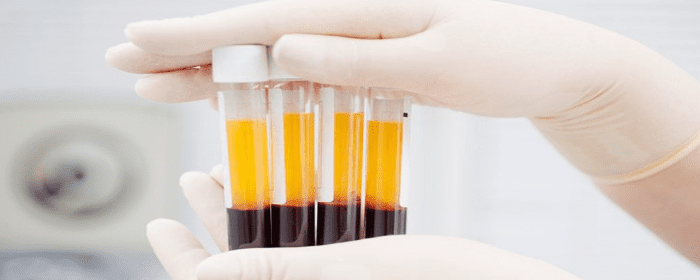
PRP therapy is the process by which a small sample of blood is removed from the patient. The platelets are then separated from other components of the blood via a centrifuge. The isolated platelets are shown to have high levels of diverse growth factors.
Why Are Growth Factors Important?
ADSCs are shown to have reduced proliferative potential. While they do secrete a wide range of growth factors, PRP therapy is coupled with stem cell therapy to maximize their regenerative medicine potential benefits by helping to increase their proliferation and differentiation. PRP essentially empowers the ADSCs, stimulating cell proliferation and cell differentiation when used for regenerative applications.
Which Applications Can the Therapy Be Used for?
Researchers have stated that the therapeutic potential of ADSCs is “enormous,” but by kickstarting the stem cells with PRP, it’s possible that the therapy will unlock even further medicinal possibilities. Anti-inflammatory and anti-apoptotic effects have been demonstrated by ADSCs, and there are many clinical trials which have either been completed or are ongoing to explore the treatment’s effects. Skeletal repair, soft tissue generation, and immune disorders such as Crohn’s disease and multiple sclerosis are just some of the therapeutic targets for this treatment. In specific, using ADSCs with PRP has been shown to aid periodontal tissue engineering, tendon repair, wound healing, and even bone regrowth.
Because the ADSCs are fairly easy to source and blood samples required for PRP are also simple to acquire, combining PRP to adipose stem cell therapy shows promise for delivering a powerful treatment that can address a broad variety of conditions, all with a minimally invasive approach.


 St. Petersburg, Florida