

5 Illnesses Associated with Low Vitamin D
At some point or another, you’ve probably heard about the importance of getting enough vitamin D. This nutrient helps us stay healthy at every age, supporting the body’s ability to absorb calcium and block parathyroid hormone release to support strong bones. Yet, outside of promoting bone strength, vitamin D could also help us combat potentially serious illnesses. Below are five health issues which have been linked to low vitamin D levels.
1 Schizophrenia
Unlike many of the other conditions on this list, schizophrenia is a condition which typically appears at a younger age. Symptoms such as social withdrawal, difficulty focusing, and hallucinations commonly develop between the ages of 16 and 30. Research shows people who are vitamin D deficient are twice as likely to be diagnosed, and specifically, individuals living in high latitudes and colder climates are at a higher risk for developing schizophrenia.
2 Dementia
The risk for some forms of dementia, the condition in which cognitive function, behavior, and memory are compromised, is as much as two times higher in older adults with vitamin D deficiencies. Research shows that the greater the deficiency is, the higher the risk. While a direct cause-and-effect relationship has yet to be established, having vitamin D levels checked may still be a practice worth considering, especially in groups with a family history of Alzheimer’s or other forms of dementia.
3 Heart Disease
Low vitamin D blood levels have been linked to cardiovascular complications, including heart disease. Vitamin D is involved in cardiovascular function, and vitamin D receptors have been found in all cardiovascular cells and are even located in arterial walls. It’s suspected that insufficient levels of the nutrient are correlated with atherosclerosis, a build-up of fat in the artery walls which is a telltale characteristic of heart disease.
4 Erectile Dysfunction
Men with severe erectile dysfunction (ED) appear to have lower vitamin D levels than those with mild ED. While these findings were gathered through a small study, researchers theorize that the relationship between vitamin D and artery health (described in the point above) could be behind the trend. To produce and maintain an erection, there must be ample blood flow and properly functioning arteries.
5 Prostate Cancer
In a study published in 2014, researchers observed lower vitamin D levels in men who tested positive for prostate cancer, compared to their cancer-free peers. The trend was especially prevalent among African-American men. While the research didn’t suggest how vitamin D levels could lead to prostate cancer, the nutrient has been a suspected disease-fighting agent for quite some time and is said to also help reduce the risk of conditions such as multiple sclerosis and the flu virus.
While there’s still much to learn about vitamin D’s ability to defend against disease and promote better overall mental and physical health, these findings make a compelling case in the nutrient’s favor. Because the body can’t produce its own vitamin D without sunlight exposure or dietary factors, it’s important to make sure you’re taking in ample levels every day. Populations across the globe are suffering from low vitamin D, which could be attributed to dietary factors and increasing sun safety awareness. If you’re concerned about your levels, consider discussing supplementation options with your medical team.

Stem Cells Showing Promise for Intervertebral Disc Regeneration and Reduction of Back Pain
Chronic low back pain is a common condition that can significantly reduce the quality of life. The degeneration of the intervertebral disc is one cause for low back pain, and there is no therapeutic intervention that effectively reverses this type of degeneration. Both non-surgical and surgical treatments that are currently used for chronic low back pain aim to help the symptoms associated with the condition but do not address the underlying cause. Recently, however, researchers have begun to explore the ways in which stem cells may be used to help regenerate the intervertebral disc to restore functioning and eliminate low back pain over the long-term. A review of the relevant literature was recently published in Translational Pediatrics.
The intervertebral disc does not have a large potential to regenerate itself, so it is a challenge to find the best cell sources to facilitate such regeneration. Adult mesenchymal stem cells, which are found most often in bone marrow and also in fat, or adipose, tissue are attractive candidates for this type of regeneration given their high capacity to proliferate and to differentiate into different types of cells. In addition, they can self-renew, are highly accessible, and unlike some other types of stem cells, there are no ethical issues associated with their retrieval.
Given the success of mesenchymal stem cell transplantation in preclinical studies of intervertebral disc degeneration, the use of these cells has progressed to clinical trials. Autologous bone marrow mesenchymal stem cells – meaning stem cells taken from the bone marrow of the patients themselves – have been reported in the treatment of disc degeneration in patients with leg and back pain. Reduced pain has been observed at one and two years after transplantation. Importantly, the clinical trials investigating the use of stem cells in intervertebral disc regeneration have provided evidence that the relevant procedures are not only effective but also clinically safe. Future research will help to clarify if and how these and other types of stem cells may be used to reverse intervertebral disc regeneration and the associated chronic low back pain.
Reference: Wei, A. et al. (2014). Mesenchymal stem cells: potential application in intervertebral disc regeneration. Translational Pediatrics, 3(2), 71-90.

The Role of Vitamin A in Gut Bacteria & Immune System Health
Gut flora has been established as an important player in keeping us healthy. This microbiome comprises more than 1,000 different species of bacteria consisting of at least 3 million genes. In addition to aiding in digestion, gut bacteria also contribute to the production of key vitamins needed for optimal immune function. But how exactly does the interplay of these agents – immunity, gut flora, and vitamins – determine how well we’re able to defend against illness? Let’s take a look.
The Microbiome & Immunity
The complex relationship between intestinal bacteria and immunity has puzzled scientists for quite some time. Generally, it is believed that the intestines and the bacteria that colonize them work together to control the body’s response to disease. But the precise mechanisms have remained unclear; specifically, scientists have wondered how our immune system allows bacteria to thrive in the intestines without attacking it. Emerging evidence suggests this is precisely where vitamin A comes in.
Vitamin A for Immune Response
Recent Brown University research suggests that moderate vitamin A levels within the intestines control immune response, preventing it from overacting. These findings could hold significant value for people suffering from autoimmune conditions, including Crohn’s disease.
In their studies, researchers discovered that gut bacteria adjust a protein that activates vitamin A in the gastrointestinal tract to regulate the host’s immune responses. While further research is still needed, these findings may hold answers to what will ultimately help control or cure certain chronic illnesses in the future. Because many of these diseases are linked to increased immune response, this discovery of the gut bacteria’s ability to suppress immune response is enlightening.
As of now, the role of vitamin A in inflammation continues to be puzzling, but in the future, scientists aim to explore why suppressing proteins that activate vitamin A is important in regulating the immune response. It’s clear that changing vitamin A levels somehow relates to inflammatory bowel conditions, which suggests that both diet and existing gut bacteria are linked to the behavior of immune cells.
In the meantime, if you’re suffering from an autoimmune condition, discussing supplements with your doctor could be a good place to start. While maintaining healthy eating habits is one powerful way to maximize your nutrient intake, the modern diet often leaves nutritional gaps. Sweet potatoes, spinach, carrots, and broccoli are all rich in vitamin A, but if you’re concerned about your levels, supplements could help you compensate for any nutritional shortcomings.
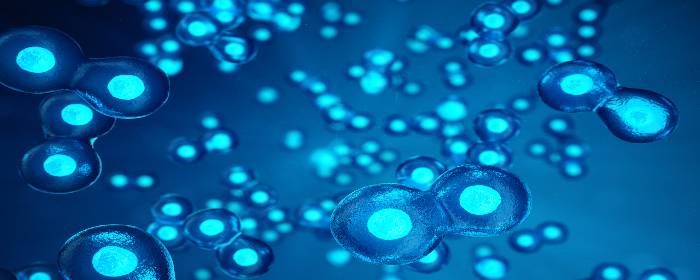
Umbilical Cord Derived Mesenchymal Stem Cells Restore Function After Stroke
An ischemic stroke is a devastating event. An ischemic stroke is caused when a blood clot blocks blood flow to a portion of the brain. If the blood cannot deliver oxygen and nutrients, brain cells in the affected area die. Whatever functions that area of the brain once performed are now lost—brain cells do not regenerate the same way as other cells do.
Not surprisingly, researchers are trying to find ways to restore dead brain cells so that patients can regain function. Stem cells are one of the most promising options in this pursuit. Stem cells can reduce brain damage caused by ischemia (lack of blood flow, nutrients, and oxygen). Moreover, stem cells can help animals with stroke regain neurological function.
Scientists have wondered, however, whether mesenchymal stem cells taken from the umbilical cord can achieve the same effects. Umbilical cord tissue is plentiful and the cells taken from the umbilical cord have many incredible properties.
Dr. Zhang and researchers in his group extracted mesenchymal stem cells from umbilical cord tissue collected from humans. This umbilical cord tissue is usually thrown away after a baby is born, but researchers have been collecting this material because it is rich in mesenchymal stem cells. The researchers then created ischemic strokes in rats by blocking one of the arteries to the brain. They then used stem cells to try to block the damaging effect of stroke in these rats.
The stem cells were given to the rats intravenously. The stem cells moved from the bloodstream into the brain and collected in the area of the stroke. Some of the stem cells actually became new brain cells in the damaged area. Moreover, rats treated with stem cells had better physical functioning than animals who did not receive stem cell treatment.
While this study was performed in rats, the implications for humans are profound. This work shows that mesenchymal stem cells taken from the umbilical cord are capable of improving function after stroke. This is exited news since it is much easier to obtain stem cells from umbilical cord tissue that it is from bone marrow (which requires an invasive procedure).
Reference: Zhang, Lei et al. (2017). Neural differentiation of human Wharton’s jelly-derived mesenchymal stem cells improves the recovery of neurological function after transplantation in ischemic stroke rats. Neural Regeneration Research. 2017 Jul; 12(7): 1103–1110.
 St. Petersburg, Florida