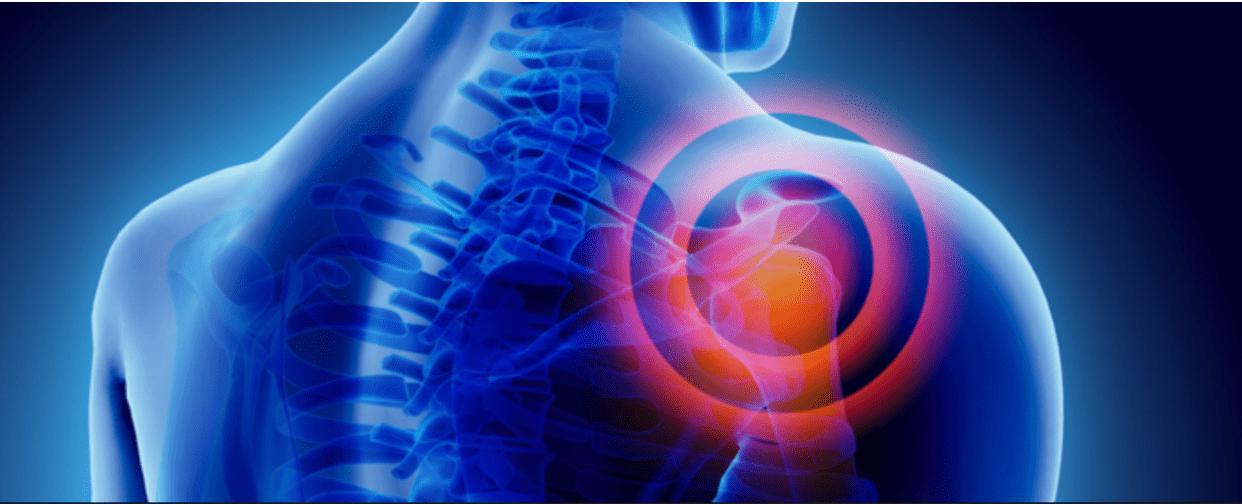
The rotator cuff is a complex network of muscles and tendons which stabilize the shoulder joint. As its name suggests, it allows you to rotate and raise the shoulder and is thus critical to the functionality of your arm. Injuries to the rotator cuff can cause pain and affect your daily life, and if they’re bad enough, may require surgery. Today, many are exploring another alternative to surgery: stem cell therapy for rotator cuff tear.
A Closer Look at Rotator Cuff Injuries
The rotator cuff can experience a partial tear or a complete tear. A partial tear occurs when the muscles that make up the cuff fray become torn, but if the damage extends through the muscle, the tear is considered complete. The tendon could pull away from the bone if left unaddressed.
Surprisingly, you won’t always experience pain with a rotator cuff tear. In fact, in 65% of cases, rotator cuff tears are considered asymptomatic. With that being said, there are still signs outside of discomfort that could indicate this shoulder problem, including:
Weakness throughout the shoulder or arm
Popping sounds or other unusual noises when moving your shoulder
Diminished ability lifting or using your arm (to wash your hair, for instance)
Pain only upon moving your arm a certain way or while lying on it
Difficulty reaching certain directions, such as up, out to the side, or behind you
Causes of Rotator Cuff Injuries
Rotator cuff tears are fairly common. An estimated two million people visit the doctor for this injury each year, though the prevalence could be much higher due to tears that go unnoticed.
Many circumstances could lead to a tear, with the most common being:
Repetitive use due to the nature of your work, such as scanning groceries, painting windows, or cleaning
Sports, such as baseball, tennis, or football
Wear and tear on the muscles that come with aging
Heavy lifting
Injury to the arm
Rotator Cuff Injury Treatment
Rotator cuff injuries must first be accurately diagnosed before you can explore treatment options. Your doctor may use an x-ray or MRI to identify the injury. From there, they may recommend traditional treatments such as physical therapy or stem cell for rotator cuff tear. Surgery could also be an option depending on the severity of your tear, but understandably, many patients wish to avoid invasive procedures.
Some patients may be good candidates for stem cell therapy. Stem cell for rotator cuff tear treatment is much less invasive than surgery, and instead uses natural healing agents (stem cells) to repair tissue, accelerate healing, and combat inflammation. The cells can even regenerate damaged tissue, allowing your shoulder to heal itself naturally. Studies for this treatment have shown promising results, such as an increase in biomechanical strength and reduced inflammation. Thus, for patients whose rotator cuff injury has begun to affect their daily lives but surgery is undesirable, stem cell therapy is a treatment option worth considering. Contact a care coordinator today!
Book Your Appointment
Rotator cuff injuries can cause pain, limited range of motion, and difficulty performing daily activities. At Stemedix, we harness the power of regenerative medicine to address the underlying causes of your injury and support the regeneration of damaged tissues.
Our stem cell therapy for rotator cuff injuries involves using mesenchymal stem cells, which have the remarkable ability to differentiate into various cell types and promote tissue repair. Schedule a consultation today!
Vitamin D is an essential nutrient that helps the body process calcium and supports bone metabolism. Unfortunately, an estimated one billion people across the globe are believed to be deficient in the vitamin. Deficiencies have been linked to depression, diabetes, autoimmune diseases, and certain cancers, as well as soft bones.
Certain populations are more prone to deficiencies, including people who are careful about their sun exposure, those with milk allergies, and anyone following a vegan diet. Vitamin D is produced when the skin is directly exposed to sunlight, but it can also be found naturally in select foods, such as egg yolks and some types of fish. Select dairy products are also fortified with vitamin D.
People with dark skin may also have lower vitamin D levels, as melanin reduces the skin’s ability to make the nutrient with sunlight exposure. Individuals with certain conditions, including Crohn’s disease, cystic fibrosis, and celiac disease, may also be deficient, as the digestive tract may not sufficiently absorb the nutrient. Moreover, as we age, our kidneys lose their ability to convert the vitamin into its active form, making seniors more prone to deficiencies.
Could You Have a Vitamin D Deficiency?
Because vitamin D deficiencies are linked to so many adverse health outcomes, including increased risk of hypertension, diabetes, and MS, as well as cognitive impairment in older adults and severe asthma and rickets in children, ensuring you have ample vitamin D levels is important to promoting overall wellness.
Fortunately, vitamin D levels can be assessed through a simple blood test. A concentration of fewer than 20 nanograms per millimeter (ng/mL) is considered inadequate and requiring supplementation, while less than 12 ng/mL is considered a deficiency.
While wearing sunscreen is important to minimize your skin cancer risk, it does inhibit vitamin D production. If you’re not getting enough vitamin D from the sun or your diet, talk to your healthcare provider about supplementation. The recommended dietary allowance (RDA) for the vitamin varies by age and one’s specific medical history so it is important for your healthcare provider to determine the adequate dose.
Many looking to discover what deficiencies and insufficiencies they may have may want to discover Stemedix’s new Precision Health Program. This program is designed to give a more scientific-based health blueprint with recommendations provided by a board-certified provider that can be shared with your current healthcare provider.
Autoimmune diseases occur when the body’s immune system goes after healthy tissue because they can’t tell the difference between normal cells and foreign invaders. For people with these conditions, such as inflammatory bowel disease, dietary modifications may ease symptoms including inflammation. Here is a quick look at the Autoimmune Protocol Diet.
Research shows that damage to the intestinal lining, also known as the “gut barrier,” may be triggered by certain foods. When intestinal permeability increases, it could trigger certain autoimmune conditions. While there is no concrete evidence that links “leaky gut” with autoimmune diseases, experts do believe intestinal health has strong ties to the widespread inflammation seen in such conditions.
In a normal intestinal tract, there’s low permeability, meaning waste won’t leak and enter the bloodstream. On the other hand, when the gut is more permeable, foreign particles may exit the tract and entire the bloodstream, potentially causing inflammation. Certain foods have been shown to increase the intestines’ level of permeability. Research also indicates that people with certain autoimmune conditions can decrease inflammation and illness symptoms through an autoimmune protocol (AIP) diet.
Here’s what you should know about the AIP diet before talking to your rheumatologist or other specialists.
What Is the Autoimmune Protocol Diet?
The AIP diet is similar to the paleo diet, in which individuals follow the eating habits of our ancestors, who were hunter-gatherers. It has two stages: elimination and reintroduction.
During elimination, foods believed to contribute to gut inflammation are eliminated, including legumes, nuts, grains, seeds, dairy, and nightshade vegetables. All foods with added sugars, as well as alcohol, coffee, oils, and tobacco are eliminated as well. Individuals are also advised to avoid certain medications, including NSAIDs. While most people following the diet follow elimination for 30 to 90 days, some report improvements within three weeks.
After, if you see improvements in your symptoms, you can then gradually reintroduce items into your diet. The idea is to only have foods that don’t aggravate symptoms while continuing to avoid those that do. For this reason, foods must be reincorporated one at a time over a five- to seven-day period before another is reintroduced. And, since food tolerances can change over time, many people revisit the elimination diet again in the future.
What Foods Can You Eat with the AIP Diet?
The autoimmune diet is restrictive, but remember that the goal is to identify any and all foods that could be triggering symptoms. For the best results, you should avoid all grains, legumes, dairy and milk products, nightshade vegetables, nuts and seeds, and their products, and processed foods. With that in mind, here’s what you can still have during the elimination phase:
Vegetables (except for nightshade vegetables, including tomatoes, bell peppers, blueberries, eggplant, and potatoes)
Fermented foods, such as pickles, sauerkraut, and kimchi
Minimally processed meats, such as fish and wild game
Fresh fruit
Tubers, including taro, yams, and sweet potatoes
Minimally processed oils
Kinds of Vinegar
Natural sweeteners
Herbs and spices, except those derived from seeds
Certain teas
Bone broth
Each person experiences different results from the AIP diet, but it is often possible to notice an improvement when triggering foods are eliminated. For instance, people with IBD have reported fewer and less severe symptoms. Just be mindful to avoid staying in the elimination phase for too long, as it could cause deficiencies in key nutrients. If you’re concerned about falling short in any vitamins or minerals by avoiding identified trigger foods, consider looking into supplements, with your doctor’s approval.
If you are seeking a more scientific overview of your gut health, Stemedix offers a Precision Health Program that provides comprehensive gut testing that will specifically give you your personal health blueprint along with recommendations unique to you from a board-certified provider. Contact them today for more information.
BPC stands for “body protective compound.” BPC-157, in particular, is a synthetic peptide with 15 amino acids. It has been derived from digestive proteins and is largely used to prevent stomach ulcers. Recently, however, the supplement has been shown to offer many other benefits.
For instance, BPC-157 has been found to help stabilize the microbiome or healthy balance of bacteria in the gut. It also controls blood pressure function by interacting with the nitric oxide pathway. In addition, it promotes growth factors, unlocking the regenerative potential to help the body heal and empower its systemic repair response.
Across various bodies of research, BPC-157 has been linked to a wide range of healing benefits. In addition to repairing blood flow, it has been shown to:
Help with burns
Increase collagen production
Aid in the healing of sprains, tears, and other muscle injuries
Help with inflammatory conditions, such as arthritis
Aid in weight loss
Repair ligament and tendon-to-bone injuries or damage
Protect the cardiovascular system
Reduce damage from drugs and the effects of corticosteroid injections
Improve responses to allergens and viruses
Boost brain health and mood
Protect scar tissue formation
BPC-157 is often taken via oral capsule, especially when its goal is to treat stomach or intestinal issues. It can also be injected subcutaneously or intramuscularly and used as a nasal spray. The best delivery method may vary based on the patient and their unique concerns, so be sure to discuss your goals with a medical professional when deciding to introduce BPC-157 into your supplement regimen.
For more information to discover if this peptide may be a benefit for you, please call our team at 800-531-0831.
If you or a family member has been diagnosed with Alzheimer’s, you’re not alone. More than 5 million people in the U.S. are living with some form of dementia. While receiving the diagnosis is difficult, there are still factors within your control, including how you decide to move forward. Here are some considerations as you adjust to a new diagnosis and things to keep in mind when adjusting to life With Alzheimer’s Disease.
Allow yourself an emotional response.
Some people jump right into practical steps for managing Alzheimer’s Disease by exploring treatment options. With that being said, it’s important to make space for the emotions you may be experiencing. Whether you’ve been diagnosed or it’s someone you love, you’re likely to feel a wide range of feelings. These are normal, and give yourself grace as you feel them. Some common emotional responses include denial, shock, anger, fear, and sorrow.
You could find yourself feeling several different emotions at once, or going through a cycle in which you feel them repeatedly. There’s no right or wrong way for them to appear, and everyone experiences them differently.
As you go through these feelings, here are some strategies that may help you promote emotional wellbeing:
Journal
Turn to support groups, either in person or online, or a counselor
Maintain social interactions with loved ones
Learn as much as you can about Alzheimer’s to make informed decisions
Set up plans for the future now to alleviate future challenges
Support your physical wellbeing.
While Alzheimer’s leads to cognitive impairment, you’ll still want to focus on your physical wellness. For example, get routine checkups to ensure your hearing and vision are still strong, as sensory impairments could exacerbate symptoms such as confusion.
Exercise can also help keep you active and physically well, and there is also evidence to suggest physical activity can improve a person’s ability to perform activities of daily living (ADLs) in people with dementia. Be sure to follow a well-rounded diet to give your mind and body ample nutrients as well. Some foods, such as berries, leafy greens, nuts, and fish, appear to have cognitive benefits.
Additionally, give your brain a workout, too. Do crosswords, Sudoku, or other puzzle games to exercise your mental abilities, too.
Stay socially engaged.
Social interactions have a beneficial effect on several key brain functions. Thus, while you may feel tempted to withdraw from loved ones, it’s important to stay socially active. If you’re the loved one of a person who has recently been diagnosed, be sure to learn as much as possible about symptoms and behavioral changes so you know what to expect. Or, if you have Alzheimer’s, seek support groups in which the whole family can learn so everyone is on the same page. This can help to facilitate strong family support.
Of course, socializing outside the family is beneficial, too. The Alzheimer’s Association website lists support groups that meet regularly. Many people find it helpful to meet with others who have a firsthand understanding of the challenges they’re facing.
Implement strategies to ease your routine.
There are several tips you can try to help you maintain your confidence. For instance, tactics such as carrying a notepad, keeping a list of phone numbers near your phone, and maintaining a written schedule for each day are memory aids that can help you stay on track. You can also use devices like pillboxes to keep track of medication. Don’t hesitate to ask for assistance with certain tasks when needed, too. Simply having someone remind you of important events could be helpful. If you are interested in learning more about life with Alzheimer’s Disease then Contact us today!
This website and its contents are not intended to treat, cure, diagnose, or prevent any disease. Stemedix, Inc. shall not be held liable for the medical claims made by patient testimonials or videos. They are not to be viewed as a guarantee for each individual. The efficacy for some products presented have not been confirmed by the Food and Drug Administration (FDA).
This website uses cookies to improve your experience while you navigate through the website. Out of these cookies, the cookies that are categorized as necessary are stored on your browser as they are essential for the working of basic functionalities of the website. We also use third-party cookies that help us analyze and understand how you use this website. These cookies will be stored in your browser only with your consent. You also have the option to opt-out of these cookies. But opting out of some of these cookies may have an effect on your browsing experience.
Necessary cookies are absolutely essential for the website to function properly. This category only includes cookies that ensures basic functionalities and security features of the website. These cookies do not store any personal information.
Any cookies that may not be particularly necessary for the website to function and is used specifically to collect user personal data via analytics, ads, other embedded contents are termed as non-necessary cookies. It is mandatory to procure user consent prior to running these cookies on your website.
Subscribe To Our Newsletter
Join our mailing list to receive the latest news and updates from our team.
You have Successfully Subscribed!
Request Information Packet
We'll send your FREE information packet that outlines our entire personalized, stress-free stem cell treatment process!
Thanks for your interest!
Request Information Packet
We'll send your FREE information packet that outlines our entire personalized, stress-free stem cell treatment process!
Thanks for your interest!
Request Information Packet
We'll send your FREE information packet that outlines our entire personalized, stress-free stem cell treatment process!
Thanks for your interest!
Request Information Packet
We'll send your FREE information packet that outlines our entire personalized, stress-free stem cell treatment process!
Thanks for your interest!
Request Information Packet
We'll send your FREE information packet that outlines our entire personalized, stress-free stem cell treatment process!
Thanks for your interest!
Request Information Packet
We'll send your FREE information packet that outlines our entire personalized, stress-free stem cell treatment process!
Thanks for your interest!
Request Information Packet
We'll send your FREE information packet that outlines our entire personalized, stress-free stem cell treatment process!
Thanks for your interest!
Request Information Packet
We'll send your FREE information packet that outlines our entire personalized, stress-free stem cell treatment process!
Thanks for your interest!
Request Information Packet
We'll send your FREE information packet that outlines our entire personalized, stress-free stem cell treatment process!
Thanks for your interest!
Request Information Packet
We'll send your FREE information packet that outlines our entire personalized, stress-free stem cell treatment process!
Thanks for your interest!
Request Information Packet
We'll send your FREE information packet that outlines our entire personalized, stress-free stem cell treatment process!
Thanks for your interest!
Request Information Packet
We'll send your FREE information packet that outlines our entire personalized, stress-free stem cell treatment process!






 St. Petersburg, Florida