by Stemedix | Jul 26, 2021 | Rheumatoid Arthritis, Stem Cell Therapy
There are a number of things that can cause arthritis, a painful condition that causes stiffness in joints. In Rheumatoid Arthritis (RA), the body’s immune system attacks the musculoskeletal system, causing inflammation that leads to arthritis pain. Over time, RA can cause a number of problems, including cartilage deterioration, swelling, and excess synovial fluid at the joint. In this article, we talk about how Stem Cell Therapy can help to treat Rheumatoid Arthritis.
Using Stem Cell Therapy to Treat Rheumatoid Arthritis
Because RA is a chronic condition, there is no cure. This means that treatment focuses on preventing attacks and easing symptoms. While there are medications that can help to tamp down the autoimmune response that causes RA pain, symptom management tends to rely on medication to relieve pain, which can be difficult to moderate.
Instead, some patients are seeking out stem cell therapy. Stem cells have the ability to differentiate into other cell types. By administering mesenchymal stem cells (MSCs) systemically and directly to problematic joints, it may potentially help to regrow cartilage tissue and ease pain from rheumatoid arthritis.
How Stem Cell Therapy Can Benefit RA Patients
By taking a different approach to the treatment of RA, stem cell therapy offers potential relief that traditional treatments have not been able to provide to patients, including:
Regenerating Tissue
Because stem cells are able to differentiate into other cell types, they can be particularly useful for patients suffering from RA. When these stem cells are injected into a joint, they can help to rebuild the cartilage that cushions joints, counteracting the damage from RA.
Stem cells also have the potential to help regenerate other damaged tissues as well, including the synovium tissues, which help lubricate joints to keep them from becoming inflamed.
Regulating the Autoimmune Response
Stem cells have shown to be safe and promising in helping reduce the inflammatory response that results from the autoimmune attacks behind RA. Stem cell therapy has been used in the treatment of other autoimmune diseases, including Crohn’s disease and multiple sclerosis, and it shows promise for RA, as well. So yes, Stem Cell Therapy can help to treat Rheumatoid Arthritis.
Reducing Further RA Damage
Stem cell therapy offers the possibility of reducing further RA attacks on joints that may not yet be affected by the disease. With the potential to limit the autoimmune responses that cause RA damage and to instead encourage healing and tissue growth, stem cells may be able to slow the impact of rheumatoid arthritis. This may allow patients to experience less pain and preserve their quality of life. If you would like to schedule an appointment to treat your RA, contact a care coordinator today!
by admin | Jul 22, 2021 | Health Awareness
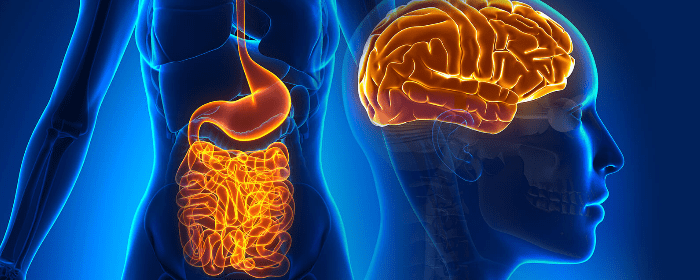
Over the last decade, a significant amount of research has focused on the potential link between brain disorders and gut microbes. There is significant evidence that the gut microbiome plays a key role in identifying risk factors for several disorders, including:
However, interpreting this data can be challenging. This is because gut microbes are influenced by things such as exercise and diet. Additional research is still required, but the correlative relationship between brain disorders and gut microbes cannot be ignored.
Are Brain Disorders Caused by Gut Microbes?
Several trailblazers in the field have proposed that issues within the gut microbiome can trigger a variety of brain disorders. They have also hypothesized that gut microbes can influence the severity of these conditions. These presumptions are based on several animal-based studies. No meaningful human trials have been conducted at this point.
While no trials have been completed as of yet, scientists have gathered empirical data from patients suffering from certain neurodegenerative conditions. Their findings support the presumption that gut microbes can cause or worsen various brain disorders. They established a link between the presence of certain microbes and an increased risk of developing conditions such as ALS.
Can Brain Disorders Be Treated by Altering the Gut Microbe?
Unfortunately, research into the connection between the gut microbe and brain disorders has not given way to any new treatment options as of yet. Due to the nature of medical science, it will likely be several years before this data is translated into meaningful solutions.
Patients may explore to have a comprehensive evaluation on their overall and gut health with tests that can be done at home and sent to be evaluated. Learn your personal blueprint today with Genova Diagnostic testing available.
Others are discovering new neurodegeneration therapy opportunities that have arisen in recent years. The most notable of these is regenerative medicine, also known as stem cell therapy. This alternative option is available for access and initial research has resulted in showing potential outcomes in both symptom management and slowing condition progression.
by Shoot To Thrill Media | Jul 21, 2021
Medical History English Español Progress Patient General Information Patient Geographic Information Emergency Contact Information Diagnosis InformationMedical QuestionnaireSymptomsLast Medical CheckupPatient Application Statement and Agreement The form below is to be...
by Stemedix | Jul 19, 2021 | Stem Cell Therapy, Athletic Injury
Athletic activities present the possibility of injury. When athletes face joint, tendon, or muscle damage, they need effective treatments to allow them to become active again. So do athletes get stem cell injections?
For many types of injuries, traditional medical approaches include surgery. However, surgeries often entail long recovery times, painful procedures, and scarring. Some athletes, such as Major League Baseball pitcher Max Scherzer, have undergone stem cell injections as an alternative.
Stem Cell Therapies for Athletic Injuries
Max Scherzer is a pitcher for the Washington Nationals. Recently, Scherzer sustained a back injury that prevented him from playing in several games.
He is the latest of professional athletes to use stem cell injections as a treatment for sports injuries. Many athletes have reported significant improvements in their condition following these innovative therapies.
Understanding Stem Cells
Stem cells are a type of simple cell. They are found in many different tissues in the human body. The body uses these cells to heal from injuries and accidents. When they are concentrated and injected into an injured area of the body, stem cells have the potential to assist with recovery.
Stem cell injections help to expedite the body’s natural healing processes. These treatments may help to repair tendons, ligaments, and cartilage. In doing so, they represent an invaluable approach for athletic injuries.
Stem Cell Treatments for Athletes
Most injured athletes have the same goal: to recover as quickly as possible. While this goal makes sense from a career perspective, reaching a full recovery is crucial. When they return to the game, they can feel confident that their bodies are in good working order. Full recoveries also prevent potential future injuries.
Some evidence suggests that injections of concentrated stem cells can help joints and muscles to fully recover faster. Innovative treatments, including stem cell injections, can allow athletes to regenerate new functional tissue. Oftentimes, stem cell therapies are applied in conjunction with more traditional medical approaches. These include:
Many athletes, like Scherzer, have experienced the benefits of stem cell treatments for athletic injuries.
Noninvasive and the Beneficial Potential
Beyond acute injuries, stem cell treatments can be used to potentially treat long-lasting pain in athletes. Whether the pain is caused by a single event or a chronic condition, stem cell treatments have the potential to help patients regenerate tissue and heal naturally. Stem cell injections offer athletes a very short recovery time. Typically, patients recover in three to four days.
When performed correctly and by an experienced board-certified provider, these injections present almost no risks of complications or infections. For athletes, the noninvasive nature of stem cell therapies and quick recovery times are invaluable. If you would like to learn more or schedule an appointment contact a care coordinator today!
by admin | Jul 14, 2021 | Health Awareness
Yogurt is often portrayed as a convenient snack or healthy alternative to more calorie-dense meals. While yogurt certainly has its place in a healthy diet and supplement regimen, there are tons of options available. This wealth of choices can make it difficult to find the right option for your health goals.
With this in mind, we have outlined some of the healthiest yogurt choices that you can find in the dairy section of your local supermarket.
Benefits of Yogurt
Yogurt has tons of potential health benefits. It is naturally high in protein and is packed with nutrients like potassium. Yogurt is also full of probiotics, which help to maintain a healthy gut microbiome and are beneficial for fighting inflammation.
In addition, yogurt can help with weight loss and maintenance. Several studies have shown a positive correlation between eating yogurt and lower body weight. Yogurt has even been linked to a reduced chance of developing oral health conditions like gum disease.
Most Popular Types of Yogurts
The best way to ensure that you are choosing a healthy yogurt is to review the label. Make sure to pay close attention to the number of servings in that container. Dividing up a container into multiple servings is a way that some food manufacturers attempt to make their products look more health-friendly.
For instance, let’s say that a particular yogurt that you are considering advertises per-serving nutrition of 90 calories and 9 grams of sugar. These numbers seem reasonable at face value.
However, upon closer inspection, you see that the 8 oz container contains 4 servings, which means that the yogurt has 36 grams of sugar and 360 calories. This type of deception happens all the time and can quickly derail your nutritional goals.
While looking at the nutrition label is important, several types of yogurts tend to be healthier overall.
These include:
- Icelandic yogurt (skyr)
- Greek yogurt
- Traditional yogurt (no sugar added)
Some other options include non-dairy yogurt and Australian yogurt. Both of these can be healthy choices, depending on the brand. Be wary though because the nutritional profile of Australian and non-dairy yogurts vary greatly.
Regardless of the type of yogurt that you choose, look for options that are high in protein, ones that also contain a fair amount of fat. While all yogurts will contain some natural sugars, try to avoid any that have an unusually high amount.




 St. Petersburg, Florida