by admin | Nov 28, 2018 | Stem Cell Therapy, Wharton's Jelly
Perinatal stem cells have been attracting attention globally in recent years due to their potential in regenerative medicine. These stem cells come in many forms, due to the wide variety of potential sources for these cells. Perinatal stem cells, for instance, may be umbilical cord-derived hematopoietic stem cells, amniotic epithelial cells, amniotic fluid stem cells, or chorionic mesenchymal stem cells. All sources, nonetheless are considered biological waste and are therefore usually discarded after delivery of babies.
Importantly, perinatal stem cells, despite their origin, tend to share a number of characteristics that make them beneficial in treating conditions. Additionally, unlike other sources of stem cells, retrieval of perinatal stem cells is noninvasive and does not require the ethical considerations that retrieval from other sources may involve. A recent review in Regenerative Medicine has highlighted the potential benefits of perinatal stem cells in therapeutic interventions.
In addition to the relatively easy collection and preparation of perinatal stem cells, these cells tend to be easily harvested and manipulated without harming either the mother or the baby. Upon collection, these stem cells exist in high volume and have greater ability to proliferate than other stem cell types such as bone marrow stem cells. Research has also shown that these cells tend not to lead to adverse immune reactions, though the mechanisms involved in their relationship to the immune system are not well understood.
Given their relative advantages over other stem cell types, perinatal stem cells are well poised to be used in cell-based therapies targeting a wide variety of conditions. Future research will help to define the precise role these cells can play in regenerative medicine and which conditions they may be most useful for.
by admin | Nov 12, 2018 | Adipose, Aesthetics
Adipose mesenchymal stromal cells, or adipose stem cells, were discovered in 2001 and have since been heavily researched for their potential use in plastic surgery. The abundance of research and the positive clinical findings have resulted in these cells being increasingly used in plastic surgery and have helped plastic surgery move to the forefront of regenerative medicine. A recent review has summarized research into adipose mesenchymal stromal cells and their applications in plastic surgery.
One of the things that make adipose mesenchymal stromal cells so valuable for plastic surgery is that these cells can overcome challenges observed with other stem cells. Much of the reason for the ability of adipose stem cells to provide better outcomes than other stem cell types are their regenerative properties. The stromal vascular fraction that includes all adipose tissue cells except the adipocytes is becoming used more and more for grafting and replacing fat grafting because of its great potential for tissue regeneration. In addition to grafting, adipose stem cells are showing promise in wound healing and recovery from tissue damage and scarring.
Unlike some other stem cells types that are more challenging to harvest, adipose stem cells can be relatively easily retrieved by performing liposuction, which requires only local anesthesia and can be completed without causing scarring. Now that the potential of adipose stem cells is being realized, the authors of the recent review suggest that new protocols should be developed and solidified to help define how exactly these cells can reliably be used in regenerative medicine generally – and in plastic surgery specifically. As more research is conducted and clinical applications are observed through case studies, these protocols will evolve, and our ability to use adipose stem cells to treat patients will improve and expand.
by admin | Oct 4, 2018 | Stem Cell Therapy, Lupus, Wharton's Jelly
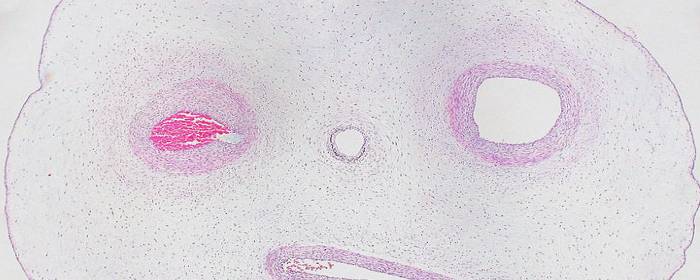
Wharton’s jelly is a rather unique body fluid. It is the connective tissue found within the umbilical cord. While Wharton’s jelly is connective tissue, it more closely resembles gelatin. Historically this material was discarded as medical waste; however, Wharton’s jelly has been shown to contain a number of therapeutic substances. Among these healing substances found within Wharton’s jelly is an abundant supply of mesenchymal stem cells.
One of the most intriguing features of Wharton’s jelly is that it contains a virtually limitless supply of mesenchymal stem cells. There are about 4 million new births in the United States each year, 5 million in the European Union, and over 100 million worldwide. The potential pool of cells is staggering when you consider only a small amount of Wharton’s jelly can contain millions of stem cells. Notably, Wharton’s jelly is usually discarded after the delivery of a healthy baby. If this material could be donated instead of discarded, researchers believe they have found an abundant, renewable resource from which to draw mesenchymal stem cells.
However, the abundance of Wharton’s jelly is not the most impressive feature of the substance. The stem cells found in Wharton’s jelly are rather unique. Perhaps most importantly, the cells are immuno-privileged. This means they are not readily recognized by the immune system. Consequently, the stem cells can be taken from the umbilical cord, purified, and then injected into a patient with little risk of the patient having an immune reaction to the cells. These particular mesenchymal stem cells are also interesting because they are relatively “primitive,” which means they have some of the same properties of embryonic stem cells. However, Wharton’s jelly can be obtained without controversy, while harvesting embryonic stem cells from aborted tissue remain highly controversial.
Stem cells taken from Wharton’s jelly are already being used in some clinical studies. For example, researchers in one clinical study injected type 2 diabetes patients with Wharton’s jelly-derived mesenchymal stem cells. Within six months of treatment, 7 of 22 patients became insulin-free and 5 were able to reduce the amount of insulin they needed by more than 50%. Only one patient out of the 22 did not respond to the stem cells at all. The cells have also been tested in systemic lupus erythematosus, better known as simply lupus. Forty patients received Wharton’s jelly mesenchymal stem cells intravenously. Thirteen patients enjoyed a major clinical response while 11 enjoyed a partial clinical response of their lupus symptoms.
As more clinical studies are done on Wharton’s jelly-derived mesenchymal stem cells, we will learn what other diseases can be treated with this once-discarded substance. Early indications show a very promising future.
by admin | Sep 18, 2018 | Bone Marrow
The knee is a complex joint that must support the weight of the body while allowing the leg to bend freely. An important part of the knee joint is the meniscus. The meniscus is a fibrous cartilage structure that acts as a shock absorber. While these menisci perform very well during various strenuous activities, they can and do tear. In fact, a torn meniscus in the knee is one of the most common orthopedic injuries.
A torn meniscus of the knee often causes pain and swelling in the knee. Patients with a torn meniscus cannot squat or kneel, and the knee joint does not move smoothly. In fact, many patients with a torn meniscus describe the joint as popping, locking, catching or even “giving out.”
The meniscus of the knee can be torn in several ways; however, most torn menisci result from either one of two things: athletic activity or degenerative arthritis. As you would imagine, menisci torn during sport occur more commonly in young athletes such as dancers, certain kinds of track and field athletes, and basketball, soccer and football players. People with degenerative arthritis tend to be older and often have careers that require a lot of bending at the knee, such as carpet layers, carpenters, plumbers, etc.
Some people can live with small tears in their knee meniscus, but many people ultimately require surgery to fix the problem. One of the major approaches is to perform a total or partial meniscectomy of the damaged knee meniscus. Generally speaking, surgeons offer partial meniscectomy because patients heal faster, and results are about as good as a total meniscectomy. Unfortunately, surgical repair of these tissues is not always successful, especially in older individuals with tears related to degenerative arthritis. Consequently, surgical researchers are keen to discover new ways to improve partial meniscectomy to help people with meniscal tears of the knee.
One exciting option is using stem cells to potentially help patients regrow healthy meniscus after surgeons remove the damaged portion.
In one study, orthopedic surgeons at various surgical centers around the United States participated in an I/II, randomized, double-blind, controlled study to study the effects of human mesenchymal stem cells in people with a meniscal tear of the knee. Researchers recruited 60 patients who were eligible to receive a partial meniscectomy and sorted them into three groups: treatment group A received 50 million human mesenchymal stem cells, group B received 150 million stem cells, and group C (the control group) simply received an infusion of salt water. Patients received an injection of stem cells into the knee, 7 to 10 days after their partial meniscectomy surgery. Then researchers followed the patients for six weeks, six months, one year, and two years after the procedure.
Researchers found that some patients who received human mesenchymal stem cells had a significant increase in the size of their menisci after surgery. By contrast, no single patient in the control group had an increase in the size of their menisci. In other words, stem cells were found to be able to increase the size of the knee meniscus in some patients, as originally hypothesized. Likewise, the study authors could find no clinically important safety issues from injecting stem cells into the knees of patients. Perhaps most importantly, people who received mesenchymal stem cells reported a significant reduction in the amount of pain they experienced due to degenerative changes in the knee. In other words, partial meniscectomy plus stem cells apparently helped patients with degenerative arthritis of the knee.
The authors concluded that this research shows that human mesenchymal stem cells have the potential to be able to repair knee meniscus tissue and improve knee pain in people with meniscal tears. While additional research is needed, these results are very exciting for people who have torn menisci, especially older patients whose knee pain is a result of osteoarthritis or degenerative joint disease in the knee.
by admin | Sep 13, 2018 | Stem Cell Research, Stem Cell Therapy, Studies
Patients usually recover from bone fractures with the right treatment, but sometimes the bone fails to heal because new tissue does not form and connect the broken pieces properly. Delayed union refers to cases where the bone takes longer than usual to heal, and nonunion refers to cases where the bone does not heal. In approximately 5 to 10 percent of cases of a fractured bone, delayed union or nonunion occurs. These conditions are associated with long-term pain and discomfort, and though can be addressed through surgical treatments, these interventions do not always lead to long-term healing.
In recent years, researchers have begun exploring the potential for mesenchymal stem cells to help address these important challenges of delayed union and nonunion. A review of the potential for these stem cells to help in these cases where fractures do not properly heal was recently published in the Journal of Biomedical Materials Research.
Mesenchymal stem cells are helpful in bone healing because they differentiate well and can differentiate into different cell lineages that are all important for bone formation, growth, and maintenance. These cell types include chondrocytes, osteoblasts, myoblasts, and adipocytes.
According to the authors of the review, mesenchymal stem cells can be used in conjunction with extracellular matrix scaffolds and biological adjuvants that promote growth, differentiation, and blood vessel formation, to help in the bone healing process when the delayed union or nonunion occurs. Future research will help to determine the best ways that mesenchymal stem cells can be used in combination with bioengineering strategies to help patients whose bone fractures do not heal or do not heal properly.




 St. Petersburg, Florida