Tissue engineering is an emerging field within regenerative medicine that seeks to repair or regenerate damaged tissues using principles from biology, engineering, and materials science. Stemedix, a prominent provider of regenerative medicine in Saint Petersburg, Florida, incorporates these advancements into personalized treatments designed to enhance patients’ quality of life.
Tissue engineering relies on key components such as biomaterials, cellular therapies (including stem cells), and growth factors to develop treatments for a variety of conditions, including orthopedic injuries and neurodegenerative disorders. This specialized field of medicine enhances the body’s natural healing processes, offering tailored solutions based on individual patient needs. In this article, we will explore the critical role of tissue engineering in regenerative medicine, its current applications, and how Stemedix is bringing this innovative science to life for patients in Saint Petersburg and beyond.
Understanding Tissue Engineering in Regenerative Medicine
What Is Tissue Engineering?
Tissue engineering is a vital aspect of regenerative medicine, focused on creating functional tissues to repair or replace damaged biological structures. This interdisciplinary field merges biology, engineering, and medicine to create systems that support tissue regeneration and repair within the body. Central to this process are key components: cells, scaffolds, and growth factors, working in unison to support and enhance the body’s natural healing capabilities.
Tissue engineering aims to create tissues that closely replicate the structure and function of natural tissues, thereby supporting the body’s ability to heal itself. Engineered tissues are created using stem cells, various cell types, biocompatible scaffolds, and signaling molecules that promote cell growth, differentiation, and tissue regeneration.
From its initial focus on skin and cartilage repair, tissue engineering has evolved to address complex tissues like bone, nerve, and heart structures, representing significant advancements in regenerative medicine’s potential to improve lives.
How Tissue Engineering Supports Regenerative Medicine
Tissue engineering is central to regenerative medicine by enhancing the body’s ability to heal itself. When tissue damage is severe or chronic, the body’s natural healing processes may fall short. Tissue engineering addresses this challenge by providing essential components for the repair, regeneration, or replacement of damaged tissues.
A cornerstone of this approach involves biomaterials, such as scaffolds, which act as frameworks for cellular growth and tissue organization. Scaffolds replicate the body’s extracellular matrix (ECM), providing both structural and biochemical cues to guide cell growth, differentiation, and tissue development.
Tissue engineering has already made significant strides in treating orthopedic conditions, including cartilage and bone repair. It is also being explored for nerve regeneration, including spinal cord injuries. By leveraging patient-specific cells, these therapies are not only personalized but also reduce the risk of rejection, offering a seamless integration into the body for sustainable and effective healing.
At Stemedix, we apply tissue engineering techniques in our regenerative medicine treatments, supporting patients in Saint Petersburg and beyond on their recovery journey. By focusing on personalized care and applying research-driven approaches, we aim to assist patients in improving function and managing pain. Our team is dedicated to offering clear guidance and support throughout the healing process, working with each individual to find the most appropriate path for their unique needs.
Key Components of Tissue Engineering
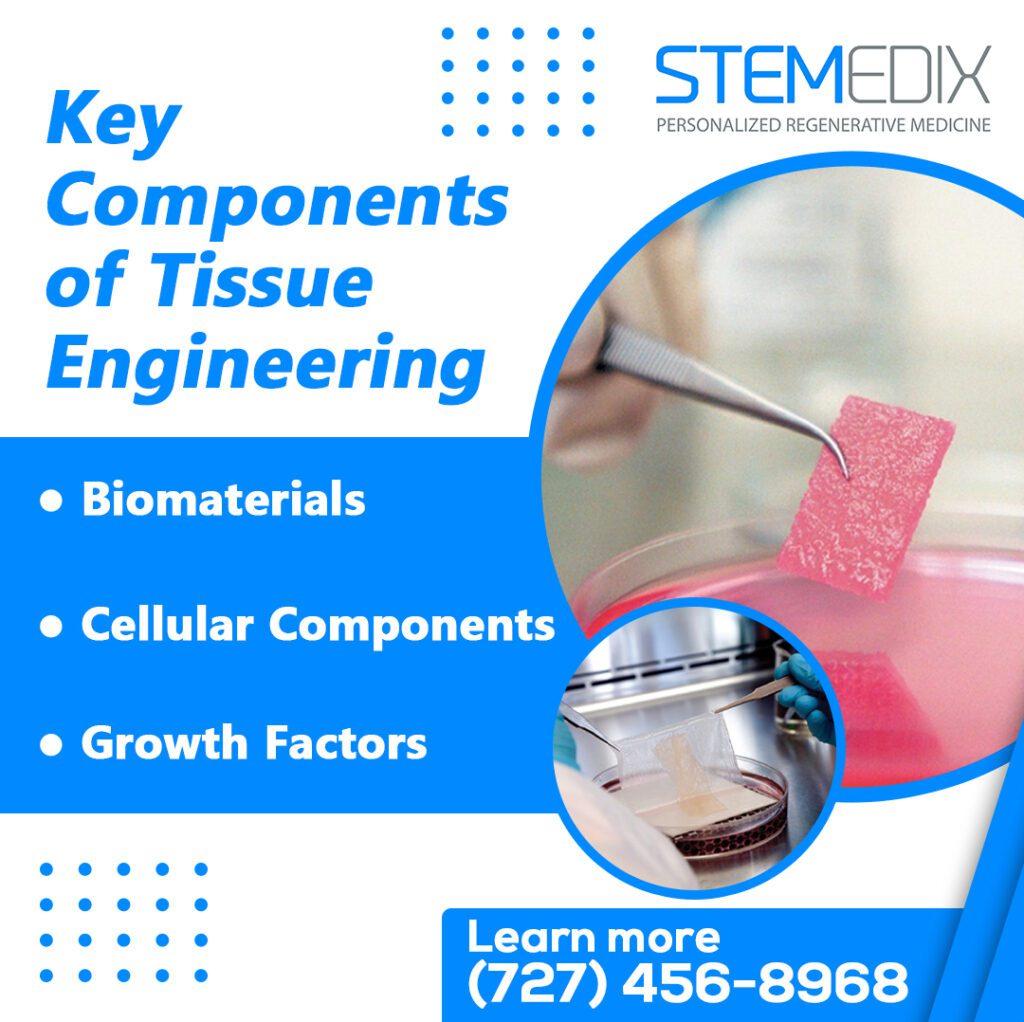
Tissue engineering is at the heart of regenerative medicine, combining the expertise of biologists, engineers, and medical professionals to repair and regenerate damaged tissues. To understand how tissue engineering works, it’s important to break down its key components—biomaterials, cellular components, and growth factors. Each plays a crucial role in facilitating the healing process and promoting tissue regeneration.
Biomaterials: The Building Blocks of Tissue Engineering
Biomaterials play a pivotal role in tissue engineering, serving as essential building blocks for supporting the body’s natural healing processes. In regenerative medicine, these materials are utilized to construct scaffolds that provide structural support for tissue regeneration. Acting as a framework, scaffolds enable cells to attach, grow, and differentiate into specific tissue types.
Biomaterials are broadly categorized into natural and synthetic types. Natural biomaterials, such as collagen and hyaluronic acid, are derived from biological sources and integrate seamlessly with the body’s tissues due to their high biocompatibility. Synthetic biomaterials, like engineered polymers, offer customizable properties such as strength, flexibility, and controlled degradation, making them ideal for various tissue regeneration needs.
Beyond structural support, biomaterials replicate the extracellular matrix (ECM), a natural cellular environment crucial for guiding tissue growth and function. By mimicking the ECM, biomaterials ensure proper cell behavior, aiding in the formation of functional, healthy tissues.
Cellular Components: Fueling Regeneration
Cellular components are the driving force behind tissue regeneration, making them indispensable in regenerative medicine. Stem cells, in particular, are vital due to their unique ability to transform into various cell types depending on the specific tissue needing repair. These cells can be sourced from the patient’s own body (autologous stem cells), minimizing immune rejection, or from donor tissues (allogeneic stem cells). Both options are key to tailoring treatments for individual needs.
In addition to stem cells, progenitor cells also play a significant role in tissue engineering. These more specialized cells retain the ability to develop into specific tissue types, such as cartilage, bone, or even neural tissues. Sourcing and cultivating these cells involves advanced techniques. Some are collected directly from the patient, offering a personalized approach, while others are expanded in laboratories to ensure sufficient quantities for treatment. Combined with biomaterials, these cells form scaffolds that support effective tissue regeneration.
Growth Factors: Catalysts for Tissue Development
Growth factors are essential signaling molecules that regulate cellular processes, such as cell growth, differentiation, migration, and tissue remodeling, which are critical for tissue regeneration. These signaling molecules also play a pivotal role in angiogenesis (the formation of new blood vessels) and tissue remodeling, ensuring proper healing and restoration.
In regenerative medicine, growth factors are either directly applied to injured areas or integrated into biomaterials within tissue scaffolds. This approach enhances the body’s natural healing mechanisms, guiding cells to the injury site and promoting accurate tissue formation.
Key examples include vascular endothelial growth factor (VEGF), which supports blood vessel formation; platelet-derived growth factor (PDGF), critical for wound healing; and transforming growth factor-beta (TGF-β), which aids in tissue repair. When combined with stem cells and biomaterials, these growth factors create a synergistic effect, improving the effectiveness of regenerative medicine treatments and fostering comprehensive tissue repair.
Together, these three components—biomaterials, cellular elements, and growth factors—form the foundation of tissue engineering in regenerative medicine. As we continue to develop and refine these technologies, their role in healing and recovery will only expand, providing new hope and opportunities for patients seeking alternative treatment options.
Current Applications in Regenerative Medicine
Regenerative medicine, powered by tissue engineering, is advancing rapidly, offering new methods to repair and regenerate tissues previously considered irreparable. This breakthrough science has numerous applications across various medical fields, including orthopedics, organ and tissue replacement, and neurodegenerative conditions. Below, we explore some of the most significant advancements in regenerative medicine and how they are impacting patient care.
Advancements in Orthopedics
Orthopedic conditions affecting the musculoskeletal system are among the most common areas where regenerative medicine is making significant progress. Cartilage, bones, and tendons are vital structures that can suffer from degeneration or injury, leading to chronic pain and disability. Regenerative medicine treatments, such as stem cell therapy and tissue engineering, are providing innovative solutions to repair and regenerate these tissues.
In orthopedic applications, stem cells are used to promote healing in damaged cartilage and bone, offering the potential for repairing joint injuries, fractures, and degenerative conditions like osteoarthritis. Biomaterials, often used as scaffolds, provide the structural support needed for new tissue to grow, while growth factors stimulate the healing process. For example, stem cells derived from the patient’s own body are applied to injured areas, where they can differentiate into the required cell types, promoting faster and more efficient healing. These advancements in orthopedics help patients recover faster, with fewer complications and less reliance on invasive surgeries.
Innovations in Organ and Tissue Replacement
A promising area of tissue engineering in regenerative medicine is the development of engineered tissues to replace damaged or failing organs. Traditional organ transplantation faces significant challenges, including organ shortages, immune rejection, and long waiting times. Tissue engineering aims to overcome these barriers by developing engineered tissues that can perform the functions of organs like the liver, heart, and kidneys.
For example, regenerative medicine approaches are being tested to create functional liver tissue from stem cells, offering potential treatment options for patients with liver failure. Similarly, engineered cardiac tissue could be used to repair heart damage caused by disease or injury, and advances in kidney regeneration are showing promise for individuals suffering from kidney disease. Through these innovations, the need for organ donations could be reduced, and patients could experience faster recovery times with improved long-term outcomes.
Impact on Neurodegenerative Conditions
Neurodegenerative conditions, such as Alzheimer’s disease, Parkinson’s disease, and spinal cord injuries, present some of the most complex medical challenges. However, tissue engineering and regenerative medicine are offering new hope for patients affected by these conditions. One of the most promising areas of research involves using stem cells and engineered tissues to repair spinal cord injuries and promote brain cell regeneration.
Stem cells have the potential to differentiate into various types of neural cells, which can help repair damaged nerve tissue in the brain and spinal cord. Researchers are also exploring how to stimulate the growth of new neurons in areas of the brain affected by neurodegenerative diseases. Integrating tissue engineering with stem cell therapy holds promise for restoring lost function in the nervous system, offering new treatment options for patients with neurodegenerative diseases or spinal cord injuries.
Regenerative medicine is opening doors to innovative solutions that address some of the most challenging medical conditions. From orthopedic injuries to tissue replacement and neurodegenerative diseases, the potential applications of tissue engineering are vast and continue to expand. At Stemedix, we are proud to be at the forefront of this field, offering advanced treatments that aim to restore health and potentially improve the quality of life for our patients. Through personalized care and the latest advancements in regenerative medicine, we are committed to making a meaningful difference in your health journey.
How Stemedix Advances Regenerative Medicine in Saint Petersburg
As a leader in regenerative medicine in Saint Petersburg, Stemedix is at the forefront of providing innovative therapies that promote healing and improve patients’ quality of life. Our commitment to advancing tissue engineering and regenerative medicine has positioned us as a trusted provider in the region. Through a personalized, patient-centered approach, we utilize pioneering treatments that are scientifically proven to restore function and reduce symptoms of various medical conditions. Let’s explore how Stemedix is advancing regenerative medicine in Saint Petersburg and how these treatments are making a meaningful impact on patients’ lives.
Stemedix’s Approach to Regenerative Therapies
At Stemedix, we are deeply committed to providing regenerative medicine treatments that prioritize both safety and ethical practices. Our treatments are designed not only to meet the highest standards in medical care but also to ensure the best possible outcomes for our patients. Each therapy is carefully selected based on the individual’s unique medical history, goals, and needs.
Our approach is centered around personalized patient care. In Saint Petersburg, patients receive dedicated support from care coordinators, who guide them through every step of the treatment process. From the initial consultation to the post-treatment follow-up, we ensure our patients feel supported and informed throughout their journey. Our team works closely with each patient to develop a tailored treatment plan that incorporates regenerative therapies, such as stem cell treatments, tissue engineering, and growth factor therapy, to address their specific conditions.
By emphasizing personalized care and adhering to ethical practices, Stemedix strives to provide patients in Saint Petersburg with access to high-quality regenerative medicine treatments, supporting their journey toward improved health and wellness.
The Role of Tissue Engineering in Stemedix’s Treatments
Tissue engineering is a cornerstone of the regenerative medicine treatments provided at Stemedix. By leveraging advanced tissue engineering techniques, we offer therapies designed to repair and regenerate damaged tissues, enabling patients to achieve meaningful improvements in their health and well-being.
At Stemedix, our regenerative treatments combine biomaterials, stem cells, and growth factors to facilitate tissue repair. These components work together to restore function in areas affected by injury or disease. For instance, in orthopedic applications, stem cells support cartilage or bone repair, while engineered tissues aid in rebuilding damaged structures.
Similarly, in neurodegenerative conditions, tissue engineering promotes the regeneration of nerve cells in the brain and spinal cord, offering hope for enhanced recovery.
The effect of tissue engineering in our treatments is seen in the positive outcomes experienced by our patients. Many report improved mobility, reduced pain, and an enhanced quality of life. By incorporating these methods, we help individuals in Saint Petersburg reclaim independence and achieve better health.
Why Choose Stemedix for Regenerative Medicine Treatments
When it comes to choosing a provider for regenerative medicine in Saint Petersburg, Stemedix stands out for its unwavering commitment to delivering innovative treatments backed by science. Our patient-centered approach, ethical practices, and expertise in the field ensure that every patient receives the highest level of care. Here’s why Stemedix should be your trusted partner in regenerative medicine.
Ethical and Patient-Centered Care
At Stemedix, we firmly believe that ethical practices and exceptional patient care are the foundation of effective healing. We deeply value the trust our patients place in us, which is why we are committed to transparency, integrity, and compassion in every interaction. Choosing Stemedix means becoming a partner in your healing journey, where your voice matters and your well-being is our priority.
Our dedicated care coordinators are with you every step of the way—from your initial consultation to post-treatment follow-ups—providing personalized support and addressing all your questions. We aim to empower you with clear, accurate information so you can make informed decisions about your health.
Our goal is to create an environment where you feel heard, respected, and cared for, ensuring your experience with regenerative medicine is stress-free and effective. Stemedix is proud to deliver ethical, patient-centered care that prioritizes your unique needs.
Expertise in Regenerative Medicine
Stemedix’s expertise in regenerative medicine is built on years of in-depth research, development, and hands-on experience. Our team of board-certified providers collaborates with patients to create personalized treatment plans tailored to their specific needs. By incorporating the latest advancements in regenerative therapies, including stem cell treatments, tissue engineering, and growth factor therapy, we ensure that our solutions are effective for a wide range of medical conditions.
With a well-established presence in regenerative medicine, Stemedix has earned a reputation for excellence in Saint Petersburg and beyond. We are committed not only to providing high-quality treatments but also to continuously advancing our knowledge. Our ongoing research and partnerships with top biomedical manufacturers allow us to remain at the cutting edge of regenerative medicine, ensuring our patients receive the most effective therapies available.
Whether addressing orthopedic conditions, neurodegenerative diseases, autoimmune disorders, or wellness concerns, Stemedix offers unmatched expertise. Choosing Stemedix means selecting a provider dedicated to ethical practices, personalized care, and proven results. We are here to help guide you toward optimal health and improved quality of life.
Shaping the Future of Healing with Stemedix
Regenerative medicine is transforming healthcare by offering innovative treatments that harness the body’s natural ability to heal. At Stemedix, we are leading the way in providing cutting-edge therapies that not only address the root causes of chronic conditions but also promote faster recovery, improved healing, and an enhanced quality of life.
Our team of experts is dedicated to delivering personalized care, advanced technologies, and research-backed treatments tailored to your unique needs. Whether you are dealing with orthopedic pain, neurodegenerative diseases, or seeking overall wellness support, Stemedix is here to help you navigate your path to better health. Take control of your healing journey today. Reach out to our team for a consultation and discover how our regenerative medicine treatments can improve your well-being. Contact Stemedix at (727) 456-8968 or yourjourney@stemedix.com. Together, we can help you achieve lasting health and vitality.
Neurodegenerative diseases are a group of disorders that progressively impair the nervous system, leading to symptoms such as memory loss, movement difficulties, and other disabilities. These conditions result from damage to neurons, the cells responsible for transmitting information within the brain and throughout the nervous system.
Some of the most common neurodegenerative diseases include Alzheimer’s disease, which affects memory, thinking, and behavior; Parkinson’s disease, which causes movement problems like tremors and rigidity; Huntington’s disease, which leads to a loss of motor control and cognitive decline; multiple sclerosis (MS), which involves damage to the protective covering of nerve fibers; and amyotrophic lateral sclerosis (ALS), which gradually destroys motor neurons, resulting in muscle weakness and paralysis.
Although these diseases have distinct symptoms, they share common features, such as neuron damage and inflammation. Currently, treatment options are limited, primarily focused on slowing the progression of these conditions rather than providing a cure.
What is Neural Stem Cell Therapy?
Neural Stem Cell Therapy is an innovative approach that uses stem cells to repair or replace damaged neurons. Stem cells have unique properties, including the ability to renew themselves and transform into various cell types. Neural stem cells are a specific type that can become different types of brain cells, such as neurons or supportive glial cells. This therapy has shown promise in laboratory and clinical settings, as it potentially offers a way to rebuild lost connections in the brain and restore function.
Key Benefits of Neural Stem Cell Therapy in Neurodegenerative Diseases
Research has shown that Neural Stem Cell Therapy could provide three primary benefits for neurodegenerative diseases:
Reducing Inflammation – Stem cells help to calm down inflammation in the brain, a key contributor to the damage seen in diseases like MS and Alzheimer’s.
Promoting Neuron Regeneration – Stem cells can grow into new neurons, replacing the ones damaged by disease.
Improving Functional Recovery – By repairing lost connections, this therapy has the potential to restore some lost functions, such as memory and movement control.
How Neural Stem Cell Therapy Works in Specific Diseases
Alzheimer’s Disease
Alzheimer’s disease is characterized by a buildup of amyloid plaques and neurofibrillary tangles in the brain, which disrupt normal communication between neurons and lead to memory and cognitive decline. Research into Neural Stem Cell Therapy has shown encouraging results in this area:
Reducing Plaque Formation – Studies indicate that Neural Stem Cell Therapy may reduce amyloid plaques, which are toxic to brain cells.
Improving Cognitive Function – Clinical trials suggest that patients who receive this therapy show improvements in memory and thinking, possibly due to restored neuron function.
Parkinson’s Disease
In Parkinson’s, there is a progressive loss of dopamine-producing neurons, which leads to motor symptoms like tremors and stiffness. Neural Stem Cell Therapy may help by:
Replacing Lost Dopaminergic Neurons – Stem cells can be encouraged to turn into dopamine-producing cells, helping restore dopamine levels in the brain.
Improving Motor Function – Early research shows that patients experience improved movement control after receiving stem cell treatments.
Multiple Sclerosis
Multiple sclerosis is an autoimmune disease where the immune system attacks the protective covering of nerve fibers, leading to damage and inflammation. Neural Stem Cell Therapy may aid MS patients by:
Remyelinating Damaged Axons – Stem cells can develop into the type of cells needed to replace the protective myelin sheath around nerves, improving nerve function.
Reducing Inflammation – The therapy helps decrease the inflammatory response that worsens nerve damage in MS patients.
The Potential Impact of Neural Stem Cell Therapy
Despite the challenges, the progress made so far in Neural Stem Cell Therapy holds tremendous potential. Continued research and clinical trials may lead to breakthrough treatments that could transform the management of neurodegenerative diseases. If successful, Neural Stem Cell Therapy could offer a way to restore function, improve quality of life, and provide new hope for millions worldwide who suffer from these debilitating conditions.
As research advances, the field of Neural Stem Cell Therapy is likely to evolve, hopefully leading to accessible, effective, and safe treatments that directly address the underlying causes of neurodegenerative diseases. This therapy represents a major step forward in regenerative medicine, with the potential to change how we approach treatment for these complex and life-altering disorders.
Source: Gholamzad, A., Sadeghi, H., Azizabadi Farahani, M., Faraji, A., Rostami, M., Khonche, S., Kamrani, S., Khatibi, M., Moeini, O., Hosseini, S. A., Nourikhani, M., & Gholamzad, M. (2023). Neural Stem Cell Therapies: Promising Treatments for Neurodegenerative Diseases. Neurology Letters, 2(2), 55-68. doi: 10.61186/nl.2.2.55
In recent years, mesenchymal stromal/stem cells (MSCs) and their exosomes have attracted interest as potential treatments for degenerative diseases. MSCs have unique characteristics such as the ability to renew themselves, differentiate into different cell types, and modulate the immune system. These properties make them valuable in medical research, and both laboratory and clinical studies have shown promising results.
However, there are challenges with using MSCs directly, especially when it comes to allogeneic transplantation, where cells are taken from a donor rather than the patient’s own body. These issues include risks of immune rejection and limited differentiation capabilities. To address these limitations, scientists have proposed using exosomes derived from MSCs, which are tiny particles that can carry therapeutic molecules directly to target cells.
Understanding Intervertebral Disc Disease (IDD)
One of the degenerative conditions where MSCs and their exosomes are being studied is intervertebral disc disease (IDD). The intervertebral disc (IVD) is a complex structure located between the vertebrae in the spine. It consists of three main parts: the inner nucleus pulposus (NP), the outer annulus fibrosus (AF), and the cartilage endplates (CEP). These components work together to allow the spine to move and to absorb mechanical stress. The NP is soft and gelatinous, helping to absorb shock, while the AF is made up of tough, fibrous tissue that surrounds and protects the NP. The CEP, which is less than 1 mm thick, serves as a channel for nutrient transport.
IDD occurs when excessive mechanical stress, genetic factors, or environmental influences lead to the degeneration of these disc components. This results in the loss of cells and tissue integrity within the disc, causing symptoms like chronic low back pain, which is a common issue affecting people as they age. Low back pain due to IDD can significantly impact quality of life, making it a widespread public health concern. Current treatments mainly focus on alleviating pain rather than addressing the root cause, and options like surgery can come with significant risks and side effects.
Role of MSCs in Regenerative Therapy for IDD
MSCs are multipotent cells found in various tissues throughout the body. They can differentiate into many cell types, including those involved in bone, cartilage, and fat tissue formation. This versatility makes them useful in regenerative medicine, especially for conditions like IDD. In treatment, MSCs can be injected into the damaged area, where they help promote healing by transforming into disc-related cells and encouraging the growth of native cells within the IVD. MSCs can also help reduce cell death (apoptosis), increase the production of new cells, and prevent further degeneration.
Using Exosomes as an Alternative to MSCs
Researchers have turned their attention to exosomes, which are small vesicles naturally released from cells. Exosomes are particularly promising because they can carry various therapeutic molecules, such as proteins, lipids, and RNA, directly to target cells. Unlike whole-cell therapies, exosome treatments do not carry the same risks, such as immune rejection or the potential for cells to transform into tumors. Exosomes can also act as delivery vehicles for drugs, thanks to their small size, natural biocompatibility, and ability to travel to damaged tissues.
In the context of IDD, exosomes derived from MSCs can help reduce inflammation, encourage the repair of damaged cells, and improve the overall health of the intervertebral disc. This approach allows for a cell-free treatment that retains many of the benefits of MSC therapy.
Causes and Cellular Changes Associated with IDD
As part of this review, the authors highlight several factors that contribute to the development and progression of IDD. These include aging, genetics, environmental influences, and lifestyle choices. For example, lack of physical activity, smoking, or frequent exposure to vibration can all accelerate disc degeneration. Some people may also have genetic predispositions that make their spinal discs more prone to breakdown. At the cellular level, IDD involves the gradual loss of key cell types, including nucleus pulposus cells (NPCs), which are essential for maintaining the disc’s structure and function. As these cells decrease in number, the disc loses its ability to absorb mechanical stress, leading to further tissue deterioration.
Traditional and Emerging Treatments for IDD
Treatment options for IDD vary based on the severity of the condition. For mild cases, rest, physical therapy, and medications like anti-inflammatory drugs and muscle relaxants are often used to relieve pain. However, these approaches do not stop the underlying degeneration, and pain can become chronic for some patients. In severe cases, surgical interventions, such as spinal fusion, may be necessary, but these procedures come with risks, such as recurrent disc problems and long recovery times.
Regenerative therapies, which aim to repair and restore damaged tissues, have gained attention as a potential solution for IDD. MSCs have emerged as a leading option for regenerative treatment because of their ability to promote cell growth and tissue healing. By injecting MSCs into the affected area, it is possible to enhance the disc’s cellular environment, reduce inflammation, and stimulate the production of new extracellular matrix components.
Potential Benefits of MSC-Derived Exosomes
Using MSC-derived exosomes for IDD treatment offers several advantages over traditional cell therapy. Exosomes are nanosized, making them more effective in delivering therapeutic agents to specific areas of damage. They also carry a variety of molecules that can influence cellular behavior and promote healing. For instance, exosomes can reduce inflammation, encourage the growth of healthy cells, and prevent cell death in the damaged disc. Additionally, their natural compatibility with the body and low risk of triggering immune responses make them a safer option for patients.
Exosome therapy is still in the experimental stages, but early studies have shown promising results in treating various degenerative diseases, including IDD. As researchers continue to explore the therapeutic potential of these tiny vesicles, there is hope that they could provide a viable, less invasive alternative to existing treatments.
New Approaches to Treating Intervertebral Disc Degeneration
The rise in spine-related problems due to modern lifestyles has led to increased interest in finding better treatments for conditions like IDD. While current therapies primarily focus on pain management, regenerative approaches that aim to repair damaged tissues offer a more comprehensive solution. MSCs have shown promise in treating IDD, but their limitations have driven scientists to explore the use of exosomes.
Widjaja et al. conclude that as research progresses, exosome-based therapies could become a safer, more effective option for patients with degenerative disc diseases, potentially improving quality of life for millions.
Source: Widjaja G, Jalil AT, Budi HS, Abdelbasset WK, Efendi S, Suksatan W, Rita RS, Satria AP, Aravindhan S, Saleh MM, Shalaby MN, Yumashev AV. Mesenchymal stromal/stem cells and their exosomes application in the treatment of intervertebral disc disease: A promising frontier. Int Immunopharmacol. 2022 Apr;105:108537. doi: 10.1016/j.intimp.2022.108537. Epub 2022 Jan 29. PMID: 35101851.
Parkinson’s disease is a progressive neurological disorder that can significantly affect daily life. Understanding its early signs and seeking a timely diagnosis can make a crucial difference in managing this condition. At Stemedix, we recognize the importance of being informed about the symptoms, diagnostic approaches, and available treatments, including the promising field of stem cell therapy. Our goal is to empower you with knowledge, guide you through the complexities of Parkinson’s disease, and discuss the potential of emerging treatments like stem cell regenerative therapy as a complementary option in managing symptoms. By staying vigilant about the early signs, you can take proactive steps toward better health and well-being.
Overview of Parkinson’s Disease
Parkinson’s disease is a neurological condition that mostly affects movement and is complicated and progressing. Understanding Parkinson’s begins with recognizing that it is classified as a movement disorder. This condition stems from the degeneration of specific nerve cells in the brain, significantly impacting your body’s ability to control movements effectively.
Symptoms typically develop gradually and may begin with subtle changes in your daily activities. You might notice a slight tremor in your hand or a change in your walking pattern. As the disease progresses, these symptoms can become more pronounced, leading to difficulties with balance, coordination, and overall motor function. Beyond physical movement, Parkinson’s can also affect emotional and cognitive aspects of life, highlighting its widespread impact on daily living.
The emotional weight of receiving a Parkinson’s diagnosis can be heavy. It’s important to know you are not alone in this journey. Millions of people are going through similar challenges, and there are communities and resources available to support you. Moreover, the exploration of various treatment options, including innovative therapies like stem cell regenerative therapy, is continuously evolving. This progress gives hope to those affected by the disease.
Pathophysiology of Parkinson’s Disease
In Parkinson’s disease, there is a significant change in the brain’s structure and function. Dopamine-producing neurons in the substantia nigra, a part of the brain, gradually die off as part of the pathophysiology. Dopamine is an essential neurotransmitter that aids in controlling emotions and actions. When the neurons that produce dopamine begin to deteriorate, the balance of neurotransmitters in your brain becomes disrupted, leading to the hallmark symptoms of Parkinson’s.
As dopamine levels decrease, you may experience a range of motor symptoms. These can include tremors, stiffness, slowness of movement, and impaired balance. Each person’s experience can vary widely, making it essential for you to pay attention to your unique symptoms and communicate them with your healthcare provider. Understanding the underlying changes in your brain can empower you to engage actively in your treatment and management options.
The loss of dopamine-producing neurons also sheds light on some non-motor symptoms that are often overlooked. These may include changes in mood, sleep disturbances, and even cognitive decline. Recognizing these aspects is crucial for creating an overall management plan.
At Stemedix, we focus on an individualized approach that considers not just the motor symptoms but also the overall well-being of our patients. By understanding the full scope of Parkinson’s disease, you can take a proactive stance in your journey toward improved health and quality of life.
Early Symptoms of Parkinson’s Disease
Motor Symptoms: Recognizing the First Signs
When it comes to Parkinson’s disease, early recognition of motor symptoms can be pivotal. The initial signs are often subtle and may be dismissed as normal signs of aging or fatigue. One of the most common early symptoms you might notice is a tremor, typically starting in the hand or fingers. This involuntary shaking can occur when the hand is at rest and may be more pronounced during periods of anxiety or stress.
Stiffness is another hallmark symptom that can creep in gradually. You may find that your muscles feel rigid, making it difficult to do everyday activities like buttoning a shirt or reaching for objects. This rigidity can also affect your posture and lead to a stooped stance.
Bradykinesia, or slowness of movement, often becomes noticeable as well. You might experience a decrease in your overall speed when walking or performing movements, which can become frustrating and impact your daily activities. Recognizing these motor symptoms early on can be vital for initiating treatment and management strategies, allowing for a better quality of life.
Non-Motor Symptoms: The Hidden Indicators
While motor symptoms tend to grab attention, it is crucial not to overlook the non-motor symptoms that can signal the onset of Parkinson’s disease. You may experience cognitive changes, such as difficulty concentrating or a decline in memory. These cognitive shifts can be concerning and may affect your ability to manage day-to-day responsibilities.
Emotional changes are also significant indicators. Feelings of anxiety or depression can emerge early in the disease and may not be immediately associated with Parkinson’s. It’s essential to understand that these emotional responses are a natural reaction to the changes occurring within your brain and body.
Sensory changes, such as altered sense of smell or changes in vision, can also occur. You might notice a reduced ability to detect odors or a decrease in visual acuity. By identifying these non-motor symptoms, you and your healthcare practitioner may develop a thorough treatment plan that takes into account the disease’s emotional and physical components.
The Importance of Early Recognition
Recognizing the early symptoms of Parkinson’s disease, both motor and non-motor, is critical for several reasons. Firstly, early identification allows for timely intervention, which can lead to improved management of the disease. If you notice symptoms like tremors, stiffness, or changes in mood, it’s essential to consult with your healthcare provider. Early diagnosis can facilitate more effective treatment strategies, including medication and lifestyle adjustments.
Furthermore, being proactive about recognizing symptoms can empower you to take control of your health journey. Engaging in early treatment can help mitigate the progression of symptoms and enhance your overall quality of life. At Stemedix, we believe in a patient-centered approach that emphasizes the importance of awareness and early intervention. By understanding your body and its signals, you can go through this journey more effectively, potentially exploring advanced treatment options such as stem cell regenerative therapy as part of your management strategy.
Diagnostic Approach to Parkinson’s Disease
Initial Patient Evaluation
The journey to a Parkinson’s disease diagnosis starts with an initial evaluation by healthcare professionals. This step is crucial for understanding your symptoms and medical history. During this evaluation, your provider will ask detailed questions about your symptoms, their onset, and how they’ve progressed. You may discuss specific motor symptoms, like tremors or stiffness, alongside any non-motor symptoms, such as mood changes or cognitive issues.
A comprehensive medical history is equally important, as it may reveal genetic predispositions or environmental factors. In some cases, a referral to a neurologist specializing in nervous system disorders will occur. Your input during this evaluation is invaluable; being open and detailed will enable healthcare professionals to make informed assessments and create an effective management plan.
Diagnostic Criteria for Parkinson’s Disease
Once the initial evaluation is complete, healthcare professionals will use specific diagnostic criteria to confirm a diagnosis of Parkinson’s disease. The most widely used set of criteria comes from the movement disorder society-unified Parkinson’s Disease rating scale (MDS-UPDRS). This scale includes several components that assess various aspects of the disease.
The MDS-UPDRS evaluates motor functions, non-motor experiences, and daily living activities affected by Parkinson’s. Healthcare providers will look for key signs, such as bradykinesia, rigidity, and postural instability. A combination of these symptoms, particularly when they are present alongside characteristic tremors, can help solidify the diagnosis.
It’s important to understand that no single test can confirm Parkinson’s disease. Instead, the diagnosis is often based on clinical observation and the presence of specific symptoms over time. Engaging in an open dialogue with your healthcare provider about your symptoms will support accurate diagnosis and help you understand the rationale behind their assessments.
Diagnostic Imaging and Tests
In addition to clinical evaluations, various imaging techniques and tests can aid in diagnosing Parkinson’s disease. While these tools cannot definitively confirm the condition, they help rule out other neurological disorders that may present with similar symptoms. Magnetic resonance imaging (MRI) is often used to examine the brain’s structure, identifying signs of other conditions, such as strokes or tumors, that might mimic Parkinson’s symptoms. Positron emission tomography (PET) scans provide insights into brain function by measuring neuronal metabolic activity. These scans visualize dopamine production and reveal abnormalities linked to Parkinson’s disease.
Additional tests, like blood tests or assessments of olfactory function, can provide further support. Ultimately, your healthcare team will combine clinical evaluations, diagnostic criteria, and imaging results to form a comprehensive diagnosis.
At Stemedix, we understand that navigating the diagnostic process can be overwhelming. You can actively participate in your health journey by encouraging open communication with your healthcare professional and being proactive in talking about your symptoms. Developing a management strategy that may incorporate cutting-edge therapeutic alternatives like stem cell regeneration therapy requires an early and precise diagnosis.
Investigating Stem Cell Therapy for Parkinson’s Disease
Mechanism of Action: How Stem Cells Can Help
Stem cell therapy represents a novel approach to treating Parkinson’s disease, aiming to address the underlying neurological damage that characterizes the condition. The potential of stem cells is seen in their capacity to repair damaged neurons and give the afflicted brain regions their normal function. The hallmark symptoms of Parkinson’s disease, such as tremors and rigidity, are linked to the loss of dopamine-producing neurons. Stem cells are being explored for their potential to support brain repair and reduce symptom severity, though definitive reversal remains a goal for future research.
When administered, stem cells may have the potential to differentiate into neuron-like cells and support neuronal health. Researchers are investigating whether these cells can indirectly aid in restoring dopamine production and improving motor functions. The goal of stem cell therapy for Parkinson’s is not only to alleviate symptoms but also to modify the disease’s progression by repairing the neurological pathways involved.
At Stemedix, we focus on exploring advanced techniques in stem cell regenerative therapy, which are under investigation as potential tools for managing symptoms and improving the quality of life in individuals with Parkinson’s disease. Our approach emphasizes not just treatment but an extensive understanding of how stem cells can work within the body to promote healing and recovery.
Promising Research Findings
Recent studies have indicated the potential benefits of stem cell therapy for Parkinson’s patients in experimental settings. While some participants reported improvements in motor function and quality of life, these results are still under investigation, and more rigorous clinical trials are needed to establish effectiveness and safety. These studies highlight the potential for stem cells to help restore neuronal health, addressing the underlying damage caused by the disease and enhancing the overall functioning of the nervous system.
Preliminary studies have reported some participants experiencing improvements in motor symptoms, such as tremors and dexterity, following stem cell therapy. However, outcomes vary significantly, and further research is needed to confirm these findings and understand long-term effects.
Moreover, ongoing research is exploring various types of stem cells, including mesenchymal stem cells, which have shown promise in modulating inflammation and supporting neuroprotection in the brain. This exciting field of study continues to evolve, with clinical trials underway to further investigate the long-term efficacy and safety of stem cell therapy for Parkinson’s disease.
At Stemedix, we stay abreast of these developments, integrating the latest findings into our patient care practices. By leveraging advanced research, we aim to offer our patients the best possible outcomes through innovative stem cell regenerative therapy.
Stemedix’s Role in Stem Cell Therapy for Parkinson’s Disease
At Stemedix, we are committed to providing personalized treatment options for individuals with Parkinson’s disease, utilizing stem cell regenerative therapy to potentially enhance patient care and improve quality of life. Our approach begins with a comprehensive evaluation of each patient’s unique condition, allowing us to tailor treatments that address their specific needs and health goals.
We understand that navigating the complexities of Parkinson’s disease can be overwhelming, which is why our dedicated team of healthcare professionals is here to guide you every step of the way. From initial consultations to ongoing support, we emphasize compassionate care and patient education, ensuring you have the information and resources needed to make informed decisions about your health.
Through our stem cell therapy programs, we harness the potential of regenerative medicine to help promote healing and recovery. By employing progressive techniques, we strive to optimize the therapeutic benefits of stem cell therapy, aiming to restore function and enhance the overall quality of life for our patients.
At Stemedix, we believe in a future where individuals with Parkinson’s disease can achieve improved health outcomes and live fulfilling lives. Our commitment to innovation and excellence in patient care sets us apart as a leader in the field of regenerative medicine, and we are excited to be part of your journey toward wellness.
Future Prospects of Stem Cell Therapy in Treating Parkinson’s Disease
Advances in Stem Cell Research
The field of stem cell research is rapidly evolving, especially concerning its applications in treating Parkinson’s disease. Current clinical trials are underway, focusing on various aspects of stem cell therapy, including the types of stem cells used, delivery methods, and patient outcomes. These studies aim to determine the most effective ways to utilize stem cells to restore neuronal function and alleviate the symptoms associated with Parkinson’s.
Researchers are exploring various sources of stem cells, such as induced pluripotent stem cells (iPSCs) and mesenchymal stem cells, each offering unique benefits and challenges. For instance, iPSCs are particularly exciting because they can be generated from a patient’s own cells, potentially reducing the risk of immune rejection. Ongoing trials are examining not only the efficacy of these therapies but also the timing of treatment, as an earlier intervention may yield better results in terms of neuroprotection and functional recovery.
At Stemedix, we are closely monitoring these advancements and integrating promising findings into our treatment protocols. By participating in research collaborations and keeping our finger on the pulse of new developments, we aim to provide our patients with pioneering options that could significantly improve their health outcomes.
Safety Considerations and Ethical Implications
As we explore the potential of stem cell therapy for Parkinson’s disease, it is crucial to address the safety considerations and ethical implications of experimental treatments. Many therapies remain unproven and are only available through regulated clinical trials under the oversight of organizations like the FDA, which ensures rigorous safety and efficacy standards.
Ethical considerations also play a vital role in the advancement of stem cell therapy. The sources of stem cells raise important ethical questions regarding consent, sourcing, and potential commercialization.
At Stemedix, we adhere to strict ethical guidelines and practices, ensuring that all our procedures are conducted with transparency and respect for patient autonomy. We prioritize informed consent and actively engage our patients in discussions about the ethical dimensions of their treatment options.
Accessibility of Emerging Treatments
The future landscape of treatment options for patients with Parkinson’s disease is promising, with a growing emphasis on making innovative therapies more accessible. As research progresses and more evidence supports the effectiveness of stem cell therapy for Parkinson patients, we anticipate an increase in treatment centers offering these options. This expansion can help reduce disparities in access to care, ensuring that more individuals benefit from the potential improvements that stem cell therapy can provide.
At Stemedix, we are dedicated to enhancing accessibility for our patients by providing personalized treatment plans that fit individual needs and circumstances. We understand that navigating the healthcare system can be challenging, especially when seeking advanced therapies. Our team is here to assist you through every step, from initial consultations to ongoing support throughout the treatment journey.
As we move forward, the integration of stem cell therapy into the treatment landscape for Parkinson’s disease holds the potential to transform patient care. By focusing on research, ethical practices, and accessibility, we at Stemedix aim to be at the forefront of these developments and are committed to improving the lives of Parkinson’s patients.
Empowering Lives with Stemedix – Navigating the Journey of Parkinson’s Disease
The journey through Parkinson’s disease can be daunting, but understanding the significance of early diagnosis plays a crucial role in improving outcomes for persons affected by this condition. Recognizing the initial symptoms, whether they are motor or non-motor, allows for timely intervention and management, which can significantly enhance the quality of life.
As we look to the future, the promise of stem cell therapy offers new hope. This innovative approach not only aims to address the underlying neurological damage caused by the disease but also holds the potential to restore function and improve patient well-being.
At Stemedix, located in Saint Petersburg, FL, we are dedicated to harnessing the power of stem cell regenerative therapy to provide personalized treatment options that meet the unique needs of our patients. By prioritizing research and ethical practices, we strive to be a leader in advancing care for those with Parkinson’s disease.
If you or a loved one is experiencing symptoms of Parkinson’s disease, early diagnosis and tailored treatment options are crucial. At Stemedix, we specialize in personalized care and stem cell therapy. Contact us today at (727) 456-8968 to learn more about your treatment options.
Managing chronic diseases can be an ongoing struggle, particularly when traditional treatments only relieve symptoms without tackling underlying causes. At Stemedix, we recognize the need for solutions that promote genuine healing rather than merely masking discomfort, which is essential for improving long-term health outcomes. Stem cell therapy, a form of regenerative medicine, is revolutionizing chronic disease treatment by harnessing the body’s cellular capabilities to repair and regenerate damaged tissues. Whether you’re facing a neurological disorder, an autoimmune condition, or a degenerative disease, stem cell therapy offers exciting potential for relief and lasting improvement. As experts in regenerative medicine in Saint Petersburg, FL, Stemedix is dedicated to supporting you on this transformative journey.
Why Chronic Diseases Require New Treatment Approaches
The Challenge of Chronic Disease in Modern Healthcare
Chronic diseases are becoming a significant burden on healthcare systems worldwide. You may know someone with a chronic condition or be facing one yourself. These conditions impact not only physical health but also emotional and mental well-being. Patients often experience ongoing pain, fatigue, and limited mobility, diminishing their quality of life. Traditional treatments primarily focus on symptom management, offering medications that can lead to dependence without resolving underlying issues. This disparity in the treatment of chronic illnesses emphasizes the need for creative approaches that go beyond treating symptoms and address the root causes of these diseases. Patients are looking for methods that will improve their quality of life and general wellness, leading to better overall health management.
Beyond Symptom Management: The Goal of Regenerative Medicine
Regenerative medicine is revolutionizing the treatment of chronic diseases by shifting the focus from mere symptom management to genuine healing and restoration of function. Unlike conventional therapies that often only mask symptoms, regenerative medicine, particularly through stem cell therapy, targets the underlying causes of diseases. Stem cells can differentiate into various cell types, promoting healing at a cellular level.
This innovative approach has profound implications for patients suffering from ailments like osteoarthritis. Rather than relying on anti-inflammatory medications that provide only temporary relief, regenerative therapies aim to regenerate damaged cartilage, potentially restoring mobility and reducing discomfort over the long term.
Additionally, regenerative medicine emphasizes personalized care tailored to each patient’s unique needs, enhancing engagement and satisfaction. At Stemedix, we are dedicated to providing advanced regenerative medicine treatments that prioritize your long-term health, offering renewed hope and vitality.
What is Stem Cell Therapy? A Closer Look at Regenerative Medicine
Understanding the Role of Stem Cells in the Body
The remarkable ability of stem cells to develop into multiple specialized cell types, including muscle, neuron, and blood cells, has led to them being referred to as the body’s raw materials. This unique property is crucial in regenerative medicine, as stem cells hold the potential to repair damaged tissues and organs, which can be particularly beneficial for individuals with chronic diseases.
The regenerative potential of stem cells offers patients with diseases like multiple sclerosis or arthritis hope for symptom relief and improved function. However, the degree of improvement varies depending on the condition and individual factors. When introduced into the body, stem cells may help promote healing by stimulating natural repair processes, including the release of bioactive molecules that support tissue regeneration and modulate inflammation. While stem cells show promise, their migration and integration into damaged tissues can vary based on factors like cell type and injury severity. This capability provides a transformative approach for chronic disease patients who have seen limited success with traditional therapies.
How Stem Cell Therapy Differs from Conventional Treatments
Conventional treatments often focus on managing symptoms instead of finding the underlying causes of chronic diseases. While methods such as pain management through medications or immunosuppressive therapies may offer temporary relief, they frequently come with significant side effects and fail to resolve the root issues. In contrast, stem cell therapy represents a proactive approach. By aiming to restore function and enhance healing, regenerative strategies directly target these underlying problems.
Unlike traditional pain medications that merely mask discomfort, stem cell therapy works to regenerate damaged tissues and promote healing, providing potential long-term relief. This sustainable approach not only alleviates pain but also improves overall health, empowering you to lead a more active and fulfilling life.
Types of Stem Cells Used in Regenerative Medicine
Different types of stem cells play crucial roles. Among the most commonly used are mesenchymal stem cells (MSCs) and hematopoietic stem cells (HSCs).
Mesenchymal Stem Cells (MSCs): MSCs are found in fat, bone marrow, and umbilical cord blood, among other tissues. They can develop into fat, cartilage, and bone cells. MSCs are particularly effective in treating orthopedic conditions, as they can help repair cartilage and reduce inflammation in joints.
Hematopoietic Stem Cells (HSCs): HSCs are primarily responsible for the formation of blood cells. Due to their unique capacity to regenerate the entire blood cell line, they are often utilized in treating blood disorders and certain autoimmune diseases.
At Stemedix, we incorporate both types of stem cells into our regenerative medicine treatments, harnessing their unique properties to aid recovery from chronic conditions. By leveraging the specific advantages of these stem cells, we tailor our therapies to meet the diverse needs of each patient, improving the potential for successful outcomes.
The Science Behind Stem Cell Therapy’s Impact on Chronic Diseases
Mechanisms of Action: How Stem Cells Aid in Healing
Stem cell therapy harnesses several key mechanisms that facilitate healing and recovery in patients suffering from chronic diseases.
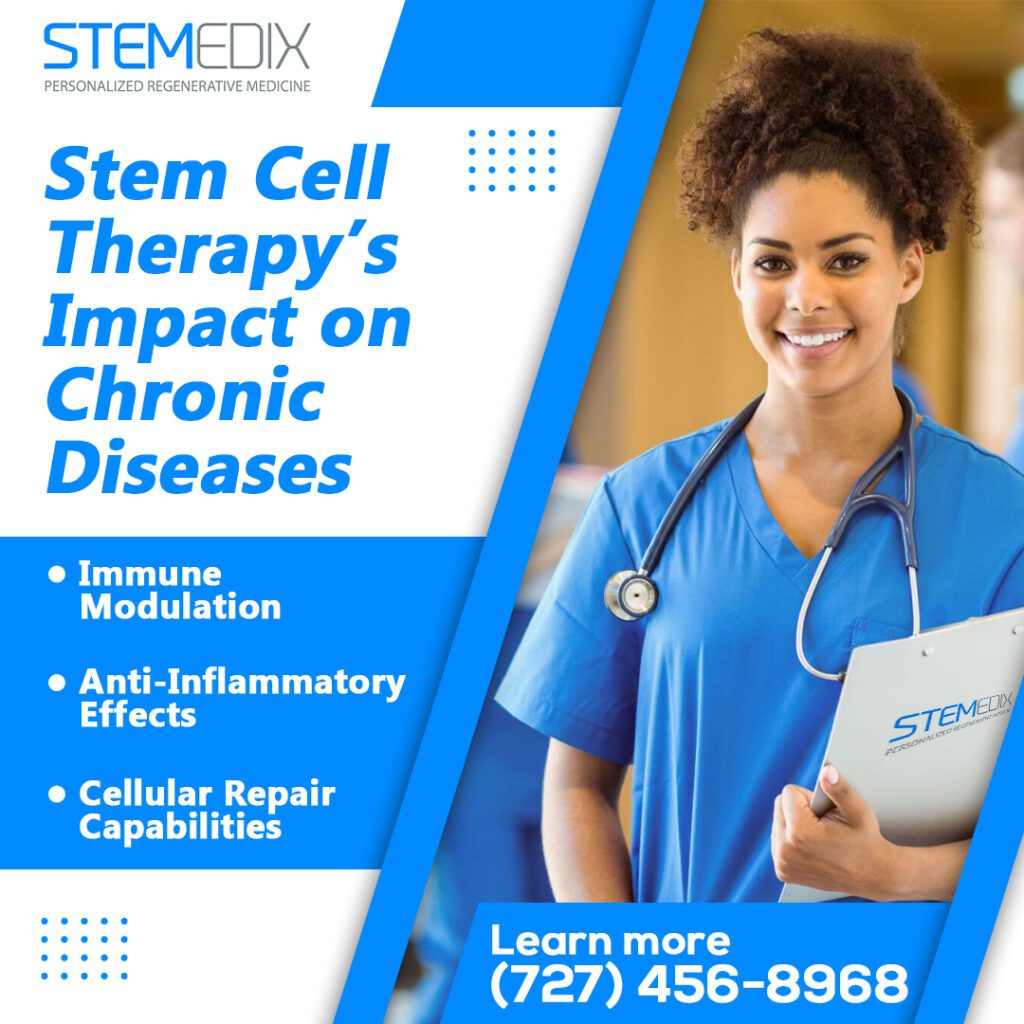
Immune Modulation: Chronic diseases often trigger an overactive immune response, resulting in tissue damage and inflammation. Stem cells help regulate this response by producing signaling molecules that stimulate or suppress immune cell activity. This modulation reduces the severity of autoimmune reactions and promotes a balanced immune system, allowing the body to heal more effectively.
Anti-Inflammatory Effects: Degenerative disorders, including arthritis and inflammatory bowel disease, frequently exhibit chronic inflammation. Stem cells release growth factors and anti-inflammatory cytokines to promote tissue repair and fight inflammation. This action alleviates pain and improves function, providing a comprehensive treatment option for chronic conditions.
Cellular Repair Capabilities: When introduced to areas of injury, they differentiate into specific cell types needed for tissue regeneration. This process, supported by bioactive factors, enhances existing cell survival and promotes the regeneration of damaged tissues. The result is a multifaceted healing approach that targets both symptoms and underlying causes of chronic diseases.
Evidence-Based Outcomes in Chronic Disease Management
Research into the efficacy of stem cell therapy is ongoing, with many studies showing promising results for conditions like osteoarthritis, autoimmune diseases, and neurodegenerative disorders. While clinical evidence is expanding, it is important to note that results can vary, and not all treatments have been approved by regulatory bodies like the FDA.
Several clinical studies have reported promising results in using stem cells for certain conditions, but more research is needed to establish definitive, long-term outcomes. While some stem cell therapies are approved for specific applications, many remain experimental and not universally available or regulated.
For instance, research in multiple sclerosis (MS) indicates that stem cell therapy can significantly improve neurological function and quality of life, with patients reporting a reduced frequency and severity of symptoms due to the repair of damaged nerve tissues. In arthritis, stem cell treatments have led to reduced pain, improved mobility, and enhanced joint function compared to traditional therapies.
Furthermore, in autoimmune diseases like lupus and rheumatoid arthritis, stem cells effectively modulate immune responses, leading to decreased disease activity and improved overall health. These findings collectively demonstrate that stem cell therapy is a practical and effective treatment option grounded in scientific research, offering hope for patients with chronic diseases.
What Makes Stem Cell Therapy an Attractive Option for Pain Relief?
Patients are increasingly turning to stem cell therapy for significant pain relief without the side effects associated with traditional pain management strategies. Stem cells have shown potential in reducing inflammation and supporting tissue regeneration, which can be an alternative to pain medications and invasive procedures. However, pain relief outcomes can vary, and stem cell therapy is not a guaranteed solution for everyone, as individual responses may differ.
Unlike conventional treatments that focus solely on symptom management, stem cell therapy addresses the underlying causes of pain. By targeting inflammation, stem cells alleviate discomfort and promote healing, resulting in a sustainable approach to pain relief. As they repair damaged tissues, patients often report not only decreased pain but also improved mobility and overall functionality.
For those exploring treatment options, stem cell therapy offers a holistic approach to restoring the body’s natural healing processes, providing a potential alternative to traditional methods. At Stemedix, we are committed to providing cutting-edge regenerative medicine treatments that enhance quality of life while effectively managing chronic pain.
Key Benefits of Stem Cell Therapy for Chronic Disease Patients
Personalized Treatment Tailored to Each Patient
Stem cell therapy can be personalized based on an individual’s condition, medical history, and response to previous treatments. Our team tailors the choice of stem cell type and method of administration to best support your healing process, ensuring an approach that meets your unique needs. At Stemedix, we understand that no two patients are alike; therefore, treatment plans must reflect each person’s specific conditions and health goals. When you seek stem cell therapy with us, we conduct a thorough assessment of your medical history and current health challenges. This comprehensive evaluation enables us to tailor a regenerative medicine approach that meets your unique needs, including the type of stem cells used and the method of administration. Our goal is to develop a strategy that not only addresses symptoms but also promotes healing at the cellular level, ensuring the best possible outcomes for you.
Long-Term Symptom Relief and Quality of Life Improvements
For many patients living with chronic diseases, seeking lasting relief from symptoms can feel like an uphill battle. Traditional treatments often focus on pain management rather than addressing the underlying issues, leaving many feeling frustrated. Stem cell therapy presents a different path, alleviating symptoms while enhancing overall quality of life. Through regenerative medicine, patients experience significant reductions in chronic pain as stem cells repair damaged tissues and modulate inflammation. As discomfort decreases, mobility improves, allowing individuals to return to activities they once enjoyed. This restoration of function not only boosts physical capabilities but also positively impacts emotional well-being, helping patients reclaim their quality of life.
At Stemedix, we empower patients to take control of their health by providing effective alternatives to conventional treatments and ensuring a personalized care approach that maximizes overall health and quality of life.
Conditions Treated with Stem Cell Therapy: A New Hope for Chronic Diseases
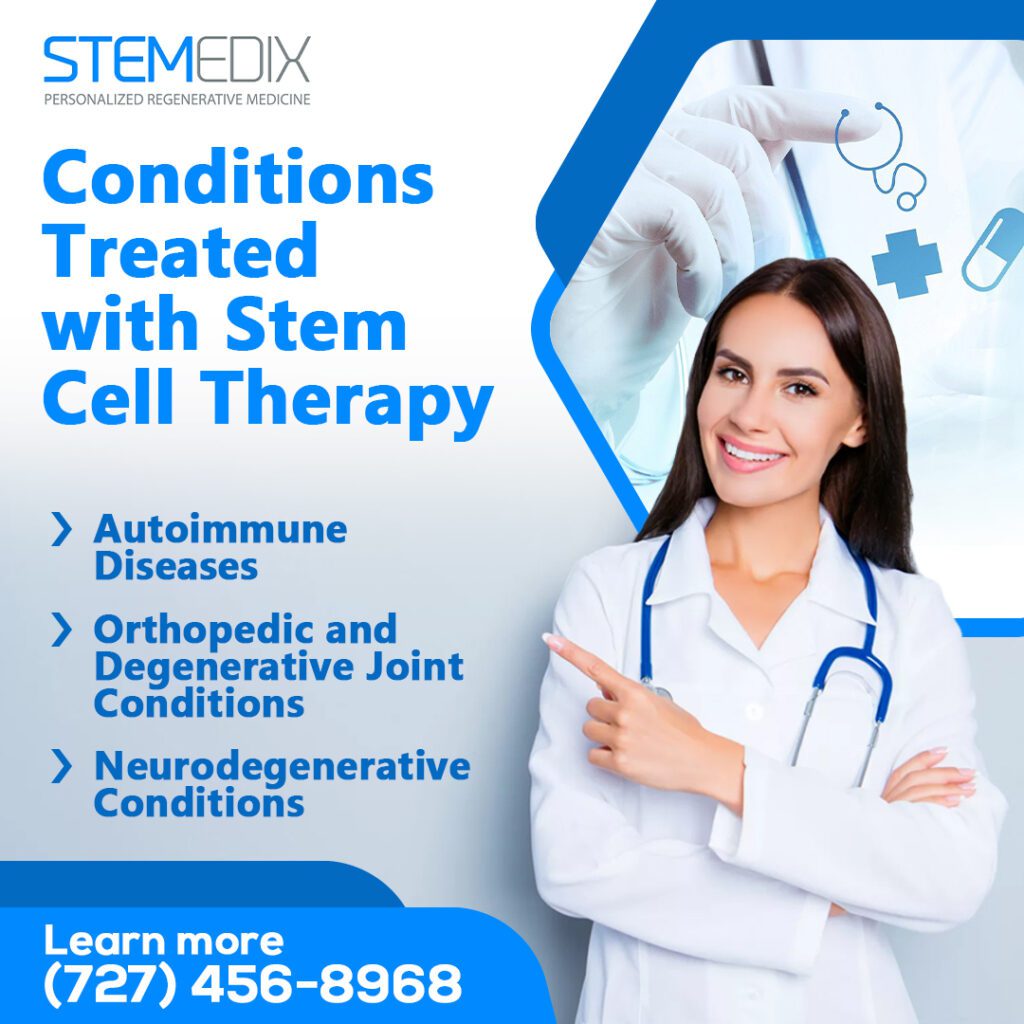
Autoimmune Diseases
Autoimmune diseases pose significant challenges as the immune system mistakenly attacks the body’s tissues, leading to conditions like lupus and rheumatoid arthritis. At Stemedix, we harness the immune-modulating effects of stem cell therapy to offer hope. This therapy helps regulate the immune response, potentially resetting the immune system and reducing its attacks on healthy tissues. In rheumatoid arthritis, for instance, stem cells can decrease joint inflammation, improve mobility, alleviate pain, and restore balance in the immune system, rather than merely suppressing it.
Orthopedic and Degenerative Joint Conditions
Regenerative medicine has made significant strides in treating orthopedic and degenerative joint conditions, such as osteoarthritis, caused by cartilage breakdown. Stem cell therapy offers a novel approach focused on repairing and regenerating damaged tissues to enhance joint health. When injected into affected joints, stem cells help repair cartilage, reduce inflammation, and stimulate natural healing processes. Research shows that patients with osteoarthritis can experience substantial improvements in pain and joint function, potentially delaying or eliminating the need for invasive procedures like joint replacements and helping them regain their quality of life.
Neurodegenerative Conditions
Neurodegenerative diseases, such as Parkinson’s and multiple sclerosis (MS), present significant challenges due to the progressive degeneration of nerve cells, resulting in debilitating symptoms. At Stemedix, we investigate how stem cell therapy can provide neuroprotective benefits and symptom relief. Stem cells support the repair of damaged neural tissues, potentially replenishing lost dopamine-producing neurons in Parkinson’s disease or repairing the myelin sheath in multiple sclerosis (MS). With powerful anti-inflammatory effects, stem cells can alleviate chronic inflammation, enhancing motor function and overall quality of life. We are committed to empowering patients with innovative, tailored stem cell therapies.
Clarifying Misconceptions: What Patients Should Know About Stem Cell Therapy
One common myth about stem cell therapy is that it lacks proven benefits for chronic diseases. This misconception arises from the complexity of stem cell science and misinformation. However, extensive clinical research supports the efficacy of stem cell therapy in treating various chronic conditions. Studies have shown significant improvements in patients with autoimmune diseases like rheumatoid arthritis, reporting reduced pain and inflammation after treatment. In neurodegenerative conditions such as multiple sclerosis, clinical trials indicate that stem cells can aid in repairing damaged tissues and enhancing neurological function. At Stemedix, we focus on evidence-based treatments backed by rigorous research, empowering patients to make informed health decisions.
A common misconception is that stem cell therapy will provide immediate results. Healing through stem cell therapy is a gradual process that stimulates the body’s natural regenerative abilities. Most patients experience improvements over weeks to months as the therapy works to support long-term healing. Stem cell therapy stimulates the body’s natural repair mechanisms, which takes time and varies from person to person. Following treatment, your body embarks on a complex healing journey that may involve inflammation reduction, tissue regeneration, and restoration of normal function. Benefits often become more noticeable over weeks or months. At Stemedix, we emphasize realistic expectations and open communication, helping you approach your treatment with patience and optimism.
Myth 3: The Therapy is Painful or Invasive
Many potential patients hesitate to pursue stem cell therapy due to concerns about pain and the invasiveness of procedures. However, it’s important to note that most stem cell treatments are minimally invasive, prioritize patient comfort, and require little recovery time. Procedures typically involve injections or specialized techniques to deliver stem cells to targeted areas, ensuring precision in treatment. At Stemedix, we employ advanced methods to minimize discomfort and ensure a positive experience. Our dedicated team provides a supportive and compassionate environment, reassuring you that your comfort and well-being are our top priorities throughout the stem cell therapy process.
In summary, dispelling these common myths about stem cell therapy is vital to understanding its potential benefits for chronic disease management. At Stemedix, we are committed to educating our patients, providing evidence-based information, and ensuring a positive treatment experience.
Patient-Centric Care: What to Expect from Stem Cell Therapy at Stemedix
How Stemedix Supports Patients Through Every Step
At Stemedix, every patient deserves personalized attention and care throughout their stem cell therapy journey. From your first interaction, we aim to create a welcoming and informative environment. During the initial consultation, our team listens to your concerns, understands your medical history, and discusses your specific health goals. Education is a priority; we want you to feel informed about your options and the regenerative medicine process. Our patient-centered approach ensures that you are an active participant in your treatment plan, with a dedicated Care Coordinator guiding you through each step and providing comprehensive information to empower your decision-making.
The Treatment Process: From Initial Evaluation to Recovery
Understanding the treatment process can help alleviate anxieties about stem cell therapy. At Stemedix, we prioritize your comfort and well-being with a clear, systematic approach. Your journey begins with a thorough initial evaluation, where our medical team assesses your eligibility through detailed medical history reviews, physical examinations, and possibly imaging studies to understand your condition comprehensively. After gathering this information, we discuss the most suitable regenerative medicine options tailored to your needs. On treatment day, our skilled team will explain the procedure step-by-step. Afterward, we provide personalized aftercare recommendations to optimize recovery and promote healing.
Monitoring Progress and Achieving Optimal Outcomes
Monitoring your progress after stem cell therapy is crucial for maximizing benefits and achieving optimal outcomes. At Stemedix, we prioritize follow-up care, understanding that this phase is as important as the treatment itself. After your therapy, we schedule regular appointments to track your progress, address concerns, and adjust your care plan as needed. Our team will evaluate your symptoms, assess improvements, and gather your feedback during these visits. We encourage you to actively participate by sharing your experiences, as your insights help us tailor your care to meet your evolving needs. We’re committed to supporting you every step of the way.
When you choose Stemedix, located in Saint Petersburg, FL, for your stem cell therapy, you are choosing a partner dedicated to your health and well-being. We prioritize your individual needs through personalized support, a structured treatment process, and ongoing monitoring of your progress. By providing this comprehensive care, we aim to help you navigate your journey towards improved health and a better quality of life.
Safety and Regulation of Stem Cell Therapy
Stem cell therapy is an emerging field, and while it offers potential benefits, it is essential to consider the regulatory landscape. Not all stem cell treatments are FDA-approved, and some clinics may offer experimental treatments that lack rigorous oversight. At Stemedix, we ensure that our treatments utilize stem cell therapies that have been validated in clinical studies to guarantee patient safety.
Transforming Chronic Disease Management with Stemedix
In conclusion, the emergence of stem cell therapy within regenerative medicine marks a significant shift in treating chronic diseases. Unlike traditional therapies that often focus solely on symptom management, stem cell therapy aims to address the root causes of ailments, promoting true healing and regeneration. At Stemedix, we are proud to offer innovative solutions for patients struggling with various conditions, enhancing their quality of life through personalized treatment plans. By leveraging the potential of regenerative medicine in Saint Petersburg, FL, we empower our patients to reclaim their health and vitality. With our commitment to comprehensive, patient-centered care, we guide you through every step of your healing journey, ensuring that you achieve the best possible outcomes. Explore the possibilities of stem cell therapy today and discover how it can transform your approach to chronic disease management. If you’re ready to explore stem cell therapy’s transformative potential for chronic disease management, contact Stemedix today. Our dedicated team is here to answer your questions and guide you through your personalized treatment journey. Call us at (727) 456-8968 or email yourjourney@stemedix.com to schedule your consultation and take the first step towards reclaiming your health and improving your quality of life.
This website and its contents are not intended to treat, cure, diagnose, or prevent any disease. Stemedix, Inc. shall not be held liable for the medical claims made by patient testimonials or videos. They are not to be viewed as a guarantee for each individual. The efficacy for some products presented have not been confirmed by the Food and Drug Administration (FDA).
This website uses cookies to improve your experience while you navigate through the website. Out of these cookies, the cookies that are categorized as necessary are stored on your browser as they are essential for the working of basic functionalities of the website. We also use third-party cookies that help us analyze and understand how you use this website. These cookies will be stored in your browser only with your consent. You also have the option to opt-out of these cookies. But opting out of some of these cookies may have an effect on your browsing experience.
Necessary cookies are absolutely essential for the website to function properly. This category only includes cookies that ensures basic functionalities and security features of the website. These cookies do not store any personal information.
Any cookies that may not be particularly necessary for the website to function and is used specifically to collect user personal data via analytics, ads, other embedded contents are termed as non-necessary cookies. It is mandatory to procure user consent prior to running these cookies on your website.
Subscribe To Our Newsletter
Join our mailing list to receive the latest news and updates from our team.
You have Successfully Subscribed!
Request Information Packet
We'll send your FREE information packet that outlines our entire personalized, stress-free stem cell treatment process!
Thanks for your interest!
Request Information Packet
We'll send your FREE information packet that outlines our entire personalized, stress-free stem cell treatment process!
Thanks for your interest!
Request Information Packet
We'll send your FREE information packet that outlines our entire personalized, stress-free stem cell treatment process!
Thanks for your interest!
Request Information Packet
We'll send your FREE information packet that outlines our entire personalized, stress-free stem cell treatment process!
Thanks for your interest!
Request Information Packet
We'll send your FREE information packet that outlines our entire personalized, stress-free stem cell treatment process!
Thanks for your interest!
Request Information Packet
We'll send your FREE information packet that outlines our entire personalized, stress-free stem cell treatment process!
Thanks for your interest!
Request Information Packet
We'll send your FREE information packet that outlines our entire personalized, stress-free stem cell treatment process!
Thanks for your interest!
Request Information Packet
We'll send your FREE information packet that outlines our entire personalized, stress-free stem cell treatment process!
Thanks for your interest!
Request Information Packet
We'll send your FREE information packet that outlines our entire personalized, stress-free stem cell treatment process!
Thanks for your interest!
Request Information Packet
We'll send your FREE information packet that outlines our entire personalized, stress-free stem cell treatment process!
Thanks for your interest!
Request Information Packet
We'll send your FREE information packet that outlines our entire personalized, stress-free stem cell treatment process!
Thanks for your interest!
Request Information Packet
We'll send your FREE information packet that outlines our entire personalized, stress-free stem cell treatment process!






 St. Petersburg, Florida