The onset of autoimmune diseases is related to unbalanced immune homeostasis and leads to the injury and failure of several organ specific tissues. Currently estimated to affect 8-10% of the population, these autoimmune diseases are associated with serious impairment, high mortality rate, and significant medical costs.
The discovery of stem cells, and specifically mesenchymal stem cells (MSCs), has created new opportunities for accelerating tissue regeneration. MSCs possess the ability to self-renew and differentiate into a wide range of cell types that fill a critical role in immunomodulation and regenerative therapy.
In this review, Jasim et al. share the latest research on the efficiency and feasibility of MSCs in the clinical treatment of several autoimmune disorders including rheumatoid arthritis, type 1 diabetes, multiple sclerosis, systemic lupus erythematosus, inflammatory bowel disease, liver disease, and Sjogren’s syndrome.
To date, most of these autoimmune disorders have been treated with a number of conventional drugs, including non-steroidal anti-inflammatory drugs. However, with many of these conditions, these drugs have been observed to contribute to liver injury, gastrointestinal injury, kidney side effects, BM suppression, and psychological disorders, making the development of new and safe therapeutic approaches an important issue. This has led to significant interest in exploring the potential benefits of MSC therapy in treating autoimmune diseases.
MSCs are easily collected from a variety of sources, including umbilical cord (UC), Wharton’s jelly (WJ), adipose tissue, bone marrow (BM), teeth and menstrual fluid. Research has demonstrated that MSCs regulate their local environment, cellular communications, and the release of several factors. MSCs are also able to migrate and differentiate into damaged tissue and can release growth factors, cytokines, and chemokines, which assists in improving tissue regeneration.
The research evaluated by the authors as part of this review, coupled with MSC’s high proliferation ability, multipotent differentiation capacity, anti-inflammatory and immunomodulatory properties, and regenerative potential, led to the conclusion that there was no remarkable association between mesenchymal stem cell therapy (MSCT) and tumor and infection with the treatment determined to be safe and feasible.
Jasim et al. also concluded that there is still a lack of understanding of the specific mechanisms through which the MSCT ameliorates these various autoimmune diseases that must be addressed as a way to enhance the future clinical use of MSCs.
Source: Jasim SA, Yumashev AV, Abdelbasset WK, et al. Shining the light on clinical application of mesenchymal stem cell therapy in autoimmune diseases. Stem Cell Res Ther. 2022;13(1):101. Published 2022 Mar 7. doi:10.1186/s13287-022-02782-7
Multiple Sclerosis (MS) is a chronic condition that affects the central nervous system, leading to a variety of symptoms that can disrupt daily life. At Stemedix, we focus on providing innovative stem cell therapy for MS, offering a potential pathway to manage symptoms and improve quality of life. Recognizing the early warning signs of multiple sclerosis, such as fatigue, numbness, and difficulty with coordination, is essential for individuals to seek timely care. Stem cell treatments for multiple sclerosis are being studied as a potential way to address underlying damage to the nervous system by promoting healing and repair. However, they remain experimental and are not yet FDA-approved for MS treatment. With stem cell therapy, there’s hope for improving function, reducing inflammation, and potentially slowing disease progression. If you’re looking for a solution to help manage MS, exploring the potential of stem cell therapy may offer a new opportunity for a healthier, more comfortable life.
What is Multiple Sclerosis?
Multiple Sclerosis (MS) is a chronic autoimmune illness that primarily affects the central nervous system (CNS), which consists of the brain and spinal cord. It happens when the immune system of the body unintentionally targets healthy tissue, particularly the myelin sheath, which is the protective layer that envelops nerve fibers and makes sure that electrical signals are effectively transmitted from the brain to the body’s other organs. When MS develops, this protective layer becomes damaged, leading to communication problems between the brain and other parts of the body.
As the myelin sheath breaks down, the underlying nerve fibers become exposed and more vulnerable to further damage. Over time, scarring from this damage may occur, interfering with the nerves’ normal electrical impulse flow. This disruption in nerve function is what leads to the various symptoms of MS, such as muscle weakness, vision problems, numbness, balance issues, and cognitive changes. Depending on the area of the central nervous system that is impacted, the intensity and nature of symptoms differ significantly from person to person.
The progression of MS can be unpredictable. Some people experience only mild symptoms that may come and go, while others face more severe challenges, including progressive disability. MS can develop in episodes of flare-ups, followed by periods of remission, during which symptoms may lessen or stabilize. However, over time, some individuals may experience a steady decline in their neurological function.
At Stemedix, we understand how difficult it can be to cope with MS and the impact it has on daily life. We are committed to providing you with the information and resources you need to manage your symptoms better and explore potential treatments, such as stem cell therapy, to improve your quality of life. Understanding the nature of MS is the first step in taking control of your health and considering viable treatment options that can help you live a more comfortable, fulfilling life despite the challenges MS presents.
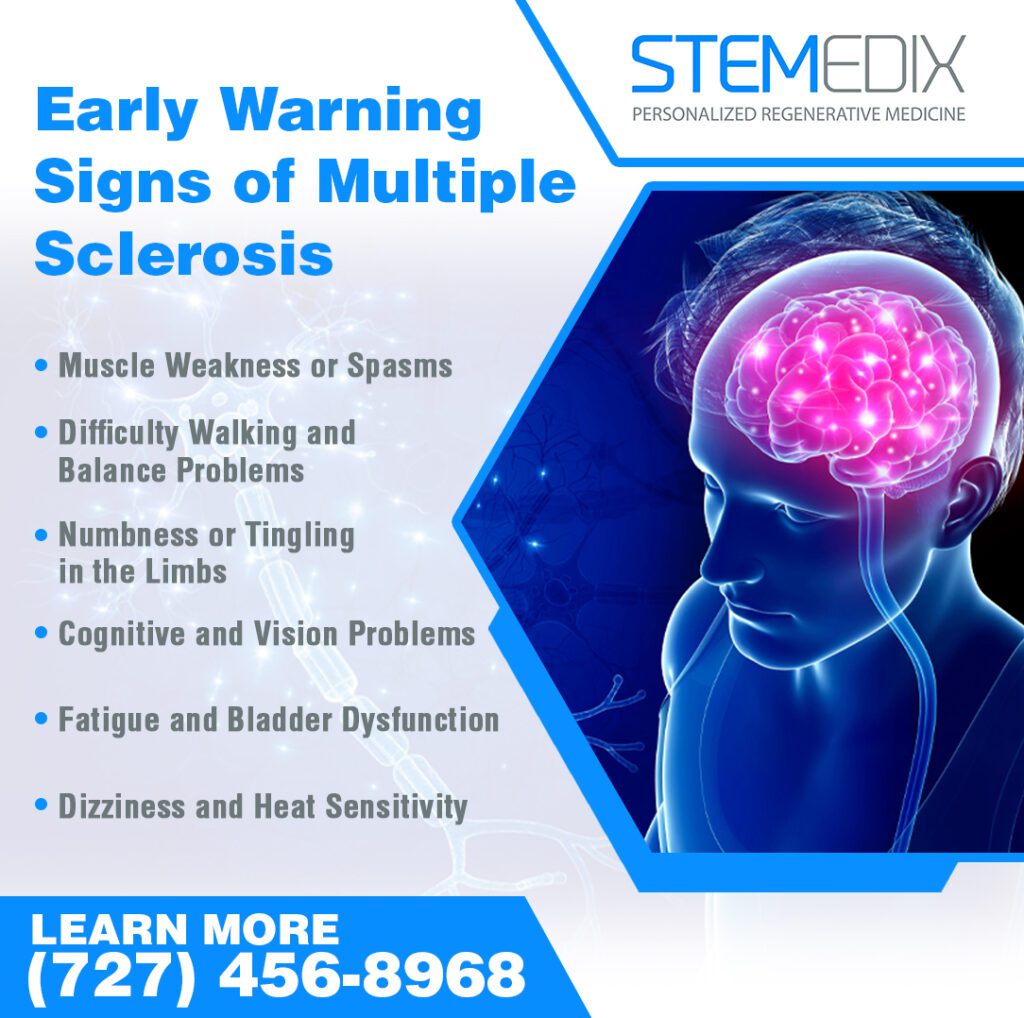
Early Warning Signs of Multiple Sclerosis
Recognizing the early warning signs of Multiple Sclerosis (MS) can play a pivotal role in early diagnosis and intervention. While the symptoms of MS vary from person to person, there are several common physical, cognitive, and other signs that you should be aware of. Understanding these early symptoms will help you better assess your health and seek medical attention if necessary.
Physical Symptoms
Muscle Weakness or Spasms: One of the earliest indicators of MS is unexplained muscle weakness. This may present as a general feeling of fatigue or muscle stiffness, and you might find it increasingly difficult to perform routine tasks. Muscle spasms, which can be painful, often occur as a result of nerve damage, affecting coordination and movement.
Difficulty Walking and Maintaining Balance: MS can impact your ability to walk properly due to coordination issues. You may find yourself stumbling, dragging a leg, or feeling unsteady on your feet. Balance problems are common and can make it harder to perform activities that require walking or standing for extended periods.
Numbness or Tingling in the Limbs: Another common symptom in the early stages of MS is the sensation of numbness or tingling, often referred to as “pins and needles.” This sensation typically occurs in the arms, legs, or face and can be uncomfortable, signaling potential nerve involvement.
Cognitive and Visual Symptoms
Issues with Coordination and Concentration: MS may lead to difficulties with coordination, making movements appear unsteady or awkward. You may also notice issues with concentration, such as struggling to focus on tasks, follow conversations, or remember things that were once easy to retain.
Blurry Vision or Vision Loss: Vision problems are a hallmark symptom of MS. You may experience blurred or double vision or even partial vision loss. This occurs when the optic nerve, which transmits visual information from the eye to the brain, becomes inflamed due to MS. Vision issues often arise suddenly and may worsen during flare-ups.
Cognitive Changes or Memory Issues: In addition to physical symptoms, MS can also affect your cognitive abilities. You might experience problems with memory, difficulty finding the right words in conversations, or challenges with problem-solving and decision-making. Cognitive changes are common as the disease progresses, affecting day-to-day functioning.
Other Symptoms
Fatigue and Bladder Dysfunction: Chronic fatigue is a pervasive symptom for many people with MS, often worse than typical tiredness. It can interfere with daily activities and may leave you feeling drained or exhausted, even after a good night’s sleep. Bladder dysfunction, such as frequent urination or difficulty fully emptying the bladder, is another common issue. This can be a result of nerve damage affecting the urinary system.
Dizziness and Heat Sensitivity: Many individuals with MS report feelings of dizziness or vertigo. The sensation of spinning or loss of balance may happen suddenly, particularly when standing or moving quickly. Sensitivity to heat is another common issue—heat can worsen symptoms, a phenomenon known as Uhthoff’s phenomenon. This occurs when elevated body temperature temporarily worsens neurological function.
While these early warning signs are not exclusive to MS, their presence warrants attention, especially when they persist or worsen over time. If you or someone you know is experiencing these symptoms, seeking medical advice is vital for timely diagnosis and intervention.
How Stem Cell Therapy Can Help Manage Multiple Sclerosis
Stem cell therapy has emerged as a promising treatment option for individuals living with Multiple Sclerosis (MS). Through its regenerative capabilities, stem cell therapy may offer new hope for slowing disease progression and improving quality of life. Let’s explore how stem cell therapy for MS can help in the management of MS and the potential benefits it holds for patients.
What is Stem Cell Therapy?
Stem cell therapy explores the potential of using stem cells to support the repair or replacement of damaged tissues. However, the mechanisms remain under investigation, particularly in the context of multiple sclerosis. Stem cells are a great option for repairing damaged tissues, including nerve cells, because of their exceptional ability to differentiate into different cell types. In MS treatment, stem cell therapy can target the damaged myelin sheath, which is essential for proper nerve function. This ability to regenerate and repair tissue is central to the potential of stem cell therapy in treating MS.
The two main stem cell types used in MS therapy are autologous and allogeneic. Autologous stem cells, harvested from the patient’s own body (usually from adipose tissue or bone marrow), significantly lower the risk of immune rejection compared to donor cells. However, complications like infection or improper cell differentiation remain potential risks. The procedure involves harvesting, processing, and reintroducing the stem cells back into the patient’s system.
Allogeneic stem cells, on the other hand, come from a donor and are carefully matched to minimize the risk of rejection. Both types of stem cell therapies have shown potential in repairing damaged tissues and regenerating nerve function.
How Stem Cells Help in MS Treatment
Repairing the Myelin Sheath: In MS, the immune system unintentionally targets the myelin sheath, which protects nerve fibers. This damage impairs brain-body communication and results in symptoms like cognitive decline, muscle weakness, and vision problems. Stem cells are being studied for their potential to promote the regeneration of the myelin sheath, which could help restore nerve function and slow disease progression. However, these outcomes have not yet been conclusively demonstrated in clinical practice.
Immune Modulation and Reducing Inflammation: One of the underlying mechanisms of MS is inflammation, which leads to further damage to the myelin sheath and nerve cells. With their immuno-modulatory qualities, stem cells can help control the immune system, lower inflammation, and shield healthy tissues from more harm. By affecting the immune response, stem cell therapy may lessen the frequency and intensity of MS flare-ups.
Potential for Nerve Regeneration and Slowing Disease Progression: Stem cells also have the potential to regenerate nerve cells and support nerve tissue repair. In MS, nerve damage is a leading cause of physical and cognitive impairments. By promoting nerve regeneration, stem cells may help slow disease progression and potentially restore lost function. While the full extent of nerve regeneration in MS remains a subject of ongoing research, early studies show promising results.
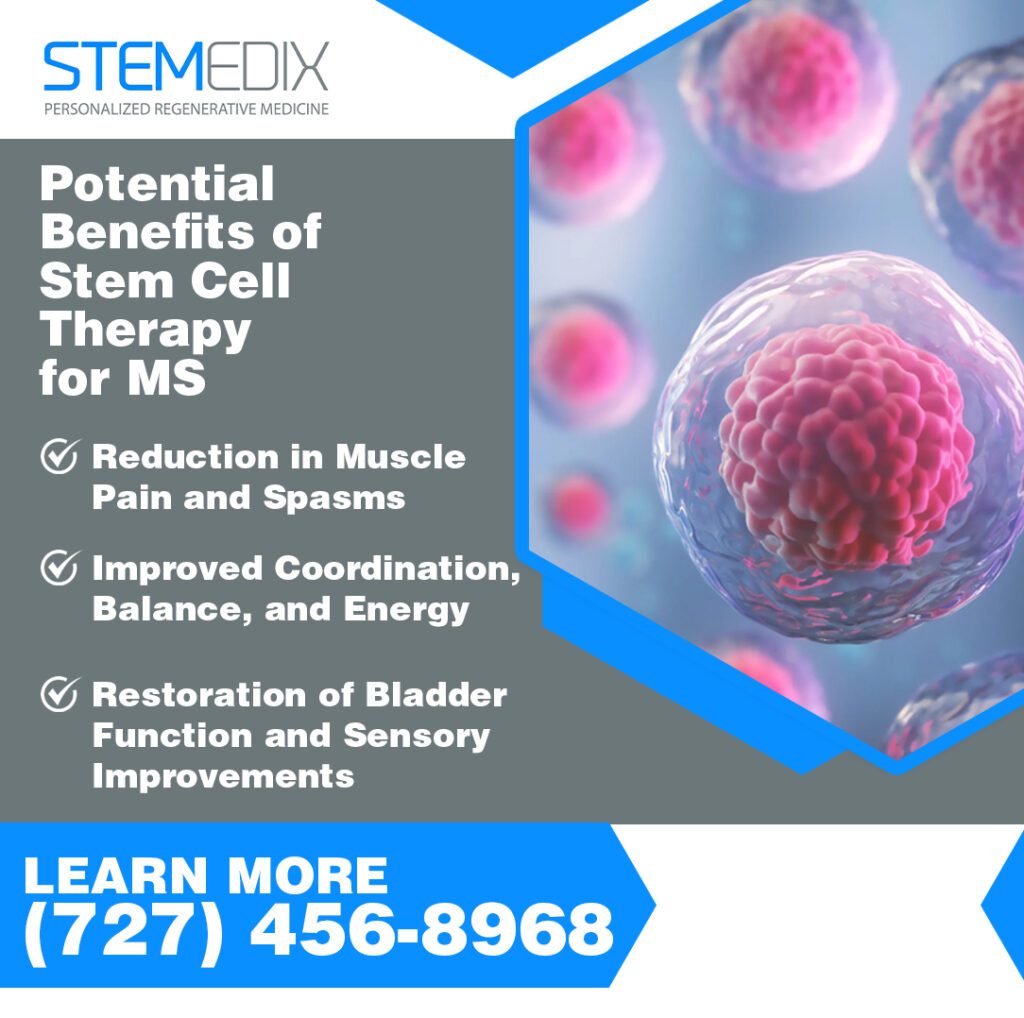
Potential Benefits of Stem Cell Therapy for MS Patients
Reduction in Muscle Pain and Spasms
Muscle spasms and pain are common symptoms of MS, often caused by nerve damage. Stem cell therapy for MS may help reduce these symptoms by repairing damaged nerves and supporting the body’s natural healing processes. Many patients report a significant decrease in muscle pain and spasms after undergoing stem cell treatments for multiple sclerosis, improving their overall comfort and mobility.
Improvement in Coordination, Balance, and Energy
Coordination and balance issues are major challenges for individuals with MS, impacting their ability to perform daily activities. By regenerating nerve tissue and promoting myelin repair, stem cell therapy has the potential to improve motor function, coordination, and balance. Many patients also experience increased energy levels, as stem cell therapy helps restore nerve function and reduce fatigue.
Restoration of Bladder Function and Sensory Improvements
Bladder dysfunction is a common issue for MS patients, often leading to incontinence or difficulty fully emptying the bladder. Stem cell therapy may help restore bladder function by regenerating nerve pathways involved in urinary control. Additionally, sensory improvements such as the reduction of numbness or tingling in the limbs have been reported by some patients following treatment, enhancing overall quality of life.
Stem cell therapy shows the potential to improve the quality of life for some individuals with multiple sclerosis by managing symptoms and influencing disease progression. However, it remains experimental, and results vary among patients. At Stemedix, we offer personalized evaluations and treatment plans to help MS patients understand their options and determine if stem cell therapy could benefit them. By addressing the underlying causes of MS and leveraging the body’s regenerative capabilities, stem cell therapy may offer a brighter future for those living with this condition.
How Stemedix is Leading the Way in Stem Cell Therapy for MS
At Stemedix, we understand the challenges of living with Multiple Sclerosis (MS) and the importance of offering personalized, compassionate care. As a leader in the field of regenerative medicine, we are committed to providing effective stem cell therapy that not only aims to alleviate symptoms but also addresses the underlying causes of MS. Through an integrated approach that emphasizes safety, transparency, and advanced treatments, Stemedix is at the forefront of improving the lives of MS patients.
Personalized Care at Stemedix
At Stemedix, we recognize that every patient’s journey with multiple sclerosis (MS) is unique. That’s why we provide personalized, full-service care designed to ensure a seamless and stress-free treatment experience. From the moment you reach out, our dedicated care coordinators are here to guide you every step of the way, addressing your questions and ensuring you feel informed and supported throughout the process.
To enhance your comfort and convenience, our all-inclusive service covers airport pickup, hotel accommodations, and transportation to and from appointments. We also provide essential mobility and comfort aids, including wheelchairs, toilet chairs, and shower chairs—all at no additional cost. Patients are only responsible for their flight and food expenses; we take care of everything else.
Our team comprises highly skilled, board-certified providers specializing in regenerative medicine. They stay at the forefront of MS research and stem cell therapy advancements, ensuring that we offer the most effective, science-backed treatments available.
For those considering stem cell therapy for multiple sclerosis, we follow a structured, step-by-step process, including initial consultations, treatment preparation, post-treatment monitoring, and ongoing support. Our goal is to provide world-class care, instill confidence at every stage, and offer an exceptional treatment experience to help patients regain their quality of life.
Why Choose Stemedix for Stem Cell Therapy
When selecting a provider for stem cell therapy, it is essential to choose a clinic that prioritizes patient safety, ethical practices, and transparency. At Stemedix, we adhere to the highest standards of care to make sure that you receive treatment in a safe and supportive environment. We believe in transparent pricing, eliminating the risk of unexpected costs. Our team takes the time to thoroughly discuss your treatment plan so you understand your options and what to expect at every stage of the process.
Stemedix combines expertise in stem cell therapy with the latest advancements in regenerative medicine, making us an ideal choice for MS patients. We are dedicated to staying informed on the latest research and techniques to offer the most effective treatments available. Our compassionate approach, coupled with our commitment to innovation, guarantees that you receive the best care possible. We are proud to be a trusted partner in your journey toward managing MS and improving your quality of life.
Take the Next Step in Managing Multiple Sclerosis
At Stemedix, based in Saint Petersburg, FL, we provide more than just treatments; we offer an extensive journey toward better health and improved quality of life for those living with Multiple Sclerosis (MS). Taking the next step in managing your MS is a significant decision, and we’re here to guide and support you. With personalized care, expert knowledge, and a commitment to regenerative medicine, we offer you the opportunity to explore the potential benefits of stem cell therapy.
Schedule a Consultation with Stemedix
The first step toward exploring stem cell therapy is as simple as reaching out to us. Our team is ready to provide you with the necessary information to make an informed decision. During your initial consultation, we will take time to listen to your concerns, review your current health, and determine whether stem cell therapy is a suitable option for you. We are committed to transparency, so feel free to ask about the process, benefits, and any other concerns.
What to Expect During the Consultation Process
Throughout the consultation, we focus on understanding your unique needs. We will review your medical history, MS symptoms, and treatment goals to recommend the most appropriate stem cell therapy approach. You will also receive a clear explanation of what to expect throughout the process, from treatment timelines to expected outcomes, ensuring you can make confident, informed decisions.
During the entire treatment journey, our care coordinators and providers will be with you every step of the way. Whether you need guidance on treatment plans, assistance with scheduling, or emotional support, we’re dedicated to helping you achieve the best possible outcome. At Stemedix, you are receiving not only advanced care but also compassionate and personalized support.
Stemedix: A New Path to Managing Multiple Sclerosis
Multiple sclerosis is a complex condition that can seriously impact various aspects of daily life. Recognizing the early warning signs of multiple sclerosis and understanding how the disease progresses are key to making informed decisions about managing it. Exploring treatments such as stem cell therapy for MS can offer a new path to improve quality of life, with the potential to repair nerve damage, reduce inflammation, and slow disease progression. Stem cell treatments for multiple sclerosis provide hope for those living with MS, offering a promising alternative to traditional therapies. At Stemedix, we believe in personalized care tailored to each patient’s unique needs. If you’re dealing with MS, it’s vital to consider all available treatment options. Our team is here to support you throughout your journey, providing expert guidance and advanced regenerative medicine solutions. Schedule a consultation with Stemedix by calling (727) 456-8968 or emailing us at yourjourney@stemedix.com. We’re here to provide the care and support you need to take control of your health and live a more comfortable life.
Osteoarthritis (OA) continues to be the most common form of degenerative joint disease in the United States and around the world.
According to the World Health Organization (WHO), 528 million people worldwide were living with osteoarthritis (OA) in 2019, which is an increase of 113% since 1990. The Global Burden of Disease Study 2021 found that 595 million people had OA in 2020, which is 7.6% of the global population. The Centers for Disease Control and Prevention (CDC) estimates that over 32.5 million adults in the U.S. currently live with OA.
Despite the tremendous increase in the global incidence of OA, there are no effective pharmaceutical therapies that are able to restore the original structure and function of damaged articular cartilage.
Considering this, cell-based therapies for OA and other orthopedic disorders have become a primary area of current research and development.
In this review, Mobasheri et al. focus on the structure and function of articular cartilage, the pathogenesis of OA, and explore the challenges associated with cartilage repair and regeneration using cell-based therapies that utilize chondrocytes and mesenchymal stem cells (MSCs).
Articular cartilage (AC) has demonstrated a very poor ability to repair and regenerate. Being largely avascular and containing no blood vessels, AC lacks the blood flow required in the biological repair response process.
Overtime, and with age, cartilage loses its already limited capacity for repair and damaged cartilage is typically replaced by fibrocartilage-like scar tissue. With no successful surgical technique demonstrating success in stimulating AC repair and regeneration, autologous chondrocyte implantation (ACI) has emerged as one of the most widely used cell-based repair strategies for articular cartilage. Performed on over 12,000 patients worldwide, ACI has encouraged the growth of durable cartilage-like tissue and demonstrated the ability to significantly reduce pain in patients.
Recent studies have also demonstrated that the immunomodulatory properties of MSCs are able to be exploited for the treatment of many inflammatory and rheumatic conditions, including OA. Specifically, the ability of MSCs to migrate to the site of an injury, induce peripheral tolerance, and inhibit the release of pro-inflammatory cytokines has been observed to promote tissue repair and the survival of damaged cells.
Considering these advances, Mobasheri et al. report that tissue engineering with chondrocytes and MSCs is now considered to be a promising way of repairing articular cartilage lesions. While there is significant evidence of the potential of these cell-based therapeutic treatment options, the authors also point out fundamental weaknesses associated with the models available to date.
Included among these weaknesses is the fact that none of the engineered tissue currently available possess the normal zonal organization of chondrocytes observed in vitro and considered to be the prerequisite for normal cartilage function and for the success of any future clinical application.
While there are still weaknesses associated with tissue utilizing engineering and cell-based therapies to repair cartilage in OA and other orthopedic conditions that require further research, the authors conclude that these emerging therapeutic options hold tremendous promise for managing OA in the future.
Source: Ali Mobasheri, Gauthaman Kalamegam, Giuseppe Musumeci, Mark E. Batt,
Chondrocyte and mesenchymal stem cell-based therapies for cartilage repair in osteoarthritis and related orthopaedic conditions, Maturitas,Volume 78, Issue 3, 2014, Pages 188-198, ISSN 0378-5122.
Living with multiple sclerosis (MS) presents a range of challenges, from fatigue and muscle spasms to difficulties with coordination and balance. Managing these symptoms can be an ongoing journey, with each day bringing new hurdles. At Stemedix, we focus on exploring potential solutions through regenerative medicine, including stem cell therapy, which has shown promise in early studies but remains an experimental approach for addressing some symptoms of MS. While still an evolving treatment option, regenerative medicine may offer a new avenue for those seeking ways to manage their symptoms more effectively. In this article, we will explore how regenerative medicine may help with MS symptom management, offering a look at its potential to alleviate issues such as fatigue, muscle pain, and balance. While results may vary, regenerative medicine presents an option worth considering in the search for a better quality of life.
A Closer Look at Multiple Sclerosis and Its Impact
Multiple Sclerosis (MS) is a chronic autoimmune disease that affects the central nervous system, specifically the brain and spinal cord. It happens when the body’s immune system mistakenly attacks and damages the protective covering of nerve fibers called the myelin sheath. This leads to inflammation and disrupts the normal flow of electrical signals between the brain and other parts of the body. As a result, individuals with MS can experience a wide range of symptoms that can vary greatly from person to person.
What is Multiple Sclerosis?
MS affects each person differently, with symptoms varying depending on which part of the central nervous system is impacted. The disease can present in different forms, including relapsing-remitting MS (RRMS), which is the most common, as well as secondary progressive MS (SPMS) and primary progressive MS (PPMS).
Common symptoms include muscle spasms, fatigue, and coordination issues. Muscle spasms can range from mild twitches to painful contractions that restrict movement. Fatigue, which often cannot be alleviated by rest, can make daily tasks feel exhausting. Coordination issues, such as difficulty walking or maintaining balance, are frequent in MS patients. As the disease progresses, more severe symptoms like vision problems, bladder dysfunction, and cognitive impairments may appear.
The severity of MS symptoms can fluctuate, with relapses followed by periods of stability or improvement. These unpredictable changes make managing daily life challenging. Over time, symptoms may worsen, potentially leading to permanent disability. However, MS affects each individual differently, and the progression and impact of the disease vary from person to person.
The Challenges of MS Symptom Management
Managing Multiple Sclerosis (MS) symptoms can be incredibly complex. While there are treatment options available, they primarily aim to manage the immune system’s response, reduce inflammation, and alleviate symptoms. Medications like disease-modifying therapies may help slow disease progression and prevent relapses, but they do not cure MS. While disease-modifying therapies (DMTs) have significantly reduced relapse rates and slowed disease progression, particularly for relapsing-remitting MS, they often come with side effects and do not address all symptoms experienced by those living with the disease.
Other methods, such as pain management, mobility aids, and physical therapy, are commonly used to improve quality of life. However, these focus on symptom management rather than halting the progression of the disease itself. Given the unpredictable nature of MS, finding effective, long-term relief can be challenging, and many individuals must rely on a combination of therapies, lifestyle changes, and ongoing healthcare support to manage their condition. The search for more lasting solutions continues.
At Stemedix, we understand the difficulties associated with MS and the frustration that comes from trying different treatments without seeing lasting results. This is why we’re dedicated to exploring new possibilities, such as regenerative medicine, to offer a different approach to managing MS symptoms and potentially improving overall quality of life.
Regenerative Medicine: A New Hope for MS Patients
Regenerative medicine is an emerging field that holds potential for managing Multiple Sclerosis (MS) by aiming to repair damage caused by the disease, such as the myelin sheath. However, its potential benefits are still being evaluated. In MS, the goal is to repair the damaged myelin sheath that surrounds the nerves, allowing smoother communication between the brain and body. Regenerative treatments promote tissue healing, potentially restoring lost function and offering patients renewed hope for symptom management. At Stemedix, regenerative medicine offers a transformative opportunity for individuals with MS, addressing the damage at a cellular level. By focusing on healing the body’s damaged cells, regenerative medicine provides a potential path forward for MS care, offering a more meaningful way to manage symptoms and improve overall well-being.
A New Approach to MS Treatment
Regenerative medicine explores the potential to repair damaged tissue and restore function by stimulating the body’s natural healing processes. For individuals with Multiple Sclerosis (MS), the myelin sheath—damaged by the immune system—is a key target. While studies indicate that stem cell therapy may support myelin repair, clinical evidence remains inconclusive, and ongoing trials are essential to determine its efficacy. This damage disrupts communication between the brain and other parts of the body, leading to various MS symptoms.
Regenerative treatments aim to create an environment where the body can begin to repair or regenerate this damaged tissue, potentially improving long-term function and quality of life. Rather than solely addressing symptoms, regenerative medicine helps support the body’s ability to heal itself. At Stemedix, we offer regenerative medicine treatments designed to enhance this healing process, which may lead to improvements in mobility, pain management, and overall well-being for those living with MS. By tapping into the body’s innate repair mechanisms, regenerative medicine offers new hope for MS patients.
The Role of Stem Cells in Regenerative Medicine
Stem cell therapy is an emerging regenerative medicine treatment that has garnered significant attention for its potential to assist in the management of Multiple Sclerosis (MS). Stem cells have the unique ability to differentiate into various cell types, including those necessary to repair the myelin sheath. In MS, the damage to the myelin sheath disrupts nerve communication, leading to the symptoms associated with the condition. Stem cell therapy has shown potential in early research to support myelin repair and possibly promote nerve regeneration, but its effectiveness for improving overall function in MS patients is still under investigation and has not been conclusively proven.
This therapy involves using either autologous stem cells (from the patient’s own body) or allogeneic stem cells (from a donor). Once introduced into the body, these stem cells can travel to the damaged areas, where they transform into the required cell types to help repair tissues and reduce inflammation.
While stem cell therapy is still considered an experimental approach, it holds significant promise for MS patients. At Stemedix, we offer personalized care with a focus on innovative regenerative medicine treatments. Our team is dedicated to providing solutions that may lead to improvements in managing MS and offer new opportunities for healing.
How Regenerative Medicine Addresses Common MS Symptoms
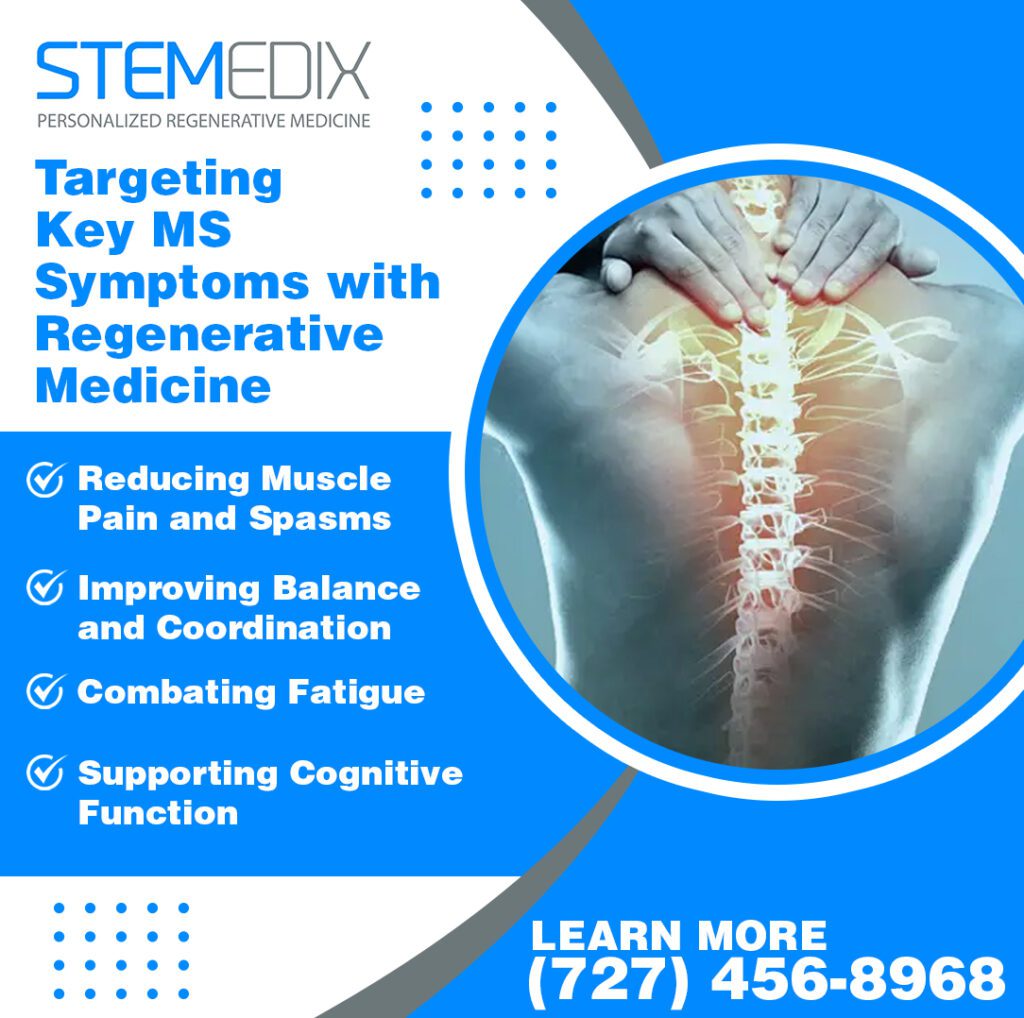
Regenerative medicine offers new possibilities for people living with Multiple Sclerosis (MS) by addressing some of the most challenging symptoms associated with the condition. MS can disrupt daily life in various ways, causing muscle pain, difficulty with balance and coordination, fatigue, and cognitive impairments. Stem cell therapy, a key aspect of regenerative medicine, provides a promising way to target and repair the underlying causes of these symptoms.
Alleviating Muscle Pain and Spasms
Muscle pain and spasms are two of the most common and debilitating symptoms for those living with MS. The inflammation and nerve damage caused by MS can result in persistent pain and muscle contractions, which can severely limit movement. Stem cells have the potential to reduce inflammation and promote tissue repair, which may potentially help reduce both pain and spasms. By stimulating the body’s natural healing processes, stem cell therapy may help ease the discomfort that often accompanies MS, enabling patients to regain greater control over their movements and improve their overall comfort.
Improving Coordination and Balance
For many MS patients, impaired coordination and balance are everyday challenges. These symptoms can increase the risk of falls and accidents, remarkably affecting independence. Regenerative medicine offers the potential to enhance coordination and balance by promoting nerve repair and myelin regeneration. Stem cell therapy can potentially repair damaged nerve cells, improving communication between the brain and the body. As a result, patients may experience improvements in mobility, greater stability, and a reduced risk of falls. With the right regenerative treatments, MS patients may find themselves able to move with greater ease and confidence.
Fighting Fatigue and Increasing Energy
Fatigue is one of the most pervasive and frustrating symptoms of MS. The constant feeling of exhaustion can impact nearly every aspect of daily life, from work and social activities to basic physical tasks. Regenerative treatments, such as stem cell therapy, show potential for reducing inflammation and supporting nerve cell health. However, the direct impact of these therapies on fatigue in MS patients remains under investigation, with current evidence suggesting mixed outcomes. By addressing some of the root causes of fatigue, stem cell therapy may provide MS patients with a renewed sense of energy, helping them feel more revitalized and capable of tackling daily tasks with more vigor.
Enhancing Cognitive Function and Concentration
Many individuals with MS also experience cognitive difficulties, including issues with memory, concentration, and mental clarity. These cognitive challenges can further affect a person’s quality of life, making it harder to focus or perform tasks that require attention. Regenerative medicine, specifically stem cell therapy, has the potential to help repair damaged brain cells and improve cognitive function. By promoting neurogenesis (the growth of new nerve cells), stem cells may help improve mental clarity, concentration, and memory retention, offering hope for better cognitive performance and a more active, engaged life.
At Stemedix, we are committed to providing personalized regenerative medicine treatments to address common MS symptoms. Our approach focuses on alleviating muscle pain, enhancing balance, restoring energy, and improving cognitive function. If you’re looking for regenerative medicine near you, Stemedix offers promising solutions that may help improve your quality of life and manage MS symptoms effectively.
The Potential Benefits of Regenerative Medicine for MS Patients
Regenerative medicine holds tremendous promise for those living with Multiple Sclerosis (MS). By focusing on the body’s natural ability to heal and repair, stem cell therapy offers a fresh approach that could help slow the disease’s progression, improve daily functioning, and enhance overall well-being. At Stemedix, we are committed to providing innovative regenerative treatments designed to address the unique challenges MS patients face, offering hope for better outcomes and a brighter future.
Slowing Disease Progression
One of the most significant concerns for people with MS is the potential for disease progression. Over time, MS can lead to increasing disability as nerve cells become damaged and the immune system continues to attack the central nervous system. Stem cell therapy aims to slow or even halt this progression by targeting the underlying causes of nerve damage. Stem cells have the potential to repair damaged myelin and promote the regeneration of nerve tissue. This could result in a slower progression of the disease, allowing patients to maintain a higher level of functioning for longer periods. The ability to slow MS’s progression is a critical aspect of regenerative medicine, and the ongoing research holds great promise for MS patients seeking a more manageable future.
Personalized Care for Better Outcomes
One of the key benefits of regenerative medicine is its ability to be tailored to the unique needs of each patient. At Stemedix, we recognize that every individual with MS experiences the disease differently, with varying symptoms and levels of progression. Personalized care is essential to achieving the best possible outcomes. Our approach involves developing a customized treatment plan that considers your specific health needs, goals, and medical history. By focusing on personalized care, we can provide targeted regenerative treatments that offer the highest potential for success, addressing each patient’s unique symptoms and challenges. This personalized approach allows for more effective management of MS and greater satisfaction with treatment outcomes.
Long-Term Benefits and Improved Quality of Life
While the immediate benefits of regenerative medicine are exciting, the long-term effects can be even more profound. Stem cell therapy has the potential to improve not only the management of symptoms but also the overall quality of life for MS patients. By promoting nerve repair and regeneration, regenerative therapies may help patients regain some of the function and independence lost to the disease. Over time, this could lead to lasting improvements in mobility, cognitive function, energy levels, and overall well-being. For many MS patients, the promise of long-term benefits means more than just symptom relief; it offers the hope of a better, more fulfilling life.
At Stemedix, we are dedicated to helping MS patients experience the potential long-term benefits of regenerative medicine. Through personalized care and innovative stem cell therapies, we strive to provide meaningful improvements that go beyond symptom management and support a better quality of life. Our goal is to help you live more comfortably and with greater vitality, no matter where you are in your MS journey.
Is Regenerative Medicine Right for You?
When considering regenerative medicine for managing Multiple Sclerosis (MS), it’s important to assess whether this treatment option aligns with your unique health profile. At Stemedix, we work closely with each patient to understand their individual needs, making sure that regenerative treatments are both safe and potentially beneficial. The decision to pursue stem cell therapy requires a thorough evaluation, and working with a healthcare provider who specializes in regenerative medicine is key to ensuring the best possible outcomes.
Are You a Candidate for Stem Cell Therapy?
Not every person with MS is automatically a candidate for stem cell therapy. Factors such as the stage of your disease, the severity of your symptoms, your overall health, and your medical history all play a role in determining whether regenerative medicine could be an effective treatment option for you. Younger patients and those with relapsing-remitting MS often respond better to stem cell therapy, as the immune system is still more responsive to regeneration. However, even those with progressive forms of MS may benefit, depending on their condition and treatment goals.
The first step in determining your candidacy for stem cell therapy is a thorough consultation. At Stemedix, our experienced medical team evaluates your medical records and conducts a thorough assessment of your current health. We look at various factors—such as how long you’ve had MS, the type of MS you have, and the progression of your symptoms—to help guide the decision-making process. While regenerative medicine has shown promising results for many patients, each case is unique, and our approach is to provide honest, tailored guidance based on your specific situation.
The Importance of Consulting a Specialist
The potential benefits of regenerative medicine are encouraging, but not every clinic offers the same level of expertise or care. It is important to seek medical advice from a specialist in regenerative medicine, particularly for complex conditions like MS. A knowledgeable professional can evaluate whether stem cell therapy suits your needs and recommend an approach tailored to your unique health status.
At Stemedix, we focus on creating personalized treatment plans to meet each patient’s specific health goals. By combining expertise in regenerative medicine and MS management, our team is equipped to guide you through the process with clarity and care. We work closely with you to understand your concerns, answer questions, and provide detailed information about how regenerative medicine might fit into your overall health strategy.
If you’re searching for regenerative medicine near you, Stemedix offers a reliable resource. We are dedicated to delivering treatments that prioritize safety, effectiveness, and individual needs. Whether stem cell therapy or another option is right for you, our team is here to support you at every step of your journey, helping you make informed decisions about your care.
Stemedix: Your Partner in Regenerative Medicine for MS Treatment
At Stemedix, we recognize the profound impact that Multiple Sclerosis (MS) can have on your life, and we are dedicated to offering innovative regenerative medicine treatments designed to help you achieve better health. Our focus is not merely on symptom management but on addressing the underlying causes of MS-related challenges. By providing patient-centered care, we work with you to develop a personalized treatment plan that aligns with your unique needs and health goals.
Our team of specialists combines expertise in stem cell therapy with a commitment to compassionate care, ensuring you feel supported every step of the way. We take the time to understand your medical history and specific circumstances to create a tailored approach aimed at improving your overall well-being. Finding regenerative medicine near you doesn’t have to be a challenge. Stemedix, based in Saint Petersburg, FL, offers accessible care with services designed to fit your needs. Let us help you explore how regenerative medicine might offer a pathway to better health and a brighter tomorrow. Contact Stemedix today at (727) 456-8968 or email us at yourjourney@stemedix.com. Let’s explore how regenerative medicine could help you manage MS symptoms and improve your quality of life.
Osteoarthritis (OA) is a prevalent and disabling joint condition that imposes significant health and economic burdens globally. Between 2006 and 2016, the global percentage change in years lived with disability due to OA increased by 31.5%. Knee osteoarthritis (KOA) is the most common form, primarily affecting older adults and those who are obese. Symptoms of KOA include pain, swelling, stiffness, and decreased mobility. KOA’s development involves more than just mechanical wear and tear. It is influenced by genetic and environmental factors, leading to the breakdown of articular cartilage, inflammation, and changes in the underlying bone.
Pathogenesis of KOA
The deterioration in KOA is complex. It begins with mechanical stress and progresses through a cascade of biological processes. Key players in cartilage maintenance are chondrocytes and the extracellular matrix (ECM). Chondrocytes, although only 2% of cartilage volume, are crucial and respond to inflammatory signals that disrupt the balance between ECM production and degradation, limiting cartilage regeneration.
Traditional treatments for KOA are primarily focused on pain management and symptomatic relief, with limited success in regenerating damaged cartilage.
Emerging Cell-Based Therapies For KOA
Mesenchymal Stromal Cells (MSCs) and Exosomes
Recent advances in cell-based therapy for KOA involve mesenchymal stromal cells (MSCs) and their secreted exosomes. MSCs are multipotent cells found in various tissues, including bone marrow, adipose tissue, and synovial fluid. They have the ability to differentiate into multiple cell types, including chondrocytes, and secrete exosomes that carry bioactive molecules.
MSC Selection and Preparation
MSCs can be derived from different sources, including bone marrow, adipose tissue, and umbilical cord tissue. Each source has unique properties and benefits. For instance, bone marrow-derived MSCs (BM-MSCs) are commonly used due to their extensive research background, while adipose tissue-derived MSCs (AT-MSCs) also show promising results.
Exosomes, extracellular vesicles released by MSCs, play a vital role in cell communication. They transfer lipids, nucleic acids, and proteins that can modulate cell behavior and promote cartilage repair.
Mechanisms of MSC-Based Therapy
Effects on Chondrocytes
MSC therapy promotes chondrocyte health by increasing chondrogenesis, improving cell proliferation, reducing apoptosis, and maintaining autophagy. MSCs stimulate chondrocyte activity through growth factors, enhancing their ability to regenerate cartilage. Studies show that MSCs and their exosomes can improve chondrocyte proliferation and reduce apoptosis, helping maintain cartilage integrity.
Impact on the ECM
Regulating the ECM’s balance between synthesis and breakdown is crucial for treating KOA. MSCs influence this balance by modulating matrix metalloproteinases (MMPs) and their inhibitors, tissue inhibitors of MMPs (TIMPs). For example, BM-MSCs can adjust the ratio of MMP-13 to TIMP-1, improving cartilage matrix composition.
Influence on Inflammation
Inflammation is a significant factor in KOA. MSCs and their exosomes can reduce pro-inflammatory cytokines (e.g., IL-1β, TNF-α) and enhance anti-inflammatory responses. This reduction in inflammation helps alleviate cartilage damage and improve joint function.
Immunomodulation
MSCs can modulate immune responses by influencing macrophage polarization. They can shift macrophages from a pro-inflammatory (M1) to an anti-inflammatory (M2) state, which helps reduce inflammation and promote tissue repair.
Mitochondrial Function
MSCs can also enhance mitochondrial function in chondrocytes. Mitochondrial transfer from MSCs to chondrocytes improves their energy production and reduces oxidative stress, which is crucial for maintaining cell function and delaying the progression of OA.
Paracrine Effects
The paracrine effects of MSCs, particularly through exosomes, involve the transfer of molecular signals to nearby cells. This signaling can promote cartilage repair and modulate inflammation and cell survival.
Overcoming Obstacles and Refining MSC Therapies for Better Outcomes
While MSC-based therapies show promise, there is a lack of standardized protocols for cell selection and preparation. Additionally, the exact mechanisms through which MSCs and exosomes exert their effects are still being studied. Xiang et al. call for further research to establish standardized methods and fully understand how these therapies work.
External physical conditions, such as hypoxia and magnetic fields, can affect MSC behavior and cartilage regeneration. Hypoxic conditions have been shown to enhance chondrogenesis, while magnetic fields can boost MSC differentiation and cartilage repair. Understanding these effects can improve treatment strategies.
Promising Advances in Cell-Based Therapies for Osteoarthritis Management
Osteoarthritis, particularly knee osteoarthritis, represents a major challenge due to its complex pathogenesis and significant impact on quality of life. Traditional treatments offer limited solutions for cartilage regeneration. However, advances in cell-based therapies, including MSCs and their exosomes, provide promising alternatives. These therapies work through various mechanisms, including enhancing chondrocyte function, modulating inflammation, and improving ECM balance. The authors conclude that ongoing research and standardization efforts will be crucial in optimizing these treatments and addressing the unmet needs in osteoarthritis management.
Source: Xiang, XN., Zhu, SY., He, HC. et al. Mesenchymal stromal cell-based therapy for cartilage regeneration in knee osteoarthritis. Stem Cell Res Ther 13, 14 (2022). https://doi.org/10.1186/s13287-021-02689-9
This website and its contents are not intended to treat, cure, diagnose, or prevent any disease. Stemedix, Inc. shall not be held liable for the medical claims made by patient testimonials or videos. They are not to be viewed as a guarantee for each individual. The efficacy for some products presented have not been confirmed by the Food and Drug Administration (FDA).
This website uses cookies to improve your experience while you navigate through the website. Out of these cookies, the cookies that are categorized as necessary are stored on your browser as they are essential for the working of basic functionalities of the website. We also use third-party cookies that help us analyze and understand how you use this website. These cookies will be stored in your browser only with your consent. You also have the option to opt-out of these cookies. But opting out of some of these cookies may have an effect on your browsing experience.
Necessary cookies are absolutely essential for the website to function properly. This category only includes cookies that ensures basic functionalities and security features of the website. These cookies do not store any personal information.
Any cookies that may not be particularly necessary for the website to function and is used specifically to collect user personal data via analytics, ads, other embedded contents are termed as non-necessary cookies. It is mandatory to procure user consent prior to running these cookies on your website.
Subscribe To Our Newsletter
Join our mailing list to receive the latest news and updates from our team.
You have Successfully Subscribed!
Request Information Packet
We'll send your FREE information packet that outlines our entire personalized, stress-free stem cell treatment process!
Thanks for your interest!
Request Information Packet
We'll send your FREE information packet that outlines our entire personalized, stress-free stem cell treatment process!
Thanks for your interest!
Request Information Packet
We'll send your FREE information packet that outlines our entire personalized, stress-free stem cell treatment process!
Thanks for your interest!
Request Information Packet
We'll send your FREE information packet that outlines our entire personalized, stress-free stem cell treatment process!
Thanks for your interest!
Request Information Packet
We'll send your FREE information packet that outlines our entire personalized, stress-free stem cell treatment process!
Thanks for your interest!
Request Information Packet
We'll send your FREE information packet that outlines our entire personalized, stress-free stem cell treatment process!
Thanks for your interest!
Request Information Packet
We'll send your FREE information packet that outlines our entire personalized, stress-free stem cell treatment process!
Thanks for your interest!
Request Information Packet
We'll send your FREE information packet that outlines our entire personalized, stress-free stem cell treatment process!
Thanks for your interest!
Request Information Packet
We'll send your FREE information packet that outlines our entire personalized, stress-free stem cell treatment process!
Thanks for your interest!
Request Information Packet
We'll send your FREE information packet that outlines our entire personalized, stress-free stem cell treatment process!
Thanks for your interest!
Request Information Packet
We'll send your FREE information packet that outlines our entire personalized, stress-free stem cell treatment process!
Thanks for your interest!
Request Information Packet
We'll send your FREE information packet that outlines our entire personalized, stress-free stem cell treatment process!







 St. Petersburg, Florida