by admin | Jan 2, 2019 | Health Awareness
You may have heard about leaky
gut syndrome – a condition characterized by intestinal permeability, which
could be linked to autoimmune disease – but now, a new phenomenon is emerging: leaky
brain syndrome. Researchers suspect this condition could be responsible for
serious issues like depression and autoimmune brain problems, and may even
reshape our understanding of mental health. Discover what the condition entails
– and whether you could be suffering from it – below.
What is Leaky Brain?
Just like your gastrointestinal tract, your brain has a protective barrier which
keeps issues like chemicals and harmful bacteria at bay. Unfortunately, this
blood-brain barrier (BBB) can deteriorate over time, allowing harmful
substances to infiltrate the brain. Clinical signs of BBB permeability include
elevated antibodies against the proteins occluding and zonulin, two factors
which cause the barrier to erode. Additionally, microRNA-155, a molecule which
increases with inflammation, can cause tiny gaps in the BBB to form.
Over time, as materials seep through the barrier, patients
experience brain inflammation and autoimmunity. Researchers are exploring whether this
inflammation could impede neural activity, particularly in the frontal lobe of
the brain in individuals with depression. Unfortunately, the antidepressants
commonly prescribed to treat depression may fail to work, as they don’t address
the root cause of the issue: the brain inflammation.
What Can You Do if You Have It?
If you suspect leaky brain syndrome could be the culprit
behind your depression, brain fog, or a persistent symptom you’re experiencing,
talk to your doctor. Tests for BBB proteins are available. Additionally, blood
tests for homocysteine could help to identify damage, as spikes in the amino
acid have been associated with BBB permeability. Chronic inflammation also
contributes to poor brain health, and conditions like high blood pressure can contribute
to the destruction of the BBB.
There are also things you can do to promote brain health on
your own – many of which are also in line with practices that support overall
wellness. For instance, regular exercise can enhance brain function by
increasing the plasticity molecule brain-derived neurotrophic factor (BDNF).
Avoiding stress, heavily processed foods, and excessive alcohol consumption can
also contribute to brain health.
by admin | Dec 29, 2018 | Mesenchymal Stem Cells, Osteoarthritis, Stem Cell Therapy
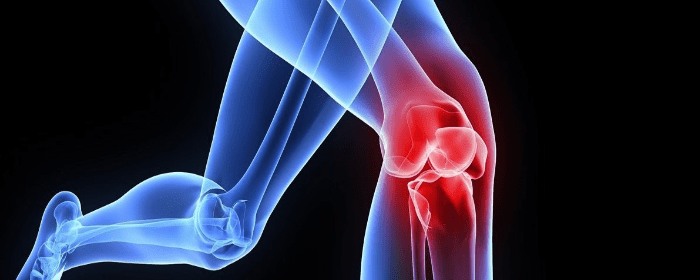
Most large joints of the body contain cartilage, a substance that is softer and more flexible than bone. Because of its softness and flexibility, cartilage is well-suited to protect the bones as they move across one another. Unfortunately, this softness and flexibility also makes cartilage prone to injury and erosion. In patients with osteoarthritis, forexample, cartilage breaks down to the point that bone rubs against bone,causing pain and disability. Certain injuries can damage the cartilage (i.e.osteochondral lesion), which can essentially have the same effect.
Once the cartilage of joints has become damaged, there is
little that can be done to fix it. Patients may receive steroid injections into
the joint to reduce inflammation, and may rely on pain medications to relieve
the pain and swelling. Short of joint replacement therapy, no treatments can
reverse cartilage damage once it has occurred.
Fortunately, mesenchymal stem cells may soon be able to reverse cartilage defects that arise from osteochondral lesions and osteoarthritis. Wakitani and colleagues took samples of patients’ bone marrow, which contains mesenchymal stem cells. They then used various laboratory techniques to increase the number of stem cells in the sample. Four weekslater, the researchers then reinjected the concentrated stem cells back intothe same patient using their own source of stem cells. The Wakitani groupshowed that stem cell transplantation improved the patient’s clinical symptoms bysix months, a benefit that continued for two years on average. Samples takenfrom the patients 12 months later showed that the damaged cartilage had beenrepaired. In other work, Centeno and co-authors showed that bone marrow-derived mesenchymal stemcells could increase the volume of cartilage, reduce pain, and increase rangeof motion 24 weeks after stem cell transplantation.
Research continues to determine which stem cells are most useful, how many stem cells should be injected, how many injections need to be administered, and how should those stem cells be prepared before they are injected? Nonetheless, certain groups are making great strides in this area. In fact, the recent discovery of human skeletal stem cells promises to accelerate stem cell research into treating disorders of bone and cartilage.
Reference
Schmitt et al. (2012). Application of Stem Cells in Orthopedics. Stem Cells International. 2012: 394962
by admin | Dec 27, 2018 | Stem Cell Research, Stem Cell Therapy
A number of different stem cell types have been shown to exert significant therapeutic effects when transplanted into the central nervous system. These cells include non-hematopoietic stem cells such as mesenchymal stem cells and neural/progenitor stem cells and carry out their effects by secreting what are known as neurotrophic paracrine factors, whichhelp to control the immune system.
In recent years, it has been suggested that rather than requiring the injection of stem cells, brain injury repair may be achieved by injecting the molecules that stem cells tend to secrete – known as secretome. The stem cell secretome includes growth factors as well as cytokines and chemokines. Investigators have begun to explore whether delivering these substances, rather than stem cells, could offer a more efficient means to therapy.
The rationale is that by delivering these substances directly, it should be possible to stimulate the proliferation of progenitor cells in the central nervous system and therefore instigate repair. However, initial studies have shown that the infusion of individual cytokines does not have the expected effect. According to the authors of a review published in Biochimie, it may be that multiple substances will need to be simultaneously infused in pre-tested concentrations so that they can act synergistically to optimize therapeutic effects.
Clinical trials are underway to determine the safety to patients of the secretome approach and to identify any relevant risks so that potential risks can be weighed against potential benefits of this type of therapeutic approach. There is also research on a wide variety of topics that will need clarification if effective stem cell secretome therapies are to be developed for brain repair. These topics include clarifying aspects of tissue transport and determining the mechanisms by which secretomes confer their benefits.
Reference: Drago, D. (2014). The stem cell secretome and its
role in brain repair. Biochimie, 95(12),
2271-2285.
by admin | Dec 21, 2018 | Health Awareness
Cold and flu season is here, and if you’re like most people, you’ll do everything in your power to avoid getting sick. While you already know to avoid coming contact with sick people if possible and to wash your hands frequently, you can also do your body a favor by strengthening its own natural ability to fight off disease. In addition to considering the flu shot – which is recommended by the CDC for everyone over the age of six months – here are some simple tips you can try to give your immune system a boost.
Get Plenty of Sleep
Lack of sleep or poor-quality sleep can have a tremendous
impact on the immune system. Populations which tend to get the least amount of
sleep often face the greatest
risk for catching the flu. Encourage restful slumber by keeping your
bedroom a bit cooler than the rest of the house, avoiding electronics for at
least an hour before bed, and getting up and going to sleep at the same time
every day.
Cut Back on Alcohol
The cold weather brings the holiday season, which presents
plenty of opportunities to indulge in alcoholic beverages. Yet, it’s a good
idea to limit consumption, as excessive consumption is linked to adverse
immune-related health effects, including susceptibility to pneumonia. If
you do choose to imbibe, limit alcohol to the medically-backed recommendation of one drink per
day for women, or two for men.
Limit Stress
It’s easier said than done – especially during the holiday
season – but minimizing stress can help your immune system ward off disease.
Chronic stress depletes the immune system and impedes its ability to fight off
pathogens, including bacteria and viruses. Finding a healthy outlet for stress,
such as meditation, yoga, or another form of exercise, is important to
supporting optimal wellness.
Dress Warmly
For a while, researchers suspected that “catching a cold”
was simply a myth, and that exposure to cooler temperatures didn’t really
influence a person’s likelihood of falling ill. Yet, emerging evidence
suggests that, when exposed to cold temperatures, the body is less capable of
fighting off illnesses like the rhinovirus, a cause of the common cold.
Dressing in layers is never a bad idea – not only could it help you stay
protected against colds, but it will also aid in maintaining a normal body
temperature in the event you stay out longer than anticipated.
Optimize Your Diet
A healthy immune system requires a number of key nutrients to function its best. Vitamin C, found in citrus fruits, increases the production of white blood cells to fight off infections. Garlic, too, has immune-boosting properties, which is likely due to its rich content of compounds containing sulfur. Green tea, ginger, turmeric, spinach, and almonds are also hailed for their power to strengthen immunity. In general, avoiding heavily processed foods and prioritizing whole, natural foods are great ways to reduce inflammation and support overall health. Because immune system health and the gastrointestinal tract are suspected to be closely linked, you may also want to consider taking probiotics or colostrum, which could lead to better gut health.
by admin | Dec 20, 2018
Frequently Asked Questions Below is a list of general answers to some common initial questions regarding Regenerative Medicine Therapy. If you have further questions or would like to discuss your eligibility, please feel free to contact us and consult with a Stemedix...



 St. Petersburg, Florida