by admin | Mar 31, 2020 | Health Awareness
The benefits of regular exercise have long been touted by
medical professionals. Consistent physical activity is linked to a reduced risk
of heart diseases, long-term weight management, and countless other advantages. You’ve
probably also heard about its potential impact on mood: with the release of
feel-good chemicals, movement can aid in stress management and reduce the risk
of depression.
Indeed, mood improvements are a compelling reason to get active if you don’t already. But if you’re going to put the time and effort in, are there certain types of exercise that have a better chance of improving your mental health than others? Here’s what the research says.
Different Benefits from Different Types of Exercise
According to a study conducted by the University of South Australia and MSH Medical School Hamburg in Germany, of the 682 participants, those who met the WHO recommended guidelines of 150 minutes of moderate physical activity each week saw better mental health scores than those who didn’t. Interestingly, however, different types of exercise led to different effects on mental health. Specifically, the researchers looked at the results on mood from exercise in an outdoor, team, and individual settings. So what type of exercise is best to boost mental health.
The results show that while team exercise has an energizing
impact and keeps participants engaged, solo workouts are better for
contemplation and reducing stress. And, for most people, outdoor exercise is
more rewarding than indoor sessions if it’s in a safe area with greenery.
In addition to where and with whom you exercise, it’s also
critical to monitor the duration and intensity of your workouts. The study
revealed a link between higher levels of depression and vigorous exercise.
Thus, it’s possible to have too much of a good thing: like all else, moderation
is key when it comes to staying active. Just 30 minutes a day, five days a week
is all most people need to see mood-boosting benefits. In fact, it’s been linked
to the same mood improvements as taking
Prozac—of course, just without the side effects.
Yet, it’s also important to acknowledge that regular
exercise is not a cure-all. While it may help with depression, stress, and
anxiety, it may not stop major mental illnesses from unfolding. It’s therefore
critical to speak with a professional any time you experience lasting mood
issues that don’t improve or worsen.
Also, experts note that some exercise is better than none at
all. Even if you can’t meet the WHO recommendations, small bursts of activity
like a quick walk could suffice for lowering cortisol levels or simply clearing
your head.
by Stemedix | Mar 30, 2020 | Stem Cell Therapy, Musculoskeletal, Osteoarthritis
Often caused by the natural wear and tear on the joints that occurs with age, osteoarthritis occurs in millions of people throughout the U.S. and typically develops during or after an individual’s middle ages. While the condition may develop in any joint, it’s...
by admin | Mar 26, 2020 | Autoimmune, Mesenchymal Stem Cells
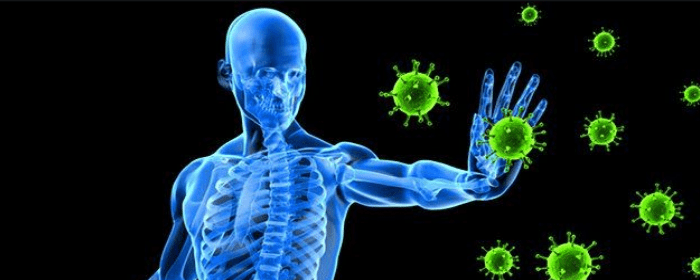
The human immune system can be one of our biggest assets or
one of our greatest foes. The immune system protects us against foreign
invaders like viruses and bacteria. It is essential for helping us maintain
immunity over a lifetime, whether from immunizations or previous infections. We
could not live without our immune systems.
On the other hand, the human immune system is the cause of
numerous diseases. Autoimmune
diseases like multiple sclerosis, ulcerative colitis, systemic lupus
erythematosus, and Crohn’s disease are caused by an immune system that
mistakenly attacks our own tissue. Organ and bone marrow transplants fail
because the body’s immune system rejects the transplant. When the immune system
is functioning normally, it is life-sustaining; however, when the immune system
falters, it can cause serious disease, suffering, and even death.
Compared to other diseases, the treatments for autoimmune
diseases and other diseases that involve the immune system are limited. Doctors
can prescribe steroids to knock down the immune response. These powerful drugs
can control disease flareups, but they aren’t a cure. Moreover, steroids cause
terrible side effects when taken long-term.
While there have been some recent developments in the treatment of certain autoimmune diseases (e.g. disease-modifying drugs for inflammatory bowel disease), medications are still limited. That is why scientists are actively studying the immune-modulating power of mesenchymal stem cells.
Mesenchymal stem cells exert a number of beneficial effects on the cells of the immune system. Mesenchymal stem cells can suppress T-cells, B-cells, dendritic cells, and natural killer cells (cells that participate in autoimmune diseases). Likewise, mesenchymal stem cells induce and affect the action of regulatory T-cells. This can help fine-tune the immune system, potentially shifting the balance from harmful to helpful immune system function.
Mesenchymal stem cells have been shown to be effective in various Phase I and Phase II clinical trials to treat multiple sclerosis, Crohn’s disease, lupus, ulcerative colitis, and even diabetes. While the clinical trials are often small—15-40 patients—the effects are impressive. Furthermore, treatment with mesenchymal stem cells is consistently safe; in study after study, the risk of serious adverse events is vanishingly small.
As with most fields of medicine, these clinical trials will need to be replicated in larger, Phase III trials. That being said, some large trials have already been conducted with favorable results. Perhaps the best example of a large trial testing the effect of mesenchymal stem cells on immune system function is in the field of transplantation medicine. The prestigious Journal of the American Medical Association (JAMA) published a clinical trial of 159 patients undergoing kidney transplants. Stem cell treatment reduced the incidence of kidney rejection, decreased the risk of opportunistic infection, and was associated with better kidney function 1 year after treatment.
The results from dozens of clinical trials suggest mesenchymal
stem cells are powerful modulators of immune cell function and have the
potential to one day be tools to treat diseases caused by the immune system. We
anxiously await further results from large, Phase III trials.
Reference: Gao, F., et al. (2016). Mesenchymal stem cells and immunomodulation: current status and future prospects. Cell Death & Disease. 2016, Jan; 7(1): e2062.
by Stemedix | Mar 24, 2020 | Hair Regrowth, Stem Cell Therapy
Considering Stem Cell Hair Restoration? Florida Residents, Find Out More
If you’re experiencing hair loss, you’re not alone: more than 50 million men and women have some degree of hair loss, which is often triggered by the natural process of aging. It can also be caused by certain illnesses and medical treatments. Thus, thinning hair is often viewed as an inevitable fact of life—but it doesn’t have to be.
If you’re considering stem cell hair restoration, a Florida-based regenerative medicine therapy provider, Stemedix, can help. They use stem cell treatments to address not only medical conditions such as neurodegenerative and autoimmune disorders, but also to promote overall wellness, which includes addressing common cosmetic concerns.
Hair loss isn’t strictly cosmetic, however. It can profoundly impact your quality of life, confidence, and satisfaction with your appearance. Over time, these negative impacts can transcend into your personal and professional relationships, taking their toll on your overall quality of life and potentially leading to larger psychological issues such as depression and anxiety.
Stem Cell Hair Restoration: Florida-Based Treatment
Fortunately, stem cell hair restoration is available for individuals who feel that hair loss or thinning is beginning to leave its mark on their lives. Whether you’ve tried medications in the past without any success or you want to avoid other interventions altogether, stem cell treatment is a promising option.
At our Florida facility, patients can receive a powerful dose of stem cell exosomes, which have hundreds of proteins and spark regeneration. Known for their ability to promote cell survival, exosomes have been shown to induce hair growth by stimulating follicles. They work by acting on several key mechanisms, including the expression of signaling molecules, to activate regenerative factors.
Patients have achieved noticeable new growth after a single treatment, though additional sessions may be needed depending on the degree of hair loss. Unlike other therapies, however, stem cell hair restoration has few to no side effects and does not require downtime or extensive healing (as seen in invasive surgical procedures). Instead, it simply turbocharges the body’s own natural regenerative processes to restore its youthful qualities. If you are looking to benefit from Stem Cell therapy then contact us today!
by admin | Mar 24, 2020 | Health Awareness
We’re often told that a healthy diet is key to improving wellness and feeling our best. While it may not eradicate symptoms altogether, proper nutrition plays an important role in managing certain health frustrations, including the signs of menopause.
As you might imagine, one of the best ways to get ample vitamins and minerals to improve overall wellness is through plenty of fruits and vegetables. Yet, new research published in Menopause, the journal of The North American Menopause Society, suggests there are some specific choices that may have a better impact on alleviating menopausal symptoms than others.
Diet & Menopause
Previous research has indicated that certain foods influence the production of estrogen and metabolism, which can, therefore, have an effect on the severity of menopause. Specifically, diets rich in vegetables, fruits, and nuts, such as the Mediterranean diet, have been associated with fewer symptoms and complaints by women of menopausal age. Based on these findings, researchers sought out to determine whether certain vegetables and fruits could aid in reducing menopause symptoms more than others. According to their findings, the following foods appeared to improve urogenital scores, which encompass factors like urinary incontinence and vaginal atrophy.
- Citrus Fruits: Oranges often come to mind as the primary citrus fruits, but you can also incorporate grapefruit, clementine, and tangerines into your diet. When possible, incorporate lemon and limes into your cooking, too.
- Leafy Greens: Spruce up your salads by swapping out iceberg for Swiss chard, arugula, spinach, and curly kale. These leafy greens pack a powerful dose of nutrients despite having very few calories.
- Dark Yellow Vegetables: Look for in-season yellow vegetables next time you browse your local farmer’s market. Yellow bell peppers, squash, and golden beets are all excellent choices that can easily be incorporated into dishes like stir-fries or salads.
Although the effects of these dietary choices may vary from
one woman to the next, anyone seeking simple lifestyle tactics to help control
the symptoms of menopause may find it worthwhile to give these fruits and
vegetables a try. At the very least, you’ll be getting a hefty dose of
nutrients to support better overall health anyway. For more health awareness
blogs, visit our blog page at https://stemedix.com/blog/.





 St. Petersburg, Florida