by admin | Jan 8, 2021 | Stem Cell Therapy, Heart Failure, Mesenchymal Stem Cells, Stem Cell Research
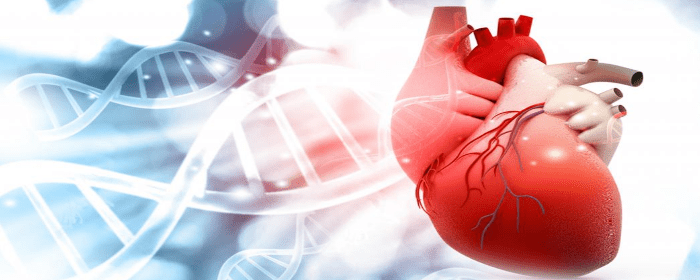
After a decade of research, the safety and efficacy of intravenous infusion of bone-marrow-derived stem cells for therapeutic treatment in individuals with heart failure have been well established; however, until Bartolucci et al’s phase 1 / 2 randomized controlled trial of intravenous infusion umbilical cord mesenchymal stem cells (UC-MSCs) on heart disease, no clinical studies have examined the safety and efficacy of similar intravenous infusion of UC-MSCs in patients with chronic systolic heart failure (HFrEF).
Specifically, therapeutic treatment of heart failure with stem cells harvested from bone marrow has demonstrated improved cardiac function and regeneration of damaged heart tissue resulting in moderate clinical benefits in survival, left ventricular function, and improved quality of life in patients with HFrEF.
While MSCs isolated from adult bone marrow have demonstrated benefits, the invasive harvesting procedure and differentiation potential related to donor age and comorbidity associated with BM-MSC present several disadvantages when evaluating for clinical application.
On the other hand, when compared to BM-MSCs, umbilical cord-derived MSCs, or UC-MSCs, are easily attainable, demonstrate less cellular aging, and are not obstructed by potential ethical concerns.
With preclinical research demonstrating UC-MSC supporting enhanced vascular regeneration and cardiomyocyte protection, Bartolucci et al’s study aimed to evaluate the safety and efficacy of intravenous infusion of UC-derived stem cells for therapeutic treatment in individuals with heart failure.
This RIMECARD trial was the first randomized, double-blind, placebo-controlled study of intravenous infusion of allogeneic UC-MSCs in patients with chronic HFrEF. Although there has been limited experience on intravenous administration of MSCs in patients with cardiovascular diseases, it has been well established that MSC-based therapies are considered safe for therapeutic use in this application; further review of prospective clinical trials also did not detect a risk of infusion toxicity, organ system complications, infection, death, or malignancy in treated patients.
The results of the RIMECARD trial demonstrated that delivery of UC-MSCs seems safe for use in the HFrEF population with observable improvements in LVEF in patients receiving intravenous UC-MSC treatments. Researchers have proposed many potential reasons for the clinical benefits of the application of UC-MSCs among patients with heart failure including reduction in myocardial cell apoptosis, less myocardial inflammation and myocardial fibrosis, the formation of new cardiac-related blood vessels, and increased cell differentiation.
One notable observation of this study was the notable cardiomyogenic differentiation potential between UC-MSCs and BM-MSCs. It appeared that BM-MSCs presented a more favorable profile of transcription factors related to cardiac differentiation; however, findings demonstrating poor retention rates after intramyocardial injections of BM-MSCs render them potentially insufficient for what is required to be deemed clinically beneficial.
By comparison, the paracrine factors observed demonstrate a significant advantage of UC-MSCs over BM-MSCs with the most prominent difference being the expression of hepatocyte growth factor in UC-MSCs from all tested donors (BM-MSCs showed low to undetectable levels).
While further analysis and outcomes were considered limited based on small patient sample groups, IV infusion of UC-MSCs was found to be feasible and safe among patients with HFrEF, inducing no humoral immune response among test subjects. While findings suggest significant improvements in left ventricular function, functional status, and quality of life, the impact of UC-MCSs in patients with heart failure would be further supported through larger clinical trials.
Reference: (2017, September 26). Safety and Efficacy of the Intravenous Infusion of Umbilical …. Retrieved December 28, 2020, from https://www.ahajournals.org/doi/10.1161/CIRCRESAHA.117.310712
by admin | Jan 6, 2021 | Health Awareness
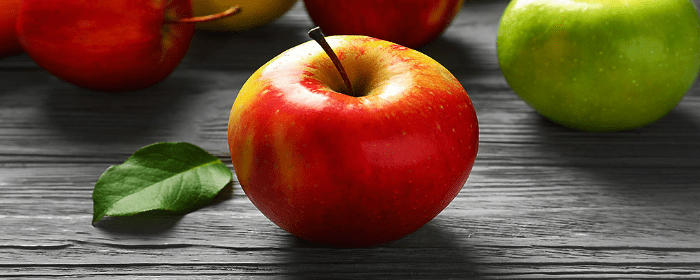
The old adage, “An apple a day keeps the doctor away” has roots that can be traced back to the mid-1800s. Naturally, one might assume that such outdated advice would have little value today. While an apple a day indeed lacks the ability to reduce the frequency of your doctor’s visits, adding the fruit to your diet could improve your health in several ways. Here’s a look at the many benefits of apples.
Nutritional Value
Apples are highly nutritious, delivering a considerable dose of fiber at just 95 calories on average. They also have 9% of your daily value of vitamin C, which helps neutralize harmful free radicals and works to protect the body against illness. Apples also have antioxidants such as caffeic acid, quercetin, and epicatechin.
Heart Health
Regularly eating an apple could reduce your risk of several chronic illnesses, including heart disease. Experts suspect this could be due to the flavonoids in the fruit, which curb inflammation and promote heart health. They also contain soluble fiber, which helps to control blood pressure and cholesterol.
Cancer Prevention
The antioxidants in apples, including flavonoids, could help to reduce cancer risk. Eating more apples has been linked to a reduced risk of lung cancer and colorectal cancer. A diet that prioritizes fruits and vegetables could also help prevent against cancer in the stomach, lungs, colon, oral cavity, and esophagus.
In addition to the benefits listed above, regular consumption of apples supports weight management, can reduce the risk of osteoporosis, and may prevent against cognitive decline. Apples can also control the risk of diabetes and asthma.
Of course, there’s always the potential to have too much of a good thing, and rapidly increasing your apple intake may backfire. For example, the fiber in apples could lead to stomach issues, such as gas and bloating. Apples are also fairly high in carbohydrates, so people following certain diets, such as the ketogenic diet, may need to avoid or reduce their apple intake.
Ultimately, eating a varied diet with many different fruits and vegetables is likely best if you’re seeking the greatest health benefits. While you can certainly aim to eat more apples, you might also consider swapping them out with other fruits and vegetables as well—especially those packed with nutrients. Bananas, blueberries, carrots, kale, broccoli, grapefruit, spinach, raspberries, peaches, pears, pineapples, and strawberries are all good options to consider.
For more health awareness blogs, please visit stemedix.com/blog
by Stemedix | Jan 4, 2021 | Traumatic Brain Injury
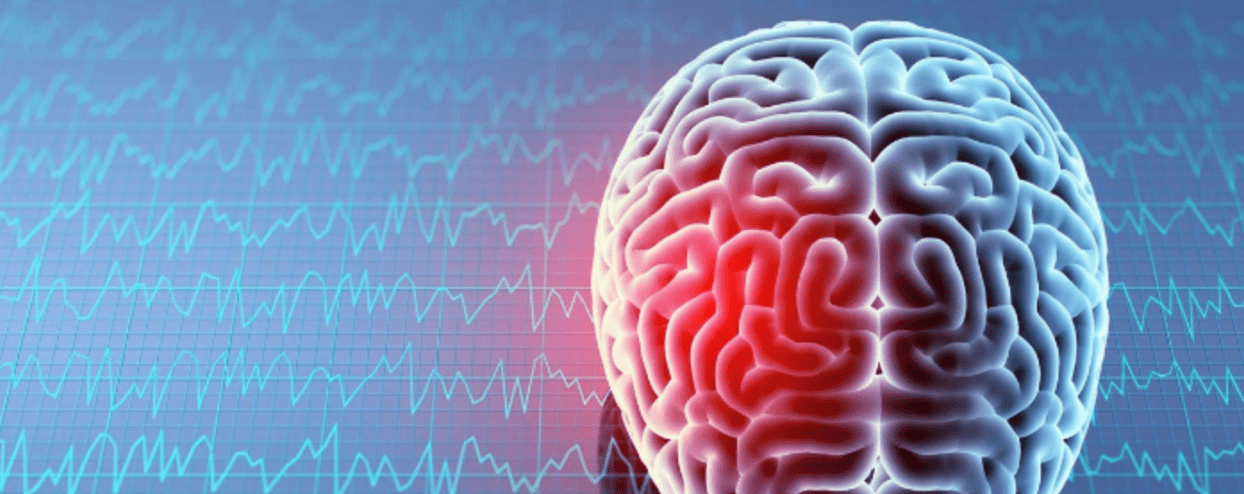
The brain controls everything we do, including our emotions, behaviors, the way we move our bodies, how we process information, and how we interact with others. As such, a traumatic brain injury can have life-altering effects, not only for the person who sustains it but also for their loved ones.
Every brain injury is different, and the precise circumstances that unfold afterward will depend on several unique factors, including the location and severity of the injury. Some impairments are primary, which means they are directly related to the injury itself and are usually physical and cognitive in nature. Others, such as emotional and behavioral changes, can be both primary and secondary impairments.
Here are a few of the changes you could expect to see in a person who has experienced a brain injury.
Physical Changes
Nearly all brain injury survivors report feeling fatigued, especially soon after the event. An injured brain has to work much harder to perform normal functions, so long stretches of sleep are common in people as they’re healing, sometimes even indefinitely.
Other physical changes could include muscle weakness, headaches, partial paralysis, persistent pain, sleep disturbances, spasticity, seizures, speech and swallowing differences, and appetite changes to name a few. Some physical changes are permanent, while others can be addressed through physical therapy, medications, and if needed, surgeries.
Cognitive Changes
The cognitive impairments a survivor sustains are often among the most disabling of all the effects. They are most intense immediately after the injury, and while they may improve significantly, it’s rare that they disappear fully. With that being said, recovery can be an effort that span’s a person’s entire life, with improvements being made all the time.
Memory impairments are particularly common in brain injuries. Both the short- and long-term memory may be affected, as well as retrograde (events before the injury) and anterograde (events after the injury). A person may also face challenges in certain areas such as learning new material and processing information, comprehending language, safety awareness, spatial orientation, judgment and decision-making, comprehension, attention, and concentration.
A person’s executive functioning, including activities surrounding planning, organizing, multi-tasking, evaluating, and problem-solving, can also be affected.
Communication Changes
The communication changes a person may experience can span far and wide. For instance, they might struggle with speech as well as the ability to understand and process words. Reading impairments, difficulty finding the right word, and a limited listening attention span may also develop.
Emotional Changes
Emotional impairments can occur from the brain injury itself, or as a result of a primary impairment. For instance, someone might experience depression as a reaction to the physical or cognitive challenges they’re facing. A few emotions people can have after a brain injury are anger, apathy, anxiety, paranoia, frustration, confusion, restlessness, post-traumatic stress, and mood swings. Oftentimes, emotional challenges can be addressed through therapy.
Behavioral Changes
Like emotional changes, behavioral differences can be directly or indirectly caused by brain injury. They can range from mildly irritating to dangerous. Some behavioral changes that could emerge are withdrawal, verbal or physical aggression, intolerance, over-or under-reactions, rebelliousness, defensiveness, and excessive crying.
Behavioral changes call for patience and understanding from an individual’s support system, but those with potentially dangerous consequences should be addressed in an inpatient environment.
Social Changes
Many people experience feelings of loneliness following a brain injury. The largest population of survivors is young men, whose friends may not understand the wide range of changes they’re experiencing. Oftentimes, survivors’ friendships, and romantic relationships suffer. Issues like behavioral and emotional changes, difficulties with conversations and understanding social cues, and fatigue, can impact social lives. Nonetheless, many survivors get tremendous support from their families and are ultimately able to enjoy loving relationships and fulfilling friendships.
Family Support
Survivors’ family members will face stress and their own range of emotions after their loved one experiences a brain injury. Everyone handles the event and recovery in their own ways, and the challenges they face will depend on a number of independent factors.
Children, in particular, should be encouraged to openly discuss their feelings. If emotions among family members seem particularly intense, counseling could help.
Parents should consider how they’ll divide time between caring for the family, the survivor, and managing other responsibilities, such as work and household management. While there will be a lot to juggle, resources are available for support, such as BrainLine.org and the Brain Injury Association of America.
If you are interested in regenerative medicine also know as stem cell therapy for brain injuries then contact a care coordinator today for a free assessment!
by admin | Jan 3, 2021 | Stem Cell Therapy, Mesenchymal Stem Cells, Stem Cell Research
Multiple system atrophy (MSA) is a rare, progressively degenerative neurological disorder that affects several of the central nervous system’s involuntary (autonomic) functions, including blood pressure, breathing, bladder function, and motor control.
Similar to Parkinson’s disease in both symptoms and progression, MSA has an average survival time of 7-9 years with no known treatment; the condition is generally characterized by slowed movement, rigidity of the muscles, and loss of balance.
With no effective medical treatment for MSA, current methods of treatment involve those known to reduce or manage symptoms and enhance care. However, with the rapid evolution of therapeutic treatments involving the use of stem cells, new research is exploring this application in the hopes of treating MSA and other degenerative diseases.
Stem cells and specifically adult neural, mesenchymal, and pluripotent stem cells are currently being researched in preclinical and clinical trials.
Examination of neural stem cells found in cerebral ventricles, the hippocampus, and within the striatum of the brain tissues, has revealed them to be self-renewing and have the potential to quickly differentiate. When studied in models using mice, neural stem cells were shown to mitigate into lesions of the brain, proliferate, and differentiate into three distinct types of nerve cells. Considering this, researchers believe neural stem cells to be the ideal donor cell for treating MSA. The biggest drawbacks associated with neural stem cells appear to be the difficulty associated with collecting them from the central nervous system.
Mesenchymal stem cells, or MSCs, found in bone marrow, umbilical cords, and adipose tissue are easy to obtain and have been demonstrated to be self-renewing and differentiate quickly. MSC animal models have also demonstrated improvement in Parkinson’s-associated symptoms, the ability to hinder immuno-inflammatory reactions, and the ability to improve overall cognitive ability – all without additional side effects.
Human umbilical cord blood, or hUCB-MNC, is also a known source of stem cells, and specifically mononuclear cells, which have been found to have high nerve regeneration functionality. In addition, hUCB-MNC are easy to collect, separate, and survive longer than other stem cells. When transplanted into the brain, animal studies have demonstrated hUCB-MNC’s ability to secrete nerve growth factors, repair damaged cells, and protect neurons. Other studies have shown that hUCB-MNC appears effective in treating a variety of nervous system diseases by reducing inflammation and regulating immunity within the central nervous system.
Regardless of the characteristics, benefits, and source of the various stem cells, the treatment appears to rely heavily on the method of transplantation for treating MSA. Specifically, successful transplantation relies on the stem cells’ ability to migrate to the CNS and integrate into tissues.
The lack of progress in developing successful treatment options for MSA has led to examining stem cells’ ability to self-replicate, self-renew, differentiate, and secrete neurotrophic factors as a potential treatment method for MSA and other related neurological diseases. As research evaluating the therapeutic benefits of stem cells progresses, the authors recommend continued monitoring of stem cell safety as well as the degree of survival and integration after transplantation into the human body.
Reference: 2018, October 5). Treatment of multiple system atrophy-the past, present and …. Retrieved January 12, 2021, from https://www.ncbi.nlm.nih.gov/pmc/articles/PMC6261842/
by admin | Dec 30, 2020 | Health Awareness
Your immune system is your body’s most powerful line of defense against infection and illness. It comprises cells in many different areas of your body which must all work together in harmony. The immune system is affected by many different factors, including your diet and overall lifestyle. Here are some natural approaches to help you maintain strong immunity.
Eat a Nutritious Diet
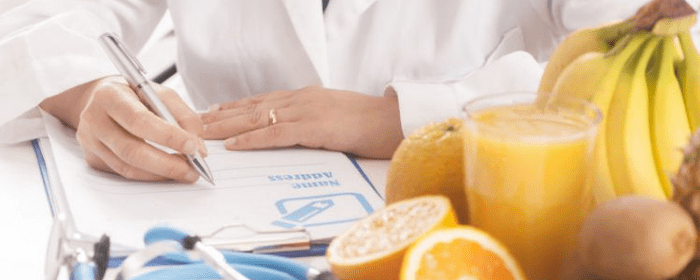
Plant-based foods deliver nutrients your body needs to support strong immune function. For instance, key nutrients such as zinc, folate, selenium, iron, and B12, many of which can be found in fresh fruits and vegetables, help the immune system do its job. Certain herbs and spices, such as cumin, oregano, thyme, and cinnamon, also have antiviral and antimicrobial properties to help keep infections at bay. Of course, vitamin C is also a well-known agent for strengthening immunity, which can be found in citrus fruit, red bell pepper, and many cruciferous vegetables. You’ll also want to get plenty of protein to supply your body with amino acids that help the body resist infection.
Control Stress
When the body is consistently stressed, it releases the stress hormone cortisol. On a short-term basis, this phenomenon helps the body react to the issue causing the stress by putting the immune system on hold. Over a long-term basis, however, it prevents the immune system from doing its job effectively. To combat chronic stress, try calming exercises such as journaling, meditating, or finding an enjoyable hobby, such as reading.
Prioritize Sleep
Insufficient sleep prevents your body from producing and distributing the cells that regulate immunity. It also raises cortisol levels, further compromising the immune system. In one study, people who didn’t sleep enough were more susceptible to the flu virus, even if they’d been vaccinated. Aim to get seven hours of quality slumber each night, and use tactics such as sleeping in a cool room and turning off electronics an hour before bed to get rest.
Get Exercise
Regular physical activity reduces the risk of both chronic illnesses and acute infections caused by viruses and bacteria. Aim for at least 30 minutes of moderate exercise five days a week. Activities such as walking and cycling are ideal, but you can also mix in strength training to keep the muscles and bones strong.
Avoid Smoking & Alcohol
High alcohol consumption has been linked to diminished immunity and longer recovery times, while smoking also interferes with immune system function. If you do drink, do so in moderation, and avoid smoking or make a plan to quit.
For more health awareness articles, please visit stemedix.com/blog and search “health awareness”.


 St. Petersburg, Florida