by Stemedix | Mar 22, 2021 | Stem Cell Therapy, Spinal Cord Injury
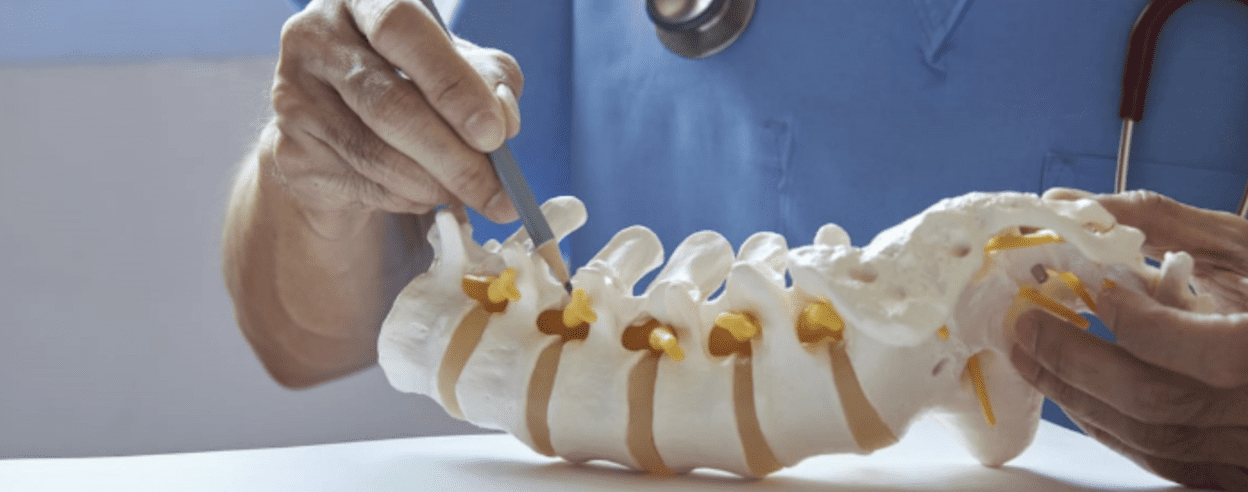
Spinal stenosis occurs when the spaces within the spine narrow, resulting in pressure on the nerves running through the spinal column. The condition often develops in the lower back (lumbar stenosis) or neck (cervical stenosis).
People with spinal stenosis may not experience any symptoms, while others have pain, muscle weakness, numbness, and tingling. The condition is typically a result of osteoarthritis, the wear-and-tear deterioration of joints that occurs over time. Some doctors may recommend surgery to create additional space for the nerves.
Spinal Stenosis Symptoms
The symptoms of spinal stenosis may vary based on where the issue is located.
Symptoms of Cervical Stenosis
With stenosis of the upper spine or neck region, patients often experience:
- Weakness in the extremities, such as a hand, foot, arm, or leg
- Balance issues
- Numbness or tingling in the extremities
- Neck pain
- Bowel or bladder issues in extreme cases
Symptoms of Lumbar Stenosis
When stenosis occurs in the lower back, patients may have:
- Weakness or numbness in the foot or leg
- Pain or cramping in one or both legs while walking or after long periods of standing
- Back pain
Causes of Spinal Stenosis
Some people are naturally born with a narrow spinal canal, but in many cases, spinal stenosis is a result of outside factors that have caused the narrowing. Possible reasons for stenosis may include:
- A herniated disk: The soft cushions between vertebrae often dry out and are less able to absorb shock over time. If a disk’s exterior cracks, the material may escape and put pressure on the nerves or spinal cord.
- Bone overgrowth: Osteoarthritis is commonly associated with bone spurs, which can make their way into the spinal canal. Paget’s disease, a bone disorder, can also result in bone overgrowth.
- Ligament thickening: The cords that hold the spine together may thicken over time, bulging into the spinal column and creating pressure on nerves.
- Spinal injuries: Trauma caused by car accidents and other injuries can damage the vertebrae, leading to issues such as displaced bone or fractures that can impact the spinal canal. Also, the swelling of tissue following back surgery can put pressure on the nerves in the spine.
- Tumors: Development of tumors in the spinal cord’s membranes can also occur, though they are uncommon.
In addition to these causes, certain factors also increase a person’s risk for spinal stenosis. Being over the age of 50, experiencing a back injury, and having a congenital spinal deformity such as scoliosis are all considered risk factors. Genetic diseases that impact bone or muscle development can also lead to spinal stenosis. If you want to learn more then contact a care coordinator today!
by admin | Mar 19, 2021 | Stem Cell Therapy, Autoimmune, Mesenchymal Stem Cells
Autoimmune diseases occur as a result of the body’s natural immune system mistakenly attacking and damaging healthy, normal cells and tissue. Currently, an estimated 60 different autoimmune diseases affect between 5 and 8 percent of the U.S. population[1]; making it one of the largest disease burdens faced today.
Divided into two distinct categories, autoimmune diseases are typically classified as organ-specific or systemic autoimmune diseases. Systemic autoimmune diseases include systemic lupus erythematosus (SLE), rheumatoid arthritis, systemic sclerosis, and polymyositis; organ-specific autoimmune diseases include Hashimoto thyroiditis, Graves disease, type 1 insulin-dependent diabetes, and pernicious anemia.
Currently, most cases of autoimmune disease are treated with corticosteroids, cyclophosphamide, azathioprine, and/or methotrexate. While all of these medications have been demonstrated to be effective in treating autoimmune disease in some capacity, improvement is not universal; these medications have also been associated with known toxicities.
As research continues to explore the immune system and various autoimmune disorders, it appears that adult stem cells offer promise for effective, non-pharmacological treatment of autoimmune disease.
The author of this review points out that while many animal studies exploring the potential benefits of autologous and allogeneic hematopoietic stem cells (HSCT) exist, the danger associated with allogeneic bone marrow transplants has limited studying these transplants to only those subjects with severe autoimmune disorders that are not responding to other, more proven treatments.
The review also focuses on the treatment of autoimmune disease with mesenchymal stem cells (MSCs). Specifically, the author points to several in vitro studies demonstrating the immunomodulatory properties of MSCs as well as their immunosuppressive effects on MHC-mismatched lymphocyte proliferation. This form of MSC transplantation produces relatively short effects but has proven to be profoundly different from HSCT. Specifically, this procedure does not require the patient to be immunosuppressed in advance of transplantation and produces a therapeutic effect in the affected organ as a result of the homing of MSCs. Studies have demonstrated that MSC transplant has reversed multiorgan dysfunction in SLE mice and humans while also demonstrating stable 12 – 18-month disease remission. As a result, further clinical trials exploring autologous bone marrow MSC (BM-MSC) are currently ongoing.
With the difficulty and risk associated with BM-MSC transplantation, the author points out that since adipose tissue is readily available and easily obtainable, adipose tissue-derived MSC (AT-MSC) are being explored for their potential as a regenerative treatment and wound healing option. Early studies have demonstrated AT-MSC to have immunosuppressive properties that reduce experimental autoimmune encephalomyelitis (EAE), decrease spinal cord inflammation, and significantly ameliorate the severity of colitis and arthritis. In fact, there is convincing evidence indicating that AT-MSC transplant produces therapeutic results comparable to MSCs derived from bone marrow.
At the same time, gene therapy research exploring the use of stem cells as a vehicle in autoimmune disease demonstrated delivery of brain-derived neurotrophic factor (BDNF) genes in an animal model of multiple sclerosis using bone marrow stem cells and human insulin gene transfected BM-MSC therapy in murine type 1 insulin-dependent diabetes has demonstrated positive results, including decreased blood glucose level, improved secretion of human insulin in serum and liver, and delayed onset and clinical severity of EAE.
As research continues to explore the benefits of adult stem cell therapy for the treatment of autoimmune disease, and with genetic therapy showing promising treatment options, researchers are optimistic of the benefits provided through a combination of stem cell and gene therapy.
Source: (n.d.). Adult Stem Cell Therapy for Autoimmune Disease – NCBI – NIH. Retrieved from https://www.ncbi.nlm.nih.gov/pmc/articles/PMC4021767/
[1] “Autoimmune Disease – National Stem Cell Foundation.” https://nationalstemcellfoundation.org/glossary/autoimmune-disease/. Accessed 9 Mar. 2021.
by admin | Mar 17, 2021 | Health Awareness
The Mediterranean diet has long been praised for its health benefits. The eating style emphasizes vegetables, healthy fats, whole grains, fruits, and lean protein such as fish, poultry, beans, and eggs. It’s been linked to heart health and has recently been discovered as a means of lowering diabetes risk.
According to a 2020 study published in JAMA Network Open, women who followed the Mediterranean diet had a 30% lower rate of type 2 diabetes compared to their peers. Experts say that the eating style is linked to improvement in several key biomarkers, including insulin resistance, body mass index (BMI), HDL cholesterol, and inflammation. The study was a 20-year-plus follow-up to research that first enrolled participants in 1992 and 1993. The participants following the Mediterranean diet ate mostly vegetables, legumes, nuts, seeds, fruits, and moderate fish and dairy. Red meat and processed foods were limited or avoided. Additionally, they would drink red wine in moderation.
Other research has also pointed to the benefits of the Mediterranean diet in the past. For example, a meta-analysis published in the Journal of the American College of Cardiology linked the eating style to a reduced risk of metabolic syndrome, which is the umbrella term for a group of conditions that increases the risk of heart disease and diabetes, including high cholesterol, high blood pressure, abdominal obesity, and insulin resistance.
Experts further investigated results from the 2020 study and believe that the Mediterranean diet is likely so effective because it replaces unhealthy foods with nutrient-rich options that don’t contribute to insulin resistance or inflammation, and in fact may improve insulin resistance. The diet may also optimize beta-cell function, which produces and secrete insulin, the hormone responsible for blood sugar regulation.
According to the findings, the diet may be most beneficial for women who are overweight or obese. While there was a benefit for all individuals, type 2 diabetes is commonly linked with excess fat, which is likely why women with a BMI of 25 or higher appear to benefit the most from the Mediterranean diet.
Even if you aren’t ready to fully transition to an entirely new eating plan, the experts note that incorporating just some of the diet’s principles could deliver health benefits. Seemingly small changes such as adding more vegetables to your meals could have long-term benefits and are worth pursuing for the reduced risk of several diseases.
For more health awareness blogs, please visit https://www.stemedix.com/blog.
by Stemedix | Mar 15, 2021 | Traumatic Brain Injury, Stem Cell Therapy
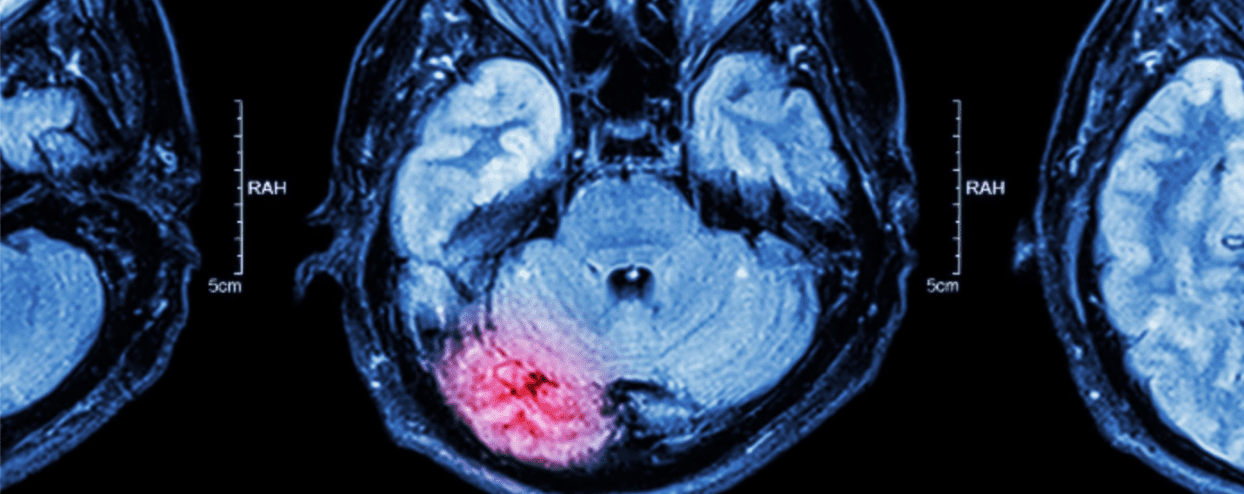
Traumatic brain injuries (TBI) occur from an outside force, and are commonly caused by sports injuries and car accidents. In many cases, symptoms can improve over time with the help of therapy. In some cases, however, it’s possible for symptoms to worsen over time. Here’s a closer look at why some cases improve and others appear to decline.
Secondary Brain Injury: In certain patients, complications develop after the initial injury, such as an infection or hematoma. The injury may also cut off blood to the brain, causing brain cells to die. The effects of these secondary brain injuries may not appear right away, which is why some patients’ symptoms seem to worsen over time.
Chemical Events: A brain injury can also trigger chemical changes which lead to worsening symptoms. For instance, the patient may develop an abundance of neurotransmitters, causing brain cells to become overstimulated and eventually die off.
Failure to Receive Treatment: Lastly, if a patient fails to receive proper treatment to facilitate healing following their brain injury, their symptoms are likely to worsen.
How to Minimize the Risk of Worsening Symptoms
Experts don’t know why symptoms worsen in some TBI cases and not others, but there are still factors within your control that can promote optimal outcomes. Here are a few options to consider.
Attend Therapy
Many people recovering from TBI need a combination of physical, speech, and occupational therapy. These rehabilitative programs help you rebuild physical strength, support blood flow to the brain, sharpen your mental skills, and reestablish your daily routine. Most importantly, they keep the brain and body active and can help prevent worsening symptoms.
Keep Your Brain Stimulated
Your brain is a muscle that can benefit from regular exercise. If there’s a type of puzzle you enjoy, such as sudoku or crosswords, try doing some during your downtime. You might also consider music or art therapy to engage your brain. Stimulating your brain encourages it to produce neuropathic growth factors, which kickstart the development of brain cells. Of course, you’ll want to follow your practitioners’ recommendations and avoid overstimulation during early recovery.
Engage Your Neuroplasticity
Neuroplasticity is the mechanism the brain uses to create neural pathways which allow healthy brain tissue to take on functions the damaged portions can no longer accommodate. Repetition is one of the simplest yet most effective ways to engage neuroplasticity. Thus, if there’s a skill you want to remaster, you’ll need to practice it often. Over time, it will start to become easier.
Get Support
TBI recovery can be frustrating, especially if you’ve reached a plateau. Support groups are available to encourage you to overcome plateaus and discuss the ups and downs with first-hand knowledge. Whether you choose to join an online community or meet with a group in person, you may find that sharing your experiences in a supportive setting is a great outlet for the emotional and mental challenges that come with recovery.
Although it’s impossible to say for sure whether someone’s TBI symptoms will worsen or improve with time, the steps above won’t hurt in either case. By staying mentally and physically active and pursuing treatments such as therapy, individuals who have experienced brain injuries can support the best possible outcomes in their recovery. Patients are discovering the alternative option of stem cell therapy to help manage symptoms and assist in the healing process. In particular, stem cells can slow or halt further brain damage and promote healing by reducing inflammation and achieving a tissue-protective effect. If you would like to learn more then contact us today to speak with a care coordinator.
by admin | Mar 10, 2021 | Health Awareness
The physical benefits of exercise are proven and widely accepted: from weight management to reduced risk of several serious illnesses, it’s clear that exercise is one of the best preventive measures you can take for your health. In addition to your physical wellness, however, it turns out that exercise also has brain-boosting benefits.
The Brain on Exercise
When your heart rate rises during exercise, your blood flow increases, and the brain gets more nutrients and oxygen. Exercise also triggers the release of beneficial proteins, which nourish neurons and spur the growth of new brain cells. Thus, exercise has a direct impact on overall brain health.
In addition, exercise can also help you feel better mentally. Getting active prompts the brain to release feel-good chemicals, including dopamine and endorphins. These can help eliminate stress and may also aid in mood regulation.
Finally, exercise can optimize cognitive ability. Children and young adults who get regular exercise have been shown to score better in math and reading tests compared to those who don’t. Even working out just a couple of times a week appears to increase retention skills.
Moreover, being active can also help the body regulate sleep patterns, which can further support brain health. This creates a positive domino effect, as being well-rested may allow you to feel more focused, alert, and even creative during the day.
Ultimately, the importance of regular exercise on overall mental health cannot be overstated. The good news is that you don’t have to be an endurance athlete to enjoy the benefits, either. By simply getting moving—even if it’s walking, gardening, or doing household chores—you can promote better physical and mental wellness.
For more health awareness blogs, please visit https://www.stemedix.com/blog.



 St. Petersburg, Florida