by Stemedix | May 31, 2021 | COPD, Stem Cell Therapy
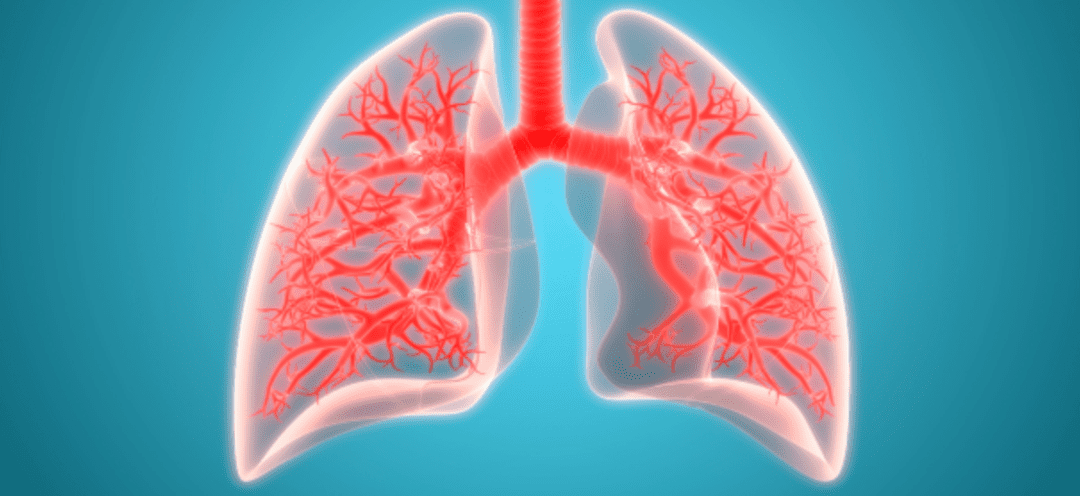
Chronic obstructive pulmonary disease (COPD) affects 250 million people each year and is the cause of nearly 5% of deaths globally. This family of airway obstruction conditions is characterized by the loss of lung tissue and airway obstruction caused by chronic inflammation of the airways. As a result, components of the lungs, including the alveoli, are destroyed over time. Using regenerative medicine, including stem cell therapy, can address the damage caused by these conditions.
What Is COPD?
COPD is a progressive disorder that makes breathing very difficult. As the airways become obstructed, patients may experience symptoms such as mucus production, wheezing, cough, and difficulty breathing. Smoking is believed to be the cause of 85 to 90% of COPD cases, though factors such as long-term exposure to pollution or irritants could also contribute to the conditions.
The two main types of COPD are emphysema and chronic bronchitis. In emphysema, the alveoli at the end of the air passageways are destroyed by exposure to cigarette smoke or other irritants. In chronic bronchitis, the bronchial tubes become inflamed, which carry air to and from the air sacs.
Currently, there are several types of medications available to help control flare-ups of COPD, but each patient responds differently to treatments. There are also oxygen therapies available to aid patients with low blood oxygen levels and to provide easier breathing.
Stem Cell Therapy for COPD
Stem cell therapy is a natural alternative to other medications that have caused serious side effects or failed to produce measurable improvements. Through this regenerative medicine approach, patients’ air sacs and damaged lung tubes have the potential to be repaired, lung capacity increased and improved breathing.
Stem cells are the building blocks of the body due to their ability to regenerate and transform into virtually any specialized cell type. Through this treatment, stem cells are sourced by either the patient or an umbilical cord donor and re-delivered through direct injection, intravenously, and/or through a special nebulizer via inhalation. Depending on the patient’s condition, additional treatments may be needed. After stem cell therapy, COPD patients may be advised to undergo post-treatment lung rehabilitation to promoted optimal treatment outcomes.
Stem cell therapy continues to be an active topic in regenerative medicine research. It is not a cure and it may not be right for all patients with COPD, but it could be a promising alternative to anyone who is looking for other options outside of treatments with severe side effects or those that haven’t shown beneficial outcomes. If you are interested in learning more about Stem cell therapy for COPD contact a care coordinator today!
by admin | May 26, 2021 | Health Awareness
Superfoods are healthy meals that boost energy and protect the body from destructive pathogens and diseases. They are very nutritious, and when you take them moderately, you immunize the body and ensure its healthy growth. However, though these foods are essential for healthy growth, you must eat diverse and balanced meals, not only meals that are comprised of just superfoods.
A balanced diet is a meal that has all the classes of food in it. These classes of food are carbohydrates, protein, vitamins, fats and oil, and water. Your meal must comprise of these classes of food so that you can build a strong immune system and steer clear of diseases.
Vegetables and fruits should form a vital part of your daily meal. They have many antioxidants that benefit the body one way or another. In fact, most superfoods are vegetables, fruits, or a mixture of both. These superfoods include:
Avocados
Avocado pears are good for your heart, as they offer healthy poly and mono-saturated fat. A fruit that has magnesium, fiber, and fat, it regulates blood pressure and sugar and reduces the risk of heart disease.
Pomegranates
Pomegranate, a rarely known fruit, helps to bolster the health of the heart. It can also help to prevent cardiovascular diseases.
Berries
Every human’s brain functions for the majority of each day. And though it does need rest, it rarely gets it. Berries help to keep the brain healthy. It may also be a likely candidate to prevent Alzheimer’s disease. They have high fiber content, are low in calories, and have antioxidants that help to fight cancer-causing radicals. With berries, you can reduce your risk of contracting diabetes and other diseases.
Other superfoods include, but are not limited to, broccoli, chocolate, mushrooms, garlic, onions, nuts, sweet potatoes, and grains. No matter what you choose for your daily intake of superfoods, please be sure to ensure you have a well-balanced and healthy diet. Consult with your physician for guidance if needed.
If you are interested to know what your exact deficiencies and insufficiencies are, contact us for a comprehensive test that will give you a personal blueprint and help address root causes of symptoms you may be experiencing like fatigue, GI issues, anxiety, or sleep disturbances.
by Stemedix | May 24, 2021 | Multiple Sclerosis, Stem Cell Therapy
Multiple sclerosis (MS) is an autoimmune condition in which the immune system attacks the protective sheath covering nerve fibers, known as the myelin. As a result, communication issues between the brain and other parts of the body occur. While there are currently several medications that can treat MS, some have serious side effects and may eventually stop working. So we ask ourselves ” How can stem cells help Multiple Sclerosis? ”
Recently, stem cell therapy has emerged as a new potential treatment option for people with relapsing-remitting MS (RRMS). In this version of the disease, symptoms may subside and then reappear in what’s known as a relapse. Eventually, RRMS can develop into a different form of MS in which symptoms stop subsiding.
Stem Cell Therapy for MS
Stem cells have the unique ability to transform into virtually any other differentiated cell type in the body. There are different stem cell therapy options in the field of Regenerative Medicine today. For instance, one is using hematopoietic stem cells that can differentiate into blood cells. In certain circumstances, doctors may use hematopoietic stem cell transplantation (HSCT) to treat RRMS.
First, doctors prescribe medication to increase the production of bone marrow stem cells. They then take some blood and reserve the stem cells for later use. Next, they prescribe strong medications, including chemotherapy, to suppress the immune system. Patients will require monitoring during this period of weakened immunity, and may therefore require a prolonged hospital stay.
Thereafter, the stem cells will be injected into the bloodstream to form new white blood cells and create an entirely new immune system. Until your immune system is functioning fully and independently, you’ll receive medications such as antibiotics to fight off illnesses or infections.
The treatment can take weeks, and recovery may take several months. Each individual is different, but many see a return to normal immune system functioning within six months.
Is Stem Cell Therapy a Potential Option for MS?
MS is a chronic disease for which there is currently no full cure, but results of stem cell therapy clinical trials are promising. In one, 69% of people had no relapse of MS symptoms or new brain lesions five years after receiving the treatment.
As with any treatment, it’s important to consider the risks involved with HSCT as well. For this therapy in particular, the risks of immune system suppression can be considerable. Nonetheless, for people with highly inflammatory RRMS with serious relapses and progressing symptoms, the risk/benefit ratio may be worth reviewing. Other studies are also showing potential for those with Multiple Sclerosis that how shown to be safe and effective.
by admin | May 19, 2021 | Health Awareness
Cranberry juice isn’t the most common beverage choice, but many people enjoy it due to its health benefits. The U.S. is the world’s leading cranberry producer, with Wisconsin having produced more than four and a half million barrels of the tart fruit in 2019. The berry grows on vines and thrives in damp conditions.
One of the widest-held beliefs about cranberry juice is that it can help prevent or treat UTIs. This is due to the drink’s rich concentration of active ingredient A-type proanthocyanidins, which helps to prevent bacteria such as E. coli from sticking to the bladder wall. While it’s unclear whether the concentration of the active ingredient is high enough to treat or prevent UTIs, drinking the juice certainly won’t hurt.
As an added bonus, cranberry juice has many different vitamins and minerals, including:
- Copper
- Potassium
- Manganese
- Magnesium
- Calcium
- Folate
- Vitamin K
- Vitamin B6
- Vitamin B3
- Vitamin B2
- Vitamin B1
Cranberry juice is also loaded with vitamin C, a powerful antioxidant that can help minimize cell and DNA damage caused by free radicals. As a result, it could aid in the prevention of cancer, heart disease, and other conditions. Vitamin C also aids in the production of collagen, promotes healing, helps the body absorb iron, and supports the immune system.
Another standout antioxidant found in the juice is vitamin E, which is important to heart, skin, and blood vessel health. Additionally, anthocyanins in cranberry juice can help prevent the hardening of the arteries and prevent heart disease by promoting healthy blood pressure and cholesterol.
While the benefits of cranberry juice are clear, it should be enjoyed in moderation, and juice with added sugar is best avoided. Additionally, it could cause problems with blood thinners, so anyone on these medications should speak with their doctor.
For more health awareness blogs, please visit www.stemedix.com/blog.
by Stemedix | May 17, 2021 | Stem Cell Therapy
In adulthood, cartilage has almost no regenerative potential. Cartilage damaged by disease, injury, or simply as part of the aging process can therefore not be replaced by the body on its own. As a result, bones may eventually rub against one another, resulting in pain and arthritis, a condition at least a fifth of all U.S. adults experience. So is it possible to regrow cartilage?
Recently, however, researchers from the Stanford University School of Medicine have discovered a means to regrow cartilage by manipulating stem cells, the body’s natural repair kit, and the foundation upon which all specialized cell types are developed. Specifically, the researchers found that using microfracture, or minimal injuries in the joint, can prompt the development of articular cartilage, the special type of tissue that provides a cushion between the joints. During microfracture, tiny holes are drilled into the joint to stimulate the healing process.
Traditionally, microfracture would create a substance called fibrocartilage, which more closely resembled scar tissue than cartilage. It wouldn’t behave the same as articular cartilage and would degrade quickly. By manipulating the microfracture process, however, they could direct new tissue to reach the cartilage stage.
First, they used a specific molecule known as bone morphogenetic protein 2 (BMP2) to trigger bone formation after microfracture. To prevent the regenerated tissue from becoming bone, they’d then stop the process using a different signaling molecule, vascular endothelial growth factor (VEGF). Both BMP2 and VEGF have been used for other clinical applications and are already considered safe and effective by the FDA.
As of yet, the studies have only been performed on animals. Eventually, researchers plan to move onto larger animals and larger joints. Once the treatment is ready for human clinical trials, researchers believe smaller joints will be the first focus; for instance, people with arthritis in the fingers and toes may be among the first to receive the treatment.
While this regenerative process holds promise, it likely won’t be available for several years. Moreover, researchers speculate that it may be most effective as a preventive treatment, or for patients in the earliest stages of cartilage loss. Fortunately, patients who already have considerable joint damage can consider other regenerative treatments, including stem cell therapy, to help alleviate pain and inflammation. For more information contact a care coordinator today!





 St. Petersburg, Florida