In recent years, the field of regenerative medicine has made remarkable strides, with stem cell therapy emerging as a revolutionary approach to treating various conditions. Among the most promising applications of stem cell therapy is its use in orthopedic injuries, which include conditions such as sports injuries, osteoarthritis, and degenerative disc disease. This innovative treatment has the potential to transform the way we approach the healing and recovery process for these conditions, offering hope for faster and more effective recovery.
Understanding Stem Cell Therapy
Stem cell therapy involves the use of stem cells to repair, regenerate, or replace damaged or diseased tissues in the body. Stem cells are unique in their ability to differentiate into various types of cells, making them ideal candidates for treating a wide range of medical conditions. In orthopedic injuries, stem cells can be used to promote the healing of damaged cartilage, tendons, ligaments, and bones.
Mesenchymal stem cells (MSCs) are adult stem cells found in bone marrow, adipose tissue, and umbilical cord tissue. MSCs are commonly used in orthopedic treatments due to their ability to differentiate into bone, cartilage, and muscle cells.
Stem Cell Therapy for Orthopedic Injuries
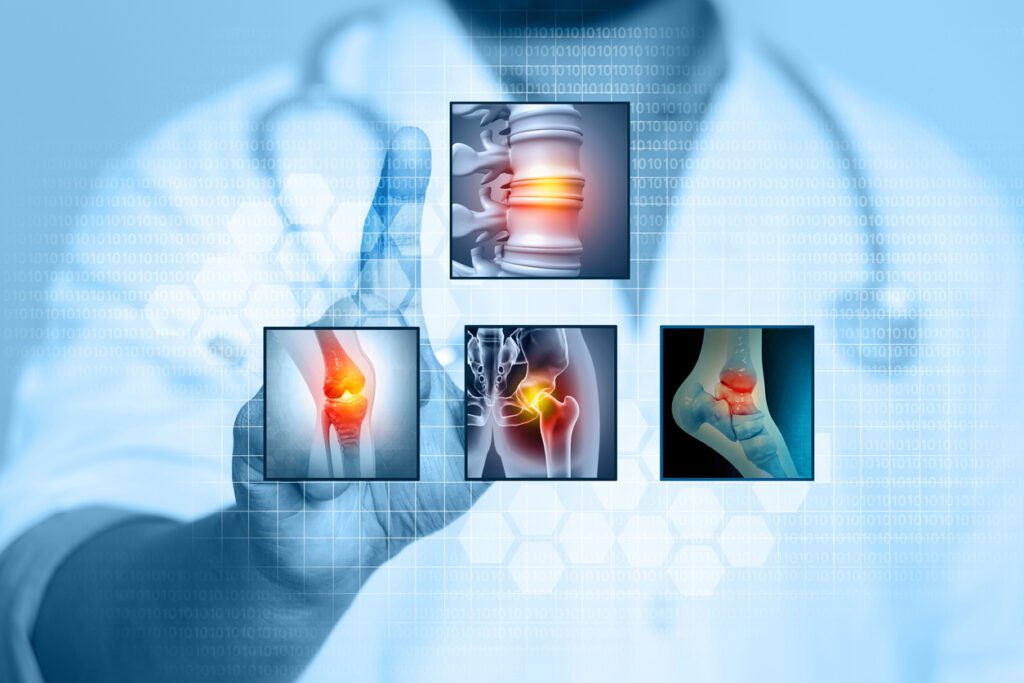
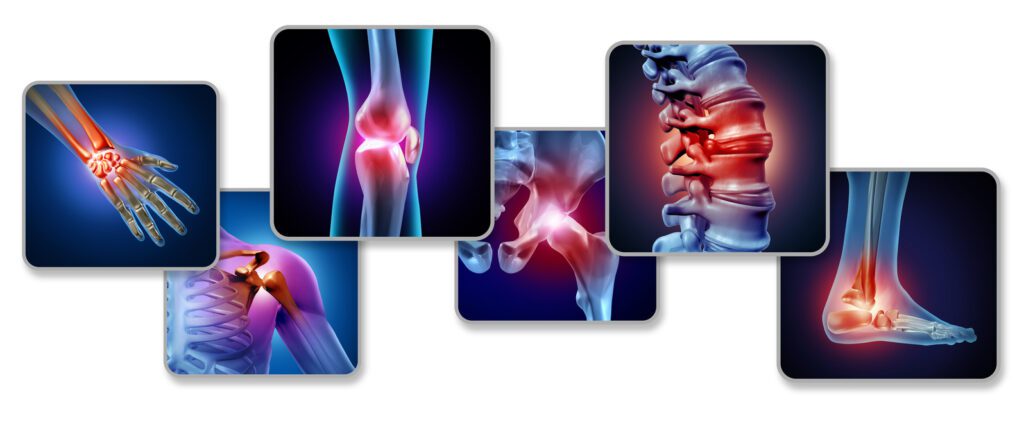
Orthopedic injuries can result from trauma, overuse, or degenerative conditions, and they often affect the musculoskeletal system, including bones, joints, and soft tissues. Common orthopedic injuries that may benefit from stem cell therapy include:
Sports Injuries: Athletes are particularly susceptible to injuries such as ligament tears, tendonitis, and muscle strains. Stem cell therapy can accelerate the healing process, reduce inflammation, and promote the regeneration of damaged tissues. For instance, studies have shown that stem cell therapy can be effective in treating anterior cruciate ligament (ACL) injuries, a common sports injury that can sideline athletes for months (Oxford Academic).
Osteoarthritis: Osteoarthritis is a degenerative joint disease characterized by the breakdown of cartilage, leading to pain, stiffness, and reduced mobility. Traditional treatments for osteoarthritis primarily focus on symptom management, but stem cell therapy offers a more targeted approach. By injecting stem cells into the affected joint, it’s possible to stimulate cartilage regeneration and reduce inflammation, potentially slowing or even reversing the progression of the disease (BioMed Central).
Degenerative Disc Disease: This condition occurs when the intervertebral discs, which act as cushions between the vertebrae, begin to deteriorate, leading to back pain and discomfort. Stem cell therapy can help regenerate the damaged disc tissue, reduce pain, and improve function. Research has shown promising results in using stem cells to treat degenerative disc disease, offering patients an alternative to invasive surgical procedures (SpringerLink).
How Stem Cell Therapy Works for Orthopedic Injuries
The process of stem cell therapy for orthopedic injuries typically involves several key steps:
Harvesting Stem Cells: Depending on the source of the stem cells, they can be harvested from the patient’s bone marrow, adipose tissue, or from donor sources such as umbilical cord tissue. The cells are then processed and prepared for injection.
Injection: The concentrated stem cells are then injected directly into the injured area using imaging guidance such as ultrasound or fluoroscopy to ensure precise delivery. In some cases, multiple injections may be required over time to achieve optimal results.
Recovery and Monitoring: Following the procedure, patients are monitored to assess their response to the therapy. Recovery times can vary, but many patients begin to notice improvements within weeks to months after the treatment.
Benefits of Stem Cell Therapy for Orthopedic Injuries
Stem cell therapy offers several advantages over traditional treatments for orthopedic injuries:
Minimally Invasive: Unlike surgical interventions, stem cell therapy is minimally invasive, involving only injections rather than incisions. This reduces the risk of complications and shortens recovery times.
Reduced Pain and Inflammation: Stem cells have anti-inflammatory properties that can help reduce pain and swelling at the injury site, promoting faster healing.
Promotes Tissue Regeneration: One of the most significant benefits of stem cell therapy is its ability to promote the regeneration of damaged tissues, which can lead to more durable and long-lasting recovery.
Potential to Delay or Avoid Surgery: For conditions like osteoarthritis or degenerative disc disease, stem cell therapy may help delay or even eliminate the need for surgical intervention, providing a less invasive treatment option.
Customizable Treatment: Stem cell therapy can be tailored to the specific needs of the patient, allowing for personalized treatment plans that address the unique aspects of each injury.
Challenges and Considerations
While stem cell therapy holds great promise, it is important to acknowledge that it is still a relatively new field, and there are challenges to be addressed:
Variability in Outcomes: The effectiveness of stem cell therapy can vary depending on factors such as the type of injury, the source of stem cells, and the patient’s overall health. More research is needed to establish standardized protocols and determine the best practices for different conditions.
Regulatory and Ethical Considerations: The use of certain types of stem cells, such as embryonic stem cells, raises ethical questions and is subject to strict regulations. However, the use of adult stem cells, including MSCs, is generally considered ethical and is more widely accepted.
Cost and Accessibility: Stem cell therapy can be expensive, and it is not covered by insurance. This can limit access for some patients, particularly those who may benefit most from the treatment.
The Future of Stem Cell Therapy in Orthopedics
As research in stem cell therapy continues to advance, its potential applications for treating orthopedic injuries are expanding rapidly. The ongoing development of new techniques for harvesting, processing, and delivering stem cells is likely to improve the effectiveness and accessibility of these treatments. Scientists are also exploring ways to enhance the regenerative capabilities of stem cells through genetic modifications and the use of bioengineered scaffolds, which could lead to even more impressive outcomes.
In the future, stem cell therapy may become a standard treatment for a wide range of orthopedic conditions, from sports injuries to degenerative diseases like osteoarthritis and degenerative disc disease. This would offer patients a minimally invasive option that promotes natural healing and regeneration, potentially reducing the need for more invasive surgical procedures.
Conclusion
Stem cell therapy is revolutionizing the field of orthopedic medicine, offering a promising new approach to treating injuries and degenerative conditions. By harnessing the body’s natural healing processes, stem cell therapy has the potential to improve outcomes, reduce recovery times, and enhance the quality of life for patients suffering from orthopedic injuries. While challenges remain, the continued advancement of stem cell research holds the promise of making these treatments more effective and accessible to a broader range of patients in the near future.
References and Further Reading
To learn more about the studies and research supporting the use of stem cell therapy in orthopedic injuries, you can explore the following references:
These references provide a deeper dive into the science behind stem cell therapy and its growing role in the treatment of orthopedic conditions. As this field continues to evolve, it offers exciting possibilities for improving patient care and outcomes in orthopedics.
Multiple sclerosis (MS) is a long-term inflammatory disease that affects the central nervous system (CNS) of an estimated 3 million people worldwide. Characterized by the loss of the protective covering (myelin) of nerve fibers and degeneration of the nerve fibers themselves, MS damage disrupts communication between the brain and the rest of the body. Most MS patients start with a form known as relapsing-remitting MS (RRMS), where symptoms flare up at intervals and then partially or fully improve. Typical symptoms during these flare-ups include lack of muscle control, fatigue, and sensory impairments.
As the disease progresses, many individuals transition from RRMS to a progressive form of MS. Progressive MS is marked by a steady decline in function and an accumulation of disabilities, rather than periodic attacks. Unfortunately, the treatment options for progressive MS (PMS) are limited and often ineffective. The few available medications can help with active forms of PMS but are generally poor at slowing down the disease’s progression or promoting repair of damaged tissues.
The Promise of Stem Cell Therapy
Stem cell therapy has emerged as a promising approach to addressing the needs of patients with PMS. Stem cells have the unique ability to develop into various types of cells and offer several potential benefits, including providing support to nerve cells, modulating the immune system, and even replacing damaged cells. These characteristics make stem cells an attractive option for treating the complex pathology of PMS.
Current State of Stem Cell Therapy Research
In this review, Smith et al. explore the current state of preclinical and clinical evidence supporting the use of stem cells in treating PMS and discuss prospective hurdles impeding their translation into revolutionary regenerative medicines.
According to the authors, preclinical studies suggest that stem cells might help by reducing inflammation and protecting nerve cells in the CNS. However, translating these findings into effective treatments for humans remains a challenge.
Existing disease-modifying therapies (DMTs) have improved the treatment of RRMS by targeting the immune system to prevent the attacks that cause demyelination and nerve damage. These therapies work well for RRMS because they address the inflammatory processes that drive the disease. Unfortunately, as patients transition to the progressive phase of MS, conventional DMTs become less effective. PMS is characterized by a different set of pathological processes, including persistent inflammation behind a closed blood-brain barrier and activation of microglia (the brain’s immune cells) rather than T and B cells.
Stem Cell Therapy’s Potential Benefits
According to Smith et al. stem cell therapy offers potential benefits in several ways, including
Neuroprotection: Stem cells can potentially protect nerve cells from damage and death, which is crucial in progressive forms of MS.
Immunomodulation: Stem cells might help modulate the immune system, reducing harmful inflammation that contributes to disease progression.
Cell Replacement: Stem cells have the potential to replace damaged cells and promote the repair of damaged tissues.
While these potential benefits are compelling, the authors have found that the effectiveness of stem cell therapy in PMS is still largely unproven in clinical settings. The majority of current stem cell research focuses on the relapsing forms of MS or other diseases, with fewer studies dedicated specifically to PMS.
Current Status and Future Prospects
Stem cell therapy has demonstrated safety and feasibility across different types of cells and administration methods. The most promising results so far have been in studies involving neural stem cells (NSCs), which have shown potential in preclinical models for reducing chronic neuroinflammation. However, substantial clinical research is needed to validate these findings and determine the practical benefits of stem cell therapy for PMS.
The authors conclude that while stem cell therapy holds considerable promise for treating progressive multiple sclerosis, more research is needed. Future studies should focus on large, well-designed clinical trials to assess the benefits and risks of stem cell treatments. If proven effective, Smith et al. believe that stem cell therapy could become a revolutionary treatment for PMS and offer hope to millions of patients affected by this debilitating condition.
Source: Smith JA, Nicaise AM, Ionescu RB, Hamel R, Peruzzotti-Jametti L, Pluchino S. Stem Cell Therapies for Progressive Multiple Sclerosis. Front Cell Dev Biol. 2021;9:696434. Published 2021 Jul 9. doi:10.3389/fcell.2021.696434
Weight Loss Medical Intake Progress Patient General Information Patient Geographic Information Emergency Contact Information Medical InformationPatient Application Statement and Agreement The form below is to be completed by the patient, or on the patient’s...
Liver cirrhosis (LC) is a severe global health problem, contributing to an estimated two million deaths annually. LC results from chronic liver diseases such as hepatitis B and C, alcohol consumption, non-alcoholic fatty liver disease, and autoimmune liver disease. When these diseases progress unchecked, they lead to liver cirrhosis, characterized by inflammation and fibrosis. Most patients with LC die from complications due to a lack of effective treatments and poor patient compliance. While liver transplantation is effective, it is costly and comes with risks like immune rejection and recurrent infections. This has led to an urgent need for alternative treatments for LC.
Mesenchymal stem cells (MSCs) offer a promising alternative due to their ability to renew themselves and differentiate into various cell types. MSCs have gained attention for their potential to treat tissue-damaging diseases due to their low immunogenicity and ability to home to injury sites. Animal studies have shown MSCs to be safe and effective in treating LC, and clinical trials indicate improvements in liver function with no significant adverse effects.
Lu et al.’s study aims to systematically evaluate the efficacy and safety of MSCs for treating liver cirrhosis through a meta-analysis of clinical trials.
As part of this study, the authors analyzed data from PubMed/Medline, Web of Science, EMBASE, and Cochrane Library up through May 2023. Researchers used the PICOS principle for literature screening and assessed the risk of bias. Data from each study’s outcome indicators, such as liver function and adverse events, were then extracted and analyzed using Review Manager 5.4.
Eleven clinical trials met the criteria for this analysis. The pooled data showed significant improvements in primary and secondary liver function indicators. Patients who received MSC infusions had higher albumin (ALB) levels at 2 weeks, 1 month, 3 months, and 6 months, and lower MELD scores at 1 month, 2 months, and 6 months compared to the control group. Hepatic arterial injections were particularly effective in improving these scores. Importantly, none of the studies reported severe adverse effects, indicating the safety of MSC therapy.
Key Findings and Recommendations
Considering the findings of this study, the authors provide a number of key findings and recommendations, including:
Duration of MSC Therapy: The study found that prolonging MSC treatment enhances its effectiveness in end-stage liver disease, improving symptoms such as appetite loss, mental depression, and jaundice.
Types of MSCs: MSCs can be derived from various tissues, and their effectiveness may vary. Most studies evaluated used bone marrow-derived MSCs (BM-MSCs), which have shown superior therapeutic effects compared to umbilical cord-derived MSCs (UC-MSCs). However, more research is needed to determine the best type of MSC for treating LC.
Routes of Administration: Different transplantation methods can impact the efficacy of MSC therapy. The hepatic artery route was found to be the most effective, likely due to better MSC homing to the liver. However, this method has clinical limitations such as high surgical risk. Intravenous administration, while safer, was less effective. The authors call for further research to optimize the administration route.
Secondary Indicators: While primary indicators like MELD score and ALB levels showed significant improvements, secondary indicators such as ALT, AST, TBIL, and INR did not show significant differences between the MSC and control groups. The authors believe this could be due to variability in disease cause, patient population, and follow-up duration.
Complications and Prognosis: MSC therapy also showed potential in reducing LC complications, such as portal hypertension and ascites, and decreasing mortality and hepatocellular carcinoma (HCC) incidence. However, more clinical trials are needed to confirm these findings and assess the long-term prognosis of MSC therapy in LC.
Lu et al. conclude that mesenchymal stem cell therapy is a safe and effective treatment for liver cirrhosis, significantly improving liver function without severe adverse effects. However, to fully realize the potential of MSC therapy, a standardized treatment protocol is needed. This includes optimizing the timing, dosage, frequency, and administration route of MSC infusions.
Additionally, MSC-derived exosomes show promise as an alternative treatment strategy. The authors call for further research, including multicenter, large-scale, long-term RCTs, to address these questions and improve the therapeutic outcomes for LC patients.
Weight Loss Programs Stemedix proudly welcomes you to our cutting-edge weight loss clinic. Weight gain can come from any number of reasons, whether it be from hormonal issues, a sedentary life, poor diet, or even the process of aging, many things can lead to unwanted...
This website and its contents are not intended to treat, cure, diagnose, or prevent any disease. Stemedix, Inc. shall not be held liable for the medical claims made by patient testimonials or videos. They are not to be viewed as a guarantee for each individual. The efficacy for some products presented have not been confirmed by the Food and Drug Administration (FDA).
This website uses cookies to improve your experience while you navigate through the website. Out of these cookies, the cookies that are categorized as necessary are stored on your browser as they are essential for the working of basic functionalities of the website. We also use third-party cookies that help us analyze and understand how you use this website. These cookies will be stored in your browser only with your consent. You also have the option to opt-out of these cookies. But opting out of some of these cookies may have an effect on your browsing experience.
Necessary cookies are absolutely essential for the website to function properly. This category only includes cookies that ensures basic functionalities and security features of the website. These cookies do not store any personal information.
Any cookies that may not be particularly necessary for the website to function and is used specifically to collect user personal data via analytics, ads, other embedded contents are termed as non-necessary cookies. It is mandatory to procure user consent prior to running these cookies on your website.
Subscribe To Our Newsletter
Join our mailing list to receive the latest news and updates from our team.
You have Successfully Subscribed!
Request Information Packet
We'll send your FREE information packet that outlines our entire personalized, stress-free stem cell treatment process!
Thanks for your interest!
Request Information Packet
We'll send your FREE information packet that outlines our entire personalized, stress-free stem cell treatment process!
Thanks for your interest!
Request Information Packet
We'll send your FREE information packet that outlines our entire personalized, stress-free stem cell treatment process!
Thanks for your interest!
Request Information Packet
We'll send your FREE information packet that outlines our entire personalized, stress-free stem cell treatment process!
Thanks for your interest!
Request Information Packet
We'll send your FREE information packet that outlines our entire personalized, stress-free stem cell treatment process!
Thanks for your interest!
Request Information Packet
We'll send your FREE information packet that outlines our entire personalized, stress-free stem cell treatment process!
Thanks for your interest!
Request Information Packet
We'll send your FREE information packet that outlines our entire personalized, stress-free stem cell treatment process!
Thanks for your interest!
Request Information Packet
We'll send your FREE information packet that outlines our entire personalized, stress-free stem cell treatment process!
Thanks for your interest!
Request Information Packet
We'll send your FREE information packet that outlines our entire personalized, stress-free stem cell treatment process!
Thanks for your interest!
Request Information Packet
We'll send your FREE information packet that outlines our entire personalized, stress-free stem cell treatment process!
Thanks for your interest!
Request Information Packet
We'll send your FREE information packet that outlines our entire personalized, stress-free stem cell treatment process!
Thanks for your interest!
Request Information Packet
We'll send your FREE information packet that outlines our entire personalized, stress-free stem cell treatment process!




 St. Petersburg, Florida