by admin | Sep 26, 2018 | Health Awareness
Coenzyme Q10 (CoQ10) is an antioxidant occurring naturally in the body. It is critical to the growth and maintenance of cells and is found to be lower in individuals with conditions such as Parkinson’s disease and Huntington’s disease. Research shows that taking CoQ10 supplements in combination with creatine may benefit individuals with these neurodegenerative conditions – but why?
CoQ10 & Creatine
Both CoQ10 and creatine are commonly found in meat and seafood. The body produces creatine naturally as well, in the kidneys, liver, and pancreas. It is an amino acid located in the brain and muscles, where it is used for energy. Together, both CoQ10 and creatine have neuroprotective effects. When taken in conjunction, they have been shown to improve motor performance and reduce DNA oxidative damage. They work by protecting against dopamine depletion and reducing lipid peroxidation, or the cellular damage caused by free radicals. CoQ10 and creatine have also been shown to reduce the volume of lesions found on the striatum, a part of the brain responsible for many aspects of cognition, including motor and action planning and decision making. In conditions like Parkinson’s disease, this area of the brain is compromised, resulting in symptoms such as tremors and slow movement. With Huntington’s disease, the degeneration of brain cells in this area causes progressive dementia.
How Should I Take CoQ10 & Creatine?
While CoQ10 and creatine can be ingested through food, they are found in minimal amounts in nutritional sources. Thus, eating more meat or seafood alone is unlikely to help you produce more of the antioxidant and amino acid. With that said, findings suggest that they can be taken as supplements as a form of combination therapy to treat neurodegenerative diseases. Moderate daily doses of CoQ10 (500-800 mg) in contrast with high doses (2,700 mg) in particular have been shown to yield mild to moderate improvements in symptoms like fatigue and muscle tone. Creatine has been shown to provide benefits for patients suffering from muscle-related pain. Before taking either CoQ10 or creatine, it is important for patients to discuss proper dosages and potential symptoms with their physicians for their ensured safety.
by admin | Sep 24, 2018 | Stem Cell Research, Stem Cell Therapy
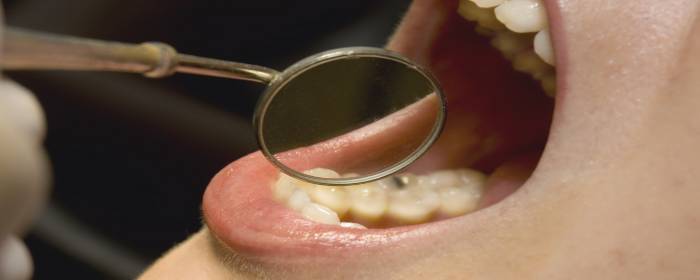
The application of stem cells to treat health disorders, diseases, and injuries has been rapidly expanding in recent years. The breadth of their application comes from the fact that stem cells are undifferentiated and can, therefore, differentiate into all sorts of cells with different specialized functions and therefore have an enormous number of potential ways that they can improve health. A review published in Frontiers in Physiology covers the way stem cells can be used for therapy of oral diseases.
According to the authors of the article, adult stem cells and induced pluripotent stem cells are the best types of stem cells to use to treat oral and maxillofacial defects. There are pros and cons associated with adult stem cells, including both autologous and allogeneic stem cells, as well as with induced pluripotent stem cells. For instance, whereas autologous stem cells can modulate the immune system, allogeneic stem cells appear helpful for malignant diseases, and induced pluripotent stem cells are unlimited in terms of their source and do not involve any ethical issues.
There are a number of potential sources for treating oral disease, including tooth germ progenitor cells, dental follicle stem cells, salivary gland stem cells, stem cells of the apical papilla, dental pulp stem cells, inflamed periapical progenitor cells, among others. While adults stem cells can differentiate directly into specialized cells or can be turned into induced pluripotent stem cells, induced pluripotent stem cells can be driven to differentiate into specialized cells.
Clinical trials have been undertaken to study the ways in which stem cells can address a number of oral diseases, including bone diseases, dental pulp diseases, eye diseases, facial diseases, and periodontal diseases, as well as tooth extraction. The strategies for treating oral disease with stem cells involve sorting and expanding the stem cells outside of the body, mixing them with materials and factors that help them grow, and implanting them into the impaired region.
Future research will help to delineate the different ways in which certain types of stem cells can best be used to address individual oral diseases. Studies will also help to uncover the specific types of stem cells that are best for specific diseases and the protocols that should be used to reap the greatest benefits for patients.
by admin | Sep 20, 2018 | Health Awareness
Avocados have long been hailed as a food source rich in vital nutrients. Not only is it loaded with almost 20 vitamins, minerals, and phytonutrients, but it also has just 80 calories per serving. Yet, aside from its “superfood” status, could this unique stone fruit hold even more power to boost wellness? Research seems to suggest so.
Phytochemicals in Avocado
According to an article in Advances in Neurobiology, avocados’ high concentration of phytochemicals could play “a pivotal role in the prevention and cure of various neurodegenerative diseases.” Phytochemicals are biologically active compounds found naturally in plant sources, many of which have antioxidants and free radical scavenging effects. Research has also pointed to their ability to improve the functionality of the endothelium or the cells that line the interior of blood vessels. With a host of beneficial properties, they are shown to reduce risks for non-neurodegenerative diseases as well, including cancer, inflammatory conditions, and type 2 diabetes.
How Phytochemicals Benefit Neurodegenerative Diseases
What researchers are now discovering is that in addition to reducing inflammation and attacking free radicals, these phytochemicals also seem to specifically exhibit neuroprotective effects. Overproduction of free radicals can lead to oxidative damage to important biomolecules such as DNA and proteins, which eventually lead to the development of degenerative diseases. Reactive oxygen species resulting from free radical damage can also become active in the brain and neuronal tissue, leading to oxidative stress. Researchers have determined that oxidative stress is a causative agent behind the development of neuronal damage, which is present in neurodegenerative diseases such as Huntington’s disease, Parkinson’s disease, amyotrophic lateral sclerosis (ALS), and Alzheimer’s disease. Interestingly, studies show that the antioxidants found in avocados are unique, and have been shown to reduce neuronal death.
To maximize the benefits of avocados, the Food and Drug Administration (FDA) updated its daily recommended serving to 1/3 of a medium-sized fruit in 2016. This allows consumers to reap significant nutritional benefits from the antioxidative properties of Vitamin C, vitamin E, and other components without ingesting too many calories from fats. The creamy, fiber-rich fruit is often served atop salads, toast, and even enjoyed raw.
by admin | Sep 18, 2018 | Bone Marrow
The knee is a complex joint that must support the weight of the body while allowing the leg to bend freely. An important part of the knee joint is the meniscus. The meniscus is a fibrous cartilage structure that acts as a shock absorber. While these menisci perform very well during various strenuous activities, they can and do tear. In fact, a torn meniscus in the knee is one of the most common orthopedic injuries.
A torn meniscus of the knee often causes pain and swelling in the knee. Patients with a torn meniscus cannot squat or kneel, and the knee joint does not move smoothly. In fact, many patients with a torn meniscus describe the joint as popping, locking, catching or even “giving out.”
The meniscus of the knee can be torn in several ways; however, most torn menisci result from either one of two things: athletic activity or degenerative arthritis. As you would imagine, menisci torn during sport occur more commonly in young athletes such as dancers, certain kinds of track and field athletes, and basketball, soccer and football players. People with degenerative arthritis tend to be older and often have careers that require a lot of bending at the knee, such as carpet layers, carpenters, plumbers, etc.
Some people can live with small tears in their knee meniscus, but many people ultimately require surgery to fix the problem. One of the major approaches is to perform a total or partial meniscectomy of the damaged knee meniscus. Generally speaking, surgeons offer partial meniscectomy because patients heal faster, and results are about as good as a total meniscectomy. Unfortunately, surgical repair of these tissues is not always successful, especially in older individuals with tears related to degenerative arthritis. Consequently, surgical researchers are keen to discover new ways to improve partial meniscectomy to help people with meniscal tears of the knee.
One exciting option is using stem cells to potentially help patients regrow healthy meniscus after surgeons remove the damaged portion.
In one study, orthopedic surgeons at various surgical centers around the United States participated in an I/II, randomized, double-blind, controlled study to study the effects of human mesenchymal stem cells in people with a meniscal tear of the knee. Researchers recruited 60 patients who were eligible to receive a partial meniscectomy and sorted them into three groups: treatment group A received 50 million human mesenchymal stem cells, group B received 150 million stem cells, and group C (the control group) simply received an infusion of salt water. Patients received an injection of stem cells into the knee, 7 to 10 days after their partial meniscectomy surgery. Then researchers followed the patients for six weeks, six months, one year, and two years after the procedure.
Researchers found that some patients who received human mesenchymal stem cells had a significant increase in the size of their menisci after surgery. By contrast, no single patient in the control group had an increase in the size of their menisci. In other words, stem cells were found to be able to increase the size of the knee meniscus in some patients, as originally hypothesized. Likewise, the study authors could find no clinically important safety issues from injecting stem cells into the knees of patients. Perhaps most importantly, people who received mesenchymal stem cells reported a significant reduction in the amount of pain they experienced due to degenerative changes in the knee. In other words, partial meniscectomy plus stem cells apparently helped patients with degenerative arthritis of the knee.
The authors concluded that this research shows that human mesenchymal stem cells have the potential to be able to repair knee meniscus tissue and improve knee pain in people with meniscal tears. While additional research is needed, these results are very exciting for people who have torn menisci, especially older patients whose knee pain is a result of osteoarthritis or degenerative joint disease in the knee.
by admin | Sep 18, 2018
Neurodegenerative Regenerative Medicine, also known as Stem Cell Therapy, has shown potential outcomes in symptom management and slowing condition progression. Neurodegenerative Regenerative Medicine, also known as Stem Cell Therapy, has shown potential outcomes in...




 St. Petersburg, Florida