by admin | Nov 16, 2018 | Health Awareness
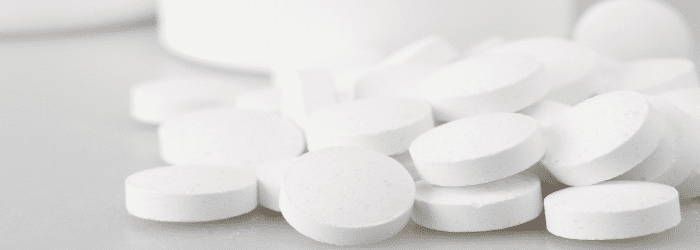
While most vitamins and minerals can be obtained through food sources, the modern American diet does leave some nutritional gaps which many people should address. Folic acid, in particular, is one vitamin which contributes to important bodily functions and may need to be taken in supplement form in certain populations.
What is Folic Acid?
Folic acid is a water-soluble B vitamin. Folate is found both naturally in food, while folic acid is its synthetic form. In the late 1990s, food sources including pasta, cereal, bread, and flour were required to be enriched with the vitamin by federal law. Certain foods are also innate sources of folate, including leafy greens, asparagus, beans, bananas, melons, mushrooms, and some types of meat.
What Does It Do?
Folate is required by the body to make red and white blood cells, produce healthy DNA, and transfer carbohydrates into energy. In addition, it prevents the complications associated with low blood levels of folate, including the inability to absorb nutrients through the bowels and anemia. Folic acid is also used to treat conditions commonly associated with folate deficiencies, such as ulcerative colitis and liver disease, as well as kidney dialysis.
Because of its far-reaching impact, folic acid is also used to support a number of bodily functions. It is often taken by patients with Alzheimer’s and memory loss, hearing loss, macular degeneration, and osteoporosis. Some people use it as a preventative for cancers such as colon cancer or cervical cancer, and it is even taken to minimize the risk of heart disease and stroke.
Finally, folic acid is perhaps best known for its ability to prevent birth defects. Women who are pregnant, trying to get pregnant or breastfeeding can take a supplement under the direction of their obstetrician to support fetal health and development.
Should You Take Folic Acid?
Many people can get folate through their diets, but achieving the recommended daily value of 400 micrograms (mcg) can be challenging to do through food alone. If you are eating a blend of whole foods every day, there’s a chance you could be getting enough folate already, but because the vitamin plays such an essential role in various bodily functions and disease risk management, it doesn’t hurt to ask your doctor about taking supplements. Most folic acid supplements are sold in 400 mcg doses, but don’t worry if you get more folate from your diet naturally – many adults can take up to 1,000 mcg safely but talk to your doctor first before starting any supplements.
by admin | Nov 14, 2018 | Stem Cell Research, Stem Cell Therapy
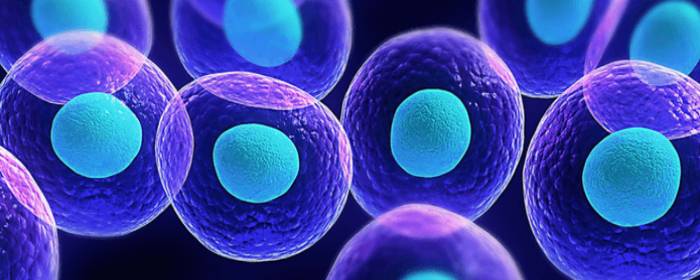
Evidence has been accumulating for years showing how stem cells can serve therapeutic functions. Much of this research focuses on how stem cells can be applied to damaged tissue to help regenerate the area. Because stem cells can differentiate into a wide variety of cell types, they can be widely utilized to repair distinct types of tissue. However, a recent paper published in the World Journal of Stem Cells has described how stem cells can also be used to carry therapeutic agents to tissues and organs to help with regeneration.
Stem cells are good candidates for delivering genes, proteins, and small molecules to areas of interest because they have an innate ability to migrate to sites of injury. One challenge for using stem cells for this type of therapeutic delivery is how to load the stem cells with the therapeutic agents. There are pros and cons for the techniques that have been investigated.
Polymeric nanoparticles, are FDA approved and are versatile, uploaded efficiently, and biocompatible. However, it is hard to control the release of the therapeutic agent from the stem cells. Magnetic nanoparticles are not associated with high levels of toxicity and are efficient with loading. However, they can induce oxidative stress in carrier cells.
Silica nanoparticles have quick uptake, are non-toxic, stay within cells for a long time, and are versatile. However, their tendency to stay within cells for a long time can sometimes be a disadvantage when the agent needs to be cleared.
Liposomal nanoparticles are relatively easy to manufacture and are versatile in their therapeutic agent delivery. However, these nanoparticles are less efficient at uptake and need higher concentrations of the therapeutic agent loaded, which can be toxic to cells.
Once stem cells are loaded with bioactive molecules, there are a few ways that they can be guided toward target organs. For instance, they can be systemically infused so that they can migrate to their target areas trough blood flow.
Further research will help to clarify how well stem cells can be used to help deliver therapeutic agents to damaged or impaired tissue. Investigation into the different nanoparticles, stem cells, and potential therapeutic applications will help us better understand the extent to which stem cells can be used in regenerative medicine.
by admin | Nov 9, 2018 | Health Awareness
Probiotics have been gaining attention within the world of nutrition recently due to their suspected ability to help maintain healthy gut flora. These “good” bacteria are found in food and are similar to those already located in your intestinal tract. And, while the digestive system has a greater number of bacteria than there are cells in the body, the harmony among within this microbiome can be thrown off easily with antibiotics, environmental toxins, and poor diet. Left unaddressed, a balance that becomes altered can lead to symptoms such as nausea, diarrhea, and fatigue. It is even suspected that when the ratio of good-to-bad gut bacteria is off, it could result in chronic inflammatory conditions like arthritis, allergies, and inflammatory bowel disease.
Luckily, there’s a simple way to begin promoting gut health. In fact, in as little as 24 hours, you can create a new microbiota by simply changing what you eat. In addition to following a diet rich in fruits, vegetables, and lean protein, you can also begin to incorporate probiotics into your meals. While yogurt is commonly thought of as the go-to choice for consuming healthy-gut bacteria, there are plenty of other options to choose from. Explore some of the most popular alternatives below.
Kefir
Kefir is a sour-tasting fermented drink made from the milk of cows, goat, or sheep. Its origins can be traced to the Caucasus Mountains of West Asia. The drink is fermented with kefir grains and is considered to be even healthier than yogurt. While low in calories, kefir also has many macro and micronutrients, including protein, calcium, vitamin B12, and phosphorus.
Kombucha
Kombucha seems to be everyone’s power beverage of choice these days, and for good reason. The fermented tea isn’t just replete with probiotics; it also has bountiful antioxidants. Kombucha made from green tea is especially beneficial, as it shares many of the same health benefits of the tea, including the ability to support weight loss and blood sugar control.
Olives
When we think of foods high in nutritional value, olives aren’t typically the first things to come to mind. Yet, these salty salad toppers are bursting with helpful bacteria. Like many of the other foods on this list, the fermentation process which olives undergo is responsible for their high content of probiotic bacteria. They’re also high in healthy unsaturated fats and have antioxidant properties.
Tempeh
Hailing from Indonesia, tempeh is a soy product known for its versatility. While it is less popular than tofu, it acts as a great substitute for the vegan staple for anyone looking to add some probiotics to their plate. Many versions also contain grains, flavorings, or beans. Tempeh holds its shape well and has a nutty taste, as well as a consistency that holds oils well. Consider incorporating it into a stir frstir-fry it on a skewer, or throw it into a salad.
Coconut Yogurt
If you’re lactose intolerant or have eliminated dairy from your diet for other reasons, you can still get your yogurt fix through the coconut version. Coconut yogurt can be eaten plain and packs a powerful serving of probiotics. Or, you can incorporate it into smoothies, overnight oats, and any other meal or snack as you see fit.
You don’t have to rely on yogurt alone to consume a healthy blend of probiotic-rich foods. When combined with other all-natural food products, these probiotics may help you maintain optimal gut health while also supporting your overall wellness.
by admin | Nov 5, 2018 | Hyperbaric Oxygen Therapy, Traumatic Brain Injury
Many US warfighters are left with traumatic brain injury (TBI) and/or posttraumatic stress disorder (PTSD) after suffering blast injury during battle. TBI is one of the leading causes of disability in the United States, and PTSD is rapidly becoming a leading cause of disability among US veterans. PTSD leaves sufferers with flashbacks, severe anxiety, sleep disturbances, mood disorders, and cognitive deficits. Traumatic brain injury, on the other hand, may cause a variety of mental and emotional problems. When these conditions occur in the same patient, it can have devastating effects on quality of life for the veteran’s remaining years.
The main treatment for traumatic brain injury is to simply allow the brain time to heal. Unfortunately, the brain is different than skin or other tissues of the body; it only has limited capacity to heal itself after an injury. The main treatment for PTSD is psychotherapy (talk therapy) and a rather nonspecific collection of medications including antidepressants and antipsychotic drugs. Unfortunately, people with both traumatic brain injury and PTSD are more difficult to treat, and generally, have poorer outcomes.
Researchers at the Veterans Administration studied the effects of hyperbaric oxygen therapy among military veterans with mild to moderate traumatic brain injury and PTSD. In a phase 1 clinical trial, veterans received 40 treatments of hyperbaric oxygen therapy lasting for 60 minutes each. Each treatment was 1.5 times atmospheric pressure or 50% more than they would experience under normal circumstances. Despite this modest dose of hyperbaric oxygen, the benefits to warfighters were remarkable.
After treatment, the veterans had substantial improvements in short-term memory, attention, concentration, and executive function. Shockingly, their IQ increased by nearly 15 points on average. They also enjoyed a substantial reduction in the frequency and severity of headaches. On average, they had a 30% reduction in PTSD symptoms. In fact, nearly 2/3 of trial participants were able to reduce the dose of or stop their PTSD medications.
Study participants also underwent special studies to examine the effects of hyperbaric oxygen therapy on brain tissue and blood flow. Patients treated with hyperbaric oxygen showed substantial increases in brain blood flow and marked increases in the volume of brain tissue. In other words, hyperbaric oxygen therapy was able to accelerate brain healing in this study.
This groundbreaking research has led to the use of hyperbaric oxygen therapy is a treatment for TBI and PTSD in other military personnel and also civilians. As additional clinical trials are published, the hope is that more health insurers, Medicare, and the VA will reimburse patients for this important treatment.
by admin | Nov 1, 2018 | Health Awareness
For people living with essential tremor, the condition’s rhythmic and involuntary shaking which occurs upon movement can be frustrating. While it primarily affects the hands, the voice, head, and arms may also be impacted. Treatment options for the condition are limited, with beta blockers, Botox injections, and anti-seizure medications among the few methods available to help. More frustratingly, a mere 60% or less of patients found medication helpful. The potential ineffectiveness and side effects of these drugs often make them an unpopular option among people with essential tremor.
Recently, however, researchers have discovered an alternative treatment option which could help. A study published by the British Medical Journal showcases the results of two individuals with essential tremor who received high-dose vitamin B1 injections over the course of three years. The patients were treated with two extremely high doses of the vitamin (100 times the daily recommended dose) twice per week.
Results were astonishing, with patients experiencing noticeable improvement after three months of the vitamin injections. Tremors improved significantly, which could suggest a highly effective, and affordable solution may soon be available to patients.
Doctors advise patients to proceed with caution when taking vitamins, however. It’s particularly important to receive physician oversight when pursuing mega-doses such as these, as there is always a risk for adverse health effects including interactions with other medications. With that said, B vitamins are water-soluble, meaning any that aren’t used by the body is excreted with urine. Fat-soluble vitamins, on the other hand, could cause toxicity if taken in excess. Unlike water-soluble vitamins, these are retained in the body’s fat stores and could, therefore, lead to serious health complications if taken in high doses.
Because of the study’s limited scope, more research will likely need to be conducted before physicians can begin administering vitamin treatments for patients with essential tremor. Nonetheless, the results we’ve seen appear to hold promise, especially considering the shortcomings of existing treatment methods.
Stem cell therapy has shown potential benefits for those with Parkinson’s disease in helping manage tremors. Contact a Care Coordinator for more information on how regenerative medicine could be an option for helping manage your condition.




 St. Petersburg, Florida