by admin | Jun 14, 2019 | Mesenchymal Stem Cells, Umbilical Stem Cell
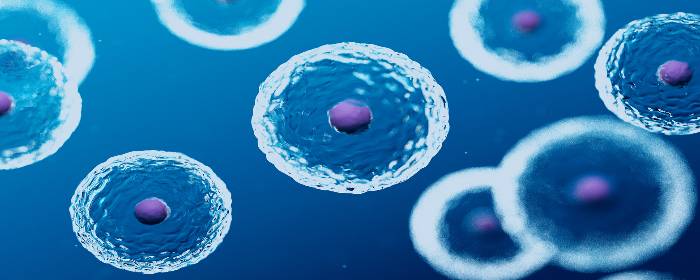
Mesenchymal stem cells are believed by many to be the most effective type of stem cell for regenerative medicine. Mesenchymal stem cells are intriguing because they can regenerate damaged tissues in four major ways:
Paracrine effects – Mesenchymal stem cells release substances that can attract other cells to the site of injury. For example, mesenchymal stem cells secrete cytokines to attract cells that participate in wound healing.
Trophic effects – Mesenchymal stem cells release substances that increase blood vessel development and help cells grow and survive.
Immunomodulation – Mesenchymal stem cells have anti-inflammatory properties, exerting beneficial effects in multiple sclerosis, graft versus host disease, Crohn’s disease, ulcerative colitis, and lupus, among others.
Differentiation – Since they are pluripotent, mesenchymal stem cells have the potential to become other cells such as bone cells, fat cells, brain cells, skin cells, blood vessel cells, and many others.
Unfortunately, it can be difficult to collect mesenchymal stem cells. One major source of mesenchymal stem cells is bone marrow. To collect bone marrow mesenchymal stem cells, however, a person (usually the patient) must undergo a procedure to obtain bone marrow. This procedure is invasive and can be uncomfortable. Therefore, researchers are keenly interested in finding other sources of mesenchymal stem cells.
One very attractive source of mesenchymal stem cells is the umbilical cord. For centuries, umbilical cord tissue was considered medical waste. Once a baby was born and the umbilical cord was cut, the rest of the umbilical cord was usually discarded. Approximately 30 years ago, however, researchers discovered that umbilical cords that were destined to be destroyed as medical waste actually contained cells that could be medically useful. Fifteen years ago, researchers showed that cells taken from umbilical cords contained mesenchymal stem cells that have the ability to become other cells (e.g. fat or bone cells).
Since 2004, researchers have discovered an incredible number of potential uses for mesenchymal stem cells that come from umbilical cord tissue. In fact, research shows that mesenchymal stem cells are taken from discarded umbilical cord actually have higher levels of certain helpful genes then mesenchymal stem cells taken from fat tissue, bone marrow, or skin. Perhaps most impressively, umbilical cord mesenchymal stem cells are non-tumorigenic, which means they do not produce tumors.
Today, mesenchymal stem cells derived from the umbilical cord are the subject of intense clinical research. There are approximately 100 clinical trials testing the safety and effects of umbilical cord mesenchymal stem cells in over a dozen different diseases. In all clinical studies, these stem cells have proven to be remarkably safe—there have been no side effects reported aside from a temporary fever in some cases.
Taken together, these results suggest human umbilical cord is an excellent source of mesenchymal stem cells for several reasons. Unlike embryonic stem cells, there are no ethical problems collecting umbilical cord tissue for stem cells. These particular stem cells appear to be a bridge between prenatal and postnatal mesenchymal stem cells and possess the beneficial properties of each. They do not form tumors, but they do grow in number and become adult cells. As such, human umbilical cord mesenchymal stem cells are unique and are a promising resource in regenerative medicine.
Reference: Arutyunyan, I. et al. (2017 Umbilical Cord as Prospective Source for Mesenchymal Stem Cell-Based Therapy. Stem Cells International. 2016:6901286.
by admin | Jun 12, 2019 | Health Awareness
Extreme temperatures can be uncomfortable for everyone, but for certain populations, summer weather is especially harsh – and in some cases, even dangerous. In particular, people with certain chronic illnesses may be at risk for heat-related complications. As you prepare for the warm season ahead, find out how you can beat the heat if you have a sensitivity below.
Conditions That Can Flare Up with Heat
Many conditions, even when controlled effectively, can be aggravated by extreme heat. These include, but are not limited to:
- Multiple Sclerosis: Multiple sclerosis (MS) affects the nervous system, triggering a number of symptoms including muscle weakness and pain. Many people with Multiple Sclerosis experience intensified symptoms in the heat, so much so that it’s been given a name: Uhthoff’s phenomenon. Even subtle body temperature increases can exacerbate symptoms, so do what you can to keep cool this summer. Limit outdoor activities, especially during the hottest part of the day, and wear light, breathable clothing.
- Migraines: The relentless summer sun can intensify or bring on migraines in individuals who are prone to them. While your best bet is to stay indoors in a cool, dark room when you experience an episode, you can still enjoy outdoor activities when you’re feeling up to it. Just be sure to wear large, polarized sunglasses, and arm yourself with a wide-brimmed hat to prevent excess light exposure.
- Rosacea: Characterized by redness and bumps, rosacea is a skin condition which can worsen with heat and sunlight. UV rays can lead to flare-ups, while excessive heat can dry out the skin, further triggering the condition. Most people with rosacea know to keep their skin protected during long stints of outdoor activity, but don’t forget about the shorter moments in between. Even walking into the grocery store or walking the dog can expose you to heat and sunlight.
- Autoimmune Disorders: Conditions such as Rheumatoid Arthritis and Lupus, known for causing joint pain, may be influenced by UV rays. Wearing protective clothing, or at the very least, applying an SPF 30 sunscreen or higher, may help.
- Respiratory Illnesses: The dry season tends to make breathing more difficult and uncomfortable for people with conditions like asthma and Chronic Obstructive Pulmonary Disease (COPD). One reason is the spike in wildfires. If you live near a zone prone to wildfires, minimize your outdoor time as much as possible, as air impurities can aggravate the lungs.
Of course, extreme heat can take its toll on anyone, including otherwise healthy older adults. Exercising indoors or in a cool pool, snacking on chilled, healthy treats like homemade ice pops, and staying in the air conditioning during the hottest parts of the day are a few simple yet effective practices for avoiding any heat-related complications all summer long.
by admin | Jun 10, 2019 | Lupus
Systemic lupus erythematosus, also known as SLE or lupus, is a chronic inflammatory condition that can affect almost every organ in the body. Commonly, patients with lupus suffer from fatigue, fever, muscle pains, and fluctuations in weight. Perhaps the most noticeable feature of lupus is a butterfly rash that affects the nose and cheeks. In its most severe form, lupus can be life-threatening. As many as half of all patients with systemic lupus erythematosus experience some sort of kidney involvement. One feared manifestation of lupus is an inflammation of the kidney called lupus nephritis. Patients can also experience blood clots in the arteries and veins, and serious inflammation of the gastrointestinal tract, lungs, and/or heart.
There is no cure for lupus. The goals of treatment are to reduce the severity of lupus symptoms, prevent damage to organs, and improve patient quality of life. Many treatments for lupus are merely preventive. For example, patients with lupus know that staying out of the sun or using sunscreen can help prevent skin rashes that often occur during the disease. Unfortunately, the treatments that are commonly used for SLE cause serious side effects. For example, steroids can help control flares, but they are not suitable for long-term use. Immunosuppressants are sometimes helpful, but they can increase a patient’s risk of infection. Newer biologics such as belimumab and rituximab are more selective treatments, but are not helpful for most patients and remain relatively expensive.
Not surprisingly, many patients with systemic lupus erythematosus are unsatisfied with their current treatments. This is frustrating for patients, families, and doctors. Thus, researchers have started testing stem cell therapy to determine if this novel treatment could be effective for treating lupus.
In one such clinical study, scientists collected mesenchymal stem cells from umbilical cord tissue (the substance that usually gets thrown away as medical waste after a baby is born). They then infused the purified stem cells into patients with SLE who had a difficult-to-treat disease (i.e., patients had failed to find relief of SLE symptoms from standard treatments or had life-threatening complications from the condition). The scientists then followed the patients for about eight months on average, though some patients were followed for as many as 28 months after stem cell treatment.
Patients treated with mesenchymal stem cells showed dramatic improvements in a measure of lupus disease activity called the SLEDAI. In fact, patients enjoyed significant improvements in as little as one month after mesenchymal stem cell treatment. This effect lasted for up to two years in some patients. Moreover, patients treated with umbilical cord-derived stem cells had improvements in kidney function and lost less protein in their urine. Impressively, patients treated with stem cells showed improvements in various markers associated with active lupus including serum antinuclear antibody (ANA), anti-double-stranded DNA (anti‐dsDNA) antibody, serum complement C3 and C4, and albumin levels. Patients with lupus know that these blood markers are used to track the severity of the condition.
While one person had severe nausea during stem cell infusion, this passed quickly, and no other treatment-related side effects occurred. In fact, stem cell treatment was well tolerated by all patients in the study. These remarkable results will, of course, need to be repeated and verified in larger clinical trials. Nevertheless, the dramatic improvements seen with umbilical cord mesenchymal stem cells in patients with difficult-to-treat lupus are impressive. While more work needs to be done, patients and doctors are now looking toward stem cell treatments in the hope that this terrible disease can finally be treated effectively.
Reference: Lingyun, S. et al. (2010). Umbilical cord mesenchymal stem cell transplantation in severe and refractory systemic lupus erythematosus. Wiley Online Library. 2010 https://doi.org/10.1002/art.27548.
by admin | Jun 7, 2019 | Health Awareness
Wednesday, May 29th was National Senior Health & Fitness Day. While health and fitness are important at every age and every day, making efforts to stay active and promote wellness as we age is especially important. Exercise can support healing, disease prevention, increased balance and stability, improve quality of life, and even reduce all-cause mortality. Yet, you don’t have to be a competitive athlete to enjoy the benefits of health and fitness. Explore some small changes you can make to feel better both now and into the future below.
5 Practical Health Tips for Seniors:
Pursue a Variety of Exercises
Being physically active doesn’t have to mean engaging in a heart-pounding sweat session every day. In fact, there are many types of physical activity you can perform for the following benefits:
- Aerobic activity to keep your cardiovascular system functioning well
Consider taking a brisk walk or working in the garden to get your heart rate up. If you’re interested in trying an aerobic workout without the risk of falls, consider an aquatic exercise program.
- Strength moves to maintain muscle mass
While you can lift soup cans, or a light set of handheld weights to increase strength, there are also many strength moves you can perform with your own body weight. Seated arm and leg raises, for example, can help to boost strength.
- Balance exercises to reduce fall risks
Many community fitness centers offer balance programs designed specifically for older adults, but you can also explore at-home exercises like standing on one foot for increasing periods of time (with a support system within reach).
- Activities to increase flexibility and reduce stiffness
Simple stretching routines such as touching your toes or overhead reaches can keep muscles limber while reducing stiffness. You might also consider trying a gentle yoga class or a guided video at home.
Warm Up & Cool Down
No matter how light your exercise may seem, it’s always a good idea to warm up and cool down thoroughly. To prevent pulling a muscle or any other sports-related injury, perform dynamic stretches like overhead reaches, twists, and toe touches to get the body warm before beginning an activity. Once your exercise is completed, gently stretch the muscles you used to cool down.
Keep in Touch with Others
Oftentimes we think of physical health when it comes to wellness, but mental health is equally as deserving of our attention. Isolation and loneliness can be common in senior populations, which is why older adults should make a point to stay active in social networks and the community. While social media platforms make it easier for elderly individuals to stay in touch with friends and loved ones, it’s also important to spend time in-person, too. Reach out to family members and friends often to stay in touch. Explore community events for seniors in your area, and consider volunteering for a local cause that speaks to you.
Eat a Variety of Healthy Foods
While exercising is a great way to stay healthy at every age, the food you eat plays just as critical a role in maintaining wellness. High-fiber, nutrient-rich foods are especially beneficial for seniors. Consider adding more vegetables, fruits, and beans to your diet to fill your plate with a variety of healthy foods. Low-fat and fat-free yogurt, cheese, and other milk products are also important for taking in enough vitamin D, which helps to maintain strong bones.
Ask Your Doctor About Supplements
Seniors have specific nutrition needs which even the healthiest diet may fail to meet completely. For example, vitamin B12 and D needs increase with age, and while there are some dietary sources available, it might be worthwhile to look into supplements. Your doctor can help you determine which vitamins and minerals you should be taking daily to optimize your health.
by admin | Jun 6, 2019
Regenerative Medicine in Scottsdale, Arizona Welcome to Scottsdale, AZ! The home to one of Stemedix’s treatment facility, this location is ideal for those seeking a closer facility to their west coast homes. As with all our locations, once you arrive in...




 St. Petersburg, Florida